Crystalline form IV of agomelatine, a process for its preparation and pharmaceutical compositions containing it
US20060270875A1
2006-11-30
11/497,696
2006-08-02
✅ Patent granted
US 7,645,905 B2
2010-01-12
-
-
Daniel M Sullivan | Sudhakar Katakam
2026-10-09
Abstract:
Crystalline form IV of the compound of formula (I): characterised by its powder X-ray diffraction diagram. Medicinal products containing the same which are useful in the treatment of melatoninergic disorders.
Inventors:
- Gérard Coquerel 32 🇫🇷 Boos, France
- Julie Linol 9 🇫🇷 Rouen, France
- Jean-Claude Souvie 19 🇫🇷 Le Havre, France
Assignee:
- LES LABORATOIRES SERVIER 133 🇫🇷 SURESNES CEDEX, France
- LES LABORATOIRES SERVIER 26 🇫🇷 COURBEVOIE, France
Interested in similar patents?
Get notified when new applications in this technology area are published.
Classification:
C07C231/24 » CPC main
Preparation of carboxylic acid amides; Separation; Purification; Stabilisation; Use of additives Separation; Purification
A61P3/10 » CPC further
Drugs for disorders of the metabolism for glucose homeostasis for hyperglycaemia, e.g. antidiabetics
A61P15/00 » CPC further
Drugs for genital or sexual disorders ; Contraceptives
A61P25/00 » CPC further
Drugs for disorders of the nervous system
A61P35/00 » CPC further
Antineoplastic agents
A61P37/00 » CPC further
Drugs for immunological or allergic disorders
C07C233/18 » CPC further
Carboxylic acid amides having carbon atoms of carboxamide groups bound to hydrogen atoms or to acyclic carbon atoms having the nitrogen atom of at least one of the carboxamide groups bound to a carbon atom of a hydrocarbon radical substituted by singly-bound oxygen atoms with the substituted hydrocarbon radical bound to the nitrogen atom of the carboxamide group by an acyclic carbon atom having the carbon atom of the carboxamide group bound to a hydrogen atom or to a carbon atom of an acyclic saturated carbon skeleton
C07C235/18 IPC
Carboxylic acid amides, the carbon skeleton of the acid part being further substituted by oxygen atoms having carbon atoms of carboxamide groups bound to acyclic carbon atoms and singly-bound oxygen atoms bound to the same carbon skeleton the carbon skeleton being acyclic and saturated having at least one of the singly-bound oxygen atoms further bound to a carbon atom of a six-membered aromatic ring, e.g. phenoxyacetamides
C07C233/64 IPC
Carboxylic acid amides having carbon atoms of carboxamide groups bound to carbon atoms of six-membered aromatic rings
Description
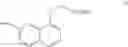
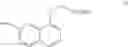
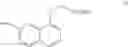
The present invention relates to a new crystalline form IV of agomelatine, or N-[2-(7-methoxy-1-naphthyl) ethyl]acetamide, of formula (I):
a process for its preparation and pharmaceutical compositions containing it.
Agomelatine, or N-[2-(7-methoxy-1-naphthyl)ethyl]acetamide, has valuable pharmaco-logical properties.
Indeed it has the double feature of being, on the one hand, an agonist of melatoninergic system receptors and, on the other hand, an antagonist of the 5-HT2c receptor. Those properties confer activity in the central nervous system and, more especially, in the treatment of severe depression, seasonal affective disorders, sleep disorders, cardiovascular pathologies, pathologies of the digestive system, insomnia and fatigue resulting from jetlag, appetite disorders and obesity.
DESCRIPTION OF THE PRIOR ARTAgomelatine, its preparation and its therapeutic use have been described in European Patent Specification EP 0 447 285.
In view of the pharmaceutical value of this compound, it has been important to be able to obtain it with excellent purity, with well defined crystalline form, perfectly reproducible, which as a result exhibits valuable characteristics in terms of formulation and sufficiently stable to allow its storage for long periods without particular requirements for temperature, light, humidity or oxygen level.
Patent Specification EP 0 447 285 describes the preparation of agomelatine in eight steps, starting from 7-methoxy-1-tetralone. However, that document does not specify the conditions for obtaining agomelatine in a form that exhibits those characteristics in a reproducible manner.
DETAILED DESCRIPTION OF THE INVENTIONThe Applicant has now developed a new synthesis process that allows agomelatine to be obtained in a well defined, perfectly reproducible crystalline form that especially exhibits valuable characteristics for formulation.
More specifically, the present invention relates to the crystalline form IV of the compound of formula (I), characterised by the following powder X-ray diffraction diagram, measured using a Siemens D5005 diffractometer (copper anticathode) and expressed in terms of inter-planar distance d, Bragg's angle 2 theta, intensity and relative intensity (expressed as a percentage of the most intense ray):
| 2-Theta (°) | d (Å) | Intensité |
| exp. | exp. | (%) |
| 5.04 | 17.524 | 8 |
| 10.16 | 8.703 | 68 |
| 10.51 | 8.409 | 9 |
| 15.22 | 5.818 | 28 |
| 16.75 | 5.288 | 39 |
| 17.41 | 5.089 | 60 |
| 18.03 | 4.915 | 100 |
| 18.81 | 4.714 | 71 |
| 20.48 | 4.333 | 37 |
| 21.61 | 4.110 | 16 |
| 23.27 | 3.819 | 11 |
| 24.04 | 3.699 | 26 |
| 24.27 | 3.665 | 42 |
| 24.77 | 3.591 | 24 |
| 25.57 | 3.481 | 13 |
| 27.06 | 3.292 | 6 |
| 27.95 | 3.190 | 11 |
The invention relates also to a process for the preparation of the crystalline form IV of the compound of formula (I), which process is characterised in that agomelatine is heated at 110° C. until the melting be completed, and is then rapidly cooled between 50 and 70° C., and maintained for about 5 hours at 70° C. until crystallisation.
An advantage of obtaining that crystalline form is that it allows the preparation of pharmaceutical formulations having a consistent and reproducible composition, which is especially advantageous when the formulations are to be used for oral administration.
A pharmacological study of the form IV so obtained has demonstrated that it has substantial activity in respect of the central nervous system and in respect of microcirculation, enabling it to be established that the crystalline form IV of agomelatine is useful in the treatment of stress, sleep disorders, anxiety, severe depression, seasonal affective disorders, cardiovascular pathologies, pathologies of the digestive system, insomnia and fatigue due to jetlag, schizophrenia, panic attacks, melancholia, appetite disorders, obesity, insomnia, pain, psychotic disorders, epilepsy, diabetes, Parkinson's disease, senile dementia, various disorders associated with normal or pathological ageing, migraine, memory loss, Alzheimer's disease, and in cerebral circulation disorders. In another field of activity, it appears that the crystalline IV form of agomelatine can be used in the treatment of sexual dysfunction, that it has ovulation-inhibiting and immunomodulating properties and that it lends itself to use in the treatment of cancers.
The crystalline form IV of agomelatine will preferably be used in the treatment of severe depression, seasonal affective disorders, sleep disorders, cardiovascular pathologies, insomnia and fatigue due to jetlag, appetite disorders and obesity.
The invention relates also to pharmaceutical compositions comprising as active ingredient the crystalline form IV of agomelatine together with one or more appropriate inert, non-toxic excipients. Among the pharmaceutical compositions according to the invention there may be mentioned, more especially, those which are suitable for oral, parenteral (intravenous or subcutaneous) or nasal administration, tablets or dragées, granules, sublingual tablets, gelatin capsules, lozenges, suppositories, creams, ointments, dermal gels, injectable preparations, drinkable suspensions and disintegrable pastes.
The useful dosage can be adapted according to the nature and the severity of the disorder, the administration route and the age and weight of the patient. The dosage varies from 0.1 mg to 1 g per day in one or more administrations.
The Examples below illustrate the invention but do not limit it in any way.
EXAMPLE 1 Crystalline form IV of N-[2-(7-Methoxy-1-naphthyl)ethyl]acetamide100 g of N-[2-(7-Methoxy-1-naphthyl)ethyl]acetamide are heated at 110° C. until the melting be completed, and is then rapidly cooled between 50 and 70° C., and maintained for 5 hours at 70° C. until crystallisation. The crystalline form IV obtained is characterised by the following powder X-ray diffraction diagram, measured using a Siemens D5005 diffractometer (copper anticathode) and expressed in terms of inter-planar distance d, Bragg's angle 2 theta, intensity and relative intensity (expressed as a percentage of the most intense ray):
| 2-Theta (°) | d (Å) | Intensité |
| exp. | exp. | (%) |
| 5.04 | 17.524 | 8 |
| 10.16 | 8.703 | 68 |
| 10.51 | 8.409 | 9 |
| 15.22 | 5.818 | 28 |
| 16.75 | 5.288 | 39 |
| 17.41 | 5.089 | 60 |
| 18.03 | 4.915 | 100 |
| 18.81 | 4.714 | 71 |
| 20.48 | 4.333 | 37 |
| 21.61 | 4.110 | 16 |
| 23.27 | 3.819 | 11 |
| 24.04 | 3.699 | 26 |
| 24.27 | 3.665 | 42 |
| 24.77 | 3.591 | 24 |
| 25.57 | 3.481 | 13 |
| 27.06 | 3.292 | 6 |
| 27.95 | 3.190 | 11 |
| Compound of Example 1 | 25 | g | |
| Lactose monohydrate | 62 | g | |
| Magnesium stearate | 1.3 | g | |
| Maize starch | 26 | g | |
| Maltodextrines | 9 | g | |
| Silica, colloidal anhydrous | 0.3 | g | |
| Sodium starch glycolate type A | 4 | g | |
| Stearic acid | 2.6 | g | |
Formulation for the preparation of 1000 tablets each containing a dose of 25 mg:
EXAMPLE 3 Pharmaceutical CompositionFormulation for the preparation of 1000 tablets each containing a dose of 25 mg:
| Compound of Example 1 | 25 | g | |
| Lactose monohydrate | 62 | g | |
| Magnesium stearate | 1.3 | g | |
| Povidone | 9 | g | |
| Silica, colloidal anhydrous | 0.3 | g | |
| Sodium cellulose glycolate | 30 | g | |
| Stearic acid | 2.6 | g | |
Claims
We claim:1. A crystalline form IV of the compound of formula (I):
wherein the compound exhibits essentially the following powder X-ray diffraction diagram, measured using a diffractometer (copper anticathode) and expressed in terms of inter-planar distance d (expressed in Å), Bragg's angle 2 theta (expressed in degrees), intensity and relative intensity (expressed as a percentage with respect to the most intense ray):
| 2-Theta (°) | d (Å) | Intensité |
| exp. | exp. | (%) |
| 5.04 | 17.524 | 8 |
| 10.16 | 8.703 | 68 |
| 10.51 | 8.409 | 9 |
| 15.22 | 5.818 | 28 |
| 16.75 | 5.288 | 39 |
| 17.41 | 5.089 | 60 |
| 18.03 | 4.915 | 100 |
| 18.81 | 4.714 | 71 |
| 20.48 | 4.333 | 37 |
| 21.61 | 4.110 | 16 |
| 23.27 | 3.819 | 11 |
| 24.04 | 3.699 | 26 |
| 24.27 | 3.665 | 42 |
| 24.77 | 3.591 | 24 |
| 25.57 | 3.481 | 13 |
| 27.06 | 3.292 | 6 |
| 27.95 | 3.190 | 11 |
2. A process for the preparation of the crystalline form IV of the compound of formula (I) of claim 1, wherein agomelatine is heated at 110° C. until completely melted, is then rapidly cooled between 50 and 70° C., and is maintained for about 5 hours at 70° C. until crystallisation occurs.
3. A pharmaceutical composition useful for treating melatoninergic disorders comprising as active ingredient an effective amount of crystalline form IV of the compound of claim 1, in combination with one or more pharmaceutically acceptable, inert, non-toxic carriers.
4. A pharmaceutical composition useful for treating sleep disorders, stress, anxiety, seasonal affective disorders or severe depression, cardiovascular pathologies, pathologies of the digestive system, insomnia and fatigue due to jetlag, schizophrenia, panic attacks, melancholia, appetite disorders, obesity, insomnia, psychotic disorders, epilepsy, diabetes, Parkinson's disease, senile dementia, various disorders associated with normal or pathological ageing, migraine, memory loss, Alzheimer's disease, cerebral circulation disorders, and also in sexual dysfunction, as ovulation inhibitors, immunomodulators and cancers comprising as active ingredient an effective amount of crystalline form IV of the compound of claim 1, in combination with one or more pharmaceutically acceptable, inert, non-toxic carriers.
5. A method for treating a living animal body, including a human, afflicted with disorders of the melatoninergic system comprising the step of administering to the living animal body, including a human, an amount of crystalline form IV of the compound of claim 1, which is effective for the alleviation of the disorder.
6. A method for treating a living animal body, including a human, afflicted with sleep disorders, stress, anxiety, seasonal affective disorders or severe depression, cardiovascular pathologies, pathologies of the digestive system, insomnia and fatigue due to jetlag, schizophrenia, panic attacks, melancholia, appetite disorders, obesity, insomnia, psychotic disorders, epilepsy, diabetes, Parkinson's disease, senile dementia, various disorders associated with normal or pathological ageing, migraine, memory loss, Alzheimer's disease, cerebral circulation disorders, and also in sexual dysfunction, as ovulation inhibitors, immunomodulators and cancers comprising the step of administering to the living animal body, including a human, an amount of crystalline form IV of the compound of claim 1, which is effective for the alleviation of the disorder.
Images & Drawings included:
Sources:
- United States Patent and Trademark Office - verify current appl. status at the USPTO↗
Similar patent applications:
Recent applications in this class:
- » 20250243149 2025-07-31
IMPROVED PROCESS FOR RECOVERING N,N-DIMETHYLFORMAMIDE (DMF) FROM AN AQUEOUS PROCESS STREAM - » 20240336557 2024-10-10
METHOD FOR CONTINUOUSLY RECOVERING DIMETHYLFORMAMIDE FROM WASTE SOLUTION RESULTING FROM PRODUCTION OF POLYIMIDE - » 20230295074 2023-09-21
DMF RECYCLING METHOD - » 20230295073 2023-09-21
PROCESS OF MAKING A CRYSTALLINE EDG-2 RECEPTOR ANTAGONIST - » 20230250052 2023-08-10
SEPARATION METHOD - » 20230133715 2023-05-04
CONTINUOUS CRYSTALLISATION METHOD - » 20220251026 2022-08-11
Method for producing highly polymerizable n-vinyl carboxlyic acid amide monomer - » 20220227697 2022-07-21
Method for producing highly polymerizable N-vinyl carboxylic acid amide monomer - » 20220220064 2022-07-14
Method for producing highly polymerizable N-vinyl carboxylic acid amide monomer - » 20220220063 2022-07-14
METHOD FOR PRODUCING HIGHLY POLYMERIZABLE N-VINYL CARBOXYLIC ACID AMIDE MONOMER
Recent applications for this Assignee:
- » 20250270317 2025-08-28
CANCER THERAPY TARGETING NKG2A - » 20250215091 2025-07-03
Anti-GAL3 Antibodies and Compositions - » 20250179195 2025-06-05
ANTI-FLT3 ANTIBODIES AND COMPOSITIONS - » 20250179063 2025-06-05
SELECTIVE BCL-XL PROTAC COMPOUNDS AND METHODS OF USE - » 20240376094 2024-11-14
SELECTIVE BCL-XL PROTAC COMPOUNDS AND METHODS OF USE - » 20240294638 2024-09-05
ANTI-NKG2A ANTIBODIES AND COMPOSITIONS - » 20240270848 2024-08-15
COMBINATION THERAPIES TARGETING PD-1, TIM-3, AND LAG-3 - » 20230227573 2023-07-20
ANTI-CD73 ANTIBODIES AND COMPOSITIONS - » 20220211718 2022-07-07
BCL-2 INHIBITORS FOR USE IN THE TREATMENT OF A BCL-2 MEDIATED CANCER CARRYING THE GLY101VAL MUTATION - » 20220203260 2022-06-30
CONTAINMENT DEVICE FOR A ROTARY EVAPORATOR