hnRNP K expression-inhibiting compound and siRNA sequence thereof
US20100317840A1
2010-12-16
12/484,823
2009-06-15
✅ Patent granted
US 8,013,144 B2
2011-09-06
-
-
Kimberly Chong
2029-06-15
Abstract:
The present invention discloses an hnRNP K expression-inhibiting compound and a siRNA sequence thereof, wherein a siRNA sequence partially or completely complementary to the sequence of hnRNP K is used to inhibit hnRNP K expression, whereby is effectively reduced the survival rate of cancer cells in an anoxic environment.
Inventors:
- Lih-Chyang Chen 4 🇹🇼 Xindian City, Taiwan
- Yu-Sun Chang 4 🇹🇼 Linkou Township, Taiwan
- Lih-Chyang Chen 2 🇹🇼 Xindian, Taiwan
- Yu-Sun Chang 2 🇹🇼 Linkou Township, Taipei County, Taiwan
Assignee:
- Chang Gung University 120 🇹🇼 Tao-Yuan, Taiwan
Interested in similar patents?
Get notified when new applications in this technology area are published.
Classification:
C07H21/04 IPC
Compounds containing two or more mononucleotide units having separate phosphate or polyphosphate groups linked by saccharide radicals of nucleoside groups, e.g. nucleic acids with deoxyribosyl as saccharide radical
C12N15/113 » CPC main
Mutation or genetic engineering; DNA or RNA concerning genetic engineering, vectors, e.g. plasmids, or their isolation, preparation or purification; Use of hosts therefor; Recombinant DNA-technology; DNA or RNA fragments; Modified forms thereof Non-coding nucleic acids modulating the expression of genes, e.g. antisense oligonucleotides
C12N2310/14 » CPC further
Structure or type of the nucleic acid; Type of nucleic acid interfering N.A.
C07H21/02 IPC
Compounds containing two or more mononucleotide units having separate phosphate or polyphosphate groups linked by saccharide radicals of nucleoside groups, e.g. nucleic acids with ribosyl as saccharide radical
Description
FIELD OF THE INVENTION
The present invention relates to an RNA interfering technology, particularly to an hnRNP K expression-inhibiting compound and a siRNA sequence thereof.
DESCRIPTION OF THE RELATED ART
Heterogeneous nuclear ribonucleoprotein K (hnRNP K) is a member of the ribonucleoprotein family. HnRNP K can directly interact with DNA and RNA via the K homology domain and can regulate gene expression in different aspects, including transcription, translation and ligation. HnRNP K may induce canceration via regulating the expression of oncogenes c-myc and eIF4E. HnRNP K can respectively join with the internal ribosome entry site of c-myc and the polypyrimidine of the promoter of eIF4E to induce the expression of c-myc and eIF4E. As hnRNP K normally exists in the nucleus, it cannot undertake regulation and translation unless it transfers to cytoplasm. A recent paper pointed out that hnRNP K may cause the metastasis of fibrosarcoma cells. Therefore, hnRNP K is a potential target for metastasis therapy. Some clinical researches pointed out that hnRNP K is abnormally expressed in cells of some specified cancers, including colorectal cancer, esophagus cancer, lung cancer, oral squamous cell cancer, and prostate cancer. The reduced hnRNP K expression in nuclei also correlates with the shorter survival period of the patients of Dukes C colorectal cancer.
The Inventors found that hnRNP K is over-expressed in nasopharyngeal cancer and clinically correlates with the overall survival rate of a patient and the incidence rate of distant metastasis. Therefore, hnRNP K can be used as a biomarker for predicting the malignancy of cancer. In the current cancer therapy technology, there is still none molecular inhibiting method or medicine inhibiting the expression of hnRNP K—the over-expressed gene in colorectal cancer, lung cancer, oral squamous cell cancer, and nasopharyngeal cancer.
SUMMARY OF THE INVENTION
The primary objective of the present invention is to provide an hnRNP K (heterogeneous nuclear ribonucleoprotein K) expression-inhibiting compound and a siRNA (small interfering RNA) sequence thereof, wherein the siRNA corresponding to TP is used to effectively inhibit hnRNP K expression and suppress the growth, metastasis and invasion of cancer.
To achieve the abovementioned objective, the present invention proposes an hnRNP K expression-inhibiting compound and a siRNA sequence thereof, wherein a siRNA is used to inhibit hnRNP K expression, and wherein a small segment of RNA having about 18-24 pieces of nucleotides matches with the mRNA (messenger RNA) of hnRNP K and then the intracellular dicer recognizes the segment of RNA, whereby the mRNA of hnRNP K is cut off, and the hnRNP K expression is inhibited. The siRNA designed by the present invention matches with hnRNP K mRNA and has a transcribable sequence
| UAAACGCCCUGCAGAAGAUUU | |
| GGUCGUGGCUCAUAUGGUGUU | |
| UGACAGAGUUGUUCUUAUUUU | |
| GCAAGAAUAUUAAGGCUCUUU |
which can inhibit hnRNP K expression and thus can reduce the survival rate of cancer cells in an anoxic environment.
Below, the present invention is described in detail in cooperation with the attached drawings to make easily understood the objective, characteristics and accomplishments of the present invention.
BRIEF DESCRIPTION OF THE DRAWINGS
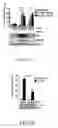
FIGS. 1A and 1B are diagrams respectively schematically showing the influence of the expression of TP, which is the target gene of hnRNP K, on the cell line of nasopharyngeal cancer in a 5′-DFUR environment and an anoxic environment;
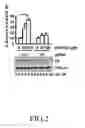
FIG. 2 is a diagram schematically showing the effect of an hnRNP K expression-inhibiting compound according to the present invention; and
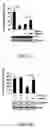
FIGS. 3A and 3B are diagrams schematically showing the effect of an hnRNP K expression-inhibiting compound according to the present invention.
DETAILED DESCRIPTION OF THE INVENTION
The hnRNP K (heterogeneous nuclear ribonucleoprotein K) expression-inhibiting compound and a siRNA (small interfering RNA) sequence thereof can effectively inhibit hnRNP K expression and thus can reduce the survival rate of cancer cells in an anoxic environment and can then suppress the growth of cancer cells, includes colorectal cancer, lung cancer, oral squamous cell cancer, prostate cancer, nasopharyngeal cancer. The nasopharyngeal cancer cells are used as the exemplification of the abovementioned cancer cells in the present invention.
In related experiments, the Inventors found that hnRNP K and the target thereof—TP are over-expressed in nasopharyngeal cancer. The abnormal hnRNP K expression and TP over-expression in cytoplasm correlates with the shorter overall survival period and the higher incidence rate of distant metastasis. A multivariate analysis shows that hnRNP K and TP in cytoplasm are the independent factors for prognosis. Further, TP over-expression in nasopharyngeal cancer cells makes the cancer cells more sensitive to the intermediate product of capecitabine—the precursor medicine 5-fluoro-5′-deoxyuridine (5′-DFUR), which can induce the apoptosis of cancer cells. Besides, the removal of serum will increase the stability of TP and cause TP over-expression.
Furthermore, RT-PCR-based immunoprecipitation and the transfer of hnRNP K from nucleus to cytoplasm shows that a UMP- and CMP-rich segment of TP can directly interact with hnRNP K. Therefore, inhibiting hnRNP K expression can reduce TP expression. It means that hnRNP K should be the upstream of TP. In the reaction mechanism, both the MEK inhibitor (Mitogen-activated protein/Extracellular signal-regulated Kinase) and the amino mutation of p-ERK (phosphorylated Extracellular signal-Regulated kinases) of hnRNP K can reduce hnRNP K expression in cytoplasm. Therefore, the phosphorylation of hnRNP K by ERK maybe plays an important role in inducing TP.
Besides, the TP expression activated by hnRNP K can inhibit the anoxic apoptosis of nasopharyngeal cancer cells. In conclusion, our experiments show that ERK can induce increasing hnRNP K expression. Thus, hnRNP K is the upstream of TP, and TP is the downstream target of hnRNP K. Both hnRNP K and TP are effective indicators to prognose nasopharyngeal cancer and deserves designing new targeted-therapy medicine thereof, which should benefit cancer therapy.
Therefore, the present invention suppresses the growth, metastasis and invasion of nasopharyngeal cancer via inhibiting hnRNP K expression. The hnRNP K expression-inhibiting compound may be the nucleotide-based molecules of RNA or DNA, which has a sense region and an antisense region jointly forming a duplex region. The sense region and the antisense region respectively have a length of 18-30 nucleotides. The antisense region has a sequence completely or partially matching the sequence of the mRNA of hnRNP K, whereby hnRNP K expression is inhibited, and the growth, metastasis, and invasion of cancer cells is suppressed.
In other words, the hnRNP K-inhibiting siRNA contains the following sequence:
| UAAACGCCCUGCAGAAGAUUU | |
| GGUCGUGGCUCAUAUGGUGUU | |
| UGACAGAGUUGUUCUUAUUUU | |
| GCAAGAAUAUUAAGGCUCUUU |
Below, experimental data is used to prove the efficacies of the present invention. The cell lines of nasopharyngeal cancer NPC-TW01, NPC-TW02 and NPC-TW04 were cultivated in DMEM (Dulbecco's Modified Eagle's Medium) supplemented with 10% fetal bovine serum, 100 U/ml penicillin, and 100 μg/ml streptomycin at a temperature of 37° C. in a humidified 5% CO2 atmosphere. The cells are also cultivated in a serum-free DMEM, i.e. treated with a serum deprivation process. The cell lines NPC-TW02 is cultivated in DMEM supplemented with 10% fetal bovine serum, 100 U/ml penicillin, and 100 μg/ml streptomycin at 37° C. in a humidified 5% CO2 atmosphere. The expression of endogenous TP can be induced by the serum deprivation processing, as shown in FIG. 1A.
Refer to FIG. 1A and FIG. 1B. A cell line of nasopharyngeal cancer NPC-TW02/TP is established to stably express exogenous TP. First, the TP-expression carrier pcDNA3.1-PT is transfected to the cell line. Next, the cell line is screened and then cultivated in a culture solution having 500 μg/ml G418. Next is performed a cytotoxicity assay, wherein NPC-TW02 and NPC-TW02/TP are respectively processed with 5′-DFUR (a product of Sigma-Aldrich, St. Louis, Mo., USA). Next, the cell lines are further cultivated for 72 hours. Next, the cell membranes are everted to expose phosphatidylserine. Then, phosphatidylserine is analyzed with the Vybrant® Apoptosis Assay Kit #2 (a product of Invitrogen).
Firstly, 2×10⁵ cells are taken out and washed with PBS. Next, a buffer solution (10 mM HEPES, 140 mM NaCl, 2.5 mM CaCl2, pH 7.4) is used to adjust the solution to have a cell concentration of 2×10⁶/mL. Next, 5 μl Alexa Fluor® 488 annexin V is added into 100 μl cell suspension, and then the cell suspension reacts at an ambient temperature for 15 minutes. Next, the cell specimens (10000 events) are analyzed with a flow cytometer (a product of Becton Dickinson), as shown in FIG. 3. Next is performed an anoxic experiment, wherein a six-hole culture tray planted with cells is placed in a modular incubator chamber (a product of Billups-Rothenberg, Del Mar, Calif.), and an air having 2% O2, 5% CO2, and 93% N2 flows through the incubator chamber with a flow rate of 20 l/min for 8 minutes. Next, the incubator chamber is sealed, and the cells are cultivated for 72 hours at a temperature of 37° C. Refer to FIG. 2. Next, the cell membranes are everted to expose phosphatidylserine. Then, phosphatidylserine is analyzed with the Vybrant® Apoptosis Assay Kit #2 (a product of Invitrogen).
According to the operation manual, 50 μg transfection agent TransIT-TKO (a product of Mirus Bio Corporation) is used to transfect 50 nmol/l dsRNA duplexes to the cell line NPC-TW02, wherein a 21-bp hnRNP K and TP-addressing RNA duplex (SMARTpool reagents, Dharmacon, Lafayette, Colo.) and a 21-bp none-addressing RNA duplex (Research Biolabs Ayer Rajah Industrial Estate) are transfected to the cell line NPC-TW02. 24 hours later from transfection, the siRNA-containing culture solution is replaced with a serum-containing culture solution and a serum-free culture solution. Refer to FIG. 2, FIG. 3A and FIG. 3B. 48 hours later from culture solution replacement, the cells are collected to extract cell protein to examine the gene expression-inhibiting effect of the transfected RNA duplexes.
The mRNA of hnRNP K may have a sequence shown in Table. 1.
| TABLE 1 | |
| 1 | ccctagccgc ccctcccccc agctagtgag tgcgcgaacg agaaaggagg agggcgctcc |
| 61 | aggcgacagc actgcagacg ccattatcct ctgtttctct gctgcaccga cctcgacgtc |
| 121 | ttgcctgtgt cccacttgtt cgcggcctat aggctactgc agcactgggg tgtcagttgt |
| 181 | tggtccgacc cagaacgctt cagttctgct ctgcaaggat atataataac tgattggtgt |
| 241 | gcccgtttaa taaaagaata tggaaactga acagccagaa gaaaccttcc ctaacactga |
| 301 | aaccaatggt gaatttggta aacgccctgc agaagatatg gaagaggaac aagcatttaa |
| 361 | aagatctaga aacactgatg agatggttga attacgcatt ctgcttcaga gcaagaatgc |
| 421 | tggggcagtg attggaaaag gaggcaagaa tattaaggct ctccgtacag actacaatgc |
| 481 | cagtgtttca gtcccagaca gcagtggccc cgagcgcata ttgagtatca gtgctgatat |
| 541 | tgaaacaatt ggagaaattc tgaagaaaat catccctacc ttggaagagg gcctgcagtt |
| 601 | gccatcaccc actgcaacca gccagctccc gctcgaatct gatgctgtgg aatgcttaaa |
| 661 | ttaccaacac tataaaggaa gtgactttga ctgcgagttg aggctgttga ttcatcagag |
| 721 | tctagcagga ggaattattg gggtcaaagg tgctaaaatc aaagaacttc gagagaacac |
| 781 | tcaaaccacc atcaagcttt tccaggaatg ctgtcctcat tccactgaca gagttgttct |
| 841 | tattggagga aaacccgata gggttgtaga gtgcataaag atcatccttg atcttatatc |
| 901 | tgagtctccc atcaaaggac gtgcacagcc ttatgatccc aatttttacg atgaaaccta |
| 961 | tgattatggt ggttttacaa tgatgtttga tgaccgtcgc ggacgcccag tgggatttcc |
| 1021 | catgcgggga agaggtggtt ttgacagaat gcctcctggt cggggtgggc gtcccatgcc |
| 1081 | tccatctaga agagattatg atgatatgag ccctcgtcga ggaccacctc cccctcctcc |
| 1141 | cggacgaggc ggccggggtg gtagcagagc tcggaatctt cctcttcctc caccaccacc |
| 1201 | acctagaggg ggagacctca tggcctatga cagaagaggg agacctggag accgttacga |
| 1261 | cggcatggtt ggtttcagtg ctgatgaaac ttgggactct gcaatagata catggagccc |
| 1321 | atcagaatgg cagatggctt atgaaccaca gggtggctcc ggatatgatt attcctatgc |
| 1381 | agggggtcgt ggctcatatg gtgatcttgg tggacctatt attactacac aagtaactat |
| 1441 | tcccaaagat ttggctggat ctattattgg caaaggtggt cagcggatta aacaaatccg |
| 1501 | tcatgagtcg ggagcttcga tcaaaattga tgagccttta gaaggatccg aagatcggat |
| 1561 | cattaccatt acaggaacac aggaccagat acagaatgca cagtatttgc tgcagaacag |
| 1621 | tgtgaagcag tatgcagatg ttgaaggatt ctaatgcaag atattttttc ttttttatag |
| 1681 | tgtgaagcag tattctggaa agtttttcta agactagtga agaactgaag gagtcctgca |
| 1741 | tctttttttt tttatctgct tctgtttaaa aagccaacat tcctctgctt cataggtgtt |
| 1801 | ctgcatttga ggtgtagtga aatctttgct gttcaccaga tgtaatgttt tagttcctta |
| 1861 | caaacagggt tggggggggg aagggcgtgc aaaaactaac attgaaattt tgaaacagca |
| 1921 | gcagagtgag tggattttat ttttgcttat tgttggtggt ttaaaaaatt ccccccatgt |
| 1981 | aattattgtg aacaccttgc tttgtggtca ctgtaacatt tggggggtgg gacagggagg |
| 2041 | aaaagtaaca atagtccaca tgtccctggc atctgttcag agcagtgtgc agaatgtaat |
| 2101 | gctcttttgt aagaaacgtt ttatgatttt taaaataaat ttagtgaacc tatttttggt |
| 2161 | ggtcattttt tttttaagac agtcatttta aaatggtggc tgaatttccc aacccacccc |
| 2221 | caaactaaac actaagttta attttcagct cctctgttgg acatataagt gcatctcttg |
| 2281 | ttggacatag gcaaaataac ttggcaaact tagttctggt gatttcttga tggtttggaa |
| 2341 | gtctattgct gggaagaaat tccatcatac atattcatgc ttataataag ctggggattt |
| 2401 | tttgtttgtt tttgcaaatg cttgccccta cttttcaaca attttctatg ttagttgtga |
| 2461 | agaactaagg tggggagcag tactacaagt tgagtaatgg tatgagtata taccagaatt |
| 2521 | ctgattggca gcaagtttta ttaatcagaa taacacttgg ttatggaagt gactaatgct |
| 2581 | gaaaaaattg attattttta ttagataatt tctcacctat agacttaaac tgtcaatttg |
| 2641 | ctctagtgtc ttattagtta aactttgtaa aatatatata tacttgtttt tccattgtat |
| 2701 | gcaaattgaa agaaaaagat gtaccatttc tctgttgtat gttggattat gtaggaaatg |
| 2701 | gcaaattgaa agaaaaagat gtaccatttc tctgttgtat gttggattat gtaggaaatg |
| 2761 | tttgtgtaca attcaaaaaa aaaaaaaatg aaaaaagttc ctgtggatgt tttgtgtagt |
| 2821 | atcttggcat ttgtattgat agttaaaatt cacttccaaa taaataaaac acccatgatg |
| 2881 | ctagatttga tgtgtgcccg atttgaacaa gggttgattg acacctgtaa aatttgttga |
| 2941 | aacgttcctc ttaaaaggaa atatagtaat cttatgtaaa aaaaaaaaaa aaaaa |
In conclusion, the present invention proposes an hnRNP K expression-inhibiting compound and a siRNA sequence thereof, which uses an RNA interfering technology to inhibit hnRNP K expression inside cancer cells and suppress canceration, including the growth, metastasis and invasion of cancer cells.
The present invention has been demonstrated with the embodiments described above. However, they are only to exemplify the present invention but not to limit the scope of the present invention. Any equivalent modification or variation according to the spirit of the present invention is to be also included within the scope of the present invention, which is based on the claims stated below.
Claims
1. A heterogeneous nuclear ribonucleoprotein K expression-inhibiting compound, which is a nucleotide-based molecule having a sense region and an antisense region jointly forming a duplex region, wherein each of said sense region and said antisense region has a length of 18-30 nucleotides, and wherein said antisense region containing a sequence matching with a sequence of an mRNA of heterogeneous nuclear ribonucleoprotein K and inhibiting expression of heterogeneous nuclear ribonucleoprotein K and suppress growth, metastasis and invasion of cancer cells.
2. The heterogeneous nuclear ribonucleoprotein K expression-inhibiting compound of claim 1, wherein said cancer cells are selected from the group consisting of colorectal cancer cells, lung cancer cells, oral squamous cell cancer cells, prostate cancer cells, and nasopharyngeal cancer cells.
3. The heterogeneous nuclear ribonucleoprotein K expression-inhibiting compound of claim 1, wherein said nucleotide-based molecule is ribonucleic acid or deoxyribonucleic acid.
4. The heterogeneous nuclear ribonucleoprotein K expression-inhibiting compound of claim 1, wherein a sequence of said sense region is expressed by
| UAAACGCCCUGCAGAAGAUUU | (SEQ ID NO: 1) | ||
| GGUCGUGGCUCAUAUGGUGUU | (SEQ ID NO: 2) | ||
| UGACAGAGUUGUUCUUAUUUU | (SEQ ID NO: 3) | ||
| GCAAGAAUAUUAAGGCUCUUU | (SEQ ID NO: 4) |
5. A heterogeneous nuclear ribonucleoprotein K expression-inhibiting small interfering ribonucleic acid sequence, which is expressed by
| UAAACGCCCUGCAGAAGAUUU | (SEQ ID NO: 1) | ||
| GGUCGUGGCUCAUAUGGUGUU | (SEQ ID NO: 2) | ||
| UGACAGAGUUGUUCUUAUUUU | (SEQ ID NO: 3) | ||
| GCAAGAAUAUUAAGGCUCUUU | (SEQ ID NO: 4) |
and which can suppress growth, metastasis and invasion of cancer cells via inhibiting expression of heterogeneous nuclear ribonucleoprotein K.
6. The heterogeneous nuclear ribonucleoprotein K expression-inhibiting small interfering ribonucleic acid sequence of claim 5, wherein said cancer cells are selected from the group consisting of colorectal cancer cells, lung cancer cells, oral squamous cell cancer cells, prostate cancer cells, and nasopharyngeal cancer cells.
Images & Drawings included:
Sources:
- United States Patent and Trademark Office - verify current appl. status at the USPTO↗
Recent applications in this class:
- » 20250290075 2025-09-18
VARIANT RNAi - » 20250290074 2025-09-18
TARGETED TREATMENT OF SPLICEOPATHY-INDUCED NEUROLOGICAL DISORDERS - » 20250290073 2025-09-18
CHEMICALLY MODIFIED ANTISENSE OLIGONUCLEOTIDES (ASOS) AND COMPOSITIONS COMPRISING THE SAME FOR RNA EDITING - » 20250290072 2025-09-18
MODULATION OF SYNGAP1 GENE TRANSCRIPTION USING ANTISENSE OLIGONUCLEOTIDES TARGETING REGULATORY RNAS - » 20250290071 2025-09-18
STAT3 TARGETING OLIGONUCLEOTIDES AND USES THEREOF - » 20250290070 2025-09-18
DNAZYME SENSORS AND IMAGING PROBES FOR DETECTION OF METAL IONS AND METABOLITES IN CELLS - » 20250290069 2025-09-18
EXON SKIPPING OLIGOMERS FOR MUSCULAR DYSTROPHY - » 20250290068 2025-09-18
IMPROVED OLIGONUCLEOTIDES TARGETING RNA BINDING PROTEIN SITES - » 20250290067 2025-09-18
LOCALIZATION OF TRANS-SPLICING NUCLEIC ACID MOLECULES TO AND WITHIN THE CELLULAR NUCLEUS - » 20250290066 2025-09-18
COMPOSITIONS FOR THE SILENCING OF snoRNAS AND METHODS OF USING SAME
Recent applications for this Assignee:
- » 20180303833 2018-10-25
Method of preventing or treating osteoporosis by neddylation inhibitor - » 20170183294 2017-06-29
Compounds, compositions and methods for treating tumors - » 20170172949 2017-06-22
Composition of 5-nitrobenzoate derivatives as anti-metastatic agent that inhibits tumor cell-induced platelet aggregation - » 20170114112 2017-04-27
Epitope recognized by anti-interferon gamma autoantibodies in patients with disseminated mycobacterial infections and the application therefor - » 20150307548 2015-10-29
FPR1 antagonist derivatives and use thereof - » 20150210636 2015-07-30
Oxime-based compound, pharmaceutical composition containing the same and method for preparing the same - » 20150182195 2015-07-02
Processing system and processing method for confocally emitting and receiving ultrasound - » 20150133376 2015-05-14
Potentiation of nanopharyngeal cancer radiotherapy by inhibitors of leukemia inhibitory factor - » 20150099691 2015-04-09
FPR1 ANTAGONIST DERIVATIVES AND USE THEREOF - » 20140275269 2014-09-18
Composition of 5-nitrobenzoate derivatives as anti-metastatic agent that inhibits tumor cell-induced platelet aggregation