Package assembly and methods for forming the same
US20140045379A1
2014-02-13
13/570,049
2012-08-08
✅ Patent granted
US 8,987,884 B2
2015-03-24
-
-
Joseph Schoenholtz
Slater & Matsil, L.L.P.
2032-08-08
Abstract:
A device includes a first package component, and a second package component underlying the first package component. The second package component includes a first electrical connector at a top surface of the second package component, wherein the first electrical connector is bonded to the first package component. The second package component further includes a second electrical connector at the top surface of the second package component, wherein no package component is overlying and bonded to the second electrical connector.
Assignee:
- TAIWAN SEMICONDUCTOR MANUFACTURING COMPANY, LTD. 8,890 🇹🇼 Hsin-Chu, Taiwan
Applicant:
Interested in similar patents?
Get notified when new applications in this technology area are published.
Classification:
H01L25/105 » CPC main
Assemblies consisting of a plurality of individual semiconductor or other solid state devices ; Multistep manufacturing processes thereof all the devices being of a type provided for in the same subgroup of groups - , e.g. assemblies of rectifier diodes the devices having separate containers the devices being of a type provided for in group
H01L21/485 » CPC further
Processes or apparatus adapted for the manufacture or treatment of semiconductor or solid state devices or of parts thereof; Manufacture or treatment of semiconductor devices or of parts thereof the devices having at least one potential-jump barrier or surface barrier, e.g. PN junction, depletion layer or carrier concentration layer; Manufacture or treatment of parts, e.g. containers, prior to assembly of the devices, using processes not provided for in a single one of the subgroups -; Conductive parts; Leads on or in insulating or insulated substrates, e.g. metallisation Adaptation of interconnections, e.g. engineering charges, repair techniques
H01L23/49827 » CPC further
Details of semiconductor or other solid state devices; Arrangements for conducting electric current to or from the solid state body in operation, e.g. leads, terminal arrangements ; Selection of materials therefor consisting of soldered constructions; Leads, on insulating substrates, Via connections through the substrates, e.g. pins going through the substrate, coaxial cables
H01L23/49838 » CPC further
Details of semiconductor or other solid state devices; Arrangements for conducting electric current to or from the solid state body in operation, e.g. leads, terminal arrangements ; Selection of materials therefor consisting of soldered constructions; Leads, on insulating substrates, Geometry or layout
H01L23/49894 » CPC further
Details of semiconductor or other solid state devices; Arrangements for conducting electric current to or from the solid state body in operation, e.g. leads, terminal arrangements ; Selection of materials therefor consisting of soldered constructions; Leads, on insulating substrates, characterised by the materials Materials of the insulating layers or coatings
H01L23/5382 » CPC further
Details of semiconductor or other solid state devices; Arrangements for conducting electric current within the device in operation from one component to another, i.e. interconnections, e.g. wires, lead frames the interconnection structure between a plurality of semiconductor chips being formed on, or in, insulating substrates Adaptable interconnections, e.g. for engineering changes
H01L23/5383 » CPC further
Details of semiconductor or other solid state devices; Arrangements for conducting electric current within the device in operation from one component to another, i.e. interconnections, e.g. wires, lead frames the interconnection structure between a plurality of semiconductor chips being formed on, or in, insulating substrates Multilayer substrates
H01L24/09 » CPC further
Arrangements for connecting or disconnecting semiconductor or solid-state bodies; Methods or apparatus related thereto; Means for bonding being attached to, or being formed on, the surface to be connected, e.g. chip-to-package, die-attach, "first-level" interconnects; Manufacturing methods related thereto; Bonding areas ; Manufacturing methods related thereto; Structure, shape, material or disposition of the bonding areas after the connecting process of a plurality of bonding areas
H01L24/17 » CPC further
Arrangements for connecting or disconnecting semiconductor or solid-state bodies; Methods or apparatus related thereto; Means for bonding being attached to, or being formed on, the surface to be connected, e.g. chip-to-package, die-attach, "first-level" interconnects; Manufacturing methods related thereto; Bump connectors ; Manufacturing methods related thereto; Structure, shape, material or disposition of the bump connectors after the connecting process of a plurality of bump connectors
H01L24/81 » CPC further
Arrangements for connecting or disconnecting semiconductor or solid-state bodies; Methods or apparatus related thereto; Methods for connecting semiconductor or other solid state bodies using means for bonding being attached to, or being formed on, the surface to be connected using a bump connector
H01L25/0655 » CPC further
Assemblies consisting of a plurality of individual semiconductor or other solid state devices ; Multistep manufacturing processes thereof all the devices being of a type provided for in the same subgroup of groups - , e.g. assemblies of rectifier diodes the devices not having separate containers the devices being of a type provided for in group the devices being arranged next to each other
H05K1/0295 » CPC further
Printed circuits; Details; Programmable, customizable or modifiable circuits adapted for choosing between different types or different locations of mounted components
H05K1/0295 » CPC further
Printed circuits; Details; Programmable, customizable or modifiable circuits adapted for choosing between different types or different locations of mounted components
H01L24/13 » CPC further
Arrangements for connecting or disconnecting semiconductor or solid-state bodies; Methods or apparatus related thereto; Means for bonding being attached to, or being formed on, the surface to be connected, e.g. chip-to-package, die-attach, "first-level" interconnects; Manufacturing methods related thereto; Bump connectors ; Manufacturing methods related thereto; Structure, shape, material or disposition of the bump connectors prior to the connecting process of an individual bump connector
H01L24/16 » CPC further
Arrangements for connecting or disconnecting semiconductor or solid-state bodies; Methods or apparatus related thereto; Means for bonding being attached to, or being formed on, the surface to be connected, e.g. chip-to-package, die-attach, "first-level" interconnects; Manufacturing methods related thereto; Bump connectors ; Manufacturing methods related thereto; Structure, shape, material or disposition of the bump connectors after the connecting process of an individual bump connector
H01L2224/0362 » CPC further
Indexing scheme for arrangements for connecting or disconnecting semiconductor or solid-state bodies and methods related thereto as covered by; Means for bonding being attached to, or being formed on, the surface to be connected, e.g. chip-to-package, die-attach, "first-level" interconnects; Manufacturing methods related thereto; Bonding areas; Manufacturing methods related thereto; Manufacturing methods by patterning a pre-deposited material with selective exposure, development and removal of a photosensitive material, e.g. of a photosensitive conductive resin Photolithography
H01L2224/0401 » CPC further
Indexing scheme for arrangements for connecting or disconnecting semiconductor or solid-state bodies and methods related thereto as covered by; Means for bonding being attached to, or being formed on, the surface to be connected, e.g. chip-to-package, die-attach, "first-level" interconnects; Manufacturing methods related thereto; Bonding areas; Manufacturing methods related thereto; Structure, shape, material or disposition of the bonding areas prior to the connecting process Bonding areas specifically adapted for bump connectors, e.g. under bump metallisation [UBM]
H01L2224/04105 » CPC further
Indexing scheme for arrangements for connecting or disconnecting semiconductor or solid-state bodies and methods related thereto as covered by; Means for bonding being attached to, or being formed on, the surface to be connected, e.g. chip-to-package, die-attach, "first-level" interconnects; Manufacturing methods related thereto; Bonding areas; Manufacturing methods related thereto; Structure, shape, material or disposition of the bonding areas prior to the connecting process Bonding areas formed on an encapsulation of the semiconductor or solid-state body, e.g. bonding areas on chip-scale packages
H01L2224/09051 » CPC further
Indexing scheme for arrangements for connecting or disconnecting semiconductor or solid-state bodies and methods related thereto as covered by; Means for bonding being attached to, or being formed on, the surface to be connected, e.g. chip-to-package, die-attach, "first-level" interconnects; Manufacturing methods related thereto; Bonding areas; Manufacturing methods related thereto; Structure, shape, material or disposition of the bonding areas after the connecting process of a plurality of bonding areas; Shape Bonding areas having different shapes
H01L2224/17051 » CPC further
Indexing scheme for arrangements for connecting or disconnecting semiconductor or solid-state bodies and methods related thereto as covered by; Means for bonding being attached to, or being formed on, the surface to be connected, e.g. chip-to-package, die-attach, "first-level" interconnects; Manufacturing methods related thereto; Bump connectors; Manufacturing methods related thereto; Structure, shape, material or disposition of the bump connectors after the connecting process of a plurality of bump connectors; Shape Bump connectors having different shapes
H01L2224/17515 » CPC further
Indexing scheme for arrangements for connecting or disconnecting semiconductor or solid-state bodies and methods related thereto as covered by; Means for bonding being attached to, or being formed on, the surface to be connected, e.g. chip-to-package, die-attach, "first-level" interconnects; Manufacturing methods related thereto; Bump connectors; Manufacturing methods related thereto; Structure, shape, material or disposition of the bump connectors after the connecting process of a plurality of bump connectors; Function Bump connectors having different functions
H01L2224/81192 » CPC further
Indexing scheme for arrangements for connecting or disconnecting semiconductor or solid-state bodies and methods related thereto as covered by; Methods for connecting semiconductor or other solid state bodies using means for bonding being attached to, or being formed on, the surface to be connected using a bump connector; Arrangement of the bump connectors prior to mounting wherein the bump connectors are disposed only on another item or body to be connected to the semiconductor or solid-state body
H01L2224/81193 » CPC further
Indexing scheme for arrangements for connecting or disconnecting semiconductor or solid-state bodies and methods related thereto as covered by; Methods for connecting semiconductor or other solid state bodies using means for bonding being attached to, or being formed on, the surface to be connected using a bump connector; Arrangement of the bump connectors prior to mounting wherein the bump connectors are disposed on both the semiconductor or solid-state body and another item or body to be connected to the semiconductor or solid-state body
H01L2224/81395 » CPC further
Indexing scheme for arrangements for connecting or disconnecting semiconductor or solid-state bodies and methods related thereto as covered by; Methods for connecting semiconductor or other solid state bodies using means for bonding being attached to, or being formed on, the surface to be connected using a bump connector; Bonding interfaces outside the semiconductor or solid-state body having an external coating, e.g. protective bond-through coating
H01L2224/81801 » CPC further
Indexing scheme for arrangements for connecting or disconnecting semiconductor or solid-state bodies and methods related thereto as covered by; Methods for connecting semiconductor or other solid state bodies using means for bonding being attached to, or being formed on, the surface to be connected using a bump connector; Bonding techniques Soldering or alloying
H01L2924/15192 » CPC further
Indexing scheme for arrangements or methods for connecting or disconnecting semiconductor or solid-state bodies as covered by; Details of package parts other than the semiconductor or other solid state devices to be connected; Die mounting substrate; Multilayer substrate Resurf arrangement of the internal vias
H01L2924/15311 » CPC further
Indexing scheme for arrangements or methods for connecting or disconnecting semiconductor or solid-state bodies as covered by; Details of package parts other than the semiconductor or other solid state devices to be connected; Die mounting substrate; Connection portion the connection portion being formed only on the surface of the substrate opposite to the die mounting surface being a ball array, e.g. BGA
H01L2924/19042 » CPC further
Indexing scheme for arrangements or methods for connecting or disconnecting semiconductor or solid-state bodies as covered by; Details of hybrid assemblies other than the semiconductor or other solid state devices to be connected; Structure; Component type being an inductor
H01L2924/19105 » CPC further
Indexing scheme for arrangements or methods for connecting or disconnecting semiconductor or solid-state bodies as covered by; Details of hybrid assemblies other than the semiconductor or other solid state devices to be connected; Disposition of discrete passive components in a side-by-side arrangement on a common die mounting substrate
H05K2201/09954 » CPC further
Indexing scheme relating to printed circuits covered by; Shape and layout; Shape or layout details not covered by a single group of - More mounting possibilities, e.g. on same place of PCB, or by using different sets of edge pads
H05K2201/09954 » CPC further
Indexing scheme relating to printed circuits covered by; Shape and layout; Shape or layout details not covered by a single group of - More mounting possibilities, e.g. on same place of PCB, or by using different sets of edge pads
H05K2201/10674 » CPC further
Indexing scheme relating to printed circuits covered by; Details of components or other objects attached to or integrated in a printed circuit board; Details of electrical connections of non-printed components, e.g. special leads; Components characterised by their electrical contacts Flip chip
H05K2201/10674 » CPC further
Indexing scheme relating to printed circuits covered by; Details of components or other objects attached to or integrated in a printed circuit board; Details of electrical connections of non-printed components, e.g. special leads; Components characterised by their electrical contacts Flip chip
H01L2924/014 » CPC further
Indexing scheme for arrangements or methods for connecting or disconnecting semiconductor or solid-state bodies as covered by; Alloys Solder alloys
H01L2224/81895 » CPC further
Indexing scheme for arrangements for connecting or disconnecting semiconductor or solid-state bodies and methods related thereto as covered by; Methods for connecting semiconductor or other solid state bodies using means for bonding being attached to, or being formed on, the surface to be connected using a bump connector; Bonding techniques; Direct bonding, i.e. joining surfaces by means of intermolecular attracting interactions at their interfaces, e.g. covalent bonds, van der Waals forces between electrically conductive surfaces, e.g. copper-copper direct bonding, surface activated bonding
H01L2924/00014 » CPC further
Indexing scheme for arrangements or methods for connecting or disconnecting semiconductor or solid-state bodies as covered by; Technical content checked by a classifier the subject-matter covered by the group, the symbol of which is combined with the symbol of this group, being disclosed without further technical details
H01R13/66 IPC
Details of coupling devices of the kinds covered by groups or - Structural association with built-in electrical component
H01L23/488 IPC
Details of semiconductor or other solid state devices; Arrangements for conducting electric current to or from the solid state body in operation, e.g. leads, terminal arrangements ; Selection of materials therefor consisting of soldered constructions
H01L23/50 IPC
Details of semiconductor or other solid state devices; Arrangements for conducting electric current to or from the solid state body in operation, e.g. leads, terminal arrangements ; Selection of materials therefor for integrated circuit devices, e.g. power bus, number of leads
H01L23/522 IPC
Details of semiconductor or other solid state devices; Arrangements for conducting electric current within the device in operation from one component to another, i.e. interconnections, e.g. wires, lead frames including external interconnections consisting of a multilayer structure of conductive and insulating layers inseparably formed on the semiconductor body
H01L23/528 IPC
Details of semiconductor or other solid state devices; Arrangements for conducting electric current within the device in operation from one component to another, i.e. interconnections, e.g. wires, lead frames including external interconnections consisting of a multilayer structure of conductive and insulating layers inseparably formed on the semiconductor body layout of the interconnection structure
H05K13/06 IPC
Apparatus or processes specially adapted for manufacturing or adjusting assemblages of electric components Wiring by machine
H05K13/06 IPC
Apparatus or processes specially adapted for manufacturing or adjusting assemblages of electric components Wiring by machine
H05K3/32 IPC
Apparatus or processes for manufacturing printed circuits; Assembling printed circuits with electric components, e.g. with resistor electrically connecting electric components or wires to printed circuits
H05K3/32 IPC
Apparatus or processes for manufacturing printed circuits; Assembling printed circuits with electric components, e.g. with resistor electrically connecting electric components or wires to printed circuits
Description
BACKGROUND
In a conventional packaging process, a device die is bonded to a bottom package component such as a package substrate or a Printed Circuit Board (PCB). The device die includes a plurality of connectors such as bond pads or copper bumps, which are used to bond to the connectors of the bottom package component.
The connectors of the device die are aligned to the connectors of the bottom package component. The electrical interconnection in the bottom package component is determined by the design of the device die. Accordingly, in the design and the manufacturing of the bottom package component, the electrical interconnection in the bottom package component is customized according to the design of the device die. When the design of the device die is changed, the bottom package component may also need to be redesigned.
BRIEF DESCRIPTION OF THE DRAWINGS
For a more complete understanding of the embodiments, and the advantages thereof, reference is now made to the following descriptions taken in conjunction with the accompanying drawings, in which:
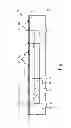
FIGS. 1 through 6 are cross-sectional views of intermediate stages in the manufacturing of a first-generation package in accordance with some exemplary embodiments;
FIGS. 7 through 9 are cross-sectional views of intermediate stages in the manufacturing of a second-generation package in accordance with some exemplary embodiments; and
FIG. 10 illustrates a first-generation package comprising a dummy bond.
DETAILED DESCRIPTION OF ILLUSTRATIVE EMBODIMENTS
The making and using of the embodiments of the disclosure are discussed in detail below. It should be appreciated, however, that the embodiments provide many applicable inventive concepts that can be embodied in a wide variety of specific contexts. The specific embodiments discussed are illustrative, and do not limit the scope of the disclosure.
A method of designing and packaging package components and the method of forming the same are provided in accordance with various exemplary embodiments. The intermediate stages of forming the packages are illustrated. The variations of the packaging process are discussed. Throughout the various views and illustrative embodiments, like reference numbers are used to designate like elements.
FIGS. 1 through 6 illustrates the formation of package component 10 and the packaging using package component 10. The respective packages in FIGS. 3 and 6 are referred to as first-generation packages hereinafter. FIGS. 7 through 9 illustrate the formation of package component 100, which has an identical structure as the package component 10 in FIG. 1, and the packaging using package component 100. The respective package in FIG. 9 is referred to as a second-generation package hereinafter. The first-generation package and the second-generation package may have similar functions and similar structures. For example, the package component 130 in FIG. 9 may be identical to package component 30 in FIGS. 3 and 6. The package component 30 in FIGS. 3 and 6 and the package component 130 in FIG. 9 may also have most of circuits same as each other, while a small portion of the circuits, for example, less than 10 percent, or less than 5 percent, of the circuits in package components 30 and 130 are different from each other. In some embodiments, the package in FIG. 9 is an evolved version of the packages in FIGS. 3 and 6.
Referring to FIG. 1, package component 10 is formed. In some embodiments, package component 10 is an interposer. In alternative embodiments, package component 10 is a package substrate such as a laminate substrate or a build-up substrate. In yet other embodiments, package component 10 is a Printed Circuit Board (PCB). Package component 10 includes electrical connectors 12 (which further include 12A and 12B) on the top surface 10A, wherein electrical connectors 12 may comprise bond pads, solder bumps, composite electrical connectors including metal pillars covered with solder caps, or the like. Electrical connections 14 are built in package component 10, and may interconnect electrical connectors 12. Electrical connectors 12A and 12B may, or may not, be identical to each other. In some embodiments wherein package component 10 comprises an interposer or a package substrate, electrical connections 16 are also disposed in package component 10, and used for electrically coupling electrical connectors 12 to electrical connectors 18 at bottom surface 10B of package component 10, wherein surfaces 10A and 10B are opposite surfaces of package component 10. In alternative embodiments, for example, when package component 10 is a PCB, no electrical connection is formed to connect to bottom surface 10B of package component 10.
In some embodiments, dielectric layer 20 is formed to cover electrical connectors 12 in order to insulate electrical connectors 12 from external detrimental substances such as moisture. Dielectric layer 20 may be a top layer of package component 10, or may be an added layer on top of package component 10. Accordingly, dielectric layer 20 may be, or may not be, considered as a portion of package component 10. Dielectric layer 20 may be a solder mask, and hence is referred to as solder mask 20 throughout the description, although other dielectric materials having adequate insulation ability may also be used.
Referring to FIG. 2, a patterning step is performed to remove some portions of solder mask 20, so that the underlying electrical connectors 12A are exposed. Electrical connectors 12B remain covered by solder mask 20. The patterning may be performed through an etching step, wherein lithography mask 22 is used for defining the pattern of solder mask 20, for example, through the exposure of a photo resist (not shown) that is used for etching solder mask 20. Lithography mask 22 includes opaque patterns 24 for blocking light and transparent patterns 26 for allowing the light to pass through. Although FIG. 2 illustrates that the edges of solder mask 20 are spaced apart from electrical connectors 12A, solder mask 20 also covers the edge portions of electrical connectors 12A in alternative embodiments.
Referring to FIG. 3, package component 30 and/or package component 32 are bonded to electrical connectors 12A. Each of package components 30 and 32 may be a device die including active devices such as transistors therein, or may be a package. Each of package components 30 and 32 may also be a stand-alone passive device such as an inductor, a transformer, a balun, or the like. Electrical connectors 12B are not bonded to any overlying package components. Electrical connectors 12B may include electrical connectors 12B1, which is overlapped by package component 30. Electrical connectors 12B further include electrical connectors 12B2, which are not overlapped by any package components. Electrical connectors 12B2 are also misaligned with package components 30 and 32. The bonding of package components 30 and 32 may be performed through solder bonding, direct metal-to-metal bonding, or the like.
As shown in FIG. 3, electrical connectors 12B, although not bonded, may still be electrically coupled to electrical connectors 12A, which are bonded to overlying package components 30 and/or 32, and/or electrically coupled to electrical connectors 18B, which is on the bottom side of package component 10. Accordingly, although electrical connectors 12B are not bonded, electrical connectors 12B may, or may not, be electrically floating. Throughout the description, in the packages, electrical connectors 12B that is not bonded to other package components are referred to as dummy connectors.
FIGS. 4 through 6 illustrate cross-sectional views of intermediate stages in the formation of a package in accordance with alternative embodiments. Unless specified otherwise, the materials and formation methods of the components in these embodiments are essentially the same as the like components, which are denoted by like reference numerals in the embodiments shown in FIGS. 1 through 3. The details of the like components shown in FIGS. 4 through 6 may thus be found in the discussion of the embodiment shown in FIGS. 1 through 3. Referring to FIG. 4, package component 10 is formed. Package component 10 is essentially the same as the package component 10 shown in FIG. 1, except that pre-solder layers 23 are formed as a top portion of each of electrical connectors 12. Next, as shown in FIG. 5, solder mask 20 is patterned, and electrical connectors 12A and 12B are exposed. Lithography mask 122 that is used for the patterning step is thus different from the lithography mask 22 in FIG. 2.
In the following steps, as shown in FIG. 6, package components 30 and/or 32 are bonded to electrical connectors 12A, while electrical connectors 12B are not bonded to any overlying package components. Solder layers 23 may be exposed after the bonding process, and act as the protection of the underlying metal features. In alternative embodiments, when pre-solder layers 23 are formed, solder mask 20 may be omitted. The resulting structure is essentially the same as shown in FIG. 6, except that there is no solder mask 20.
FIGS. 7 through 9 illustrate the formation of the second-generation package, wherein the design of package component 10 is reused. Referring to FIG. 7, package component 100 is formed. Package component 100 may be identical to the package component 10 in FIG. 1. Particularly, the portions of package component 10 not including solder mask 20 are identical to the portions of package component 100 not including solder mask 20. Solder mask 20 in FIG. 1 may be identical to, or may be different from solder mask 20 in FIG. 7.
Next, as shown in FIG. 8, a patterning step is performed to remove some portions of solder mask 20, so that the underlying electrical connectors 12A are exposed. The patterning may be performed through an etching step, wherein lithography mask 122 is used for defining the pattern of solder mask 20, for example, through the exposure of a photo resist (not shown), with the photo resist used as the etch mask for etching solder mask 20. Lithography mask 122 is different from lithography mask 22 in FIG. 2. Accordingly, in addition to the electrical connectors 12A, at least one of electrical connectors 12B is exposed. In some embodiments, one or more of electrical connectors 12B are exposed, and one or more of electrical connectors 12B remain covered by solder mask 20. In alternative embodiments, all of electrical connectors 12A and 12B are exposed.
FIG. 9 illustrates the bonding of package components 130, 132 and/or 134 to package component 100. Each of package components 130, 132, and 134 may be a device die including active devices such as transistors therein, a package, a stand-alone passive device, or the like. In some exemplary embodiments, package component 130 in FIG. 9 and package component 30 in FIG. 3 or FIG. 6 are identical to each other. In alternative embodiments, package components 130 and package component 30 in FIG. 3 or FIG. 6 are similar to, and not identical to, each other. For example, package components 130 and package component 30 may have over 90 percent circuit identical to each other, while the remaining circuits are different from each other. At least one electrical connector 12B is bonded with an overlying package component (such as 130 and 134, as illustrated). In some embodiments, all of electrical connectors 12B are bonded with overlying package components. In alternative embodiments (not shown), some of electrical connectors 12B remain not bonded, and may be bonded in a third-generation package (not shown). The un-bonded electrical connectors 12B may be exposed, or may be covered by solder mask 20.
FIG. 10 illustrates a package formed in accordance with alternative embodiments. In these embodiments, electrical connectors 12A are bonded to the overlying package components 30 and 32 through active bonds 41, which may be solder bonds, for example. Active bonds 41 are configured to pass voltages and/or currents between the bonded package components. Dummy bond 40 is also made, for example, through dummy solder bump 40. The respective underlying electrical connector 12B is thus also referred to as a dummy connector. The dummy bond 40 bonds electrical connector 12B to overlying package component 30. Dummy bond 40 may be electrically coupled to other portions of the resulting package through the electrical connections 14/16 in package component 10. Accordingly, during the operation of the resulting package, dummy bond 40 may be applied with voltages/signals. Dummy bond 40, however, as indicated by the “x” signs, is not electrically coupled to functional circuit 42, which may include transistors, for example, and other active bond pads 31A of package component 30 that are bonded to electrical connectors 12A. Accordingly, no current flows through dummy bond 40. Furthermore, package component 30 includes electrical connector 31B, which is a dummy electrical connector that is electrically floating when package component 30 is not bonded to package component 10. In these embodiments, dummy electrical connector(s) may provide mechanical support, and share the stress in the package, although they do not have electrical functions.
In the embodiments, by adopting the identical design for package components 10 (FIGS. 1 and 4) and 100 (FIG. 7), the cost for designing and manufacturing package component 100 is reduced. Since the packages in FIG. 9 may be the later generation of the packages in FIGS. 3 and 6, at the time the first-generation package is designed, additional electrical connectors 12B and the respective electrical connections may be reserved for the second-generation packages. At the time the second-generation packages are formed, a simple modification may be made to modify the lithography mask 122 in FIG. 8, and the cost related to the design of package component 100 (FIG. 9), the design and the manufacturing of the lithography masks that are used for manufacturing package component 100, and the like, is saved.
In accordance with embodiments, a device includes a first package component, and a second package component underlying the first package component. The second package component includes a first electrical connector at a top surface of the second package component, wherein the first electrical connector is bonded to the first package component. The second package component further includes a second electrical connector at the top surface of the second package component, wherein no package component is overlying and bonded to the second electrical connector.
In accordance with other embodiments, a device includes a first package component and a second package component. The second package component includes a first electrical connector at a top surface of the second package component, wherein the first electrical connector is bonded to the first package component through an active bond. The second package component further includes a second electrical connector at the top surface of the second package component. The second electrical connector is bonded to the first package component through a dummy bond. A third electrical connector is at the top surface or a bottom surface of the second package component, wherein the second electrical connector is electrically coupled to the third electrical connector.
In accordance with yet other embodiments, a method includes bonding a first package component with a second package component, and bonding a third package component with a fourth package component. The second and the fourth package components are substantially identical to each other. Each of the second and the fourth package components includes a first electrical connector at a top surface of a respective one of the second and the fourth package components, wherein the first electrical connector of the second package component is bonded to the first package component, and the first electrical connector of the fourth package component is bonded to the third package component. Each of the second and the fourth package components further includes a second electrical connector at the top surface of the respective one of the second and the fourth package components, wherein no package component is overlying and bonded to the second electrical connector of the second package component, and wherein the second electrical connector of the fourth package component is bonded to an overlying package component.
Although the embodiments and their advantages have been described in detail, it should be understood that various changes, substitutions and alterations can be made herein without departing from the spirit and scope of the embodiments as defined by the appended claims. Moreover, the scope of the present application is not intended to be limited to the particular embodiments of the process, machine, manufacture, and composition of matter, means, methods and steps described in the specification. As one of ordinary skill in the art will readily appreciate from the disclosure, processes, machines, manufacture, compositions of matter, means, methods, or steps, presently existing or later to be developed, that perform substantially the same function or achieve substantially the same result as the corresponding embodiments described herein may be utilized according to the disclosure. Accordingly, the appended claims are intended to include within their scope such processes, machines, manufacture, compositions of matter, means, methods, or steps. In addition, each claim constitutes a separate embodiment, and the combination of various claims and embodiments are within the scope of the disclosure.
Claims
1. A device comprising:
a first package component; and
a second package component underlying the first package component, wherein the second package component comprises:
a first electrical connector at a top surface of the second package component, wherein the first electrical connector is bonded to the first package component; and
a second electrical connector at the top surface of the second package component, wherein no package component is overlying and bonded to the second electrical connector, wherein the second electrical connector is overlapped by the first package component, and wherein the second electrical connector comprises a solder layer as the top layer of the second electrical connector.
2. (canceled)
3. The device of claim 1 further comprising a solder mask covering the second electrical connector.
4.-5. (canceled)
6. The device of claim 1, wherein the second electrical connector is electrically coupled to the first electrical connector through an electrical connection in the second package component.
7. The device of claim 1, wherein the second electrical connector is electrically coupled to an additional electrical connector at a bottom surface of the second package component.
8. A device comprising:
a first package component; and
a second package component comprising:
a first electrical connector at a top surface of the second package component, wherein the first electrical connector is bonded to the first package component through an active bond;
a second electrical connector at the top surface of the second package component, wherein the second electrical connector is bonded to the first package component through a dummy bond; and
a third electrical connector at the top surface or a bottom surface of the second package component, wherein the second electrical connector is electrically coupled to the third electrical connector, and wherein the first package component comprises a fourth electrical connector bonded to the second electrical connector, and wherein the fourth electrical connector is a dummy connector.
9. (canceled)
10. The device of claim 8, wherein the fourth electrical connector is not electrically coupled to any other bond pads of the first package component.
11. The device of claim 8, wherein the fourth electrical connector is not electrically coupled to any functional circuit in the first package component.
12. The device of claim 8 further comprising a third package component bonded to the third electrical connector, wherein the third electrical connector is at the top surface of the second package component.
13. The device of claim 8, wherein the third electrical connector is at the bottom surface of the second package component.
14. The device of claim 8, wherein the first, the second, and the third electrical connectors have an identical structure, and are formed of same materials.
15. A method comprising:
bonding a first package component with a second package component; and
bonding a third package component with a fourth package component, wherein the second and the fourth package components are substantially identical to each other, and wherein each of the second and the fourth package components comprises:
a first electrical connector at a top surface of a respective one of the second and the fourth package components, wherein the first electrical connector of the second package component is bonded to the first package component, and the first electrical connector of the fourth package component is bonded to the third package component; and
a second electrical connector at the top surface of the respective one of the second and the fourth package components, wherein no package component is overlying and bonded to the second electrical connector of the second package component, and wherein the second electrical connector of the fourth package component is bonded to an overlying package component.
16. The method of claim 15 further comprising:
before the step of bonding the first package component, performing a first patterning step to pattern a top dielectric layer of the second package component and to expose the first electrical connector of the second package component, wherein the second electrical connector of the second package component remains covered by the top dielectric layer of the second package component; and
before the step of bonding the third package component, performing a second patterning step to pattern a top dielectric layer of the fourth package component and to expose the first and the second electrical connectors of the fourth package components.
17. The method of claim 15, wherein the first and the third package components are identical to each other.
18. The method of claim 15, wherein the first and the third package components are similar and not identical to each other.
19. The method of claim 15, wherein the second electrical connector of the second package component is overlapped by the first package component.
20. The method of claim 15, wherein the second electrical connector of the second package component is misaligned with the first package component, and is covered by a solder mask, and wherein the method further comprises bonding a fifth package component to the second electrical connector of the fourth package component.
Images & Drawings included:



Sources:
- United States Patent and Trademark Office - verify current appl. status at the USPTO↗
Similar patent applications:
- » 10382591
Method for joining lead frames in a package assembly, method for forming a chip stack package, and a chip stack package - » 20150249066
Method of forming package assembly - » 20230075206
Method of forming assembled package with first package face and second package face - » 10770890
Methods for forming assemblies and packages that include stacked semiconductor devices separated a distance defined by adhesive material interposed therebetween - » 20150084211
Package assembly and methods for forming the same - » 20130187269
Package assembly and method of forming the same - » 20110232235
METHOD FOR FORMING A PACKAGE ASSEMBLY FOR DISPENSING AND RETAINING GUM SLABS WITH ADHESIVE SECUREMENT - » 20130187266
Integrated circuit package assembly and method of forming the same - » 15180264
Semiconductor package assembly, semiconductor package and forming method thereof - » 20160343685
SEMICONDUCTOR PACKAGE ASSEMBLY AND METHOD FOR FORMING THE SAME
Recent applications in this class:
- » 20250286027 2025-09-11
SYSTEM PACKAGING FOR CELLULAR MODEM AND TRANSCEIVER SYSTEM OF HETEROGENEOUS STACKING - » 20250286026 2025-09-11
SEMICONDUCTOR DEVICE WITH SPACER AND METHOD FOR FABRICATING THE SAME - » 20250286025 2025-09-11
SEMICONDUCTOR DEVICE WITH SPACER AND METHOD FOR FABRICATING THE SAME - » 20250286024 2025-09-11
SEMICONDUCTOR DEVICE WITH SPACER AND METHOD FOR FABRICATING THE SAME - » 20250259975 2025-08-14
SEMICONDUCTOR PACKAGE INCLUDING REDISTRIBUTION SUBSTRATE - » 20250233117 2025-07-17
METHOD OF FORMING SEMICONDUCTOR DEVICE USING HIGH STRESS CLEAVE PLANE - » 20250210601 2025-06-26
PIXEL ARRAY AND MANUFACTURING METHOD THEREFOR - » 20250210600 2025-06-26
SYSTEM-ON-CHIP GAP FILL METHOD AND STRUCTURE - » 20250201784 2025-06-19
SEMICONDUCTOR DEVICE HAVING PACKAGE ON PACKAGE STRUCTURE AND METHOD OF MANUFACTURING THE SEMICONDUCTOR DEVICE - » 20250183237 2025-06-05
PACKAGE STRUCTURE INCLUDING A BACKSIDE METAL FILM ON A SEMICONDUCTOR DIE AND A THERMALLY CONDUCTIVE UNDERFILL LAYER ON THE BACKSIDE METAL FILM AND METHODS OF FORMING THE SAME
Recent applications for this Assignee:
- » 20240266341 2024-08-08
HYBRID BONDING WITH UNIFORM PATTERN DENSITY - » 20240224489 2024-07-04
SEMICONDUCTOR DEVICE - » 20240170063 2024-05-23
CONTENT ADDRESSABLE MEMORY ARRAY DEVICE STRUCTURE - » 20240161819 2024-05-16
MEMORY DEVICE AND MANUFACTURING THEREOF - » 20240153896 2024-05-09
SEMICONDUCTOR PACKAGE SYSTEM AND METHOD - » 20240120409 2024-04-11
Method for non-resist nanolithography - » 20240113080 2024-04-04
Semiconductor Device with Discrete Blocks - » 20240105632 2024-03-28
Method for forming a semiconductor device including forming a first interconnect structure on one side of a substrate having first metal feature closer the substrate than second metal feature and forming first and second tsv on other side of substrate connecting to the metal features - » 20240096816 2024-03-21
Method of manufacture overlay mark using laser marking process for semiconductor device - » 20240096383 2024-03-21
MEMORY DEVICE