Composition for preventing or treating cachexia
US20150353903A1
2015-12-10
14/400,299
2013-05-10
✅ Patent granted
US 9,907,837 B2
2018-03-06
WO; PCT/KR2013/004176; 20130510
WO; WO2013/169077; 20131114
James H Alstrum-Acevedo | Tara L Martinez
Sterne, Kessler, Goldstein & Fox P.L.L.C.
2033-05-10
Abstract:
The present invention relates to composition for preventing or treating cachexia, and more specifically, to a composition for preventing or treating cachexia containing a peptide derived from a telomerase. The composition for preventing or treating cachexia, according to present invention, has the advantages of improving symptoms of cachexia, such as weight loss, anemia, edema, and loss of appetite, and has few side effects.
Assignee:
- Sang Jae KIM 7 🇰🇷 Seoul, South Korea
- KAEL-GEMVAX CO., LTD. 4 🇰🇷 Seongnam-si Gyeonggi-do, South Korea
- GemVax & KAEL Co., Ltd. 33 🇰🇷 Daejeon, South Korea
Applicant:
Interested in similar patents?
Get notified when new applications in this technology area are published.
Classification:
C12N9/1276 » CPC main
Enzymes; Proenzymes; Compositions thereof ; Processes for preparing, activating, inhibiting, separating or purifying enzymes; Transferases (2.) transferring phosphorus containing groups, e.g. kinases (2.7); Nucleotidyltransferases (2.7.7) RNA-directed DNA polymerase (2.7.7.49), i.e. reverse transcriptase or telomerase
C12N9/12 IPC
Enzymes; Proenzymes; Compositions thereof ; Processes for preparing, activating, inhibiting, separating or purifying enzymes; Transferases (2.) transferring phosphorus containing groups, e.g. kinases (2.7)
A61K38/00 » CPC further
Medicinal preparations containing peptides
A23V2002/00 » CPC further
Food compositions, function of food ingredients or processes for food or foodstuffs
A61K9/0019 » CPC further
Medicinal preparations characterised by special physical form; Galenical forms characterised by the site of application Injectable compositions; Intramuscular, intravenous, arterial, subcutaneous administration; Compositions to be administered through the skin in an invasive manner
A61K38/10 » CPC further
Medicinal preparations containing peptides; Peptides having up to 20 amino acids in a fully defined sequence; Derivatives thereof Peptides having 12 to 20 amino acids
A61K9/00 IPC
Medicinal preparations characterised by special physical form
C12Y207/07049 » CPC further
Transferases transferring phosphorus-containing groups (2.7); Nucleotidyltransferases (2.7.7) RNA-directed DNA polymerase (2.7.7.49), i.e. telomerase or reverse-transcriptase
A61K38/45 » CPC main
Medicinal preparations containing peptides; Peptides having more than 20 amino acids; Gastrins; Somatostatins; Melanotropins; Derivatives thereof; Enzymes; Proenzymes; Derivatives thereof Transferases (2)
A23L33/18 » CPC further
Modifying nutritive qualities of foods; Dietetic products; Preparation or treatment thereof using additives; Amino acids, peptides or proteins Peptides; Protein hydrolysates
Description
BACKGROUND OF THE INVENTION
1. Technical Field
The present invention relates to a composition for preventing or treating cachexia, and more specifically, to a composition for preventing or treating cachexia containing a peptide derived from a telomerase.
2. Background Art
Cachexia is a syndrome that can be referred to the debility, a systemic disease which appears with multiple chronic disease, the most common symptoms are gradual weight loss, anemia, edema, and loss of the desire to eat.
The Major sign of cachexia is loss of adipose tissue as well as loss of muscle tissue and bone tissue. Accordingly, non-fat tissue is also known as “lean body mass”. in addition, they appeared loss of the desire to eat (anorexia), weakness (asthenia), and decreased hemoglobin levels (anemia).
Cachexia is a complex metabolic syndrome represent only observed in these patients but, it appears to progressive weight loss of adipose tissue and skeletal muscle.
The treatment of cachexia is not just a matter of eating more. If the subject want to eat, if the subject trying to eat, even if administering nutrition to a subject through the stomach tube or intravenous, the state will not be convert to normal.
A recent studies on the cachexia found that the body response against the presence of cachexia under disease (Laviano A. et al., 2005).
Cachexia occurs caused by reduced nutritional intake and unbalanced of absorption and excretion by increased nutritional consumption of biological disease, the humoral factor derived from a lesion where is the part of the caused, have been described as including effects on the metabolism of the body. In order to improve of cachexia against the above problems it is required to intake of nutritional supplement, replacement for lack of energy and nutritional administrated for increase the immunity such as intravenous hyperalimentation.
As above the background of cachexia, it is required to develop therapeutic agent for the improving or suppressing the progress of cachexia.
BRIEF SUMMARY OF THE INVENTION
Disclosure
Technical Problem
The inventors of the present disclosure have made efforts to develop a composition effective in treating cachexia without harmful side effects and have completed the present disclosure.
The present disclosure is directed to providing a peptide effective in treating cachexia such as weight loss, anemia, edema, and loss of appetite comprising a peptide derived from a telomerase.
The present disclosure is directed to providing a composition effective in treating rheumatoid arthritis comprising a peptide derived from a telomerase.
Technical Solution
According to one embodiments of the present invention, provided is a composition for preventing or treating cachexia including a peptide that includes an amino acid sequence of SEQ ID No: 1, a peptide including an amino acid sequence having a sequence identity of 80% or greater to the amino acid sequence, or a peptide fragment of the above-mentioned peptides.
In a composition for preventing or treating cachexia according to an embodiment of the present invention, the peptide fragment includes three or more amino acids.
In a composition for preventing or treating cachexia according to an embodiment of the present invention, the peptide may be derived from human telomerase.
In a composition for preventing or treating cachexia according to an embodiment of the present invention, the composition may eliminate, prevent or treat symptoms related to cachexia in substance.
In a composition for preventing or treating cachexia according to an embodiment of the present invention, wherein the cachexia is caused by one or more selected from a group consisting of AIDS, cancer, after Hip Fracture, chronic heart failure, COLD (chronic obstructive pulmonary disease) and COPD (chronic obstructive pulmonary disease) comprising chronic obstructive pulmonary disease, Liver Cirrhosis, renal failure, rheumatoid arthritis comprising autoimmune disease, systemic lupus, sepsis, tuberculosis, cystic fibrosis, Crohn's disease and severe infections.
In a composition for preventing or treating cachexia according to an embodiment of the present invention, wherein the cachexia is caused by aging.
In a composition for preventing or treating cachexia according to an embodiment of the present invention, the composition may be provided in the solution concentration that is 5 nM/Kg or less.
In a composition for preventing or treating cachexia according to an embodiment of the present invention, the composition may be provided in the solution concentration more desirably that is from 0.15 nM/kg to 5 nM/kg.
In a composition for preventing or treating cachexia according to an embodiment of the present invention, the composition may be an external skin composition.
In a composition for preventing or treating cachexia according to an embodiment of the present invention, the composition may be a pharmaceutical composition.
In a composition for preventing or treating cachexia according to an embodiment of the present invention, the composition may be a food composition.
According to one embodiments of the present invention, provided is a method of preventing and treating cachexia, the method comprises the step of administering an effective amount of the composition for preventing or treating cachexia to a subject in need thereof.
In a method for preventing or treating cachexia according to an embodiment of the present invention, the composition may be provided in the solution concentration that is 5 nM/Kg or less.
In a method for preventing or treating cachexia according to an embodiment of the present invention, the composition may be provided in the solution concentration more desirably that is from 0.15 nM/kg to 5 nM/kg.
According to one embodiments of the present invention, provided is a use of the composition for preventing and treating cachexia.
In one embodiment, provided is a kit comprising a peptide comprising an amino acid sequence of SEQ ID No: 1, a peptide including an amino acid sequence having a sequence identity of 80% or greater to the amino acid sequence, or a peptide fragment of the above-mentioned peptides; and instructions at least one of administration dose, administration route, administration frequency, and indication of the peptide or composition.
Advantageous Effects
The composition for preventing or treating cachexia, according to the present invention, has the advantages of improving symptoms of cachexia, such as weight loss, anemia, edema, and loss of appetite, and has side effects.
BRIEF DESCRIPTION OF THE DRAWINGS/FIGURES
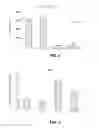
FIG. 1 is a graph which shows the results of performing TNF-α ELISA with the culture of monocytes derived from PBMC. The monocytes were stimulated with LPS (10 ng/ml) for two hours, then reacted with each peptide, FITC, FITC-TAT, PEP 1-FITC and FITC-peptide for two hours. (** P<0.01. Compared with the negative control (FITC and FITC-TAT).
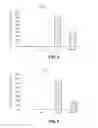
FIG. 2 to FIG. 4 shows the effect of PEP 1 on the markers of cachexia such as Leptin, IL-1β, IL-6 confirmed by real time qPCR.
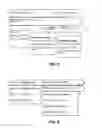
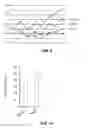
FIG. 5 and FIG. 6 shows schedules according to the time for the first and second experiments of inducing rheumatoid arthritis and treating peptides by using CIA animal models respectively.
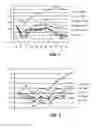
FIG. 7 shows changes in body weight of a control group and a treatment group, wherein Y axis value indicates a body weight changes by using a unit of g. X axis value indicates treatment and time elapse.
FIG. 8 shows a result of the second experiment that presents changes of weight of a control group and 0.2 nM, 1 nM, 2 nM and 5 nM treatment groups, wherein Y axis value indicates a body weight changes by using a unit of g. X axis value indicates treatment and time elapse.
FIG. 9 is a graph illustrating the result of the treatment of peptides at low-concentrations (0.2 nM, 1 nM) which appears to be more effective result in FIG. 8, wherein Y axis value indicates a body weight changes by using a unit of g. X axis value indicates treatment and time elapse.
FIG. 10 shows the result of a toxicity test of Pep 1 in HeLa cells.
DETAILED DESCRIPTION OF THE INVENTION
Best Mode
Since the present invention can have adaptability for diverse transformation and examples of practical application, below is a more detailed description of the present invention. Nevertheless, this is no means to limit the form of practical application; it should be understood that the intention is to include the concept and the extent of technology in all of the transformation, equivalents to alternatives. In describing the present invention, if any detailed description about the prior art is considered to deteriorate the fundamental principles of the present invention, the description will be omitted.
Telomere is known as a repetitive sequence of genetic material found at the ends of chromosomes that prevent chromosomes from damage or merging onto other chromosomes. The length of the telomere is shortened at each cell division, and after a certain number of cell division, the telomere length is extremely shortened to the extent in which the cell stops dividing and dies. On the other hand, the elongation of telomeres is known to extend the life span of a cell. For an example, cancer cells excrete an enzyme called telomerase, which prevents shortening of telomeres, thus resulting in proliferation of cancer cells.
A recent, Tumor Necrosis Factor (Tumor Necrosis Factor; TNF), monocytokine and cytokine which derived from macrophage may cause of cachexia. As above mentioned that TNF is probably the most common cause of cachexia due to produce inflammatory related cytokines. Therefore, it is directly observed in cancer patients and weight loss patients caused by severe infections. Hence, scientific research has been studied the various mechanism of TNF.
Thus, it was reported that Tumor Necrosis Factor (Tumor Necrosis Factor; TNF) called cachectin which is play a major role in cancer cachexia. The mechanism activity of cachectin is also same as cytokine such as interleukin (IL), IL-6, LIF and IFN (KR 2001-0012613 A).
In addition, J. Walsmith et al., 2002 reported that weight loss occurred is not caused by anorexia alone, chronic inflammation is also lead to weight loss. Furthermore, another study found that weight loss occurred in adjuvant induced arthritis in mouse, as well as they seem to be loss of muscle mass and muscle fiber. This research showed the express of gene such as TNF-α (Tumor Necrosis Factor-α) and IL-1β (interleukin-1β) can be induced in the skeletal muscle. Importantly, the expression of TNF-α and IL-1β in the skeletal muscle lead to a negative correlation with skeletal muscle fiber.
Hence, in the prior arts, showed that the prevent for loss of skeletal muscle mass more effectively in adjuvant induced arthritis in mouse by blocking both of TNF-α and IL-1 at the same time rather than only blocked TNF-α. The combination of TNF-α and IL-1β leads to muscle wasting. Therefore, TNF-α not only affected to cachexia but, IL-1β can be presented evidence for occurs cachexia.
Cachexia occurs in chronic disease caused by loss of adipose tissues and the desire to eat, which is a unique disease with characteristics that lead to reduced body mass due to the loss of non-fat mass. Anorexia nervosa causes the cachexia can be observed in cancer, CHF, COPD, CKD and the aging. This can be related with inflammatory factors such as TNF-α, IL-6, IL-2, and IL-1β. Those inflammatory markers are able to regulate the feedback mechanism of hypothalamus, also it is contribute to the progress of cachexia.
Also, Leptin is a hormone which acts as secreted by adipose tissue, reduced the food consumption by acting on the hypothalamus, stimulated energy consumption leads to weight loss. Cachexia caused by CKD (Chronic kidney disease)- and CHF (congestive heart failure) which indicated the high levels of leptin (Diana R. Engineer et al., 2012). In R. Roubenoff et al., 1997, the chronic inflammatory represented in the rheumatoid arthritis (RA) which is related with loss of body cell mass. These symptoms are called as inflammatory cachexia which represented with hypermetabolism and degradation of protein in rheumatoid arthritis without malabsorption.
In other words, according to the experiment, it is presumed that adjuvant arthritis leads to weight loss and joint swell. Also, this study found that reduced cell mass leads to weight loss and was higher than the rate of weight loss. As a result, weight loss caused by inflammatory which directly closed to the reduced consumption of food intake and increased the production of TNF-α and IL-1 in splenocytes (R. Roubenoff et al., 1997). Also, the research of Michael J. Tisdale, 2009 found that muscle atrophy which represented in cachexia, its blocked by IL-6 receptor antibody in overexpression interleukin-6 in IL-6 transgenic mice.
According to this study, severe symptoms of cachexia and polyps are represented in mouse, which exhibited high amounts of IL-6 but, ApcMin+/IL6−/− mouse is not exhibiting any loss and low amounts of polyps. Also, overexpression interleukin-6 in transgenic mice showed the loss of skeletal muscle and polyps formed, but conversely, cannot find any loss of skeletal muscle in mouse without tumors.
Also, this research provided that muscle protein degradation by increased IL-6 which leads to activated the decomposed pathway of non-lisosome (for example, proteasome) protein and lisosome (cathepsin) protein (Michael J. Tisdale, 2009).
Cachexia is a weakness syndrome which can be referred to various disease such as AIDS, cancer, after Hip Fracture, chronic heart failure, COLD (chronic obstructive pulmonary disease) and COPD (chronic obstructive pulmonary disease) comprising chronic obstructive pulmonary disease, Liver Cirrhosis, renal failure, rheumatoid arthritis comprising autoimmune disease, systemic lupus, sepsis, tuberculosis, cystic fibrosis, Crohn's disease and severe infections. as well as weakness observed in aging.
In an exemplary embodiment of the present disclosure, a peptide of SEQ ID NO 1, a peptide which is a fragment of the peptide of SEQ ID NO 1 or a peptide having 80% or more sequence identity with the peptides includes a peptide derived from telomerase, specifically human (Homo sapiens) telomerase.
The peptides disclosed herein may include peptides comprising an amino acid sequence at least 80%, at least 85%, at least 90%, at least 95%, at least 96%, at least 97%, at least 98%, at least 99% of sequence homology with the peptide of SEQ ID NO 1 or a fragment thereof. Moreover, the peptides disclosed in the present invention may include peptides having differences from SEQ ID NO: 1 or a fragment thereof in at least one amino acids, at least 2 amino acids, at least 3 amino acids, at least 4 amino acids, at least 5 transformed amino acids, at least 6 transformed amino acids, or at least 7 amino acids.
In one embodiment of the present invention, changes in amino acids include modifications of peptide's physical and chemical characteristics. For example, amino acid modification can be performed for improving thermal stability of the peptide, altering substrate specificity, and changing the optimal pH.
The term “amino acid” herein includes not only the 22 standard amino acids that are naturally integrated into a peptide but also the D-isomers and modified amino acids. Therefore, in a specific embodiment of the present invention, a peptide herein includes a peptide having D-amino acids. On the other hand, a peptide may include non-standard amino acids such as those that have been post-translationally modified. Examples of post-translational modification include phosphorylation, glycosylation, acylation (including acetylation, myristorylation, plamitoylation), alkylation, carboxylation, hydroxylation, glycation, biotinylation, ubiquitinylation, modification in chemical properties (e.g. β-removing deimidation, deamidation) and structural modification (e.g. formation of disulfide bridge). Also, changes of amino acids include the changes of amino acids that occur due to chemical reaction during the combination process with cross-linkers for formation of a peptide conjugate, such as changes in an amino group, carboxyl group or side chain.
A peptide disclosed herein may be a wild-type peptide that has been identified and isolated from natural sources. On the other hand, when compared to SEQ ID NO: 1 or its fragments, the peptides disclosed herein may be artificial variants that comprise one or more amino acids substituted, deleted and/or inserted. Amino acid alteration in wild-type polypeptides—not only in artificial variants—comprises protein folding and/or conservative substitutions of amino acids that do not influence activities significantly. Examples of conservative substitutions may be within the groups of basic amino acids (arginine, lysine and histidine), acidic amino acids (glutamic acid and aspartic acid), polar amino acids (glutamine and asparagines), hydrophobic amino acids (leucine, isoleucine, valine and methionine), aromatic amino acids (phenylalanine, tryptophan and tyrosine), and small amino acids (glycine, alanine, serine, and threonine). The amino acid substitutions that do not generally alter the specific activities are known in the art. Most common occurring alterations are Ala/Ser, Val/Ile, Asp/Glu, Thr/Ser, Ala/Gly, Ala/Thr, Ser/Asn, Ala/Val, Ser/Gly, Tyr/Phe, Ala/Pro, Lys/Arg, Asp/Asn, Leu/Ile, Leu/Val, Ala/Glu, Asp/Gly, and the opposite alterations thereof. Other examples of conservative substitutions are shown in the following table 1.
| TABLE 1 | ||
| Original | Examples of | Preferable residue |
| amino acid | residue substitution | substitution |
| Ala (A) | val; leu; ile | Val |
| Arg (R) | lys; gln; asn | Lys |
| Asn (N) | gln; his; asp, lys; arg | Gln |
| Asp (D) | glu; asn | Glu |
| Cys (C) | ser; ala | Ser |
| Gln (Q) | asn; glu | Asn |
| Glu (E) | asp; gln | Asp |
| Gly (G) | ala | Ala |
| His (H) | asn; gln; lys; arg | Arg |
| Ile (I) | leu; val; met; ala; phe; norleucine | Leu |
| Leu (L) | norleucine; ile; val; met; ala; phe | Ile |
| Lys (K) | arg; gln; asn | Arg |
| Met (M) | leu; phe; ile | Leu |
| Phe (F) | leu; val; ile; ala; tyr | Tyr |
| Pro (P) | ala | Ala |
| Ser (S) | thr | Thr |
| Thr (T) | ser | Ser |
| Trp (W) | tyr; phe | Tyr |
| Tyr (Y) | trp; phe; thr; ser | Phe |
| Val (V) | ile; leu; met; phe; ala; norleucine | Leu |
The substantial modification of the biological properties of peptides are performed by selecting significantly different substitution in the following efficacies: (a) the efficacy in maintaining the structure of the polypeptide backbone in the area of substitution, such as sheet or helical three-dimensional structures, (b) the efficacy in maintaining electrical charge or hydrophobicity of the molecule in a target area, or (c) the efficacy of maintaining the bulk of the side chain. Natural residues are divided into groups by general side chain properties as the following:
(1) hydrophobicity: Norleucine, met, ala, val, leu, ile;
(2) neutral hydrophilicity: cys, ser, thr;
(3) acidity: asp, glu;
(4) basicity: asn, gln, his, lys arg;
(5) residue that affects chain orientation: gly, pro; and
(6) aromaticity: trp, tyr, phe.
Non-conservative substitutions may be performed by exchanging a member of the above classes with that of different classes. Any cysteine residues that are not related to maintaining the proper three-dimensional structure of the peptide can typically be substituted with serine, thus increasing the oxidative stability of the molecule and preventing improper cross-linkage. Conversely, improvement of stability can be achieved by adding cysteine bond(s) to the peptide.
Another type of amino acid variants of peptides are those having a changed pattern of peptide glycosylation. The term “change” herein means deletion of at least one carbohydrate residues that are found in a peptide and/or addition of at least one glycosylated residues that do not exist within a peptide.
Glycosylation in peptides are typically N-linked or O-linked. The term “N-linked” herein refers to that carbohydrate residues are attached to the side chain of asparagine residues. As tripeptide sequences, asparagine-X-serine and asparagine-X-threonine (wherein the X is any amino acid except proline) are a recognition sequence for attaching a carbohydrate residue enzymatically to the side chain of asparagine. Therefore, with the presence of one of these tripeptide sequences in a polypeptide, the potential glycosylation sites are created. “O-linked glycosylation” means attaching one of sugar N-acetylgalactosamine, galactose, or xylose to hydroxyl amino acids. The hydroxyl amino acids are most typically serine or threonine, but 5-hydroxyproline or 5-hydroxylysine can be used.
Addition of glycosylation site to a peptide is conveniently performed by changing an amino acid sequence to contain the tripeptide sequence mentioned above (for N-linked glycosylation sites). These changes may be made by addition of at least one serine or threonine residues to the first peptide sequence, or by substitution with those residues (for O-linked glycosylation sites).
The SEQ ID No: 1 (hereinafter ‘PEP 1’) as used herein is a telomerase-derived peptide comprised of 16 amino acids.
| SEQ ID NO: 1 | |
| EARPALLTSRLRFIPK |
Also, in one aspect, the present invention is a peptide comprising amino acid sequence of SEQ ID NO: 1, a peptide having above 80% homology of amino acid sequence with above-mentioned sequence, or a fragment of the above-mentioned peptides has an advantage in that it has high feasibility due to its low toxicity within a cell.
In one aspect, the present invention is a composition for preventing or treating cachexia comprising, as an active ingredient, a peptide comprising amino acid sequence of SEQ ID NO: 1, a peptide having above 80% homology with above-mentioned sequence, or a fragment of the above-mentioned peptides.
In one aspect, the present invention is a method for preventing or treating cachexia comprising administration of a peptide comprising amino acid sequence of SEQ ID NO: 1, a peptide having above 80% homology with above-mentioned sequence, or a fragment of the above-mentioned peptides to a subject in need thereof.
In one aspect, the present invention is a use of a peptide for preventing or treating cachexia comprising administration of a peptide comprising amino acid sequence of SEQ ID NO: 1, a peptide having above 80% homology with above-mentioned sequence, or a fragment of the above-mentioned peptides to a subject in need thereof.
In one aspect, the present invention is a kit comprising a peptide comprising an amino acid sequence of SEQ ID No: 1, a peptide including an amino acid sequence having a sequence identity of 80% or greater to the amino acid sequence, or a peptide fragment of the above-mentioned peptides; and instructions at least one of administration dose, administration route, administration frequency, and indication of the peptide or composition.
In one aspect, the fragment may consist of at least 3 amino acids. In other aspects, the fragment may consist of at least 4 amino acids, at least 5 amino acids, at least 6 amino acids, at least 7 amino acids, at least 8 amino acids, at least 9 amino acids, at least 10 amino acids, at least 11 amino acids, at least 12 amino acids, at least 13 amino acids, at least 14 amino acids, or at least 15 amino acids.
In one aspect, the peptide may be derived from human telomerase. Specifically, the peptide of SEQ ID NO:1 means the peptide position in 611-626 of an entire human telomerase sequence (1132 amino acids, SEQ ID NO:2).
In one aspect, the peptide may be used for eliminating symptoms related to carchexia, or preventing or treating cachexia.
In one aspect, the peptide may be administered in a single dose of from 0.001 to 1 ng/kg or from 0.01 to 0.4 ng/kg. In other aspect, the dose of administering may be at least 0.001 ng/kg, at least 0.005 ng/kg, at least 0.01 ng/kg, at least 0.02 ng/kg or at least 0.03 ng/kg.
In other aspect, the dose of administering may be less than 1 ng/kg, less than 0.9 ng/kg, less than 0.8 ng/kg, less than 0.7 ng/kg, less than 0.6 ng/kg, less than 0.5 ng/kg, less than 0.4 ng/kg, less than 0.3 ng/kg, less than 0.2 ng/kg.
In one aspect, the peptide may be administered in once at 1-5 days or in once at 1.5-2.5 days.
In one aspect, the composition may contain a peptide of 0.05-5 nM concentrations.
In one aspect, the composition may be formulated for injection.
According to an embodiment of the present invention, the composition may contain 0.1 μg/mg to 1 mg/mg, specifically 1 μg/mg to 0.5 mg/mg, more specifically 10 μg/mg to 0.1 mg/mg of a peptide comprising an amino acid sequence of SEQ ID NO: 1, a peptide comprising an amino acid sequence having a sequence identity of 80% or greater to the amino acid sequence, or a peptide fragment thereof. When the peptide is contained in the above-mentioned range, all the safety and stability of the composition may be satisfied and cost-effectiveness may be achieved.
According to an embodiment of the present invention, the composition may have applications to all animals including humans, dogs, chickens, pigs, cows, sheep, guinea pigs, and monkeys.
According to an embodiment of the present invention, a pharmaceutical composition may be administered through oral, rectal, transdermal, intravenous, intramuscular, intraperitoneal, intramedullary, epidural, or subcutaneous means.
Forms of oral administration may be, but not limited to, tablets, pills, soft or hard capsules, granules, powders, solutions, or emulsions. Forms of non-oral administration may be, but not limited to, injections, drips, lotions, ointments, gels, creams, suspensions, emulsions, suppositories, patches, or sprays.
According to an embodiment of the present invention, the pharmaceutical composition, if necessary, may contain additives, such as diluents, excipients, lubricants, binders, disintegrants, buffers, dispersants, surfactants, coloring agents, aromatics, or sweeteners. According to an embodiment of the present invention, the pharmaceutical composition may be manufactured by conventional methods of the industry in the art.
According to an embodiment of the present invention, the active ingredient of the pharmaceutical composition may vary according to the patient's age, sex, weight, pathology state and severity, administration route, or prescriber's judgment. Dosage may be determined by one of ordinary skill in the art based on the above-mentioned factors, and the daily dose may be, but is not limited to, about 0.0000001 ng/kg/day to about 10000 ng/kg/day or about 0.00001 ng/kg/day to about 100 ng/kg/day, specifically about 0.0001 ng/kg/day to about 10 ng/kg/day, and more specifically about 0.01 ng/kg/day to about 0.4 ng/kg/day. According to an embodiment of the present invention, the pharmaceutical composition may be administered, but is not limited to, 1 to 3 times per 1 to 5 days.
The terms used herein is intended to be used to describe the embodiments, not to limit the present invention. Terms without numbers in front are not to limit the quantity but to show that there may be more than one thing of the term used. The terms “comprising”, “having”, “including” and “containing” shall be interpreted openly (i.e. “including but not limited to”).
Mention of a numerical range is used instead of stating separate numbers within the range, so unless it is explicitly stated, the range should be construed as if all the numbers within the range are separately described herein. The end values of all the ranges are included in the range and can be combined independently.
Unless otherwise noted or clearly contradicting in context, all methods mentioned herein can be performed in a proper order. The use of any one embodiment and all embodiment, or exemplary language (e.g., “such as”, “like ˜”), unless included in the claims, is used to more clearly describe the present invention, not to limit the scope of the present invention. Any language herein outside of the claims should not be interpreted as a necessity of the present invention. Unless defined otherwise, technical and scientific terms used herein have meanings ordinarily understood by a person skilled in the art that the present invention belongs to.
The preferred embodiments of the present invention include the best mode known to the inventors to perform the present invention. Variations in the preferred embodiments can become clear to those skilled in the art after reading the statements above. The present inventors hope that those skilled in the art can use the variations adequately and present invention be conducted in other ways than listed herein. Thus, the present invention, as allowed by the patent law, includes equivalents, modifications and variations thereof, of the key points of the invention stated in the appended claims. In addition, all possible variations within any combination of the above-mentioned components are included in the present invention, unless explicitly stated otherwise or contradicting in context. Although the present invention is described and shown by exemplary embodiments, those skilled in the art will understand well that there can be various changes in the form and details without departing from the spirit of the invention and range, defined by the claims below.
MODE FOR INVENTION
Hereinafter, the present disclosure will be described in detail through examples and test examples. However, the following examples and test examples are for illustrative purposes only and it will be apparent to those of ordinary skill in the art that the scope of the present disclosure is not limited by the examples and test examples.
EXAMPLES
Example 1
Synthesis of Peptide
The peptide of SEQ ID NO: 1 was synthesized according to the conventionally known method of solid phase peptide synthesis. More specifically, the peptide was synthesized by coupling each amino acid from C-terminus through Fmoc solid phase peptide synthesis, SPPS, using ASP48S (Peptron, Inc., Daejeon Republic of Korea). Those peptides with their first amino acid at the C-terminus being attached to a resin were used as follows:
NH2-Lys(Boc)-2-chloro-Trityl Resin
NH2-Ala-2-chloro-Trityl Resin
NH2-Arg(Pbf)-2-chloro-Trityl Resin
All the amino acids to synthesize the peptide were protected by Fmoc at the N-terminus, and the amino acid residues were protected by Trt, Boc, t-Bu (t-butylester), Pbf (2,2,4,6,7-pentamethyl dihydro-benzofuran-5-sulfonyl) that can be dissolved in an acid. Examples include the followings:
Fmoc-Ala-OH, Fmoc-Arg(Pbf)-OH, Fmoc-Glu(OtBu)-OH, Fmoc-Pro-OH, Fmoc-Leu-OH, Fmoc-Ile-OH, Fmoc-Phe-OH, Fmoc-Ser(tBu)-OH, Fmoc-Thr(tBu)-OH, Fmoc-Lys(Boc)-OH, Fmoc-Gln(Trt)-OH, Fmoc-Trp(Boc)-OH, Fmoc-Met-OH, Fmoc-Asn(Trt)-OH, Fmoc-Tyr(tBu)-OH, Fmoc-Ahx-OH, Trt-Mercaptoacetic acid.
HBTU[2-(1H-Benzotriazole-1-yl)-1,1,3,3-tetamethylaminium hexafluorophosphate]/HOBt [N-Hydroxybenzotriazole]/NMM [4-Methylmorpholine] were used as the coupling reagents. Piperidine in 20% DMF was used to remove Fmoc. In order to remove the protection from residues or to separate the synthesized peptides from Resin, cleavage cocktail [TFA (trifluoroacetic acid)/TIS (triisopropylsilane)/EDT (ethanedithiol)/H2O=92.5/2.5/2.5/2.5] was used.
The peptide synthesis was performed by using solid phase scaffold with the repetition of the following processes: starting with the amino acid protection, separate reaction of each amino acid, washing with solvents, and deprotection. Each peptide was synthesized by using the solid phase scaffold combined to starting amino acid with the amino acid protection, reacting the corresponding amino acids separately, washing with a solvent and deprotected, and repeating the processes. Upon the release from the resin, the synthesized peptides were purified by HPLC, validated by Mass Spectrometry, and freeze-dried, and verified for synthesis by MS, and then freeze-dried.
Specific peptide synthesis process is described as the following based on the synthesis process of PEP 1 which has SEQ ID: NO. 1.
1) Coupling
The amino acid (8 equivalent) protected with NH2-Lys(Boc)-2-chloro-Trityl Resin, and coupling agent HBTU (8 equivalent)/HOBt (8 equivalent.)/NMM (16 equivalent) melted in DMF were mixed together, and incubated at room temperature (RT) for 2 hr. Following the incubation, the reaction mixture was subjected to the sequential washes of DMF, MeOH, and DMF.
2) Fmoc deprotection
Piperidine in 20% DMF was added and incubated at RT for 5 minutes 2 times, then sequentially washed with DMF, MeOH, and DMF.
3) Making the basic framework of peptide, NH2-E(OtBu)-A-R(Pbf)-P-A-L-L-T(tBu)-S(tBu)-R(Pbf)L-R(Pbf)-F-I-P-K(Boc)-2-chloro-Trityl Resin) by repeating the above-mentioned reactions 1) and 2).
4) Cleavage: Cleavage Cocktail was added to the completely synthesized peptide, thus separating the synthesized peptide from the resin.
5) Pre-chilled diethyl ether was added into the obtained mixture, and then centrifugation was used to precipitate gathered peptide.
6) After purification by Prep-HPLC, the molecular weight was confirmed by LC/MS and lyophilized to produce in a powder form.
PEP 1 prepared by the method described in Example 1 was used to perform an experiment of effectiveness to preventing or treating rheumatoid arthritis.
Example 2
Investigation of the Inhibitory Effect of Pep1 on TNF-α Level in HepG2 Cells
Experiment 3-1: Cell Culture
PBMC (peripheral blood mononuclear cell) was separated from the blood samples (50 ml) collected from healthy subjects using Ficoll-Paque™ PLUS (GE Healthcare Life Sciences, Piscataway, N.J., USA). PBMCs were then enriched in complete RPMI 1640 medium containing 20% of human serum, followed by transferring to 100 mm polystyrene cell culture plate coated with human serum for 30 mins. After 2 hr incubation at 37° C. and 5% CO2, the monocytes were detached from the bottom of cell culture plate using cold PBS (Phosphate Buffered Saline) (Gibco/Life Technologies, Carlsbad, Calif., USA), and 1×10⁵ cells were cultured in each well of 96-well plate in RPMI 1640 medium (supplemented with penicillin-streptomycin; 100 mg/ml, human serum; 20%) overnight.
For Luciferase Analysis, HEK293/null (human embryonic kidney) cells and HEK293/TRL stably expressing TLR2 (toll-like receptor2) obtained from Seoul National University School of Dental Medicine were used. One day before the luciferase experiment, 2.5×10⁵ cells were seeded into each well of 12-well plate and cultured overnight in DMEM (Dulbecco's modified Eagle's medium) medium (supplemented with blasticidin; 10 μg/ml, fetal bovine serum; 10%)(Invitrogen/Life Technologies, Carlsbad, Calif., USA)
Analysis of TNF-α(Cytokine Assay)
To investigate the effect of PEP-1 on TNF-α level in terms of protein expression level, ELISA (enzyme linked immunosorbent assay) was performed. 1×10⁵ PBMC-derived monocytes were cultured in 96-well plate overnight. After then, LPS (lipopolysaccharide; 10 ng/ml, Sigma) was treated for 2 hours, followed by 3 times washes with PBS. OPTI-MEM medium (Invitrogen/Life Technologies, Carlsbad, Calif., USA) was then treated for an hour to induce the starvation, and 4 uM of FITC (Fluorescein Isothiocyanate), FITC-TAT, PEP-1-FITC, and FITC-PEP-1 were treated for 2 hours before measuring the TNF-α level. After culturing, cell soup was collected, and the amount of TNF-α was measured using ELISA kit (R&D, Minneapolis, Minn., USA) as follows.
TNF measurement uses sandwich ELISA method. 100 μl of TNF-α primary antibody was added into each well of pre-coated 96-well plate, and the plate was incubated at 4° C. overnight. On next day, the plate was washed 3 times with 0.5% Tween20 wash solution for 5 min each, and then 100 μl of each sample and standard solution was added and left at room temperature for 2 hrs. After washing the plate like above, 100 μl of HRP-conjugated secondary antibody was added into each well and left at room temperature for 2 hrs. Again, plate was washed, and avidin/biotin was added for measuring the absorbance. TNF-α level of each sample was quantified using the standard graph calculated from the absorbance of standard solution.
PBMC-derived monocytes were stimulated with endotoxin LPS (10 ng/ml) for 2 hrs, starved for 1 hr using OPTI-MEM, and then 4 uM of FITC, FITC-TAT, PEP 1-FITC and FITC-PEP 1 were treated for 2 hrs. After incubation, TNF-α level was measured with cell culture medium using ELISA. As a result, in case of FITC and FITC-TAT, TNF-α level increased due to LPS (6.2 and 6.7 ng/ml, respectively), but TNF-α level significantly decreased in case of PEP-1-FITC and FITC-PEP-1 (0.17 and 0.25 ng/ml, respectively) and the difference was statistically significant (P<0.01) (FIG. 1).
Example 3
Analysis of Peptides Effect on Cachexia Marker Leptin, IL-β and IL-6 in THP1 Cell Line
THP1 Cell culture
THP-1 cell culture was performed to investigate the effects of PEP 1 on cachexia markers. THP-1 (Human acute monocytic leukemia derived cell line) cell was purchased from ATCC (American Type Culture Collection, Manassas, Va., USA), cell was maintained in RPMI-1640 (Life technologies, Carlsbad, Calif., USA) supplemented with 10% FBS (Life technologies), 1% penicillin/streptomycin and 2-mercaptoethanol (Sigma-Aldrich, St. Louis, Mo., USA), and cells were cultured in a 37° C., 5% CO2 humidified incubator.
In general, THP-1 cells were grown under suspension condition, and it was differentiated into adherent macrophages by treating cells with phorbol myristate acetate (PMA) for 24 hr. THP-1 cells (3×10⁶ cells/plate, 95˜confluency) were seeded into well plate for incubator.
PEP 1 Treatment
After differentiation of THP-1 cells, macrophage-like THP-1 cells were washed two times using complete RPMI 1640 (5 min/wash). Then, cells were treated with 10 ng/ml LPS and/or 20 μM PEP 1 at 37° C. for 4 hr.
Isolated RNA and Synthesized cDNA in THP1 Cell Line
Total RNA samples were isolated from peptide-treated THP-1 cells by using Trizol (QIAzol) reagent and, and cDNA was synthesized by reverse transcriptase PCR using reverse transcription PCR kit from Promega following manufacturer's protocol.
Real Time qPCR
Then, cDNA samples were used as a template for synthesized by real time qPCR. Real time PCR primers for leptin, IL-1β and IL-6 shown in Table 2. real time qPCR was performed using CFX96 (Bio-Rad) instrument with SYBR Green system. The PCR cycling conditions were 95° C. for 10 min for activation of HotStart DNA Taq Polymerase, followed by 50 cycles of 95° C. for 10 sec, 55° C. for 30 sec, and 72° C. for 30 sec. All samples were measured in triplicate and differences in gene expression were calculated using the 2-cycle threshold method. All the data were normalized against β actin (housekeeping gene) and presented as means of +/−S.E. from at least three independent experiments.
| TABLE 2 |
| Primer for Human leptin, IL-1β and IL-6 |
| Gene | Forward primer | Reverse primer |
| beta | AGAAAATCTGGCACCACACC | GGGGTGTTGAAGGTCTCAAA |
| actin | ||
| leptin | TGCCTTCCAGAAACGTGATCC | CTCTGTGGAGTAGCCTGAAGC |
| IL1β | GGACAAGCTGAGGAAGATGC | TCGTTATCCCATGAGTCGAA |
| 1L6 | CCTGAACCTTCCAAAGATGGC | TTCACCAGGCAAGTCTCCTCA |
The result of the above experiment, THP-1 cells are involved in the inflammatory responses induced by LPS then the levels of leptin, IL-1β and IL-6 were decreased in THP-1 cells after being treated with PEP 1 (see FIG. 2 to FIG. 4).
Example 4
Cachexia Treatment Effect of Peptide in Rheumatoid Arthritis Mouse Model
Establishing CIA (Collagen Induced Arthritis) Animal Model
In order to find effectiveness of the peptide according to the present invention to rheumatoid arthritis (RA), CIA (collagen induced arthritis) mouse were used to confirmation.
Non-patent document disclosed in the present invention describes about CIA animal model in detail. In reference to this, the present embodiment established the CIA animal model as follows.
In the first and second experiment mentioned below, lyophilized and formed in powder PEP1 according to the Example 1 was dissolved in 0.9% saline solution and was used. After doing amendment of the purity (purity: 97.3%, content: 85.3%) of PEP1, the solution for injection was made in each concentration with 0.9% saline solution as an additive just before an administration. Every dose was administered by the solution in an amount of 100 μl.
The First Experiment
The first induction was done to 38 mice at day 1 by using 5-weeks male DBA/1J mouse (Orient Bio Inc., Korea), and the mice were divided into the preventive group consisting of 16 mice administered by a peptide composition before CIA inducement (i.e. 8 mice of 1 nM, 100 μl (around 0.2 ng dose) and 8 mice of 10 nM, 100 μl (around 2 ng dose)), the therapeutic group consisting of 16 mice administered by a peptide composition after CIA inducement (i.e. 8 mice of 1 nM, 100 μl and 8 mice of 10 nM, 100 μl), and the PBS treatment group consisting of 6 mice.
To the preventive group, the treatment was done by intradermal injection in each suitable concentration at day 2, 4, 6, 21, 23, 25, 35, 37 and 39. At day 19, the second inducement was done to 38 mice, and to the therapeutic group the treatment by intradermal injection in each suitable concentration at day 21, 23, 25, 35, 37 and 30 from day 21 (see FIG. 1).
The assessment of rheumatoid arthritis index was done at from the day of second inducement to the day 42 per every two days and the joint and serum was collected after sacrificing all mice at day 42.
During the administration of PEP1 all mice were survived.
The Second Experiment
Like the first experiment, the first inducement was done to 38 mice at day 1 by using 5-week mice, the mice were divided into the group consisting of 32 mice administered by a peptide composition before CIA inducement (8 mice of 0.2 nM, 100 μl (i.e. around 0.04 ng); 8 mice of 1 nM, 100 μl (around 0.2 ng dose); 8 mice of 2 nM, 100 μl (i.e. around 0.4 ng); 8 mice of 5 nM, 100 μl (i.e. around 1 ng)) and the PBS treatment group consisting of 6 mice.
The second inducement was done at day 21, and the treatment was done by intradermal injection in each suitable concentration to each group at day 23, 25 and 27 (see FIG. 2).
The assessment of rheumatoid arthritis index was done at from the day of second inducement to the day 42 per every two days and the joint and serum was collected after sacrificing all mice at day 42.
During the administration of PEP1 all mice were survived.
Result of the First Experiment
The preventive group (pre-1 nM and pre-10 nM) showed the decreasing arthritis effect until day 36 and after then the decreasing effect has gone. The therapeutic group (thera-1 nM and thera-10 nM) showed the decreasing arthritis effect in whole period but the 10 nM group showed the more effect than the 1 nM group. Also, the preventive group and the therapeutic group showed increased body weights compared to the CIA control group (see FIG. 5 to FIG. 7).
Result of the Second Experiment
When the peptide treatment group of each concentration compared with the CIA control group, the peptide treatment group appeared to decrease the arthritis index in whole period. Also, when the body weights were measured, the increased body weight was confirmed at the low-level peptide treatment group compared to CIA control group (see FIG. 9).
As summarizing the result of the first and second experiments mentioned above, the administration of 1 nM peptide was more effective than the 1 nM peptide having lower level, and the therapeutic group treated after second inducement was more effective to inhibit rheumatoid arthritis than the preventive group. Also, as a result of measuring the change of the body weight in each group, decrease of body weight in the therapeutic group of the 1 nM peptide treatment is lower than any other group and this is also the effect of inhibiting arthritis.
Example 5
Toxicity Test
Cell Culture
HeLa cell line was purchased from ATCC. The HeLa cell line was maintained in MEM supplemented with 10% fetal bovine serum (Invitrogen, USA), Earle's salts, non-essential amino acids, sodium pyruvate, 100 ug/ml penicillin and 100 units/ml streptomycin, and then incubated at 37° C., 5% CO2.
Cell Viability and Toxicity Analysis
The cells were seeded into 96-well plates and added to each well for medium supplemented with 10% fetal bovine serum (Invitrogen, USA), 100 ug/ml penicillin and 100 units/ml streptomycin. The cells were cultured in 37° C., 5% CO2 for 12 h incubator. After incubated, plates washed by PBS, and added MEM (Minimum essential medium) for starvation during 1 h. The 20 uM of PEP 1 with 100 μl of the aqueous solution were added to each well, and then the cells were incubated at 37° C. for 24. After incubated, the cell viability and toxicity were evaluated using an MTT assay. The result are shown in FIG. 10.
[Sequence Text]
| <110> KAEL-GEMVAX CO., LTD. | |
| KIM, Sangjae | |
| <120> Composition for Treatment or Prevention of Cachexia | |
| <130> 0F13P126/PCT | |
| <150> KR1020120050529 | |
| <151> 2012-05-11 | |
| <150> KR1020120050533 | |
| <151> 2012-05-11 | |
| <150> KR1020120071989 | |
| <151> 2012-07-02 | |
| <150> KR1020120104207 | |
| <151> 2012-09-19 | |
| <160> 10 | |
| <170> Patent In version 3.2 | |
| <210> 1 | |
| <211> 16 | |
| <212> PBT | |
| <213> Homo sapiens | |
| <400> 1 | |
| Glu Ala Arg Pro Ala Leu Leu Thr Ser Arg Leu Arg Phe Ile Pro Lys | |
| 1 5 10 15 | |
| <210> 2 | |
| <211> 1132 | |
| <212> PBT | |
| <213> Homo sapiens | |
| <400> 2 | |
| Met Pro Arg Ala Pro Arg Cys Arg Ala Val Arg Ser Leu Leu Arg Ser | |
| 1 5 10 15 | |
| His Tyr Arg Glu Val Leu Pro Leu Ala Thr Phe Val Arg Arg Leu Gly | |
| 20 25 30 | |
| Pro Gln Gly Trp Arg Leu Val Gln Arg Gly Asp Pro Ala Ala Phe Arg | |
| 35 40 45 | |
| Ala Leu Val Ala Gln Cys Leu Val Cys Val Pro Trp Asp Ala Arg Pro | |
| 50 55 60 | |
| Pro Pro Ala Ala Pro Ser Phe Arg Gln Val Ser Cys Leu Lys Glu Leu | |
| 65 70 75 80 | |
| Val Ala Arg Val Leu Gln Arg Leu Cys Glu Arg Gly Ala Lys Asn Val | |
| 85 90 95 | |
| Leu Ala Phe Gly Phe Ala Leu Leu Asp Gly Ala Arg Gly Gly Pro Pro | |
| 100 105 110 | |
| Glu Ala Phe Thr Thr Ser Val Arg Ser Tyr Leu Pro Asn Thr Val Thr | |
| 115 120 125 | |
| Asp Ala Leu Arg Gly Ser Gly Ala Trp Gly Leu Leu Leu Arg Arg Val | |
| 130 135 140 | |
| Gly Asp Asp Val Leu Val His Leu Leu Ala Arg Cys Ala Leu Phe Val | |
| 145 150 155 160 | |
| Leu Val Ala Pro Ser Cys Ala Tyr Gln Val Cys Gly Pro Pro Leu Tyr | |
| 165 170 175 | |
| Gln Leu Gly Ala Ala Thr Gln Ala Arg Pro Pro Pro His Ala Ser Gly | |
| 180 185 190 | |
| Pro Arg Arg Arg Leu Gly Cys Glu Arg Ala Trp Asn His Ser Val Arg | |
| 195 200 205 | |
| Glu Ala Gly Val Pro Leu Gly Leu Pro Ala Pro Gly Ala Arg Arg Arg | |
| 210 215 220 | |
| Gly Gly Ser Ala Ser Arg Ser Leu Pro Leu Pro Lys Arg Pro Arg Arg | |
| 225 230 235 240 | |
| Gly Ala Ala Pro Glu Pro Glu Arg Thr Pro Val Gly Gln Gly Ser Trp | |
| 245 250 255 | |
| Ala His Pro Gly Arg Thr Arg Gly Pro Ser Asp Arg Gly Phe Cys Val | |
| 260 265 270 | |
| Val Ser Pro Ala Arg Pro Ala Glu Glu Ala Thr Ser Leu Glu Gly Ala | |
| 275 280 285 | |
| Leu Ser Gly Thr Arg His Ser His Pro Ser Val Gly Arg Gln His His | |
| 290 295 300 | |
| Ala Gly Pro Pro Ser Thr Ser Arg Pro Pro Arg Pro Trp Asp Thr Pro | |
| 305 310 315 320 | |
| Cys Pro Pro Val Tyr Ala Glu Thr Lys His Phe Leu Tyr Ser Ser Gly | |
| 325 330 335 | |
| Asp Lys Glu Gln Leu Arg Pro Ser Phe Leu Leu Ser Ser Leu Arg Pro | |
| 340 345 350 | |
| Ser Leu Thr Gly Ala Arg Arg Leu Val Glu Thr Ile Phe Leu Gly Ser | |
| 355 360 365 | |
| Arg Pro Trp Met Pro Gly Thr Pro Arg Arg Leu Pro Arg Leu Pro Gln | |
| 370 375 380 | |
| Arg Tyr Trp Gln Met Arg Pro Leu Phe Leu Glu Leu Leu Gly Asn His | |
| 385 390 395 400 | |
| Ala Gln Cys Pro Tyr Gly Val Leu Leu Lys Thr His Cys Pro Leu Arg | |
| 405 410 415 | |
| Ala Ala Val Thr Pro Ala Ala Gly Val Cys Ala Arg Glu Lys Pro Gln | |
| 420 425 430 | |
| Gly Ser Val Ala Ala Pro Glu Glu Glu Asp Thr Asp Pro Arg Arg Leu | |
| 435 440 445 | |
| Val Gln Leu Leu Arg Gln His Ser Ser Pro Trp Gln Val Tyr Gly Phe | |
| 450 455 460 | |
| Val Arg Ala Cys Leu Arg Arg Leu Val Pro Pro Gly Leu Trp Gly Ser | |
| 465 470 475 480 | |
| Arg His Asn Glu Arg Arg Phe Leu Arg Asn Thr Lys Lys Phe Ile Ser | |
| 485 490 495 | |
| Leu Gly Lys His Ala Lys Leu Ser Leu Gln Glu Leu Thr Trp Lys Met | |
| 500 505 510 | |
| Ser Val Arg Asp Cys Ala Trp Leu Arg Arg Ser Pro Gly Val Gly Cys | |
| 515 520 525 | |
| Val Pro Ala Ala Glu His Arg Leu Arg Glu Glu Ile Leu Ala Lys Phe | |
| 530 535 540 | |
| Leu His Trp Leu Met Ser Val Tyr Val Val Glu Leu Leu Arg Ser Phe | |
| 545 550 555 560 | |
| Phe Tyr Val Thr Glu Thr Thr Phe Gln Lys Asn Arg Leu Phe Phe Tyr | |
| 565 570 575 | |
| Arg Lys Ser Val Trp Ser Lys Leu Gln Ser Ile Gly Ile Arg Gln His | |
| 580 585 590 | |
| Leu Lys Arg Val Gln Leu Arg Glu Leu Ser Glu Ala Glu Val Arg Gln | |
| 595 600 605 | |
| His Arg Glu Ala Arg Pro Ala Leu Leu Thr Ser Arg Leu Arg Phe Ile | |
| 610 615 620 | |
| Pro Lys Pro Asp Gly Leu Arg Pro Ile Val Asn Met Asp Tyr Val Val | |
| 625 630 635 640 | |
| Gly Ala Arg Thr Phe Arg Arg Glu Lys Arg Ala Glu Arg Leu Thr Ser | |
| 645 650 655 | |
| Arg Val Lys Ala Leu Phe Ser Val Leu Asn Tyr Glu Arg Ala Arg Arg | |
| 660 665 670 | |
| Pro Gly Leu Leu Gly Ala Ser Val Leu Gly Leu Asp Asp Ile His Arg | |
| 675 680 685 | |
| Ala Trp Arg Thr Phe Val Leu Arg Val Arg Ala Gln Asp Pro Pro Pro | |
| 690 695 700 | |
| Glu Leu Tyr Phe Val Lys Val Asp Val Thr Gly Ala Tyr Asp Thr Ile | |
| 705 710 715 720 | |
| Pro Gln Asp Arg Leu Thr Glu Val Ile Ala Ser Ile Ile Lys Pro Gln | |
| 725 730 735 | |
| Asn Thr Tyr Cys Val Arg Arg Tyr Ala Val Val Gln Lys Ala Ala His | |
| 740 745 750 | |
| Gly His Val Arg Lys Ala Phe Lys Ser His Val Ser Thr Leu Thr Asp | |
| 755 760 765 | |
| Leu Gln Pro Tyr Met Arg Gln Phe Val Ala His Leu Gln Glu Thr Ser | |
| 770 775 780 | |
| Pro Leu Arg Asp Ala Val Val Ile Glu Gln Ser Ser Ser Leu Asn Glu | |
| 785 790 795 800 | |
| Ala Ser Ser Gly Leu Phe Asp Val Phe Leu Arg Phe Met Cys His His | |
| 805 810 815 | |
| Ala Val Arg Ile Arg Gly Lys Ser Tyr Val Gln Cys Gln Gly Ile Pro | |
| 820 825 830 | |
| Gln Gly Ser Ile Leu Ser Thr Leu Leu Cys Ser Leu Cys Tyr Gly Asp | |
| 835 840 845 | |
| Met Glu Asn Lys Leu Phe Ala Gly Ile Arg Arg Asp Gly Leu Leu Leu | |
| 850 855 860 | |
| Arg Leu Val Asp Asp Phe Leu Leu Val Thr Pro His Leu Thr His Ala | |
| 865 870 875 880 | |
| Lys Thr Phe Leu Arg Thr Leu Val Arg Gly Val Pro Glu Tyr Gly Cys | |
| 885 890 895 | |
| Val Val Asn Leu Arg Lys Thr Val Val Asn Phe Pro Val Glu Asp Glu | |
| 900 905 910 | |
| Ala Leu Gly Gly Thr Ala Phe Val Gln Met Pro Ala His Gly Leu Phe | |
| 915 920 925 | |
| Pro Trp Cys Gly Leu Leu Leu Asp Thr Arg Thr Leu Glu Val Gln Ser | |
| 930 935 940 | |
| Asp Tyr Ser Ser Tyr Ala Arg Thr Ser Ile Arg Ala Ser Leu Thr Phe | |
| 945 950 955 960 | |
| Asn Arg Gly Phe Lys Ala Gly Arg Asn Met Arg Arg Lys Leu Phe Gly | |
| 965 970 975 | |
| Val Leu Arg Leu Lys Cys His Ser Leu Phe Leu Asp Leu Gln Val Asn | |
| 980 985 990 | |
| Ser Leu Gln Thr Val Cys Thr Asn Ile Tyr Lys Ile Leu Leu Leu Gln | |
| 995 1000 1005 | |
| Ala Tyr Arg Phe His Ala Cys Val Leu Gln Leu Pro Phe His Gln Gln | |
| 1010 1015 1020 | |
| Val Trp Lys Asn Pro Thr Phe Phe Leu Arg Val Ile Ser Asp Thr Ala | |
| 1025 1030 1035 1040 | |
| Ser Leu Cys Tyr Ser Ile Leu Lys Ala Lys Asn Ala Gly Met Ser Leu | |
| 1045 1050 1055 | |
| Gly Ala Lys Gly Ala Ala Gly Pro Leu Pro Ser Glu Ala Val Gln Trp | |
| 1060 1065 1070 | |
| Leu Cys His Gln Ala Phe Leu Leu Lys Leu Thr Arg His Arg Val Thr | |
| 1075 1080 1085 | |
| Tyr Val Pro Leu Leu Gly Ser Leu Arg Thr Ala Gln Thr Gln Leu Ser | |
| 1090 1095 1100 | |
| Arg Lys Leu Pro Gly Thr Thr Leu Thr Ala Leu Glu Ala Ala Ala Asn | |
| 1105 1110 1115 1120 | |
| Pro Ala Leu Pro Ser Asp Phe Lys Thr Ile Leu Asp | |
| 1125 1130 | |
| <210> 3 | ||
| <211> 20 | ||
| <212> DNA | ||
| <213> Artificial Sequence | ||
| <220> | ||
| <223> beta actin forward primer | ||
| <400> 3 | ||
| agaaaatctg gcaccacacc | 20 | |
| <210> 4 | ||
| <211> 20 | ||
| <212> DNA | ||
| <213> Artificial Sequence | ||
| <220> | ||
| <223> beta actin reverse primer | ||
| <400> 4 | ||
| ggggtgttga aggtctcaaa | 20 | |
| <210> 5 | ||
| <211> 21 | ||
| <212> DNA | ||
| <213> Artificial Sequence | ||
| <220> | ||
| <223> leptin forward primer | ||
| <400> 5 | ||
| tgccttccag aaacgtgatc c | 21 | |
| <210> 6 | ||
| <211> 21 | ||
| <212> DNA | ||
| <213> Artificial Sequence | ||
| <220> | ||
| <223> leptin reverse primer | ||
| <400> 6 | ||
| tctgtggag tagcctgaag c | 21 | |
| <210> 7 | ||
| <211> 20 | ||
| <212> DNA | ||
| <213> Artificial Sequence | ||
| <220> | ||
| <223> IL1 beta forward primer | ||
| <400> 7 | ||
| ggacaagctg aggaagatgc | 20 | |
| <210> 8 | ||
| <211> 20 | ||
| <212> DNA | ||
| <213> Artificial Sequence | ||
| <220> | ||
| <223> IL1 beta reverse primer | ||
| <400> 8 | ||
| tcgttatccc atgagtcgaa | 20 | |
| <210> 9 | ||
| <211> 21 | ||
| <212> DNA | ||
| <213> Artificial Sequence | ||
| <220> | ||
| <223> IL6 forward primer | ||
| <400> 9 | ||
| cctgaacctt ccaaagatgg c | 21 | |
| <210> 10 | ||
| <211> 21 | ||
| <212> DNA | ||
| <213> Artificial Sequence | ||
| <220> | ||
| <223> IL6 reverse primer | ||
| <400> 10 | ||
| ttcaccaggc aagtctcctc a | 21 |
PRIOR ART
Patents
- KR 2001-0012613 A
Non-Patents
- Choi, Sang Gyu, “Recent Advances in Cancer Cachexia”, J. Korean Oncol. Nurs., 1, 20-25 (2011)
- Kern et al., Cancer Cathexia, J. Parenteral and Enteral Nutrition, 12, 286-298 (1988)
- American Journal of Medicine, 85, 289-291 (1988)
- Laviano A. et al., Nat. Clin. Pract. Oncol. 2:158-65 (2005)
- J. Walsmith et al., “Cachexia in rheumatoid arthritis”, International Journal of Cardiology, Vol. 85, Issue 1, pp. 89-99, 2002
- Diana R. Engineer and Jose M. Garcia, “Leptin in Anorexia and Cachexia Syndrome”, International of Peptides, Vol. 2012, Article ID 287457, 13 pages, 2012
- R. Roubenoff et al., “Adjuvant arthritis as a model of inflammatory cachexia”, Arthritis and Rheumatism, Vol. 40, No. 3, pp. 534-539, 1997
- Michael J. Tisdale, “Mechanisms of Cancer Cachexia”, Physiological Reviews, Vo. 89, No. 2, pp. 381-410, 2009
- Kim et al., “Experimental Animal Models for Rheumatoid Arthritis: Methods and Applications”, Journal of Rheumatic Disease, Vol. 19, No. 4, August 2012
Claims
1. A composition for prevention or treatment of cachexia, comprising (a) a peptide comprising an amino acid sequence of SEQ ID NO: 1, (b) a peptide having at least 80% sequence identity with SEQ ID NO: 1, or (c) a peptide fragment thereof as an active ingredient.
2. The composition according to claim 1, wherein the fragment comprises at least 3 amino acids of SEQ ID NO: 1.
3. The composition according to claim 1, wherein the peptide is derived from human telomerase.
4. The composition according to claim 1, wherein the composition is used for eliminating symptoms related to cachexia.
5. The composition according to claim 1, wherein the cachexia is caused by one or more conditions selected from a group consisting of: AIDS, cancer, after Hip Fracture, chronic heart failure, COLD (chronic obstructive lung disease) and COPD (chronic obstructive pulmonary disease) comprising chronic obstructive pulmonary disease, Liver Cirrhosis, renal failure, rheumatoid arthritis comprising autoimmune disease, systemic lupus, sepsis, tuberculosis, cystic fibrosis, Crohn's disease and severe infections.
6. The composition according to claim 1, wherein the cachexia is caused by aging.
7. The composition according to claim 1, wherein the peptide is administered in a single dose of 0.001 to 1 ng/kg.
8. The composition according to claim 1, wherein the peptide is administered in a single dose of 0.01 to 0.4 ng/kg.
9. The composition according to claim 1, wherein the peptide is administered once daily for 1 to 5 days.
10. The composition according to claim 1, wherein the peptide is administered once daily for 1.5 to 2.5 days.
11. The composition according to claim 1, wherein the peptide is 0.05 nM to 5 nM.
12. The composition according to claim 1, wherein the composition is formulated for injection.
13. The composition according to claim 1, which is a pharmaceutical composition.
14. The composition according to claim 1, which is a food composition.
15. A method for prevention or treatment of cachexia arthritis comprising: administering to a subject in need thereof: (a) a peptide comprising an amino acid sequence of SEQ ID NO: 1, (b) a peptide having at least 80% sequence identity with SEQ ID NO: 1, or (c) a peptide fragment thereof.
16. The method according to claim 15, wherein the peptide is administered in a single dose of 0.001 to 1 ng/kg.
17. The method according to claim 15, wherein the peptide is administered in a single dose of 0.01 to 0.4 ng/kg.
18. The method according to claim 15, wherein the peptide is administered once daily for 1 to 5 days.
19. The method according to claim 15, wherein the peptide is administered once daily for 1.5 to 2.5 days.
20. A method for manufacturing a peptide composition for prevention or treatment of cachexia comprising: (1) synthesizing (a) a peptide comprising an amino acid sequence of SEQ ID NO: 1, (b) a peptide having at least 80% sequence identity with SEQ ID NO: 1, or (c) a peptide fragment thereof, and (2) formulating the peptide of (1) with an additive.
21-24. (canceled)
25. A peptide for prevention or treatment of cachexia comprising: (a) a peptide comprising an amino acid sequence of SEQ ID NO: 1, (b) a peptide having at least 80% sequence identity with SEQ ID NO: 1, or (c) a peptide a fragment thereof.
26. The peptide according to claim 25, wherein the peptide is administered in a single dose of 0.001 to 1 ng/kg.
27. The peptide according to claim 25, wherein the peptide is administered in a single dose of 0.01 to 0.4 ng/kg.
28. The peptide according to claim 25, wherein the peptide is administered once daily for 1 to 5 days.
29. The peptide according to claim 25, wherein the peptide is administered once daily for 1.5 to 2.5 days.
30. A kit for prevention or treatment of cachexia comprising: a peptide, wherein the peptide comprises: (a) an amino acid sequence of SEQ ID NO: 1, (b) the peptide has at least 80% amino acid sequence homology with SEQ ID NO: 1, or (c) the peptide is a fragment thereof; and instructions including at least one of administration dose, administration route, administration frequency, and indication of the peptide.
31-36. (canceled)
Images & Drawings included:
Sources:
- United States Patent and Trademark Office - verify current appl. status at the USPTO↗
Similar patent applications:
- » 20200085774
Omega-3 Fatty Acid Composition for Preventing and/or Treating Cachexia - » 20240408057
Composition for preventing or treating cachexia and muscle loss - » 20200215029
APPLICATION OF AMD3100 IN PREPARATION OF DRUG FOR TREATING AND/OR PREVENTING CACHEXIA AND PHARMACEUTICAL COMPOSITION THEREOF - » 20210052688
Composition for preventing, alleviating, or treating cachexia and muscle loss - » 20210261969
PHARMACEUTICAL COMPOSITION FOR PREVENTING OR TREATING MUSCULAR DISEASE OR CACHEXIA COMPRISING, AS ACTIVE INGREDIENT, miRNA LOCATED IN DLK1-DIO3 CLUSTER OR VARIANT THEREOF
Recent applications in this class:
- » 20250277197 2025-09-04
MMLV REVERSE TRANSCRIPTASE MUTANT - » 20250270525 2025-08-28
METHODS AND COMPOSITIONS RELATING TO A GROUP II INTRON REVERSE TRANSCRIPTASE - » 20250263678 2025-08-21
COMPOSITIONS AND METHODS FOR DELIVERY OF RNA - » 20250236853 2025-07-24
Reverse Transcriptases and Related Methods - » 20250215406 2025-07-03
RECOMBINANT REVERSE TRANSCRIPTASE WITH IMPROVED PROCESSIVITY - » 20250197821 2025-06-19
REVERSE TRANSCRIPTASE VARIANTS - » 20250179446 2025-06-05
MUTANT REVERSE TRANSCRIPTASE WITH INCREASED THERMAL STABILITY AS WELL AS PRODUCTS, METHODS AND USES INVOLVING THE SAME - » 20250171752 2025-05-29
METHODS FOR PROCESSING NUCLEIC ACID SAMPLES - » 20250163392 2025-05-22
NUCLEIC ACID-GUIDED NICKASE FUSION PROTEINS - » 20250101391 2025-03-27
HYBRID REVERSE TRANSCRIPTASES
Recent applications for this Assignee:
- » 20240091320 2024-03-21
Anti-inflammatory peptides and composition comprising the same - » 20240000902 2024-01-04
Anti-inflammatory peptides and composition comprising the same - » 20230293644 2023-09-21
Anti-inflammatory peptides and composition comprising the same - » 20220331407 2022-10-20
Anti-inflammatory peptides and composition comprising the same - » 20210388328 2021-12-16
Anti-inflammatory peptides and composition comprising the same - » 20210388328 2021-12-16
Anti-inflammatory peptides and composition comprising the same - » 20210228690 2021-07-29
Anti-inflammatory peptides and composition comprising the same - » 20210085757 2021-03-25
Anti-inflammatory peptides and composition comprising the same - » 20200208127 2020-07-02
Anti-inflammatory peptides and composition comprising same - » 20200016230 2020-01-16
Peptide for treating ocular diseases and composition for treating ocular diseases comprising same