Antisense compounds targeting apolipoprotein E receptor 2
US20170191066A1
2017-07-06
15/315,828
2015-06-04
✅ Patent granted
US 10,472,634 B2
2019-11-12
WO; PCT/US2015/034264; 20150604
WO; WO2015/187989; 20151210
Sean McGarry
McNeill Baur PLLC
2035-06-04
Abstract:
The present invention provides compounds comprising oligonucleotides complementary to an LRP8 transcript. Certain such compounds are useful for hybridizing to an LRP8 transcript, including but not limited, to an LRP8 transcript in a cell. In certain embodiments, such hybridization results in modulation of splicing of the LRP8 transcript. In certain embodiments, such hybridization results in an increase in inclusion of exon 19 in the LRP8 mRNA transcript. In certain embodiments, such compounds are used to treat Alzheimer's Disease.
Inventors:
- Frank Rigo 109 🇺🇸 Carlsbad, CA, United States
- Michelle L. Hastings 16 🇺🇸 North Chicago, IL, United States
Assignee:
- Rosalind Franklin University of Medicine and Science 55 🇺🇸 North Chicago, IL, United States
- Ionis Pharmaceuticals, Inc. 499 🇺🇸 Carlsbad, CA, United States
Applicant:
Interested in similar patents?
Get notified when new applications in this technology area are published.
Classification:
C12N15/1138 » CPC main
Mutation or genetic engineering; DNA or RNA concerning genetic engineering, vectors, e.g. plasmids, or their isolation, preparation or purification; Use of hosts therefor; Recombinant DNA-technology; DNA or RNA fragments; Modified forms thereof; Non-coding nucleic acids modulating the expression of genes, e.g. antisense oligonucleotides against receptors or cell surface proteins
C12N2310/111 » CPC further
Structure or type of the nucleic acid; Type of nucleic acid; Antisense spanning the whole gene, or a large part of it
C12N2310/315 » CPC further
Structure or type of the nucleic acid; Chemical structure of the backbone Phosphorothioates
C12N2310/321 » CPC further
Structure or type of the nucleic acid; Chemical structure of the sugar 2'-O-R Modification
C12N2310/322 » CPC further
Structure or type of the nucleic acid; Chemical structure of the sugar 2'-R Modification
C12N2310/3233 » CPC further
Structure or type of the nucleic acid; Chemical structure of the sugar modified ring structure Morpholino-type ring
C12N2310/351 » CPC further
Structure or type of the nucleic acid; Chemical structure; Nature of the modification Conjugate
C12N2310/3525 » CPC further
Structure or type of the nucleic acid; Chemical structure; Nature of the modification linked to the nucleic acid via a carbon atom MOE, methoxyethoxy
C12N2320/33 » CPC further
Applications; Uses; Special therapeutic applications Alteration of splicing
C12N15/113 IPC
Mutation or genetic engineering; DNA or RNA concerning genetic engineering, vectors, e.g. plasmids, or their isolation, preparation or purification; Use of hosts therefor; Recombinant DNA-technology; DNA or RNA fragments; Modified forms thereof Non-coding nucleic acids modulating the expression of genes, e.g. antisense oligonucleotides
C12N2310/11 » CPC further
Structure or type of the nucleic acid; Type of nucleic acid Antisense
C12N2310/3521 » CPC further
Structure or type of the nucleic acid; Chemical structure; Nature of the modification linked to the nucleic acid via a carbon atom Methyl
C12N2310/3533 » CPC further
Structure or type of the nucleic acid; Chemical structure; Nature of the modification linked to the nucleic acid via an atom other than carbon Halogen
C12N5/00 IPC
Undifferentiated human, animal or plant cells, e.g. cell lines; Tissues; Cultivation or maintenance thereof; Culture media therefor
C12N2310/3231 » CPC further
Structure or type of the nucleic acid; Chemical structure of the sugar modified ring structure having an additional ring, e.g. LNA, ENA
Description
SEQUENCE LISTING
The present application is being filed along with a Sequence Listing in electronic format. The Sequence Listing is provided as a file entitled BIOL0256WOSEQ_ST25.txt, created Jun. 1, 2015, which is 216 Kb in size. The information in the electronic format of the sequence listing is incorporated herein by reference in its entirety.
BACKGROUND OF THE INVENTION
Apolipoprotein E receptor 2 (APOER2 or LRP8) is a post-synaptic transmembrane protein that mediates a signaling cascade initiated by the binding of ligands including ApoE and Reelin. APOER2 has been found to protect against loss of coricospinoneurons during normal aging. Following ligand binding, APOER2 interacts with PSD-95, a post-synaptic density protein important for synapse formation and function. This interaction activates the src-family of kinases, ultimately leading to phosphorylation and activation of NMDA receptors. The interaction between PSD95 and APOER2 requires 59 amino acids that are encoded by the alternatively spliced exon 19. APOER2 protein isoforms that lack exon 19 act as dominant negative inhibitors and cause defects in long-term memory storage and spatial learning. The antagonizing activities of the two alternatively spliced forms of APOER2 may suggest a regulatory role in signaling. Given the role of the active form of APOER2 in memory and learning, any disruption in the alternative splicing of this transcript could disrupt signaling and lead to learning and memory defects similar to those seen in Alzheimer's Disease. Indeed, Reelin signaling through these receptors has been shown to be required for critical processes in the developing and adult brain including neuronal migration, dendritic development and synaptic plasticity.
Antisense compounds have been used to modulate target nucleic acids. Antisense compounds comprising a variety of chemical modifications and motifs have been reported. In certain instances, such compounds are useful as research tools, diagnostic reagents, and as therapeutic agents. In certain instances antisense compounds have been shown to modulate protein expression by binding to a target messenger RNA (mRNA) encoding the protein. In certain instances, such binding of an antisense compound to its target mRNA results in cleavage of the mRNA. Antisense compounds that modulate processing of a pre-mRNA have also been reported. Such antisense compounds alter splicing, interfere with polyadenlyation or prevent formation of the 5′-cap of a pre-mRNA.
Certain antisense compounds have been described previously. See, for example, United States Patent Application Publication No. 2014/0114057 and published International Patent Application No. WO 2008/049085, which are hereby incorporated by reference herein in their entirety.
SUMMARY OF THE INVENTION
In certain embodiments, the present invention provides compounds comprising oligonucleotides. In certain embodiments, such oligonucleotides are complementary to an LRP8 transcript. In certain such embodiments, the oligonucleotide is complementary to a target region of the LRP8 transcript comprising exon 19 or the intronic sequence upstream or downstream of exon 19. In certain embodiments, oligonucleotides described herein increase the ratio of LRP8 mRNA having exon 19 compared to LRP8 mRNA without exon 9.
The present disclosure provides the following non-limiting numbered embodiments:
Embodiment 1
A compound comprising a modified oligonucleotide consisting of 8 to 30 linked nucleosides and having a nucleobase sequence comprising a complementary region comprising at least 8 contiguous nucleobases complementary to a target region of equal length of an LRP8 transcript.
Embodiment 2
The compound of embodiment 1, wherein the complementary region of the modified oligonucleotide is 100% complementary to the target region.
Embodiment 3
The compound of embodiment 1 or 2, the complementary region of the modified oligonucleotide comprises at least 10 contiguous nucleobases.
Embodiment 4
The compound of embodiment 1 or 2, the complementary region of the modified oligonucleotide comprises at least 12 contiguous nucleobases.
Embodiment 5
The compound of embodiment 1 or 2, the complementary region of the modified oligonucleotide comprises at least 14 contiguous nucleobases.
Embodiment 6
The compound of embodiment 1 or 2, the complementary region of the modified oligonucleotide comprises at least 15 contiguous nucleobases.
Embodiment 7
The compound of embodiment 1 or 2, the complementary region of the modified oligonucleotide comprises at least 16 contiguous nucleobases.
Embodiment 8
The compound of embodiment 1 or 2, the complementary region of the modified oligonucleotide comprises at least 17 contiguous nucleobases.
Embodiment 9
The compound of embodiment 1 or 2, the complementary region of the modified oligonucleotide comprises at least 18 contiguous nucleobases.
Embodiment 10
The compound of any of embodiments 1-9, wherein the nucleobase sequence of the oligonucleotide is at least 80% complementary to an equal-length region of the LRP8 transcript, as measured over the entire length of the oligonucleotide.
Embodiment 11
The compound of any of embodiments 1-9, wherein the nucleobase sequence of the oligonucleotide is at least 90% complementary to an equal-length region of the LRP8 transcript, as measured over the entire length of the oligonucleotide.
Embodiment 12
The compound of any of embodiments 1-9, wherein the nucleobase sequence of the oligonucleotide is 100% complementary to an equal-length region of the LRP8 transcript, as measured over the entire length of the oligonucleotide.
Embodiment 13
The compound of any of embodiments 1-12, wherein the target region is within exon 19 of the LRP8 transcript.
Embodiment 14
The compound of any of embodiments 1-12, wherein the target region is within the intron upstream of exon 19 of the LRP8 transcript.
Embodiment 15
The compound of any of embodiments 1-12, wherein the target region is within the intron downstream of exon 19 of the LRP8 transcript.
Embodiment 16
The compound of any of embodiments 1-12, wherein the target region is a portion of the intronic splicing silencer upstream of the 3′ splice site of exon 19 of the LRP8 transcript.
Embodiment 17
The compound of any of embodiments 1-12, wherein the target region is a portion of the intronic splicing silencer downstream of the 5′ splice site of exon 19 of the LRP8 transcript.
Embodiment 18
The compound of any of embodiments 1-9, wherein the target region is within nucleobase 78901 and nucleobase 79258 of SEQ ID NO.: 1.
Embodiment 19
The compound of any of embodiments 1-9, wherein the target region is within nucleobase 79176 and nucleobase 79208 of SEQ ID NO.: 1.
Embodiment 20
The compound of any of embodiments 1-9, wherein the target region is within nucleobase 79176 and nucleobase 79193 of SEQ ID NO.: 1.
Embodiment 21
The compound of any of embodiments 1-9, wherein the target region is within nucleobase 79181 and nucleobase 79198 of SEQ ID NO.: 1.
Embodiment 22
The compound of any of embodiments 1-9, wherein the target region is within nucleobase 79186 and nucleobase 79203 of SEQ ID NO.: 1.
Embodiment 23
The compound of any of embodiments 1-9, wherein the target region is within nucleobase 79191 and nucleobase 79208 of SEQ ID NO.: 1.
Embodiment 24
The compound of any of embodiments 1-23, wherein the antisense oligonucleotide has a nucleobase sequence comprising at least 8 contiguous nucleobases of any of the nucleobase sequences of SEQ ID NOs: 3-30, or 32-57.
Embodiment 25
The compound of any of embodiments 1-23, wherein the antisense oligonucleotide has a nucleobase sequence comprising at least 10 contiguous nucleobases of any of the nucleobase sequences of SEQ ID NOs: 3-30, or 32-57.
Embodiment 26
The compound of any of embodiments 1-23, wherein the antisense oligonucleotide has a nucleobase sequence comprising at least 12 contiguous nucleobases of any of the nucleobase sequences of SEQ ID NOs: 3-30, or 32-57.
Embodiment 27
The compound of any of embodiments 1-23, wherein the antisense oligonucleotide has a nucleobase sequence comprising at least 14 contiguous nucleobases of any of the nucleobase sequences of SEQ ID NOs: 3-30, or 32-57.
Embodiment 28
The compound of any of embodiments 1-23, wherein the antisense oligonucleotide has a nucleobase sequence comprising at least 16 contiguous nucleobases of any of the nucleobase sequences of SEQ ID NOs: 3-30, or 32-57.
Embodiment 29
The compound of any of embodiments 1-23, wherein the antisense oligonucleotide has a nucleobase sequence consisting of the nucleobase sequence of any of the nucleobase sequences of SEQ ID NOs: 3-30, or 32-57.
Embodiment 30
The compound of any of embodiments 1-23, wherein the antisense oligonucleotide has a nucleobase sequence comprising the nucleobase sequence of SEQ ID NO: 17.
Embodiment 31
The compound of any of embodiments 1-23, wherein the antisense oligonucleotide has a nucleobase sequence comprising the nucleobase sequence of SEQ ID NO: 18.
Embodiment 32
The compound of any of embodiments 1-23, wherein the antisense oligonucleotide has a nucleobase sequence comprising the nucleobase sequence of SEQ ID NO: 19.
Embodiment 33
The compound of any of embodiments 1-23, wherein the antisense oligonucleotide has a nucleobase sequence comprising the nucleobase sequence of SEQ ID NO: 20.
Embodiment 34
The compound of any of embodiments 1-23, wherein the antisense oligonucleotide has a nucleobase sequence consisting of the nucleobase sequence of SEQ ID NO: 17.
Embodiment 35
The compound of any of embodiments 1-23, wherein the antisense oligonucleotide has a nucleobase sequence consisting of the nucleobase sequence of SEQ ID NO: 18.
Embodiment 36
The compound of any of embodiments 1-23, wherein the antisense oligonucleotide has a nucleobase sequence consisting of the nucleobase sequence of SEQ ID NO: 19.
Embodiment 37
The compound of any of embodiments 1-23, wherein the antisense oligonucleotide has a nucleobase sequence consisting of the nucleobase sequence of SEQ ID NO: 20.
Embodiment 38
The compound of any of embodiments 1-23, wherein the antisense oligonucleotide has a nucleobase sequence comprising at least an 8 nucleobase portion of any one of SEQ ID NOs: 17, 18, 19, or 20.
Embodiment 39
The compound of any of embodiments 1-38, wherein the modified oligonucleotide comprises at least one modified nucleoside.
Embodiment 40
The compound of embodiment 39, wherein at least one modified nucleoside comprises a modified sugar moiety.
Embodiment 41
The compound of embodiment 40, wherein at least one modified sugar moiety is a 2′-substituted sugar moiety.
Embodiment 42
The compound of embodiment 41, wherein the 2′-substitutent of at least one 2′-substituted sugar moiety is selected from among: 2′-OMe, 2′-F, and 2′-MOE.
Embodiment 43
The compound of embodiment 42, wherein the 2′-substituent of at least one 2′-substituted sugar moiety is a 2′-MOE.
Embodiment 44
The compound of any of embodiments 40-43, wherein at least one modified sugar moiety is a bicyclic sugar moiety.
Embodiment 45
The compound of embodiment 44, wherein at least one bicyclic sugar moiety is LNA or cEt.
Embodiment 46
The compound of any of embodiments 40-45, wherein at least one sugar moiety is a sugar surrogate.
Embodiment 47
The compound of embodiment 46, wherein at least one sugar surrogate is a morpholino.
Embodiment 48
The compound of embodiment 46, wherein at least one sugar surrogate is a modified morpholino.
Embodiment 49
The compound of any of embodiment 1-48, wherein the modified oligonucleotide comprises at least 5 modified nucleosides, each independently comprising a modified sugar moiety.
Embodiment 50
The compound of embodiment 49, wherein the modified oligonucleotide comprises at least 10 modified nucleosides, each independently comprising a modified sugar moiety.
Embodiment 51
The compound of embodiment 49, wherein the modified oligonucleotide comprises at least 15 modified nucleosides, each independently comprising a modified sugar moiety.
Embodiment 52
The compound of any of embodiments 49-51, wherein the modified oligonucleotide comprises one or more 2′-deoxynucleoside.
Embodiment 53
The compound of embodiment 49, wherein each nucleoside of the modified oligonucleotide is a modified nucleoside, each independently comprising a modified sugar moiety
Embodiment 54
The compound of any of embodiments 1-53, wherein the modified oligonucleotide comprises at least two modified nucleosides comprising modified sugar moieties that are the same as one another.
Embodiment 55
The compound of any of embodiments 1-54, wherein the modified oligonucleotide comprises at least two modified nucleosides comprising modified sugar moieties that are different from one another.
Embodiment 56
The compound of any of embodiments 1-55, wherein the modified oligonucleotide comprises a modified region of at least 5 contiguous modified nucleosides.
Embodiment 57
The compound of embodiment 56, wherein the modified oligonucleotide comprises a modified region of at least 10 contiguous modified nucleosides.
Embodiment 58
The compound of embodiment 56, wherein the modified oligonucleotide comprises a modified region of at least 15 contiguous modified nucleosides.
Embodiment 59
The compound of embodiment 56, wherein the modified oligonucleotide comprises a modified region of at least 20 contiguous modified nucleosides.
Embodiment 60
The compound of any of embodiments 55-59, wherein each modified nucleoside of the modified region has a modified sugar moiety independently selected from among: 2′-F, 2′-OMe, 2′-MOE, cEt, LNA, morpholino, and modified morpholino.
Embodiment 61
The compound of any of embodiments 56-60, wherein the modified nucleosides of the modified region each comprise the same modification as one another.
Embodiment 62
The compound of embodiment 61, wherein the modified nucleosides of the modified region each comprise the same 2′-substituted sugar moiety.
Embodiment 63
The compound of embodiment 61, wherein the 2′-substituted sugar moiety of the modified nucleosides of the region of modified nucleosides is selected from 2′-F, 2′-OMe, and 2′-MOE.
Embodiment 64
The compound of embodiment 62, wherein the 2′-substituted sugar moiety of the modified nucleosides of the region of modified nucleosides is 2′-MOE.
Embodiment 65
The compound of embodiment 61, wherein the modified nucleosides of the region of modified nucleosides each comprise the same bicyclic sugar moiety.
Embodiment 66
The compound of embodiment 65, wherein the bicyclic sugar moiety of the modified nucleosides of the region of modified nucleosides is selected from LNA and cEt.
Embodiment 67
The compound of embodiment 61, wherein the modified nucleosides of the region of modified nucleosides each comprises a sugar surrogate.
Embodiment 68
The compound of embodiment 67, wherein the sugar surrogate of the modified nucleosides of the region of modified nucleosides is a morpholino.
Embodiment 69
The compound of embodiment 67, wherein the sugar surrogate of the modified nucleosides of the region of modified nucleosides is a modified morpholino.
Embodiment 70
The compound of any of embodiments 1-69, wherein the modified nucleotide comprises no more than 4 contiguous naturally occurring nucleosides.
Embodiment 71
The compound of any of embodiments 1-69, wherein each nucleoside of the modified oligonucleotide is a modified nucleoside.
Embodiment 72
The compound of embodiment 71 wherein each modified nucleoside comprises a modified sugar moiety.
Embodiment 73
The compound of embodiment 72, wherein the modified nucleosides of the modified oligonucleotide comprise the same modification as one another.
Embodiment 74
The compound of embodiment 73, wherein the modified nucleosides of the modified oligonucleotide each comprise the same 2′-substituted sugar moiety.
Embodiment 75
The compound of embodiment 74, wherein the 2′-substituted sugar moiety of the modified oligonucleotide is selected from 2′-F, 2′-OMe, and 2′-MOE.
Embodiment 76
The compound of embodiment 75, wherein the 2′-substituted sugar moiety of the modified oligonucleotide is 2′-MOE.
Embodiment 77
The compound of embodiment 73, wherein the modified nucleosides of the modified oligonucleotide each comprise the same bicyclic sugar moiety.
Embodiment 78
The compound of embodiment 77, wherein the bicyclic sugar moiety of the modified oligonucleotide is selected from LNA and cEt.
Embodiment 79
The compound of embodiment 73, wherein the modified nucleosides of the modified oligonucleotide each comprises a sugar surrogate.
Embodiment 80
The compound of embodiment 79, wherein the sugar surrogate of the modified oligonucleotide is a morpholino.
Embodiment 81
The compound of embodiment 79, wherein the sugar surrogate of the modified oligonucleotide is a modified morpholino.
Embodiment 82
The compound of any of embodiments 1-81, wherein the modified oligonucleotide comprises at least one modified internucleoside linkage.
Embodiment 83
The compound of embodiment 82, wherein each internucleoside linkage is a modified internucleoside linkage.
Embodiment 84
The compound of embodiment 82 or 83, comprising at least one phosphorothioate internucleoside linkage.
Embodiment 85
The compound of embodiment 83, wherein each internucleoside linkage is a modified internucleoside linkage and wherein each internucleoside linkage comprises the same modification.
Embodiment 86
The compound of embodiment 85, wherein each internucleoside linkage is a phosphorothioate internucleoside linkage.
Embodiment 87
The compound of any of embodiments 1-86 comprising at least one conjugate.
Embodiment 88
The compound of any of embodiments 1-87 consisting of the modified oligonucleotide.
Embodiment 89
The compound of any of embodiments 1-88, wherein the compound modulates splicing of the LRP8 transcript.
Embodiment 90
A pharmaceutical composition comprising a compound according to any of embodiments 1-89 and a pharmaceutically acceptable carrier or diluent.
Embodiment 91
A method of modulating splicing an LRP8 transcript in a cell comprising contacting the cell with a compound according to any of embodiments 1-90.
Embodiment 92
The method of embodiment 91, wherein the cell is in vitro.
Embodiment 93
The method of embodiment 91, wherein the cell is in an animal.
Embodiment 94
A method of increasing the inclusion of exon 19 in LRP8 mRNA, comprising contacting the cell with a compound according to any of embodiments 1-90.
Embodiment 95
The method of embodiment 94, wherein the cell is in vitro.
Embodiment 96
The method of embodiment 94, wherein the cell is in an animal.
Embodiment 97
A method of preventing, treating, ameliorating, or slowing the progression of a disease, disorder, or condition associated with neurodegeneration, comprising administering the compound of any of embodiments 1 to 89 or the composition of embodiment 90 to an subject in need thereof.
Embodiment 98
The method of embodiment 97, wherein the condition associated with neurodegeneration is Alzheimer's Disease.
Embodiment 99
The method of embodiment 97, wherein the condition associated with neurodegeneration is Down Syndrome.
Embodiment 100
A method of increasing the ratio of LRP8 mRNA having exon 19 relative to LRP8 mRNA without exon 19, comprising contacting a cell with the compound of any of embodiments 1 to 88 or the composition of embodiment 90.
Embodiment 101
The method of embodiment 100, wherein the cell is in vitro.
Embodiment 102
The method of embodiment 100, wherein the cell is in an animal.
Embodiment 103
Use of the compound of any of embodiments 1 to 89 or the composition of embodiment 90 for the preparation of a medicament for use in the treatment of Alzheimer's Disease.
Embodiment 104
Use of the compound of any of embodiments 1 to 89 or the composition of embodiment 90 for the preparation of a medicament for use in the amelioration of one or more symptoms of Alzheimer's Disease.
Embodiment 105
The compound of any of embodiments 1 to 89 or the composition of embodiment 90 for use in treating Alzheimer's Disease.
Embodiment 106
The compound of any of embodiments 1 to 89 or the composition of embodiment 90 for use in the amelioration of one or more symptoms of Alzheimer's Disease.
Embodiment 107
The method of any of embodiments 97-99, wherein the subject is a male subject.
Embodiment 108
The method of any of embodiments 97-99, wherein the subject is a female subject.
Embodiment 109
A method of increasing the inclusion of exon 19 in LRP8 protein, comprising contacting the cell with a compound according to any of embodiments 1-90.
Embodiment 110
The method of embodiment 109, wherein the cell is in vitro.
Embodiment 111
The method of embodiment 109, wherein the cell is in an animal.
Embodiment 112
The compound of any of embodiments 1-12, wherein the target region is within nucleobase 78901 and nucleobase 78993 of SEQ ID NO.: 1.
Embodiment 113
The compound of any of embodiments 1-12, wherein the target region is within nucleobase 78901 and nucleobase 79003 of SEQ ID NO.: 1.
Embodiment 114
The compound of any of embodiments 1-12, wherein the target region is within nucleobase 78901 and nucleobase 79014 of SEQ ID NO.: 1.
Embodiment 115
The compound of any of embodiments 1-12, wherein the target region is within nucleobase 79170 and nucleobase 79258 of SEQ ID NO.: 1.
Embodiment 116
The compound of any of embodiments 1-12, wherein the target region is within nucleobase 79160 and nucleobase 79258 of SEQ ID NO.: 1.
Embodiment 117
The compound of any of embodiments 1-12, wherein the target region is within nucleobase 79150 and nucleobase 79258 of SEQ ID NO.: 1.
Embodiment 118
The compound of any of embodiments 112-117 wherein the modified oligonucleotide comprises at least one modified nucleoside.
Embodiment 119
The compound of embodiment 118, wherein at least one modified nucleoside comprises a modified sugar moiety.
Embodiment 120
The compound of embodiment 119, wherein at least one modified sugar moiety is a 2′-substituted sugar moiety.
Embodiment 121
The compound of embodiment 120, wherein the 2′-substitutent of at least one 2′-substituted sugar moiety is selected from among: 2′-OMe, 2′-F, and 2′-MOE.
Embodiment 122
The compound of embodiment 121, wherein the 2′-substituent of at least one 2′-substituted sugar moiety is a 2′-MOE.
Embodiment 123
The compound of any of embodiments 119-122, wherein at least one modified sugar moiety is a bicyclic sugar moiety.
Embodiment 124
The compound of embodiment 123, wherein at least one bicyclic sugar moiety is LNA or cEt.
Embodiment 125
The compound of any of embodiments 119-124, wherein at least one sugar moiety is a sugar surrogate.
Embodiment 126
The compound of embodiment 125, wherein at least one sugar surrogate is a morpholino.
Embodiment 127
The compound of embodiment 125, wherein at least one sugar surrogate is a modified morpholino.
Embodiment 128
The compound of any of embodiment 112-127, wherein the modified oligonucleotide comprises at least 5 modified nucleosides, each independently comprising a modified sugar moiety.
Embodiment 129
The compound of embodiment 128, wherein the modified oligonucleotide comprises at least 10 modified nucleosides, each independently comprising a modified sugar moiety.
Embodiment 130
The compound of embodiment 128, wherein the modified oligonucleotide comprises at least 15 modified nucleosides, each independently comprising a modified sugar moiety.
Embodiment 131
The compound of any of embodiments 128-130, wherein the modified oligonucleotide comprises one or more 2′-deoxynucleoside.
Embodiment 132
The compound of embodiment 128, wherein each nucleoside of the modified oligonucleotide is a modified nucleoside, each independently comprising a modified sugar moiety
Embodiment 133
The compound of any of embodiments 112-132, wherein the modified oligonucleotide comprises at least two modified nucleosides comprising modified sugar moieties that are the same as one another.
Embodiment 134
The compound of any of embodiments 112-133, wherein the modified oligonucleotide comprises at least two modified nucleosides comprising modified sugar moieties that are different from one another.
Embodiment 135
The compound of any of embodiments 112-134, wherein the modified oligonucleotide comprises a modified region of at least 5 contiguous modified nucleosides.
Embodiment 136
The compound of embodiment 135, wherein the modified oligonucleotide comprises a modified region of at least 10 contiguous modified nucleosides.
Embodiment 137
The compound of embodiment 135, wherein the modified oligonucleotide comprises a modified region of at least 15 contiguous modified nucleosides.
Embodiment 138
The compound of embodiment 135, wherein the modified oligonucleotide comprises a modified region of at least 20 contiguous modified nucleosides.
Embodiment 139
The compound of any of embodiments 134-138, wherein each modified nucleoside of the modified region has a modified sugar moiety independently selected from among: 2′-F, 2′-OMe, 2′-MOE, cEt, LNA, morpholino, and modified morpholino.
Embodiment 140
The compound of any of embodiments 135-139, wherein the modified nucleosides of the modified region each comprise the same modification as one another.
Embodiment 141
The compound of embodiment 140, wherein the modified nucleosides of the modified region each comprise the same 2′-substituted sugar moiety.
Embodiment 142
The compound of embodiment 140, wherein the 2′-substituted sugar moiety of the modified nucleosides of the region of modified nucleosides is selected from 2′-F, 2′-OMe, and 2′-MOE.
Embodiment 143
The compound of embodiment 141, wherein the 2′-substituted sugar moiety of the modified nucleosides of the region of modified nucleosides is 2′-MOE.
Embodiment 144
The compound of embodiment 140, wherein the modified nucleosides of the region of modified nucleosides each comprise the same bicyclic sugar moiety.
Embodiment 145
The compound of embodiment 144, wherein the bicyclic sugar moiety of the modified nucleosides of the region of modified nucleosides is selected from LNA and cEt.
Embodiment 146
The compound of embodiment 140, wherein the modified nucleosides of the region of modified nucleosides each comprises a sugar surrogate.
Embodiment 147
The compound of embodiment 146, wherein the sugar surrogate of the modified nucleosides of the region of modified nucleosides is a morpholino.
Embodiment 148
The compound of embodiment 146, wherein the sugar surrogate of the modified nucleosides of the region of modified nucleosides is a modified morpholino.
Embodiment 149
The compound of any of embodiments 112-148, wherein the modified nucleotide comprises no more than 4 contiguous naturally occurring nucleosides.
Embodiment 150
The compound of any of embodiments 112-148, wherein each nucleoside of the modified oligonucleotide is a modified nucleoside.
Embodiment 151
The compound of embodiment 150 wherein each modified nucleoside comprises a modified sugar moiety.
Embodiment 152
The compound of embodiment 151, wherein the modified nucleosides of the modified oligonucleotide comprise the same modification as one another.
Embodiment 153
The compound of embodiment 152, wherein the modified nucleosides of the modified oligonucleotide each comprise the same 2′-substituted sugar moiety.
Embodiment 154
The compound of embodiment 153, wherein the 2′-substituted sugar moiety of the modified oligonucleotide is selected from 2′-F, 2′-OMe, and 2′-MOE.
Embodiment 155
The compound of embodiment 154, wherein the 2′-substituted sugar moiety of the modified oligonucleotide is 2′-MOE.
Embodiment 156
The compound of embodiment 152, wherein the modified nucleosides of the modified oligonucleotide each comprise the same bicyclic sugar moiety.
Embodiment 157
The compound of embodiment 156, wherein the bicyclic sugar moiety of the modified oligonucleotide is selected from LNA and cEt.
Embodiment 158
The compound of embodiment 152, wherein the modified nucleosides of the modified oligonucleotide each comprises a sugar surrogate.
Embodiment 159
The compound of embodiment 158, wherein the sugar surrogate of the modified oligonucleotide is a morpholino.
Embodiment 160
The compound of embodiment 158, wherein the sugar surrogate of the modified oligonucleotide is a modified morpholino.
Embodiment 161
The compound of any of embodiments 112-160, wherein the modified oligonucleotide comprises at least one modified internucleoside linkage.
Embodiment 162
The compound of embodiment 161, wherein each internucleoside linkage is a modified internucleoside linkage.
Embodiment 163
The compound of embodiment 161 or 162, comprising at least one phosphorothioate internucleoside linkage.
Embodiment 164
The compound of embodiment 162, wherein each internucleoside linkage is a modified internucleoside linkage and wherein each internucleoside linkage comprises the same modification.
Embodiment 165
The compound of embodiment 164, wherein each internucleoside linkage is a phosphorothioate internucleoside linkage.
Embodiment 166
The compound of any of embodiments 112-165 comprising at least one conjugate.
Embodiment 167
The compound of any of embodiments 112-166 consisting of the modified oligonucleotide.
Embodiment 168
The compound of any of embodiments 112-167, wherein the compound modulates splicing of the LRP8 transcript.
Embodiment 169
A pharmaceutical composition comprising a compound according to any of embodiments 112-168 and a pharmaceutically acceptable carrier or diluent.
Embodiment 170
A method of modulating splicing an LRP8 transcript in a cell comprising contacting the cell with a compound according to any of embodiments 112-169.
Embodiment 171
The method of embodiment 170, wherein the cell is in vitro.
Embodiment 172
The method of embodiment 170, wherein the cell is in an animal.
Embodiment 173
A method of increasing the inclusion of exon 19 in LRP8 mRNA, comprising contacting the cell with a compound according to any of embodiments 112-169.
Embodiment 174
The method of embodiment 173, wherein the cell is in vitro.
Embodiment 175
The method of embodiment 173, wherein the cell is in an animal.
Embodiment 176
A method of preventing, treating, ameliorating, or slowing the progression of a disease, disorder, or condition associated with neurodegeneration, comprising administering the compound of any of embodiments 1 to 89 or the composition of embodiment 90 to an subject in need thereof.
Embodiment 177
The method of embodiment 176, wherein the condition associated with neurodegeneration is Alzheimer's Disease.
Embodiment 178
The method of embodiment 176, wherein the condition associated with neurodegeneration is Down Syndrome.
Embodiment 179
A method of increasing the ratio of LRP8 mRNA having exon 19 relative to LRP8 mRNA without exon 19, comprising contacting a cell with the compound of any of embodiments 112 to 167 or the composition of embodiment 169.
Embodiment 180
The method of embodiment 179, wherein the cell is in vitro.
Embodiment 181
The method of embodiment 179, wherein the cell is in an animal.
Embodiment 182
Use of the compound of any of embodiments 112 to 168 or the composition of embodiment 169 for the preparation of a medicament for use in the treatment of Alzheimer's Disease.
Embodiment 183
Use of the compound of any of embodiments 112 to 168 or the composition of embodiment 169 for the preparation of a medicament for use in the amelioration of one or more symptoms of Alzheimer's Disease.
Embodiment 184
The compound of any of embodiments 112 to 168 or the composition of embodiment 169 for use in treating Alzheimer's Disease.
Embodiment 185
The compound of any of embodiments 112 to 168 or the composition of embodiment 169 for use in the amelioration of one or more symptoms of Alzheimer's Disease.
Embodiment 186
The method of any of embodiments 176-178, wherein the subject is a male subject.
Embodiment 187
The method of any of embodiments 176-178, wherein the subject is a female subject.
Embodiment 188
A method of increasing the inclusion of exon 19 in LRP8 protein, comprising contacting the cell with a compound according to any of embodiments 112-169.
Embodiment 189
The method of embodiment 188, wherein the cell is in vitro.
Embodiment 190
The method of embodiment 188, wherein the cell is in an animal.
In certain embodiments, including, but not limited to any of the above numbered embodiments, the LRP8 transcript is in a human having Alzheimer's Disease. In certain such embodiments, the LRP8 gene of the human comprises a mutation that decreases the amount of exon 19 included in LRP8 mRNA.
DETAILED DESCRIPTION OF THE INVENTION
Unless specific definitions are provided, the nomenclature used in connection with, and the procedures and techniques of, analytical chemistry, synthetic organic chemistry, and medicinal and pharmaceutical chemistry described herein are those well known and commonly used in the art. Standard techniques may be used for chemical synthesis, and chemical analysis. Certain such techniques and procedures may be found for example in “Carbohydrate Modifications in Antisense Research” Edited by Sangvi and Cook, American Chemical Society, Washington D.C., 1994; “Remington's Pharmaceutical Sciences,” Mack Publishing Co., Easton, Pa., 21st edition, 2005; and “Antisense Drug Technology, Principles, Strategies, and Applications” Edited by Stanley T. Crooke, CRC Press, Boca Raton, Fla.; and Sambrook et al., “Molecular Cloning, A laboratory Manual,” 2nd Edition, Cold Spring Harbor Laboratory Press, 1989, which are hereby incorporated by reference for any purpose. Where permitted, all patents, applications, published applications and other publications and other data referred to throughout in the disclosure are incorporated by reference herein in their entirety.
Unless otherwise indicated, the following terms have the following meanings:
As used herein, “nucleoside” means a compound comprising a nucleobase moiety and a sugar moiety. Nucleosides include, but are not limited to, naturally occurring nucleosides (as found in DNA and RNA) and modified nucleosides. Nucleosides may be linked to a phosphate moiety.
As used herein, “chemical modification” means a chemical difference in a compound when compared to a naturally occurring counterpart. In reference to an oligonucleotide, chemical modification does not include differences only in nucleobase sequence. Chemical modifications of oligonucleotides include nucleoside modifications (including sugar moiety modifications and nucleobase modifications) and internucleoside linkage modifications.
As used herein, “furanosyl” means a structure comprising a 5-membered ring comprising four carbon atoms and one oxygen atom.
As used herein, “naturally occurring sugar moiety” means a ribofuranosyl as found in naturally occurring RNA or a deoxyribofuranosyl as found in naturally occurring DNA.
As used herein, “sugar moiety” means a naturally occurring sugar moiety or a modified sugar moiety of a nucleoside.
As used herein, “modified sugar moiety” means a substituted sugar moiety, a bicyclic or tricyclic sugar moiety, or a sugar surrogate.
As used herein, “substituted sugar moiety” means a furanosyl comprising at least one substituent group that differs from that of a naturally occurring sugar moiety. Substituted sugar moieties include, but are not limited to furanosyls comprising substituents at the 2′-position, the 3′-position, the 5′-position and/or the 4′-position.
As used herein, “2′-substituted sugar moiety” means a furanosyl comprising a substituent at the 2′-position other than H or OH. Unless otherwise indicated, a 2′-substituted sugar moiety is not a bicyclic sugar moiety (i.e., the 2′-substituent of a 2′-substituted sugar moiety does not form a bridge to another atom of the furanosyl ring.
As used herein, “MOE” means —OCH2CH2OCH3.
As used herein, “bicyclic sugar moiety” means a modified sugar moiety comprising a 4 to 7 membered ring (including but not limited to a furanosyl) comprising a bridge connecting two atoms of the 4 to 7 membered ring to form a second ring, resulting in a bicyclic structure. In certain embodiments, the 4 to 7 membered ring is a sugar ring. In certain embodiments the 4 to 7 membered ring is a furanosyl. In certain such embodiments, the bridge connects the 2′-carbon and the 4′-carbon of the furanosyl.
As used herein the term “sugar surrogate” means a structure that does not comprise a furanosyl and that is capable of replacing the naturally occurring sugar moiety of a nucleoside, such that the resulting nucleoside is capable of (1) incorporation into an oligonucleotide and (2) hybridization to a complementary nucleoside. Such structures include rings comprising a different number of atoms than furanosyl (e.g., 4, 6, or 7-membered rings); replacement of the oxygen of a furanosyl with a non-oxygen atom (e.g., carbon, sulfur, or nitrogen); or both a change in the number of atoms and a replacement of the oxygen. Such structures may also comprise substitutions corresponding to those described for substituted sugar moieties (e.g., 6-membered carbocyclic bicyclic sugar surrogates optionally comprising additional substituents). Sugar surrogates also include more complex sugar replacements (e.g., the non-ring systems of peptide nucleic acid). Sugar surrogates include without limitation morpholino, modified morpholinos, cyclohexenyls and cyclohexitols.
As used herein, “nucleotide” means a nucleoside further comprising a phosphate linking group. As used herein, “linked nucleosides” may or may not be linked by phosphate linkages and thus includes, but is not limited to “linked nucleotides.” As used herein, “linked nucleosides” are nucleosides that are connected in a continuous sequence (i.e. no additional nucleosides are present between those that are linked).
As used herein, “nucleobase” means a group of atoms that can be linked to a sugar moiety to create a nucleoside that is capable of incorporation into an oligonucleotide, and wherein the group of atoms is capable of bonding with a complementary naturally occurring nucleobase of another oligonucleotide or nucleic acid.
Nucleobases may be naturally occurring or may be modified.
As used herein, “heterocyclic base” or “heterocyclic nucleobase” means a nucleobase comprising a heterocyclic structure.
As used herein the terms, “unmodified nucleobase” or “naturally occurring nucleobase” means the naturally occurring heterocyclic nucleobases of RNA or DNA: the purine bases adenine (A) and guanine (G), and the pyrimidine bases thymine (T), cytosine (C) (including 5-methyl C), and uracil (U).
As used herein, “modified nucleobase” means any nucleobase that is not a naturally occurring nucleobase.
As used herein, “modified nucleoside” means a nucleoside comprising at least one chemical modification compared to naturally occurring RNA or DNA nucleosides. Modified nucleosides comprise a modified sugar moiety and/or a modified nucleobase.
As used herein, “bicyclic nucleoside” or “BNA” means a nucleoside comprising a bicyclic sugar moiety.
As used herein, “constrained ethyl nucleoside” or “cEt” means a nucleoside comprising a bicyclic sugar moiety comprising a 4′-CH(CH3)—O-2′bridge.
As used herein, “locked nucleic acid nucleoside” or “LNA” means a nucleoside comprising a bicyclic sugar moiety comprising a 4′-CH2—O-2′bridge.
As used herein, “2′-substituted nucleoside” means a nucleoside comprising a substituent at the 2′-position other than H or OH. Unless otherwise indicated, a 2′-substituted nucleoside is not a bicyclic nucleoside.
As used herein, “2′-deoxynucleoside” means a nucleoside comprising 2′-H furanosyl sugar moiety, as found in naturally occurring deoxyribonucleosides (DNA). In certain embodiments, a 2′-deoxynucleoside may comprise a modified nucleobase or may comprise an RNA nucleobase (e.g., uracil).
As used herein, “oligonucleotide” means a compound comprising a plurality of linked nucleosides. In certain embodiments, an oligonucleotide comprises one or more unmodified ribonucleosides (RNA) and/or unmodified deoxyribonucleosides (DNA) and/or one or more modified nucleosides.
As used herein “oligonucleoside” means an oligonucleotide in which none of the internucleoside linkages contains a phosphorus atom. As used herein, oligonucleotides include oligonucleosides.
As used herein, “modified oligonucleotide” means an oligonucleotide comprising at least one modified nucleoside and/or at least one modified internucleoside linkage.
As used herein “internucleoside linkage” means a covalent linkage between adjacent nucleosides in an oligonucleotide.
As used herein “naturally occurring internucleoside linkage” means a 3′ to 5′ phosphodiester linkage.
As used herein, “modified internucleoside linkage” means any internucleoside linkage other than a naturally occurring internucleoside linkage.
As used herein, “oligomeric compound” means a polymeric structure comprising two or more sub-structures. In certain embodiments, an oligomeric compound comprises an oligonucleotide. In certain embodiments, an oligomeric compound comprises one or more conjugate groups and/or terminal groups. In certain embodiments, an oligomeric compound consists of an oligonucleotide.
As used herein, “terminal group” means one or more atom attached to either, or both, the 3′ end or the 5′ end of an oligonucleotide. In certain embodiments a terminal group is a conjugate group. In certain embodiments, a terminal group comprises one or more terminal group nucleosides.
As used herein, “conjugate” means an atom or group of atoms bound to an oligonucleotide or oligomeric compound. In general, conjugate groups modify one or more properties of the compound to which they are attached, including, but not limited to pharmacodynamic, pharmacokinetic, binding, absorption, cellular distribution, cellular uptake, charge and/or clearance properties.
As used herein, “conjugate linking group” means any atom or group of atoms used to attach a conjugate to an oligonucleotide or oligomeric compound.
As used herein, “antisense compound” means a compound comprising or consisting of an oligonucleotide at least a portion of which is complementary to a target nucleic acid to which it is capable of hybridizing, resulting in at least one antisense activity.
As used herein, “antisense activity” means any detectable and/or measurable change attributable to the hybridization of an antisense compound to its target nucleic acid.
As used herein, “detecting” or “measuring” means that a test or assay for detecting or measuring is performed. Such detection and/or measuring may result in a value of zero. Thus, if a test for detection or measuring results in a finding of no activity (activity of zero), the step of detecting or measuring the activity has nevertheless been performed.
As used herein, “detectable and/or measureable activity” means a statistically significant activity that is not zero.
As used herein, “essentially unchanged” means little or no change in a particular parameter, particularly relative to another parameter which changes much more. In certain embodiments, a parameter is essentially unchanged when it changes less than 5%. In certain embodiments, a parameter is essentially unchanged if it changes less than two-fold while another parameter changes at least ten-fold. For example, in certain embodiments, an antisense activity is a change in the amount of a target nucleic acid. In certain such embodiments, the amount of a non-target nucleic acid is essentially unchanged if it changes much less than the target nucleic acid does, but the change need not be zero.
As used herein, “expression” means the process by which a gene ultimately results in a protein. Expression includes, but is not limited to, transcription, post-transcriptional modification (e.g., splicing, polyadenlyation, addition of 5′-cap), and translation.
As used herein, “target nucleic acid” means a nucleic acid molecule to which an antisense compound hybridizes.
As used herein, “mRNA” means an RNA molecule that encodes a protein.
As used herein, “pre-mRNA” means an RNA transcript that has not been fully processed into mRNA. Pre-mRNA includes one or more intron.
As used herein, “transcript” means an RNA molecule transcribed from DNA. Transcripts include, but are not limited to mRNA, pre-mRNA, and partially processed RNA.
As used herein, “APOER2” or “LRP8” means Apolipoprotein E receptor 2.
As used herein, “APOER2 transcript”, “LRP8 transcript”, or “Apolipoprotein E receptor 2 transcript” means a transcript transcribed from an Apolipoprotein E receptor 2 Gene. In certain embodiments, “APOER2 transcript”, “LRP8 transcript”, or “Apolipoprotein E receptor 2 transcript” means the complement of GENBANK accession number NT_032977.7 truncated from nucleotides 7530205 to 7613614 (SEQ ID NO: 1). In certain embodiments, an ApoER2 transcript is at least 90% identical to the complement of GENBANK accession number NT_032977.7 truncated from nucleotides 7530205 to 7613614, set forth as SEQ ID NO 1. In certain embodiments, an ApoER2 transcript is 100% identical to the complement of GENBANK accession number NT_032977.7 truncated from nucleotides 7530205 to 7613614, set forth as SEQ ID NO: 1.
As used herein, “targeting” or “targeted to” means the association of an antisense compound to a particular target nucleic acid molecule or a particular region of a target nucleic acid molecule. An antisense compound targets a target nucleic acid if it is sufficiently complementary to the target nucleic acid to allow hybridization under physiological conditions.
As used herein, “nucleobase complementarity” or “complementarity” when in reference to nucleobases means a nucleobase that is capable of base pairing with another nucleobase. For example, in DNA, adenine (A) is complementary to thymine (T). For example, in RNA, adenine (A) is complementary to uracil (U). In certain embodiments, complementary nucleobase means a nucleobase of an antisense compound that is capable of base pairing with a nucleobase of its target nucleic acid. For example, if a nucleobase at a certain position of an antisense compound is capable of hydrogen bonding with a nucleobase at a certain position of a target nucleic acid, then the position of hydrogen bonding between the oligonucleotide and the target nucleic acid is considered to be complementary at that nucleobase pair. Nucleobases comprising certain modifications may maintain the ability to pair with a counterpart nucleobase and thus, are still capable of nucleobase complementarity.
As used herein, “non-complementary” in reference to nucleobases means a pair of nucleobases that do not form hydrogen bonds with one another.
As used herein, “complementary” in reference to oligomeric compounds (e.g., linked nucleosides, oligonucleotides, or nucleic acids) means the capacity of such oligomeric compounds or regions thereof to hybridize to another oligomeric compound or region thereof through nucleobase complementarity under stringent conditions. Complementary oligomeric compounds need not have nucleobase complementarity at each nucleoside. Rather, some mismatches are tolerated. In certain embodiments, complementary oligomeric compounds or regions are complementary at 70% of the nucleobases (70% complementary). In certain embodiments, complementary oligomeric compounds or regions are 80% complementary. In certain embodiments, complementary oligomeric compounds or regions are 90% complementary. In certain embodiments, complementary oligomeric compounds or regions are 95% complementary. In certain embodiments, complementary oligomeric compounds or regions are 100% complementary.
As used herein, “hybridization” means the pairing of complementary oligomeric compounds (e.g., an antisense compound and its target nucleic acid). While not limited to a particular mechanism, the most common mechanism of pairing involves hydrogen bonding, which may be Watson-Crick, Hoogsteen or reversed Hoogsteen hydrogen bonding, between complementary nucleobases.
As used herein, “specifically hybridizes” means the ability of an oligomeric compound to hybridize to one nucleic acid site with greater affinity than it hybridizes to another nucleic acid site. In certain embodiments, an antisense oligonucleotide specifically hybridizes to more than one target site.
As used herein, “percent complementarity” means the percentage of nucleobases of an oligomeric compound that are complementary to an equal-length portion of a target nucleic acid. Percent complementarity is calculated by dividing the number of nucleobases of the oligomeric compound that are complementary to nucleobases at corresponding positions in the target nucleic acid by the total length of the oligomeric compound.
As used herein, “percent identity” means the number of nucleobases in a first nucleic acid that are the same type (independent of chemical modification) as nucleobases at corresponding positions in a second nucleic acid, divided by the total number of nucleobases in the first nucleic acid.
As used herein, “modulation” means a change of amount or quality of a molecule, function, or activity when compared to the amount or quality of a molecule, function, or activity prior to modulation. For example, modulation includes the change, either an increase (stimulation or induction) or a decrease (inhibition or reduction) in gene expression. As a further example, modulation of expression can include a change in splice site selection of pre-mRNA processing, resulting in a change in the absolute or relative amount of a particular splice-variant compared to the amount in the absence of modulation.
As used herein, “motif” means a pattern of chemical modifications in an oligomeric compound or a region thereof. Motifs may be defined by modifications at certain nucleosides and/or at certain linking groups of an oligomeric compound.
As used herein, “nucleoside motif” means a pattern of nucleoside modifications in an oligomeric compound or a region thereof. The linkages of such an oligomeric compound may be modified or unmodified. Unless otherwise indicated, motifs herein describing only nucleosides are intended to be nucleoside motifs. Thus, in such instances, the linkages are not limited.
As used herein, “sugar motif” means a pattern of sugar modifications in an oligomeric compound or a region thereof.
As used herein, “linkage motif” means a pattern of linkage modifications in an oligomeric compound or region thereof. The nucleosides of such an oligomeric compound may be modified or unmodified. Unless otherwise indicated, motifs herein describing only linkages are intended to be linkage motifs. Thus, in such instances, the nucleosides are not limited.
As used herein, “nucleobase modification motif” means a pattern of modifications to nucleobases along an oligonucleotide. Unless otherwise indicated, a nucleobase modification motif is independent of the nucleobase sequence.
As used herein, “sequence motif” means a pattern of nucleobases arranged along an oligonucleotide or portion thereof. Unless otherwise indicated, a sequence motif is independent of chemical modifications and thus may have any combination of chemical modifications, including no chemical modifications.
As used herein, “type of modification” in reference to a nucleoside or a nucleoside of a “type” means the chemical modification of a nucleoside and includes modified and unmodified nucleosides. Accordingly, unless otherwise indicated, a “nucleoside having a modification of a first type” may be an unmodified nucleoside.
As used herein, “differently modified” mean chemical modifications or chemical substituents that are different from one another, including absence of modifications. Thus, for example, a MOE nucleoside and an unmodified DNA nucleoside are “differently modified,” even though the DNA nucleoside is unmodified. Likewise, DNA and RNA are “differently modified,” even though both are naturally-occurring unmodified nucleosides. Nucleosides that are the same but for comprising different nucleobases are not differently modified. For example, a nucleoside comprising a 2′-OMe modified sugar and an unmodified adenine nucleobase and a nucleoside comprising a 2′-OMe modified sugar and an unmodified thymine nucleobase are not differently modified.
As used herein, “the same type of modifications” refers to modifications that are the same as one another, including absence of modifications. Thus, for example, two unmodified DNA nucleoside have “the same type of modification,” even though the DNA nucleoside is unmodified. Such nucleosides having the same type modification may comprise different nucleobases.
As used herein, “pharmaceutically acceptable carrier or diluent” means any substance suitable for use in administering to an animal. In certain embodiments, a pharmaceutically acceptable carrier or diluent is sterile saline. In certain embodiments, such sterile saline is pharmaceutical grade saline.
As used herein, “substituent” and “substituent group,” means an atom or group that replaces the atom or group of a named parent compound. For example a substituent of a modified nucleoside is any atom or group that differs from the atom or group found in a naturally occurring nucleoside (e.g., a modified 2′-substituent is any atom or group at the 2′-position of a nucleoside other than H or OH). Substituent groups can be protected or unprotected. In certain embodiments, compounds of the present invention have substituents at one or at more than one position of the parent compound. Substituents may also be further substituted with other substituent groups and may be attached directly or via a linking group such as an alkyl or hydrocarbyl group to a parent compound.
Likewise, as used herein, “substituent” in reference to a chemical functional group means an atom or group of atoms differs from the atom or a group of atoms normally present in the named functional group. In certain embodiments, a substituent replaces a hydrogen atom of the functional group (e.g., in certain embodiments, the substituent of a substituted methyl group is an atom or group other than hydrogen which replaces one of the hydrogen atoms of an unsubstituted methyl group). Unless otherwise indicated, groups amenable for use as substituents include without limitation, halogen, hydroxyl, alkyl, alkenyl, alkynyl, acyl (—C(O)Raa), carboxyl (—C(O)O—Raa), aliphatic groups, alicyclic groups, alkoxy, substituted oxy (—O—Raa), aryl, aralkyl, heterocyclic radical, heteroaryl, heteroarylalkyl, amino (—N(Rbb)(Rcc)), imino(═NRbb), amido (—C(O)N(Rbb)(Rcc) or —N(Rbb)C(O)Raa), azido (—N3), nitro (—NO2), cyano (—CN), carbamido (—OC(O)N(Rbb)(Rcc) or —N(Rbb)C(O)ORaa), ureido (—N(Rbb)C(O)N(Rbb)(Rcc)), thioureido (—N(Rbb)C(S)N(Rbb)—(Rcc)), guanidinyl (—N(Rbb)C(═NRbb)N(Rbb)(Rcc)), amidinyl (—C(═NRbb)N(Rbb)(Rcc) or —N(Rbb)C(═NRbb)(Raa)), thiol (—SRbb), sulfinyl (—S(O)Rbb), sulfonyl (—S(O)2Rbb) and sulfonamidyl (—S(O)2N(Rbb)(Rcc) or —N(Rbb)S—(O)2Rbb). Wherein each Raa, Rbb and Rcc is, independently, H, an optionally linked chemical functional group or a further substituent group with a preferred list including without limitation, alkyl, alkenyl, alkynyl, aliphatic, alkoxy, acyl, aryl, aralkyl, heteroaryl, alicyclic, heterocyclic and heteroarylalkyl. Selected substituents within the compounds described herein are present to a recursive degree.
As used herein, “alkyl,” as used herein, means a saturated straight or branched hydrocarbon radical containing up to twenty four carbon atoms. Examples of alkyl groups include without limitation, methyl, ethyl, propyl, butyl, isopropyl, n-hexyl, octyl, decyl, dodecyl and the like. Alkyl groups typically include from 1 to about 24 carbon atoms, more typically from 1 to about 12 carbon atoms (C1-C12 alkyl) with from 1 to about 6 carbon atoms being more preferred.
As used herein, “alkenyl,” means a straight or branched hydrocarbon chain radical containing up to twenty four carbon atoms and having at least one carbon-carbon double bond. Examples of alkenyl groups include without limitation, ethenyl, propenyl, butenyl, 1-methyl-2-buten-1-yl, dienes such as 1,3-butadiene and the like. Alkenyl groups typically include from 2 to about 24 carbon atoms, more typically from 2 to about 12 carbon atoms with from 2 to about 6 carbon atoms being more preferred. Alkenyl groups as used herein may optionally include one or more further substituent groups.
As used herein, “alkynyl,” means a straight or branched hydrocarbon radical containing up to twenty four carbon atoms and having at least one carbon-carbon triple bond. Examples of alkynyl groups include, without limitation, ethynyl, 1-propynyl, 1-butynyl, and the like. Alkynyl groups typically include from 2 to about 24 carbon atoms, more typically from 2 to about 12 carbon atoms with from 2 to about 6 carbon atoms being more preferred. Alkynyl groups as used herein may optionally include one or more further substituent groups.
As used herein, “acyl,” means a radical formed by removal of a hydroxyl group from an organic acid and has the general Formula —C(O)—X where X is typically aliphatic, alicyclic or aromatic. Examples include aliphatic carbonyls, aromatic carbonyls, aliphatic sulfonyls, aromatic sulfinyls, aliphatic sulfinyls, aromatic phosphates, aliphatic phosphates and the like. Acyl groups as used herein may optionally include further substituent groups.
As used herein, “alicyclic” means a cyclic ring system wherein the ring is aliphatic. The ring system can comprise one or more rings wherein at least one ring is aliphatic. Preferred alicyclics include rings having from about 5 to about 9 carbon atoms in the ring. Alicyclic as used herein may optionally include further substituent groups.
As used herein, “aliphatic” means a straight or branched hydrocarbon radical containing up to twenty four carbon atoms wherein the saturation between any two carbon atoms is a single, double or triple bond. An aliphatic group preferably contains from 1 to about 24 carbon atoms, more typically from 1 to about 12 carbon atoms with from 1 to about 6 carbon atoms being more preferred. The straight or branched chain of an aliphatic group may be interrupted with one or more heteroatoms that include nitrogen, oxygen, sulfur and phosphorus. Such aliphatic groups interrupted by heteroatoms include without limitation, polyalkoxys, such as polyalkylene glycols, polyamines, and polyimines Aliphatic groups as used herein may optionally include further substituent groups.
As used herein, “alkoxy” means a radical formed between an alkyl group and an oxygen atom wherein the oxygen atom is used to attach the alkoxy group to a parent molecule. Examples of alkoxy groups include without limitation, methoxy, ethoxy, propoxy, isopropoxy, n-butoxy, sec-butoxy, tert-butoxy, n-pentoxy, neopentoxy, n-hexoxy and the like. Alkoxy groups as used herein may optionally include further substituent groups.
As used herein, “aminoalkyl” means an amino substituted C1-C12 alkyl radical. The alkyl portion of the radical forms a covalent bond with a parent molecule. The amino group can be located at any position and the aminoalkyl group can be substituted with a further substituent group at the alkyl and/or amino portions.
As used herein, “aralkyl” and “arylalkyl” mean an aromatic group that is covalently linked to a C1-C12 alkyl radical. The alkyl radical portion of the resulting aralkyl (or arylalkyl) group forms a covalent bond with a parent molecule. Examples include without limitation, benzyl, phenethyl and the like. Aralkyl groups as used herein may optionally include further substituent groups attached to the alkyl, the aryl or both groups that form the radical group.
As used herein, “aryl” and “aromatic” mean a mono- or polycyclic carbocyclic ring system radicals having one or more aromatic rings. Examples of aryl groups include without limitation, phenyl, naphthyl, tetrahydronaphthyl, indanyl, idenyl and the like. Preferred aryl ring systems have from about 5 to about 20 carbon atoms in one or more rings. Aryl groups as used herein may optionally include further substituent groups.
As used herein, “halo” and “halogen,” mean an atom selected from fluorine, chlorine, bromine and iodine.
As used herein, “heteroaryl,” and “heteroaromatic,” mean a radical comprising a mono- or polycyclic aromatic ring, ring system or fused ring system wherein at least one of the rings is aromatic and includes one or more heteroatoms. Heteroaryl is also meant to include fused ring systems including systems where one or more of the fused rings contain no heteroatoms. Heteroaryl groups typically include one ring atom selected from sulfur, nitrogen or oxygen. Examples of heteroaryl groups include without limitation, pyridinyl, pyrazinyl, pyrimidinyl, pyrrolyl, pyrazolyl, imidazolyl, thiazolyl, oxazolyl, isooxazolyl, thiadiazolyl, oxadiazolyl, thiophenyl, furanyl, quinolinyl, isoquinolinyl, benzimidazolyl, benzooxazolyl, quinoxalinyl and the like. Heteroaryl radicals can be attached to a parent molecule directly or through a linking moiety such as an aliphatic group or hetero atom. Heteroaryl groups as used herein may optionally include further substituent groups.
Oligomeric Compounds
In certain embodiments, the present invention provides oligomeric compounds. In certain embodiments, such oligomeric compounds comprise oligonucleotides optionally comprising one or more conjugate and/or terminal groups. In certain embodiments, an oligomeric compound consists of an oligonucleotide. In certain embodiments, oligonucleotides comprise one or more chemical modifications. Such chemical modifications include modifications one or more nucleoside (including modifications to the sugar moiety and/or the nucleobase) and/or modifications to one or more internucleoside linkage.
Certain Sugar Moieties
In certain embodiments, oligomeric compounds of the invention comprise one or more modifed nucleosides comprising a modifed sugar moiety. Such oligomeric compounds comprising one or more sugar-modified nucleosides may have desirable properties, such as enhanced nuclease stability or increased binding affinity with a target nucleic acid relative to oligomeric compounds comprising only nucleosides comprising naturally occurring sugar moieties. In certain embodiments, modified sugar moieties are substituted sugar moieties. In certain embodiments, modified sugar moieties are bicyclic or tricyclic sugar moieties. In certain embodiments, modified sugar moieties are sugar surrogates. Such sugar surrogates may comprise one or more substitutions corresponding to those of substituted sugar moieties.
In certain embodiments, modified sugar moieties are substituted sugar moieties comprising one or more substituent, including but not limited to substituents at the 2′ and/or 5′ positions. Examples of sugar substituents suitable for the 2′-position, include, but are not limited to: 2′-F, 2′-OCH3 (“OMe” or “O-methyl”), and 2′-O(CH2)2OCH3 (“MOE”). In certain embodiments, sugar substituents at the 2′ position is selected from allyl, amino, azido, thio, O-allyl, O—C1-C10 alkyl, O—C1-C10 substituted alkyl; O—C1-C10 alkoxy; O—C1-C10 substituted alkoxy, OCF3, O(CH2)2SCH3, O(CH2)2—O—N(Rm)(Rn), and O—CH2—C(═O)—N(Rm)(Rn), where each Rm and Rn is, independently, H or substituted or unsubstituted C1-C10 alkyl. Examples of sugar substituents at the 5′-position, include, but are not limited to: 5′-methyl (R or S); 5′-vinyl, and 5′-methoxy. In certain embodiments, substituted sugars comprise more than one non-bridging sugar substituent, for example, 2′-F-5′-methyl sugar moieties (see, e.g., PCT International Application WO 2008/101157, for additional 5′,2′-bis substituted sugar moieties and nucleosides).
Nucleosides comprising 2′-substituted sugar moieties are referred to as 2′-substituted nucleosides. In certain embodiments, a 2′-substituted nucleoside comprises a 2′-substituent group selected from halo, allyl, amino, azido, O—C1-C10 alkoxy; O—C1-C10 substituted alkoxy, SH, CN, OCN, CF3, OCF3, O-alkyl, S-alkyl, N(Rm)-alkyl; O-alkenyl, S-alkenyl, or N(Rm)-alkenyl; O-alkynyl, S-alkynyl, N(Rm)-alkynyl; O-alkylenyl-O-alkyl, alkynyl, alkaryl, aralkyl, O-alkaryl, O-aralkyl, O(CH2)2SCH3, O—(CH2)2—O—N(Rm)(Rn) or O—CH2—C(═O)—N(Rm)(Rn), where each Rm and Rn is, independently, H, an amino protecting group or substituted or unsubstituted C1-C10 alkyl. These 2′-substituent groups can be further substituted with one or more substituent groups independently selected from hydroxyl, amino, alkoxy, carboxy, benzyl, phenyl, nitro (NO2), thiol, thioalkoxy (S-alkyl), halogen, alkyl, aryl, alkenyl and alkynyl.
In certain embodiments, a 2′-substituted nucleoside comprises a 2′-substituent group selected from F, NH2, N3, OCF3, O—CH3, O(CH2)3NH2, CH2—CH═CH2, O—CH2—CH═CH2, OCH2CH2OCH3, O(CH2)2SCH3, O—(CH2)2—O—N(Rm)(Rn), O(CH2)2O(CH2)2N(CH3)2, and N-substituted acetamide (O—CH2—C(═O)—N(Rm)(Rn) where each Rm and Rn is, independently, H, an amino protecting group or substituted or unsubstituted C1-C10 alkyl.
In certain embodiments, a 2′-substituted nucleoside comprises a sugar moiety comprising a 2′-substituent group selected from F, OCF3, O—CH3, OCH2CH2OCH3, O(CH2)2SCH3, O—(CH2)2—O—N(CH3)2, —O(CH2)2O(CH2)2N(CH3)2, and O—CH2—C(═O)—N(H)CH3.
In certain embodiments, a 2′-substituted nucleoside comprises a sugar moiety comprising a 2′-substituent group selected from F, O—CH3, and OCH2CH2OCH3.
Certain modifed sugar moieties comprise a bridging sugar substituent that forms a second ring resulting in a bicyclic sugar moiety. In certain such embodiments, the bicyclic sugar moiety comprises a bridge between the 4′ and the 2′ furanose ring atoms. Examples of such 4′ to 2′ sugar substituents, include, but are not limited to: —[C(Ra)(Rb)]n—, —[C(Ra)(Rb)]n—O—, —C(RaRb)—N(R)—O— or, —C(RaRb)—O—N(R)—; 4′-CH2-2′,4′-(CH2)2-2′,4′-(CH2)3-2′,4′-(CH2)—O-2′ (LNA); 4′-(CH2)—S-2; 4′-(CH2)2—O-2′ (ENA); 4′-CH(CH3)—O-2′ (cEt) and 4′-CH(CH2OCH3)—O-2′, and analogs thereof (see, e.g., U.S. Pat. No. 7,399,845, issued on Jul. 15, 2008); 4′-C(CH3)(CH3)—O-2′ and analogs thereof, (see, e.g., WO2009/006478, published Jan. 8, 2009); 4′-CH2—N(OCH3)-2′ and analogs thereof (see, e.g., WO2008/150729, published Dec. 11, 2008); 4′-CH2—O—N(CH3)-2′ (see, e.g., US2004/0171570, published Sep. 2, 2004); 4′-CH2—O—N(R)-2′, and 4′-CH2—N(R)—O-2′-, wherein each R is, independently, H, a protecting group, or C1-C12 alkyl; 4′-CH2—N(R)—O-2′, wherein R is H, C1-C12 alkyl, or a protecting group (see, U.S. Pat. No. 7,427,672, issued on Sep. 23, 2008); 4′-CH2—C(H)(CH3)-2′ (see, e.g., Chattopadhyaya, et al., J. Org. Chem., 2009, 74, 118-134); and 4′-CH2—C(═CH2)-2′ and analogs thereof (see, published PCT International Application WO 2008/154401, published on Dec. 8, 2008).
In certain embodiments, such 4′ to 2′ bridges independently comprise from 1 to 4 linked groups independently selected from —[C(Ra)(Rb)]n—, —C(Ra)═C(Rb)—, —C(Ra)═N—, —C(═NRa)—, —C(═O)—, —C(═S)—, —O—, —Si(Ra)2—, —S(═O)x—, and —N(Ra)—;
-
- wherein:
- x is 0, 1, or 2;
- n is 1, 2, 3, or 4;
- each Ra and Rb is, independently, H, a protecting group, hydroxyl, C1-C12 alkyl, substituted C1-C12 alkyl, C2-C12 alkenyl, substituted C2-C12 alkenyl, C2-C12 alkynyl, substituted C2-C12 alkynyl, C5-C20 aryl, substituted C5-C20 aryl, heterocycle radical, substituted heterocycle radical, heteroaryl, substituted heteroaryl, C5-C7 alicyclic radical, substituted C5-C7 alicyclic radical, halogen, OJ1, NJ1J2, SJ1, N3, COOJ1, acyl (C(═O)—H), substituted acyl, CN, sulfonyl (S(═O)2-J1), or sulfoxyl (S(═O)-J1); and
- each J1 and J2 is, independently, H, C1-C12 alkyl, substituted C1-C12 alkyl, C2-C12 alkenyl, substituted C2-C12 alkenyl, C2-C12 alkynyl, substituted C2-C12 alkynyl, C5-C20 aryl, substituted C5-C20 aryl, acyl (C(═O)—H), substituted acyl, a heterocycle radical, a substituted heterocycle radical, C1-C12 aminoalkyl, substituted C1-C12 aminoalkyl, or a protecting group.
Nucleosides comprising bicyclic sugar moieties are referred to as bicyclic nucleosides or BNAs. Bicyclic nucleosides include, but are not limited to, (A) α-L-Methyleneoxy (4′-CH2—O-2′) BNA, (B) β-D-Methyleneoxy (4′-CH2—O-2′) BNA (also referred to as locked nucleic acid or LNA), (C) Ethyleneoxy (4′-(CH2)2—O-2′) BNA, (D) Aminooxy (4′-CH2—O—N(R)-2′) BNA, (E) Oxyamino (4′-CH2—N(R)—O-2′) BNA, (F) Methyl(methyleneoxy) (4′-CH(CH3)—O-2′) BNA (also referred to as constrained ethyl or cEt), (G) methylene-thio (4′-CH2—S-2′) BNA, (H) methylene-amino (4′-CH2-N(R)-2′) BNA, (I) methyl carbocyclic (4′-CH2—CH(CH3)-2′) BNA, and (J) propylene carbocyclic (4′-(CH2)3-2′) BNA as depicted below.
wherein Bx is a nucleobase moiety and R is, independently, H, a protecting group, or C1-C12 alkyl.
Additional bicyclic sugar moieties are known in the art, for example: Singh et al., Chem. Commun., 1998, 4, 455-456; Koshkin et al., Tetrahedron, 1998, 54, 3607-3630; Wahlestedt et al., Proc. Natl. Acad. Sci. U.S.A, 2000, 97, 5633-5638; Kumar et al., Bioorg. Med. Chem. Lett., 1998, 8, 2219-2222; Singh et al., J. Org. Chem., 1998, 63, 10035-10039; Srivastava et al., J. Am. Chem. Soc., 129(26) 8362-8379 (Jul. 4, 2007); Elayadi et al., Curr. Opinion Invens. Drugs, 2001, 2, 558-561; Braasch et al., Chem. Biol., 2001, 8, 1-7; Orum et al., Curr. Opinion Mol. Ther., 2001, 3, 239-243; U.S. Pat. Nos. 7,053,207, 6,268,490, 6,770,748, 6,794,499, 7,034,133, 6,525,191, 6,670,461, and 7,399,845; WO 2004/106356, WO 1994/14226, WO 2005/021570, and WO 2007/134181; U.S. Patent Publication Nos. US2004/0171570, US2007/0287831, and US2008/0039618; U.S. patent Ser. No. 12/129,154, 60/989,574, 61/026,995, 61/026,998, 61/056,564, 61/086,231, 61/097,787, and 61/099,844; and PCT International Applications Nos. PCT/US2008/064591, PCT/US2008/066154, and PCT/US2008/068922.
In certain embodiments, bicyclic sugar moieties and nucleosides incorporating such bicyclic sugar moieties are further defined by isomeric configuration. For example, a nucleoside comprising a 4′-2′ methylene-oxy bridge, may be in the α-L configuration or in the β-D configuration. Previously, α-L-methyleneoxy (4′-CH2—O-2′) bicyclic nucleosides have been incorporated into antisense oligonucleotides that showed antisense activity (Frieden et al., Nucleic Acids Research, 2003, 21, 6365-6372).
In certain embodiments, substituted sugar moieties comprise one or more non-bridging sugar substituent and one or more bridging sugar substituent (e.g., 5′-substituted and 4′-2′ bridged sugars). (see, PCT International Application WO 2007/134181, published on Nov. 22, 2007, wherein LNA is substituted with, for example, a 5′-methyl or a 5′-vinyl group).
In certain embodiments, modified sugar moieties are sugar surrogates. In certain such embodiments, the oxygen atom of the naturally occurring sugar is substituted, e.g., with a sulfur, carbon or nitrogen atom. In certain such embodiments, such modified sugar moiety also comprises bridging and/or non-bridging substituents as described above. For example, certain sugar surrogates comprise a 4′-sulfur atom and a substitution at the 2′-position (see, e.g., published U.S. Patent Application US2005/0130923, published on Jun. 16, 2005) and/or the 5′ position. By way of additional example, carbocyclic bicyclic nucleosides having a 4′-2′ bridge have been described (see, e.g., Freier et al., Nucleic Acids Research, 1997, 25(22), 4429-4443 and Albaek et al., J. Org. Chem., 2006, 71, 7731-7740).
In certain embodiments, sugar surrogates comprise rings having other than 5-atoms. For example, in certain embodiments, a sugar surrogate comprises a six-membered tetrahydropyran. Such tetrahydropyrans may be further modified or substituted. Nucleosides comprising such modified tetrahydropyrans include, but are not limited to, hexitol nucleic acid (HNA), anitol nucleic acid (ANA), mannitol nucleic acid (MNA) (see Leumann, C J. Bioorg. & Med. Chem. (2002) 10:841-854), fluoro HNA (F-HNA), and those compounds having Formula VII:
wherein independently for each of said at least one tetrahydropyran nucleoside analog of Formula VII:
-
- Bx is a nucleobase moiety;
- T3 and T4 are each, independently, an internucleoside linking group linking the tetrahydropyran nucleoside analog to the antisense compound or one of T3 and T4 is an internucleoside linking group linking the tetrahydropyran nucleoside analog to the antisense compound and the other of T3 and T4 is H, a hydroxyl protecting group, a linked conjugate group, or a 5′ or 3′-terminal group;
q1, q2, q3, q4, q5, q6 and q7 are each, independently, H, C1-C6 alkyl, substituted C1-C6 alkyl, C2-C6 alkenyl, substituted C2-C6 alkenyl, C2-C6 alkynyl, or substituted C2-C6 alkynyl; and - each of R1 and R2 is independently selected from among: hydrogen, halogen, substituted or unsubstituted alkoxy, NJ1J2, SJ1, N3, OC(═X)J1, OC(═X)NJ1J2, NJ3C(═X)NJ1J2, and CN, wherein X is O, S or NJ1, and each J1, J2, and J3 is, independently, H or C1-C6 alkyl.
In certain embodiments, the modified THP nucleosides of Formula VII are provided wherein q1, q2, q3, q4, q5, q6 and q7 are each H. In certain embodiments, at least one of q1, q2, q3, q4, q5, q6 and q7 is other than H. In certain embodiments, at least one of q1, q2, q3, q4, q5, q6 and q7 is methyl. In certain embodiments, THP nucleosides of Formula VII are provided wherein one of R1 and R2 is F. In certain embodiments, R1 is fluoro and R2 is H, R1 is methoxy and R2 is H, and R1 is methoxyethoxy and R2 is H.
Many other bicyclic and tricyclic sugar and sugar surrogate ring systems are known in the art that can be used to modify nucleosides (see, e.g., review article: Leumann, J. C, Bioorganic & Medicinal Chemistry, 2002, 10, 841-854).
In certain embodiments, sugar surrogates comprise rings having more than 5 atoms and more than one heteroatom. For example nucleosides comprising morpholino sugar moieties and their use in oligomeric compounds has been reported (see for example: Braasch et al., Biochemistry, 2002, 41, 4503-4510; and U.S. Pat. Nos. 5,698,685; 5,166,315; 5,185,444; and 5,034,506). As used here, the term “morpholino” means a sugar surrogate having the following structure:
In certain embodiments, morpholinos may be modified, for example by adding or altering various substituent groups from the above morpholino structure. Such sugar surrogates are referred to herein as “modifed morpholinos.”
Combinations of modifications are also provided without limitation, such as 2′-F-5′-methyl substituted nucleosides (see PCT International Application WO 2008/101157 Published on Aug. 21, 2008 for other disclosed 5′,2′-bis substituted nucleosides) and replacement of the ribosyl ring oxygen atom with S and further substitution at the 2′-position (see published U.S. Patent Application US2005-0130923, published on Jun. 16, 2005) or alternatively 5′-substitution of a bicyclic nucleic acid (see PCT International Application WO 2007/134181, published on Nov. 22, 2007 wherein a 4′-CH2—O-2′ bicyclic nucleoside is further substituted at the 5′ position with a 5′-methyl or a 5′-vinyl group). The synthesis and preparation of carbocyclic bicyclic nucleosides along with their oligomerization and biochemical studies have also been described (see, e.g., Srivastava et al., J. Am. Chem. Soc. 2007, 129(26), 8362-8379).
Certain Nucleobases
In certain embodiments, nucleosides of the present invention comprise one or more unmodified nucleobases. In certain embodiments, nucleosides of the present invention comprise one or more modifed nucleobases.
In certain embodiments, modified nucleobases are selected from: universal bases, hydrophobic bases, promiscuous bases, size-expanded bases, and fluorinated bases as defined herein. 5-substituted pyrimidines, 6-azapyrimidines and N-2, N-6 and O-6 substituted purines, including 2-aminopropyladenine, 5-propynyluracil; 5-propynylcytosine; 5-hydroxymethyl cytosine, xanthine, hypoxanthine, 2-aminoadenine, 6-methyl and other alkyl derivatives of adenine and guanine, 2-propyl and other alkyl derivatives of adenine and guanine, 2-thiouracil, 2-thiothymine and 2-thiocytosine, 5-halouracil and cytosine, 5-propynyl (—C≡C—CH3) uracil and cytosine and other alkynyl derivatives of pyrimidine bases, 6-azo uracil, cytosine and thymine, 5-uracil (pseudouracil), 4-thiouracil, 8-halo, 8-amino, 8-thiol, 8-thioalkyl, 8-hydroxyl and other 8-substituted adenines and guanines, 5-halo particularly 5-bromo, 5-trifluoromethyl and other 5-substituted uracils and cytosines, 7-methylguanine and 7-methyladenine, 2-F-adenine, 2-amino-adenine, 8-azaguanine and 8-azaadenine, 7-deazaguanine and 7-deazaadenine, 3-deazaguanine and 3-deazaadenine, universal bases, hydrophobic bases, promiscuous bases, size-expanded bases, and fluorinated bases as defined herein. Further modified nucleobases include tricyclic pyrimidines such as phenoxazine cytidine ([5,4-b][1,4]benzoxazin-2(3H)-one), phenothiazine cytidine (1H-pyrimido[5,4-b][1,4]benzothiazin-2(3H)-one), G-clamps such as a substituted phenoxazine cytidine (e.g. 9-(2-aminoethoxy)-H-pyrimido[5,4-b][1,4]benzoxazin-2(3H)-one), carbazole cytidine (2H-pyrimido[4,5-b]indol-2-one), pyridoindole cytidine (H-pyrido[3′,2′:4,5]pyrrolo[2,3-d]pyrimidin-2-one). Modified nucleobases may also include those in which the purine or pyrimidine base is replaced with other heterocycles, for example 7-deaza-adenine, 7-deazaguanosine, 2-aminopyridine and 2-pyridone. Further nucleobases include those disclosed in U.S. Pat. No. 3,687,808, those disclosed in The Concise Encyclopedia Of Polymer Science And Engineering, Kroschwitz, J. I., Ed., John Wiley & Sons, 1990, 858-859; those disclosed by Englisch et al., Angewandte Chemie, International Edition, 1991, 30, 613; and those disclosed by Sanghvi, Y. S., Chapter 15, Antisense Research and Applications, Crooke, S. T. and Lebleu, B., Eds., CRC Press, 1993, 273-288.
Representative United States patents that teach the preparation of certain of the above noted modified nucleobases as well as other modified nucleobases include without limitation, U.S. Pat. Nos. 3,687,808; 4,845,205; 5,130,302; 5,134,066; 5,175,273; 5,367,066; 5,432,272; 5,457,187; 5,459,255; 5,484,908; 5,502,177; 5,525,711; 5,552,540; 5,587,469; 5,594,121; 5,596,091; 5,614,617; 5,645,985; 5,681,941; 5,750,692; 5,763,588; 5,830,653 and 6,005,096, certain of which are commonly owned with the instant application, and each of which is herein incorporated by reference in its entirety.
Certain Internucleoside Linkages
In certain embodiments, the present invention provides oligomeric compounds comprising linked nucleosides. In such embodiments, nucleosides may be linked together using any internucleoside linkage. The two main classes of internucleoside linking groups are defined by the presence or absence of a phosphorus atom. Representative phosphorus containing internucleoside linkages include, but are not limited to, phosphodiesters (P═O), phosphotriesters, methylphosphonates, phosphoramidate, and phosphorothioates (P═S). Representative non-phosphorus containing internucleoside linking groups include, but are not limited to, methylenemethylimino (—CH2—N(CH3)—O—CH2—), thiodiester (—O—C(O)—S—), thionocarbamate (—O—C(O)(NH)—S—); siloxane (—O—Si(H)2—O—); and N,N′-dimethylhydrazine (—CH2—N(CH3)—N(CH3)—). Modified linkages, compared to natural phosphodiester linkages, can be used to alter, typically increase, nuclease resistance of the oligomeric compound. In certain embodiments, internucleoside linkages having a chiral atom can be prepared as a racemic mixture, or as separate enantiomers. Representative chiral linkages include, but are not limited to, alkylphosphonates and phosphorothioates. Methods of preparation of phosphorous-containing and non-phosphorous-containing internucleoside linkages are well known to those skilled in the art.
The oligonucleotides described herein contain one or more asymmetric centers and thus give rise to enantiomers, diastereomers, and other stereoisomeric configurations that may be defined, in terms of absolute stereochemistry, as (R) or (S), a or β such as for sugar anomers, or as (D) or (L) such as for amino acids etc. Included in the antisense compounds provided herein are all such possible isomers, as well as their racemic and optically pure forms.
Neutral internucleoside linkages include without limitation, phosphotriesters, methylphosphonates, MMI (3′-CH2—N(CH3)—O-5′), amide-3 (3′-CH2—C(═O)—N(H)-5′), amide-4 (3′-CH2—N(H)—C(═O)-5′), formacetal (3′-O—CH2—O-5′), and thioformacetal (3′-S—CH2—O-5′). Further neutral internucleoside linkages include nonionic linkages comprising siloxane (dialkylsiloxane), carboxylate ester, carboxamide, sulfide, sulfonate ester and amides (See for example: Carbohydrate Modifications in Antisense Research; Y. S. Sanghvi and P. D. Cook, Eds., ACS Symposium Series 580; Chapters 3 and 4, 40-65). Further neutral internucleoside linkages include nonionic linkages comprising mixed N, O, S and CH2 component parts.
Certain Motifs
In certain embodiments, the present invention provides oligomeric compounds comprising oligonucleotides. In certain embodiments, such oligonucleotides comprise one or more chemical modification. In certain embodiments, chemically modified oligonucleotides comprise one or more modified nucleosides. In certain embodiments, chemically modified oligonucleotides comprise one or more modified nucleosides comprising modified sugars. In certain embodiments, chemically modified oligonucleotides comprise one or more modified nucleosides comprising one or more modified nucleobases. In certain embodiments, chemically modified oligonucleotides comprise one or more modified internucleoside linkages. In certain embodiments, the chemically modifications (sugar modifications, nucleobase modifications, and/or linkage modifications) define a pattern or motif. In certain embodiments, the patterns of chemical modifications of sugar moieties, internucleoside linkages, and nucleobases are each independent of one another. Thus, an oligonucleotide may be described by its sugar modification motif, internucleoside linkage motif and/or nucleobase modification motif (as used herein, nucleobase modification motif describes the chemical modifications to the nucleobases independent of the sequence of nucleobases).
Certain Sugar Motifs
In certain embodiments, oligonucleotides comprise one or more type of modified sugar moieties and/or naturally occurring sugar moieties arranged along an oligonucleotide or region thereof in a defined pattern or sugar modification motif Such motifs may include any of the sugar modifications discussed herein and/or other known sugar modifications.
In certain embodiments, the oligonucleotides comprise or consist of a region having a gapmer sugar modification motif, which comprises two external regions or “wings” and an internal region or “gap.” The three regions of a gapmer motif (the 5′-wing, the gap, and the 3′-wing) form a contiguous sequence of nucleosides wherein at least some of the sugar moieties of the nucleosides of each of the wings differ from at least some of the sugar moieties of the nucleosides of the gap. Specifically, at least the sugar moieties of the nucleosides of each wing that are closest to the gap (the 3′-most nucleoside of the 5′-wing and the 5′-most nucleoside of the 3′-wing) differ from the sugar moiety of the neighboring gap nucleosides, thus defining the boundary between the wings and the gap. In certain embodiments, the sugar moieties within the gap are the same as one another. In certain embodiments, the gap includes one or more nucleoside having a sugar moiety that differs from the sugar moiety of one or more other nucleosides of the gap. In certain embodiments, the sugar modification motifs of the two wings are the same as one another (symmetric gapmer). In certain embodiments, the sugar modification motifs of the 5′-wing differs from the sugar modification motif of the 3′-wing (asymmetric gapmer). In certain embodiments, oligonucleotides comprise 2′-MOE modified nucleosides in the wings and 2′-F modified nucleosides in the gap.
In certain embodiments, oligonucleotides are fully modified. In certain such embodiments, oligonucleotides are uniformly modified. In certain embodiments, oligonucleotides are uniform 2′-MOE. In certain embodiments, oligonucleotides are uniform 2′-F. In certain embodiments, oligonucleotides are uniform morpholino. In certain embodiments, oligonucleotides are uniform BNA. In certain embodiments, oligonucleotides are uniform LNA. In certain embodiments, oligonucleotides are uniform cEt.
In certain embodiments, oligonucleotides comprise a uniformly modified region and additional nucleosides that are unmodified or differently modified. In certain embodiments, the uniformly modified region is at least 5, 10, 15, or 20 nucleosides in length. In certain embodiments, the uniform region is a 2′-MOE region. In certain embodiments, the uniform region is a 2′-F region. In certain embodiments, the uniform region is a morpholino region. In certain embodiments, the uniform region is a BNA region. In certain embodiments, the uniform region is a LNA region. In certain embodiments, the uniform region is a cEt region.
In certain embodiments, the oligonucleotide does not comprise more than 4 contiguous unmodified 2′-deoxynucleosides. In certain circumstances, antisesense oligonucleotides comprising more than 4 contiguous 2′-deoxynucleosides activate RNase H, resulting in cleavage of the target RNA. In certain embodiments, such cleavage is avoided by not having more than 4 contiguous 2′-deoxynucleosides, for example, where alteration of splicing and not cleavage of a target RNA is desired.
Certain Internucleoside Linkage Motifs
In certain embodiments, oligonucleotides comprise modified internucleoside linkages arranged along the oligonucleotide or region thereof in a defined pattern or modified internucleoside linkage motif. In certain embodiments, internucleoside linkages are arranged in a gapped motif, as described above for sugar modification motif. In such embodiments, the internucleoside linkages in each of two wing regions are different from the internucleoside linkages in the gap region. In certain embodiments the internucleoside linkages in the wings are phosphodiester and the internucleoside linkages in the gap are phosphorothioate. The sugar modification motif is independently selected, so such oligonucleotides having a gapped internucleoside linkage motif may or may not have a gapped sugar modification motif and if it does have a gapped sugar motif, the wing and gap lengths may or may not be the same.
In certain embodiments, oligonucleotides comprise a region having an alternating internucleoside linkage motif. In certain embodiments, oligonucleotides of the present invention comprise a region of uniformly modified internucleoside linkages. In certain such embodiments, the oligonucleotide comprises a region that is uniformly linked by phosphorothioate internucleoside linkages. In certain embodiments, the oligonucleotide is uniformly linked by phosphorothioate. In certain embodiments, each internucleoside linkage of the oligonucleotide is selected from phosphodiester and phosphorothioate. In certain embodiments, each internucleoside linkage of the oligonucleotide is selected from phosphodiester and phosphorothioate and at least one internucleoside linkage is phosphorothioate.
In certain embodiments, the oligonucleotide comprises at least 6 phosphorothioate internucleoside linkages. In certain embodiments, the oligonucleotide comprises at least 8 phosphorothioate internucleoside linkages. In certain embodiments, the oligonucleotide comprises at least 10 phosphorothioate internucleoside linkages. In certain embodiments, the oligonucleotide comprises at least one block of at least 6 consecutive phosphorothioate internucleoside linkages. In certain embodiments, the oligonucleotide comprises at least one block of at least 8 consecutive phosphorothioate internucleoside linkages. In certain embodiments, the oligonucleotide comprises at least one block of at least 10 consecutive phosphorothioate internucleoside linkages. In certain embodiments, the oligonucleotide comprises at least block of at least one 12 consecutive phosphorothioate internucleoside linkages. In certain such embodiments, at least one such block is located at the 3′ end of the oligonucleotide. In certain such embodiments, at least one such block is located within 3 nucleosides of the 3′ end of the oligonucleotide.
Certain Nucleobase Modification Motifs
In certain embodiments, oligonucleotides comprise chemical modifications to nucleobases arranged along the oligonucleotide or region thereof in a defined pattern or nucleobases modification motif. In certain such embodiments, nucleobase modifications are arranged in a gapped motif. In certain embodiments, nucleobase modifications are arranged in an alternating motif. In certain embodiments, each nucleobase is modified. In certain embodiments, none of the nucleobases is chemically modified.
In certain embodiments, oligonucleotides comprise a block of modified nucleobases. In certain such embodiments, the block is at the 3′-end of the oligonucleotide. In certain embodiments the block is within 3 nucleotides of the 3′-end of the oligonucleotide. In certain such embodiments, the block is at the 5′-end of the oligonucleotide. In certain embodiments the block is within 3 nucleotides of the 5′-end of the oligonucleotide.
In certain embodiments, nucleobase modifications are a function of the natural base at a particular position of an oligonucleotide. For example, in certain embodiments each purine or each pyrimidine in an oligonucleotide is modified. In certain embodiments, each adenine is modified. In certain embodiments, each guanine is modified. In certain embodiments, each thymine is modified. In certain embodiments, each cytosine is modified. In certain embodiments, each uracil is modified.
In certain embodiments, some, all, or none of the cytosine moieties in an oligonucleotide are 5-methyl cytosine moieties. Herein, 5-methyl cytosine is not a “modified nucleobase.” Accordingly, unless otherwise indicated, unmodified nucleobases include both cytosine residues having a 5-methyl and those lacking a 5 methyl. In certain embodiments, the methylation state of all or some cytosine nucleobases is specified.
Certain Overall Lengths
In certain embodiments, the present invention provides oligomeric compounds including oligonucleotides of any of a variety of ranges of lengths. In certain embodiments, the invention provides oligomeric compounds or oligonucleotides consisting of X to Y linked nucleosides, where X represents the fewest number of nucleosides in the range and Y represents the largest number of nucleosides in the range. In certain such embodiments, X and Y are each independently selected from 8, 9, 10, 11, 12, 13, 14, 15, 16, 17, 18, 19, 20, 21, 22, 23, 24, 25, 26, 27, 28, 29, 30, 31, 32, 33, 34, 35, 36, 37, 38, 39, 40, 41, 42, 43, 44, 45, 46, 47, 48, 49, and 50; provided that X≦Y. For example, in certain embodiments, the invention provides oligomeric compounds which comprise oligonucleotides consisting of 8 to 9, 8 to 10, 8 to 11, 8 to 12, 8 to 13, 8 to 14, 8 to 15, 8 to 16, 8 to 17, 8 to 18, 8 to 19, 8 to 20, 8 to 21, 8 to 22, 8 to 23, 8 to 24, 8 to 25, 8 to 26, 8 to 27, 8 to 28, 8 to 29, 8 to 30, 9 to 10, 9 to 11, 9 to 12, 9 to 13, 9 to 14, 9 to 15, 9 to 16, 9 to 17, 9 to 18, 9 to 19, 9 to 20, 9 to 21, 9 to 22, 9 to 23, 9 to 24, 9 to 25, 9 to 26, 9 to 27, 9 to 28, 9 to 29, 9 to 30, 10 to 11, 10 to 12, 10 to 13, 10 to 14, 10 to 15, 10 to 16, 10 to 17, 10 to 18, 10 to 19, 10 to 20, 10 to 21, 10 to 22, 10 to 23, 10 to 24, 10 to 25, 10 to 26, 10 to 27, 10 to 28, 10 to 29, 10 to 30, 11 to 12, 11 to 13, 11 to 14, 11 to 15, 11 to 16, 11 to 17, 11 to 18, 11 to 19, 11 to 20, 11 to 21, 11 to 22, 11 to 23, 11 to 24, 11 to 25, 11 to 26, 11 to 27, 11 to 28, 11 to 29, 11 to 30, 12 to 13, 12 to 14, 12 to 15, 12 to 16, 12 to 17, 12 to 18, 12 to 19, 12 to 20, 12 to 21, 12 to 22, 12 to 23, 12 to 24, 12 to 25, 12 to 26, 12 to 27, 12 to 28, 12 to 29, 12 to 30, 13 to 14, 13 to 15, 13 to 16, 13 to 17, 13 to 18, 13 to 19, 13 to 20, 13 to 21, 13 to 22, 13 to 23, 13 to 24, 13 to 25, 13 to 26, 13 to 27, 13 to 28, 13 to 29, 13 to 30, 14 to 15, 14 to 16, 14 to 17, 14 to 18, 14 to 19, 14 to 20, 14 to 21, 14 to 22, 14 to 23, 14 to 24, 14 to 25, 14 to 26, 14 to 27, 14 to 28, 14 to 29, 14 to 30, 15 to 16, 15 to 17, 15 to 18, 15 to 19, 15 to 20, 15 to 21, 15 to 22, 15 to 23, 15 to 24, 15 to 25, 15 to 26, 15 to 27, 15 to 28, 15 to 29, 15 to 30, 16 to 17, 16 to 18, 16 to 19, 16 to 20, 16 to 21, 16 to 22, 16 to 23, 16 to 24, 16 to 25, 16 to 26, 16 to 27, 16 to 28, 16 to 29, 16 to 30, 17 to 18, 17 to 19, 17 to 20, 17 to 21, 17 to 22, 17 to 23, 17 to 24, 17 to 25, 17 to 26, 17 to 27, 17 to 28, 17 to 29, 17 to 30, 18 to 19, 18 to 20, 18 to 21, 18 to 22, 18 to 23, 18 to 24, 18 to 25, 18 to 26, 18 to 27, 18 to 28, 18 to 29, 18 to 30, 19 to 20, 19 to 21, 19 to 22, 19 to 23, 19 to 24, 19 to 25, 19 to 26, 19 to 29, 19 to 28, 19 to 29, 19 to 30, 20 to 21, 20 to 22, 20 to 23, 20 to 24, 20 to 25, 20 to 26, 20 to 27, 20 to 28, 20 to 29, 20 to 30, 21 to 22, 21 to 23, 21 to 24, 21 to 25, 21 to 26, 21 to 27, 21 to 28, 21 to 29, 21 to 30, 22 to 23, 22 to 24, 22 to 25, 22 to 26, 22 to 27, 22 to 28, 22 to 29, 22 to 30, 23 to 24, 23 to 25, 23 to 26, 23 to 27, 23 to 28, 23 to 29, 23 to 30, 24 to 25, 24 to 26, 24 to 27, 24 to 28, 24 to 29, 24 to 30, 25 to 26, 25 to 27, 25 to 28, 25 to 29, 25 to 30, 26 to 27, 26 to 28, 26 to 29, 26 to 30, 27 to 28, 27 to 29, 27 to 30, 28 to 29, 28 to 30, or 29 to 30 linked nucleosides. In embodiments where the number of nucleosides of an oligomeric compound or oligonucleotide is limited, whether to a range or to a specific number, the oligomeric compound or oligonucleotide may, nonetheless further comprise additional other substituents. For example, an oligonucleotide comprising 8-30 nucleosides excludes oligonucleotides having 31 nucleosides, but, unless otherwise indicated, such an oligonucleotide may further comprise, for example one or more conjugates, terminal groups, or other substituents. In certain embodiments, a gapmer oligonucleotide has any of the above lengths.
One of skill in the art will appreciate that certain lengths may not be possible for certain motifs. For example: a gapmer having a 5′-wing region consisting of four nucleotides, a gap consisting of at least six nucleotides, and a 3′-wing region consisting of three nucleotides cannot have an overall length less than 13 nucleotides. Thus, one would understand that the lower length limit is 13 and that the limit of 10 in “10-20” has no effect in that embodiment.
Further, where an oligonucleotide is described by an overall length range and by regions having specified lengths, and where the sum of specified lengths of the regions is less than the upper limit of the overall length range, the oligonucleotide may have additional nucleosides, beyond those of the specified regions, provided that the total number of nucleosides does not exceed the upper limit of the overall length range. For example, an oligonucleotide consisting of 20-25 linked nucleosides comprising a 5′-wing consisting of 5 linked nucleosides; a 3′-wing consisting of 5 linked nucleosides and a central gap consisting of 10 linked nucleosides (5+5+10=20) may have up to 5 nucleosides that are not part of the 5′-wing, the 3′-wing, or the gap (before reaching the overall length limitation of 25). Such additional nucleosides may be 5′ of the 5′-wing and/or 3′ of the 3′ wing.
Certain Oligonucleotides
In certain embodiments, oligonucleotides of the present invention are characterized by their sugar motif, internucleoside linkage motif, nucleobase modification motif and overall length. In certain embodiments, such parameters are each independent of one another. Thus, each internucleoside linkage of an oligonucleotide having a gapmer sugar motif may be modified or unmodified and may or may not follow the gapmer modification pattern of the sugar modifications. Thus, the internucleoside linkages within the wing regions of a sugar-gapmer may be the same or different from one another and may be the same or different from the internucleoside linkages of the gap region. Likewise, such sugar-gapmer oligonucleotides may comprise one or more modified nucleobase independent of the gapmer pattern of the sugar modifications. Herein if a description of an oligonucleotide or oligomeric compound is silent with respect to one or more parameter, such parameter is not limited. Thus, an oligomeric compound described only as having a gapmer sugar motif without further description may have any length, internucleoside linkage motif, and nucleobase modification motif. Unless otherwise indicated, all chemical modifications are independent of nucleobase sequence.
Certain Conjugate Groups
In certain embodiments, oligomeric compounds are modified by attachment of one or more conjugate groups. In general, conjugate groups modify one or more properties of the attached oligomeric compound including but not limited to pharmacodynamics, pharmacokinetics, stability, binding, absorption, cellular distribution, cellular uptake, charge and clearance. Conjugate groups are routinely used in the chemical arts and are linked directly or via an optional conjugate linking moiety or conjugate linking group to a parent compound such as an oligomeric compound, such as an oligonucleotide. Conjugate groups includes without limitation, intercalators, reporter molecules, polyamines, polyamides, polyethylene glycols, thioethers, polyethers, cholesterols, thiocholesterols, cholic acid moieties, folate, lipids, phospholipids, biotin, phenazine, phenanthridine, anthraquinone, adamantane, acridine, fluoresceins, rhodamines, coumarins and dyes. Certain conjugate groups have been described previously, for example: cholesterol moiety (Letsinger et al., Proc. Natl. Acad. Sci. USA, 1989, 86, 6553-6556), cholic acid (Manoharan et al., Bioorg. Med. Chem. Let., 1994, 4, 1053-1060), a thioether, e.g., hexyl-S-tritylthiol (Manoharan et al., Ann. N.Y. Acad. Sci., 1992, 660, 306-309; Manoharan et al., Bioorg. Med. Chem. Let., 1993, 3, 2765-2770), a thiocholesterol (Oberhauser et al., Nucl. Acids Res., 1992, 20, 533-538), an aliphatic chain, e.g., do-decan-diol or undecyl residues (Saison-Behmoaras et al., EMBO J., 1991, 10, 1111-1118; Kabanov et al., FEBS Lett., 1990, 259, 327-330; Svinarchuk et al., Biochimie, 1993, 75, 49-54), a phospholipid, e.g., di-hexadecyl-rac-glycerol or triethyl-ammonium 1,2-di-O-hexadecyl-rac-glycero-3-H-phosphonate (Manoharan et al., Tetrahedron Lett., 1995, 36, 3651-3654; Shea et al., Nucl. Acids Res., 1990, 18, 3777-3783), a polyamine or a polyethylene glycol chain (Manoharan et al., Nucleosides & Nucleotides, 1995, 14, 969-973), or adamantane acetic acid (Manoharan et al., Tetrahedron Lett., 1995, 36, 3651-3654), a palmityl moiety (Mishra et al., Biochim Biophys. Acta, 1995, 1264, 229-237), or an octadecylamine or hexylamino-carbonyl-oxycholesterol moiety (Crooke et al., J. Pharmacol. Exp. Ther., 1996, 277, 923-937).
In certain embodiments, a conjugate group comprises an active drug substance, for example, aspirin, warfarin, phenylbutazone, ibuprofen, suprofen, fen-bufen, ketoprofen, (S)-(+)-pranoprofen, carprofen, dansylsarcosine, 2,3,5-triiodobenzoic acid, flufenamic acid, folinic acid, a benzothiadiazide, chlorothiazide, a diazepine, indo-methicin, a barbiturate, a cephalosporin, a sulfa drug, an antidiabetic, an antibacterial or an antibiotic.
In certain embodiments, conjugate groups are directly attached to oligonucleotides in oligomeric compounds. In certain embodiments, conjugate groups are attached to oligonucleotides by a conjugate linking group. In certain such embodiments, conjugate linking groups, including, but not limited to, bifunctional linking moieties such as those known in the art are amenable to the compounds provided herein. Conjugate linking groups are useful for attachment of conjugate groups, such as chemical stabilizing groups, functional groups, reporter groups and other groups to selective sites in a parent compound such as for example an oligomeric compound. In general a bifunctional linking moiety comprises a hydrocarbyl moiety having two functional groups. One of the functional groups is selected to bind to a parent molecule or compound of interest and the other is selected to bind essentially any selected group such as chemical functional group or a conjugate group. In some embodiments, the conjugate linker comprises a chain structure or an oligomer of repeating units such as ethylene glycol or amino acid units. Examples of functional groups that are routinely used in a bifunctional linking moiety include, but are not limited to, electrophiles for reacting with nucleophilic groups and nucleophiles for reacting with electrophilic groups. In some embodiments, bifunctional linking moieties include amino, hydroxyl, carboxylic acid, thiol, unsaturations (e.g., double or triple bonds), and the like.
Some nonlimiting examples of conjugate linking moieties include pyrrolidine, 8-amino-3,6-dioxaoctanoic acid (ADO), succinimidyl 4-(N-maleimidomethyl) cyclohexane-1-carboxylate (SMCC) and 6-aminohexanoic acid (AHEX or AHA). Other linking groups include, but are not limited to, substituted C1-C10 alkyl, substituted or unsubstituted C2-C10 alkenyl or substituted or unsubstituted C2-C10 alkynyl, wherein a nonlimiting list of preferred substituent groups includes hydroxyl, amino, alkoxy, carboxy, benzyl, phenyl, nitro, thiol, thioalkoxy, halogen, alkyl, aryl, alkenyl and alkynyl.
Conjugate groups may be attached to either or both ends of an oligonucleotide (terminal conjugate groups) and/or at any internal position.
In certain embodiments, conjugate groups are at the 3′-end of an oligonucleotide of an oligomeric compound. In certain embodiments, conjugate groups are near the 3′-end. In certain embodiments, conjugates are attached at the 3′end of an oligomeric compound, but before one or more terminal group nucleosides. In certain embodiments, conjugate groups are placed within a terminal group. In certain embodiments, the present invention provides oligomeric compounds. In certain embodiments, oligomeric compounds comprise an oligonucleotide. In certain embodiments, an oligomeric compound comprises an oligonucleotide and one or more conjugate and/or terminal groups. Such conjugate and/or terminal groups may be added to oligonucleotides having any of the chemical motifs discussed above. Thus, for example, an oligomeric compound comprising an oligonucleotide having region of alternating nucleosides may comprise a terminal group.
Antisense Compounds
In certain embodiments, oligomeric compounds of the present invention are antisense compounds. Such antisense compounds are capable of hybridizing to a target nucleic acid, resulting in at least one antisense activity. In certain embodiments, antisense compounds specifically hybridize to one or more target nucleic acid. In certain embodiments, a specifically hybridizing antisense compound has a nucleobase sequence comprising a region having sufficient complementarity to a target nucleic acid to allow hybridization and result in antisense activity and insufficient complementarity to any non-target so as to avoid non-specific hybridization to any non-target nucleic acid sequences under conditions in which specific hybridization is desired (e.g., under physiological conditions for in vivo or therapeutic uses, and under conditions in which assays are performed in the case of in vitro assays).
In certain embodiments, the present invention provides antisense compounds comprising oligonucleotides that are fully complementary to the target nucleic acid over the entire length of the oligonucleotide. In certain embodiments, oligonucleotides are 99% complementary to the target nucleic acid. In certain embodiments, oligonucleotides are 95% complementary to the target nucleic acid. In certain embodiments, such oligonucleotides are 90% complementary to the target nucleic acid.
In certain embodiments, such oligonucleotides are 85% complementary to the target nucleic acid. In certain embodiments, such oligonucleotides are 80% complementary to the target nucleic acid. In certain embodiments, an antisense compound comprises a region that is fully complementary to a target nucleic acid and is at least 80% complementary to the target nucleic acid over the entire length of the oligonucleotide. In certain such embodiments, the region of full complementarity is from 6 to 14 nucleobases in length.
Certain Target Nucleic Acids and Mechanisms
Apolipoprotein E receptor 2 (APOER2 or LRP8) is a post-synaptic transmembrane protein that mediates a signaling cascade initiated by the binding of ligands including ApoE and Reelin. LRP8 has been found to protect against loss of coricospinoneurons during normal aging. In certain embodiments, LRP8 protein isoforms that lack exon 19 act as dominant negative inhibitors and cause defects in long-term memory storage and spatial learning. In certain embodiments, a disruption in the alternative splicing of the LRP8 transcript disrupts signaling and leads to learning and memory defects similar to those seen in Alzheimer's Disease.
In certain embodiments, splicing of LRP8 exon 19 decreases and the decrease in exon 19 splicing causes LRP8 mRNA without exon 19, which in turn contributes to Alzheimer's Disease. In certain embodiments, improving the splicing of LRP8 to include exon 19 or to increase the ratio of mRNA containing exon 19 compared to mRNA without exon 19 ameliorates one or more symptoms of Alzheimer's Disease. In certain embodiments, improving the splicing of LRP8 to include exon 19 or to increase the ratio of mRNA containing exon 19 compared to mRNA without exon 19 delays the onset of one or more symptoms of Alzheimer's Disease. In certain embodiments, improving the splicing of LRP8 to include exon 19 or to increase the ratio of mRNA containing exon 19 compared to mRNA without exon 19 improves memory and/or learning. In certain embodiments, antisense oligonucleotides described herein improve exon 19 splicing and increase inclusion of exon 19 in LRP8 mRNA.
In certain embodiments, antisense compounds comprise or consist of an oligonucleotide comprising a region that is complementary to a target nucleic acid. In certain embodiments, the target nucleic acid is an endogenous RNA molecule. In certain embodiments, the target nucleic acid is a pre-mRNA. In certain embodiments, the target nucleic acid is an LRP8 transcript. In certain embodiments, the target RNA is an LRP8 pre-mRNA.
In certain embodiments, an antisense compound is complementary to a region of an LRP8 pre-mRNA. In certain embodiments, an antisense compound is complementary within a region of an LRP8 pre-mRNA comprising exon 19 or the intronic region upstream or downstream of exon 19. In certain embodiments, an antisense compound is complementary to a region of an LRP8 pre-mRNA containing an intronic splice silencer for exon 19. In certain embodiments, the intronic splice silencer for exon 19 is located in a region of an LRP8 pre-mRNA upstream of the 5′-splice site for exon 19. In certain embodiments, the intronic splice silencer for exon 19 is located in a region of an LRP8 pre-mRNA downstream of the 3′-splice site for exon 19. In certain embodiments, an antisense compound is complementary to a region of an LRP8 pre-mRNA 6 to 59 nucleotides downstream of the 5′splice site of exon 19.
In certain embodiments, an antisense compound comprises a modified oligonucleotide consisting of 8 to 30 linked nucleosides and having a nucleobase sequence comprising a complementary region comprising at least 8 contiguous nucleobases complementary to a target region of equal length of an LRP8 transcript.
In certain embodiments, an antisense oligonucleotide modulates splicing of a pre-mRNA. In certain embodiments, an antisense oligonucleotide modulates splicing of an LRP8 pre-mRNA. In certain embodiments, an antisense oligonucleotide increases the amount of spliced LRP8 mRNA that contains exon 19. In certain embodiments, an antisense oligonucleotide increases the inclusion of exon 19 LRP8 mRNA. In certain embodiments, an antisense oligonucleotide increases that amount of spliced LRP8 mRNA that contains exon 19.
Certain Pharmaceutical Compositions
In certain embodiments, the present invention provides pharmaceutical compositions comprising one or more antisense compound. In certain embodiments, such pharmaceutical composition comprises a suitable pharmaceutically acceptable diluent or carrier. In certain embodiments, a pharmaceutical composition comprises a sterile saline solution and one or more antisense compound. In certain embodiments, such pharmaceutical composition consists of a sterile saline solution and one or more antisense compound. In certain embodiments, the sterile saline is pharmaceutical grade saline. In certain embodiments, a pharmaceutical composition comprises one or more antisense compound and sterile water. In certain embodiments, a pharmaceutical composition consists of one or more antisense compound and sterile water. In certain embodiments, the sterile saline is pharmaceutical grade water. In certain embodiments, a pharmaceutical composition comprises one or more antisense compound and phosphate-buffered saline (PBS). In certain embodiments, a pharmaceutical composition consists of one or more antisense compound and sterile phosphate-buffered saline (PBS). In certain embodiments, the sterile saline is pharmaceutical grade PBS.
In certain embodiments, antisense compounds may be admixed with pharmaceutically acceptable active and/or inert substances for the preparation of pharmaceutical compositions or formulations. Compositions and methods for the formulation of pharmaceutical compositions depend on a number of criteria, including, but not limited to, route of administration, extent of disease, or dose to be administered.
Pharmaceutical compositions comprising antisense compounds encompass any pharmaceutically acceptable salts, esters, or salts of such esters. In certain embodiments, pharmaceutical compositions comprising antisense compounds comprise one or more oligonucleotide which, upon administration to an animal, including a human, is capable of providing (directly or indirectly) the biologically active metabolite or residue thereof. Accordingly, for example, the disclosure is also drawn to pharmaceutically acceptable salts of antisense compounds, prodrugs, pharmaceutically acceptable salts of such prodrugs, and other bioequivalents. Suitable pharmaceutically acceptable salts include, but are not limited to, sodium and potassium salts.
A prodrug can include the incorporation of additional nucleosides at one or both ends of an oligomeric compound which are cleaved by endogenous nucleases within the body, to form the active antisense oligomeric compound.
Lipid moieties have been used in nucleic acid therapies in a variety of methods. In certain such methods, the nucleic acid is introduced into preformed liposomes or lipoplexes made of mixtures of cationic lipids and neutral lipids. In certain methods, DNA complexes with mono- or poly-cationic lipids are formed without the presence of a neutral lipid. In certain embodiments, a lipid moiety is selected to increase distribution of a pharmaceutical agent to a particular cell or tissue. In certain embodiments, a lipid moiety is selected to increase distribution of a pharmaceutical agent to fat tissue. In certain embodiments, a lipid moiety is selected to increase distribution of a pharmaceutical agent to muscle tissue.
In certain embodiments, pharmaceutical compositions provided herein comprise one or more modified oligonucleotides and one or more excipients. In certain such embodiments, excipients are selected from water, salt solutions, alcohol, polyethylene glycols, gelatin, lactose, amylase, magnesium stearate, talc, silicic acid, viscous paraffin, hydroxymethylcellulose and polyvinylpyrrolidone.
In certain embodiments, a pharmaceutical composition provided herein comprises a delivery system. Examples of delivery systems include, but are not limited to, liposomes and emulsions. Certain delivery systems are useful for preparing certain pharmaceutical compositions including those comprising hydrophobic compounds. In certain embodiments, certain organic solvents such as dimethylsulfoxide are used.
In certain embodiments, a pharmaceutical composition provided herein comprises one or more tissue-specific delivery molecules designed to deliver the one or more pharmaceutical agents of the present invention to specific tissues or cell types. For example, in certain embodiments, pharmaceutical compositions include liposomes coated with a tissue-specific antibody.
In certain embodiments, a pharmaceutical composition provided herein comprises a co-solvent system. Certain of such co-solvent systems comprise, for example, benzyl alcohol, a nonpolar surfactant, a water-miscible organic polymer, and an aqueous phase. In certain embodiments, such co-solvent systems are used for hydrophobic compounds. A non-limiting example of such a co-solvent system is the VPD co-solvent system, which is a solution of absolute ethanol comprising 3% w/v benzyl alcohol, 8% w/v of the nonpolar surfactant Polysorbate 80™ and 65% w/v polyethylene glycol 300. The proportions of such co-solvent systems may be varied considerably without significantly altering their solubility and toxicity characteristics. Furthermore, the identity of co-solvent components may be varied: for example, other surfactants may be used instead of Polysorbate 80™; the fraction size of polyethylene glycol may be varied; other biocompatible polymers may replace polyethylene glycol, e.g., polyvinyl pyrrolidone; and other sugars or polysaccharides may substitute for dextrose.
In certain embodiments, a pharmaceutical composition provided herein is prepared for oral administration. In certain embodiments, pharmaceutical compositions are prepared for buccal administration.
In certain embodiments, a pharmaceutical composition is prepared for administration by injection (e.g., intravenous, subcutaneous, intramuscular, etc.). In certain of such embodiments, a pharmaceutical composition comprises a carrier and is formulated in aqueous solution, such as water or physiologically compatible buffers such as Hanks's solution, Ringer's solution, or physiological saline buffer. In certain embodiments, other ingredients are included (e.g., ingredients that aid in solubility or serve as preservatives). In certain embodiments, injectable suspensions are prepared using appropriate liquid carriers, suspending agents and the like. Certain pharmaceutical compositions for injection are presented in unit dosage form, e.g., in ampoules or in multi-dose containers. Certain pharmaceutical compositions for injection are suspensions, solutions or emulsions in oily or aqueous vehicles, and may contain formulatory agents such as suspending, stabilizing and/or dispersing agents. Certain solvents suitable for use in pharmaceutical compositions for injection include, but are not limited to, lipophilic solvents and fatty oils, such as sesame oil, synthetic fatty acid esters, such as ethyl oleate or triglycerides, and liposomes. Aqueous injection suspensions may contain substances that increase the viscosity of the suspension, such as sodium carboxymethyl cellulose, sorbitol, or dextran. Optionally, such suspensions may also contain suitable stabilizers or agents that increase the solubility of the pharmaceutical agents to allow for the preparation of highly concentrated solutions.
In certain embodiments, a pharmaceutical composition is prepared for transmucosal administration. In certain of such embodiments penetrants appropriate to the barrier to be permeated are used in the formulation. Such penetrants are generally known in the art.
In certain embodiments, a pharmaceutical composition provided herein comprises an oligonucleotide in a therapeutically effective amount. In certain embodiments, the therapeutically effective amount is sufficient to prevent, alleviate or ameliorate symptoms of a disease or to prolong the survival of the subject being treated. Determination of a therapeutically effective amount is well within the capability of those skilled in the art.
In certain embodiments, one or more modified oligonucleotide provided herein is formulated as a prodrug. In certain embodiments, upon in vivo administration, a prodrug is chemically converted to the biologically, pharmaceutically or therapeutically more active form of an oligonucleotide. In certain embodiments, prodrugs are useful because they are easier to administer than the corresponding active form. For example, in certain instances, a prodrug may be more bioavailable (e.g., through oral administration) than is the corresponding active form. In certain instances, a prodrug may have improved solubility compared to the corresponding active form. In certain embodiments, prodrugs are less water soluble than the corresponding active form. In certain instances, such prodrugs possess superior transmittal across cell membranes, where water solubility is detrimental to mobility. In certain embodiments, a prodrug is an ester. In certain such embodiments, the ester is metabolically hydrolyzed to carboxylic acid upon administration. In certain instances the carboxylic acid containing compound is the corresponding active form. In certain embodiments, a prodrug comprises a short peptide (polyaminoacid) bound to an acid group. In certain of such embodiments, the peptide is cleaved upon administration to form the corresponding active form.
In certain embodiments, the present invention provides compositions and methods for reducing the amount or activity of a target nucleic acid in a cell. In certain embodiments, the cell is in an animal. In certain embodiments, the animal is a mammal. In certain embodiments, the animal is a rodent. In certain embodiments, the animal is a primate. In certain embodiments, the animal is a non-human primate. In certain embodiments, the animal is a human.
In certain embodiments, the present invention provides methods of administering a pharmaceutical composition comprising an oligomeric compound of the present invention to an animal. Suitable administration routes include, but are not limited to, oral, rectal, transmucosal, intestinal, enteral, topical, suppository, through inhalation, intrathecal, intracerebroventricular, intraperitoneal, intranasal, intraocular, intratumoral, and parenteral (e.g., intravenous, intramuscular, intramedullary, and subcutaneous). In certain embodiments, pharmaceutical intrathecals are administered to achieve local rather than systemic exposures. For example, pharmaceutical compositions may be injected directly in the area of desired effect (e.g., into the eyes, ears).
In certain embodiments, a pharmaceutical composition is administered to an animal having at least one symptom associated with Alzheimer's Disease. In certain embodiments, such administration results in amelioration of at least one symptom of Alzheimer's Disease. In certain embodiments, administration of a pharmaceutical composition to an animal results in an increase LRP8 mRNA having exon 19 in a cell of the animal. In certain embodiments, an LRP8 protein having exon 19 amino acids is preferred over an LRP8 protein without exon 19 amino acids. In certain embodiments, administration of a pharmaceutical composition results in amelioration of one or more symptoms associated with Alzheimer's Disease. In certain embodiments, such amelioration is the reduction in severity of such symptoms. In certain embodiments, amelioration is the delayed onset of such symptoms. In certain embodiments, amelioration is the slowed progression of such symptoms. In certain embodiments, amelioration is the prevention of such symptoms. In certain embodiments, amelioration is the slowed progression of such symptoms. In certain embodiments, amelioration is the reversal of such symptoms.
NONLIMITING DISCLOSURE AND INCORPORATION BY REFERENCE
While certain compounds, compositions and methods described herein have been described with specificity in accordance with certain embodiments, the following examples serve only to illustrate the compounds described herein and are not intended to limit the same. Each of the references, GenBank accession numbers, and the like recited in the present application is incorporated herein by reference in its entirety.
Although the sequence listing accompanying this filing identifies each sequence as either “RNA” or “DNA” as required, in reality, those sequences may be modified with any combination of chemical modifications. One of skill in the art will readily appreciate that such designation as “RNA” or “DNA” to describe modified oligonucleotides is, in certain instances, arbitrary. For example, an oligonucleotide comprising a nucleoside comprising a 2′-OH sugar moiety and a thymine base could be described as a DNA having a modified sugar (2′-OH for the natural 2′-H of DNA) or as an RNA having a modified base (thymine (methylated uracil) for natural uracil of RNA).
Accordingly, nucleic acid sequences provided herein, including, but not limited to those in the sequence listing, are intended to encompass nucleic acids containing any combination of natural or modified RNA and/or DNA, including, but not limited to such nucleic acids having modified nucleobases. By way of further example and without limitation, an oligomeric compound having the nucleobase sequence “ATCGATCG” encompasses any oligomeric compounds having such nucleobase sequence, whether modified or unmodified, including, but not limited to, such compounds comprising RNA bases, such as those having sequence “AUCGAUCG” and those having some DNA bases and some RNA bases such as “AUCGATCG” and oligomeric compounds having other modified or naturally occurring bases, such as “ATmeCGAUCG,” wherein meC indicates a cytosine base comprising a methyl group at the 5-position.
EXAMPLES
The following examples illustrate certain embodiments of the present invention and are not limiting. Moreover, where specific embodiments are provided, the inventors have contemplated generic application of those specific embodiments. For example, disclosure of an oligonucleotide having a particular motif provides reasonable support for additional oligonucleotides having the same or similar motif. And, for example, where a particular high-affinity modification appears at a particular position, other high-affinity modifications at the same position are considered suitable, unless otherwise indicated.
Example 1: Antisense Modulation of Human LRP8 Transcript Splicing In Vitro
Antisense oligonucleotides (ASO's) complementary to one of the introns flanking exon 19 of the human LRP8 pre-mRNA were synthesized and tested for their ability to modulate splicing of exon 19. The ASO's target the complement of GENBANK accession number NT_032977.7 truncated from nucleotides 7530205 to 7613614 (SEQ ID NO: 1). The sugar moieties of the nucleotides are uniformly 2′-MOE modified, and all internucleoside linkages are phosphorothioate linkages. The cytosine bases are 5-methylcytosine, and the ASO sequences are listed in Table 1 below. The start and stop sites associated with each oligonucleotide are the 5′- and 3′-positions, respectively, of the portion of SEQ ID NO: 1 that is complementary to the ASO.
To test the ability of the antisense oligonucleotides to increase exon 19 inclusion in LRP8 mRNA, HeLa cells were transfected with 50 nM of the ASOs listed in Table 1 using Lipofectamine 2000. Untransfected control cells (UTC) did not receive ASO treatment, and ISIS 439272 that does not target LRP8 was used as a negative control. After 48 hours, total RNA was collected from the cells and radioactive semi-quantitative RT-PCR was used to identify LRP8 transcripts with and without exon 19. The PCR products were analyzed by PAGE and quantitated by phosphorimager analysis (Typhoon 9400, GE Healthcare). The results are shown in Table 1 below as percentage of exon 19 inclusion, which was defined as 100×[(amount of transcript with exon 19 included)/(total transcript with exon 19 included and exon 19 excluded)]. As illustrated in Table 1, in certain embodiments, antisense oligonucleotides complementary to an intron flanking exon 19 of human LRP8 pre-mRNA increased the percentage of exon 19 inclusion in the mRNA transcript.
| TABLE 1 |
| Antisense modulation of human exon 19 inclusion in vitro |
| Exon 19 | SEQ | ||||
| ISIS No. | Start site | Stop site | Sequence | inclusion (%) | ID No. |
| UTC | n/a | n/a | n/a | 16 | n/a |
| 439272 | n/a | n/a | TTAGTTTAATCACGCTCG | 12 | 2 |
| 594167 | 78901 | 78918 | CCTGCTGTGCCACTTTGT | 15 | 3 |
| 594168 | 78906 | 78923 | TGACACCTGCTGTGCCAC | 20 | 4 |
| 594169 | 78911 | 78928 | AACAGTGACACCTGCTGT | 29 | 5 |
| 594170 | 78916 | 78933 | TGTATAACAGTGACACCT | 27 | 6 |
| 594171 | 78921 | 78938 | TGTGCTGTATAACAGTGA | 27 | 7 |
| 594172 | 78926 | 78943 | CTGACTGTGCTGTATAAC | 28 | 8 |
| 594173 | 78931 | 78948 | GCCCCCTGACTGTGCTGT | 25 | 9 |
| 594174 | 78936 | 78953 | ACTCAGCCCCCTGACTGT | 22 | 10 |
| 594175 | 78941 | 78958 | GTCACACTCAGCCCCCTG | 28 | 11 |
| 594176 | 78946 | 78963 | CTGAGGTCACACTCAGCC | 31 | 12 |
| 594177 | 78951 | 78968 | GACCTCTGAGGTCACACT | 21 | 13 |
| 586106 | 78956 | 78973 | TGGATGACCTCTGAGGTC | 16 | 14 |
| 594178 | 78961 | 78978 | CACTGTGGATGACCTCTG | 27 | 15 |
| 586108 | 79171 | 79188 | AGAGTGGCACTGCCCTAC | 5 | 16 |
| 594179 | 79176 | 79193 | GACTTAGAGTGGCACTGC | 64 | 17 |
| 594180 | 79181 | 79198 | CCTCAGACTTAGAGTGGC | 72 | 18 |
| 594181 | 79186 | 79203 | CAGCCCCTCAGACTTAGA | 58 | 19 |
| 594182 | 79191 | 79208 | CTCACCAGCCCCTCAGAC | 47 | 20 |
| 594183 | 79196 | 79213 | CCTCACTCACCAGCCCCT | 22 | 21 |
| 594184 | 79201 | 79218 | CATGCCCTCACTCACCAG | 39 | 22 |
| 594185 | 79206 | 79223 | TGGTTCATGCCCTCACTC | 47 | 23 |
| 594186 | 79211 | 79228 | TGCCTTGGTTCATGCCCT | 36 | 24 |
| 594187 | 79216 | 79233 | GCGCCTGCCTTGGTTCAT | 12 | 25 |
| 594188 | 79221 | 79238 | TGGCTGCGCCTGCCTTGG | 32 | 26 |
| 594189 | 79226 | 79243 | AGGATTGGCTGCGCCTGC | 29 | 27 |
| 594190 | 79231 | 79248 | CTTCTAGGATTGGCTGCG | 17 | 28 |
| 594191 | 79236 | 79253 | AAAGCCTTCTAGGATTGG | 29 | 29 |
| 594192 | 79241 | 79258 | ACCAGAAAGCCTTCTAGG | 17 | 30 |
Example 2: Antisense Modulation of Mouse LRP8 Transcript Splicing In Vitro
Antisense oligonucleotides (ASO's) complementary to one of the introns flanking exon 19 of the mouse LRP8 pre-mRNA were synthesized and tested for their ability to modulate splicing of exon 19. The ASO's target GENBANK accession number NT_039264.6 truncated from nucleotides 7925000 to 8001600 (SEQ ID NO: 31). The sugar moieties of the nucleotides are uniformly 2′-MOE modified, and all internucleoside linkages are phosphorothioate linkages. The cytosine bases are 5-methylcytosine, and the ASO sequences are listed in Table 2 below. The start and stop sites associated with each oligonucleotide are the 5′- and 3′-positions, respectively, of the portion of SEQ ID NO: 31 that is complementary to the ASO.
To test the ability of the antisense oligonucleotides to increase exon 19 inclusion in LRP8 mRNA, 208ee mouse cells derived from adult C57/BL6 mouse kidney were transfected with 50 nM of the ASOs listed in Table 2 using Lipofectamine 2000. Untransfected control cells (UTC) did not receive ASO treatment, and ISIS 439272 that does not target LRP8 was used as a negative control. After 48 hours, total RNA was collected and analyzed as described in Example 1. The results are shown in Table 2 below as the percentage of exon 19 inclusion, as defined in Example 1. As illustrated in Table 2, in certain embodiments, antisense oligonucleotides complementary to an intron flanking exon 19 of mouse LRP8 pre-mRNA increased the percentage of exon 19 inclusion in the mRNA transcript.
| TABLE 2 |
| Antisense modulation of mouse exon 19 inclusion in vitro |
| Exon 19 | SEQ | ||||
| ISIS No. | Start site | Stop site | Sequence | inclusion (%) | ID No. |
| UTC | n/a | n/a | n/a | 30 | n/a |
| 439272 | n/a | n/a | TTAGTTTAATCACGCTCG | 23 | 2 |
| 586095 | 68727 | 68744 | CCTGTTCTAACCGCTTCA | No data | 32 |
| 586096 | 68732 | 68749 | CGACACCTGTTCTAACCG | 56 | 33 |
| 586097 | 68737 | 68754 | AACAACGACACCTGTTCT | 53 | 34 |
| 586098 | 68742 | 68759 | TGTGCAACAACGACACCT | 58 | 35 |
| 586099 | 68747 | 68764 | TCTGCTGTGCAACAACGA | 75 | 36 |
| 586100 | 68752 | 68769 | CTGACTCTGCTGTGCAAC | 77 | 37 |
| 586101 | 68757 | 68774 | GCCCCCTGACTCTGCTGT | 63 | 38 |
| 586102 | 68762 | 68779 | ACTCAGCCCCCTGACTCT | 45 | 39 |
| 586103 | 68767 | 68784 | GTCATACTCAGCCCCCTG | 55 | 40 |
| 586104 | 68772 | 68789 | CTGAGGTCATACTCAGCC | 42 | 41 |
| 586105 | 68777 | 68794 | GACCTCTGAGGTCATACT | 26 | 42 |
| 586106 | 68782 | 68799 | TGGATGACCTCTGAGGTC | 37 | 14 |
| 586107 | 68787 | 68804 | TGGACTGGATGACCTCTG | 65 | 43 |
| 586108 | 68994 | 69011 | AGAGTGGCACTGCCCTAC | 8 | 16 |
| 586109 | 68999 | 69016 | GGCTCAGAGTGGCACTGC | 97 | 44 |
| 586110 | 69004 | 69021 | CCTCAGGCTCAGAGTGGC | 91 | 45 |
| 586111 | 69009 | 69026 | CAGCCCCTCAGGCTCAGA | 90 | 46 |
| 586112 | 69014 | 69031 | CTCGCCAGCCCCTCAGGC | 84 | 47 |
| 586113 | 69019 | 69036 | CCTCACTCGCCAGCCCCT | 52 | 48 |
| 586114 | 69024 | 69041 | AAGGCCCTCACTCGCCAG | 72 | 49 |
| 586115 | 69029 | 69046 | GGTTTAAGGCCCTCACTC | 89 | 50 |
| 586116 | 69034 | 69051 | GCCTAGGTTTAAGGCCCT | 65 | 51 |
| 586117 | 69039 | 69056 | TAGCTGCCTAGGTTTAAG | 41 | 52 |
| 586118 | 69044 | 69061 | TTCTATAGCTGCCTAGGT | 78 | 53 |
| 586119 | 69049 | 69066 | GGATTTTCTATAGCTGCC | 92 | 54 |
| 586120 | 69054 | 69071 | TGCTAGGATTTTCTATAG | 67 | 55 |
| 586121 | 69059 | 69076 | AAGCCTGCTAGGATTTTC | 64 | 56 |
| 586122 | 69064 | 69081 | TCAGAAAGCCTGCTAGGA | 80 | 57 |
Example 3: Dose Dependent Antisense Modulation of Mouse LRP8 Transcript Splicing In Vitro
ISIS 586109 (see Table 2) was selected for use in a dose response experiment. Following the procedures described in Example 2, ISIS 586109 or the control oligonucleotide ISIS 439272 was added to 208ee cells at the concentrations listed in Table 3 below. The results are shown in Table 3 as the percentage of exon 19 inclusion, as defined in Example 1. As illustrated in Table 3, ISIS 586109 increased exon 19 inclusion in mouse LRP8 mRNA in a dose dependent manner.
| TABLE 3 |
| Dose dependent antisense modulation of |
| mouse exon 19 inclusion in vitro |
| SEQ ID | ||||
| ISIS No. | Dose (nM) | Exon 19 inclusion (%) | No. | |
| UTC | n/a | 34 | n/a | |
| 439272 | 100.0 | 34 | 2 | |
| 586109 | 0.024 | 34 | 46 | |
| 0.049 | 34 | |||
| 0.098 | 34 | |||
| 0.195 | 33 | |||
| 0.391 | 36 | |||
| 0.781 | 56 | |||
| 1.56 | 50 | |||
| 3.13 | 58 | |||
| 6.25 | 59 | |||
| 12.5 | 67 | |||
| 25.0 | 76 | |||
| 50.0 | 87 | |||
| 100.0 | 87 | |||
Example 4: Antisense Modulation of Mouse LRP8 Transcript Splicing In Vivo
Adult, wild type mice received a single 500 μg intracerebroventricular injection of ISIS No. 586108, 586109, 586110, 586115, 586119 (see Table 2) or control ASO ISIS No. 439272 under isoflurane anesthesia. Each treatment group consisted of three mice. Three weeks after the single ICV injection, the mice were euthanized and RNA was isolated from the hippocampus. Radioactive RT-PCR was performed and analyzed as described in Example 1. The average results for each treatment group are presented in Table 4 below as the ratio of the amount of exon 19 included mRNA to the amount of exon 19 excluded mRNA. As indicated by the results in Table 4 below, antisense oligonucleotides that induced LRP8 exon 19 inclusion in vitro also induced LRP8 exon 19 inclusion in mice in vivo.
| TABLE 4 |
| Antisense modulation of mouse exon 19 inclusion in vivo |
| Exon 19 included mRNA:Exon | SEQ ID | ||
| ISIS No. | 19 excluded mRNA | Std. Error Meas. | No. |
| 439272 | 0.62 | 0.04 | 2 |
| 586108 | 0.56 | 0.01 | 16 |
| 586109 | 1.69 | 0.12 | 46 |
| 586110 | 1.42 | 0.09 | 45 |
| 586115 | 1.79 | 0.14 | 50 |
| 586119 | 1.70 | 0.11 | 54 |
Example 5: Antisense Modulation of Mouse LRP8 Transcript Splicing in a Mouse Model of Alzheimer's Disease
The transgenic mouse line TgCRND8 (see Chishti et al., J. Biol. Chem., 2001, 276, 21562-21570 and Janus et al., Nature, 2000, 408, 979-982) is a mouse model of Alzheimer's Disease that harbors the human APP695 cDNA transgene with the Swedish (K670M, N671L) and Indiana (V717F) mutations. The TgCRND8 mice exhibit amyloid plaques in the cortex and hippocampus by three months of age, along with impaired performance on learning and memory tasks and increased locomotor activity. Neonatal wild type and TgCRND8 mice were treated one or two days after birth with 15 μg of ISIS No. 586115 (see Table 2) or control ASO ISIS No. 439272. The ASOs were administered by intracerebroventricular injection. At post-natal day 8 (P8), four months, and six months of age, LRP8 exon 19 inclusion in the hippocampus was assessed by RT-PCR, as described in Example 4. At four months of age, exon 19 inclusion in LRP8 protein in the hippocampus was also measured by western blot using an antibody specific to exon 19, and LRP8 protein levels were normalized to β-actin. Exon 19 inclusion in LRP8 mRNA in the cortex was also assessed at four months of age, by RT-PCR. To assess tolerability of the antisense oligonucleotides, the weights of the mice were measured. Two markers of inflammation, Aif1 and GFAP, were measured by RT-PCR and/or immunoblot normalized to β-actin levels. The average results for each treatment group are presented in Tables 5.1-5.7 below. As illustrated in the tables below, treatment with ISIS 586115 was well tolerated and increased exon 19 inclusion in mouse LRP8 mRNA and protein in vivo in both wild type and a mouse model of Alzheimer's Disease.
| TABLE 5.1 |
| Antisense modulation of mouse exon 19 inclusion in vivo at P8 |
| Exon 19 | |||||
| included | |||||
| mRNA:Exon | |||||
| Number of | 19 excluded | Std. Error | SEQ ID | ||
| Isis No. | Genotype | mice in group | mRNA | Meas. | No. |
| 439272 | TgCRND8 | 5 | 0.48 | 0.02 | 2 |
| 586115 | TgCRND8 | 4 | 1.46 | 0.24 | 50 |
| TABLE 5.2 |
| Antisense modulation of mouse exon 19 inclusion in vivo |
| four months following a single ICV dose |
| Exon 19 | |||||
| included | |||||
| mRNA:Exon | |||||
| Number of | 19 excluded | Std. Error | SEQ ID | ||
| Isis No. | Genotype | mice in group | mRNA | Meas. | No. |
| 439272 | WT | 8 | 0.86 | 0.12 | 2 |
| 586115 | WT | 17 | 1.48 | 0.17 | 50 |
| 439272 | TgCRND8 | 13 | 0.71 | 0.05 | 2 |
| 586115 | TgCRND8 | 18 | 1.49 | 0.12 | 50 |
| TABLE 5.3 |
| Mouse exon 19 inclusion in LRP8 protein in hippocampus |
| four months following a single ICV dose |
| Number | ||||
| of | Exon 19 included | Std. | ||
| mice in | protein:Exon 19 | Error | ||
| Isis No. | Genotype | group | excluded protein | Meas. |
| 439272 | TgCRND8 | 5 | 0.67 | 0.11 |
| 586115 | TgCRND8 | 4 | 1.74 | 0.23 |
| TABLE 5.4 |
| Antisense modulation of mouse exon 19 inclusion in cortex |
| four months following a single ICV dose |
| Exon 19 | ||||
| included | ||||
| mRNA:Exon | ||||
| Number of | 19 excluded | |||
| Isis No. | Genotype | mice in group | mRNA | Std. Error Meas. |
| 439272 | TgCRND8 | 3 | 0.86 | 0.11 |
| 586115 | TgCRND8 | 5 | 5.55 | 1.43 |
| TABLE 5.5 |
| Mouse exon 19 inclusion in hippocampus six months |
| following a single ICV dose |
| Exon 19 | ||||
| included | ||||
| Number | mRNA:Exon | |||
| of mice in | 19 excluded | Std. Error | ||
| Isis No. | Genotype | group | mRNA | Meas. |
| 439272 | TgCRND8 | 6 | 0.75 | 0.03 |
| 586115 | Mixed group of | 11 | 1.23 | 0.12 |
| WT & TgCRND8 | ||||
| TABLE 5.6 |
| Mouse body weights three months following a single ICV dose |
| Number of | Std. Error | ||||
| Genotype | Isis No. | Sex | mice in group | Weight (g) | Meas. |
| WT | None | Male | 12 | 32.23 | 1.31 |
| Female | 14 | 24.78 | 0.86 | ||
| WT | 439272 | Male | 11 | 29.43 | 0.58 |
| Female | 16 | 23.75 | 1.03 | ||
| WT | 586115 | Male | 10 | 30.04 | 0.92 |
| Female | 11 | 24.81 | 0.64 | ||
| TgCRND8 | None | Male | 10 | 23.44 | 0.83 |
| Female | 10 | 18.36 | 1.11 | ||
| TgCRND8 | 439272 | Male | 8 | 23.73 | 0.56 |
| Female | 16 | 18.61 | 0.41 | ||
| TgCRND8 | 586115 | Male | 10 | 23.55 | 0.83 |
| Female | 9 | 19.23 | 0.62 | ||
| TABLE 5.7 |
| Inflammation markers in hippocampus four |
| months following a single ICV dose |
| Std. | Std. | |||||
| Number of | Error | Error | ||||
| Isis No. | Genotype | mice in group | GFAP | Meas. | Aif1 | Meas. |
| 439272 | TgCRND8 | 3 | 1.09 | 0.05 | 0.95 | 0.06 |
| 586115 | TgCRND8 | 3 | 1.02 | 0.06 | 0.92 | 0.08 |
Example 6: Phenotypic Effect of Antisense Oligonucleotides in a Mouse Model of Alzheimer's Disease
In order to test whether ASOs that induce LRP8 exon 19 inclusion ameliorate the learning and memory deficits of TgCRND8 mice, the mice were assessed in the Morris water maze at 11 to 12 weeks of age. Wild type and TgCRND8 mice that had received ICV ASO injections as neonates (see Example 5) as well as untreated control mice were placed individually in a circular pool, 48 inches in diameter, filled to a depth of 26 inches with 23° C. water. The pool walls were made opaque with white paint and placed in a room with prominent extra-maze cues at least 16 inches from the pool edge. Four unique, proximal cues were affixed to the 8 cm high interior pool wall above water level at 0, 90, 180, and 270 degrees. Mice were placed in one of four starting quadrants facing the pool wall and allowed to swim until coming to rest atop a 4 inch square plexiglass platform submerged in 0.5 cm of water, or until a maximum of 60 seconds. Upon finding the platform, mice were left there for 20 seconds before reentry at the next start point or removal from the cage. Mice that did not find the platform within 60 seconds were guided to it by the experimenter. Trials were performed once at each starting quadrant point per session. Mice were tested for four consecutive days with two sessions of four trials each per day, and their movement was tracked using HSVimage automated video tracking software. The total distance each mouse traveled to reach the platform was measured. The average results for each treatment group for all eight daily trials are shown in Table 6 below, illustrating that treatment with an antisense oligonucleotide that induces an increase in LRP8 exon 19 inclusion improved the learning and memory of TgCRND8 mice.
| TABLE 6 |
| Effect of an antisense oligonucleotide that mediates |
| exon 19 inclusion on learning and memory |
| Distance | Std. | SEQ | ||||
| Number of | Trial | traveled | Error | ID | ||
| Isis No. | Genotype | mice in group | day | (cm) | Meas. | No. |
| 439272 | WT | 24 | 1 | 684 | 29 | 2 |
| 2 | 404 | 27 | ||||
| 3 | 360 | 36 | ||||
| 4 | 334 | 38 | ||||
| 586115 | WT | 20 | 1 | 694 | 47 | 50 |
| 2 | 449 | 43 | ||||
| 3 | 435 | 51 | ||||
| 4 | 354 | 44 | ||||
| 439272 | TgCRND8 | 24 | 1 | 749 | 48 | 2 |
| 2 | 730 | 49 | ||||
| 3 | 690 | 58 | ||||
| 4 | 594 | 39 | ||||
| 586115 | TgCRND8 | 16 | 1 | 809 | 48 | 50 |
| 2 | 676 | 52 | ||||
| 3 | 526 | 52 | ||||
| 4 | 547 | 72 | ||||
Example 7: Phenotypic Effect of Antisense Oligonucleotides in a Mouse Model of Alzheimer's Disease
Groups of male, 11 to 12 week old mice were tested in the Morris water maze, as described in Example 6. The experimenter was blind to the genotype of the mice. Latency to reach the platform, distance traveled to reach the platform, swim speed, time spent in each of 4 quadrants, and time spent along the walls, were obtained using automated video tracking software (HSVimage). One week after the Morris water maze test, all mice were tested in six trials (two blocks of three trials followed with a two hour rest period in between) for their ability to find a cued platform. Only those that had an average latency to reach the cued platform of less than 60 seconds were used in the analysis of the results. The results are shown in the table below as the integrated distance (area under the curve, AUC) traveled.
| TABLE 7 |
| Effect of an antisense oligonucleotide that mediates exon 19 |
| inclusion on learning and memory |
| Number of | |||||
| mice in | Distance | Std. Error | |||
| Isis No. | Genotype | group | (AUC) | Meas. | SEQ ID No. |
| 439272 | WT | 12 | 1395 | 128.5 | 2 |
| 586115 | WT | 12 | 1523 | 148.4 | 50 |
| 439272 | TgCRND8 | 12 | 2893 | 138.3 | 2 |
| 586115 | TgCRND8 | 12 | 2184 | 144.9 | 50 |
Claims
1. A compound comprising a modified oligonucleotide consisting of 8 to 30 linked nucleosides and having a nucleobase sequence comprising a complementary region comprising at least 8 contiguous nucleobases complementary to a target region of equal length of an LRP8 transcript.
2. The compound of claim 1, wherein the complementary region of the modified oligonucleotide is 100% complementary to the target region.
3. The compound of claim 1 or 2, the complementary region of the modified oligonucleotide comprises at least 10 contiguous nucleobases.
4. The compound of claim 1 or 2, the complementary region of the modified oligonucleotide comprises at least 12 contiguous nucleobases.
5. The compound of claim 1 or 2, the complementary region of the modified oligonucleotide comprises at least 14 contiguous nucleobases.
6. The compound of claim 1 or 2, the complementary region of the modified oligonucleotide comprises at least 15 contiguous nucleobases.
7. The compound of claim 1 or 2, the complementary region of the modified oligonucleotide comprises at least 16 contiguous nucleobases.
8. The compound of claim 1 or 2, the complementary region of the modified oligonucleotide comprises at least 17 contiguous nucleobases.
9. The compound of claim 1 or 2, the complementary region of the modified oligonucleotide comprises at least 18 contiguous nucleobases.
10. The compound of any of claims 1-9, wherein the nucleobase sequence of the oligonucleotide is at least 80% complementary to an equal-length region of the LRP8 transcript, as measured over the entire length of the oligonucleotide.
11. The compound of any of claims 1-9, wherein the nucleobase sequence of the oligonucleotide is at least 90% complementary to an equal-length region of the LRP8 transcript, as measured over the entire length of the oligonucleotide.
12. The compound of any of claims 1-9, wherein the nucleobase sequence of the oligonucleotide is 100% complementary to an equal-length region of the LRP8 transcript, as measured over the entire length of the oligonucleotide.
13. The compound of any of claims 1-12, wherein the target region is within exon 19 of the LRP8 transcript.
14. The compound of any of claims 1-12, wherein the target region is within the intron upstream of exon 19 of the LRP8 transcript.
15. The compound of any of claims 1-12, wherein the target region is within the intron downstream of exon 19 of the LRP8 transcript.
16. The compound of any of claims 1-12, wherein the target region is a portion of the intronic splicing silencer upstream of the 3′ splice site of exon 19 of the LRP8 transcript.
17. The compound of any of claims 1-12, wherein the target region is a portion of the intronic splicing silencer downstream of the 5′ splice site of exon 19 of the LRP8 transcript.
18. The compound of any of claims 1-9, wherein the target region is within nucleobase 78901 and nucleobase 79258 of SEQ ID NO.: 1.
19. The compound of any of claims 1-9, wherein the target region is within nucleobase 79176 and nucleobase 79208 of SEQ ID NO.: 1.
20. The compound of any of claims 1-9, wherein the target region is within nucleobase 79176 and nucleobase 79193 of SEQ ID NO.: 1.
21. The compound of any of claims 1-9, wherein the target region is within nucleobase 79181 and nucleobase 79198 of SEQ ID NO.: 1.
22. The compound of any of claims 1-9, wherein the target region is within nucleobase 79186 and nucleobase 79203 of SEQ ID NO.: 1.
23. The compound of any of claims 1-9, wherein the target region is within nucleobase 79191 and nucleobase 79208 of SEQ ID NO.: 1.
24. The compound of any of claims 1-23, wherein the antisense oligonucleotide has a nucleobase sequence comprising at least 8 contiguous nucleobases of any of the nucleobase sequences of SEQ ID NOs: 3-30, or 32-57.
25. The compound of any of claims 1-23, wherein the antisense oligonucleotide has a nucleobase sequence comprising at least 10 contiguous nucleobases of any of the nucleobase sequences of SEQ ID NOs: 3-30, or 32-57.
26. The compound of any of claims 1-23, wherein the antisense oligonucleotide has a nucleobase sequence comprising at least 12 contiguous nucleobases of any of the nucleobase sequences of SEQ ID NOs: 3-30, or 32-57.
27. The compound of any of claims 1-23, wherein the antisense oligonucleotide has a nucleobase sequence comprising at least 14 contiguous nucleobases of any of the nucleobase sequences of SEQ ID NOs: 3-30, or 32-57.
28. The compound of any of claims 1-23, wherein the antisense oligonucleotide has a nucleobase sequence comprising at least 16 contiguous nucleobases of any of the nucleobase sequences of SEQ ID NOs: 3-30, or 32-57.
29. The compound of any of claims 1-23, wherein the antisense oligonucleotide has a nucleobase sequence consisting of the nucleobase sequence of any of the nucleobase sequences of SEQ ID NOs: 3-30, or 32-57.
30. The compound of any of claims 1-23, wherein the antisense oligonucleotide has a nucleobase sequence comprising the nucleobase sequence of SEQ ID NO: 17.
31. The compound of any of claims 1-23, wherein the antisense oligonucleotide has a nucleobase sequence comprising the nucleobase sequence of SEQ ID NO: 18.
32. The compound of any of claims 1-23, wherein the antisense oligonucleotide has a nucleobase sequence comprising the nucleobase sequence of SEQ ID NO: 19.
33. The compound of any of claims 1-23, wherein the antisense oligonucleotide has a nucleobase sequence comprising the nucleobase sequence of SEQ ID NO: 20.
34. The compound of any of claims 1-23, wherein the antisense oligonucleotide has a nucleobase sequence consisting of the nucleobase sequence of SEQ ID NO: 17.
35. The compound of any of claims 1-23, wherein the antisense oligonucleotide has a nucleobase sequence consisting of the nucleobase sequence of SEQ ID NO: 18.
36. The compound of any of claims 1-23, wherein the antisense oligonucleotide has a nucleobase sequence consisting of the nucleobase sequence of SEQ ID NO: 19.
37. The compound of any of claims 1-23, wherein the antisense oligonucleotide has a nucleobase sequence consisting of the nucleobase sequence of SEQ ID NO: 20.
38. The compound of any of claims 1-23, wherein the antisense oligonucleotide has a nucleobase sequence comprising at least an 8 nucleobase portion of any one of SEQ ID NOs: 17, 18, 19, or 20.
39. The compound of any of claims 1-38, wherein the modified oligonucleotide comprises at least one modified nucleoside.
40. The compound of claim 39, wherein at least one modified nucleoside comprises a modified sugar moiety.
41. The compound of claim 40, wherein at least one modified sugar moiety is a 2′-substituted sugar moiety.
42. The compound of claim 41, wherein the 2′-substitutent of at least one 2′-substituted sugar moiety is selected from among: 2′-OMe, 2′-F, and 2′-MOE.
43. The compound of claim 42, wherein the 2′-substituent of at least one 2′-substituted sugar moiety is a 2′-MOE.
44. The compound of any of claims 40-43, wherein at least one modified sugar moiety is a bicyclic sugar moiety.
45. The compound of claim 44, wherein at least one bicyclic sugar moiety is LNA or cEt.
46. The compound of any of claims 40-45, wherein at least one sugar moiety is a sugar surrogate.
47. The compound of claim 46, wherein at least one sugar surrogate is a morpholino.
48. The compound of claim 46, wherein at least one sugar surrogate is a modified morpholino.
49. The compound of any of claim 1-48, wherein the modified oligonucleotide comprises at least 5 modified nucleosides, each independently comprising a modified sugar moiety.
50. The compound of claim 49, wherein the modified oligonucleotide comprises at least 10 modified nucleosides, each independently comprising a modified sugar moiety.
51. The compound of claim 49, wherein the modified oligonucleotide comprises at least 15 modified nucleosides, each independently comprising a modified sugar moiety.
52. The compound of any of claims 49-51, wherein the modified oligonucleotide comprises one or more 2′-deoxynucleoside.
53. The compound of claim 49, wherein each nucleoside of the modified oligonucleotide is a modified nucleoside, each independently comprising a modified sugar moiety
54. The compound of any of claims 1-53, wherein the modified oligonucleotide comprises at least two modified nucleosides comprising modified sugar moieties that are the same as one another.
55. The compound of any of claims 1-54, wherein the modified oligonucleotide comprises at least two modified nucleosides comprising modified sugar moieties that are different from one another.
56. The compound of any of claims 1-55, wherein the modified oligonucleotide comprises a modified region of at least 5 contiguous modified nucleosides.
57. The compound of claim 56, wherein the modified oligonucleotide comprises a modified region of at least 10 contiguous modified nucleosides.
58. The compound of claim 56, wherein the modified oligonucleotide comprises a modified region of at least 15 contiguous modified nucleosides.
59. The compound of claim 56, wherein the modified oligonucleotide comprises a modified region of at least 20 contiguous modified nucleosides.
60. The compound of any of claims 55-59, wherein each modified nucleoside of the modified region has a modified sugar moiety independently selected from among: 2′-F, 2′-OMe, 2′-MOE, cEt, LNA, morpholino, and modified morpholino.
61. The compound of any of claims 56-60, wherein the modified nucleosides of the modified region each comprise the same modification as one another.
62. The compound of claim 61, wherein the modified nucleosides of the modified region each comprise the same 2′-substituted sugar moiety.
63. The compound of claim 61, wherein the 2′-substituted sugar moiety of the modified nucleosides of the region of modified nucleosides is selected from 2′-F, 2′-OMe, and 2′-MOE.
64. The compound of claim 62, wherein the 2′-substituted sugar moiety of the modified nucleosides of the region of modified nucleosides is 2′-MOE.
65. The compound of claim 61, wherein the modified nucleosides of the region of modified nucleosides each comprise the same bicyclic sugar moiety.
66. The compound of claim 65, wherein the bicyclic sugar moiety of the modified nucleosides of the region of modified nucleosides is selected from LNA and cEt.
67. The compound of claim 61, wherein the modified nucleosides of the region of modified nucleosides each comprises a sugar surrogate.
68. The compound of claim 67, wherein the sugar surrogate of the modified nucleosides of the region of modified nucleosides is a morpholino.
69. The compound of claim 67, wherein the sugar surrogate of the modified nucleosides of the region of modified nucleosides is a modified morpholino.
70. The compound of any of claims 1-69, wherein the modified nucleotide comprises no more than 4 contiguous naturally occurring nucleosides.
71. The compound of any of claims 1-69, wherein each nucleoside of the modified oligonucleotide is a modified nucleoside.
72. The compound of claim 71 wherein each modified nucleoside comprises a modified sugar moiety.
73. The compound of claim 72, wherein the modified nucleosides of the modified oligonucleotide comprise the same modification as one another.
74. The compound of claim 73, wherein the modified nucleosides of the modified oligonucleotide each comprise the same 2′-substituted sugar moiety.
75. The compound of claim 74, wherein the 2′-substituted sugar moiety of the modified oligonucleotide is selected from 2′-F, 2′-OMe, and 2′-MOE.
76. The compound of claim 75, wherein the 2′-substituted sugar moiety of the modified oligonucleotide is 2′-MOE.
77. The compound of claim 73, wherein the modified nucleosides of the modified oligonucleotide each comprise the same bicyclic sugar moiety.
78. The compound of claim 77, wherein the bicyclic sugar moiety of the modified oligonucleotide is selected from LNA and cEt.
79. The compound of claim 73, wherein the modified nucleosides of the modified oligonucleotide each comprises a sugar surrogate.
80. The compound of claim 79, wherein the sugar surrogate of the modified oligonucleotide is a morpholino.
81. The compound of claim 79, wherein the sugar surrogate of the modified oligonucleotide is a modified morpholino.
82. The compound of any of claims 1-81, wherein the modified oligonucleotide comprises at least one modified internucleoside linkage.
83. The compound of claim 82, wherein each internucleoside linkage is a modified internucleoside linkage.
84. The compound of claim 82 or 83, comprising at least one phosphorothioate internucleoside linkage.
85. The compound of claim 83, wherein each internucleoside linkage is a modified internucleoside linkage and wherein each internucleoside linkage comprises the same modification.
86. The compound of claim 85, wherein each internucleoside linkage is a phosphorothioate internucleoside linkage.
87. The compound of any of claims 1-86 comprising at least one conjugate.
88. The compound of any of claims 1-87 consisting of the modified oligonucleotide.
89. The compound of any of claims 1-88, wherein the compound modulates splicing of the LRP8 transcript.
90. A pharmaceutical composition comprising a compound according to any of claims 1-89 and a pharmaceutically acceptable carrier or diluent.
91. A method of modulating splicing an LRP8 transcript in a cell comprising contacting the cell with a compound according to any of claims 1-90.
92. The method of claim 91, wherein the cell is in vitro.
93. The method of claim 91, wherein the cell is in an animal.
94. A method of increasing the inclusion of exon 19 in LRP8 mRNA, comprising contacting the cell with a compound according to any of claims 1-90.
95. The method of claim 94, wherein the cell is in vitro.
96. The method of claim 94, wherein the cell is in an animal.
97. A method of preventing, treating, ameliorating, or slowing the progression of a disease, disorder, or condition associated with neurodegeneration, comprising administering the compound of any of claims 1 to 89 or the composition of claim 90 to an subject in need thereof.
98. The method of claim 97, wherein the condition associated with neurodegeneration is Alzheimer's Disease.
99. The method of claim 97, wherein the condition associated with neurodegeneration is Down Syndrome.
100. A method of increasing the ratio of LRP8 mRNA having exon 19 relative to LRP8 mRNA without exon 19, comprising contacting a cell with the compound of any of claims 1 to 88 or the composition of claim 90.
101. The method of claim 100, wherein the cell is in vitro.
102. The method of claim 100, wherein the cell is in an animal.
103. Use of the compound of any of claims 1 to 89 or the composition of claim 90 for the preparation of a medicament for use in the treatment of Alzheimer's Disease.
104. Use of the compound of any of claims 1 to 89 or the composition of claim 90 for the preparation of a medicament for use in the amelioration of one or more symptoms of Alzheimer's Disease.
105. The compound of any of claims 1 to 89 or the composition of claim 90 for use in treating Alzheimer's Disease.
106. The compound of any of claims 1 to 89 or the composition of claim 90 for use in the amelioration of one or more symptoms of Alzheimer's Disease.
107. The method of any of claims 97-99, wherein the subject is a male subject.
108. The method of any of claims 97-99, wherein the subject is a female subject.
109. A method of increasing the inclusion of exon 19 in LRP8 protein, comprising contacting the cell with a compound according to any of claims 1-90.
110. The method of claim 109, wherein the cell is in vitro.
111. The method of claim 109, wherein the cell is in an animal.
112. The compound of any of claims 1-12, wherein the target region is within nucleobase 78901 and nucleobase 78993 of SEQ ID NO.: 1.
113. The compound of any of claims 1-12, wherein the target region is within nucleobase 78901 and nucleobase 79003 of SEQ ID NO.: 1.
114. The compound of any of claims 1-12, wherein the target region is within nucleobase 78901 and nucleobase 79014 of SEQ ID NO.: 1.
115. The compound of any of claims 1-12, wherein the target region is within nucleobase 79170 and nucleobase 79258 of SEQ ID NO.: 1.
116. The compound of any of claims 1-12, wherein the target region is within nucleobase 79160 and nucleobase 79258 of SEQ ID NO.: 1.
117. The compound of any of claims 1-12, wherein the target region is within nucleobase 79150 and nucleobase 79258 of SEQ ID NO.: 1.
118. The compound of any of claims 112-117 wherein the modified oligonucleotide comprises at least one modified nucleoside.
119. The compound of claim 118, wherein at least one modified nucleoside comprises a modified sugar moiety.
120. The compound of claim 119, wherein at least one modified sugar moiety is a 2′-substituted sugar moiety.
121. The compound of claim 120, wherein the 2′-substitutent of at least one 2′-substituted sugar moiety is selected from among: 2′-OMe, 2′-F, and 2′-MOE.
122. The compound of claim 121, wherein the 2′-substituent of at least one 2′-substituted sugar moiety is a 2′-MOE.
123. The compound of any of claims 119-122, wherein at least one modified sugar moiety is a bicyclic sugar moiety.
124. The compound of claim 123, wherein at least one bicyclic sugar moiety is LNA or cEt.
125. The compound of any of claims 119-124, wherein at least one sugar moiety is a sugar surrogate.
126. The compound of claim 125, wherein at least one sugar surrogate is a morpholino.
127. The compound of claim 125, wherein at least one sugar surrogate is a modified morpholino.
128. The compound of any of claim 112-127, wherein the modified oligonucleotide comprises at least 5 modified nucleosides, each independently comprising a modified sugar moiety.
129. The compound of claim 128, wherein the modified oligonucleotide comprises at least 10 modified nucleosides, each independently comprising a modified sugar moiety.
130. The compound of claim 128, wherein the modified oligonucleotide comprises at least 15 modified nucleosides, each independently comprising a modified sugar moiety.
131. The compound of any of claims 128-130, wherein the modified oligonucleotide comprises one or more 2′-deoxynucleoside.
132. The compound of claim 128, wherein each nucleoside of the modified oligonucleotide is a modified nucleoside, each independently comprising a modified sugar moiety
133. The compound of any of claims 112-132, wherein the modified oligonucleotide comprises at least two modified nucleosides comprising modified sugar moieties that are the same as one another.
134. The compound of any of claims 112-133, wherein the modified oligonucleotide comprises at least two modified nucleosides comprising modified sugar moieties that are different from one another.
135. The compound of any of claims 112-134, wherein the modified oligonucleotide comprises a modified region of at least 5 contiguous modified nucleosides.
136. The compound of claim 135, wherein the modified oligonucleotide comprises a modified region of at least 10 contiguous modified nucleosides.
137. The compound of claim 135, wherein the modified oligonucleotide comprises a modified region of at least 15 contiguous modified nucleosides.
138. The compound of claim 135, wherein the modified oligonucleotide comprises a modified region of at least 20 contiguous modified nucleosides.
139. The compound of any of claims 134-138, wherein each modified nucleoside of the modified region has a modified sugar moiety independently selected from among: 2′-F, 2′-OMe, 2′-MOE, cEt, LNA, morpholino, and modified morpholino.
140. The compound of any of claims 135-139, wherein the modified nucleosides of the modified region each comprise the same modification as one another.
141. The compound of claim 140, wherein the modified nucleosides of the modified region each comprise the same 2′-substituted sugar moiety.
142. The compound of claim 140, wherein the 2′-substituted sugar moiety of the modified nucleosides of the region of modified nucleosides is selected from 2′-F, 2′-OMe, and 2′-MOE.
143. The compound of claim 141, wherein the 2′-substituted sugar moiety of the modified nucleosides of the region of modified nucleosides is 2′-MOE.
144. The compound of claim 140, wherein the modified nucleosides of the region of modified nucleosides each comprise the same bicyclic sugar moiety.
145. The compound of claim 144, wherein the bicyclic sugar moiety of the modified nucleosides of the region of modified nucleosides is selected from LNA and cEt.
146. The compound of claim 140, wherein the modified nucleosides of the region of modified nucleosides each comprises a sugar surrogate.
147. The compound of claim 146, wherein the sugar surrogate of the modified nucleosides of the region of modified nucleosides is a morpholino.
148. The compound of claim 146, wherein the sugar surrogate of the modified nucleosides of the region of modified nucleosides is a modified morpholino.
149. The compound of any of claims 112-148, wherein the modified nucleotide comprises no more than 4 contiguous naturally occurring nucleosides.
150. The compound of any of claims 112-148, wherein each nucleoside of the modified oligonucleotide is a modified nucleoside.
151. The compound of claim 150 wherein each modified nucleoside comprises a modified sugar moiety.
152. The compound of claim 151, wherein the modified nucleosides of the modified oligonucleotide comprise the same modification as one another.
153. The compound of claim 152, wherein the modified nucleosides of the modified oligonucleotide each comprise the same 2′-substituted sugar moiety.
154. The compound of claim 153, wherein the 2′-substituted sugar moiety of the modified oligonucleotide is selected from 2′-F, 2′-OMe, and 2′-MOE.
155. The compound of claim 154, wherein the 2′-substituted sugar moiety of the modified oligonucleotide is 2′-MOE.
156. The compound of claim 152, wherein the modified nucleosides of the modified oligonucleotide each comprise the same bicyclic sugar moiety.
157. The compound of claim 156, wherein the bicyclic sugar moiety of the modified oligonucleotide is selected from LNA and cEt.
158. The compound of claim 152, wherein the modified nucleosides of the modified oligonucleotide each comprises a sugar surrogate.
159. The compound of claim 158, wherein the sugar surrogate of the modified oligonucleotide is a morpholino.
160. The compound of claim 158, wherein the sugar surrogate of the modified oligonucleotide is a modified morpholino.
161. The compound of any of claims 112-160, wherein the modified oligonucleotide comprises at least one modified internucleoside linkage.
162. The compound of claim 161, wherein each internucleoside linkage is a modified internucleoside linkage.
163. The compound of claim 161 or 162, comprising at least one phosphorothioate internucleoside linkage.
164. The compound of claim 162, wherein each internucleoside linkage is a modified internucleoside linkage and wherein each internucleoside linkage comprises the same modification.
165. The compound of claim 164, wherein each internucleoside linkage is a phosphorothioate internucleoside linkage.
166. The compound of any of claims 112-165 comprising at least one conjugate.
167. The compound of any of claims 112-166 consisting of the modified oligonucleotide.
168. The compound of any of claims 112-167, wherein the compound modulates splicing of the LRP8 transcript.
169. A pharmaceutical composition comprising a compound according to any of claims 112-168 and a pharmaceutically acceptable carrier or diluent.
170. A method of modulating splicing an LRP8 transcript in a cell comprising contacting the cell with a compound according to any of claims 112-169.
171. The method of claim 170, wherein the cell is in vitro.
172. The method of claim 170, wherein the cell is in an animal.
173. A method of increasing the inclusion of exon 19 in LRP8 mRNA, comprising contacting the cell with a compound according to any of claims 112-169.
174. The method of claim 173, wherein the cell is in vitro.
175. The method of claim 173, wherein the cell is in an animal.
176. A method of preventing, treating, ameliorating, or slowing the progression of a disease, disorder, or condition associated with neurodegeneration, comprising administering the compound of any of claims 1 to 89 or the composition of claim 90 to an subject in need thereof.
177. The method of claim 176, wherein the condition associated with neurodegeneration is Alzheimer's Disease.
178. The method of claim 176, wherein the condition associated with neurodegeneration is Down Syndrome.
179. A method of increasing the ratio of LRP8 mRNA having exon 19 relative to LRP8 mRNA without exon 19, comprising contacting a cell with the compound of any of claims 112 to 167 or the composition of claim 169.
180. The method of claim 179, wherein the cell is in vitro.
181. The method of claim 179, wherein the cell is in an animal.
182. Use of the compound of any of claims 112 to 168 or the composition of claim 169 for the preparation of a medicament for use in the treatment of Alzheimer's Disease.
183. Use of the compound of any of claims 112 to 168 or the composition of claim 169 for the preparation of a medicament for use in the amelioration of one or more symptoms of Alzheimer's Disease.
184. The compound of any of claims 112 to 168 or the composition of claim 169 for use in treating Alzheimer's Disease.
185. The compound of any of claims 112 to 168 or the composition of claim 169 for use in the amelioration of one or more symptoms of Alzheimer's Disease.
186. The method of any of claims 176-178, wherein the subject is a male subject.
187. The method of any of claims 176-178, wherein the subject is a female subject.
188. A method of increasing the inclusion of exon 19 in LRP8 protein, comprising contacting the cell with a compound according to any of claims 112-169.
189. The method of claim 188, wherein the cell is in vitro.
190. The method of claim 188, wherein the cell is in an animal.
Images & Drawings included:

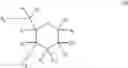
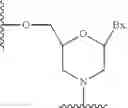
Sources:
- United States Patent and Trademark Office - verify current appl. status at the USPTO↗
Recent applications in this class:
- » 20250290077 2025-09-18
USE OF ANTISENSE OLIGONUCLEOTIDE IN PREPARATION OF DRUG FOR TREATING DISEASE CAUSED BY ABNORMAL THYROID - » 20250283093 2025-09-11
COMPOSITIONS AND METHODS FOR TREATING RETINAL DISEASES - » 20250283092 2025-09-11
MIRNA COMBINATION FOR THE PREVENTION AND TREATMENT OF CANCER - » 20250277222 2025-09-04
THERAPEUTIC COMPOSITIONS FOR TREATING PAIN VIA MULTIPLE TARGETS - » 20250277221 2025-09-04
OLIGONUCLEOTIDES FOR PRNP MODULATION - » 20250270565 2025-08-28
SYNAPTOSOMAL MICRO RNAS AND SYNAPSE FUNCTIONS IN ALZHEIMER'S DISEASE - » 20250270564 2025-08-28
EXTRACELLULAR VESICLE SECRETION BOOSTER FOR BOOSTING EXTRACELLULAR VESICLE SECRETION, AND USE THEREOF - » 20250263728 2025-08-21
COMPOSITION FOR REGULATING PRODUCTION OF INTERFERING RIBONUCLEIC ACID - » 20250263727 2025-08-21
COMPOSITION FOR REGULATING PRODUCTION OF INTERFERING RIBONUCLEIC ACID - » 20250263726 2025-08-21
COMPOSITION FOR REGULATING PRODUCTION OF INTERFERING RIBONUCLEIC ACID
Recent applications for this Assignee:
- » 20250283090 2025-09-11
MODULATORS OF DIACYGLYCEROL ACYLTRANSFERASE 2 (DGAT2) - » 20250283081 2025-09-11
Compounds and Methods for Modulating UBE3A-ATS - » 20250270556 2025-08-28
COMPOUNDS AND METHODS FOR MODULATING SCN2A - » 20250270554 2025-08-28
Selective Antisense Compounds and Uses Thereof - » 20250263703 2025-08-21
Linkage Modified Oligomeric Compounds - » 20250243487 2025-07-31
Compounds and Methods for Reducing APOCIII Expression - » 20250223589 2025-07-10
Selective Reduction of Allelic Variants - » 20250215417 2025-07-03
Methods for Separating Certain Oligonucleotide Compounds - » 20250215044 2025-07-03
Compounds and Methods for Inhibiting LPA - » 20250197858 2025-06-19
RNAi Agents of Modulating PLP1