Circuit board having bypass pad
US20120292091A1
2012-11-22
13/563,258
2012-07-31
✅ Patent granted
US 8,917,107 B2
2014-12-23
-
-
Minh N Tang
Muir Patent Consulting, PLLC
2033-05-20
Abstract:
An electronic device having a printed circuit board is provided. In one embodiment, the printed circuit board includes a plurality of external pads to be coupled with an external device and a plurality of bypass pads for testing an electric circuit. The external pads are exposed and at least one of the plurality of bypass pads are not exposed from an outer surface of the PCB. A system using the electronic device and a method of testing an electronic device are also provided.
Inventors:
- Beom-jun Jin 22 🇰🇷 Seoul, South Korea
- Sang-Guk Han 7 🇰🇷 Hwaseong-si, South Korea
- Seok-Joon Moon 5 🇰🇷 Seongnam-si, South Korea
- Sang-Guk Han 4 🇰🇷 Hwasung-Si, South Korea
- Seok-Joon Moon 4 🇰🇷 Sungnam-Si, South Korea
Assignee:
- Samsung Electronics Co., Ltd. 1,015 🇰🇷 Samsung-ro, Yeongtong-gu, Suwon-si, Gyeonggi-do, South Korea
Applicant:
Interested in similar patents?
Get notified when new applications in this technology area are published.
Classification:
G01R31/2818 » CPC main
Arrangements for testing electric properties; Arrangements for locating electric faults; Arrangements for electrical testing characterised by what is being tested not provided for elsewhere; Testing of electronic circuits, e.g. by signal tracer; Testing of printed circuits, backplanes, motherboards, hybrid circuits or carriers for multichip packages [MCP] using test structures on, or modifications of, the card under test, made for the purpose of testing, e.g. additional components or connectors
H01L25/18 » CPC further
Assemblies consisting of a plurality of individual semiconductor or other solid state devices ; Multistep manufacturing processes thereof the devices being of types provided for in two or more different subgroups of the same main group of groups -
H01L22/30 » CPC further
Testing or measuring during manufacture or treatment; Reliability measurements, i.e. testing of parts without further processing to modify the parts as such; Structural arrangements therefor Structural arrangements specially adapted for testing or measuring during manufacture or treatment, or specially adapted for reliability measurements
H01L24/80 » CPC further
Arrangements for connecting or disconnecting semiconductor or solid-state bodies; Methods or apparatus related thereto Methods for connecting semiconductor or other solid state bodies using means for bonding being attached to, or being formed on, the surface to be connected
G01R31/2808 » CPC further
Arrangements for testing electric properties; Arrangements for locating electric faults; Arrangements for electrical testing characterised by what is being tested not provided for elsewhere; Testing of electronic circuits, e.g. by signal tracer; Testing of printed circuits, backplanes, motherboards, hybrid circuits or carriers for multichip packages [MCP]; Apparatus therefor, e.g. test stations, drivers, analysers, conveyors Holding, conveying or contacting devices, e.g. test adapters, edge connectors, extender boards
G11C5/02 » CPC further
Details of stores covered by group Disposition of storage elements, e.g. in the form of a matrix array
G11C5/025 » CPC further
Details of stores covered by group; Disposition of storage elements, e.g. in the form of a matrix array Geometric lay-out considerations of storage- and peripheral-blocks in a semiconductor storage device
G11C5/06 » CPC further
Details of stores covered by group Arrangements for interconnecting storage elements electrically, e.g. by wiring
G11C29/04 » CPC further
Checking stores for correct operation ; Subsequent repair ; Testing stores during standby or offline operation Detection or location of defective memory elements, e.g. cell constructio details, timing of test signals
G11C29/12 » CPC further
Checking stores for correct operation ; Subsequent repair ; Testing stores during standby or offline operation; Detection or location of defective memory elements, e.g. cell constructio details, timing of test signals; Functional testing, e.g. testing during refresh, power-on self testing [POST] or distributed testing Built-in arrangements for testing, e.g. built-in self testing [BIST] or interconnection details
G11C29/56 » CPC further
Checking stores for correct operation ; Subsequent repair ; Testing stores during standby or offline operation External testing equipment for static stores, e.g. automatic test equipment [ATE]; Interfaces therefor
G11C29/56016 » CPC further
Checking stores for correct operation ; Subsequent repair ; Testing stores during standby or offline operation; External testing equipment for static stores, e.g. automatic test equipment [ATE]; Interfaces therefor Apparatus features
H01L22/32 » CPC further
Testing or measuring during manufacture or treatment; Reliability measurements, i.e. testing of parts without further processing to modify the parts as such; Structural arrangements therefor; Structural arrangements specially adapted for testing or measuring during manufacture or treatment, or specially adapted for reliability measurements Additional lead-in metallisation on a device or substrate, e.g. additional pads or pad portions, lines in the scribe line, sacrificed conductors
H01L23/49811 » CPC further
Details of semiconductor or other solid state devices; Arrangements for conducting electric current to or from the solid state body in operation, e.g. leads, terminal arrangements ; Selection of materials therefor consisting of soldered constructions; Leads, on insulating substrates, Additional leads joined to the metallisation on the insulating substrate, e.g. pins, bumps, wires, flat leads
H01L23/49838 » CPC further
Details of semiconductor or other solid state devices; Arrangements for conducting electric current to or from the solid state body in operation, e.g. leads, terminal arrangements ; Selection of materials therefor consisting of soldered constructions; Leads, on insulating substrates, Geometry or layout
H01L24/09 » CPC further
Arrangements for connecting or disconnecting semiconductor or solid-state bodies; Methods or apparatus related thereto; Means for bonding being attached to, or being formed on, the surface to be connected, e.g. chip-to-package, die-attach, "first-level" interconnects; Manufacturing methods related thereto; Bonding areas ; Manufacturing methods related thereto; Structure, shape, material or disposition of the bonding areas after the connecting process of a plurality of bonding areas
H01L24/49 » CPC further
Arrangements for connecting or disconnecting semiconductor or solid-state bodies; Methods or apparatus related thereto; Means for bonding being attached to, or being formed on, the surface to be connected, e.g. chip-to-package, die-attach, "first-level" interconnects; Manufacturing methods related thereto; Wire connectors; Manufacturing methods related thereto; Structure, shape, material or disposition of the wire connectors after the connecting process of a plurality of wire connectors
H01L25/0657 » CPC main
Assemblies consisting of a plurality of individual semiconductor or other solid state devices ; Multistep manufacturing processes thereof all the devices being of a type provided for in the same subgroup of groups - , e.g. assemblies of rectifier diodes the devices not having separate containers the devices being of a type provided for in group Stacked arrangements of devices
H05K1/111 » CPC further
Printed circuits; Details; Printed elements for providing electric connections to or between printed circuits Pads for surface mounting, e.g. lay-out
H05K1/111 » CPC further
Printed circuits; Details; Printed elements for providing electric connections to or between printed circuits Pads for surface mounting, e.g. lay-out
H05K1/181 » CPC further
Printed circuits; Printed circuits structurally associated with non-printed electric components associated with surface mounted components
H05K1/181 » CPC further
Printed circuits; Printed circuits structurally associated with non-printed electric components associated with surface mounted components
H05K3/288 » CPC further
Apparatus or processes for manufacturing printed circuits; Secondary treatment of printed circuits; Applying non-metallic protective coatings Removal of non-metallic coatings, e.g. for repairing
H05K3/288 » CPC further
Apparatus or processes for manufacturing printed circuits; Secondary treatment of printed circuits; Applying non-metallic protective coatings Removal of non-metallic coatings, e.g. for repairing
G11C2029/5602 » CPC further
Checking stores for correct operation ; Subsequent repair ; Testing stores during standby or offline operation; External testing equipment for static stores, e.g. automatic test equipment [ATE]; Interfaces therefor Interface to device under test
H01L23/538 » CPC further
Details of semiconductor or other solid state devices; Arrangements for conducting electric current within the device in operation from one component to another, i.e. interconnections, e.g. wires, lead frames the interconnection structure between a plurality of semiconductor chips being formed on, or in, insulating substrates
H01L25/0652 » CPC further
Assemblies consisting of a plurality of individual semiconductor or other solid state devices ; Multistep manufacturing processes thereof all the devices being of a type provided for in the same subgroup of groups - , e.g. assemblies of rectifier diodes the devices not having separate containers the devices being of a type provided for in group the devices being arranged next and on each other, i.e. mixed assemblies
H01L2224/0603 » CPC further
Indexing scheme for arrangements for connecting or disconnecting semiconductor or solid-state bodies and methods related thereto as covered by; Means for bonding being attached to, or being formed on, the surface to be connected, e.g. chip-to-package, die-attach, "first-level" interconnects; Manufacturing methods related thereto; Bonding areas; Manufacturing methods related thereto; Structure, shape, material or disposition of the bonding areas prior to the connecting process of a plurality of bonding areas; Structure Bonding areas having different sizes, e.g. different heights or widths
H01L2224/0912 » CPC further
Indexing scheme for arrangements for connecting or disconnecting semiconductor or solid-state bodies and methods related thereto as covered by; Means for bonding being attached to, or being formed on, the surface to be connected, e.g. chip-to-package, die-attach, "first-level" interconnects; Manufacturing methods related thereto; Bonding areas; Manufacturing methods related thereto; Structure, shape, material or disposition of the bonding areas after the connecting process of a plurality of bonding areas; Disposition Layout
H01L2224/4912 » CPC further
Indexing scheme for arrangements for connecting or disconnecting semiconductor or solid-state bodies and methods related thereto as covered by; Means for bonding being attached to, or being formed on, the surface to be connected, e.g. chip-to-package, die-attach, "first-level" interconnects; Manufacturing methods related thereto; Wire connectors; Manufacturing methods related thereto; Structure, shape, material or disposition of the wire connectors after the connecting process of a plurality of wire connectors; Disposition Layout
H01L2225/06506 » CPC further
Details relating to assemblies covered by the group but not provided for in its subgroups; All the devices being of a type provided for in the same subgroup of groups - the devices not having separate containers the devices being of a type provided for in group; Stacked arrangements of devices Wire or wire-like electrical connections between devices
H01L2225/0651 » CPC further
Details relating to assemblies covered by the group but not provided for in its subgroups; All the devices being of a type provided for in the same subgroup of groups - the devices not having separate containers the devices being of a type provided for in group; Stacked arrangements of devices Wire or wire-like electrical connections from device to substrate
H01L2924/01068 » CPC further
Indexing scheme for arrangements or methods for connecting or disconnecting semiconductor or solid-state bodies as covered by; Chemical elements Erbium [Er]
H05K3/002 » CPC further
Apparatus or processes for manufacturing printed circuits; Working of insulating substrates or insulating layers; Etching of the substrate by chemical or physical means by liquid chemical etching
H05K3/002 » CPC further
Apparatus or processes for manufacturing printed circuits; Working of insulating substrates or insulating layers; Etching of the substrate by chemical or physical means by liquid chemical etching
H05K3/245 » CPC further
Apparatus or processes for manufacturing printed circuits; Secondary treatment of printed circuits; Reinforcing the conductive pattern Reinforcing conductive patterns made by printing techniques or by other techniques for applying conductive pastes, inks or powders; Reinforcing other conductive patterns by such techniques
H05K3/245 » CPC further
Apparatus or processes for manufacturing printed circuits; Secondary treatment of printed circuits; Reinforcing the conductive pattern Reinforcing conductive patterns made by printing techniques or by other techniques for applying conductive pastes, inks or powders; Reinforcing other conductive patterns by such techniques
H05K2201/0187 » CPC further
Indexing scheme relating to printed circuits covered by; Dielectrics; Dielectric layers with regions of different dielectrics in the same layer, e.g. in a printed capacitor for locally changing the dielectric properties
H05K2201/0187 » CPC further
Indexing scheme relating to printed circuits covered by; Dielectrics; Dielectric layers with regions of different dielectrics in the same layer, e.g. in a printed capacitor for locally changing the dielectric properties
H05K2201/035 » CPC further
Indexing scheme relating to printed circuits covered by; Conductive materials; Structure of the conductor; Layered conductors or foils Paste overlayer, i.e. conductive paste or solder paste over conductive layer
H05K2201/035 » CPC further
Indexing scheme relating to printed circuits covered by; Conductive materials; Structure of the conductor; Layered conductors or foils Paste overlayer, i.e. conductive paste or solder paste over conductive layer
H05K2201/09036 » CPC further
Indexing scheme relating to printed circuits covered by; Shape and layout; Substrate related Recesses or grooves in insulating substrate
H05K2201/09036 » CPC further
Indexing scheme relating to printed circuits covered by; Shape and layout; Substrate related Recesses or grooves in insulating substrate
H05K2201/09472 » CPC further
Indexing scheme relating to printed circuits covered by; Shape and layout; Shape and layout details of conductors; Pads and lands Recessed pad for surface mounting ; Recessed electrode of component
H05K2201/09472 » CPC further
Indexing scheme relating to printed circuits covered by; Shape and layout; Shape and layout details of conductors; Pads and lands Recessed pad for surface mounting ; Recessed electrode of component
H05K2201/099 » CPC further
Indexing scheme relating to printed circuits covered by; Shape and layout; Shape or layout details not covered by a single group of - Coating over pads, e.g. solder resist partly over pads
H05K2201/099 » CPC further
Indexing scheme relating to printed circuits covered by; Shape and layout; Shape or layout details not covered by a single group of - Coating over pads, e.g. solder resist partly over pads
H05K2201/10159 » CPC further
Indexing scheme relating to printed circuits covered by; Details of components or other objects attached to or integrated in a printed circuit board; Types of components Memory
H05K2201/10159 » CPC further
Indexing scheme relating to printed circuits covered by; Details of components or other objects attached to or integrated in a printed circuit board; Types of components Memory
Y10T29/49117 » CPC further
Metal working; Method of mechanical manufacture; Electrical device making Conductor or circuit manufacturing
Y10T29/49155 » CPC further
Metal working; Method of mechanical manufacture; Electrical device making; Conductor or circuit manufacturing; On flat or curved insulated base, e.g., printed circuit, etc. Manufacturing circuit on or in base
H01L2924/00 » CPC further
Indexing scheme for arrangements or methods for connecting or disconnecting semiconductor or solid-state bodies as covered by
H01L2924/181 » CPC further
Indexing scheme for arrangements or methods for connecting or disconnecting semiconductor or solid-state bodies as covered by; Details of package parts other than the semiconductor or other solid state devices to be connected Encapsulation
H01L2224/45099 » CPC further
Indexing scheme for arrangements for connecting or disconnecting semiconductor or solid-state bodies and methods related thereto as covered by; Means for bonding being attached to, or being formed on, the surface to be connected, e.g. chip-to-package, die-attach, "first-level" interconnects; Manufacturing methods related thereto; Wire connectors; Manufacturing methods related thereto; Structure, shape, material or disposition of the wire connectors prior to the connecting process of an individual wire connector; Core members of the connector Material
H01L2924/00014 » CPC further
Indexing scheme for arrangements or methods for connecting or disconnecting semiconductor or solid-state bodies as covered by; Technical content checked by a classifier the subject-matter covered by the group, the symbol of which is combined with the symbol of this group, being disclosed without further technical details
H01L2924/207 » CPC further
Indexing scheme for arrangements or methods for connecting or disconnecting semiconductor or solid-state bodies as covered by; Parameters Diameter ranges
H01L2924/00012 » CPC further
Indexing scheme for arrangements or methods for connecting or disconnecting semiconductor or solid-state bodies as covered by; Technical content checked by a classifier Relevant to the scope of the group, the symbol of which is combined with the symbol of this group
H01L25/0655 » CPC further
Assemblies consisting of a plurality of individual semiconductor or other solid state devices ; Multistep manufacturing processes thereof all the devices being of a type provided for in the same subgroup of groups - , e.g. assemblies of rectifier diodes the devices not having separate containers the devices being of a type provided for in group the devices being arranged next to each other
H01L2225/06562 » CPC further
Details relating to assemblies covered by the group but not provided for in its subgroups; All the devices being of a type provided for in the same subgroup of groups - the devices not having separate containers the devices being of a type provided for in group; Stacked arrangements of devices; Geometry of the stack, e.g. form of the devices, geometry to facilitate stacking at least one device in the stack being rotated or offset
H01L2225/06596 » CPC further
Details relating to assemblies covered by the group but not provided for in its subgroups; All the devices being of a type provided for in the same subgroup of groups - the devices not having separate containers the devices being of a type provided for in group; Stacked arrangements of devices Structural arrangements for testing
H05K1/117 » CPC further
Printed circuits; Details; Printed elements for providing electric connections to or between printed circuits Pads along the edge of rigid circuit boards, e.g. for pluggable connectors
H05K1/117 » CPC further
Printed circuits; Details; Printed elements for providing electric connections to or between printed circuits Pads along the edge of rigid circuit boards, e.g. for pluggable connectors
H05K3/323 » CPC further
Apparatus or processes for manufacturing printed circuits; Assembling printed circuits with electric components, e.g. with resistor electrically connecting electric components or wires to printed circuits by conductive adhesives by applying an anisotropic conductive adhesive layer over an array of pads
H05K3/323 » CPC further
Apparatus or processes for manufacturing printed circuits; Assembling printed circuits with electric components, e.g. with resistor electrically connecting electric components or wires to printed circuits by conductive adhesives by applying an anisotropic conductive adhesive layer over an array of pads
H05K2203/162 » CPC further
Indexing scheme relating to apparatus or processes for manufacturing printed circuits covered by; Inspection; Monitoring; Aligning Testing a finished product, e.g. heat cycle testing of solder joints
H05K2203/162 » CPC further
Indexing scheme relating to apparatus or processes for manufacturing printed circuits covered by; Inspection; Monitoring; Aligning Testing a finished product, e.g. heat cycle testing of solder joints
H01L24/48 » CPC further
Arrangements for connecting or disconnecting semiconductor or solid-state bodies; Methods or apparatus related thereto; Means for bonding being attached to, or being formed on, the surface to be connected, e.g. chip-to-package, die-attach, "first-level" interconnects; Manufacturing methods related thereto; Wire connectors; Manufacturing methods related thereto; Structure, shape, material or disposition of the wire connectors after the connecting process of an individual wire connector
H05K1/11 IPC
Printed circuits; Details Printed elements for providing electric connections to or between printed circuits
H05K1/11 IPC
Printed circuits; Details Printed elements for providing electric connections to or between printed circuits
H05K3/28 » CPC further
Apparatus or processes for manufacturing printed circuits; Secondary treatment of printed circuits Applying non-metallic protective coatings
H05K3/28 » CPC further
Apparatus or processes for manufacturing printed circuits; Secondary treatment of printed circuits Applying non-metallic protective coatings
H05K1/0268 » CPC further
Printed circuits; Details; Marks, test patterns or identification means for electrical inspection or testing
H05K1/0268 » CPC further
Printed circuits; Details; Marks, test patterns or identification means for electrical inspection or testing
H01L2225/06568 » CPC further
Details relating to assemblies covered by the group but not provided for in its subgroups; All the devices being of a type provided for in the same subgroup of groups - the devices not having separate containers the devices being of a type provided for in group; Stacked arrangements of devices; Geometry of the stack, e.g. form of the devices, geometry to facilitate stacking the devices decreasing in size, e.g. pyramidical stack
G01R31/00 IPC
Arrangements for testing electric properties; Arrangements for locating electric faults; Arrangements for electrical testing characterised by what is being tested not provided for elsewhere
G01R31/28 IPC
Arrangements for testing electric properties; Arrangements for locating electric faults; Arrangements for electrical testing characterised by what is being tested not provided for elsewhere Testing of electronic circuits, e.g. by signal tracer
H05K1/02 IPC
Printed circuits Details
H05K1/02 IPC
Printed circuits Details
H01L23/00 IPC
Details of semiconductor or other solid state devices
H01L25/065 IPC
Assemblies consisting of a plurality of individual semiconductor or other solid state devices ; Multistep manufacturing processes thereof all the devices being of a type provided for in the same subgroup of groups - , e.g. assemblies of rectifier diodes the devices not having separate containers the devices being of a type provided for in group
H05K3/32 IPC
Apparatus or processes for manufacturing printed circuits; Assembling printed circuits with electric components, e.g. with resistor electrically connecting electric components or wires to printed circuits
H05K3/32 IPC
Apparatus or processes for manufacturing printed circuits; Assembling printed circuits with electric components, e.g. with resistor electrically connecting electric components or wires to printed circuits
Description
CROSS-REFERENCE TO RELATED PATENT APPLICATIONS
This application claims the benefit of Korean Patent Application No. 10-2007-0129057, filed on Dec. 12, 2007 in the Korean Intellectual Property Office, the disclosure of which is incorporated herein in its entirety by reference.
SUMMARY
The present inventive concept provides an electronic device having a printed circuit board, a system including the electronic device, and a method of testing the electronic device.
According to some embodiments of the present inventive concept, a printed circuit board (PCB) includes: a plurality of external pads to be coupled with an external device; and a plurality of bypass pads for testing an electric circuit. The external pads can be exposed from an outer surface of the PCB and at least one of the plurality of bypass pads may not be exposed from an outer surface of the PCB. The bypass pads may be contained wholly within the PCB. Also, the bypass pads and the external pads may be disposed adjacent to the same side of the PCB.
In some embodiments, a PCB comprises a core insulator having a first surface and a second surface opposite the first surface; bypass pads for testing an electrical circuit, the bypass pads formed on the first surface of the core insulator; external pads to be coupled with an external device, the external pads formed on the first surface of the core insulator; and a solder resist (SR) layer exposing the external pads and covering at least one of the bypass pads.
In some embodiments, a method for testing an electric circuit includes providing a printed circuit board (PCB) comprising: a plurality of external pads to be coupled with an external device; and a plurality of bypass pads for testing an electric circuit, wherein the external pads are exposed and one or more of the bypass pads are not exposed from an outer surface of the PCB; removing a portion of the PCB to expose at least one of the plurality of bypass pads; and testing the electric circuit via the at least one of the plurality of bypass pads.
In some embodiments, a method of forming a printed circuit board (PCB), comprises providing a core insulator; forming external pads and bypass pads on a surface of the core insulator; and forming a solder resist layer on the surface of the core insulator, wherein the solder resist layer exposes the external pads and covers at least one of the bypass pads.
BRIEF DESCRIPTION OF THE DRAWINGS
The above and other features and advantages of the present inventive concept will become more apparent by describing in detail exemplary embodiments thereof with reference to the attached drawings in which:
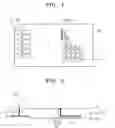
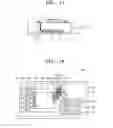
FIG. 1 is a plan view of a printed circuit board (PCB);
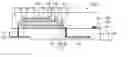
FIG. 2 is a cross-section view of the PCB shown in FIG. 1 according to a first embodiment of the present inventive concept;
FIG. 3 is a cross-section view of a PCB according to a second embodiment of the present inventive concept;
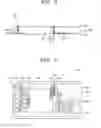
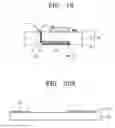
FIGS. 4 and 5 are plan and cross-section views of an electronic device, respectively, in accordance with a third embodiment of the present inventive concept;
FIGS. 6 and 7 are plan and cross-section views of an electronic device, respectively, in accordance with a fourth embodiment of the present inventive concept;
FIG. 8 is a plan view of an electronic device in accordance with a fifth embodiment of the present inventive concept;
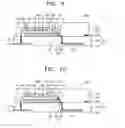
FIG. 9 is a cross-section view of an electronic device in accordance with a sixth embodiment of the present inventive concept;
FIG. 10 is a cross-section view of an electronic device in accordance with a seventh embodiment of the present inventive concept;
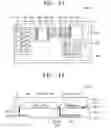
FIGS. 11 and 12 are plan and cross-section views of an electronic device, respectively, in accordance with an eighth embodiment of the present inventive concept;
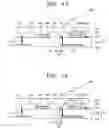
FIGS. 13 and 14 are cross-section views illustrating alternative embodiments of that shown in FIGS. 11 and 12;
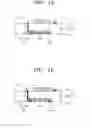
FIGS. 15 through 17 are cross-section views of a bypass pad portion of the electronic device shown in FIG. 13;
FIG. 18 is a plan view illustrating an insulating material layer covering a bypass pad region of a surface of a PCB according to one embodiment;
FIG. 19 is a cross-section view of a bypass pad portion of the electronic device shown in FIG. 18;
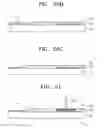
FIGS. 20A-20C are cross-section views illustrating a method of manufacturing a PCB including bypass pads, according to some embodiments of the present inventive concept;
FIG. 21 is a cross-section view of a PCB having bypass pads with an ACF, according to some embodiments of the present inventive concept;
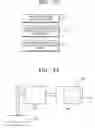
FIG. 22 is a diagram of a method of testing an electronic device according to some embodiments of the present inventive concept;
FIG. 23 is a diagram of a system using an electronic device according to some embodiments of the present inventive concept;
FIG. 24 is a diagram of another system using an electronic device according to some embodiments of the present inventive concept; and
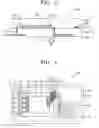
FIG. 25 shows photographs of a solid state disk (SSD) using an electronic device according to some embodiments of the present inventive concept.
DETAILED DESCRIPTION
Referring to FIG. 1, in one embodiment, a printed circuit board (PCB) 100 includes external pads 115 on an insulating substrate 105 and bypass pads 120 within the insulating substrate 105. The external pads 115 are used to interconnect an external device such as a digital camera, electronic game machines, a cellular phone or a personal computer with semiconductor chips mounted on the PCB 105 such that signals can be communicated therebetween. The PCB 100 can be used in multiple applications including an electronic device such as a solid state disk (SSD) as shown in FIG. 24, a memory card, or a System-in-Package (SIP) semiconductor device, among other things. The electronic device may include two or more types of semiconductor chips, such as a memory chip and a logic chip. To ensure the reliability of the semiconductor chips after the chips are packaged and/or the electronic device is manufactured, a testing process is performed. Also, there are various other occasions where the testing process is desired, e.g., during the development of the electronic device.
In order to facilitate testing, it is helpful for the electronic device, e.g., SIP, to include the bypass pads 120, which may also be referred to as test pads, in addition to the external pads 115. The bypass pads 120 can be useful especially when electronic devices containing a semiconductor chip, such as memory cards, are very small. The bypass pads 120 may be used to test the memory chips inside the electronic devices. Consequently, during the normal manufacturing process or when specific test steps are triggered, the memory chips may be tested even though the controller chip is not working properly.
If the bypass pads 120 are exposed externally from a surface of the insulating substrate 105 or the PCB 100, an insulating tape may need to be applied to protect the exposed bypass pads from the external environment. However, in normal use, the insulating tape can be peeled off or damaged and thereby expose all or a portion of the bypass pads 120 to the external environment. When the bypass pads 120 are exposed to the external environment, shorts between respective ones of the bypass pads 120 and malfunctions of the electronic device can occur.
FIG. 2 is a cross-section view of the PCB shown in FIG. 1 according to one embodiment of the present inventive concept to deal with such issues.
Referring to FIG. 2, a PCB 100 according to some embodiments of the inventive concept includes an insulating substrate 105 having a first surface 107 and a second surface 108 opposite to the first surface 107. The insulating substrate 105 may include a rigid or flexible substrate including a single dielectric layer or multiple dielectric layers. The PCB 100 also includes external pads 115 disposed adjacent the second surface 108 and bypass pads 120 disposed between the first surface 107 and the second surface 108. In one embodiment, the bypass pads 120 may be adjacent and closer to the second surface 108 than to the first surface 107 as shown. Accordingly, the bypass pads may be contained wholly within the insulating substrate 105. Also, the bypass pads 120 and the external pads 115 may be disposed adjacent to the same side of the PCB 100 or the insulating substrate 105.
The external pads 115 may be formed on the second surface 108 or disposed within a recess formed in the insulating substrate 105. As a result, the external pads 115 may be exposed from the second surface 108 to be coupled to an external device such as various electronic devices including a lap top computer, a personal digital assistant (PDA) and electronic game machines.
In one embodiment, the bypass pads 120 may be formed, for example, on a second surface of a core insulator (not illustrated in FIG. 2 but shown in FIG. 20 as 106) adjacent to the second surface 108 of the PCB 100 or the insulating substrate 105. The PCB 100 may have a solder resist layer (not illustrated in FIG. 2. but shown in FIG. 20 as element 124) on the core insulator. The solder resist layer may include openings respectively exposing corresponding ones of the bypass pads 120 as will be explained later with respect to FIG. 20C.
The external pads 115 can be connected to one or more first terminal pads 125 on an upper surface, i.e., the first surface 107 of the insulating substrate 105 or PCB 100 through one or more first via plugs 130. Also, various other electrical connection methods can be used to interconnect the external pads 115 and the one or more first terminal pads 125.
The bypass pads 120 can also be connected to one or more second terminal pads 135 on the first surface 107 using one or more second via plugs 140 and/or wiring patterns 145 (collectively referred to as “circuit pattern 150”).
The bypass pads 120 can be sealed from the external environment by, for example, the insulating substrate 105. The insulating substrate 105 may include a photoresist material. In particular, materials that make up the PCB 100 may substantially surround the bypass pads 120. The bypass pads 120 may be disposed in a region of the PCB 100 in which all surfaces of the bypass pads are surrounded by the PCB 100.
Thus, according to some embodiments of the present inventive concept, the bypass pads 120 are protected from the external environment, leading to increased reliability of the PCB 100 and electronic devices including the PCB 100. Even when stress or an external impact is inadvertently applied to the PCB 100 or the electronic devices including the PCB 100, as the bypass pads 120 are disposed within the insulating substrate 105 or within the PCB 100, the bypass pads 120 can be securely protected. It should be noted that the present inventive concept has application to both volatile and non-volatile electronic devices. In other words, the semiconductor chips discussed above can be provided as, for example, a DRAM, a PRAM, an MRAM, a nonvolatile memory, or the like or a combination thereof.
FIG. 3 is a cross-section view of a PCB according to another embodiment of the present inventive concept.
Referring to FIG. 3, from time to time in the electronic device manufacturing process or after manufacturing is complete; it may become necessary to test the semiconductor chips on a PCB 100. In this case, the second surface 108 of the insulating substrate 105 can be partially removed such that one or more of the bypass pads 120 are exposed from the PCB 100. The exposed bypass pads 120 can then be used to test the semiconductor chips. The bypass pads 120 can be exposed using several methods including dry etching, wet etching, and/or planarization of the second surface 108. The planarization may be performed using an etch back process or a chemical mechanical polishing (CMP) process.
After the testing procedure, the removed portion of the second surface 108 can be restored if desired by, for example, depositing a layer of photoresist.
The number of bypass pads 120 and the external pads 115 can be decided based on the desired application for the PCB 100. As shown, the bypass pads 120 can be arranged in a matrix form.
FIGS. 4 and 5 are plan and cross-section views of an electronic device, respectively, in accordance with some embodiments of the present inventive concept.
Referring to FIGS. 4 and 5, an electronic device 200 includes a semiconductor chip 205 disposed on a first surface 107 of an insulating substrate 105. The electronic device 200 can be a memory card or the like and the semiconductor chip 205 can be, for example, a memory chip or a logic chip (or a controller chip). The semiconductor chip 205 can be electrically connected to external pads 115 and/or bypass pads 120. The external pads 115 can be used for transferring signals between semiconductor chip 205 and components external to the electronic device 200, e.g., an external device such as a digital camera and so on. Bypass pads 120 can be used for routine testing and/or failure analysis of the semiconductor chip 205.
The semiconductor chip 205 can include one or more sets of chip pads 210 and 240. The sets of chip pads 210, 240 can be coupled to first and second terminal pads 125, 135, respectively, using connection means such as bonding wires 215, 245. The ends of the bonding wires 215, 245 can be connected to the chip pads 210, 240 and the first and second terminal pads 125, 135. The sets of chip pads 210, 240 may be coupled to the first and second terminal pads 125, 135 using conductive bumps or conductive through vias.
In one embodiment, one or more passive devices such as a capacitor, resistor or inductor are formed on the first surface of the insulating substrate 105.
In some embodiments, an encapsulant 225 formed of a material such as an epoxy molding compound (EMC) can be formed to cover the semiconductor chip 205. In FIG. 4, the encapsulant 225 is shown as a dotted line. The encapsulant 225 may also be formed of a ceramic material or the encapsulant 225 may be a casing formed of a material such as metal.
The electronic device 200 can be electrically connected to an external device such as various electronic devices, using external pads 115. In normal use, the bypass pads 120 can be safely protected within the insulating substrate 105. However, as discussed above, when there is a need for testing the electronic device 200 or the semiconductor chip 205, the bypass pads 120 can be exposed for testing.
FIGS. 6 and 7 are plan and cross-section views of an electronic device, respectively, in accordance with one embodiment of the present inventive concept. The embodiments shown in FIGS. 7 and 8 include features similar to that described above with respect to FIGS. 5 and 6. Therefore, in the interest of brevity, redundant description will be omitted.
Referring to FIGS. 6 and 7, an electronic device 300 can include a memory chip 305 and a logic chip 335 stacked on a first surface 107 of an insulating substrate 105. The memory chip 305 can include various types of memory devices such as flash memory, DRAM, SRAM, PRAM (phase change RAM), and RRAM (resistance RAM). The logic chip 335 can be provided for controlling the memory chip 305 and the memory chip 305 can transfer data responsive to commands from the logic chip 335. The electronic device 300 can be, for example, an MMC (Multimedia card), an SD (secure digital card), a micro MMC, a micro SD, or the like. The external pads 115 may be electrically connected to the logic chip 335 such that the logic chip 335 can exchange signals with an external device.
One or more passive devices 320 can also be provided on the first surface 107 of the insulating substrate 105 of the PCB 100. The passive device 320 can be electrically connected to the bypass pads 120 and include a capacitor, a resistor, and/or an inductor.
In some embodiments, an encapsulant 325 formed of a material such as an epoxy molding compound (EMC) can be formed to cover the semiconductor chip 205.
FIG. 8 is a plan view of an electronic device in accordance with another embodiment of the present inventive concept.
Referring to FIG. 8, an electronic device 300a includes a memory chip 305a and a logic chip 335 stacked on an insulating substrate 105 of the PCB 100. Chip pads 310a of the memory chip 305a and chip pads 340, 350 of the logic chip 335 can be configured in different directions. Specifically, chip pads 310a of the memory chip 305a can be disposed in a longitudinal direction while chip pads 340, 350 of the logic chip 335 can be disposed in a lateral direction. The chip pads 310a of the memory chip 305a can be connected to third terminal pads 135a, which can be coupled with second terminal pads 135. In this way, bonding wires 315a, 345, 355 of each of the logic chip 335 and the memory chip 305a are disposed in different directions so that electrical shorts between the bonding wires can be avoided.
FIG. 9 is a cross-section view of an electronic device in accordance with still another embodiment of the present inventive concept.
Referring to FIG. 9, an electronic device 300b includes one or more additional memory chips 305b disposed between a memory chip 305 and a logic chip 335. In this case, the logic chip 335 can control the memory chip 305 and the additional memory chips 305b. The additional memory chips 305b can be stacked so as to expose chip pads 310 of the memory chip 305. Accordingly, the chip pads 310b of the additional memory chips 305b can be connected to the chip pads 310 of the memory chip 305 by connection means such as bonding wires 315b. The logic chip 335, the memory chip 305, and the additional memory chips 305b can be electrically connected to the bypass pads 120 via the second terminal pads 135 and the circuit pattern 150.
FIG. 10 is a cross-section view of an electronic device in accordance with some embodiments of the present inventive concept.
Referring to FIG. 10, an electronic device 300c includes one or more additional memory chips 305b disposed between a memory chip 305 and a logic chip 335. Additionally, one or more additional chip pads 310b of the additional memory chips 305b can be directly connected to the second terminal pads 135 by bonding wires 315c, rather than via the memory chip pads 310.
FIGS. 11 and 12 are plan and cross-section views of an electronic device, respectively, in accordance with some embodiments of the present inventive concept.
Referring to FIGS. 11 and 12, an electronic device 300d includes a memory chip 305d and a logic chip 335d both disposed directly on an insulating substrate 105, rather than stacked, as in other embodiments. The logic chip 335d can be configured between first terminal pads 125 and second terminal pads 135. Therefore, bonding wires 345, 355 can be formed on opposite sides of the logic chip 335d. In this way, shorts between the bonding wires 345, 355 can be avoided.
FIGS. 13 and 14 are cross-section views illustrating alternative embodiments of that shown in FIGS. 11 and 12.
Referring to FIGS. 13 and 14, an electronic device 300e can include a memory chip 305d and a logic chip 335d both disposed directly on an insulating substrate 105, and an additional memory chip 305e disposed on the memory chip 305d. The logic chip 335d can control both the memory chip 305d and the additional memory chip 305e. The additional memory chip 305e can be disposed so as to expose the chip pads 310 of the memory chip 305d. Accordingly, the chip pads 310e can be connected to the chip pads 310 of the memory chip 305d by bonding wires 315e (see FIG. 14). Alternatively, the chip pads 310e can be connected directly to the second terminal pads 135 using bonding wires 315f. Further, the logic chip 335d, the memory chip 305d, and the additional memory chip 305e can be electrically connected to the bypass pads 120 by the second terminal pads 135.
FIGS. 15 through 17 are cross-section views of a bypass pad portion of the electronic device shown in FIG. 13.
Referring to FIGS. 15 and 16, the bypass pads 120 can be protected by an insulating material layer 160 such that the bypass pads 120 are not externally exposed. The insulating material layer 160 can be disposed directly on the bypass pads 120. The insulating material layer 160 can include a material such as an epoxy resin, a via filling material, or an anisotropic conductive film (ACF), as opposed to the solder resist material. When the insulating material layer 160 is formed of an ACF and there is a need for testing a memory chip in the electronic device, a testing tip can be placed so as to exert pressure on the ACF to cause it to be electrically connected to the bypass pads 120 as will be discussed further with respect to FIG. 21. Because there is no need for an additional process to expose the bypass pads 120, the manufacturing costs and time can be substantially reduced.
On the other hand, if the bypass pads 120 are formed of copper, the insulating material layer 160 can be directly formed on a bare surface of the copper. Thus, no Ni-gold plating is required as a seed layer. As a result, the manufacturing costs in terms of material costs and process time can be reduced.
Also, compared to prior art methods where the insulating tape is used over the bypass pads, the insulating material layer 160 is less likely to peel off and expose the bypass pads 120 to the external environment.
The insulating material layer 160 may include a dielectric material having an etch selectivity with respect to the solder resist layer adjacent to the second surface 108 of the PCB 100 next to the insulating material layer 160. Accordingly, the insulating material layer 160 may be removed more easily than a photo solder resist (PSR) material by chemical and/or mechanical methods such as etching and polishing. In the case of PSR, as PSR is a hard material, the etching of PSR requires a strong chemical etchant such as nitric acid or sulfuric acid. Consequently, the strong chemical etchant can etch other insulating materials, resulting in short circuits. By using the insulating material layer 160, which is easier to remove, these problems, such as short circuits, can be reduced.
As shown in FIG. 16, the insulating material layer 160 can be disposed on only a portion of the total number of bypass pads 120, as desired. In other words, the insulating substrate 105 includes one or more openings 159 exposing a portion of the bypass pads 120. The one or more openings 159 are filled with the insulating material layer 160 having an etch selectivity with the insulating substrate 105, e.g., a solder resist layer that forms the insulating substrate 105.
An additional solder resist layer may be formed on the second surface 108 of the PCB 100 so as to cover the solder resist layer and the insulating material layer 160 as in FIG. 17.
Referring further to FIG. 17, the insulating material layer 160 can be disposed inside of the PCB 100 (i.e., under the second surface 108 of the PCB 100) and/or under an additional solder resist layer 123 formed on the second surface 108 of the PCB 100. In this case, to expose the bypass pads 120, mechanical polishing and chemical etching can be applied sequentially.
FIG. 18 is a plan view illustrating an insulating material layer covering a bypass pad region of a surface of a PCB. FIG. 19 is a cross-section view of a bypass pad portion of the electronic device shown in FIG. 18.
In FIG. 17, the insulating material layer 160 is formed over the individual bypass pads 120, rather than over the regions between the bypass pads 120. However, as shown in FIGS. 18 and 19, a single insulating material layer 160′ can be disposed over the plural bypass pads 120 including the regions between the bypass pads 120. In other words, there may be a single opening 161 in a portion of the insulating substrate 105 overlying a plurality of bypass pads 120, not just over an individual bypass pad 120. And the single insulating material layer 160 may be disposed in the single opening 161 to be disposed over the plurality of bypass pads 120. The other portion of the insulating substrate 105 comprises an SR layer in a region where the single insulating material layer 160′ is not formed although the SR layer is not separately illustrated in FIG. 19. The single insulating material layer 160′ may be formed of a dielectric material having an etch selectivity with respect to the SR layer. The SR layer may be seen to include a single opening 161 to be disposed over the plurality of bypass pads 120. In other words, the SR layer may include the single opening 161 exposing a plurality of the bypass pads 120.
In one embodiment, the single insulating material layer 160′ may be formed of a material similar to the insulating material layer 160 of, for example, FIG. 17.
FIGS. 20A-20C are cross-section views illustrating a method of manufacturing a PCB including bypass pads, according to some embodiments of the present inventive concept.
Referring to FIG. 20A, a method of manufacturing a PCB includes providing a core insulator 106. The core insulator 106 may include, but not limited to, a BT resin material. Next, a conductive pattern is formed on the core insulator 106. The conductive pattern includes the external pads 115 and the bypass pads 120. Forming the conductive pattern may include forming a conductive material layer and then patterning the conductive material layer (using a photolithography process, for example) to form the external pads 115 and the bypass pads 120.
Referring to FIG. 20B, a dielectric layer 122 is formed over substantially an entire surface of the core insulator 106, including the external pads 115 and the bypass pads 120. The dielectric layer 122 may be a solder resist, and more specifically, may be a photo solder resist (PSR).
Referring to FIG. 20C, a portion of the dielectric layer 122 is removed to form a solder resist layer 124. Removal of the portion of the dielectric layer 122 may include a photolithography process. The external pads 115 are exposed by the solder resist layer 124. The bypass pads 120 may not be exposed (or covered) by the solder resist layer 124. Alternatively, some of the bypass pads 120 may be exposed by the solder resist layer 124 and others of the bypass pads 120 may not be exposed or covered by the solder resist layer 124. Although not shown for the sake of simplicity, other conventional PCB materials may be formed on the core insulator 106. For example, another photoresist layer is formed on other side of the core insulator 106 opposite the solder resist layer 124.
In one embodiment, the insulating substrate 105 shown throughout the drawings including FIGS. 15-17 may have a structure similar to the structure shown in FIG. 20C. In other words, the insulating substrate 105 may include a core insulator with the bypass pads 120 formed thereon while the solder resist layer covering the bypass pads and the core insulator as shown in FIG. 20C, for example. However, the present invention is not limited to this particular structure and can be applied to any other suitable PCB structure within the spirit and scope of the present invention.
Also, some or all of the features discussed with respect to a particular drawing or an embodiment can be also applied to other embodiments or drawings.
FIG. 21 is a cross-section view of a PCB having bypass pads with an ACF, according to some embodiments of the present inventive concept discussed above with respect to FIGS. 15-16.
Referring to FIG. 21, a PCB 101 includes a core insulator 106, external pads 115, bypass pads 120, and a solder resist layer 124 in accordance with one embodiment of the present invention. The external pads 115 are exposed from the solder resist layer 124. The bypass pads 120 are also exposed from the solder resist layer 124, but in this case, an anisotropic conductive film (ACF) 126 covers the bypass pads 120. Using the ACF 126, a test probe 2010 can electrically contact the bypass pads 120 to test a memory chip.
FIG. 22 is a diagram of a method of testing an electronic device according to some embodiments of the present inventive concept.
Referring to FIG. 22, a method of testing an electronic device includes providing a PCB at step 2110. The PCB includes a plurality of external pads to be coupled with an external device and a plurality of bypass pads for testing an electric circuit. The external pads are exposed from an outer surface of the PCB. However, one or more of the bypass pads are not exposed from an outer surface of the PCB. The method further includes removing a portion of the PCB to expose at least one of the plurality of bypass pads at step 2120. Finally, the method includes testing the electric circuit via the at least one of the plurality of bypass pads at step 2130.
FIG. 23 is a diagram of a system using an electronic device according to embodiments of the present inventive concept.
Referring to FIG. 23, the system 400 includes a socket 420, an electronic device 410 including a PCB discussed with respect to the above embodiments, a card interface controller 430 and a host or an external device 440. The socket 420 can be provided to allow insertion and contact with the electronic device 410. The electronic device 410 can be, for example, a memory card. The socket 420 can be connected to external pads 115 (shown in, for example, FIG. 15) of the electronic device 410. The card interface controller 430 can control the exchange of data with the electronic device 410 through the socket 420. The card interface controller 430 can also be used to store data in the electronic device 410. The host 440 controls card interface controller 430.
FIG. 24 is a diagram of another system using an electronic device according to embodiments of the present inventive concept.
Referring to FIG. 24, a system 800 may, for example, include a processor 810, e.g., central processing unit (CPU) used in a personal computer, game machines, PDA or the like, a electronic device 820 made in accordance with any one of embodiments described above, an input/output device 830 and a bus 840. The input/output device 830 can be electrically coupled to the microprocessor 810 and the electronic device 820 (e.g., via the bus 840). Although not shown, a controller can be added to the system 800.
In one embodiment, the system 800 can be provided as part of a mobile phone, an MP3 player, a navigation device, solid state disk (SSD), household appliance, or the like.
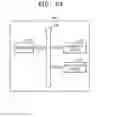
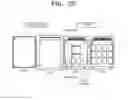
FIG. 25 shows photographs of a solid state disk (SSD) using an electronic device according to embodiments of the present inventive concept. In particular, FIG. 25 shows front and back sides of an external case of SSD and also front and back sides a PCB to be placed in the external case. As shown, a controller and a connector are disposed in the front side while flash memories are placed on both sides of the PCB. However, the embodiments of the present invention are not limited to this specific structure and can be employed in other manners within the spirit and scope of the present invention. For example, the connector can be placed in other side of the PCB and the location of the connector can be placed depending on applications.
According to some embodiments of the present inventive concept, a printed circuit board (PCB) includes: a plurality of external pads to be coupled with an external device; and a plurality of bypass pads for testing an electric circuit. The external pads can be exposed from an outer surface of the PCB and one or more of the bypass pads may not be exposed from an outer surface of the PCB. The bypass pads may be contained wholly within the PCB. Also, the bypass pads and the external pads may be disposed adjacent to the same side of the PCB.
According to other embodiments of the present inventive concept, a printed circuit board (PCB) includes: a core insulator having a top surface and a bottom surface; bypass pads for testing an electrical circuit formed on the bottom surface of the core insulator; external pads to be coupled with an external device formed on the bottom surface of the core insulator; and a solder resist (SR) layer exposing the external pads and covering at least one of the bypass pads. Materials that make up the PCB may substantially surround the bypass pads. The bypass pads may be disposed in a region of the PCB in which all surfaces of the bypass pads are surrounded by the PCB. The SR layer may include openings respectively exposing corresponding ones of the bypass pads. The openings may be filled with a dielectric material having an etch selectivity with respect to the solder resist layer. The openings may be filled with an ACF. The dielectric material may be etched faster than the solder resist layer with respect to a predetermined etchant. The SR layer may have at least one opening exposing a portion of the bypass pads and the at least one opening may be filled with the dielectric material and the other portion of the at least one of the openings may be covered with the solder resist. Alternatively, the SR layer may include a single opening exposing a plurality of the bypass pads and the single opening may be filled with a dielectric material having an etch selectivity with respect to the SR layer, the dielectric material covering the plurality of the bypass pads. The PCB may further include another solder resist (SR) layer formed to cover the dielectric material and the SR layer having the openings.
According to still other embodiments of the present inventive concept, a device includes a PCB and a semiconductor chip overlying the PCB. The PCB may comprise: a core insulator having a top surface and a bottom surface; bypass pads for testing an electrical circuit formed on the bottom surface of the core insulator; external pads to be coupled with an external device formed on the bottom surface of the core insulator; and a solder resist exposing the external pads and covering at least one of the bypass pads. The semiconductor chip may include: a memory chip overlying the PCB; and a controller chip overlying the PCB. The device may be a storage device. The storage device may be an SSD or a memory card.
According to yet other embodiments of the present inventive concept, a system includes: a PCB substrate; a solder resist; a semiconductor memory chip; and at least one of a controller and a CPU. The PCB substrate includes: a core insulator having a top surface and a bottom surface; bypass pads for testing an electrical circuit formed on the bottom surface of the core insulator; and external pads to be coupled with an external device formed on the bottom surface of the core insulator. The solder resist exposes the external pads and covers at least one of the bypass pads.
According to another embodiment of the present inventive concept, a method includes: providing a printed circuit board (PCB) comprising a plurality of external pads to be coupled with an external device and a plurality of bypass pads for testing an electric circuit; removing a portion of the PCB to expose at least one of the plurality of bypass pads; and testing the electric circuit via the at least one of the plurality of bypass pads. The external pads are exposed and one or more of the bypass pads are not exposed to an outer surface of the PCB. The electric circuit may be a memory.
The PCB may include a solder resist layer and removing the portion of the PCB may include removing a portion of the solder resist layer to form at least one opening exposing the at least one of the plurality of bypass pads and forming an anisotropic conductive film (ACF) in the at least one opening. Testing the electric circuit may comprise contacting a test probe to the ACF.
According to yet another embodiment of the present inventive concept, a method of forming a printed circuit board (PCB), includes: providing a core insulator; forming external pads and bypass pads on a surface of the core insulator; and forming a solder resist layer on the surface of the core insulator. The solder resist layer exposes the external pads and covers at least one of the bypass pads. Forming the external pads and the bypass pads may include: forming a conductive material layer on the surface of the core insulator; and patterning the conductive material layer to form the external pads and the bypass pads. Forming the solder resist layer may include: forming a dielectric layer on the surface of the core insulator, the external pads, and the bypass pads; and patterning the dielectric layer to form the solder resist layer.
Reference throughout this specification to “one embodiment” or “an embodiment” means that a particular feature, structure, or characteristic described in connection with the embodiment is included in at least one embodiment of the present invention. Thus, the appearances of the phrases “in one embodiment,” “in some embodiments, or “in an embodiment” in various places throughout this specification are not necessarily all referring to the same embodiment. Furthermore, the particular features, structures, or characteristics may be combined in any suitable manner in one or more embodiments.
Various operations will be described as multiple discrete steps performed in a manner that is most helpful in understanding the invention. However, the order in which the steps are described does not imply that the operations are order-dependent or that the order that steps are performed must be the order in which the steps are presented.
While the present inventive concept has been particularly shown and described with reference to exemplary embodiments thereof, it will be understood by those of ordinary skill in the art that various changes in form and details may be made therein without departing from the spirit and scope of the present inventive concept as defined by the following claims.
Claims
1-38. (canceled)
39. A printed circuit board (PCB) comprising:
a core insulator having a first surface and a second surface opposite the first surface;
external pads configured to be coupled with an external device, the external pads formed on the first surface of the core insulator;
bypass pads formed on the first surface of the core insulator;
terminal pads on the second surface of the core insulator; and
a via plug electrically connecting the bypass pads and the terminal pads,
wherein the external pads are exposed and at least one of the bypass pads are not exposed from an outer surface of the PCB.
40. The PCB of claim 39, wherein the via plug extends vertically through the core insulator.
41. The PCB of claim 39, further comprising a wiring pattern on the second surface of the core insulator, the wiring pattern connecting the terminal pads and the via plug.
42. The PCB of claim 39, further comprising a wiring pattern on the first surface of the core insulator, the wiring pattern connecting the bypass pads and the via plug.
43. The PCB of claim 39, further comprising wiring patterns on both the first surface and the second surface of the core insulator, the wiring pattern on the first surface of the core insulator connecting the bypass pads and the via plug, and the wiring pattern on the second surface of the core insulator connecting the terminal pads and the via plug.
44. The PCB of claim 43, wherein the bypass pads are for being used to test a memory chip to be mounted on the core insulator.
45. A printed circuit board (PCB) comprising:
a core insulator having a first surface and a second surface opposite the first surface;
bypass pads formed on the first surface of the core insulator;
external pads configured to be coupled with an external device, the external pads formed on the first surface of the core insulator;
a solder resist (SR) layer covering at least one of the bypass pads;
terminal pads on the second surface of the core insulator; and
a via plug electrically connecting the bypass pads and the terminal pads,
46. A printed circuit board (PCB) comprising:
a core insulator having a first surface and a second surface opposite the first surface;
bypass pads formed on the first surface of the core insulator;
external pads configured to be coupled with an external device, the external pads formed on the first surface of the core insulator;
a solder resist (SR) layer including at least one opening exposing at least one of the bypass pads;
terminal pads on the second surface of the core insulator; and
a via plug electrically connecting the bypass pads and the terminal pads,
47. The PCB of claim 46, further comprising a wiring pattern on the second surface of the core insulator, the wiring pattern connecting the terminal pads and the via plug.
48. The PCB of claim 46, further comprising a wiring pattern on the first surface of the core insulator, the wiring pattern connecting the bypass pads and the via plug.
49. The PCB of claim 46, wherein the at least one opening is filled with an insulating material having an etch selectivity with respect to the SR layer.
50. The PCB of claim 49, wherein the insulating material is a dielectric material.
51. The PCB of claim 50, further comprising another solder resist (SR) layer formed to cover the dielectric material and the another SR layer having the at least one opening.
52. The PCB of claim 46, wherein the SR layer includes a single opening exposing a plurality of the bypass pads.
53. The PCB of claim 52, wherein the single opening is filled with an insulating material having an etch selectivity with respect to the SR layer, the insulating material covering the plurality of the bypass pads including regions between the bypass pads.
54. The PCB of claim 52, wherein the single opening exposes all of the bypass pads.
Images & Drawings included:

Sources:
- United States Patent and Trademark Office - verify current appl. status at the USPTO↗
Similar patent applications:
- » 20090153163
Circuit board having bypass pad - » 20100289157
Circuit board having bypass pad - » 20110037491
Circuit board having bypass pad - » 20140097865
Circuit board having bypass pad - » 20150243371
Circuit board having bypass pad - » 20150257255
Circuit board having bypass pad - » 20170018535
Circuit board having bypass pad
Recent applications in this class:
- » 20250293212 2025-09-18
SEMICONDUCTOR PACKAGES - » 20250293211 2025-09-18
HEAT DISSIPATION FOR STACKED INTEGRATED CIRCUIT DEVICES - » 20250293210 2025-09-18
SYSTEMS AND METHODS FOR PACKAGING A SEMICONDUCTOR DEVICE - » 20250286021 2025-09-11
SEMICONDUCTOR PACKAGE - » 20250286020 2025-09-11
SEMICONDUCTOR BONDING STRUCTURE - » 20250286019 2025-09-11
SEMICONDUCTOR PACKAGE - » 20250286018 2025-09-11
METHOD OF FABRICATING SEMICONDUCTOR BONDING STRUCTURE - » 20250286017 2025-09-11
SEMICONDUCTOR DEVICE - » 20250279399 2025-09-04
SEMICONDUCTOR DEVICES AND MANUFACTURING METHODS OF THE SAME - » 20250279398 2025-09-04
VERTICAL INTERCONNECT STRUCTURES IN THREE-DIMENSIONAL INTEGRATED CIRCUITS
Recent applications for this Assignee:
- » 20200235049 2020-07-23
Semiconductor devices having nonlinear bitline structures - » 20200219552 2020-07-09
Nonvolatile memory devices and memory systems - » 20200168269 2020-05-28
Semiconductor memory devices, memory systems and methods of operating semiconductor memory devices - » 20200159617 2020-05-21
Semiconductor memory device and memory system having the same - » 20200152256 2020-05-14
Memory device and operation method thereof - » 20200149961 2020-05-14
Spectrometer optical system, semiconductor inspection apparatus including the same and method of manufacturing semiconductor device using the apparatus - » 20200144277 2020-05-07
Semiconductor device - » 20200136594 2020-04-30
Flip flop circuit - » 20200135757 2020-04-30
Vertical memory devices and methods of manufacturing the same - » 20200105735 2020-04-02
Semiconductor devices