RNA-TARGETING FUSION PROTEIN COMPOSITIONS AND METHODS FOR USE
US20200071718A1
2020-03-05
16/434,689
2019-06-07
Abstract:
Disclosed are compositions comprising: (a) a sequence comprising a guide RNA (gRNA) that specifically binds a target sequence within an RNA molecule and (b) a sequence encoding a fusion protein, the sequence comprising a sequence encoding a first RNA-binding polypeptide and a sequence encoding a second RNA-binding polypeptide, wherein neither the first RNA-binding polypeptide nor the second RNA-binding polypeptide comprises a significant DNA-nuclease activity, wherein the first RNA-binding polypeptide and the second RNA-binding polypeptide are not identical, and wherein the second RNA-binding polypeptide comprises an RNA-nuclease activity. Methods of making and methods of using compositions of the disclosure are also provided. For example, compositions of the disclosure may be used in the treatment of a disease or disorder in a subject. Exemplary disease or disorders of the disclosure include genetic and epigenetic diseases or disorders.
Inventors:
- David A. Nelles 11 🇺🇸 San Diego, CA, United States
- Ranjan BATRA 11 🇺🇸 San Diego, CA, United States
- Eugene YEO 4 🇺🇸 San Diego, CA, United States
Interested in similar patents?
Get notified when new applications in this technology area are published.
Classification:
C12N2800/80 » CPC further
Nucleic acids vectors Vectors containing sites for inducing double-stranded breaks, e.g. meganuclease restriction sites
C12N15/907 » CPC further
Mutation or genetic engineering; DNA or RNA concerning genetic engineering, vectors, e.g. plasmids, or their isolation, preparation or purification; Use of hosts therefor; Recombinant DNA-technology; Introduction of foreign genetic material using processes not otherwise provided for, e.g. co-transformation; Stable introduction of foreign DNA into chromosome using homologous recombination in mammalian cells
C12N2310/20 » CPC further
Structure or type of the nucleic acid; Type of nucleic acid involving clustered regularly interspaced short palindromic repeats [CRISPRs]
C12N15/85 » CPC main
Mutation or genetic engineering; DNA or RNA concerning genetic engineering, vectors, e.g. plasmids, or their isolation, preparation or purification; Use of hosts therefor; Recombinant DNA-technology; Introduction of foreign genetic material using vectors; Vectors; Use of hosts therefor; Regulation of expression; Vectors or expression systems specially adapted for eukaryotic hosts for animal cells
C12N15/11 » CPC further
Mutation or genetic engineering; DNA or RNA concerning genetic engineering, vectors, e.g. plasmids, or their isolation, preparation or purification; Use of hosts therefor; Recombinant DNA-technology DNA or RNA fragments; Modified forms thereof
C12N9/22 » CPC further
Enzymes; Proenzymes; Compositions thereof ; Processes for preparing, activating, inhibiting, separating or purifying enzymes; Hydrolases (3) acting on ester bonds (3.1) Ribonucleases RNAses, DNAses
C12N15/90 IPC
Mutation or genetic engineering; DNA or RNA concerning genetic engineering, vectors, e.g. plasmids, or their isolation, preparation or purification; Use of hosts therefor; Recombinant DNA-technology; Introduction of foreign genetic material using processes not otherwise provided for, e.g. co-transformation Stable introduction of foreign DNA into chromosome
Description
RELATED APPLICATIONS
This application claims priority to U.S. Patent Application No. 62/682,271, filed Jun. 8, 2018, the contents of which are herein incorporated by reference in their entirety. The contents of U.S. Patent Application No. 62/682,276, filed Jun. 8, 2018, are herein incorporated by reference in their entirety.
FIELD OF THE DISCLOSURE
The disclosure is directed to molecular biology, and more, specifically, to compositions and methods for modifying expression and activity of RNA molecules.
INCORPORATION OF SEQUENCE LISTING
The contents of the text file named “LOCN_002_001US_SeqList_ST25”, which was created on Sep. 4, 2019 and is 773 KB in size, are hereby incorporated by reference in their entirety.
BACKGROUND
There has been a long-felt but unmet need in the art for a method of specifically binding target RNA molecules for modification of expression or activity of the RNA molecule or a protein encoded by the RNA molecule. The disclosure provides compositions and methods for specifically targeting RNA molecules in sequence-specific manner that further precludes modification of DNA sequences.
SUMMARY
The disclosure provides a composition comprising (a) a sequence comprising a guide RNA (gRNA) that specifically binds a target sequence within an RNA molecule and (b) a sequence encoding a fusion protein, the sequence comprising a sequence encoding a first RNA-binding polypeptide and a sequence encoding a second RNA-binding polypeptide, wherein neither the first RNA-binding polypeptide nor the second RNA-binding polypeptide comprises a significant DNA-nuclease activity, wherein the first RNA-binding polypeptide and the second RNA-binding polypeptide are not identical, and wherein the second RNA-binding polypeptide comprises an RNA-nuclease activity wherein the first RNA-binding polypeptide and the second RNA-binding polypeptide are not identical, and wherein the second RNA-binding polypeptide comprises an RNA-nuclease activity.
The disclosure also provides a composition comprising a sequence encoding an RNA-guided target RNA-binding fusion protein comprising (a) a sequence encoding a first RNA-binding polypeptide or portion thereof; and (b) a sequence encoding a second RNA-binding polypeptide, wherein the first RNA-binding polypeptide binds a target RNA guided by a gRNA sequence, and wherein the second RNA-binding polypeptide comprises RNA-nuclease activity.
The disclosure additionally provides a composition comprising a sequence encoding a target RNA-binding fusion protein comprising (a) a sequence encoding a first RNA-binding polypeptide or portion thereof, and (b) a sequence encoding a second RNA-binding polypeptide, wherein the first RNA-binding polypeptide binds a target RNA without a gRNA sequence, and wherein the second RNA-binding polypeptide comprises RNA-nuclease activity.
In some embodiments of the compositions of the disclosure, the target sequence comprises at least one repeated sequence.
In some embodiments of the compositions of the disclosure, the sequence comprising the gRNA further comprises a sequence encoding a promoter capable of expressing the gRNA in a eukaryotic cell.
In some embodiments of the compositions of the disclosure, the eukaryotic cell is an animal cell. In some embodiments, the animal cell is a mammalian cell. In some embodiments, the animal cell is a human cell.
In some embodiments of the compositions of the disclosure, the promoter is a constitutively active promoter. In some embodiments, the promoter sequence is isolated or derived from a promoter capable of driving expression of an RNA polymerase. In some embodiments, the promoter sequence is isolated or derived from a U6 promoter. In some embodiments, the promoter is a sequence isolated or derived from a promoter capable of driving expression of a transfer RNA (tRNA). In some embodiments, the promoter is isolated or derived from an alanine tRNA promoter, an arginine tRNA promoter, an asparagine tRNA promoter, an aspartic acid tRNA promoter, a cysteine tRNA promoter, a glutamine tRNA promoter, a glutamic acid tRNA promoter, a glycine tRNA promoter, a histidine tRNA promoter, an isoleucine tRNA promoter, a leucine tRNA promoter, a lysine tRNA promoter, a methionine tRNA promoter, a phenylalanine tRNA promoter, a proline tRNA promoter, a serine tRNA promoter, a threonine tRNA promoter, a tryptophan tRNA promoter, a tyrosine tRNA promoter, or a valine tRNA promoter. In some embodiments, the promoter is isolated or derived from a valine tRNA promoter.
In some embodiments of the compositions of the disclosure, the sequence comprising the gRNA further comprises a spacer sequence that specifically binds to the target RNA sequence. In some embodiments, the spacer sequence has at least 50%, 55%, 60%, 65%, 70%, 75%, 80%, 87%, 90%, 95%, 97%, 99% or any percentage in between of complementarity to the target RNA sequence. In some embodiments, the spacer sequence has 100% complementarity to the target RNA sequence. In some embodiments, the spacer sequence comprises or consists of 20 nucleotides. In some embodiments, the spacer sequence comprises or consists of 21 nucleotides. In some embodiments, the spacer sequence comprises or consists of the sequence
| (SEQ ID NO: 1) |
| UGGAGCGAGCAUCCCCCAAA, | |
| (SEQ ID NO: 2) |
| GUUUGGGGGAUGCUCGCUCCA, | |
| (SEQ ID NO: 3) |
| CCCUCACUGCUGGGGAGUCC, | |
| (SEQ ID NO: 4) |
| GGACUCCCCAGCAGUGAGGG, | |
| (SEQ ID NO: 5) |
| GCAACUGGAUCAAUUUGCUG, | |
| (SEQ ID NO: 6) |
| GCAGCAAAUUGAUCCAGUUGC, | |
| (SEQ ID NO: 7) |
| GCAUUCUUAUCUGGUCAGUGC, | |
| (SEQ ID NO: 8) |
| GCACUGACCAGAUAAGAAUG, | |
| (SEQ ID NO: 9) |
| GAGCAGCAGCAGCAGCAGCAG, | |
| (SEQ ID NO: 10) |
| GCAGGCAGGCAGGCAGGCAGG, | |
| (SEQ ID NO: 11) |
| GCCCCGGCCCCGGCCCCGGC, | |
| or |
| (SEQ ID NO: 12) |
| GCTGCTGCTGCTGCTGCTGC, | |
| (SEQ ID NO: 74) |
| GGGGCCGGGGCCGGGGCCGG, | |
| (SEQ ID NO: 75) |
| GGGCCGGGGCCGGGGCCGGG, | |
| (SEQ ID NO: 76) |
| GGCCGGGGCCGGGGCCGGGG, | |
| (SEQ ID NO: 77) |
| GCCGGGGCCGGGGCCGGGGC, | |
| (SEQ ID NO: 78) |
| CCGGGGCCGGGGCCGGGGCC, | |
| or | |
| (SEQ ID NO: 79) |
| CGGGGCCGGGGCCGGGGCCG. |
In some embodiments of the compositions of the disclosure, the sequence comprising the gRNA further comprises a spacer sequence that specifically binds to the target RNA sequence. In some embodiments, the spacer sequence has at least 50%, 55%, 60%, 65%, 70%, 75%, 80%, 87%, 90%, 95%, 97%, 99% or any percentage in between of complementarity to the target RNA sequence.
In some embodiments, the spacer sequence has 100% complementarity to the target RNA sequence. In some embodiments, the spacer sequence comprises or consists of 20 nucleotides. In some embodiments, the spacer sequence comprises or consists of 21 nucleotides. In some embodiments, the spacer sequence comprises or consists of the sequence
| (SEQ ID NO: 14) |
| GUGAUAAGUGGAAUGCCAUG, | |
| (SEQ ID NO: 15) |
| CUGGUGAACUUCCGAUAGUG, | |
| or |
| (SEQ ID NO: 16) |
| GAGATATAGCCTGGTGGTTC. |
In some embodiments of the compositions of the disclosure, the sequence comprising the gRNA further comprises a spacer sequence that specifically binds to the target RNA sequence. In some embodiments, the spacer sequence has at least 50%, 55%, 60%, 65%, 70%, 75%, 80%, 87%, 90%, 95%, 97%, 99% or any percentage in between of complementarity to the target RNA sequence. In some embodiments, the spacer sequence has 100% complementarity to the target RNA sequence. In some embodiments, the spacer sequence comprises or consists of 20 nucleotides. In some embodiments, the spacer sequence comprises or consists of 21 nucleotides. In some embodiments, the spacer sequence comprises or consists of a sequence comprising at least 1, 2, 3, 4, 5, 6, or 7 repeats of the sequence CUG (SEQ ID NO: 18), CCUG (SEQ ID NO: 19), CAG (SEQ ID NO: 80), GGGGCC (SEQ ID NO: 81) or any combination thereof.
In some embodiments of the compositions of the disclosure, the sequence comprising the gRNA further comprises a scaffold sequence that specifically binds to the first RNA binding protein. In some embodiments, the scaffold sequence comprises a stem-loop structure. In some embodiments, the scaffold sequence comprises or consists of 90 nucleotides. In some embodiments, the scaffold sequence comprises or consists of 93 nucleotides. In some embodiments, the scaffold sequence comprises or consists of the sequence
GUUUAAGAGCUAUGCUGGAAACAGCAUAGCAAGUUUAAAUAAGGCUAGUCCGUU
AUCAACUUGAAAAAGUGGCACCGAGUCGGUGCUUUUUUU (SEQ ID NO: 13). In some embodiments, the scaffold sequence comprises or consists of the sequence
GGACAGCAUAGCAAGUUAAAAUAAGGCUAGUCCGUUAUCAACUUGAAAAAGUGG
CACCGAGUCGGUGCUUUUU (SEQ ID NO: 17). In some embodiments, the scaffold sequence comprises or consists of the sequence
| (SEQ ID NO: 82) |
| GUUUAAGAGCUAUGCUGGAAACAGCAUAGCAAGUUUAAAUAAGGCUAGU |
| CCGUUAUCAACUUGAAAAAGUGGCACCGAGUCGGUGCUUUUUUU |
| or |
| (SEQ ID NO: 83) |
| GUUUUAGAGCUAGAAAUAGCAAGUUAAAAUAAGGCUAGUCCGUUAUCAA |
| CUUGAAAAAGUGGCACCGAGUCGGUGCUUUUUUU. |
In some embodiments of the compositions of the disclosure, the gRNA does not bind or does not selectively bind to a second sequence within the RNA molecule.
In some embodiments of the compositions of the disclosure, an RNA genome or an RNA transcriptome comprises the RNA molecule.
In some embodiments of the compositions of the disclosure, the first RNA binding protein comprises a CRISPR-Cas protein. In some embodiments, the CRISPR-Cas protein is a Type II CRISPR-Cas protein. In some embodiments, the first RNA binding protein comprises a Cas9 polypeptide or an RNA-binding portion thereof. In some embodiments, the CRISPR-Cas protein comprises a native RNA nuclease activity. In some embodiments, the native RNA nuclease activity is reduced or inhibited. In some embodiments, the native RNA nuclease activity is increased or induced. In some embodiments, the CRISPR-Cas protein comprises a native DNA nuclease activity and the native DNA nuclease activity is inhibited. In some embodiments, the CRISPR-Cas protein comprises a mutation. In some embodiments, a nuclease domain of the CRISPR-Cas protein comprises the mutation. In some embodiments, the mutation occurs in a nucleic acid encoding the CRISPR-Cas protein. In some embodiments, the mutation occurs in an amino acid encoding the CRISPR-Cas protein. In some embodiments, the mutation comprises a substitution, an insertion, a deletion, a frameshift, an inversion, or a transposition. In some embodiments, the mutation comprises a deletion of a nuclease domain, a binding site within the nuclease domain, an active site within the nuclease domain, or at least one essential amino acid residue within the nuclease domain.
In some embodiments of the compositions of the disclosure, the first RNA binding protein comprises a CRISPR-Cas protein. In some embodiments, the CRISPR-Cas protein is a Type V CRISPR-Cas protein. In some embodiments, the first RNA binding protein comprises a Cpf1 polypeptide or an RNA-binding portion thereof. In some embodiments, the CRISPR-Cas protein comprises a native RNA nuclease activity. In some embodiments, the native RNA nuclease activity is reduced or inhibited. In some embodiments, the native RNA nuclease activity is increased or induced. In some embodiments, the CRISPR-Cas protein comprises a native DNA nuclease activity and the native DNA nuclease activity is inhibited. In some embodiments, the CRISPR-Cas protein comprises a mutation. In some embodiments, a nuclease domain of the CRISPR-Cas protein comprises the mutation. In some embodiments, the mutation occurs in a nucleic acid encoding the CRISPR-Cas protein. In some embodiments, the mutation occurs in an amino acid encoding the CRISPR-Cas protein. In some embodiments, the mutation comprises a substitution, an insertion, a deletion, a frameshift, an inversion, or a transposition. In some embodiments, the mutation comprises a deletion of a nuclease domain, a binding site within the nuclease domain, an active site within the nuclease domain, or at least one essential amino acid residue within the nuclease domain.
In some embodiments of the compositions of the disclosure, the first RNA binding protein comprises a CRISPR-Cas protein. In some embodiments, the CRISPR-Cas protein is a Type VI CRISPR-Cas protein. In some embodiments, the first RNA binding protein comprises a Cas13 polypeptide or an RNA-binding portion thereof. In some embodiments, the first RNA binding protein comprises a CasRx/Cas13d polypeptide or an RNA-binding portion thereof. In some embodiments, the CRISPR-Cas protein comprises a native RNA nuclease activity. In some embodiments, the native RNA nuclease activity is reduced or inhibited. In some embodiments, the native RNA nuclease activity is increased or induced. In some embodiments, the CRISPR-Cas protein comprises a native DNA nuclease activity and the native DNA nuclease activity is inhibited. In some embodiments, the CRISPR-Cas protein comprises a mutation. In some embodiments, a nuclease domain of the CRISPR-Cas protein comprises the mutation. In some embodiments, the mutation occurs in a nucleic acid encoding the CRISPR-Cas protein. In some embodiments, the mutation occurs in an amino acid encoding the CRISPR-Cas protein. In some embodiments, the mutation comprises a substitution, an insertion, a deletion, a frameshift, an inversion, or a transposition. In some embodiments, the mutation comprises a deletion of a nuclease domain, a binding site within the nuclease domain, an active site within the nuclease domain, or at least one essential amino acid residue within the nuclease domain.
In some embodiments of the compositions of the disclosure, the first RNA binding protein comprises a Pumilio and FBF (PUF) protein or an RNA binding portion thereof. In some embodiments, the first RNA binding protein comprises a Pumilio-based assembly (PUMBY) protein or an RNA binding portion thereof.
In some embodiments of the compositions of the disclosure, the first RNA binding protein does not require multimerization for RNA-binding activity. In some embodiments, the first RNA binding protein is not a monomer of a multimer complex. In some embodiments, a multimer protein complex does not comprise the first RNA binding protein.
In some embodiments of the compositions of the disclosure, the first RNA binding protein selectively binds to a target sequence within the RNA molecule. In some embodiments, the first RNA binding protein does not comprise an affinity for a second sequence within the RNA molecule. In some embodiments, the first RNA binding protein does not comprise a high affinity for or selectively bind a second sequence within the RNA molecule.
In some embodiments of the compositions of the disclosure, an RNA genome or an RNA transcriptome comprises the RNA molecule.
In some embodiments of the compositions of the disclosure, the first RNA binding protein comprises between 2 and 1300 amino acids, inclusive of the endpoints.
In some embodiments of the compositions of the disclosure, the sequence encoding the first RNA binding protein further comprises a sequence encoding a nuclear localization signal (NLS), a nuclear export signal (NES) or tag. In some embodiments, the sequence encoding a nuclear localization signal (NLS) is positioned 3′ to the sequence encoding the first RNA binding protein. In some embodiments, the first RNA binding protein comprises an NLS at a C-terminus of the protein.
In some embodiments of the compositions of the disclosure, the sequence encoding the first RNA binding protein further comprises a first sequence encoding a first NLS and a second sequence encoding a second NLS. In some embodiments, the sequence encoding the first NLS or the second NLS is positioned 3′ to the sequence encoding the first RNA binding protein. In some embodiments, the first RNA binding protein comprises the first NLS or the second NLS at a C-terminus of the protein.
In some embodiments of the compositions of the disclosure, the second RNA binding protein comprises or consists of a nuclease domain. In some embodiments, the second RNA binding protein binds RNA in a manner in which it associates with RNA. In some embodiments, the second RNA binding protein associates with RNA in a manner in which it cleaves RNA.
In some embodiments of the compositions of the disclosure, the sequence encoding the second RNA binding protein comprises or consists of an RNAse. In some embodiments, the second RNA binding protein comprises or consists of an RNAse1. In some embodiments, the RNAse1 comprises or consists of SEQ ID NO: 20. In some embodiments, the second RNA binding protein comprises or consists of an RNAse4. In some embodiments, the RNAse4 comprises or consists of SEQ ID NO: 21. In some embodiments, the second RNA binding protein comprises or consists of an RNAse6. In some embodiments, the RNAse6 comprises or consists of SEQ ID NO: 22. In some embodiments, the second RNA binding protein comprises or consists of an RNAse7. In some embodiments, the RNAse7 comprises or consists of SEQ ID NO: 23. In some embodiments, the second RNA binding protein comprises or consists of an RNAse8. In some embodiments, the RNAse8 protein comprises or consists of SEQ ID NO: 24. In some embodiments, the second RNA binding protein comprises or consists of an RNAse2. In some embodiments, the RNAse2 protein comprises or consists of SEQ ID NO: 25. In some embodiments, the second RNA binding protein comprises or consists of an RNAse6PL. In some embodiments, the RNAse6PL protein comprises or consists of SEQ ID NO: 26. In some embodiments, the second RNA binding protein comprises or consists of an RNAseL. In some embodiments the RNAseL protein comprises or consists of SEQ ID NO: 27. In some embodiments, the second RNA binding protein comprises or consists of an RNAseT2. In some embodiments, the RNAseT2 protein comprises or consists of SEQ ID NO: 28. In some embodiments, the second RNA binding protein comprises or consists of an RNAse11. In some embodiments, the RNAse11 protein comprises or consists of SEQ ID NO: 29. In some embodiments, the second RNA binding protein comprises or consists of an RNAseT2-like. In some embodiments, the RNAseT2-like protein comprises or consists of SEQ ID NO: 30.
In some embodiments of the compositions of the disclosure, the second RNA binding protein comprises or consists of a mutated RNAse. In some embodiments, the second RNA binding protein comprises or consists of a mutated Rnase1 (Rnase1(K41R)) polypeptide. In some embodiments, the Rnase1 (K41R) polypeptide comprises or consists of SEQ ID NO: 116. In some embodiments, the second RNA binding protein comprises or consists of a mutated Rnase1 (Rnase1(K41R, D121E)) polypeptide. In some embodiments, the Rnase1 (Rnase1(K41R, D121E)) polypeptide comprises or consists of SEQ ID NO: 66. In some embodiments, the second RNA binding protein comprises or consists of a mutated Rnase1 (Rnase1(K41R, D121E, H119N)) polypeptide. In some embodiments, the Rnase1 (Rnase1(K41R, D121E, H119N)) polypeptide comprises or consists of SEQ ID NO: 118. In some embodiments, the second RNA binding protein comprises or consists of a mutated Rnase1. In some embodiments, the second RNA binding protein comprises or consists of a mutated Rnase1 (Rnase1(H119N)) polypeptide. In some embodiments, the Rnase1 (Rnase1(H119N)) polypeptide comprises or consists SEQ ID NO: 119. In some embodiments, the second RNA binding protein comprises or consists of a mutated Rnase1 (Rnase1(R39D, N67D, N88A, G89D, R91D, H119N)) polypeptide. In some embodiments, the Rnase1 (Rnase1(R39D, N67D, N88A, G89D, R91D, H119N)) polypeptide comprises or consists of SEQ ID NO: 120. In some embodiments, the second RNA binding protein comprises or consists of a mutated Rnase1 (Rnase1(R39D, N67D, N88A, G89D, R91D, H119N)) polypeptide. In some embodiments, the Rnase1 (Rnase1(R39D, N67D, N88A, G89D, R91D, H119N, K41R, D121E)) polypeptide comprises or consists of SEQ ID NO: 121. In some embodiments, the second RNA binding protein comprises or consists of a mutated Rnase1 (Rnase1(R39D, N67D, N88A, G89D, R91D, H119N)) polypeptide. In some embodiments, the Rnase1 (Rnase1(R39D, N67D, N88A, G89D, R91D)) polypeptide comprises or consists of SEQ ID NO: 122.
In some embodiments of the compositions of the disclosure, the second RNA binding protein comprises or consists of a NOB 1 polypeptide. In some embodiments, the NOB 1 polypeptide comprises or consists of SEQ ID NO: 31.
In some embodiments of the compositions of the disclosure, the second RNA binding protein comprises or consists of an endonuclease. In some embodiments, the second RNA binding protein comprises or consists of an endonuclease V (ENDOV). In some embodiments, the ENDOV protein comprises or consists of SEQ ID NO: 32. In some embodiments, the second RNA binding protein comprises or consists of an endonuclease G (ENDOG). In some embodiments, the ENDOG protein comprises or consists of SEQ ID NO: 33. In some embodiments, the second RNA binding protein comprises or consists of an endonuclease D1 (ENDOD1). In some embodiments, the ENDOD1 protein comprises or consists of SEQ ID NO: 34. In some embodiments, the second RNA binding protein comprises or consists of a Human flap endonuclease-1 (hFEN1). In some embodiments, the hFEN1 protein comprises or consists of SEQ ID NO: 35. In some embodiments, the second RNA binding protein comprises or consists of a DNA repair endonuclease XPF (ERCC4) polypeptide. In some embodiments, the ERCC4 protein comprises or consists of SEQ ID NO: 64.
In some embodiments of the compositions of the disclosure, the second RNA binding protein comprises or consists of an Endonuclease III-like protein 1 (NTHL) polypeptide. In some embodiments, the NTHL polypeptide comprises or consists of SEQ ID NO: 123.
In some embodiments of the compositions of the disclosure, the second RNA binding protein comprises or consists of a human Schlafen 14 (hSLFN14) polypeptide. In some embodiments, the hSLFN14 polypeptide comprises or consists of SEQ ID NO: 36.
In some embodiments of the compositions of the disclosure, the second RNA binding protein comprises or consists of a human beta-lactamase-like protein 2 (hLACTB2) polypeptide. In some embodiments, the hLACTB2 polypeptide comprises or consists of SEQ ID NO: 37.
In some embodiments of the compositions of the disclosure, the second RNA binding protein comprises or consists of an apurinic/apyrimidinic (AP) endodeoxyribonuclease (APEX) polypeptide. In some embodiments, the second RNA binding protein comprises or consists of an apurinic/apyrimidinic (AP) endodeoxyribonuclease (APEX2) polypeptide. In some embodiments, the APEX2 polypeptide comprises or consists of SEQ ID NO: 38. In some embodiments, the APEX2 polypeptide comprises or consists of SEQ ID NO: 39. In some embodiments, the second RNA binding protein comprises or consists of an apurinic or apyrimidinic site lyase (APEX1) polypeptide. In some embodiments, the APEX1 polypeptide comprises or consists of SEQ ID NO: 125.
In some embodiments of the compositions of the disclosure, the second RNA binding protein comprises or consists of an angiogenin (ANG) polypeptide. In some embodiments, the ANG polypeptide comprises or consists SEQ ID NO: 40.
In some embodiments of the compositions of the disclosure, the second RNA binding protein comprises or consists of a heat responsive protein 12 (HRSP12) polypeptide. In some embodiments, the HRSP12 polypeptide comprises or consists of SEQ ID NO: 41.
In some embodiments of the compositions of the disclosure, the second RNA binding protein comprises or consists of a Zinc Finger CCCH-Type Containing 12A (ZC3H12A) polypeptide. In some embodiments, the ZC3H12A polypeptide comprises or consists of SEQ ID NO: 42. In some embodiments, the ZC3H12A polypeptide comprises or consists of SEQ ID NO: 43.
In some embodiments of the compositions of the disclosure, the second RNA binding protein comprises or consists of a Reactive Intermediate Imine Deaminase A (RIDA) polypeptide. In some embodiments, the RIDA polypeptide comprises or consists of SEQ ID NO: 44.
In some embodiments of the compositions of the disclosure, the second RNA binding protein comprises or consists of a Phospholipase D Family Member 6 (PDL6) polypeptide. In some embodiments, the PDL6 polypeptide comprises or consists of SEQ ID NO: 126.
In some embodiments of the compositions of the disclosure, the second RNA binding protein comprises or consists of a mitochondrial ribonuclease P catalytic subunit (KIAA0391) polypeptide. In some embodiments, the KIAA0391 polypeptide comprises or consists of SEQ ID NO: 127.
In some embodiments of the compositions of the disclosure, the second RNA binding protein comprises or consists of an argonaute 2 (AGO2) polypeptide.
In some embodiments of the compositions of the disclosure, the AGO2 polypeptide comprises or consists of SEQ ID NO: 128.
In some embodiments of the compositions of the disclosure, the second RNA binding protein comprises or consists of a mitochondrial nuclease EXOG (EXOG) polypeptide. In some embodiments, the EXOG polypeptide comprises or consists of SEQ ID NO: 129.
In some embodiments of the compositions of the disclosure, the second RNA binding protein comprises or consists of a Zinc Finger CCCH-Type Containing 12D (ZC3H12D) polypeptide. In some embodiments, the ZC3H12D polypeptide comprises or consists of SEQ ID NO: 130.
In some embodiments of the compositions of the disclosure, the second RNA binding protein comprises or consists of an endoplasmic reticulum to nucleus signaling 2 (ERN2) polypeptide. In some embodiments, the ERN2 polypeptide comprises or consists of SEQ ID NO: 131.
In some embodiments of the compositions of the disclosure, the second RNA binding protein comprises or consists of a pelota mRNA surveillance and ribosome rescue factor (PELO) polypeptide. In some embodiments, the PELO polypeptide comprises or consists of SEQ ID NO: 132.
In some embodiments of the compositions of the disclosure, the second RNA binding protein comprises or consists of a YBEY metallopeptidase (YBEY) polypeptide. In some embodiments, the YBEY polypeptide comprises or consists of SEQ ID NO: 133.
In some embodiments of the compositions of the disclosure, the second RNA binding protein comprises or consists of a cleavage and polyadenylation specific factor 4 like (CPSF4L) polypeptide. In some embodiments, the CPSF4L polypeptide comprises or consists of SEQ ID NO: 134.
In some embodiments of the compositions of the disclosure, the second RNA binding protein comprises or consists of an hCG_200273 ipolypeptide. In some embodiments, the hCG_2002731 comprises or consists of SEQ ID NO: 135. In some embodiments, the hCG_2002731 polypeptide comprises or consists of SEQ ID NO: 136.
In some embodiments of the compositions of the disclosure, the second RNA binding protein comprises or consists of an Excision Repair Cross-Complementation Group 1 (ERCC1) polypeptide. In some embodiments, the ERCC1 polypeptide comprises or consists of SEQ ID NO: 137.
In some embodiments of the compositions of the disclosure, the second RNA binding protein comprises or consists of a ras-related C3 botulinum toxin substrate 1 isoform (RAC1) polypeptide. In some embodiments, the RAC1 polypeptide comprises or consists of SEQ ID NO: 138.
In some embodiments of the compositions of the disclosure, the second RNA binding protein comprises or consists of a Ribonuclease A A1 (RAA1) polypeptide. In some embodiments, the RAA1 polypeptide comprises or consists of SEQ ID NO: 139.
In some embodiments of the compositions of the disclosure, the second RNA binding protein comprises or consists of a Ras Related Protein (RAB1) polypeptide. In some embodiments, the RAB1 polypeptide comprises or consists of SEQ ID NO: 140.
In some embodiments of the compositions of the disclosure, the second RNA binding protein comprises or consists of a DNA Replication Helicase/Nuclease 2 (DNA2) polypeptide. In some embodiments, the DNA2 polypeptide comprises or consists of SEQ ID NO: 141.
In some embodiments of the compositions of the disclosure, the second RNA binding protein comprises or consists of a FLJ35220 polypeptide. In some embodiments, the FLJ35220 polypeptide comprises or consists of SEQ ID NO: 142.
In some embodiments of the compositions of the disclosure, the second RNA binding protein comprises or consists of a FLJ13173 polypeptide. In some embodiments, the FLJ13173 polypeptide comprises or consists of SEQ ID NO: 143.
In some embodiments of the compositions of the disclosure, the second RNA binding protein comprises or consists of Teneurin Transmembrane Protein (TENM) polypeptide. In some embodiments, the second RNA binding protein comprises or consists of Teneurin Transmembrane Protein 1 (TENM1) polypeptide. In some embodiments, the TENM1 polypeptide comprises or consists of SEQ ID NO: 144. In some embodiments, the second RNA binding protein comprises or consists of Teneurin Transmembrane Protein 2 (TENM2) polypeptide. In some embodiments, the TENM2 polypeptide comprises or consists of SEQ ID NO: 145.
In some embodiments of the compositions of the disclosure, the second RNA binding protein comprises or consists of a Ribonuclease Kappa (RNAseK) polypeptide. In some embodiments, the RNAseK polypeptide comprises or consists of SEQ ID NO: 204.
In some embodiments, the fusion proteins of the disclosure are used in methods for treating a subject in need thereof, the methods comprising contacting a target RNA with a fusion protein or the sequence encoding the fusion protein.
BRIEF DESCRIPTION OF THE DRAWINGS
The patent or application file contains at least one drawing executed in color. Copies of this patent or patent application publication with color drawing(s) will be provided by the Office upon request and payment of the necessary fee.
FIGS. 1A-B is a schematic diagram of an exemplary embodiment of a composition of the disclosure. (FIG. 1A) An RNA-targeting Cas9 system fused to an endonuclease targets and cleaves a disease-causing RNA. (FIG. 1B) Depicts an application of (A) in the context of myotonic dystrophy type 1, wherein an RNA-targeting Cas9 system fused to an endonuclease targets and cleaves a repetitive RNA composed of repeating CUG units. In the absence of the RNA-targeting Cas9 system, the repetitive RNA composed of repeating CUG units binds to a splicing factor MBNL and causes pathology via dysfunctional RNA splicing. Cleavage of this repetitive RNA ameliorates disease.
FIG. 2 is a schematic diagram depicting an exemplary modular therapeutic platform for treating genetic disease by targeting RNA molecules.
FIGS. 3A-B is a pair of schematic diagrams depicting (FIG. 3A) a “high expression” control system (also referred to as “pos control”) comprising a two plasmid system comprising a cytomegalovirus promoter driving expression of the RNA endonuclease/Cas9 fusion and (FIG. 3B) a “low expression” control system (also referred to as “P13”) comprising a single plasmid system comprising a lower-expression promoter (pEFS) driving expression of the RNA endonuclease/Cas9 fusion.
FIG. 4A is a pair of schematic diagrams depicting an exemplary RNA Endonuclease-C. jejuni Cas9 fusion protein (left) and a vector comprising an exemplary RNA Endonuclease-S. pyogenes Cas9 fusion protein (right)
FIG. 4B is a graph depicting the ability of a variety of fusion proteins comprising either C. jejuni Cas9 or S. pyogenes Cas9, as shown in FIG. 4A, to cleave repetitive RNA molecules.
FIG. 5A is a pair of schematic diagrams depicting an exemplary RNA Endonuclease-C. jejuni Cas9 fusion protein (left) and a vector comprising an exemplary RNA Endonuclease-S. pyogenes Cas9 fusion protein (right)
FIG. 5B is a graph depicting the ability of a variety of fusion proteins comprising either C. jejuni Cas9 or S. pyogenes Cas9, as shown in FIG. 5A, to cleave mRNA molecules encoding a luciferase protein.
FIG. 6 is a table providing a key to the endonucleases shown in FIGS. 4B, 5B, and 9.
FIG. 7A is a schematic diagram depicting an exemplary RNA Endonuclease-C. jejuni Cas9 fusion protein.
FIG. 7B is a graph depicting changes in expression levels of Zika NS5 in the presence of both E43 and E67 CjeCas9-endonuclease fusions with sgRNAs containing the various NS5-targeting spacer sequences as indicated in Table 2. Zika NS5 expression is displayed as fold change relative to the endonuclease loaded with an sgRNA containing a control (Lambda) spacer sequence.
FIG. 8A is a fluorescence microscopy image of cells transfected with CjeCas9-endonuclease fusions loaded with an sgRNA containing a Zika NS5-targeting spacer sequence.
FIG. 8B is a graph depicting changes of expression of Zika NS5 in the presence of CjeCas9-endonuclease fusions loaded with the appropriate Zika NS5-targeting sgRNA as compared to a CjeCas9-endonuclease fusions loaded with a non-Zika NS5 targeting sgRNA.
FIG. 9 is a graph depicting the cleavage efficiencies of a variety of exemplary fusion proteins (SpyCas9 fused to the annotated endonuclease).
DETAILED DESCRIPTION
The disclosure provides an RNA-guided fusion protein that selectively binds and, optionally, cleaves RNA molecules. The disclosure provides vectors, compositions and cells comprising the RNA-guided fusion protein. The disclosure provides methods of using the RNA-guided fusion protein, vectors, compositions and cells of the disclosure to treat a disease or disorder.
Guide RNA
The terms guide RNA (gRNA) and single guide RNA (sgRNA) are used interchangeably throughout the disclosure.
Guide RNAs (gRNAs) of the disclosure may comprise of a spacer sequence and a scaffolding sequence. In some embodiments, a guide RNA is a single guide RNA (sgRNA) comprising a contiguous spacer sequence and scaffolding sequence. In some embodiments, the spacer sequence and the scaffolding sequence are not contiguous. In some embodiments, a scaffold sequence comprises a “direct repeat” (DR) sequence. DR sequences refer to the repetitive sequences in the CRISPR locus (naturally-occurring in a bacterial genome or plasmid) that are interspersed with the spacer sequences. It is well known that one would be able to infer the DR sequence of a corresponding Cas protein if the sequence of the associated CRISPR locus is known. In some embodiments, a sequence encoding a guide RNA or single guide RNA of the disclosure comprises or consists of a spacer sequence and a scaffolding sequence, that are separated by a linker sequence. In some embodiments, the linker sequence may comprise or consist of 1, 2, 3, 4, 5, 6, 7, 8, 9, 10, 15, 20, 25, 30, 35, 40, 45, 50 or any number of nucleotides in between. In some embodiments, the linker sequence may comprise at least 1, 2, 3, 4, 5, 6, 7, 8, 9, 10, 15, 20, 25, 30, 35, 40, 45, 50 or any number of nucleotides in between.
Guide RNAs (gRNAs) of the disclosure may comprise non-naturally occurring nucleotides. In some embodiments, a guide RNA of the disclosure or a sequence encoding the guide RNA comprises or consists of modified or synthetic RNA nucleotides. Exemplary modified RNA nucleotides include, but are not limited to, pseudouridine (Ψ), dihydrouridine (D), inosine (I), and 7-methylguanosine (m7G), hypoxanthine, xanthine, xanthosine, 7-methylguanine, 5, 6-Dihydrouracil, 5-methylcytosine, 5-methylcytidine, 5-hydropxymethylcytosine, isoguanine, and isocytosine.
Guide RNAs (gRNAs) of the disclosure may bind modified RNA within a target sequence. Within a target sequence, guide RNAs (gRNAs) of the disclosure may bind modified RNA. Exemplary epigenetically or post-transcriptionally modified RNA include, but are not limited to, 2′-O-Methylation (2′-OMe) (2′-O-methylation occurs on the oxygen of the free 2′-OH of the ribose moiety), N6-methyladenosine (m6A), and 5-methylcytosine (m5C).
In some embodiments of the compositions of the disclosure, a guide RNA of the disclosure comprises at least one sequence encoding a non-coding C/D box small nucleolar RNA (snoRNA) sequence. In some embodiments, the snoRNA sequence comprises at least one sequence that is complementary to the target RNA, wherein the target sequence of the RNA molecule comprises at least one 2′-OMe. In some embodiments, the snoRNA sequence comprises at least one sequence that is complementary to the target RNA, wherein the at least one sequence that is complementary to the target RNA comprises a box C motif (RUGAUGA) and a box D motif (CUGA).
Spacer sequences of the disclosure bind to the target sequence of an RNA molecule. Spacer sequences of the disclosure may comprise a CRISPR RNA (crRNA). Spacer sequences of the disclosure comprise or consist of a sequence having sufficient complementarity to a target sequence of an RNA molecule to bind selectively to the target sequence. Upon binding to a target sequence of an RNA molecule, the spacer sequence may guide one or more of a scaffolding sequence and a fusion protein to the RNA molecule. In some embodiments, a sequence having sufficient complementarity to a target sequence of an RNA molecule to bind selectively to the target sequence has at least 50%, 55%, 60%, 65%, 70%, 75%, 80%, 85%, 90%, 95%, 96, 97%, 98%, 99%, or any percentage identity in between to the target sequence. In some embodiments, a sequence having sufficient complementarity to a target sequence of an RNA molecule to bind selectively to the target sequence has 100% identity the target sequence.
Scaffolding sequences of the disclosure bind the first RNA-binding polypeptide of the disclosure. Scaffolding sequences of the disclosure may comprise a trans acting RNA (tracrRNA). Scaffolding sequences of the disclosure comprise or consist of a sequence having sufficient complementarity to a target sequence of an RNA molecule to bind selectively to the target sequence. Upon binding to a target sequence of an RNA molecule, the scaffolding sequence may guide a fusion protein to the RNA molecule. In some embodiments, a sequence having sufficient complementarity to a target sequence of an RNA molecule to bind selectively to the target sequence has at least 50%, 55%, 60%, 65%, 70%, 75%, 80%, 85%, 90%, 95%, 96, 97%, 98%, 99%, or any percentage identity in between to the target sequence. In some embodiments, a sequence having sufficient complementarity to a target sequence of an RNA molecule to bind selectively to the target sequence has 100% identity the target sequence. Alternatively, or in addition, in some embodiments, scaffolding sequences of the disclosure comprise or consist of a sequence that binds to a first RNA binding protein or a second RNA binding protein of a fusion protein of the disclosure. In some embodiments, scaffolding sequences of the disclosure comprise a secondary structure or a tertiary structure. Exemplary secondary structures include, but are not limited to, a helix, a stem loop, a bulge, a tetraloop and a pseudoknot. Exemplary tertiary structures include, but are not limited to, an A-form of a helix, a B-form of a helix, and a Z-form of a helix. Exemplary tertiary structures include, but are not limited to, a twisted or helicized stem loop. Exemplary tertiary structures include, but are not limited to, a twisted or helicized pseudoknot. In some embodiments, scaffolding sequences of the disclosure comprise at least one secondary structure or at least one tertiary structure. In some embodiments, scaffolding sequences of the disclosure comprise one or more secondary structure(s) or one or more tertiary structure(s).
In some embodiments of the compositions of the disclosure, a guide RNA or a portion thereof selectively binds to a tetraloop motif in an RNA molecule of the disclosure. In some embodiments, a target sequence of an RNA molecule comprises a tetraloop motif. In some embodiments, the tetraloop motif is a “GRNA” motif comprising or consisting of one or more of the sequences of GAAA, GUGA, GCAA or GAGA.
In some embodiments of the compositions of the disclosure, a guide RNA or a portion thereof that binds to a target sequence of an RNA molecule hybridizes to the target sequence of the RNA molecule. In some embodiments, a guide RNA or a portion thereof that binds to a first RNA binding protein or to a second RNA binding protein covalently binds to the first RNA binding protein or to the second RNA binding protein. In some embodiments, a guide RNA or a portion thereof that binds to a first RNA binding protein or to a second RNA binding protein non-covalently binds to the first RNA binding protein or to the second RNA binding protein.
In some embodiments of the compositions of the disclosure, a guide RNA or a portion thereof comprises or consists of between 10 and 100 nucleotides, inclusive of the endpoints. In some embodiments, a spacer sequence of the disclosure comprises or consists of between 10 and 30 nucleotides, inclusive of the endpoints. In some embodiments, a spacer sequence of the disclosure comprises or consists of 15, 16, 17, 18, 19, 20, 21, 22, 23, 24, 25, 26, 27, 28, 29 or 30 nucleotides. In some embodiments, the spacer sequence of the disclosure comprises or consists of 20 nucleotides. In some embodiments, the spacer sequence of the disclosure comprises or consists of 21 nucleotides. In some embodiments, a scaffold sequence of the disclosure comprises or consists of between 10 and 100 nucleotides, inclusive of the endpoints. In some embodiments, a scaffold sequence of the disclosure comprises or consists of 30, 35, 40, 45, 50, 55, 60, 65, 70, 76, 80, 87, 90, 95, 100 or any number of nucleotides in between. In some embodiments, the scaffold sequence of the disclosure comprises or consists of between 85 and 95 nucleotides, inclusive of the endpoints. In some embodiments, the scaffold sequence of the disclosure comprises or consists of 85 nucleotides. In some embodiments, the scaffold sequence of the disclosure comprises or consists of 90 nucleotides. In some embodiments, the scaffold sequence of the disclosure comprises or consists of 93 nucleotides.
In some embodiments of the compositions of the disclosure, a guide RNA or a portion thereof does not comprise a nuclear localization sequence (NLS).
In some embodiments of the compositions of the disclosure, a guide RNA or a portion thereof does not comprise a sequence complementary to a protospacer adjacent motif (PAM).
Therapeutic or pharmaceutical compositions of the disclosure do not comprise a PAMmer oligonucleotide. In other embodiments, optionally, non-therapeutic or non-pharmaceutical compositions may comprise a PAMmer oligonucleotide. The term “PAMmer” refers to an oligonucleotide comprising a PAM sequence that is capable of interacting with a guide nucleotide sequence-programmable RNA binding protein. Non-limiting examples of PAMmers are described in O'Connell et al. Nature 516, pages 263-266 (2014), incorporated herein by reference. A PAM sequence refers to a protospacer adjacent motif comprising about 2 to about 10 nucleotides. PAM sequences are specific to the guide nucleotide sequence-programmable RNA binding protein with which they interact and are known in the art. For example, Streptococcus pyogenes PAM has the sequence 5′-NGG-3′, where “N” is any nucleobase followed by two guanine (“G”) nucleobases. Cas9 of Francisella novicida recognizes the canonical PAM sequence 5′-NGG-3′, but has been engineered to recognize the PAM 5′-YG-3′ (where “Y” is a pyrimidine), thus adding to the range of possible Cas9 targets. The Cpf1 nuclease of Francisella novicida recognizes the PAM 5′-TTTN-3′ or 5′-YTN-3′.
In some embodiments of the compositions of the disclosure, a guide RNA or a portion thereof comprises a sequence complementary to a protospacer flanking sequence (PFS). In some embodiments, including those wherein a guide RNA or a portion thereof comprises a sequence complementary to a PFS, the first RNA binding protein may comprise a sequence isolated or derived from a Cas13 protein. In some embodiments, including those wherein a guide RNA or a portion thereof comprises a sequence complementary to a PFS, the first RNA binding protein may comprise a sequence encoding a Cas13 protein or an RNA-binding portion thereof. In some embodiments, the guide RNA or a portion thereof does not comprise a sequence complementary to a PFS.
In some embodiments of the compositions of the disclosure, guide RNA sequence of the disclosure comprises a promoter sequence to drive expression of the guide RNA. In some embodiments, a vector comprising a guide RNA sequence of the disclosure comprises a promoter sequence to drive expression of the guide RNA. In some embodiments, the promoter to drive expression of the guide RNA is a constitutive promoter. In some embodiments, the promoter sequence is an inducible promoter. In some embodiments, the promoter is a sequence is a tissue-specific and/or cell-type specific promoter. In some embodiments, the promoter is a hybrid or a recombinant promoter. In some embodiments, the promoter is a promoter capable of expressing the guide RNA in a mammalian cell. In some embodiments, the promoter is a promoter capable of expressing the guide RNA in a human cell. In some embodiments, the promoter is a promoter capable of expressing the guide RNA and restricting the guide RNA to the nucleus of the cell. In some embodiments, the promoter is a human RNA polymerase promoter or a sequence isolated or derived from a sequence encoding a human RNA polymerase promoter. In some embodiments, the promoter is a U6 promoter or a sequence isolated or derived from a sequence encoding a U6 promoter. In some embodiments, the promoter is a human tRNA promoter or a sequence isolated or derived from a sequence encoding a human tRNA promoter. In some embodiments, the promoter is a human valine tRNA promoter or a sequence isolated or derived from a sequence encoding a human valine tRNA promoter.
In some embodiments of the compositions of the disclosure, a promoter to drive expression of the guide RNA further comprises a regulatory element. In some embodiments, a vector comprising a promoter sequence to drive expression of the guide RNA further comprises a regulatory element. In some embodiments, a regulatory element enhances expression of the guide RNA. Exemplary regulatory elements include, but are not limited to, an enhancer element, an intron, an exon, or a combination thereof.
In some embodiments of the compositions of the disclosure, a vector of the disclosure comprises one or more of a sequence encoding a guide RNA, a promoter sequence to drive expression of the guide RNA and a sequence encoding a regulatory element. In some embodiments of the compositions of the disclosure, the vector further comprises a sequence encoding a fusion protein of the disclosure.
Fusion Proteins
Fusion proteins of the disclosure comprise a first RNA binding protein and a second RNA binding protein. In some embodiments, along a sequence encoding the fusion protein, the sequence encoding the first RNA binding protein is positioned 5′ of the sequence encoding the second RNA binding protein. In some embodiments, along a sequence encoding the fusion protein, the sequence encoding the first RNA binding protein is positioned 3′ of the sequence encoding the second RNA binding protein.
In some embodiments of the compositions of the disclosure, the sequence encoding the first RNA binding protein comprises a sequence isolated or derived from a protein capable of binding an RNA molecule. In some embodiments, the sequence encoding the first RNA binding protein comprises a sequence isolated or derived from a protein capable of selectively binding an RNA molecule and not binding a DNA molecule, a mammalian DNA molecule or any DNA molecule. In some embodiments, the sequence encoding the first RNA binding protein comprises a sequence isolated or derived from a protein capable of binding an RNA molecule and inducing a break in the RNA molecule. In some embodiments, the sequence encoding the first RNA binding protein comprises a sequence isolated or derived from a protein capable of binding an RNA molecule, inducing a break in the RNA molecule, and not binding a DNA molecule, a mammalian DNA molecule or any DNA molecule. In some embodiments, the sequence encoding the first RNA binding protein comprises a sequence isolated or derived from a protein capable of binding an RNA molecule, inducing a break in the RNA molecule, and neither binding nor inducing a break in a DNA molecule, a mammalian DNA molecule or any DNA molecule.
In some embodiments of the compositions of the disclosure, the sequence encoding the first RNA binding protein comprises a sequence isolated or derived from a protein with no DNA nuclease activity.
In some embodiments of the compositions of the disclosure, the sequence encoding the first RNA binding protein comprises a sequence isolated or derived from a protein having DNA nuclease activity, wherein the DNA nuclease activity does not induce a break in a DNA molecule, a mammalian DNA molecule or any DNA molecule when a composition of the disclosure is contacted to an RNA molecule or introduced into a cell or into a subject of the disclosure.
In some embodiments of the compositions of the disclosure, the sequence encoding the first RNA binding protein comprises a sequence isolated or derived from a protein having DNA nuclease activity, wherein the DNA nuclease activity is inactivated and wherein the DNA nuclease activity does not induce a break in a DNA molecule, a mammalian DNA molecule or any DNA molecule when a composition of the disclosure is contacted to an RNA molecule or introduced into a cell or into a subject of the disclosure. In some embodiments, the sequence encoding the first RNA binding protein comprises a mutation that inactivates or decreases the DNA nuclease activity to a level at which the DNA nuclease activity does not induce a break in a DNA molecule, a mammalian DNA molecule or any DNA molecule when a composition of the disclosure is contacted to an RNA molecule or introduced into a cell or into a subject of the disclosure. In some embodiments, the sequence encoding the first RNA binding protein comprises a mutation that inactivates or decreases the DNA nuclease activity and the mutation comprises one or more of a substitution, inversion, transposition, insertion, deletion, or any combination thereof to a nucleic acid sequence or amino acid sequence encoding the first RNA binding protein or a nuclease domain thereof.
In some embodiments of the compositions of the disclosure, the sequence encoding the first RNA binding protein of an RNA-guided fusion protein disclosed herein comprises a sequence isolated or derived from a CRISPR Cas protein. In some embodiments, the CRISPR Cas protein comprises a Type II CRISPR Cas protein. In some embodiments, the Type II CRISPR Cas protein comprises a Cas9 protein. Exemplary Cas9 proteins of the disclosure may be isolated or derived from any species, including, but not limited to, a bacteria or an archaea. Exemplary Cas9 proteins of the disclosure may be isolated or derived from any species, including, but not limited to, Streptococcus pyogenes, Haloferax mediteranii, Mycobacterium tuberculosis, Francisella tularensis subsp. novicida, Pasteurella multocida, Neisseria meningitidis, Campylobacter jejune, Streptococcus thermophilus, Campylobacter lari CF89-12, Mycoplasma gallisepticum str. F, Nitratifractor salsuginis str. DSM 16511, Parvibaculum lavamentivorans, Roseburia intestinalis, Neisseria cinerea, a Gluconacetobacter diazotrophicus, an Azospirillum B510, a Sphaerochaeta globus str. Buddy, Flavobacterium columnare, Fluviicola taffensis, Bacteroides coprophilus, Mycoplasma mobile, Lactobacillus farciminis, Streptococcus pasteurianus, Lactobacillus johnsonii, Staphylococcus pseudintermedius, Filifactor alocis, Treponema denticola, Legionella pneumophila str. Paris, Sutterella wadsworthensis, Corynebacter diphtherias, Streptococcus aureus, and Francisella novicida.
Exemplary wild type S. pyogenes Cas9 proteins of the disclosure may comprise or consist of the amino acid sequence:
| (SEQ ID NO: 147) |
| 1 | MDKKYSIGLD IGTNSVGWAV ITDEYKVPSK KFKVLGNTDR HSIKKNLIGA LLFDSGETAE | |
| 61 | ATRLKRTARR RYTRRKNRIC YLQEIFSNEM AKVDDSFFHR LEESFLVEED KKHERHPIFG | |
| 121 | NIVDEVAYHE KYPTIYHLRK KLVDSTDKAD LRLIYLALAH MIKFRGHFLI EGDLNPDNSD | |
| 181 | VDKLFIQLVQ TYNQLFEENP INASGVDAKA ILSARLSKSR RLENLIAQLP GEKKNGLFGN | |
| 241 | LIALSLGLTP NFKSNFDLAE DAKLQLSKDT YDDDLDNLLA QIGDQYADLF LAAKNLSDAI | |
| 301 | LLSDILRVNT EITKAPLSAS MIKRYDEHHQ DLTLLKALVR QQLPEKYKEI FFDQSKNGYA | |
| 361 | GYIDGGASQE EFYKFIKPIL EKMDGTEELL VKLNREDLLR KQRTFDNGSI PHQIHLGELH | |
| 421 | AILRRQEDFY PFLKDNREKI EKILTFRIPY YVGPLARGNS RFAWMTRKSE ETITPWNFEE | |
| 481 | VVDKGASAQS FIERMTNFDK NLPNEKVLPK HSLLYEYFTV YNELTKVKYV TEGMRKPAFL | |
| 541 | SGEQKKAIVD LLFKTNRKVT VKQLKEDYFK KIECFDSVEI SGVEDRFNAS LGTYHDLLKI | |
| 601 | IKDKDFLDNE ENEDILEDIV LTLTLFEDRE MIEERLKTYA HLFDDKVMKQ LKRRRYTGWG | |
| 661 | RLSRKLINGI RDKQSGKTIL DFLKSDGFAN RNFMQLIHDD SLTFKEDIQK AQVSGQGDSL | |
| 721 | HEHIANLAGS PAIKKGILQT VKVVDELVKV MGRHKPENIV IEMARENQTT QKGQKNSRER | |
| 781 | MKRIEEGIKE LGSQILKEHP VENTQLQNEK LYLYYLQNGR DMYVDQELDI NRLSDYDVDH | |
| 841 | IVPQSFLKDD SIDNKVLTRS DKNRGKSDNV PSEEVVKKMK NYWRQLLNAK LITQRKFDNL | |
| 901 | TKAERGGLSE LDKAGFIKRQ LVETRQITKH VAQILDSRMN TKYDENDKLI REVKVITLKS | |
| 961 | KLVSDFRKDF QFYKVREINN YHHAHDAYLN AVVGTALIKK YPKLESEFVY GDYKVYDVRK | |
| 1021 | MIAKSEQEIG KATAKYFFYS NIMNFFKTEI TLANGEIRKR PLIETNGETG EIVWDKGRDF | |
| 1081 | ATVRKVLSMP QVNIVKKTEV QTGGFSKESI LPKRNSDKLI ARKKDWDPKK YGGFDSPTVA | |
| 1141 | YSVLVVAKVE KGKSKKLKSV KELLGITIME RSSFEKNPID FLEAKGYKEV KKDLIIKLPK | |
| 1201 | YSLFELENGR KRMLASAGEL QKGNELALPS KYVNFLYLAS HYEKLKGSPE DNEQKQLFVE | |
| 1261 | QHKHYLDEII EQISEFSKRV ILADANLDKV LSAYNKHRDK PIREQAENII HLFTLTNLGA | |
| 1321 | PAAFKYFDTT IDRKRYTSTK EVLDATLIHQ SITGLYETRI DLSQLGGD. |
Nuclease inactivated S. pyogenes Cas9 proteins may comprise a substitution of an Alanine (A) for an Aspartic Acid (D) at position 10 and an alanine (A) for a Histidine (H) at position 840. Exemplary nuclease inactivated S. pyogenes Cas9 proteins of the disclosure may comprise or consist of the amino acid sequence (D10A and H840A bolded and underlined):
| (SEQ ID NO: 148) |
| 1 | MDKKYSIGLA IGTNSVGWAV ITDEYKVPSK KFKVLGNTDR HSIKKNLIGA LLFDSGETAE | |
| 61 | ATRLKRTARR RYTRRKNRIC YLQEIFSNEM AKVDDSFFHR LEESFLVEED KKHERHPIFG | |
| 121 | NIVDEVAYHE KYPTIYHLRK KLVDSTDKAD LRLIYLALAH MIKFRGHFLI EGDLNPDNSD | |
| 181 | VDKLFIQLVQ TYNQLFEENP INASGVDAKA ILSARLSKSR RLENLIAQLP GEKKNGLFGN | |
| 241 | LIALSLGLTP NFKSNFDLAE DAKLQLSKDT YDDDLDNLLA QIGDQYADLF LAAKNLSDAI | |
| 301 | LLSDILRVNT EITKAPLSAS MIKRYDEHHQ DLTLLKALVR QQLPEKYKEI FFDQSKNGYA | |
| 361 | GYIDGGASQE EFYKFIKPIL EKMDGTEELL VKLNREDLLR KQRTFDNGSI PHQIHLGELH | |
| 421 | AILRRQEDFY PFLKDNREKI EKILTFRIPY YVGPLARGNS RFAWMTRKSE ETITPWNFEE | |
| 481 | VVDKGASAQS FIERMTNFDK NLPNEKVLPK HSLLYEYFTV YNELTKVKYV TEGMRKPAFL | |
| 541 | SGEQKKAIVD LLFKTNRKVT VKQLKEDYFK KIECFDSVEI SGVEDRFNAS LGTYHDLLKI | |
| 601 | IKDKDFLDNE ENEDILEDIV LTLTLFEDRE MIEERLKTYA HLFDDKVMKQ LKRRRYTGWG | |
| 661 | RLSRKLINGI RDKQSGKTIL DFLKSDGFAN RNFMQLIHDD SLTFKEDIQK AQVSGQGDSL | |
| 721 | HEHIANLAGS PAIKKGILQT VKVVDELVKV MGRHKPENIV IEMARENQTT QKGQKNSRER | |
| 781 | MKRIEEGIKE LGSQILKEHP VENTQLQNEK LYLYYLQNGR DMYVDQELDI NRLSDYDVDA | |
| 841 | IVPQSFLKDD SIDNKVLTRS DKNRGKSDNV PSEEVVKKMK NYWRQLLNAK LITQRKFDNL | |
| 901 | TKAERGGLSE LDKAGFIKRQ LVETRQITKH VAQILDSRMN TKYDENDKLI REVKVITLKS | |
| 961 | KLVSDFRKDF QFYKVREINN YHHAHDAYLN AVVGTALIKK YPKLESEFVY GDYKVYDVRK | |
| 1021 | MIAKSEQEIG KATAKYFFYS NIMNFFKTEI TLANGEIRKR PLIETNGETG EIVWDKGRDF | |
| 1081 | ATVRKVLSMP QVNIVKKTEV QTGGFSKESI LPKRNSDKLI ARKKDWDPKK YGGFDSPTVA | |
| 1141 | YSVLVVAKVE KGKSKKLKSV KELLGITIME RSSFEKNPID FLEAKGYKEV KKDLIIKLPK | |
| 1201 | YSLFELENGR KRMLASAGEL QKGNELALPS KYVNFLYLAS HYEKLKGSPE DNEQKQLFVE | |
| 1261 | QHKHYLDEII EQISEFSKRV ILADANLDKV LSAYNKHRDK PIREQAENII HLFTLTNLGA | |
| 1321 | PAAFKYFDTT IDRKRYTSTK EVLDATLIHQ SITGLYETRI DLSQLGGD. |
Nuclease inactivated S. pyogenes Cas9 proteins may comprise deletion of a RuvC nuclease domain or a portion thereof, an HNH domain, a DNAse active site, a ββα-metal fold or a portion thereof comprising a DNAse active site or any combination thereof.
Other exemplary Cas9 proteins or portions thereof may comprise or consist of the following amino acid sequences.
In some embodiments the Cas9 protein can be S. pyogenes Cas9 and may comprise or consist of the amino acid sequence:
| (SEQ ID NO: 149) |
| MDKKYSIGLDIGTNSVGWAVITDEYKVPSKKFKVLGNTDRHSIKKNLIGA |
| LLFDSGETAEATRLKRTARRRYTRRKNRICYLQEIFSNEMAKVDDSFFHR |
| LEESFLVEEDKKHERHPIFGNIVDEVAYHEKYPTIYHLRKKLVDSTDKAD |
| LRLIYLALAHMIKFRGHFLIEGDLNPDNSDVDKLFIQLVQTYNQLFEENP |
| INASGVDAKAILSARLSKSRRLENLIAQLPGEKKNGLFGNLIALSLGLTP |
| NFKSNFDLAEDAKLQLSKDTYDDDLDNLLAQIGDQYADLFLAAKNLSDAI |
| LLSDILRVNTEITKAPLSASMIKRYDEHHQDLTLLKALVRQQLPEKYKEI |
| FFDQSKNGYAGYIDGGASQEEFYKFIKPILEKMDGTEELLVKLNREDLLR |
| KQRTFDNGSIPHQIHLGELHAILRRQEDFYPFLKDNREKIEKILTFRIPY |
| YVGPLARGNSRFAWMTRKSEETITPWNFEEVVDKGASAQSFIERMTNFDK |
| NLPNEKVLPKHSLLYEYFTVYNELTKVKYVIEGMRKPAFLSGEQKKAIVD |
| LLFKTNRKVTVKQLKEDYFKKIECFDSVEISGVEDRFNASLGTYHDLLKI |
| IKDKDFLDNEENEDILEDIVLTLTLFEDREMIEERLKTYAHLFDDKVMKQ |
| LKRRRYTGWGRLSRKLINGIRDKQSGKTILDFLKSDGFANRNFMQLIHDD |
| SLTFKEDIQKAQVSGQGDSLHEHIANLAGSPAIKKGILQTVKVVDELVKV |
| MGRHKPENIVIEMARENQTTQKGQKNSRERMKRIEEGIKELGSQILKEHP |
| VENTQLQNEKLYLYYLQNGRDMYVDQELDINRLSDYDVDHIVPQSFLKDD |
| SIDNKVLTRSDKNRGKSDNVPSEEVVKKMKNYWRQLLNAKLITQRKFDNL |
| TKAERGGLSELDKAGFIKRQLVETRQITKHVAQILDSRMNTKYDENDKLI |
| REVKVITLKSKLVSDFRKDFQFYKVREINNYHHAHDAYLNAVVGTALIKK |
| YPKLESEFVYGDYKVYDVRKMIAKSEQEIGKATAKYFFYSNIMNFFKTEI |
| TLANGEIRKRPLIETNGETGEIVVVDKGRDFATVRKVLSMPQVNIVKKTE |
| VQTGGFSKESILPKRNSDKLIARKKDWDPKKYGGFDSPTVAYSVLVVAKV |
| EKGKSKKLKSVKELLGITIMERSSFEKNPIDFLEAKGYKEVKKDLIIKLP |
| KYSLFELENGRKRMLASAGELQKGNELALPSKYVNFLYLASHYEKLKGSP |
| EDNEQKQLFVEQHKHYLDEIIEQISEFSKRVILADANLDKVLSAYNKHRD |
| KPIREQAENIIHLFTLTNLGAPAAFKYFDTTIDRKRYTSTKEVLDATLIH |
| QSITGLYETRIDLSQLGGD |
In some embodiments the Cas9 protein can be S. aureus Cas9 and may comprise or consist of the amino acid sequence:
| (SEQ ID NO: 150) |
| MKRNYILGLDIGITSVGYGIIDYETRDVIDAGVRLFKEANVENNEGRRSK |
| RGARRLKRRRRHRIQRVKKLLFDYNLLTDHSELSGINPYEARVKGLSQKL |
| SEEEFSAALLHLAKRRGVHNVNEVEEDTGNELSTKEQISRNSKALEEKYV |
| AELQLERLKKDGEVRGSINRFKTSDYVKEAKQLLKVQKAYHQLDQSFIDT |
| YIDLLETRRTYYEGPGEGSPFGWKDIKEWYEMLMGHCTYFPEELRSVKYA |
| YNADLYNALNDLNNLVITRDENEKLEYYEKFQIIENVFKQKKKPTLKQIA |
| KEILVNEEDIKGYRVTSTGKPEFTNLKVYHDIKDITARKEIIENAELLDQ |
| IAKILTIYQSSEDIQEELTNLNSELTQEEIEQISNLKGYTGTHNLSLKAI |
| NLILDELWHTNDNQIAIFNRLKLVPKKVDLSQQKEIPTTLVDDFILSPVV |
| KRSFIQSIKVINAIIKKYGLPNDIIIELAREKNSKDAQKMINEMQKRNRQ |
| TNERIEEIIRTTGKENAKYLIEKIKLHDMQEGKCLYSLEAIPLEDLLNNP |
| FNYEVDHIIPRSVSFDNSFNNKVLVKQEENSKKGNRTPFQYLSSSDSKIS |
| YETFKKHILNLAKGKGRISKTKKEYLLEERDINRFSVQKDFINRNLVDTR |
| YATRGLMNLLRSYFRVNNLDVKVKSINGGFTSFLRRKWKFKKERNKGYKH |
| HAEDALIIANADFIFKEWKKLDKAKKVMENQMFEEKQAESMPEIETEQEY |
| KEIFITPHQIKHIKDFKDYKYSHRVDKKPNRELINDTLYSTRKDDKGNTL |
| IVNNLNGLYDKDNDKLKKLINKSPEKLLMYHHDPQTYQKLKLIMEQYGDE |
| KNPLYKYYEETGNYLTKYSKKDNGPVIKKIKYYGNKLNAHLDITDDYPNS |
| RNKVVKLSLKPYRFDVYLDNGVYKFVTVKNLDVIKKENYYEVNSKCYEEA |
| KKLKKISNQAEFIASFYNNDLIKINGELYRVIGVNNDLLNRIEVNMIDIT |
| YREYLENMNDKRPPRIIKTIASKTQSIKKYSTDILGNLYEVKSKKHPQII |
| KKG |
In some embodiments the Cas9 protein can be S. thermophiles CRISPR1 Cas9 and may comprise or consist of the amino acid sequence:
| (SEQ ID NO: 151) |
| MSDLVLGLDIGIGSVGVGILNKVTGEIIHKNSRIFPAAQAENNLVRRTNR |
| QGRRLARRKKHRRVRLNRLFEESGLITDFTKISINLNPYQLRVKGLTDEL |
| SNEELFIALKNMVKHRGISYLDDASDDGNSSVGDYAQIVKENSKQLETKT |
| PGQIQLERYQTYGQLRGDFTVEKDGKKHRLINVFPTSAYRSEALRILQTQ |
| QEFNPQITDEFINRYLEILTGKRKYYHGPGNEKSRTDYGRYRTSGETLDN |
| IFGILIGKCTFYPDEFRAAKASYTAQEFNLLNDLNNLTVPTETKKLSKEQ |
| KNQIINYVKNEKAMGPAKLFKYIAKLLSCDVADIKGYRIDKSGKAEIHTF |
| EAYRKMKTLETLDIEQMDRETLDKLAYVLTLNTEREGIQEALEHEFADGS |
| FSQKQVDELVQFRKANSSIFGKGWHNFSVKLMMELIPELYETSEEQMTIL |
| TRLGKQKTTSSSNKTKYIDEKLLTEEIYNPVVAKSVRQAIKIVNAAIKEY |
| GDFDNIVIEMARETNEDDEKKAIQKIQKANKDEKDAAMLKAANQYNGKAE |
| LPHSVFHGHKQLATKIRLWHQQGERCLYTGKTISIHDLINNSNQFEVDHI |
| LPLSITFDDSLANKVLVYATANQEKGQRTPYQALDSMDDAWSFRELKAFV |
| RESKTLSNKKKEYLLTEEDISKFDVRKKFIERNLVDTRYASRVVLNALQE |
| HFRAHKIDTKVSVVRGQFTSQLRRHWGIEKTRDTYHHHAVDALIIAASSQ |
| LNLWKKQKNTLVSYSEDQLLDIETGELISDDEYKESVFKAPYQHFVDTLK |
| SKEFEDSILFSYQVDSKFNRKISDATIYATRQAKVGKDKADETYVLGKIK |
| DIYTQDGYDAFMKIYKKDKSKFLMYRHDPQTFEKVIEPILENYPNKQIND |
| KGKEVPCNPFLKYKEEHGYIRKYSKKGNGPEIKSLKYYDSKLGNHIDITP |
| KDSNNKVVLQSVSPWRADVYFNKTTGKYEILGLKYADLQFDKGTGTYKIS |
| QEKYNDIKKKEGVDSDSEFKFTLYKNDLLLVKDTETKEQQLFRFLSRTMP |
| KQKHYVELKPYDKQKFEGGEALIKVLGNVANSGQCKKGLGKSNISIYKVR |
| TDVLGNQHIIKNEGDKPKLDF |
In some embodiments the Cas9 protein can be N. meningitidis Cas9 and may comprise or consist of the amino acid sequence:
| (SEQ ID NO: 152) |
| MAAFKPNPINYILGLDIGIASVGWAMVEIDEDENPICLIDLGVRVFERAE |
| VPKTGDSLAMARRLARSVRRLTRRRAHRLLRARRLLKREGVLQAADFDEN |
| GLIKSLPNTPWQLRAAALDRKLTPLEWSAVLLHLIKHRGYLSQRKNEGET |
| ADKELGALLKGVADNAHALQTGDFRTPAELALNKFEKESGHIRNQRGDYS |
| HTFSRKDLQAELILLFEKQKEFGNPHVSGGLKEGIETLLMTQRPALSGDA |
| VQKMLGHCTFEPAEPKAAKNTYTAERFIWLTKLNNLRILEQGSERPLTDT |
| ERATLMDEPYRKSKLTYAQARKLLGLEDTAFFKGLRYGKDNAEASTLMEM |
| KAYHAISRALEKEGLKDKKSPLNLSPELQDEIGTAFSLFKTDEDITGRLK |
| DRIQPEILEALLKHISFDKFVQISLKALRRIVPLMEQGKRYDEACAEIYG |
| DHYGKKNTEEKIYLPPIPADEIRNPVVLRALSQARKVINGVVRRYGSPAR |
| IHIETAREVGKSFKDRKEIEKRQEENRKDREKAAAKFREYFPNFVGEPKS |
| KDILKLRLYEQQHGKCLYSGKEINLGRLNEKGYVEIDHALPFSRTWDDSF |
| NNKVLVLGSENQNKGNQTPYEYFNGKDNSREWQEFKARVETSRFPRSKKQ |
| RILLQKFDEDGFKERNLNDTRYVNRFLCQFVADRMRLTGKGKKRVFASNG |
| QITNLLRGFWGLRKVRAENDRHHALDAVVVACSTVAMQQKITRFVRYKEM |
| NAFDGKTIDKETGEVLHQKTHFPQPWEFFAQEVMIRVFGKPDGKPEFEEA |
| DTPEKLRTLLAEKLSSRPEAVHEYVTPLFVSRAPNRKMSGQGHMETVKSA |
| KRLDEGVSVLRVPLTQLKLKDLEKMVNREREPKLYEALKARLEAHKDDPA |
| KAFAEPFYKYDKAGNRTQQVKAVRVEQVQKTGVVVVRNHNGIADNATMVR |
| VDVFEKGDKYYLVPIYSWQVAKGILPDRAVVQGKDEEDWQLIDDSFNFKF |
| SLHPNDLVEVITKKARMFGYFASCHRGTGNINIRIHDLDHKIGKNGILEG |
| IGVKTALSFQKYQIDELGKEIRPCRLKKRPPVR |
In some embodiments the Cas9 protein can be Parvibaculum. lavamentivorans Cas9 and may comprise or consist of the amino acid sequence:
| (SEQ ID NO: 153) |
| MERIFGFDIGTTSIGFSVIDYSSTQSAGNIQRLGVRIFPEARDPDGTPLN |
| QQRRQKRMMRRQLRRRRIRRKALNETLHEAGFLPAYGSADWPVVMADEPY |
| ELRRRGLEEGLSAYEFGRAIYHLAQHRHFKGRELEESDTPDPDVDDEKEA |
| ANERAATLKALKNEQTTLGAWLARRPPSDRKRGIHAHRNVVAEEFERLWE |
| VQSKFHPALKSEEMRARISDTIFAQRPVFWRKNTLGECRFMPGEPLCPKG |
| SWLSQQRRMLEKLNNLAIAGGNARPLDAEERDAILSKLQQQASMSWPGVR |
| SALKALYKQRGEPGAEKSLKFNLELGGESKLLGNALEAKLADMFGPDWPA |
| HPRKQEIRHAVHERLWAADYGETPDKKRVIILSEKDRKAHREAAANSFVA |
| DFGITGEQAAQLQALKLPTGWEPYSIPALNLFLAELEKGERFGALVNGPD |
| WEGWRRTNFPHRNQPTGEILDKLPSPASKEERERISQLRNPTVVRTQNEL |
| RKVVNNLIGLYGKPDRIRIEVGRDVGKSKREREEIQSGIRRNEKQRKKAT |
| EDLIKNGIANPSRDDVEKWILWKEGQERCPYTGDQIGFNALFREGRYEVE |
| HIWPRSRSFDNSPRNKTLCRKDVNIEKGNRMPFEAFGHDEDRWSAIQIRL |
| QGMVSAKGGTGMSPGKVKRFLAKTMPEDFAARQLNDTRYAAKQILAQLKR |
| LWPDMGPEAPVKVEAVTGQVTAQLRKLWTLNNILADDGEKTRADHRHHAI |
| DALTVACTHPGMTNKLSRYWQLRDDPRAEKPALTPPWDTIRADAEKAVSE |
| IVVSHRVRKKVSGPLHKETTYGDTGTDIKTKSGTYRQFVTRKKIESLSKG |
| ELDEIRDPRIKEIVAAHVAGRGGDPKKAFPPYPCVSPGGPEIRKVRLTSK |
| QQLNLMAQTGNGYADLGSNHHIAIYRLPDGKADFEIVSLFDASRRLAQRN |
| PIVQRTRADGASFVMSLAAGEAIMIPEGSKKGIWIVQGVVVASGQVVLER |
| DTDADHSTTTRPMPNPILKDDAKKVSIDPIGRVRPSND |
In some embodiments the Cas9 protein can be Corynebacter diphtheria Cas9 and may comprise or consist of the amino acid sequence:
| (SEQ ID NO: 154) |
| MKYHVGIDVGTFSVGLAAIEVDDAGMPIKTLSLVSHIHDSGLDPDEIKSA |
| VTRLASSGIARRTRRLYRRKRRRLQQLDKFIQRQGWPVIELEDYSDPLYP |
| WKVRAELAASYIADEKERGEKLSVALRHIARHRGWRNPYAKVSSLYLPDG |
| PSDAFKAIREEIKRASGQPVPETATVGQMVTLCELGTLKLRGEGGVLSAR |
| LQQSDYAREIQEICRMQEIGQELYRKIIDVVFAAESPKGSASSRVGKDPL |
| QPGKNRALKASDAFQRYRIAALIGNLRVRVDGEKRILSVEEKNLVFDHLV |
| NLTPKKEPEWVTIAEILGIDRGQLIGTATMTDDGERAGARPPTHDTNRSI |
| VNSRIAPLVDWWKTASALEQHAMVKALSNAEVDDFDSPEGAKVQAFFADL |
| DDDVHAKLDSLHLPVGRAAYSEDTLVRLTRRMLSDGVDLYTARLQEFGIE |
| PSWTPPTPRIGEPVGNPAVDRVLKTVSRWLESATKTWGAPERVIIEHVRE |
| GFVTEKRAREMDGDMRRRAARNAKLFQEMQEKLNVQGKPSRADLWRYQSV |
| QRQNCQCAYCGSPITFSNSEMDHIVPRAGQGSTNTRENLVAVCHRCNQSK |
| GNTPFAIWAKNTSIEGVSVKEAVERTRHWVTDTGMRSTDFKKFTKAVVER |
| FQRATMDEEIDARSMESVAWMANELRSRVAQHFASHGTTVRVYRGSLTAE |
| ARRASGISGKLKFFDGVGKSRLDRRHHAIDAAVIAFTSDYVAETLAVRSN |
| LKQSQAHRQEAPQWREFTGKDAEHRAAWRVWCQKMEKLSALLTEDLRDDR |
| VVVMSNVRLRLGNGSAHKETIGKLSKVKLSSQLSVSDIDKASSEALWCAL |
| TREPGFDPKEGLPANPERHIRVNGTHVYAGDNIGLFPVSAGSIALRGGYA |
| ELGSSFHHARVYKITSGKKPAFAMLRVYTIDLLPYRNQDLFSVELKPQTM |
| SMRQAEKKLRDALATGNAEYLGWLVVDDELVVDTSKIATDQVKAVEAELG |
| TIRRWRVDGFFSPSKLRLRPLQMSKEGIKKESAPELSKIIDRPGWLPAVN |
| KLFSDGNVTVVRRDSLGRVRLESTAHLPVTWKVQ |
In some embodiments the Cas9 protein can be Streptococcus pasteurianus Cas9 and may comprise or consist of the amino acid sequence:
| (SEQ ID NO: 155) |
| MTNGKILGLDIGIASVGVGIIEAKTGKVVHANSRLFSAANAENNAERRGF |
| RGSRRLNRRKKHRVKRVRDLFEKYGIVTDFRNLNLNPYELRVKGLTEQLK |
| NEELFAALRTISKRRGISYLDDAEDDSTGSTDYAKSIDENRRLLKNKTPG |
| QIQLERLEKYGQLRGNFTVYDENGEAHRLINVFSTSDYEKEARKILETQA |
| DYNKKITAEFIDDYVEILTQKRKYYHGPGNEKSRTDYGRFRTDGTTLENI |
| FGILIGKCNFYPDEYRASKASYTAQEYNFLNDLNNLKVSTETGKLSTEQK |
| ESLVEFAKNTATLGPAKLLKEIAKILDCKVDEIKGYREDDKGKPDLHTFE |
| PYRKLKFNLESINIDDLSREVIDKLADILTLNIIREGIEDAIKRNLPNQF |
| TEEQISEIIKVRKSQSTAFNKGWHSFSAKLMNELIPELYATSDEQMTILT |
| RLEKFKVNKKSSKNTKTIDEKEVTDEIYNPVVAKSVRQTIKIINAAVKKY |
| GDFDKIVIEMPRDKNADDEKKFIDKRNKENKKEKDDALKRAAYLYNSSDK |
| LPDEVFHGNKQLETKIRLWYQQGERCLYSGKPISIQELVHNSNNFEIDHI |
| LPLSLSFDDSLANKVLVYAWTNQEKGQKTPYQVIDSMDAAWSFREMKDYV |
| LKQKGLGKKKRDYLLTTENIDKIEVKKKFIERNLVDTRYASRVVLNSLQS |
| ALRELGKDTKVSVVRGQFTSQLRRKWKIDKSRETYHHHAVDALIIAASSQ |
| LKLWEKQDNPMFVDYGKNQVVDKQTGEILSVSDDEYKELVFQPPYQGFVN |
| TISSKGFEDEILFSYQVDSKYNRKVSDATIYSTRKAKIGKDKKEETYVLG |
| KIKDIYSQNGFDTFIKKYNKDKTQFLMYQKDSLTWENVIEVILRDYPTTK |
| KSEDGKNDVKCNPFEEYRRENGLICKYSKKGKGTPIKSLKYYDKKLGNCI |
| DITPEESRNKVILQSINPWRADVYFNPETLKYELMGLKYSDLSFEKGTGN |
| YHISQEKYDAIKEKEGIGKKSEFKFTLYRNDLILIKDIASGEQEIYRFLS |
| RTMPNVNHYVELKPYDKEKFDNVQELVEALGEADKVGRCIKGLNKPNISI |
| YKVRTDVLGNKYFVKKKGDKPKLDFKNNKK |
In some embodiments the Cas9 protein can be Neisseria cinerea Cas9 and may comprise or consist of the amino acid sequence:
| (SEQ ID NO: 156) |
| MAAFKPNPMNYILGLDIGIASVGWAIVEIDEEENPIRLIDLGVRVFERAE |
| VPKTGDSLAAARRLARSVRRLTRRRAHRLLRARRLLKREGVLQAADFDEN |
| GLIKSLPNTPWQLRAAALDRKLTPLEWSAVLLHLIKHRGYLSQRKNEGET |
| ADKELGALLKGVADNTHALQTGDFRTPAELALNKFEKESGHIRNQRGDYS |
| HTFNRKDLQAELNLLFEKQKEFGNPHVSDGLKEGIETLLMTQRPALSGDA |
| VQKMLGHCTFEPTEPKAAKNTYTAERFVWLTKLNNLRILEQGSERPLTDT |
| ERATLMDEPYRKSKLTYAQARKLLDLDDTAFFKGLRYGKDNAEASTLMEM |
| KAYHAISRALEKEGLKDKKSPLNLSPELQDEIGTAFSLFKTDEDITGRLK |
| DRVQPEILEALLKHISFDKFVQISLKALRRIVPLMEQGNRYDEACTEIYG |
| DHYGKKNIEEKIYLPPIPADEIRNPVVLRALSQARKVINGVVRRYGSPAR |
| IHIETAREVGKSFKDRKEIEKRQEENRKDREKSAAKFREYFPNFVGEPKS |
| KDILKLRLYEQQHGKCLYSGKEINLGRLNEKGYVEIDHALPFSRTWDDSF |
| NNKVLALGSENQNKGNQTPYEYFNGKDNSREWQEFKARVETSRFPRSKKQ |
| RILLQKFDEDGFKERNLNDTRYINRFLCQFVADHMLLTGKGKRRVFASNG |
| QITNLLRGFWGLRKVRAENDRHHALDAVVVACSTIAMQQKITRFVRYKEM |
| NAFDGKTIDKETGEVLHQKAHFPQPWEFFAQEVMIRVFGKPDGKPEFEEA |
| DTPEKLRTLLAEKLSSRPEAVHKYVTPLFISRAPNRKMSGQGHMETVKSA |
| KRLDEGISVLRVPLTQLKLKDLEKMVNREREPKLYEALKARLEAHKDDPA |
| KAFAEPFYKYDKAGNRTQQVKAVRVEQVQKTGVWVHNHNGIADNATIVRV |
| DVFEKGGKYYLVPIYSWQVAKGILPDRAVVQGKDEEDWTVMDDSFEFKFV |
| LYANDLIKLTAKKNEFLGYFVSLNRATGAIDIRTHDTDSTKGKNGIFQSV |
| GVKTALSFQKYQIDELGKEIRPCRLKKRPPVR |
In some embodiments the Cas9 protein can be Campylobacter lari Cas9 and may comprise or consist of the amino acid sequence:
| (SEQ ID NO: 157) |
| MRILGFDIGINSIGWAFVENDELKDCGVRIFTKAENPKNKESLALPRRNA |
| RSSRRRLKRRKARLIAIKRILAKELKLNYKDYVAADGELPKAYEGSLASV |
| YELRYKALTQNLETKDLARVILHIAKHRGYMNKNEKKSNDAKKGKILSAL |
| KNNALKLENYQSVGEYFYKEFFQKYKKNTKNFIKIRNTKDNYNNCVLSSD |
| LEKELKLILEKQKEFGYNYSEDFINEILKVAFFQRPLKDFSHLVGACTFF |
| EEEKRACKNSYSAWEFVALTKIINEIKSLEKISGEIVPTQTINEVLNLIL |
| DKGSITYKKFRSCINLHESISFKSLKYDKENAENAKLIDFRKLVEFKKAL |
| GVHSLSRQELDQISTHITLIKDNVKLKTVLEKYNLSNEQINNLLEIEFND |
| YINLSFKALGMILPLMREGKRYDEACEIANLKPKTVDEKKDFLPAFCDSI |
| FAHELSNPVVNRAISEYRKVLNALLKKYGKVHKIHLELARDVGLSKKARE |
| KIEKEQKENQAVNAWALKECENIGLKASAKNILKLKLWKEQKEICIYSGN |
| KISIEHLKDEKALEVDHIYPYSRSFDDSFINKVLVFTKENQEKLNKTPFE |
| AFGKNIEKWSKIQTLAQNLPYKKKNKILDENFKDKQQEDFISRNLNDTRY |
| IATLIAKYTKEYLNFLLLSENENANLKSGEKGSKIHVQTISGMLTSVLRH |
| TWGFDKKDRNNHLHHALDAIIVAYSTNSIIKAFSDFRKNQELLKARFYAK |
| ELTSDNYKHQVKFFEPFKSFREKILSKIDEIFVSKPPRKRARRALHKDTF |
| HSENKIIDKCSYNSKEGLQIALSCGRVRKIGTKYVENDTIVRVDIFKKQN |
| KFYAIPIYAMDFALGILPNKIVITGKDKNNNPKQWQTIDESYEFCFSLYK |
| NDLILLQKKNMQEPEFAYYNDFSISTSSICVEKHDNKFENLTSNQKLLFS |
| NAKEGSVKVESLGIQNLKVFEKYIITPLGDKIKADFQPRENISLKTSKKY |
| GLR |
In some embodiments the Cas9 protein can be T7 denticola Cas9 and may comprise or consist of the amino acid sequence:
| (SEQ ID NO: 158) |
| MKKEIKDYFLGLDVGTGSVGWAVTDTDYKLLKANRKDLWGMRCFETAETA |
| EVRRLHRGARRRIERRKKRIKLLQELFSQEIAKTDEGFFQRMKESPFYAE |
| DKTILQENTLFNDKDFADKTYHKAYPTINHLIKAWIENKVKPDPRLLYLA |
| CHNIIKKRGHFLFEGDFDSENQFDTSIQALFEYLREDMEVDIDADSQKVK |
| EILKDSSLKNSEKQSRLNKILGLKPSDKQKKAITNLISGNKINFADLYDN |
| PDLKDAEKNSISFSKDDFDALSDDLASILGDSFELLLKAKAVYNCSVLSK |
| VIGDEQYLSFAKVKIYEKHKTDLTKLKNVIKKHFPKDYKKVFGYNKNEKN |
| NNNYSGYVGVCKTKSKKLIINNSVNQEDFYKFLKTILSAKSEIKEVNDIL |
| TEIETGTFLPKQISKSNAEIPYQLRKMELEKILSNAEKHFSFLKQKDEKG |
| LSHSEKIIMLLTFKIPYYIGPINDNHKKFFPDRCWVVKKEKSPSGKTTPW |
| NFFDHIDKEKTAEAFITSRTNFCTYLVGESVLPKSSLLYSEYTVLNEINN |
| LQIIIDGKNICDIKLKQKIYEDLFKKYKKITQKQISTFIKHEGICNKTDE |
| VIILGIDKECTSSLKSYIELKNIFGKQVDEISTKNMLEEIIRWATIYDEG |
| EGKTILKTKIKAEYGKYCSDEQIKKILNLKFSGWGRLSRKFLETVTSEMP |
| GFSEPVNIITAMRETQNNLMELLSSEFTFTENIKKINSGFEDAEKQFSYD |
| GLVKPLFLSPSVKKMLWQTLKLVKEISHITQAPPKKIFIEMAKGAELEPA |
| RTKTRLKILQDLYNNCKNDADAFSSEIKDLSGKIENEDNLRLRSDKLYLY |
| YTQLGKCMYCGKPIEIGHVFDTSNYDIDHIYPQSKIKDDSISNRVLVCSS |
| CNKNKEDKYPLKSEIQSKQRGFWNFLQRNNFISLEKLNRLTRATPISDDE |
| TAKFIARQLVETRQATKVAAKVLEKMFPETKIVYSKAETVSMFRNKFDIV |
| KCREINDFHHAHDAYLNIVVGNVYNTKFTNNPWNFIKEKRDNPKIADTYN |
| YYKVFDYDVKRNNITAWEKGKTIITVKDMLKRNTPIYTRQAACKKGELFN |
| QTIMKKGLGQHPLKKEGPFSNISKYGGYNKVSAAYYTLIEYEEKGNKIRS |
| LETIPLYLVKDIQKDQDVLKSYLTDLLGKKEFKILVPKIKINSLLKINGF |
| PCHITGKTNDSFLLRPAVQFCCSNNEVLYFKKIIRFSEIRSQREKIGKTI |
| SPYEDLSFRSYIKENLWKKTKNDEIGEKEFYDLLQKKNLEIYDMLLTKHK |
| DTIYKKRPNSATIDILVKGKEKFKSLIIENQFEVILEILKLFSATRNVSD |
| LQHIGGSKYSGVAKIGNKISSLDNCILIYQSITGIFEKRIDLLKV |
In some embodiments the Cas9 protein can be S. mutans Cas9 and may comprise or consist of the amino acid sequence:
| (SEQ ID NO: 159) |
| MKKPYSIGLDIGTNSVGWAVVTDDYKVPAKKMKVLGNTDKSHIEKNLLGA |
| LLFDSGNTAEDRRLKRTARRRYTRRRNRILYLQEIFSEEMGKVDDSFFHR |
| LEDSFLVIEDKRGERHPIFGNLEEEVKYHENFPTIYHLRQYLADNPEKVD |
| LRLVYLALAHIIKFRGHFLIEGKFDTRNNDVQRLFQEFLAVYDNTFENSS |
| LQEQNVQVEEILTDKISKSAKKDRVLKLFPNEKSNGRFAEFLKLIVGNQA |
| DFKKHFELEEKAPLQFSKDTYEEELEVLLAQIGDNYAELFLSAKKLYDSI |
| LLSGILTVTDVGTKAPLSASMIQRYNEHQMDLAQLKQFIRQKLSDKYNEV |
| FSDVSKDGYAGYIDGKTNQEAFYKYLKGLLNKIEGSGYFLDKIEREDFLR |
| KQRTFDNGSIPHQIHLQEMRAIIRRQAEFYPFLADNQDRIEKLLTFRIPY |
| YVGPLARGKSDFAWLSRKSADKITPWNFDEIVDKESSAEAFINRMTNYDL |
| YLPNQKVLPKHSLLYEKFTVYNELTKVKYKTEQGKTAFFDANMKQEIFDG |
| VFKVYRKVTKDKLMDFLEKEFDEFRIVDLTGLDKENKVFNASYGTYHDLC |
| KILDKDFLDNSKNEKILEDIVLTLTLFEDREMIRKRLENYSDLLTKEQVK |
| KLERRHYTGWGRLSAELIHGIRNKESRKTILDYLIDDGNSNRNFMQLIND |
| DALSFKEEIAKAQVIGETDNLNQVVSDIAGSPAIKKGILQSLKIVDELVK |
| IMGHQPENIVVEMARENQFTNQGRRNSQQRLKGLTDSIKEFGSQILKEHP |
| VENSQLQNDRLFLYYLQNGRDMYTGEELDIDYLSQYDIDHIIPQAFIKDN |
| SIDNRVLTSSKENRGKSDDVPSKDVVRKMKSYWSKLLSAKLITQRKFDNL |
| TKAERGGLTDDDKAGFIKRQLVETRQITKHVARILDERFNTETDENNKKI |
| RQVKIVTLKSNLVSNFRKEFELYKVREINDYHHAHDAYLNAVIGKALLGV |
| YPQLEPEFVYGDYPHFHGHKENKATAKKFFYSNIMNFFKKDDVRTDKNGE |
| IIWKKDEHISNIKKVLSYPQVNIVKKVEEQTGGFSKESILPKGNSDKLIP |
| RKTKKFYWDTKKYGGFDSPIVAYSILVIADIEKGKSKKLKTVKALVGVTI |
| MEKMTFERDPVAFLERKGYRNVQEENIIKLPKYSLFKLENGRKRLLASAR |
| ELQKGNEIVLPNHLGTLLYHAKNIHKVDEPKHLDYVDKHKDEFKELLDVV |
| SNFSKKYTLAEGNLEKIKELYAQNNGEDLKELASSFINLLTFTAIGAPAT |
| FKFFDKNIDRKRYTSTTEILNATLIHQSITGLYETRIDLNKLGGD |
In some embodiments the Cas9 protein can be S. thermophilus CRISPR 3 Cas9 and may comprise or consist of the amino acid sequence:
| (SEQ ID NO: 160) |
| MTKPYSIGLDIGTNSVGWAVTTDNYKVPSKKMKVLGNTSKKYIKKNLLGV |
| LLFDSGITAEGRRLKRTARRRYTRRRNRILYLQEIFSTEMATLDDAFFQR |
| LDDSFLVPDDKRDSKYPIFGNLVEEKAYHDEFPTIYHLRKYLADSTKKAD |
| LRLVYLALAHMIKYRGHFLIEGEFNSKNNDIQKNFQDFLDTYNAIFESDL |
| SLENSKQLEEIVKDKISKLEKKDRILKLFPGEKNSGIFSEFLKLIVGNQA |
| DFRKCFNLDEKASLHFSKESYDEDLETLLGYIGDDYSDVFLKAKKLYDAI |
| LLSGFLTVTDNETEAPLSSAMIKRYNEHKEDLALLKEYIRNISLKTYNEV |
| FKDDTKNGYAGYIDGKTNQEDFYVYLKKLLAEFEGADYFLEKIDREDFLR |
| KQRTFDNGSIPYQIHLQEMRAILDKQAKFYPFLAKNKERIEKILTFRIPY |
| YVGPLARGNSDFAWSIRKRNEKITPWNFEDVIDKESSAEAFINRMTSFDL |
| YLPEEKVLPKHSLLYETFNVYNELTKVRFIAESMRDYQFLDSKQKKDIVR |
| LYFKDKRKVTDKDIIEYLHAIYGYDGIELKGIEKQFNSSLSTYHDLLNII |
| NDKEFLDDSSNEAIIEEIIHTLTIFEDREMIKQRLSKFENIFDKSVLKKL |
| SRRHYTGWGKLSAKLINGIRDEKSGNTILDYLIDDGISNRNFMQLIHDDA |
| LSFKKKIQKAQIIGDEDKGNIKEVVKSLPGSPAIKKGILQSIKIVDELVK |
| VMGGRKPESIVVEMARENQYTNQGKSNSQQRLKRLEKSLKELGSKILKEN |
| IPAKLSKIDNNALQNDRLYLYYLQNGKDMYTGDDLDIDRLSNYDIDHIIP |
| QAFLKDNSIDNKVLVSSASNRGKSDDVPSLEVVKKRKTFWYQLLKSKLIS |
| QRKFDNLTKAERGGLSPEDKAGFIQRQLVETRQITKHVARLLDEKFNNKK |
| DENNRAVRTVKIITLKSTLVSQFRKDFELYKVREINDFHHAHDAYLNAVV |
| ASALLKKYPKLEPEFVYGDYPKYNSFRERKSATEKVYFYSNIMNIFKKSI |
| SLADGRVIERPLIEVNEETGESVWNKESDLATVRRVLSYPQVNVVKKVEE |
| QNHGLDRGKPKGLFNANLSSKPKPNSNENLVGAKEYLDPKKYGGYAGISN |
| SFTVLVKGTIEKGAKKKITNVLEFQGISILDRINYRKDKLNFLLEKGYKD |
| IELIIELPKYSLFELSDGSRRMLASILSTNNKRGEIHKGNQIFLSQKFVK |
| LLYHAKRISNTINENHRKYVENHKKEFEELFYYILEFNENYVGAKKNGKL |
| LNSAFQSWQNHSIDELCSSFIGPTGSERKGLFELTSRGSAADFEFLGVKI |
| PRYRDYTPSSLLKDATLIHQSVTGLYETRIDLAKLGEG |
In some embodiments the Cas9 protein can be C. jejuni Cas9 and may comprise or consist of the amino acid sequence:
| (SEQ ID NO: 161) |
| MARILAFDIGISSIGWAFSENDELKDCGVRIFTKVENPKTGESLALPRRL |
| ARSARKRLARRKARLNHLKHLIANEFKLNYEDYQSFDESLAKAYKGSLIS |
| PYELRFRALNELLSKQDFARVILHIAKRRGYDDIKNSDDKEKGAILKAIK |
| QNEEKLANYQSVGEYLYKEYFQKFKENSKEFTNVRNKKESYERCIAQSFL |
| KDELKLIFKKQREFGFSFSKKFEEEVLSVAFYKRALKDFSHLVGNCSFFT |
| DEKRAPKNSPLAFWVALTRIINLLNNLKNTEGILYTKDDLNALLNEVLKN |
| GTLTYKQTKKLLGLSDDYEFKGEKGTYFIEFKKYKEFIKALGEHNLSQDD |
| LNEIAKDITLIKDEIKLKKALAKYDLNQNQIDSLSKLEFKDHLNISFKAL |
| KLVTPLMLEGKKYDEACNELNLKVAINEDKKDFLPAFNETYYKDEVTNPV |
| VLRAIKEYRKVLNALLKKYGKVHKINIELAREVGKNHSQRAKIEKEQNEN |
| YKAKKDAELECEKLGLKINSKNILKLRLFKEQKEFCAYSGEKIKISDLQD |
| EKMLEIDHIYPYSRSFDDSYMNKVLVFTKQNQEKLNQTPFEAFGNDSAKW |
| QKIEVLAKNLPTKKQKRILDKNYKDKEQKNFKDRNLNDTRYIARLVLNYT |
| KDYLDFLPLSDDENTKLNDTQKGSKVHVEAKSGMLTSALRHTWGFSAKDR |
| NNHLHHAIDAVIIAYANNSIVKAFSDFKKEQESNSAELYAKKISELDYKN |
| KRKFFEPFSGFRQKVLDKIDEIFVSKPERKKPSGALHEETFRKEEEFYQS |
| YGGKEGVLKALELGKIRKVNGKIVKNGDMFRVDIFKHKKTNKFYAVPIYT |
| MDFALKVLPNKAVARSKKGEIKDWILMDENYEFCFSLYKDSLILIQTKDM |
| QEPEFVYYNAFTSSTVSLIVSKHDNKFETLSKNQKILFKNANEKEVIAKS |
| IGIQNLKVFEKYIVSALGEVTKAEFRQREDFKK |
In some embodiments the Cas9 protein can be P. multocida Cas9 and may comprise or consist of the amino acid sequence:
| (SEQ ID NO: 162) |
| MQTTNLSYILGLDLGIASVGWAVVEINENEDPIGLIDVGVRIFERAEVPK |
| TGESLALSRRLARSTRRLIRRRAHRLLLAKRFLKREGILSTIDLEKGLPN |
| QAWELRVAGLERRLSAIEWGAVLLHLIKHRGYLSKRKNESQTNNKELGAL |
| LSGVAQNHQLLQSDDYRTPAELALKKFAKEEGHIRNQRGAYTHTFNRLDL |
| LAELNLLFAQQHQFGNPHCKEHIQQYMTELLMWQKPALSGEAILKMLGKC |
| THEKNEFKAAKHTYSAERFVWLTKLNNLRILEDGAERALNEEERQLLINH |
| PYEKSKLTYAQVRKLLGLSEQAIFKHLRYSKENAESATFMELKAWHAIRK |
| ALENQGLKDTWQDLAKKPDLLDEIGTAFSLYKTDEDIQQYLTNKVPNSVI |
| NALLVSLNFDKFIELSLKSLRKILPLMEQGKRYDQACREIYGHHYGEANQ |
| KTSQLLPAIPAQEIRNPVVLRTLSQARKVINAIIRQYGSPARVHIETGRE |
| LGKSFKERREIQKQQEDNRTKRESAVQKFKELFSDFSSEPKSKDILKFRL |
| YEQQHGKCLYSGKEINIHRLNEKGYVEIDHALPFSRTWDDSFNNKVLVLA |
| SENQNKGNQTPYEWLQGKINSERWKNFVALVLGSQCSAAKKQRLLTQVID |
| DNKFIDRNLNDTRYIARFLSNYIQENLLLVGKNKKNVFTPNGQITALLRS |
| RWGLIKARENNNRHHALDAIVVACATPSMQQKITRFIRFKEVHPYKIENR |
| YEMVDQESGEIISPHFPEPWAYFRQEVNIRVFDNHPDTVLKEMLPDRPQA |
| NHQFVQPLFVSRAPTRKMSGQGHMETIKSAKRLAEGISVLRIPLTQLKPN |
| LLENMVNKEREPALYAGLKARLAEFNQDPAKAFATPFYKQGGQQVKAIRV |
| EQVQKSGVLVRENNGVADNASIVRTDVFIKNNKFFLVPIYTWQVAKGILP |
| NKAIVAHKNEDEWEEMDEGAKFKFSLFPNDLVELKTKKEYFFGYYIGLDR |
| ATGNISLKEHDGEISKGKDGVYRVGVKLALSFEKYQVDELGKNRQICRPQ |
| QRQPVR |
In some embodiments the Cas9 protein can be F. novicida Cas9 and may comprise or consist of the amino acid sequence:
| (SEQ ID NO: 163) |
| MNFKILPIAIDLGVKNTGVFSAFYQKGTSLERLDNKNGKVYELSKDSYTL |
| LMNNRTARRHQRRGIDRKQLVKRLFKLIWTEQLNLEWDKDTQQAISFLFN |
| RRGFSFITDGYSPEYLNIVPEQVKAILMDIFDDYNGEDDLDSYLKLATEQ |
| ESKISEIYNKLMQKILEFKLMKLCTDIKDDKVSTKTLKEITSYEFELLAD |
| YLANYSESLKTQKFSYTDKQGNLKELSYYHHDKYNIQEFLKRHATINDRI |
| LDTLLTDDLDIWNFNFEKFDFDKNEEKLQNQEDKDHIQAHLHHFVFAVNK |
| IKSEMASGGRHRSQYFQEITNVLDENNHQEGYLKNFCENLHNKKYSNLSV |
| KNLVNLIGNLSNLELKPLRKYFNDKIHAKADHWDEQKFIETYCHWILGEW |
| RVGVKDQDKKDGAKYSYKDLCNELKQKVTKAGLVDFLLELDPCRTIPPYL |
| DNNNRKPPKCQSLILNPKFLDNQYPNWQQYLQELKKLQSIQNYLDSFETD |
| LKVLKSSKDQPYFVEYKSSNQQIASGQRDYKDLDARILQFIFDRVKASDE |
| LLLNEIYFQAKKLKQKASSELEKLESSKKLDEVIANSQLSQILKSQHTNG |
| IFEQGTFLHLVCKYYKQRQRARDSRLYIMPEYRYDKKLHKYNNTGRFDDD |
| NQLLTYCNHKPRQKRYQLLNDLAGVLQVSPNFLKDKIGSDDDLFISKWLV |
| EHIRGFKKACEDSLKIQKDNRGLLNHKINIARNTKGKCEKEIFNLICKIE |
| GSEDKKGNYKHGLAYELGVLLFGEPNEASKPEFDRKIKKFNSIYSFAQIQ |
| QIAFAERKGNANTCAVCSADNAHRMQQIKIIEPVEDNKDKIILSAKAQRL |
| PAIPTRIVDGAVKKMATILAKNIVDDNWQNIKQVLSAKHQLHIPIIIESN |
| AFEFEPALADVKGKSLKDRRKKALERISPENIFKDKNNRIKEFAKGISAY |
| SGANLTDGDFDGAKEELDHIIPRSHKKYGTLNDEANLICVTRGDNKNKGN |
| RIFCLRDLADNYKLKQFETTDDLEIEKKIADTIWDANKKDFKFGNYRSFI |
| NLTPQEQKAFRHALFLADENPIKQAVIRAINNRNRTFVNGTQRYFAEVLA |
| NNIYLRAKKENLNTDKISFDYFGIPTIGNGRGIAEIRQLYEKVDSDIQAY |
| AKGDKPQASYSHLIDAMLAFCIAADEHRNDGSIGLEIDKNYSLYPLDKNT |
| GEVFTKDIFSQIKITDNEFSDKKLVRKKAIEGFNTHRQMTRDGIYAENYL |
| PILIHKELNEVRKGYTWKNSEEIKIFKGKKYDIQQLNNLVYCLKFVDKPI |
| SIDIQISTLEELRNILTTNNIAATAEYYYINLKTQKLHEYYIENYNTALG |
| YKKYSKEMEFLRSLAYRSERVKIKSIDDVKQVLDKDSNFIIGKITLPFKK |
| EWQRLYREWQNTTIKDDYEFLKSFFNVKSITKLHKKVRKDFSLPISTNEG |
| KFLVKRKTWDNNFIYQILNDSDSRADGTKPFIPAFDISKNEIVEAIIDSF |
| TSKNIFWLPKNIELQKVDNKNIFAIDTSKWFEVETPSDLRDIGIATIQYK |
| IDNNSRPKVRVKLDYVIDDDSKINYFMNHSLLKSRYPDKVLEILKQSTII |
| EFESSGFNKTIKEMLGMKLAGIYNETSNN |
In some embodiments the Cas9 protein can be Lactobacillus buchneri Cas9 and may comprise or consist of the amino acid sequence:
| (SEQ ID NO: 164) |
| MKVNNYHIGLDIGTSSIGWVAIGKDGKPLRVKGKTAIGARLFQEGNPAAD |
| RRMFRTTRRRLSRRKWRLKLLEEIFDPYITPVDSTFFARLKQSNLSPKDS |
| RKEFKGSMLFPDLTDMQYHKNYPTIYHLRHALMTQDKKFDIRMVYLAIHH |
| IVKYRGNFLNSTPVDSFKASKVDFVDQFKKLNELYAAINPEESFKINLAN |
| SEDIGHQFLDPSIRKFDKKKQIPKIVPVMMNDKVTDRLNGKIASEIIHAI |
| LGYKAKLDVVLQCTPVDSKPWALKFDDEDIDAKLEKILPEMDENQQSIVA |
| ILQNLYSQVTLNQIVPNGMSLSESMIEKYNDHHDHLKLYKKLIDQLADPK |
| KKAVLKKAYSQYVGDDGKVIEQAEFWSSVKKNLDDSELSKQIMDLIDAEK |
| FMPKQRTSQNGVIPHQLHQRELDEIIEHQSKYYPWLVEINPNKHDLHLAK |
| YKIEQLVAFRVPYYVGPMITPKDQAESAETVFSWMERKGTETGQITPWNF |
| DEKVDRKASANRFIKRMTTKDTYLIGEDVLPDESLLYEKFKVLNELNMVR |
| VNGKLLKVADKQAIFQDLFENYKHVSVKKLQNYIKAKTGLPSDPEISGLS |
| DPEHFNNSLGTYNDFKKLFGSKVDEPDLQDDFEKIVEWSTVFEDKKILRE |
| KLNEITWLSDQQKDVLESSRYQGWGRLSKKLLTGIVNDQGERIIDKLWNT |
| NKNFMQIQSDDDFAKRIHEANADQMQAVDVEDVLADAYTSPQNKKAIRQV |
| VKVVDDIQKAMGGVAPKYISIEFTRSEDRNPRRTISRQRQLENTLKDTAK |
| SLAKSINPELLSELDNAAKSKKGLTDRLYLYFTQLGKDIYTGEPINIDEL |
| NKYDIDHILPQAFIKDNSLDNRVLVLTAVNNGKSDNVPLRMFGAKMGHFW |
| KQLAEAGLISKRKLKNLQTDPDTISKYAMHGFIRRQLVETSQVIKLVANI |
| LGDKYRNDDTKIIEITARMNHQMRDEFGFIKNREINDYHHAFDAYLTAFL |
| GRYLYHRYIKLRPYFVYGDFKKFREDKVTMRNFNFLHDLTDDTQEKIADA |
| ETGEVIWDRENSIQQLKDVYHYKFMLISHEVYTLRGAMFNQTVYPASDAG |
| KRKLIPVKADRPVNVYGGYSGSADAYMAIVRIHNKKGDKYRVVGVPMRAL |
| DRLDAAKNVSDADFDRALKDVLAPQLTKTKKSRKTGEITQVIEDFEIVLG |
| KVMYRQLMIDGDKKFMLGSSTYQYNAKQLVLSDQSVKTLASKGRLDPLQE |
| SMDYNNVYlEILDKVNQYFSLYDMNKFRHKLNLGFSKFISFPNHNVLDGN |
| TKVSSGKREILQEILNGLHANPTFGNLKDVGITTPFGQLQQPNGILLSDE |
| TKIRYQSPTGLFERTVSLKDL |
In some embodiments the Cas9 protein can be Listeria innocua Cas9 and may comprise or consist of the amino acid sequence:
| (SEQ ID NO: 165) |
| MKKPYTIGLDIGTNSVGWAVLTDQYDLVKRKMKIAGDSEKKQIKKNFWGV |
| RLFDEGQTAADRRMARTARRRIERRRNRISYLQGIFAEEMSKTDANFFCR |
| LSDSFYVDNEKRNSRHPFFATIEEEVEYHKNYPTIYHLREELVNSSEKAD |
| LRLVYLALAHIIKYRGNFLIEGALDTQNTSVDGIYKQFIQTYNQVFASGI |
| EDGSLKKLEDNKDVAKILVEKVTRKEKLERILKLYPGEKSAGMFAQFISL |
| IVGSKGNFQKPFDLIEKSDIECAKDSYEEDLESLLALIGDEYAELFVAAK |
| NAYSAVVLSSIITVAETETNAKLSASMIERFDTHEEDLGELKAFIKLHLP |
| KHYEEIFSNTEKHGYAGYIDGKTKQADFYKYMKMTLENIEGADYFIAKIE |
| KENFLRKQRTFDNGAIPHQLHLEELEAILHQQAKYYPFLKENYDKIKSLV |
| TFRIPYFVGPLANGQSEFAWLTRKADGEIRPWNIEEKVDFGKSAVDFIEK |
| MTNKDTYLPKENVLPKHSLCYQKYLVYNELTKVRYINDQGKTSYFSGQEK |
| EQIFNDLFKQKRKVKKKDLELFLRNMSHVESPTIEGLEDSFNSSYSTYHD |
| LLKVGIKQEILDNPVNTEMLENIVKILTVFEDKRMIKEQLQQFSDVLDGV |
| VLKKLERRHYTGWGRLSAKLLMGIRDKQSHLTILDYLMNDDGLNRNLMQL |
| INDSNLSFKSIIEKEQVTTADKDIQSIVADLAGSPAIKKGILQSLKIVDE |
| LVSVMGYPPQTIVVEMARENQTTGKGKNNSRPRYKSLEKAIKEFGSQILK |
| EHPTDNQELRNNRLYLYYLQNGKDMYTGQDLDIHNLSNYDIDHIVPQSFI |
| TDNSIDNLVLTSSAGNREKGDDVPPLEIVRKRKVFWEKLYQGNLMSKRKF |
| DYLTKAERGGLTEADKARFIHRQLVETRQITKNVANILHQRFNYEKDDHG |
| NTMKQVRIVTLKSALVSQFRKQFQLYKVRDVNDYHHAHDAYLNGVVANTL |
| LKVYPQLEPEFVYGDYHQFDWFKANKATAKKQFYTNIMLFFAQKDRIIDE |
| NGEILWDKKYLDTVKKVMSYRQMNIVKKTEIQKGEFSKATIKPKGNSSKL |
| IPRKTNWDPMKYGGLDSPNMAYAVVIEYAKGKNKLVFEKKIIRVTIMERK |
| AFEKDEKAFLEEQGYRQPKVLAKLPKYTLYECEEGRRRMLASANEAQKGN |
| QQVLPNHLVTLLHHAANCEVSDGKSLDYIESNREMFAELLAHVSEFAKRY |
| TLAEANLNKINQLFEQNKEGDIKAIAQSFVDLMAFNAMGAPASFKFFETT |
| IERKRYNNLKELLNSTIIYQSITGLYESRKRLDD |
In some embodiments the Cas9 protein can be L. pneumophilia Cas9 and may comprise or consist of the amino acid sequence:
| (SEQ ID NO: 166) |
| MESSQILSPIGIDLGGKFTGVCLSHLEAFAELPNHANTKYSVILIDHNNF |
| QLSQAQRRATRHRVRNKKRNQFVKRVALQLFQHILSRDLNAKEETALCHY |
| LNNRGYTYVDTDLDEYIKDETTINLLKELLPSESEHNFIDWFLQKMQSSE |
| FRKILVSKVEEKKDDKELKNAVKNIKNFITGFEKNSVEGHRHRKVYFENI |
| KSDITKDNQLDSIKKKIPSVCLSNLLGHLSNLQWKNLHRYLAKNPKQFDE |
| QTFGNEFLRMLKNFRHLKGSQESLAVRNLIQQLEQSQDYISILEKTPPEI |
| TIPPYEARTNTGMEKDQSLLLNPEKLNNLYPNWRNLIPGIIDAHPFLEKD |
| LEHTKLRDRKRIISPSKQDEKRDSYILQRYLDLNKKIDKFKIKKQLSFLG |
| QGKQLPANLIETQKEMETHFNSSLVSVLIQIASAYNKEREDAAQGIWFDN |
| AFSLCELSNINPPRKQKILPLLVGAILSEDFINNKDKWAKFKIFWNTHKI |
| GRTSLKSKCKEIEEARKNSGNAFKIDYEEALNHPEHSNNKALIKIIQTIP |
| DIIQAIQSHLGHNDSQALIYHNPFSLSQLYTILETKRDGFHKNCVAVTCE |
| NYWRSQKTEIDPEISYASRLPADSVRPFDGVLARMMQRLAYEIAMAKWEQ |
| IKHIPDNSSLLIPIYLEQNRFEFEESFKKIKGSSSDKTLEQAIEKQNIQW |
| EEKFQRIINASMNICPYKGASIGGQGEIDHIYPRSLSKKHFGVIFNSEVN |
| LIYCSSQGNREKKEEHYLLEHLSPLYLKHQFGTDNVSDIKNFISQNVANI |
| KKYISFHLLTPEQQKAARHALFLDYDDEAFKTITKFLMSQQKARVNGTQK |
| FLGKQIMEFLSTLADSKQLQLEFSIKQITAEEVHDHRELLSKQEPKLVKS |
| RQQSFPSHAIDATLTMSIGLKEFPQFSQELDNSWFINHLMPDEVHLNPVR |
| SKEKYNKPNISSTPLFKDSLYAERFIPVWVKGETFAIGFSEKDLFEIKPS |
| NKEKLFTLLKTYSTKNPGESLQELQAKSKAKWLYFPINKTLALEFLHHYF |
| HKEIVTPDDTTVCHFINSLRYYTKKESITVKILKEPMPVLSVKFESSKKN |
| VLGSFKHTIALPATKDWERLFNHPNFLALKANPAPNPKEFNEFIRKYFLS |
| DNNPNSDIPNNGHNIKPQKHKAVRKVFSLPVIPGNAGTMMRIRRKDNKGQ |
| PLYQLQTIDDTPSMGIQINEDRLVKQEVLMDAYKTRNLSTIDGINNSEGQ |
| AYATFDNWLTLPVSTFKPEIIKLEMKPHSKTRRYIRITQSLADFIKTIDE |
| ALMIKPSDSIDDPLNMPNEIVCKNKLFGNELKPRDGKMKIVSTGKIVTYE |
| FESDSTPQWIQTLYVTQLKKQP |
In some embodiments the Cas9 protein can be N. lactamica Cas9 and may comprise or consist of the amino acid sequence:
| (SEQ ID NO: 167) |
| MAAFKPNPMNYILGLDIGIASVGWAMVEVDEEENPIRLIDLGVRVFERAE |
| VPKTGDSLAMARRLARSVRRLTRRRAHRLLRARRLLKREGVLQDADFDEN |
| GLVKSLPNTPWQLRAAALDRKLTCLEWSAVLLHLVKHRGYLSQRKNEGET |
| ADKELGALLKGVADNAHALQTGDFRTPAELALNKFEKESGHIRNQRGDYS |
| HTFSRKDLQAELNLLFEKQKEFGNPHVSDGLKEDIETLLMAQRPALSGDA |
| VQKMLGHCTFEPAEPKAAKNTYTAERFIWLTKLNNLRILEQGSERPLTDT |
| ERATLMDEPYRKSKLTYAQARKLLGLEDTAFFKGLRYGKDNAEASTLMEM |
| KAYHAISRALEKEGLKDKKSPLNLSTELQDEIGTAFSLFKTDKDITGRLK |
| DRVQPEILEALLKHISFDKFVQISLKALRRIVPLMEQGKRYDEACAEIYG |
| DHYCKKNAEEKIYLPPIPADEIRNPVVLRALSQARKVINCVVRRYGSPAR |
| IHIETAREVGKSFKDRKEIEKRQEENRKDREKAAAKFREYFPNFVGEPKS |
| KDILKLRLYEQQHGKCLYSGKEINLVRLNEKGYVEIDHALPFSRTWDDSF |
| NNKVLVLGSENQNKGNQTPYEYFNGKDNSREWQEFKARVETSRFPRSKKQ |
| RILLQKFDEEGFKERNLNDTRYVNRFLCQFVADHILLTGKGKRRVFASNG |
| QITNLLRGFWGLRKVRIENDRHHALDAVVVACSTVAMQQKITRFVRYKEM |
| NAFDGKTIDKETGEVLHQKAHFPQPWEFFAQEVMIRVFGKPDGKPEFEEA |
| DTPEKLRTLLAEKLSSRPEAVHEYVTPLFVSRAPNRKMSGQGHMETVKSA |
| KRLDEGISVLRVPLTQLKLKGLEKMVNREREPKLYDALKAQLETHKDDPA |
| KAFAEPFYKYDKAGSRTQQVKAVRIEQVQKTGVWVRNHNGIADNATMVRV |
| DVFEKGGKYYLVPIYSWQVAKGILPDRAVVAFKDEEDWTVMDDSFEFRFV |
| LYANDLIKLTAKKNEFLGYFVSLNRATGAIDIRTHDTDSTKGKNGIFQSV |
| GVKTALSFQKNQIDELGKEIRPCRLKKRPPVR |
In some embodiments the Cas9 protein can be N. meningitides Cas9 and may comprise or consist of the amino acid sequence:
| (SEQ ID NO: 168) |
| MAAFKPNPINYILGLDIGIASVGWAMVEIDEDENPICLIDLGVRVFERAE |
| VPKTGDSLAMARRLARSVRRLTRRRAHRLLRARRLLKREGVLQAADFDEN |
| GLIKSLPNTPWQLRAAALDRKLTPLEWSAVLLHLIKHRGYLSQRKNEGET |
| ADKELGALLKGVADNAHALQTGDFRTPAELALNKFEKESGHIRNQRGDYS |
| HTFSRKDLQAELILLFEKQKEFGNPHVSGGLKEGIETLLMTQRPALSGDA |
| VQKMLGHCTFEPAEPKAAKNTYTAERFIWLTKLNNLRILEQGSERPLTDT |
| ERATLMDEPYRKSKLTYAQARKLLGLEDTAFFKGLRYGKDNAEASTLMEM |
| KAYHAISRALEKEGLKDKKSPLNLSPELQDEIGTAFSLFKTDEDITGRLK |
| DRIQPEILEALLKHISFDKFVQISLKALRRIVPLMEQGKRYDEACAEIYG |
| DHYGKKNTEEKIYLPPIPADEIRNPVVLRALSQARKVINGVVRRYGSPAR |
| IHIETAREVGKSFKDRKEIEKRQEENRKDREKAAAKFREYFPNFVGEPKS |
| KDILKLRLYEQQHGKCLYSGKEINLGRLNEKGYVEIDHALPFSRTWDDSF |
| NNKVLVLGSENQNKGNQTPYEYFNGKDNSREWQEFKARVETSRFPRSKKQ |
| RILLQKFDEDGFKERNLNDTRYVNRFLCQFVADRMRLTGKGKKRVFASNG |
| QITNLLRGFWGLRKVRAENDRHHALDAVVVACSTVAMQQKITRFVRYKEM |
| NAFDGKTIDKETGEVLHQKTHFPQPWEFFAQEVMIRVFGKPDGKPEFEEA |
| DTPEKLRTLLAEKLSSRPEAVHEYVTPLFVSRAPNRKMSGQGHMETVKSA |
| KRLDEGVSVLRVPLTQLKLKDLEKMVNREREPKLYEALKARLEAHKDDPA |
| KAFAEPFYKYDKAGNRTQQVKAVRVEQVQKTGVWVRNHNGIADNATMVRV |
| DVFEKGDKYYLVPIYSWQVAKGILPDRAVVQGKDEEDWQLIDDSFNFKFS |
| LHPNDLVEVITKKARMFGYFASCHRGTGNINIRIHDLDHKIGKNGILEGI |
| GVKTALSFQKYQIDELGKEIRPCRLKKRPPVR |
In some embodiments the Cas9 protein can be B. longum Cas9 and may comprise or consist of the amino acid sequence:
| (SEQ ID NO: 169) |
| MLSRQLLGASHLARPVSYSYNVQDNDVHCSYGERCFMRGKRYRIGIDVGL |
| NSVGLAAVEVSDENSPVRLLNAQSVIHDGGVDPQKNKEAITRKNMSGVAR |
| RTRRMRRRKRERLHKLDMLLGKFGYPVIEPESLDKPFEEWHVRAELATRY |
| IEDDELRRESISIALRHMARHRGWRNPYRQVDSLISDNPYSKQYGELKEK |
| AKAYNDDATAAEEESTPAQLVVAMLDAGYAEAPRLRWRTGSKKPDAEGYL |
| PVRLMQEDNANELKQIFRVQRVPADEWKPLFRSVFYAVSPKGSAEQRVGQ |
| DPLAPEQARALKASLAFQEYRIANVITNLRIKDASAELRKLTVDEKQSIY |
| DQLVSPSSEDITWSDLCDFLGFKRSQLKGVGSLTEDGEERISSRPPRLTS |
| VQRIYESDNKIRKPLVAWWKSASDNEHEAMIRLLSNTVDIDKVREDVAYA |
| SAIEFIDGLDDDALTKLDSVDLPSGRAAYSVETLQKLTRQMLTTDDDLHE |
| ARKTLFNVTDSWRPPADPIGEPLGNPSVDRVLKNVNRYLMNCQQRWGNPV |
| SVNIEHVRSSFSSVAFARKDKREYEKNNEKRSIFRSSLSEQLRADEQMEK |
| VRESDLRRLEAIQRQNGQCLYCGRTITFRTCEMDHIVPRKGVGSTNTRTN |
| FAAVCAECNRMKSNTPFAIWARSEDAQTRGVSLAEAKKRVTMFTFNPKSY |
| APREVKAFKQAVIARLQQTEDDAAIDNRSIESVAWMADELHRRIDWYFNA |
| KQYVNSASIDDAEAETMKTTVSVFQGRVTASARRAAGIEGKIHFIGQQSK |
| TRLDRRHHAVDASVIAMMNTAAAQTLMERESLRESQRLIGLMPGERSWKE |
| YPYEGTSRYESFHLWLDNMDVLLELLNDALDNDRIAVMQSQRYVLGNSIA |
| HDATIHPLEKVPLGSAMSADLIRRASTPALWCALTRLPDYDEKEGLPEDS |
| HREIRVHDTRYSADDEMGFFASQAAQIAVQEGSADIGSAIHHARVYRCWK |
| TNAKGVRKYFYGMIRVFQTDLLRACHDDLFTVPLPPQSISMRYGEPRVVQ |
| ALQSGNAQYLGSLVVGDEIEMDFSSLDVDGQIGEYLQFFSQFSGGNLAWK |
| HWVVDGFFNQTQLRIRPRYLAAEGLAKAFSDDVVPDGVQKIVTKQGWLPP |
| VNTASKTAVRIVRRNAFGEPRLSSAHHMPCSWQWRHE |
In some embodiments the Cas9 protein can be A. muciniphila Cas9 and may comprise or consist of the amino acid sequence:
| (SEQ ID NO: 170) |
| MSRSLTFSFDIGYASIGWAVIASASHDDADPSVCGCGTVLFPKDDCQAFK |
| RREYRRLRRNIRSRRVRIERIGRLLVQAQIITPEMKETSGHPAPFYLASE |
| ALKGHRTLAPIELWHVLRWYAHNRGYDNNASWSNSLSEDGGNGEDTERVK |
| HAQDLMDKHGTATMAETICRELKLEEGKADAPMEVSTPAYKNLNTAFPRL |
| IVEKEVRRILELSAPLIPGLTAEIIELIAQHHPLTTEQRGVLLQHGIKLA |
| RRYRGSLLFGQLIPRFDNRIISRCPVTWAQVYEAELKKGNSEQSARERAE |
| KLSKVPTANCPEFYEYRMARILCNIRADGEPLSAEIRRELMNQARQEGKL |
| TKASLEKAISSRLGKETETNVSNYFTLHPDSEEALYLNPAVEVLQRSGIG |
| QILSPSVYRIAANRLRRGKSVTPNYLLNLLKSRGESGEALEKKIEKESKK |
| KEADYADTPLKPKYATGRAPYARTVLKKVVEEILDGEDPTRPARGEAHPD |
| GELKAHDGCLYCLLDTDSSVNQHQKERRLDTMTNNHLVRHRMLILDRLLK |
| DLIQDFADGQKDRISRVCVEVGKELTTFSAMDSKKIQRELTLRQKSHTDA |
| VNRLKRKLPGKALSANLIRKCRIAMDMNWTCPFTGATYGDHELENLELEH |
| IVPHSFRQSNALSSLVLTWPGVNRMKGQRTGYDFVEQEQENPVPDKPNLH |
| ICSLNNYRELVEKLDDKKGHEDDRRRKKKRKALLMVRGLSHKHQSQNHEA |
| MKEIGMTEGMMTQSSHLMKLACKSIKTSLPDAHIDMIPGAVTAEVRKAWD |
| VFGVFKELCPEAADPDSGKILKENLRSLTHLHHALDACVLGLIPYIIPAH |
| HNGLLRRVLAMRRIPEKLIPQVRPVANQRHYVLNDDGRMMLRDLSASLKE |
| NIREQLMEQRVIQHVPADMGGALLKETMQRVLSVDGSGEDAMVSLSKKKD |
| GKKEKNQVKASKLVGVFPEGPSKLKALKAAIEIDGNYGVALDPKPVVIRH |
| IKVFKRIMALKEQNGGKPVRILKKGMLIHLTSSKDPKHAGVWRIESIQDS |
| KGGVKLDLQRAHCAVPKNKTHECNWREVDLISLLKKYQMKRYPTSYTGTP |
| R |
In some embodiments the Cas9 protein can be O. laneus Cas9 and may comprise or consist of the amino acid sequence:
| (SEQ ID NO: 171) |
| METTLGIDLGTNSIGLALVDQEEHQILYSGVRIFPEGINKDTIGLGEKEE |
| SRNATRRAKRQMRRQYFRKKLRKAKLLELLIAYDMCPLKPEDVRRWKNWD |
| KQQKSTVRQFPDTPAFREWLKQNPYELRKQAVTEDVTRPELGRILYQMIQ |
| RRGFLSSRKGKEEGKIFTGKDRMVGIDETRKNLQKQTLGAYLYDIAPKNG |
| EKYRFRTERVRARYTLRDMYIREFEIIWQRQAGHLGLAHEQATRKKNIFL |
| EGSATNVRNSKLITHLQAKYGRGHVLIEDTRITVTFQLPLKEVLGGKIEI |
| EEEQLKFKSNESVLFWQRPLRSQKSLLSKCVFEGRNFYDPVHQKWIIAGP |
| TPAPLSHPEFEEFRAYQFINNIIYGKNEHLTAIQREAVFELMCTESKDFN |
| FEKIPKHLKLFEKFNFDDTTKVPACTTISQLRKLFPHPVWEEKREEIWHC |
| FYFYDDNTLLFEKLQKDYALQTNDLEKIKKIRLSESYGNVSLKAIRRINP |
| YLKKGYAYSTAVLLGGIRNSFGKRFEYFKEYEPEIEKAVCRILKEKNAEG |
| EVIRKIKDYLVHNRFGFAKNDRAFQKLYHHSQAITTQAQKERLPETGNLR |
| NPIVQQGLNELRRTVNKLLATCREKYGPSFKFDHIHVEMGRELRSSKTER |
| EKQSRQIRENEKKNEAAKVKLAEYGLKAYRDNIQKYLLYKEIEEKGGTVC |
| CPYTGKTLNISHTLGSDNSVQIEHIIPYSISLDDSLANKTLCDATFNREK |
| GELTPYDFYQKDPSPEKWGASSWEEIEDRAFRLLPYAKAQRFIRRKPQES |
| NEFISRQLNDTRYISKKAVEYLSAICSDVKAFPGQLTAELRHLWGLNNIL |
| QSAPDITFPLPVSATENHREYYVITNEQNEVIRLFPKQGETPRIEKGELL |
| LTGEVERKVFRCKGMQEFQTDVSDGKYWRRIKLSSSVTWSPLFAPKPISA |
| DGQIVLKGRIEKGVFVCNQLKQKLKTGLPDGSYWISLPVISQTFKEGESV |
| NNSKLTSQQVQLFGRVREGIFRCHNYQCPASGADGNFWCTLDTDTAQPAF |
| TPIKNAPPGVGGGQIILTGDVDDKGIFHADDDLHYELPASLPKGKYYGIF |
| TVESCDPTLIPIELSAPKTSKGENLIEGNIWVDEHTGEVRFDPKKNREDQ |
| RHHAIDAIVIALSSQSLFQRLSTYNARRENKKRGLDSTEHFPSPWPGFAQ |
| DVRQSVVPLLVSYKQNPKTLCKISKTLYKDGKKIHSCGNAVRGQLHKETV |
| YGQRTAPGATEKSYHIRKDIRELKTSKHIGKVVDITIRQMLLKHLQENYH |
| IDITQEFNIPSNAFFKEGVYRIFLPNKHGEPVPIKKIRMKEELGNAERLK |
| DNINQYVNPRNNHHVMIYQDADGNLKEEIVSFWSVIERQNQGQPIYQLPR |
| EGRNIVSILQINDTFLIGLKEEEPEVYRNDLSTLSKHLYRVQKLSGMYYT |
| FRHHLASTLNNEREEFRIQSLEAWKRANPVKVQIDEIGRITFLNGPLC. |
In some embodiments of the compositions of the disclosure, the sequence encoding the first RNA binding protein comprises a sequence isolated or derived from a CRISPR Cas protein or portion thereof. In some embodiments, the CRISPR Cas protein comprises a Type V CRISPR Cas protein. In some embodiments, the Type V CRISPR Cas protein comprises a Cpf1 protein. Exemplary Cpf1 proteins of the disclosure may be isolated or derived from any species, including, but not limited to, a bacteria or an archaea. Exemplary Cpf1 proteins of the disclosure may be isolated or derived from any species, including, but not limited to, Francisella tularensis subsp. novicida, Acidaminococcus sp. BV3L6 and Lachnospiraceae bacterium sp. ND2006. Exemplary Cpf1 proteins of the disclosure may be nuclease inactivated.
Exemplary wild type Francisella tularensis subsp. Novicida Cpf1 (FnCpf1) proteins of the disclosure may comprise or consist of the amino acid sequence:
| (SEQ ID NO: 172) |
| 1 | MSIYQEFVNK YSLSKTLRFE LIPQGKTLEN IKARGLILDD EKRAKDYKKA KQIIDKYHQF | |
| 61 | FIEEILSSVC ISEDLLQNYS DVYFKLKKSD DDNLQKDFKS AKDTIKKQIS EYIKDSEKFK | |
| 121 | NLFNQNLIDA KKGQESDLIL WLKQSKDNGI ELFKANSDIT DIDEALEIIK SFKGWTTYFK | |
| 181 | GFHENRKNVY SSNDIPTSII YRIVDDNLPK FLENKAKYES LKDKAPEAIN YEQIKKDLAE | |
| 241 | ELTFDIDYKT SEVNQRVFSL DEVFEIANFN NYLNQSGITK FNTIIGGKFV NGENTKRKGI | |
| 301 | NEYINLYSQQ INDKTLKKYK MSVLFKQILS DTESKSFVID KLEDDSDVVT TMQSFYEQIA | |
| 361 | AFKTVEEKSI KETLSLLFDD LKAQKLDLSK IYFKNDKSLT DLSQQVFDDY SVIGTAVLEY | |
| 421 | ITQQIAPKNL DNPSKKEQEL IAKKTEKAKY LSLETIKLAL EEFNKHRDID KQCRFEEILA | |
| 481 | NFAAIPMIFD EIAQNKDNLA QISIKYQNQG KKDLLQASAE DDVKAIKDLL DQTNNLLHKL | |
| 541 | KIFHISQSED KANILDKDEH FYLVFEECYF ELANIVPLYN KIRNYITQKP YSDEKFKLNF | |
| 601 | ENSTLANGWD KNKEPDNTAI LFIKDDKYYL GVMNKKNNKI FDDKAIKENK GEGYKKIVYK | |
| 661 | LLPGANKMLP KVFFSAKSIK FYNPSEDILR IRNHSTHTKN GSPQKGYEKF EFNIEDCRKF | |
| 721 | IDFYKQSISK HPEWKDFGFR FSDTQRYNSI DEFYREVENQ GYKLTFENIS ESYIDSVVNQ | |
| 781 | GKLYLFQIYN KDFSAYSKGR PNLHTLYWKA LFDERNLQDV VYKLNGEAEL FYRKQSIPKK | |
| 841 | ITHPAKEAIA NKNKDNPKKE SVFEYDLIKD KRFTEDKFFF HCPITINFKS SGANKFNDEI | |
| 901 | NLLLKEKAND VHILSIDRGE RHLAYYTLVD GKGNIIKQDT FNIIGNDRMK TNYHDKLAAI | |
| 961 | EKDRDSARKD WKKINNIKEM KEGYLSQVVH EIAKLVIEYN AIVVFEDLNF GFKRGRFKVE | |
| 1021 | KQVYQKLEKM LIEKLNYLVF KDNEFDKTGG VLRAYQLTAP FETFKKMGKQ TGIIYYVPAG | |
| 1081 | FTSKICPVTG FVNQLYPKYE SVSKSQEFFS KFDKICYNLD KGYFEFSFDY KNFGDKAAKG | |
| 1141 | KWTIASFGSR LINFRNSDKN HNWDTREVYP TKELEKLLKD YSIEYGHGEC IKAAICGESD | |
| 1201 | KKFFAKLTSV LNTILQMRNS KTGTELDYLI SPVADVNGNF FDSRQAPKNM PQDADANGAY | |
| 1261 | HIGLKGLMLL GRIKNNQEGK KLNLVIKNEE YFEFVQNRNN. |
Exemplary wild type Lachnospiraceae bacterium sp. ND2006 Cpf1 (LbCpf1) proteins of the disclosure may comprise or consist of the amino acid sequence:
| (SEQ ID NO: 173) |
| 1 | AASKLEKFTN CYSLSKTLRF KAIPVGKTQE NIDNKRLLVE DEKRAEDYKG VKKLLDRYYL | |
| 61 | SFINDVLHSI KLKNLNNYIS LFRKKTRTEK ENKELENLEI NLRKEIAKAF KGAAGYKSLF | |
| 121 | KKDIIETILP EAADDKDEIA LVNSFNGFTT AFTGFFDNRE NMFSEEAKST SIAFRCINEN | |
| 181 | LTRYISNMDI FEKVDAIFDK HEVQEIKEKI LNSDYDVEDF FEGEFFNFVL TQEGIDVYNA | |
| 241 | IIGGFVTESG EKIKGLNEYI NLYNAKTKQA LPKFKPLYKQ VLSDRESLSF YGEGYTSDEE | |
| 301 | VLEVFRNTLN KNSEIFSSIK KLEKLFKNFD EYSSAGIFVK NGPAISTISK DIFGEWNLIR | |
| 361 | DKWNAEYDDI HLKKKAVVTE KYEDDRRKSF KKIGSFSLEQ LQEYADADLS VVEKLKEIII | |
| 421 | QKVDEIYKVY GSSEKLFDAD FVLEKSLKKN DAVVAIMKDL LDSVKSFENY IKAFFGEGKE | |
| 481 | TNRDESFYGD FVLAYDILLK VDHIYDAIRN YVTQKPYSKD KFKLYFQNPQ FMGGWDKDKE | |
| 541 | TDYRATILRY GSKYYLAIMD KKYAKCLQKI DKDDVNGNYE KINYKLLPGP NKMLPKVFFS | |
| 601 | KKWMAYYNPS EDIQKIYKNG TFKKGDMFNL NDCHKLIDFF KDSISRYPKW SNAYDFNFSE | |
| 661 | TEKYKDIAGF YREVEEQGYK VSFESASKKE VDKLVEEGKL YMFQIYNKDF SDKSHGTPNL | |
| 721 | HTMYFKLLFD ENNHGQIRLS GGAELFMRRA SLKKEELVVH PANSPIANKN PDNPKKTTTL | |
| 781 | SYDVYKDKRF SEDQYELHIP IAINKCPKNI FKINTEVRVL LKHDDNPYVI GIDRGERNLL | |
| 841 | YIVVVDGKGN IVEQYSLNEI INNFNGIRIK TDYHSLLDKK EKERFEARQN WTSIENIKEL | |
| 901 | KAGYISQVVH KICELVEKYD AVIALEDLNS GFKNSRVKVE KQVYQKFEKM LIDKLNYMVD | |
| 961 | KKSNPCATGG ALKGYQITNK FESFKSMSTQ NGFIFYIPAW LTSKIDPSTG FVNLLKTKYT | |
| 1021 | SIADSKKFIS SFDRIMYVPE EDLFEFALDY KNFSRTDADY IKKWKLYSYG NRIRIFAAAK | |
| 1081 | KNNVFAWEEV CLTSAYKELF NKYGINYQQG DIRALLCEQS DKAFYSSFMA LMSLMLQMRN | |
| 1141 | SITGRTDVDF LISPVKNSDG IFYDSRNYEA QENAILPKNA DANGAYNIAR KVLWAIGQFK | |
| 1201 | KAEDEKLDKV KIAISNKEWL EYAQTSVK. |
Exemplary wild type Acidaminococcus sp. BV3L6 Cpf1 (AsCpf1) proteins of the disclosure may comprise or consist of the amino acid sequence:
| (SEQ ID NO: 174) |
| 1 | MTQFEGFTNL YQVSKTLRFE LIPQGKTLKH IQEQGFIEED KARNDHYKEL KPIIDRIYKT | |
| 61 | YADQCLQLVQ LDWENLSAAI DSYRKEKTEE TRNALIEEQA TYRNAIHDYF IGRTDNLTDA | |
| 121 | INKRHAEIYK GLFKAELFNG KVLKQLGTVT TTEHENALLR SFDKFTTYFS GFYENRKNVF | |
| 181 | SAEDISTAIP HRIVQDNFPK FKENCHIFTR LITAVPSLRE HFENVKKAIG IFVSTSIEEV | |
| 241 | FSFPFYNQLL TQTQIDLYNQ LLGGISREAG TEKIKGLNEV LNLAIQKNDE TAHIIASLPH | |
| 301 | RFIPLFKQIL SDRNTLSFIL EEFKSDEEVI QSFCKYKTLL RNENVLETAE ALFNELNSID | |
| 361 | LTHIFISHKK LETISSALCD HWDTLRNALY ERRISELTGK ITKSAKEKVQ RSLKHEDINL | |
| 421 | QEIISAAGKE LSEAFKQKTS EILSHAHAAL DQPLPTTLKK QEEKEILKSQ LDSLLGLYHL | |
| 481 | LDWFAVDESN EVDPEFSARL TGIKLEMEPS LSFYNKARNY ATKKPYSVEK FKLNFQMPTL | |
| 541 | ASGWDVNKEK NNGAILFVKN GLYYLGIMPK QKGRYKALSF EPTEKTSEGF DKMYYDYFPD | |
| 601 | AAKMIPKCST QLKAVTAHFQ THTTPILLSN NFIEPLEITK EIYDLNNPEK EPKKFQTAYA | |
| 661 | KKTGDQKGYR EALCKWIDFT RDFLSKYTKT TSIDLSSLRP SSQYKDLGEY YAELNPLLYH | |
| 721 | ISFQRIAEKE IMDAVETGKL YLFQIYNKDF AKGHHGKPNL HTLYWTGLFS PENLAKTSIK | |
| 781 | LNGQAELFYR PKSRMKRMAH RLGEKMLNKK LKDQKTPIPD TLYQELYDYV NHRLSHDLSD | |
| 841 | EARALLPNVI TKEVSHEIIK DRRFTSDKFF FHVPITLNYQ AANSPSKFNQ RVNAYLKEHP | |
| 901 | ETPIIGIDRG ERNLIYITVI DSTGKILEQR SLNTIQQFDY QKKLDNREKE RVAARQAWSV | |
| 961 | VGTIKDLKQG YLSQVIHEIV DLMIHYQAVV VLENLNFGFK SKRTGIAEKA VYQQFEKMLI | |
| 1021 | DKLNCLVLKD YPAEKVGGVL NPYQLTDQFT SFAKMGTQSG FLFYVPAPYT SKIDPLTGFV | |
| 1081 | DPFVWKTIKN HESRKHFLEG FDFLHYDVKT GDFILHFKMN RNLSFQRGLP GFMPAWDIVF | |
| 1141 | EKNETQFDAK GTPFIAGKRI VPVIENHRFT GRYRDLYPAN ELIALLEEKG IVFRDGSNIL | |
| 1201 | PKLLENDDSH AIDTMVALIR SVLQMRNSNA ATGEDYINSP VRDLNGVCFD SRFQNPEWPM | |
| 1261 | DADANGAYHI ALKGQLLLNH LKESKDLKLQ NGISNQDWLA YIQELRN. |
In some embodiments of the compositions of the disclosure, the sequence encoding the first RNA binding protein comprises a sequence isolated or derived from a CRISPR Cas protein. In some embodiments, the CRISPR Cas protein comprises a Type VI CRISPR Cas protein or portion thereof. In some embodiments, the Type VI CRISPR Cas protein comprises a Cas13 protein or portion thereof. Exemplary Cas13 proteins of the disclosure may be isolated or derived from any species, including, but not limited to, a bacteria or an archaea. Exemplary Cas13 proteins of the disclosure may be isolated or derived from any species, including, but not limited to, Leptotrichia wadei, Listeria seeligeri serovar 1/2b (strain ATCC 35967/DSM 20751/CIP 100100/SLCC 3954), Lachnospiraceae bacterium, Clostridium aminophilum DSM 10710, Carnobacterium gallinarum DSM 4847, Paludibacter propionicigenes WB4, Listeria weihenstephanensis FSL R9-0317, Listeria weihenstephanensis FSL R9-0317, bacterium FSL M6-0635 (Listeria newyorkensis), Leptotrichia wadei F0279, Rhodobacter capsulatus SB 1003, Rhodobacter capsulatus R121, Rhodobacter capsulatus DE442 and Corynebacterium ulcerans. Exemplary Cas13 proteins of the disclosure may be DNA nuclease inactivated. Exemplary Cas13 proteins of the disclosure include, but are not limited to, Cas13a, Cas13b, Cas13c, Cas13d and orthologs thereof. Exemplary Cas13b proteins of the disclosure include, but are not limited to, subtypes 1 and 2 referred to herein as Csx27 and Csx28, respectively.
Exemplary Cas13a proteins include, but are not limited to:
| Cas13a | Cas13a | |||
| number | abbreviation | Organism name | Accession number | Direct Repeat sequence |
| Cas13a1 | LshCas13a | Leptotrichia | WP_018451595.1 | CCACCCCAATATCGAAGGGGACTAA |
| shahii | AAC (SEQ ID NO: 175) | |||
| Cas13a2 | LwaCas13a | Leptotrichia | WP_021746774.1 | GATTTAGACTACCCCAAAAACGAAG |
| wadei | GGGACTAAAAC (SEQ ID NO: | |||
| 176) | ||||
| Cas13a3 | LseCas13a | Listeria seeligeri | WP_012985477.1 | GTAAGAGACTACCTCTATATGAAAG |
| AGGACTAAAAC (SEQ ID NO: | ||||
| 177) | ||||
| Cas13a4 | LbmCas13a | Lachnospiraceae | WP_044921188.1 | GTATTGAGAAAAGCCAGATATAGTT |
| bacterium | GGCAATAGAC (SEQ ID NO: 178) | |||
| MA2020 | ||||
| Cas13a5 | LbnCas13a | Lachnospiraceae | WP_022785443.1 | GTTGATGAGAAGAGCCCAAGATAG |
| bacterium | AGGGCAATAAC (SEQ ID NO: | |||
| NK4A179 | 179) | |||
| Cas13a6 | CamCas13a | [Clostridium] | WP_031473346.1 | GTCTATTGCCCTCTATATCGGGCTGT |
| aminophilum | TCTCCAAAC (SEQ ID NO: 180) | |||
| DSM 10710 | ||||
| Cas13a7 | CgaCas13a | Carnobacterium | WP_034560163.1 | ATTAAAGACTACCTCTAAATGTAAG |
| gallinarum DSM | AGGACTATAAC (SEQ ID NO: | |||
| 4847 | 181) | |||
| Cas13a8 | Cga2Cas13a | Carnobacterium | WP_034563842.1 | AATATAAACTACCTCTAAATGTAAG |
| gallinarum DSM | AGGACTATAAC (SEQ ID NO: | |||
| 4847 | 182) | |||
| Cas13a9 | Pprcas13a | Paludibacter | WP_013443710.1 | CTTGTGGATTATCCCAAAATTGAAG |
| propionicigenes | GGAACTACAAC (SEQ ID NO: | |||
| WB4 | 183) | |||
| Cas13a10 | LweCas13a | Listeria | WP_036059185.1 | GATTTAGAGTACCTCAAAATAGAAG |
| weihenstephanensis | AGGTCTAAAAC (SEQ ID NO: | |||
| FSL R9-0317 | 184) | |||
| Cas13a11 | LbfCas13a | Listeriaceae | WP_036091002.1 | GATTTAGAGTACCTCAAAACAAAAG |
| bacterium FSL | AGGACTAAAAC (SEQ ID NO: | |||
| M6-0635 | 185) | |||
| (Listeria | ||||
| newyorkensis) | ||||
| Cas13a12 | Lwa2cas13a | Leptotrichia | WP_021746774.1 | GATATAGATAACCCCAAAAACGAA |
| wadei F0279 | GGGATCTAAAAC (SEQ ID NO: | |||
| 186) | ||||
| Cas13a13 | RcsCas13a | Rhodobacter | WP_013067728.1 | GCCTCACATCACCGCCAAGACGACG |
| capsulatus SB | GCGGACTGAAC (SEQ ID NO: 187) | |||
| 1003 | ||||
| Cas13a14 | RcrCas13a | Rhodobacter | WP_023911507.1 | GCCTCACATCACCGCCAAGACGACG |
| capsulatus R121 | GCGGACTGAAC (SEQ ID NO: | |||
| 188) | ||||
| Cas13a15 | RcdCas13a | Rhodobacter | WP_023911507.1 | GCCTCACATCACCGCCAAGACGACG |
| capsulatus | GCGGACTGAAC (SEQ ID NO: | |||
| DE442 | 189) | |||
Exemplary wild type Cas13a proteins of the disclosure may comprise or consist of the amino acid sequence:
| (SEQ ID NO: 190) |
| 1 | MGNLFGHKRW YEVRDKKDFK IKRKVKVKRN YDGNKYILNI NENNNKEKID NNKFIRKYIN | |
| 61 | YKKNDNILKE FTRKFHAGNI LFKLKGKEGI IRIENNDDFL ETEEVVLYIE AYGKSEKLKA | |
| 121 | LGITKKKIID EAIRQGITKD DKKIEIKRQE NEEEIEIDIR DEYTNKTLND CSIILRIIEN | |
| 181 | DELETKKSIY EIFKNINMSL YKIIEKIIEN ETEKVFENRY YEEHLREKLL KDDKIDVILT | |
| 241 | NFMEIREKIK SNLEILGFVK FYLNVGGDKK KSKNKKMLVE KILNINVDLT VEDIADFVIK | |
| 301 | ELEFWNITKR IEKVKKVNNE FLEKRRNRTY IKSYVLLDKH EKFKIERENK KDKIVKFFVE | |
| 361 | NIKNNSIKEK IEKILAEFKI DELIKKLEKE LKKGNCDTEI FGIFKKHYKV NFDSKKFSKK | |
| 421 | SDEEKELYKI IYRYLKGRIE KILVNEQKVR LKKMEKIEIE KILNESILSE KILKRVKQYT | |
| 481 | LEHIMYLGKL RHNDIDMTTV NTDDFSRLHA KEELDLELIT FFASTNMELN KIFSRENINN | |
| 541 | DENIDFFGGD REKNYVLDKK ILNSKIKIIR DLDFIDNKNN ITNNFIRKFT KIGTNERNRI | |
| 601 | LHAISKERDL QGTQDDYNKV INIIQNLKIS DEEVSKALNL DVVFKDKKNI ITKINDIKIS | |
| 661 | EENNNDIKYL PSFSKVLPEI LNLYRNNPKN EPFDTIETEK IVLNALIYVN KELYKKLILE | |
| 721 | DDLEENESKN IFLQELKKTL GNIDEIDENI IENYYKNAQI SASKGNNKAI KKYQKKVIEC | |
| 781 | YIGYLRKNYE ELFDFSDFKM NIQEIKKQIK DINDNKTYER ITVKTSDKTI VINDDFEYII | |
| 841 | SIFALLNSNA VINKIRNRFF ATSVWLNTSE YQNIIDILDE IMQLNTLRNE CITENWNLNL | |
| 901 | EEFIQKMKEI EKDFDDFKIQ TKKEIFNNYY EDIKNNILTE FKDDINGCDV LEKKLEKIVI | |
| 961 | FDDETKFEID KKSNILQDEQ RKLSNINKKD LKKKVDQYIK DKDQEIKSKI LCRIIFNSDF | |
| 1021 | LKKYKKEIDN LIEDMESENE NKFQEIYYPK ERKNELYIYK KNLFLNIGNP NFDKIYGLIS | |
| 1081 | NDIKMADAKF LFNIDGKNIR KNKISEIDAI LKNLNDKLNG YSKEYKEKYI KKLKENDDFF | |
| 1141 | AKNIQNKNYK SFEKDYNRVS EYKKIRDLVE FNYLNKIESY LIDINWKLAI QMARFERDMH | |
| 1201 | YIVNGLRELG IIKLSGYNTG ISRAYPKRNG SDGFYTTTAY YKFFDEESYK KFEKICYGFG | |
| 1261 | IDLSENSEIN KPENESIRNY ISHFYIVRNP FADYSIAEQI DRVSNLLSYS TRYNNSTYAS | |
| 1321 | VFEVFKKDVN LDYDELKKKF KLIGNNDILE RLMKPKKVSV LELESYNSDY IKNLIIELLT | |
| 1381 | KIENTNDTL. |
Exemplary Cas13b proteins include, but are not limited to:
| Cas13b | ||
| Species | Cas13b Accession | Size (aa) |
| Paludibacter propionicigenes WB4 | WP_013446107.1 | 1155 |
| Prevotella sp. P5-60 | WP_044074780.1 | 1091 |
| Prevotella sp. P4-76 | WP_044072147.1 | 1091 |
| Prevotella sp. P5-125 | WP_044065294.1 | 1091 |
| Prevotella sp. P5-119 | WP_042518169.1 | 1091 |
| Capnocytophaga canimorsus Cc5 | WP_013997271.1 | 1200 |
| Phaeodactylibacter xiamenensis | WP_044218239.1 | 1132 |
| Porphyromonas gingivalis W83 | WP_005873511.1 | 1136 |
| Porphyromonas gingivalis F0570 | WP_021665475.1 | 1136 |
| Porphyromonas gingivalis ATCC 33277 | WP_012458151.1 | 1136 |
| Porphyromonas gingivalis F0185 | ERJ81987.1 | 1136 |
| Porphyromonas gingivalis F0185 | WP_021677657.1 | 1136 |
| Porphyromonas gingivalis SJD2 | WP_023846767.1 | 1136 |
| Porphyromonas gingivalis F0568 | ERJ65637.1 | 1136 |
| Porphyromonas gingivalis W4087 | ERJ87335.1 | 1136 |
| Porphyromonas gingivalis W4087 | WP_021680012.1 | 1136 |
| Porphyromonas gingivalis F0568 | WP_021663197.1 | 1136 |
| Porphyromonas gingivalis | WP_061156637.1 | 1136 |
| Porphyromonas gulae | WP_039445055.1 | 1136 |
| Bacteroides pyogenes F0041 | ERI81700.1 | 1116 |
| Bacteroides pyogenes JCM 10003 | WP_034542281.1 | 1116 |
| Alistipes sp. ZOR0009 | WP_047447901.1 | 954 |
| Flavobacterium branchiophilum FL-15 | WP_014084666.1 | 1151 |
| Prevotella sp. MA2016 | WP_036929175.1 | 1323 |
| Myroides odoratimimus CCUG 10230 | EH006562.1 | 1160 |
| Myroides odoratimimus CCUG 3837 | EKB06014.1 | 1158 |
| Myroides odoratimimus CCUG 3837 | WP_006265509.1 | 1158 |
| Myroides odoratimimus CCUG 12901 | WP_006261414.1 | 1158 |
| Myroides odoratimimus CCUG 12901 | EHO08761.1 | 1158 |
| Myroides odoratimimus (NZ_CP013690.1) | WP_058700060.1 | 1160 |
| Bergeyella zoohelcum ATCC 43767 | EKB54193.1 | 1225 |
| Capnocytophaga cynodegmi | WP_041989581.1 | 1219 |
| Bergeyella zoohelcum ATCC 43767 | WP_002664492.1 | 1225 |
| Flavobacterium sp. 316 | WP_045968377.1 | 1156 |
| Psychroflexus torquis ATCC 700755 | WP_015024765.1 | 1146 |
| Flavobacterium columnare ATCC 49512 | WP_014165541.1 | 1180 |
| Flavobacterium columnare | WP_060381855.1 | 1214 |
| Flavobacterium columnare | WP_063744070.1 | 1214 |
| Flavobacterium columnare | WP_065213424.1 | 1215 |
| Chryseobacterium sp. YR477 | WP_047431796.1 | 1146 |
| Riemerella anatipestifer ATCC 11845 = | WP_004919755.1 | 1096 |
| DSM 15868 | ||
| Riemerella anatipestifer RA-CH-2 | WP_015345620.1 | 949 |
| Riemerella anatipestifer | WP_049354263.1 | 949 |
| Riemerella anatipestifer | WP_061710138.1 | 951 |
| Riemerella anatipestifer | WP_064970887.1 | 1096 |
| Prevotella saccharolytica F0055 | EKY00089.1 | 1151 |
| Prevotella saccharolytica JCM 17484 | WP_051522484.1 | 1152 |
| Prevotella buccae ATCC 33574 | EFU31981.1 | 1128 |
| Prevotella buccae ATCC 33574 | WP_004343973.1 | 1128 |
| Prevotella buccae D17 | WP_004343581.1 | 1128 |
| Prevotella sp. MSX73 | WP_007412163.1 | 1128 |
| Prevotella pallens ATCC 700821 | EGQ18444.1 | 1126 |
| Prevotella pallens ATCC 700821 | WP_006044833.1 | 1126 |
| Prevotella intermedia ATCC 25611 = | WP_036860899.1 | 1127 |
| DSM 20706 | ||
| Prevotella intermedia | WP_061868553.1 | 1121 |
| Prevotella intermedia 17 | AFJ07523.1 | 1135 |
| Prevotella intermedia | WP_050955369.1 | 1133 |
| Prevotella intermedia | BAU18623.1 | 1134 |
| Prevotella intermedia ZT | KJJ86756.1 | 1126 |
| Prevotella aurantiaca JCM 15754 | WP_025000926.1 | 1125 |
| Prevotella pleuritidis F0068 | WP_021584635.1 | 1140 |
| Prevotella pleuritidis JCM 14110 | WP_036931485.1 | 1117 |
| Prevotella falsenii DSM 22864 = JCM | WP_036884929.1 | 1134 |
| 15124 | ||
| Porphyromonas gulae | WP_039418912.1 | 1176 |
| Porphyromonas sp. COT-052 OH4946 | WP_039428968.1 | 1176 |
| Porphyromonas gulae | WP_039442171.1 | 1175 |
| Porphyromonas gulae | WP_039431778.1 | 1176 |
| Porphyromonas gulae | WP_046201018.1 | 1176 |
| Porphyromonas gulae | WP_039434803.1 | 1176 |
| Porphyromonas gulae | WP_039419792.1 | 1120 |
| Porphyromonas gulae | WP_039426176.1 | 1120 |
| Porphyromonas gulae | WP_039437199.1 | 1120 |
| Porphyromonas gingivalis TDC60 | WP_013816155.1 | 1120 |
| Porphyromonas gingivalis ATCC 33277 | WP_012458414.1 | 1120 |
| Porphyromonas gingivalis A7A1-28 | WP_058019250.1 | 1176 |
| Porphyromonas gingivalis JCVI SC001 | E0A10535.1 | 1176 |
| Porphyromonas gingivalis W50 | WP_005874195.1 | 1176 |
| Porphyromonas gingivalis | WP_052912312.1 | 1176 |
| Porphyromonas gingivalis AJW4 | WP_053444417.1 | 1120 |
| Porphyromonas gingivalis | WP_039417390.1 | 1120 |
| Porphyromonas gingivalis | WP_061156470.1 | 1120 |
Exemplary wild type Bergeyella zoohelcum ATCC 43767 Cas13b (BzCas13b) proteins of the disclosure may comprise or consist of the amino acid sequence:
| (SEQ ID NO: 191) |
| 1 | menktslgnn iyynpfkpqd ksyfagyfna amentdsvfr elgkrlkgke ytsenffdai | |
| 61 | fkenislvey eryvkllsdy fpmarlldkk evpikerken fkknfkgiik avrdlrnfyt | |
| 121 | hkehgeveit deifgvldem lkstvltvkk kkvktdktke ilkksiekql dilcqkkley | |
| 181 | lrdtarkiee krrnqrerge kelvapfkys dkrddliaai yndafdvyid kkkdslkess | |
| 241 | kakyntksdp qqeegdlkip iskngvvfll slfltkqeih afkskiagfk atvideatvs | |
| 301 | eatvshgkns icfmatheif shlaykklkr kvrtaeinyg eaenaeqlsv yaketlmmqm | |
| 361 | ldelskvpdv vyqnlsedvq ktfiedwney lkenngdvgt meeeqvihpv irkryedkfn | |
| 421 | yfairfldef aqfptlrfqv hlgnylhdsr pkenlisdrr ikekitvfgr lselehkkal | |
| 481 | fikntetned rehyweifpn pnydfpkeni svndkdfpia gsildrekqp vagkigikvk | |
| 541 | llnqqyvsev dkavkahqlk qrkaskpsiq niieeivpin esnpkeaivf ggqptaylsm | |
| 601 | ndihsilyef fdkwekkkek lekkgekelr keigkelekk ivgkiqaqiq qiidkdtnak | |
| 661 | ilkpyqdgns taidkeklik dlkqeqnilq klkdeqtvre keyndfiayq dknreinkvr | |
| 721 | drnhkqylkd nlkrkypeap arkevlyyre kgkvavwlan dikrfmptdf knewkgeqhs | |
| 781 | llqkslayye qckeelknll pekvfqhlpf klggyfqqky lyqfytcyld krleyisglv | |
| 841 | qqaenfksen kvfkkvenec fkflkkqnyt hkeldarvqs ilgypifler gfmdekptii | |
| 901 | kgktfkgnea lfadwfryyk eyqnfqtfyd tenyplvele kkqadrkrkt kiyqqkkndv | |
| 961 | ftllmakhif ksvfkqdsid qfsledlyqs reerlgnqer arqtgerntn yiwnktvdlk | |
| 1021 | lcdgkitven vklknvgdfi kyeydqrvqa flkyeeniew qaflikeske eenypyvver | |
| 1081 | eieqyekvrr eellkevhli eeyilekvkd keilkkgdnq nfkyyilngl lkqlknedve | |
| 1141 | sykvfnlnte pedvninqlk qeatdleqka fvltyirnkf ahnqlpkkef wdycqekygk | |
| 1201 | ektyaey faevfkkeke alik. |
In some embodiments of the compositions of the disclosure, the sequence encoding the first RNA binding protein comprises a sequence isolated or derived from a CasRX/Cas13d protein. CasRX/Cas13d is an effector of the type VI-D CRISPR-Cas systems. In some embodiments, the CasRX/Cas13d protein is an RNA-guided RNA endonuclease enzyme that can cut or bind RNA. In some embodiments, the CasRX/Cas13d protein can include one or more higher eukaryotes and prokaryotes nucleotide-binding (HEPN) domains. In some embodiments, the CasRX/Cas13d protein can include either a wild-type or mutated HEPN domain. In some embodiments, the CasRX/Cas13d protein includes a mutated HEPN domain that cannot cut RNA but can process guide RNA. In some embodiments, the CasRX/Cas13d protein does not require a protospacer flanking sequence. Also see WO Publication No. WO2019/040664 & US2019/0062724, which is incorporated herein by reference in its entirety, for further examples and sequences of CasRX/Cas13d protein, without limitation, specific reference is made to
Exemplary CasRX/Cas13d proteins may comprise or consist of the sequence: CasRX/Cas13d Gut_metagenome_contig6049000251:
| (SEQ ID NO: 54) |
| LYLTSFGKGN AAVIEQKIEP ENGYRVTGMQ ITPSITVNKA TDESVRFRVK RKIAQKDEFI | 60 | |
| ADNPMHEGRH RIEPSAGSDM LGLKTKLEKY YFGKEFDDNL HIQIIYNILD IEKILAVYST | 120 | |
| NITA. | 124 |
Exemplary CasRX/Cas13d proteins may comprise or consist of the sequence: CasRX/Cas13d Gut_metagenome_contig546000275:
| (SEQ ID NO: 57) |
| MDSYRPKLYK LIDFCIFKHY HEYTEISEKN VDTLRAAVSE EQKESFYADE AKRLWGIFDK | 60 | |
| QFLGFCKKIN VWVNGSHEKE ILGYIDKDAY RKKSDVSYFS KFLYAMSFFL DGKEINDLLT | 120 | |
| TLINKFDNIA SFISTAKELD AEIDRILEKK LDPVTGKPLK GKNSFRNFIA NNVIENKRFI | 180 | |
| YVIKFCNPKN VLKLVKNTKV TEFVLKRMPE SQIDRYYSSC IDTEKNPSVD KKISDLAEMI | 240 | |
| KKIAFDDFRN VRQKTRTREE SLEKERFKAV IGLYLTVVYL LIKNLVNVNS RYVMAFHCLE | 300 | |
| RDAKLYGINI GKNYIELTED LCRENENSRS AYLARNKRLR DCVKQNIDNA KNMKSKEK. | 358 |
Exemplary CasRX/Cas13d proteins may comprise or consist of the sequence: CasRX/Cas13d Gut_metagenome_contig4114000374:
| (SEQ ID NO: 61) |
| DTKINPQTWL YQLENTPDLD NEYRDTLDHF FDERFNEINE HFVTQNATNL CIMKEVFPDE | 60 | |
| DFKSIADLYY DFIVVKSYKN IGFSIKKLRE KMLELPEAKR VTSTEMDSVR SKLYKLIDFC | 120 | |
| IFKHYHEKPE TVEMIVSMLR AYTSEDMKE. | 149 |
Exemplary CasRX/Cas13d proteins may comprise or consist of the sequence: CasRX/Cas13d Gut_metagenome_contig721000619:
| (SEQ ID NO: 67) |
| KEGSTMAKNE KKKSTAKALG LKSSFVVNND IYMTSFGKGN KAVLEKKITE NTIENKSDTT | 60 | |
| YFDVINRDPK GFTLEGRRIA DMTAFSNDPK YHVNVVNGKF LEDQLGARSE LEKKVFGRTF | 120 | |
| DDNVHIQLIH NILDIEKIMA QYVSDIVYLL HNTIKRDMND DIMGYISIRN SFDDFCHPER | 180 | |
| IPDRKAKDNL QKQHDIFFDE ILKCGRLAYF GNAFFEDGSD NKEIAKLKRY KEIYHIIALM | 240 | |
| GSLRQSYFHG ENSDKNFQGP TWAYTLESNL TGKYKEFKDT LDKTFDERYE MISKDFGSTN | 300 | |
| MVNLQILEEL LKMLYGNVSP. | 320 |
Exemplary CasRX/Cas13d proteins may comprise or consist of the sequence: CasRX/Cas13d Gut_metagenome_contig2002000411:
| (SEQ ID NO: 69) |
| EKQNKAKYQA IISLYLMVMY QIVKNMIYVN SRYVIAFHCL ERDSNQLLGR FNSRDASMYN | 60 | |
| KLTQKFITDK YLNDGAQGCS KKVGNYLSHN ITCCSDELRK EYRNQVDHFA VVRMIGKYAA | 120 | |
| DIGKFSTWFE LYHYVMQRII FDKRNPLSET ERTYKQLIAK HHTYCKDLVK ALNTPFGYNL | 180 | |
| ARYKNLSIGE LFDRNNYNAK TKET. | 204 |
Exemplary CasRX/Cas13d proteins may comprise or consist of the sequence: CasRX/Cas13d Gut_metagenome_contigl3552000311:
| (SEQ ID NO: 71) |
| LIDFLIYDLY YNRKPARIEE IVDKLRESVN DEEKESIYSA ETKYVYEALG KVLVRSLKKY | 60 | |
| LNGATIRDLK NRYDAKTANR IWDISEHSKS GHVNCFCKLI YMMTLMLDGK EINDLLTTLV | 120 | |
| NKFDNIASFI DVMDELGLEH SFTDNYKMFA DSKAICLDLQ FINSFARMSK IDDEKSKRQL | 180 | |
| FRDALVVLDI GDKNEDWIEK YLTSDIFKRD ENGNKIDGEK RDFRNFIANN VIKSARFKYL | 240 | |
| VKYSSADGMI KLKKNEKLIS FVLEQLPETQ IDRYYESCGL DCAVADRKVR IEKLTGLIRD | 300 | |
| MRFDNFRGVN YSNDACKKDK QAKAKYQAII SLYLMVLYQI VKNMIYVNSR YVIAFHCLER | 360 | |
| DLLFFNIELD NSYQYSNCNE LTEKFIKDKY MKEGALGFNM KAGRYLTKNI GNCSNELRKI | 420 | |
| YRNQVDHFAV VRKIGNYAAD IASVGSWFE. | 449 |
Exemplary CasRX/Cas13d proteins may comprise or consist of the sequence: CasRX/Cas13d Gut_metagenome_contig10037000527:
| (SEQ ID NO: 72) |
| YMDQNFANSD AWAIHVYRNK IQHLDAVRHA DMYIGDIREF HSWFELYHYI IQRRIIDQYA | 60 | |
| YESTPGSSRD GSAIIDEERL NPATRRYFRL ITTYKT. | 96 |
Exemplary CasRX/Cas13d proteins may comprise or consist of the sequence: CasRX/Cas13d Gut_metagenome_contig238000329:
| (SEQ ID NO: 73) |
| RYDKDRSKIY TMMDFVIYRY YIDNNNDSID FINKLRSSID EKSKEKLYNE EANRLWNKLK | 60 | |
| EYMLYIKEFN GKLASRTPDR DGNISEFVES LPKIHRLLPR GQKISNFSKL MYLLTMFLDG | 120 | |
| KEINDLLTTL INKFENIQGF LDIMPEINVN AKFEPEYVFF NKSHEIAGEL KLIKGFAQMG | 180 | |
| EPAATLKLEM TADAIKILGT EKEDAELIKL AESLFKDENG KLLGNKQHGM RNFIGNNVIK | 240 | |
| SKRFHYLIRY GDPAHLHKIA TNKNVVRFVL GRIADMQKKQ GQKGKNQIDR YYEVCVGNKD | 300 | |
| IKKTIEEKID ALTDIIVNMN YDQFEKKKAV IENQNRGKTF EEKNKYKRDN AEREKFKKII | 360 | |
| SLYLTVIYHI LKNIVNVNSR YILGFHCLER DKQLYIEKYN KDKLDGFVAL TKFCLGDEER | 420 | |
| YEDLKAKAQA SIQALETANP KLYAKYMNYS DEEKKEEFKK QLNRERVKNA RNAYLKNIKN | 480 | |
| YIMIRLQLRD QTDSSGYLCG EFRDKVAHLE VARHAHEYI. | 519 |
Exemplary CasRX/Cas13d proteins may comprise or consist of the sequence: CasRX/Cas13d Gut meta enome conti 2643000492:
| (SEQ ID NO: 84) |
| NGEIVSLAEK EAFSAKIADK NIGCKIENKQ FRHPKGYDVI ADNPIYKGSP RQDMLGLKET | 60 | |
| LEKRYFSPSD SIDNVRVQVA HNILDIEKIL AEYITNAVYS FDNIAGFGKD IIGDDFSPVY | 120 | |
| TYDKFEKSDR YEYFKNLLNN SRLGYYGQAF FECDDSKENK KKKDAIKCYN IIALLSGLRH | 180 | |
| W. | 181 |
Exemplary CasRX/Cas13d proteins may comprise or consist of the sequence: CasRX/Cas13d Gut_metagenome_contig874000057:
| (SEQ ID NO: 85) |
| MSKNKESYAK GMGLKSALVS GSKVYMTSFE GGNDAKLEKV VENSEIVSLA EKESFSAEIF | 60 | |
| KKNIGCKIEN KKFKHPKRYD VIADNPLYKG SVRQDMLGLK ETLEKRYFNS ADGTDNVCIQ | 120 | |
| VIHNILDIEK ILAEYITNAV YSFDNIAGFG EDIIGMGGFK PIYTYKQFKE PDKYNKKFDD | 180 | |
| ILNNSRLGYY GKAFFEKNDL KHNPNKKKRD KNPYILKYDN ECYYIIALLS GLRHWNIHSH | 240 | |
| AKDDLVSYRW LYNLDSILNR EYISTLNYLY DDIADELTES FSKNSSANVN YIAETLNIDP | 300 | |
| SEFAQQYFRF SIMKEQKNMG FNVSKLREIM LDRKELSDIR DNHRVFDSIR SKLYTMMDFV | 360 | |
| IYRYYIEEAA KTEAENRNLP ENEKKISEKD FFVINLRGSF DENQKEKLYI EEAKRLWEKL | 420 | |
| KDIMLKIKEF RGEKVKEYKK. | 440 |
Exemplary CasRX/Cas13d proteins may comprise or consist of the sequence: CasRX/Cas13d Gut_metagenome_contig4781000489:
| (SEQ ID NO: 86) |
| LDKQLDYEYI RTLNYMFNDI ADELTRTFSK NSAANVNYIA ETLNIDPNKF AEQYFRFSIM | 60 | |
| KEQKNLGFNL TKLRESMLDR RELSDIRDNH NVFDSIRPKL YTMMDFVIYK HYIDEAKKTE | 120 | |
| AENKSLPDDR KNLSEKD. | 137 |
Exemplary CasRX/Cas13d proteins may comprise or consist of the sequence: CasRX/Cas13d Gut_metagenome_contig12144000352:
| (SEQ ID NO: 87) |
| RMGEPVANTK RVMMIDAVKI LGTDLSDDEL KEMADSFFKD SDGNLLKKGK HGMRNFITNN | 60 | |
| VIKNKRFHYL IRYGDPAHLH EIAKNEA. | 87 |
Exemplary CasRX/Cas13d proteins may comprise or consist of the sequence: CasRX/Cas13d Gut_metagenome_contig5590000448:
| (SEQ ID NO: 88) |
| VHNNEEKDLI KYTWLYNLDK YLDAEYITTL NYMYNDIGDE LTDSFSKNSA ANINYIAETL | 60 | |
| GIDPKTFAEQ YFRFSIMKEQ KNLGFNLTKL REVMLDRKDM SEIRENHNDF DSIRAKVYTM | 120 | |
| MDFVIYRYYI EEAAKVNAAN KSLPDNEKSL SEKDIFVISL RGSFNEDQKD RLYYDEAQRL | 180 | |
| WSKVGKLMLK IKKFRGKDTR KYKNMGTPRI RRLIPEGRDI STFSKLMYAL TMFLDGKEIN | 240 | |
| DLLTTLINKF DNIQSFLKVM PLIGVNAKFA EEYSFFNNSE KIADELRLIK SFARMGEPVA | 300 | |
| DARRAMYIDA IRILGTDLSD DELKALADSF SLDENGNKLG KGKHGMRNFI INNVITNKRF | 360 | |
| HYLIRYGNPV HLHEIAKNEA VVKFVLGRIA DIQKKQGQNG KNQIDRYYET CIGK. | 414 |
Exemplary CasRX/Cas13d proteins may comprise or consist of the sequence: CasRX/Cas13d Gut_metagenome_contig525000349:
| (SEQ ID NO: 89) |
| MSKKENRKSY VKGLGLKSTL VSDSKVYLTT FADGSNAKLE KCVENNKIIC ISNDKEAFAA | 60 | |
| SIANKNVGYK IKNDEKFRHP KGYDIISNNP LLHNNSVQQD MLGLKNVLEK RYFGKSSGGD | 120 | |
| NNLCIQIIHN IIDIEKILSE YIPNVVYAFN NIAGFKDEHN NIIDIIGTQT YNSSYTYADF | 180 | |
| SKDKSDKKYI EFQKLLKNKR LGYWGKAFFT GQGNNAKVRQ ENQCFHIIAL LISLRNWATH | 240 | |
| SNELDKHTKR TWLYKLDDTN ILNAEYVKTL NYLYDTIADE LTKSFSKNGA VNVNYLAKKY | 300 | |
| NIKDDLPGFS EQYFRFSIMK EQKNLGFNIS KLRENMLDFK DMSVI. | 345 |
Exemplary CasRX/Cas13d proteins may comprise or consist of the sequence: CasRX/Cas13d Gut_metagenome_contig7229000302:
| (SEQ ID NO: 90) |
| KKISSLTKFC LGESDEKKLK ALAKKSLEEL KTTNSKLYEN YIKYSDERKA EEAKRQINRE | 60 | |
| RAKTAMNAHL RNTKWNDIMY GQLKDLADSK SRICSEFRNK AAHLEVARYA HMYINDISEV | 120 | |
| KSYFRLYHYI MQRRIIDVIE NNPKAKYEGK VKVYFEDVKK NKKYNKNLLK LMCVPFGYCI | 180 | |
| PRFKNLSIEQ MFDMNETDNS DKKKEK. | 206 |
Exemplary CasRX/Cas13d proteins may comprise or consist of the sequence: CasRX/Cas13d Gut_metagenome_contig3227000343:
| (SEQ ID NO: 91) |
| IGDISEVNSY FQLYHYIMQR ILIDKIGSKT TGKAKEYFDS VIVNKKYDDR LLKLLCSPLG | 60 | |
| YCLTRYKDLS IEALFDMNEA AKYDKLNKER KNKKK. | 95 |
Exemplary CasRX/Cas13d proteins may comprise or consist of the sequence: CasRX/Cas13d Gut_metagenome_contig7030000469:
| (SEQ ID NO: 92) |
| SIRSKLYTMM DFVIYRYYIE ESAKAAAENK PSESDSFVIR LRGSFNENQK EELYIEEAER | 60 | |
| LWKKFGEIML KIKEFRGEKV KEYKKEVPRI ERILPHGKDI SAFSKLMYML SMFLD. | 115 |
Exemplary CasRX/Cas13d proteins may comprise or consist of the sequence: CasRX/Cas13d gut_metagenome_P17E0k2120140920, c87000043:
| (SEQ ID NO: 93) |
| MYFSKMIYML TYFLDGKEIN DLLTTLISKF DNIKEFLKIM KSSAVDVECE LTAGYKLFND | 60 | |
| SQRITNELFI VKNIASMRKP AASAKLTMFR DALTILGIDD KITDDRISEI LKLKEKGKGI | 120 | |
| HGLRNFITNN VIESSRFVYL IKYANAQKIR EVAKNEKVVM FVLGGIPDTQ IERYYKSCVE | 180 | |
| FPDMNSSLEA KRSELARMIK NISFDDFKNV KQQAKGRENV AKERAKAVIG LYLT. | 234 |
Exemplary CasRX/Cas13d proteins may comprise or consist of the sequence: CasRX/Cas13d Metagenomic hit (no protein accession): contig emb|OBVH01003037.1, human gut metagenome sequence (also found in WGS contigs emb|OBXZ01000094.11 and emb|OBJF01000033.11):
| (SEQ ID NO: 94) |
| MAKKKRITAK ERKQNHRELL MKKADSNAEK EKAKKPVVEN KPDTAISKDN TPKPNKEIKK | 60 | |
| SKAKLAGVKW VIKANDDVAY ISSFGKGNNS VLEKRIMGDV SSNVNKDSHM YVNPKYTKKN | 120 | |
| YEIKNGFSSG SSLVTYPNKP DKNSGMDALC LKPYFEKDFF GHIFTDNMHI QAIYNIFDIE | 180 | |
| KILAKHITNI IYTVNSFDRN YNQSGNDTIG FGLNYRVPYS EYGGGKDSNG EPKNQSKWEK | 240 | |
| RDNFIKFYNE SKPHLGYYEN IFYDHGEPIS EEKFYNYLNI LNFIRNNTFH YKDDDIELYS | 300 | |
| ENYSEEFVFI NCLNKFVKNK FKNVNKNFIS NEKNNLYIIL NAYGKDTENV EVVKKYSKEL | 360 | |
| YKLSVLKTNK NLGVNVKKLR ESAIEYGYCP LPYDKEKEVA KLSSVKHKLY KTYDFVITHY | 420 | |
| LNSNDKLLLE IVETLRLSKN DDEKENVYKK YAEKLFKADD VINPIKAISK LFARKGNKLF | 480 | |
| KEKIIIKKEY IEDVSIDKNI YDFTKVIFFM TCFLDGKEIN DLLTNIISKL QVIEDHNNVI | 540 | |
| KFISNNKDAV YKDYSDKYAI FRNAGKIATE LEAIKSIARM ENKIENAPQE PLLKDALLSL | 600 | |
| GVSDDTKVLE NTYNKYFDSK EKTDKQSQKV STFLMNNVIN NNRFKYVIKY INPADINGLA | 660 | |
| KNRYLVKFVL SKIPEEQIDS YYKLFSNEEE PGCEEKIKLL TKKISKLNFQ TLFENNKIPN | 720 | |
| VEKEKKKAII TLYFTIVYIL VKNLVNINGL YTLALYFVER DGYFYKDICG KKDKKKSYND | 780 | |
| VDYLLLPEIF SGSKYREETK NLKLPKEKDR DIMKKYLPND KDREKYNKFF TAYRNNIVHL | 840 | |
| NIIAKLSELT KNIDKDINSY FDIYHYCTQR VMFNYCKEKN DVVLAKMKDL AHIKSDCNEF | 900 | |
| SSKHTYPFSS AVLRFMNLPF AYNVPRFKNL SYKKFFDKQ. | 939 |
Exemplary CasRX/Cas13d proteins may comprise or consist of the sequence: CasRX/Cas13d Metagenomic hit (no protein accession): contig tpg|DJXD01000002.11 (uncultivated Ruminococcus assembly, UBA7013, from sheep gut metagenome):
| (SEQ ID NO: 95) |
| MKKQKSKKTV SKTSGLKEAL SVQGTVIMTS FGKGNMANLS YKIPSSQKPQ NLNSSAGLKN | 60 | |
| VEVSGKKIKF QGRHPKIATT DNPLFKPQPG MDLLCLKDKL EMHYFGKTFD DNIHIQLIYQ | 120 | |
| ILDIEKILAV HVNNIVFTLD NVLHPQKEEL TEDFIGAGGW RINLDYQTLR GQTNKYDRFK | 180 | |
| NYIKRKELLY FGEAFYHENE RRYEEDIFAI LTLLSALRQF CFHSDLSSDE SDHVNSFWLY | 240 | |
| QLEDQLSDEF KETLSILWEE VTERIDSEFL KTNTVNLHIL CHVFPKESKE TIVRAYYEFL | 300 | |
| IKKSFKNMGF SIKKLREIML EQSDLKSFKE DKYNSVRAKL YKLFDFIITY YYDHHAFEKE | 360 | |
| ALVSSLRSSL TEENKEEIYI KTARTLASAL GADFKKAAAD VNAKNIRDYQ KKANDYRISF | 420 | |
| EDIKIGNTGI GYFSELIYML TLLLDGKEIN DLLTTLINKF DNIISFIDIL KKLNLEFKFK | 480 | |
| PEYADFFNMT NCRYTLEELR VINSIARMQK PSADARKIMY RDALRILGMD NRPDEEIDRE | 540 | |
| LERTMPVGAD GKFIKGKQGF RNFIASNVIE SSRFHYLVRY NNPHKTRTLV KNPNVVKFVL | 600 | |
| EGIPETQIKR YFDVCKGQEI PPTSDKSAQI DVLARIISSV DYKIFEDVPQ SAKINKDDPS | 660 | |
| RNFSDALKKQ RYQAIVSLYL TVMYLITKNL VYVNSRYVIA FHCLERDAFL HGVTLPKMNK | 720 | |
| KIVYSQLTTH LLTDKNYTTY GHLKNQKGHR KWYVLVKNNL QNSDITAVSS FRNIVAHISV | 780 | |
| VRNSNEYISG IGELHSYFEL YHYLVQSMIA KNNWYDTSHQ PKTAEYLNNL KKHHTYCKDF | 840 | |
| VKAYCIPFGY VVPRYKNLTI NELFDRNNPN PEPKEEV. | 877 |
An exemplary direct repeat sequence of CasRX/Cas13d Metagenomic hit (no protein accession): contig tpg|DJXD01000002.11 (uncultivated Ruminococcus assembly, UBA7013, from sheep gut metagenome) (SEQ ID NO: 95) comprises or consists of the nucleic acid sequence:
CasRX/Cas13d DR:
| (SEQ ID NO: 96) |
| caactacaac cccgtaaaaa tacggggttc tgaaac. | 36 |
Exemplary CasRX/Cas13d proteins may comprise or consist of the sequence: CasRX/Cas13d Metagenomic hit (no protein accession): contig OGZC01000639.1 (human gut metagenome assembly):
| (SEQ ID NO: 97) |
| MKKKNIRATR EALKAQKIKK SQENEALKKQ KLAEEAAQKR REELEKKNLA QWEETSAEGR | 60 | |
| RSRVKAVGVK SVFVVGDDLY LATFGNGNET VLEKKITPDG KITTFPEEET FTAKLKFAQT | 120 | |
| EPTVATSIGI SNGRIVLPEI SVDNPLHTTM QKNTIKRSAG EDILQLKDVL ENRYFDRSFN | 180 | |
| DDLHIRLIYN ILDIEKILAE YTTNAVFAID NVSGCSDDFL SNFSTRNQWD EFQNPEQHRE | 240 | |
| HFGNKDNVIC SVKKQQDLFF NFFKNNRIGY FGKAFFHAES ERKIVKKTEK EVYHILTLIG | 300 | |
| SLRQWITHST EGGISRLWLY QLEDALSREY QETMNNCYNS TIYGLQKDFE KTNAPNLNFL | 360 | |
| AEILGKNASE LAEPYFRFII TKEYKNLGFS IKTLREMLLD QPDLQEIREN HNVYDSIRSK | 420 | |
| LYKMIDFVLV YAYSNERKSK ADALASNLRS AITEDAKKRI YQNEADQLWT SYQELFKRIR | 480 | |
| GFKGAQVKEY SSKNMPIPIQ KQIQNILKPA EQVTYFTKLM YLLTMFLDGK EINDLLTTLI | 540 | |
| NKFDNISSLL KTMEQLELQT TFKEDYTFFQ QSSRLCKEIT QLKSFARMGN PISNLKEVMM | 600 | |
| VDAIQILGTE KSEQELQSMA CFFFRDKNGK KLNTGEHGMR NFIGNNVISN TRFQYLIRYG | 660 | |
| NPQKLHTLSQ NETVVRFVLS RIAKNQRVQG MNGKNQIDRY YETCGGTNSW SVSEEEKINF | 720 | |
| LCKILTNMSY DQFQDVKQSG AEITAEEKRK KERYKAIISL YLTVLYQLIK NLVNINARYI | 780 | |
| IAFHCLERDA ILYSSKFNTS INLKKRYTAL TEMILGYETD EKARRKDTRT VYEKAEAAKN | 840 | |
| RHLKNVKWNC KTRENLENAD KNAIVAFRNI VAHLWIIRDA DRFITGMGAM KRYFDCYHYL | 900 | |
| LQRELGYILE KSNQGSEYTK KSLEKVQQYH SYCKDFLHML CLPFAYCIPR YKNLSIAELF | 960 | |
| DRHEPEAEPK EEASSVNNSQ FITT. | 984 |
Exemplary CasRX/Cas13d proteins may comprise or consist of the sequence: CasRX/Cas13d Metagenomic hit (no protein accession): contig emb|OHBM01000764.1 (human gut metagenome assembly):
| (SEQ ID NO: 98) |
| XXXXXXXXXX XXXXXXXXXX XXXXXXXXXX XXXXXXXXXX XXXXXXXXXX XXXXXXXXXX | 60 | |
| XXXXXXXXXX XXXXXXXXXX XXXXXXXXXX XXXXXXXXXX XXXXXXXXXX XXXXXXXXXX | 120 | |
| XXXXXXXXXX XXXXXXXXXX XXXXXXXXXX XXXXXXXXXX XXXXXXXXXX XXXXXXXXXX | 180 | |
| XXXXXXXXXX XXXXXXXXXX XXXXXXXXXX XXXXXXXXXX XXHPLQKRYR YLTSTNLKSF | 240 | |
| ETYKNNLVNK KKFDLDRVKK IPQLAYFGSA FYNTPEDTSA KITKTKIKSN EEIYYTFMLL | 300 | |
| STARNFSAHY LDRNRAKSSD AEDFDGTSVI MYNLDNEELY KKLYNKKVHM ALTGMKKVLD | 360 | |
| ANFNKKVEHL NNSFIKNSAK DFVILCEVLG IKSRDEKTKF VKDYYDFVVR KNYKHLGFSV | 420 | |
| KELRELLFAN HDSNKYIKEF DKISNKKFDS VRSRLNRLAD YIIYDYYNKN NAKVSDLVKY | 480 | |
| LRAAADDEQK KKIYLNESIN LVKSGILERI KKILPKLNGK IIGNMQPDST ITASMLHNTG | 540 | |
| KDWHPISENA HYFTKWIYTL TLFMDGKEIN DLVTTLINKF DNIASFIEVL KSQSVCTHFS | 600 | |
| EERKMFIDSA EICSELSAMN SFARMEAPGA SSKRAMFVEA ARILGDNRSK EELEEYFDTL | 660 | |
| FDKSASKKEK GFRNFIRNNV VDSNRFKYLT RYTDTSSVKA FSNNKALVKF AIKDIPQEQI | 720 | |
| LRYYNSCFGA SERYYNDGMS DKLVEAIGKI NLMQFNGVIQ QADRNMLPEE KKKANAQKEK | 780 | |
| YKSIIRLYLT VCYLFFKNLV YVNSRYYSAF YNLEKDRSLF EINGELKPTG KFDEGHYTGL | 840 | |
| VKLFIDNGWI NPRASAYLTV NLANSDETAI RTFRNTAEHL EALRNADKYL NDLKQFDSYF | 900 | |
| EIYHYITQRN IKEKCEMLKE QTVKYNNDLL KYHGYSKDFV KALCVPFGYN LPRFKNLSID | 960 | |
| ALFDKNDKRE KLKKGFED. | 978 |
Exemplary CasRX/Cas13d proteins may comprise or consist of the sequence: CasRX/Cas13d Metagenomic hit (no protein accession): contig emb|OHCP01000044.1 (human gut metagenome assembly):
| (SEQ ID NO: 99) |
| MAKKITAKQK REEKERLNKQ KWAKNDSVII VPETKEEIKT GEIQDNNRKR SRQKSQAKAM | 60 | |
| GLKAVLSFDN KIAIASFVSS KNAKSSHIER ITDKEGTTIS VNSKMFESSV NKRDINIEKR | 120 | |
| ITIEEPQQDG TIKKEEKGVK STTCNPYFKV GGKDYIGIKE IAEEHFFGRA FPNENLRVQI | 180 | |
| AYNIFDVQKI LGTFVNNIIY SFYNLSRDEV QSDNDVIGML YSISDYDRQK ETETFLQAKS | 240 | |
| LLKQTEAYYA YFDDVFKKNK KPDKNKEGDN SKQYQENLRH NFNILRVLSF LRQICMHAEV | 300 | |
| HVSDDEGCTR TQNYTDSLEA LFNISKAFGK KMPELKTLID NIYSKGINAI NDEFVKNGKN | 360 | |
| NLYILSKVYP NEKREVLLRE YYNFVVCKEG SNIGISTRKL KETMIAQNMP SLKEENTYRN | 420 | |
| KLYTVMNFIL VRELKNCATI REQMIKELRA NMDEEEGRDR IYSKYAKEIY LYVKDKLKLM | 480 | |
| LNVFKEEAEG IIIPGKEDPV KFSHGKLDKK EIESFCLTTK NTEDITKVIY FLCKFLDGKE | 540 | |
| INELCCAMMN KLDGISDLIE TAKQCGEDVE FVDQFKCLSK CATMSNQIRI VKNISRMKKE | 600 | |
| MTIDNDTIFL DALELLGRKI EKYQKDKNGD YVKDEKGKKV YTKDYNNFQD MFFEGKNHRV | 660 | |
| RNFVSNNVIK SKWFSYVVRY NKPAECQALM RNSKLVKFAL DELPDSQIEK YYISVFGEKS | 720 | |
| SSSNEEMRRE LLKKLCDFSV RGFLDEIVLL SEDEMKQKDK FSEKEKKKSL IRLYLTIVYL | 780 | |
| ITKSMVKINT RFSIACATYE RDYILLCQSE KAERAWEKGA TAFALTRKFL NHDKPTFEQY | 840 | |
| YTREREISAM PQEKRKELRK ENDQLLKKTH YSKHAYCYIV DNVNNLTGAV ANDNGRGLPC | 900 | |
| LSEKNDNANL FLEMRNKIVH LNVVHDMVKY INEIKNITSY YAFFCYVLQR MIIGNNSNEQ | 960 | |
| NKFKAKYSKT LQEFGTYSKD LMWVLNLPFA YNLPRYKNLS NEQLFYDEEE RMEKIVGRKN | 1020 | |
| DSR. | 1023 |
Exemplary CasRX/Cas13d proteins may comprise or consist of the sequence: CasRX/Cas13d Metagenomic hit (no protein accession): contig emb|OGDF01008514.11 (human gut metagenome assembly):
| (SEQ ID NO: 100) |
| MTETKPKRED IAKTPAAKSR SKAAGLKSTF AVNGSVLLTS FGRGNDAVPE KLITEKAVSE | 60 | |
| INTVKPRFSV EKPATSYSSS FGIKSHISAT ADNPLAGRAP VGEDAIHAKE VLEQRVFGKT | 120 | |
| FSDDNIHIQL IYNILDIRKI LSTYANNVVF TINSMRRLDE YDREQDYLGY LYTGNSYERL | 180 | |
| LDIADKYAVD GEDWRNTAAG ISNDFEKKQF QTINGFWDLL DMIEPYMCYF SEAFFCETTV | 240 | |
| KDPDSGRIVP CLEQRSDGDI YNILRILSIV RQTCMHDNAS MRTVMFTLGQ NSVRDRKNGF | 300 | |
| DELAELLDYL YDEKIDIVNR DFLRNQKNNI ELLSRIYGSS ADSPERDRLV QNFYDFRVLS | 360 | |
| QDKNLGFSIK KLREKLLDSP ALSVVRSKKY DTMRSKIYSL IDFMIYRKFS ENHVAVDDFV | 420 | |
| EELRSLLTED EKESAYSRWA ETLINDGFAQ EILVKLLPQT DPAVIGKIKG KKLLNDSIAG | 480 | |
| IKLKKDASFF TKIINVLCMF QDGKEINELV SSLVNKFANI QSFVDVMRSQ GIDSGFTADY | 540 | |
| AMFAESGRIS RELHILKGIA RMQHSIAGLG DVKIYGSDDK FHGVSRRVYT DAAYILGFGE | 600 | |
| RSEDNDGYVD DYVSSKLLGG ADKNLRNFIT NNVIKNRRFL YTVRYMNPKR AKKLVQNDAL | 660 | |
| VVLALSGIPE TQIDRYYKSC IEKRSFNPDL NEKIAALSEM ITTLKIDDFE DVKQNPEKNA | 720 | |
| NYEAKKNQRI SKERYKACIG LYLTVLYLIC KNLVKINARY SIAIGCLERD TQLHGVDFKG | 780 | |
| AAYMTRDVFI AKGWINPKKP TVKSIKEQYA FLTPYIFTTY RNMIAHLAAV TNAYKYIPQM | 840 | |
| DRFKSWFHLY HTVIQHSLIQ QYEYDRDYGR KGAPVVSERV LQLLEQCREH SNYSRDLLHI | 900 | |
| LNLPFGYNLP RYLNLSSEKY FDANAI. | 926 |
Exemplary CasRX/Cas13d proteins may comprise or consist of the sequence: CasRX/Cas13d Metagenomic hit (no protein accession): contig emb|OGPN01002610.1 (human gut metagenome assembly):
| (SEQ ID NO: 101) |
| MAKKITAKQK REEKERLNKQ KWAKQDTPVV PKSKTEEKPV AASDDKLLKT TQVKKVQTKS | 60 | |
| KAKAMGLKTV LSFDDKIAIA SFVNDKKTKL PHIERITDKS GTTIHENARM FDSSVDEQNV | 120 | |
| NIEKRMTIEE KQNDGTFKKD EKDVKATICN PYFKTCGKDY IGIKDVAEKY FFGKTFPNEN | 180 | |
| LRVQIAYNVF DIQKILGTYV NNIIYSFYNL RRDGKSDVDI IGSLYAFADF DNQLKDKPAF | 240 | |
| REAKDLLKNT EAYFSYFGDV FKKSKKGKKD ENNEDYEKNL RHNFNVLRVL SFLRQICTHA | 300 | |
| YVKCTGGAKN NGDSTKVEAE SLDALFNITE YFAKTAPELS KTINEIYKEG IDRINNDFVT | 360 | |
| NGKNNLYILS KVYPDMQRNE LVKKYYQFVV CKEGNNVGIN TRKLKESIIS QHPWITTPQD | 420 | |
| NNKANDYESC RHKLYTIMCF ILVAELDAHE SIRDNMVAEL RANMDGDDGR DAIYEKYAKD | 480 | |
| IYHIVKDKLL AMQKVFDEEL VPVKVEGKND PQQFTHGKLG KKEIESFCLS DKNTSDIAKV | 540 | |
| VYFLCNFLDG KEINELCCAM MNKFDGIGDL IDTAKQCGEE VKFIEEFACL SNCRKITNDI | 600 | |
| RVAKSISKMK NKVNIDNDII YLDAIELLGR KIEKYQKDEN GKILLGTDGK RLYTQEYKYF | 660 | |
| NDMFFNAGNH KVRNFIANNV MQSKWFFYVV RYNKPAECQI IMRNKTLVKF TLDDLPDMQI | 720 | |
| QRYYSSVFGD NNMPAVDEMR KRLLDKINQF SVRGFLDELD EIVLMSDEES KRNKSSEKEQ | 780 | |
| KKSLIRLYLT IAYLITKSMV KINTRFSIAC AMYERDYALL CQSEMKGGPW DGGAQALAVT | 840 | |
| RKFLNHDREV FDRYCAREAE IARLPSEERK PLRKANDKLL KQTHYTNHSY TYIVNNLNSF | 900 | |
| TDIDYCAKDV GLPAPNDKND NASILGEMRN DIAHLNIVHD MVKYIEELKD ISSYYAFYCY | 960 | |
| VLQRRLVGKD PNCQNKFKAK YAKELNDYGT YNKNLMWMLN LPFAYNLPRY KNLSSEFLFY | 1020 | |
| DMEYNKKDDE. | 1030 |
Exemplary CasRX/Cas13d proteins may comprise or consist of the sequence: CasRX/Cas13d Metagenomic hit (no protein accession): from contig emb|OBLI01020244 and emb OBLIO1038679 (from pig gut metagenome):
| (SEQ ID NO: 102) |
| MAKKITAKQR REERERQNKQ KWAKKQADAT AVFECEADIK PADSKDEDCT NIYIKREKKK | 60 | |
| TQAKAMGLKT VLGFDNKIAI ASFMSSKDSK SSHIERITDP NGKTIREDVR MFDSNVDECS | 120 | |
| INLEKRMTVE ERQKDGTIKK DEKDVKSTIC NPYSNECGKD YIGIKSVAEE LFFGRTFPND | 180 | |
| NLRVQIAYNI FDIQKILGTY INNIIYSFYN LSRDESQSDN DVIGTLYMLK DFDGQKETDT | 240 | |
| FRQARALLER TEAYYSYFDN VFKKIDKNKK KSDDCKRERN EILRYNFNVL RVLSFLRQIC | 300 | |
| AHAQVKISNE HDREKGGGLV DSLDALFNIS RFFDAVAPEL NEVINSVYSK GIDDINDNFV | 360 | |
| KNGKNNFYIL SKIYPEVARE DLLREYYYFV VSKEGNNIGI STKKLKEAII VQDMSYIKSE | 420 | |
| DYDTYRNKLY TVLCFILVKE LNERTTIREQ MVADLRANMN GDIGREDIYS KYAKIIYAQV | 480 | |
| KPRFDTMKSA FEEEAKDVIV PDKKKPVKFS HGKLDKNEIE RFCITSANTD SVAKIIYFLC | 540 | |
| KFLDGKEINE LCCAMMNKLD GINDLIETAE QCGAKVEFVD KFSVLSNCET ISDQIRIVKS | 600 | |
| ISKMKKEIAI DNDTIFLDAL ELLGRKIDKY KKDATGKYLK DENGKYLYSK EYDDFQYMFF | 660 | |
| KDSHRVRNFI SNSVIKSKWF SYIVRYNQPS ECRAIMKNKT LVKFALDELP DLQIQRYFVA | 720 | |
| LYGDEDLPSY GEMRKILLKK LHDFSIKGFL DEIVLLSDLD MESQDKYCEK EQKKSLFRLY | 780 | |
| LTIAYLITKS MVKINTRFSI ACATYERDYA LLCASNKQER AWSSGATALA LTRRFLNQDK | 840 | |
| LIFEKHYARE GEISKLPKEE RKAMRKVNDQ LLKRTHFSKH SYCYIVDNVN RLTGGECRTD | 900 | |
| KRVLPVLNEK NDNAGILLDF RKTIAHLNVV HKMVDYVDEI KGITSYYAFF CYVLQRMLVG | 960 | |
| NNLNEKNAIK EKYSATVKSF GTYSKDFMWL INLPFAYNLP RYKNLSNEQL FYDEEERNET | 1020 | |
| EEQIDRL. | 1027 |
Exemplary CasRX/Cas13d proteins may comprise or consist of the sequence: CasRX/Cas13d Metagenomic hit (no protein accession): contig OIZX01000427.1:
| (SEQ ID NO: 103) |
| MAKKKKTARQ LREEMQQQRK QAIQKQQEQR QEKAAAARET AAPEQPAAAP VPKRQRKSLA | 60 | |
| KAAGLKSNFI LDPQRRTTVM TAFGQGSTAI LEKQIVDRAI SDLQPVQQFQ VEPASAAKYR | 120 | |
| LKNSRVRFPN VTADDPLYRR KDGGFVPGMD ALRRKNVLEQ RFFGKSFADN IHIQMIYSIL | 180 | |
| DIHKILAAAS GHIVHLLNIV NGSKDRDFIG MLAAHVLYNE LNEEAKRSIA DFCKSPRLIY | 240 | |
| YSAAFYETLD NGKSERRSNE DIFNILALMT CLRNFSSHHS IAIKVKDYSA AGLYNLRRLG | 300 | |
| PDMKKMLDTF YTEAFIQLNQ SFQDHNTTNL TCLFDILNIS DSARQKQLAE EFYRYVVFKE | 360 | |
| QKNLGFSVRK LREEMLLLPD AAVIADKRYD TCRSKLYNLM DFLILRVYRT GRADRCDKLP | 420 | |
| EALRAALTDE EKAVVYHKEA LSLWNEMRTL ILDGLLPQMT PENLSRLSGQ KRKGELSLDD | 480 | |
| AMLKECLYEP GPVPEDAAPE EANAEYFCRM IYLATLFMDG KEINTLLTTL ISKFENIAAF | 540 | |
| LQTMEQLNIE AELGPEYAMF TRSRAVAEQL RVINSFALMK KPQVNAKQQL YRAAVTLLGT | 600 | |
| EDPDGVTDEM LCIDPVTGKM LPPNQRHHGD TGLRNFIANN VVESRRFQYL IRYSDPAQLH | 660 | |
| QLASNKKLVR FVLSSIPDTQ INRYYETCGQ TRLAGRAAKV EFLTDMIAAI RFDQFRDVNQ | 720 | |
| KERGANTQKE RYKAMLGLYQ TVLYLAVKNL VNINARYVMA FHCVERDMFL YDGELTDPKG | 780 | |
| ESVSAFLAVN GKKGVQPQYL LLTQLFIRRD YLKRSACEQI QHNMENISDR LLREYRNAVA | 840 | |
| HLNVIAHLAD YSADMREITS YYGLYHYLMQ RHLFKRHAWQ IRQPERPTEE EQKLIEQEQK | 900 | |
| QLAWEKALFD KTLQYHSYNK DLVKALNAPF GYNLARYKNL SIEPLFSKEA APAAEIKATH | 960 | |
| A. | 961 |
Exemplary CasRX/Cas13d proteins may comprise or consist of the sequence: CasRX/Cas13d Metagenomic hit (no protein accession): contig OCTW011587266.1:
| (SEQ ID NO: 104) |
| MKQNDRENNN KIKKSAAKAV GVKSLARLSD GSTVVSSFGK GAAAELESLI TGGEIRKLSD | 60 | |
| KAILEITDDT QNKNAYNVKS SRIPNLTART DKLSDKSGMD DLGFKRELEL EVFGQCFDDS | 120 | |
| IHIQIAHAVF DIQKSLAAVI PNVLYTLNNL DRSYSTDNTS DKKDIIGNTL NYQHSYESFN | 180 | |
| VEKRGEFTEY YNAAKDRFSY FPDILCVLEK VNGKDRYQPK SEKDAFNVLS SVNMLRNSLF | 240 | |
| HFAPKSNDGK ARIAVFKNQF DSDFSHITST VNKIYSAKIA GVNENFLNNE GNNLYIILKA | 300 | |
| TNWDIKKIVP QLYRFSVLKS DKNMGFNMRK LREFAVESKN IDLSRLNDKF LTNNRKKLYK | 360 | |
| VIDFIIYYHL NKVLKDSFVD DFVAALRASQ SEEEKEKLYA QYSERLFADE GLKSAIKKAV | 420 | |
| DMISDTKSNI FKMKTPLDKA LIENIKVNSD ASDFCKLIYV FTRFLDGKEI NILLNSLIKK | 480 | |
| FQDIHSFNTT VKKLSENNLI INADYVDDYS LFEQSGTVAR ELMLIKSISK MDFGLDNINL | 540 | |
| SFMYDDALRT LGVSDENLPE VKREYFGKTK NLSAYIRNNV LENRRFKYVI KYIHPSDVQK | 600 | |
| IACNKAIAGF VLNRMPDTQI KRYYDSLINK GATDIQAQAK ALLDCITGIS FDAIKDDKHL | 660 | |
| HKSKEKSPQR SADRERKKAM LTLYYTIVYI FVKQMLHINS LYTIGFFYLE RDQRFIYSRA | 720 | |
| KKENKNPSKN SYLNDFRSVT AYFIPSEIMK RIEKNENKGF LEDFEALWNS CGKTSRLRKE | 780 | |
| DVLLYARYIS PDHALKNYKM ILNSYRNKIA HINVIMSAGK YTGGIKRMDS YFSVFQHLVQ | 840 | |
| CDILSNPNNK GKCFESESLK PLLLDMKFDG TDEKLYSKRL TRALNIPFGY NVPRYKNLTF | 900 | |
| EKIYLKSSIN E. | 911 |
Exemplary CasRX/Cas13d proteins may comprise or consist of the sequence: CasRX/Cas13d Metagenomic hit (no protein accession): contig emb|OGNF01009141.1:
| (SEQ ID NO: 105) |
| MADIDKKKSS AKAAGLKSTF VLENNKLLMT SFGNGNKAVI EKIIDEKVDS INEPEVFSVT | 60 | |
| PCDKKFELQP AKRGLAADSL VDNPLKSKKT AGDDAIHSRK FLERQFFDGN TFNDNIHIQL | 120 | |
| IYNILDIEKI LSVHVNDIVY SVNNILSRGE GMEYNDYIGT LNLKSFETYK NNLVNKKKFD | 180 | |
| LDRVKKIPQL AYFGSAFYNT PEDTSAKITK TKIKSNEEIY YTFMLLSTAR NFSAHYLDRN | 240 | |
| RAKSSDAEDF DGTSVIMYNL DNEELYKKLY NKKVHMALTG MKKVLDANFN KKVEHLNNSF | 300 | |
| IKNSAKDFVI LCEVLGIKSR DEKTKFVKDY YDFVVRKNYK HLGFSVKELR ELLFANHDSN | 360 | |
| KYIKEFDKIS NKKFDSVRSR LNRLADYIIY DYYNKNNAKV SDLVKYLRAA ADDEQKKKIY | 420 | |
| LNESINLVKS GILERIKKIL PKLNGKIIGN MQPDSTITAS MLHNTGKDWH PISENAHYFT | 480 | |
| KWIYTLTLFM DGKEINDLVT TLINKFDNIA SFIEVLKSQS VCTHFSEERK MFIDSAEICS | 540 | |
| ELSAMNSFAR MEAPGASSKR AMFVEAARIL GDNRSKEELE EYFDTLFDKS ASKKEKGFRN | 600 | |
| FIRNNVVDSN RFKYLTRYTD TSSVKAFSNN KALVKFAIKD IPQEQILRYY NSCFGASERY | 660 | |
| YNDGMSDKLV EAIGKINLMQ FNGVIQQADR NMLPEEKKKA NAQKEKYKSI IRLYLTVCYL | 720 | |
| FFKNLVYVNS RYYSAFYNLE KDRSLFEING ELKPTGKFDE GHYTGLVKLF IDNGWINPRA | 780 | |
| SAYLTVNLAN SDETAIRTFR NTAEHLEALR NADKYLNDLK QFDSYFEIYH YITQRNIKEK | 840 | |
| CEMLKEQTVK YNNDLLKYHG YSKDFVKALC VPFGYNLPRF KNLSIDALFD KNDKREKLKK | 900 | |
| GFED. | 904 |
Exemplary CasRX/Cas13d proteins may comprise or consist of the sequence: CasRX/Cas13d Metagenomic hit (no protein accession): contig emb|OIEN01002196.1:
| (SEQ ID NO: 106) |
| MERQKRKMKS KSKMAGVKSV FVIGDELLMT SFGDGDDAVL EKDIDENGVV NDCRNPAAYD | 60 | |
| AVYGTDSIRV KKTNNNIRAK VNNPLAKSNI RSEESALFRT RVNEYKREQK DKYETLFFGK | 120 | |
| TFDDNIHIQL ISKILDIEKT FSVVIGNIVY AINNLSLEQS IDRPIDIFGD KNTQGISLRE | 180 | |
| DNDYLKTMLP RCEYLFHNIL NSDSDNNSKM NYNKVNKGKE EKDNRNNENI EKLKKALEVI | 240 | |
| KIIRVDSFHG VDGIKGDQKF PRSKYNLAVN YNEEIQKTIS EPFNRKVEEV QQDFYRNSCV | 300 | |
| NIDFLKEIMY GSNYTDRGSD SLECSYFNFA ILKQNKNMGF SITSIRECLL DLYELNFESM | 360 | |
| QNLRPRANSF CDFLIYDYYC KNESERANLV DCLRSAASEE EKKNIYFQTA ERVKEKFRNA | 420 | |
| FNRISRFDAS YIKNSREKNL SGGSSLPKYS FIEGFTKRSK KINDNDEKNA DLFCNMLYYL | 480 | |
| AQFLDGKEIN IFLTSIHNIF QNIDSFLKVM KEKGMECKFQ KDFKMFSHAG HVAKKIEIVI | 540 | |
| SLAKMKKTLD FYNAQALKDA VTILGVSKKH QYLDMNSYLD FYMFDNRSGA TGKNAGKDHN | 600 | |
| LRNFLVSNVI RSRKFNYLSR YSNLAEVKKL AQNPSLVQFV LSRIEPSLIC RYYESSQGIS | 660 | |
| SEGITIDEQI KKLTGIIVDM NIDSFENINN GEIGMRYSKA TPQSIERRNQ MRVCVGLYLN | 720 | |
| VLYQIEKNLM NVNARYVLAF AFAERDALML NFTLEECKKN KKRSSGGFSF IEMTQFFIDK | 780 | |
| KLFKVATEAI KKNVLKYNGN PESLNHIPGE YICKNMEGYH ENTVRNFRNM VAHLTAVARV | 840 | |
| PLYISEVTQI DSYYALYHYC MQMNILQGIE QSGKILDNIK LKNALENARV HRTYSKDAVK | 900 | |
| YLCLPFAYNI SRYKALTIKD LFDWTEYSCK KDE. | 933 |
Exemplary CasRX/Cas13d proteins may comprise or consist of the sequence: CasRX/Cas13d Metagenomic hit (no protein accession): contig e-k87_11092736:
| (SEQ ID NO: 107) |
| MKRQKTFAKR IGIKSTVAYG QGKYAITTFG KGSKAEIAVR SADPPEETLP TESDATLSIH | 60 | |
| AKFAKAGRDG REFKCGDVDE TRIHTSRSEY ESLISNPAES PREDYLGLKG TLERKFFGDE | 120 | |
| YPKDNLRIQI IYSILDIQKI LGLYVEDILH FVDGLQDEPE DLVGLGLGDE KMQKLLSKAL | 180 | |
| PYMGFFGSTD VFKVTKKREE RAAADEHNAK VFRALGAIRQ KLAHFKWKES LAIFGANANM | 240 | |
| PIRFFQGATG GRQLWNDVIA PLWKKRIERV RKSFLSNSAK NLWVLYQVFK DDTDEKKKAR | 300 | |
| ARQYYHFSVL KEGKNLGFNL TKTREYFLDK FFPIFHSSAP DVKRKVDTFR SKFYAILDFI | 360 | |
| IYEASVSVAN SGQMGKVAPW KGAIDNALVK LREAPDEEAK EKIYNVLAAS IRNDSLFLRL | 420 | |
| KSACDKFGAE QNRPVFPNEL RNNRDIRNVR SEWLEATQDV DAAAFVQLIA FLCNFLEGKE | 480 | |
| INELVTALIK KFEGIQALID LLRNLEGVDS IRFENEFALF NDDKGNMAGR IARQLRLLAS | 540 | |
| VGKMKPDMTD AKRVLYKSAL EILGAPPDEV SDEWLAENIL LDKSNNDYQK AKKTVNPFRN | 600 | |
| YIAKNVITSR SFYYLVRYAK PTAVRKLMSN PKIVRYVLKR LPEKQVASYY SAIWTQSESN | 660 | |
| SNEMVKLIEM IDRLTTEIAG FSFAVLKDKK DSIVSASRES RAVNLEVERL KKLTTLYMSI | 720 | |
| AYIAVKSLVK VNARYFIAYS ALERDLYFFN EKYGEEFRLH FIPYELNGKT CQFEYLAILK | 780 | |
| YYLARDEETL KRKCEICEEI KVGCEKHKKN ANPPYEYDQE WIDKKKALNS ERKACERRLH | 840 | |
| FSTHWAQYAT KRDENMAKHP QKWYDILASH YDELLALQAT GWLATQARND AEHLNPVNEF | 900 | |
| DVYIEDLRRY PEGTPKNKDY HIGSYFEIYH YIRQRAYLEE VLAKRKEYRD SGSFTDEQLD | 960 | |
| KLQKILDDIR ARGSYDKNLL KLEYLPFAYN LPRYKNLTTE ALFDDDSVSG KKRVAEWRER | 1020 | |
| EKTREAEREQ RRQR. | 1034 |
An exemplary direct repeat sequence of CasRX/Cas13d Metagenomic hit (no protein accession): contig e-k87_11092736 (SEQ ID NO: 107) comprises or consists of the nucleic acid sequence:
| CasRX/Cas13d Direct repeat 1: |
| (SEQ ID NO: 108) |
| gtgagaagtc tccttatggg gagatgctac. |
Exemplary CasRX/Cas13d proteins may comprise or consist of the sequence: CasRX/Cas13d Ga0129306_1000735:
| (SEQ ID NO: 109) |
| MQKQREQQTV TDESERKKKP LKSGAKAAGL KSVFVLSEGK ELLTSFGRGN EAVPEKRVTG | 60 | |
| GTIANARTDN KEAFSAALQN KRFEVFGRTA GSSDDPLAVS RAPGQDLIGA KTALEERYFG | 120 | |
| RAFADNIHMQ VIYAIQDINK ILAVHANNIV YTLNNLDREA DPETDDFIGS GYLTLKNTFE | 180 | |
| TYCDPAALNE REREKVTVSK QHFDAFMQNP RLAYYGNAFF RKLSKAERLA RGREIFDKES | 240 | |
| PERRQEILGS RGKNKSVDDE IRALAPEWVK REERDVYSEL VLMSELRQSC FHGQQKNSAR | 300 | |
| IFRLDNDLGP GVDGARELLD RLYAEKINDL RSFDKTSASS NFRLLFNAYH ADNEKKKELA | 360 | |
| QEFYRFSVLK VSKNTGFSIR TLREKIIEDH AAQYRDKIYD SMRKKLFSTF DFFLWRFYEE | 420 | |
| REDEAEELRA CLRAARSDEE KEQIYAEAAA SCWPSVKPFV ESVAATLCDV VKGRTKLNKL | 480 | |
| KLSADESTLV RNAIDGVRIS PRASYFTKLI YLMTLFLDGK EINDLLTTLI HAFENIDSFL | 540 | |
| SVLGSERLER TFDANYRIFA DSGVIAQELR AVNSFARMTT EPFNSKLVMF EDAAQLFGMS | 600 | |
| GGLVEHAEEL REYLDNKMLD KTKLRLLPDG KVDTGFRNFI ISNVTESRRF RYLVRYCEPR | 660 | |
| AVRDYMSCRP LIRLTLRDMP DTILRRYYEQ SVGAATVDRE RILDTLADKL LSLRFTDFEN | 720 | |
| VNQRANAERN REKQKMMGII SLYLNVAYQI VKNLVYVNAR YTMAYHCAER DTELLLNAAG | 780 | |
| EGNLLRRDRS WPARLHLPRR ALARRRDRVE VMERDVARGP EAYNRDEWLG LVRTLRREKR | 840 | |
| VCDNLHNNYA YLCGADAEPG DASLSLLFVY RNKAAHLSVL NKGGRLSGDL KEAKSWFYVY | 900 | |
| HFLMQRVLEE EFRNTQALPE RLRELLMMAE RYRGCSKDLI KVLNLTFAYN LPRYKNLSID | 960 | |
| GRFDKNHPDP SDE. | 973 |
Exemplary CasRX/Cas13d proteins may comprise or consist of the sequence: CasRX/Cas13d Ga0129317_1008067:
| (SEQ ID NO: 110) |
| MKKQKKSLVK AAGLKSAFVV GDSVYLTSFG KGNAARLDTK INPDNSTERY VSDSEKHTLK | 60 | |
| INSITDTELR LSGPFPKQAE AKNPTHKKDN EQKNTRQDML GLKSTLEKFY FGSTFDDNIH | 120 | |
| IQIIHNIQDI AKILAAHSNN AGYALDNMLA YQGVEFSDMI GYMGTSRTFD NYDPNHKNNK | 180 | |
| DFFRFLKLPR LGYFGSAFYS QKGKDFEKRS DEEVYNICAL MGQIRQCCFH GKQEKYQLKW | 240 | |
| LYNFHNFKSN KPFLDTLDKH FDEMIDRINK NFIKNNTPDL IILSGLYPDM AKKELVRLFY | 300 | |
| DFTTVKEYKN MGFSVKKLRE KMLESEEASD FRDKDYDSVR RKLYKLMDFC IYYLYYSDSE | 360 | |
| RNENLVSRLR ESLTDENKDI IYSKEAKIVW NELRKKFSTI LDNVKGSNIK KLENVKEKFI | 420 | |
| SEDEFDDIKL DIDISYFSKL MYVMCYFLDG KEINDLLTTL VSKFDNIGSI IEAATQIGIN | 480 | |
| IEFIDDFKFF DRSKDISVEL NIIRNFARMQ APVPNAKRAM QEDAIRILGG SEEDIFSILD | 540 | |
| DMTGYDKSGK KLAQSKKGFR NFIINNVVES SRFKYIVRYS NPQKIRKLAN NSVVVGFVLG | 600 | |
| KLPDAQIESY FNSCLPNRVY STPDKARESL RDMLHNISFN DFADVKQDDR RATPEEKVEK | 660 | |
| ERYKAIIGLY LTVMYHLVKN LVYVNSRYVM AFHCLERDAM HYDVSLDNYR DLIRHLISEG | 720 | |
| DSSCNHFISH NRRMRDCIEE NVKNSEQLIF GKEDAVIRFR NNVAHLSAIR NANEYIGDIR | 780 | |
| EITSYFALYH YLMQRKLIDD CKVNDTAHKY FEQLTKYKTY VMDMVKALCS PFGYNLPRFK | 840 | |
| NLSIEGKFDM HESK. | 854 |
Exemplary CasRX/Cas13d proteins may comprise or consist of the sequence: CasRX/Cas13d Ga0224415_10048792:
| (SEQ ID NO: 111) |
| MSKKENRKSY VKGLGLKSTL VSDSKVYLTT FADGSNAKLE KCVENNKIIC ISNDKEAFAA | 60 | |
| SIANKNVGYK IKNDEKFRHP KGYDIISNNP LLHNNSVQQD MLGLKNVLEK RYFGKSSGGD | 120 | |
| NNLCIQIIHN IIDIEKILSE YIPNVVYAFN NIAGFKDEHN NIIDIIGTQT YNSSYTYADF | 180 | |
| SKDKSDKKYI EFQKLLKNKR LGYWGKAFFT GQGNNAKVRQ ENQCFHIIAL LISLRNWATH | 240 | |
| SNELDKHTKR TWLYKLDDTN ILNAEYVKTL NYLYDTIADE LTKSFSKNGA VNVNYLAKKY | 300 | |
| NIKDDLPGFS EQYFRFSIMK EQKNLGFNIS KLRENMLDFK DMSVIRDDHN RYDKDRSKIY | 360 | |
| TMMDFVIYRY YIDNNNDSID FINKLRSSID EKSKEKLYNE EANRLWNKLK EYMLYIKEFN | 420 | |
| GKLASRTPDR DGNISEFVES LPKIHRLLPR GQKISNFSKL MYLLTMFLDG KEINDLLTTL | 480 | |
| INKFENIQGF LDIMPEINVN AKFEPEYVFF NKSHEIAGEL KLIKGFAQMG EPAATLKLEM | 540 | |
| TADAIKILGT EKEDAELIKL AESLFKDENG KLLGNKQHGM RNFIGNNVIK SKRFHYLIRY | 600 | |
| GDPAHLHKIA TNKNVVRFVL GRIADMQKKQ GQKGKNQIDR YYEVCVGNKD IKKTIEEKID | 660 | |
| ALTDIIVNMN YDQFEKKKAV IENQNRGKTF EEKNKYKRDN AEREKFKKII SLYLTVIYHI | 720 | |
| LKNIVNVNSR YILGFHCLER DKQLYIEKYN KDKLDGFVAL TKFCLGDEER FEDLKAKAQA | 780 | |
| SIQALETANP KLYAKYMNYS DEEKKEEFKK QLNRERVKNA RNAYLKNIKN YIMIRLQLRD | 840 | |
| QTDSSGYLCG EFRDKVAHLE VARHAHEYIG NIKEVNSYFQ LYHYIMQCRL YDVLKNNTKA | 900 | |
| EAMVKGKAKE YFEALEKEGT YNDKLLKIAC VPFGYCIPRY KNLSMEELFD MNEEKKFKKK | 960 | |
| APENT. | 965 |
Exemplary CasRX/Cas13d proteins may comprise or consist of the sequence CasRX/Cas13d 160582958 gene49834:
| (SEQ ID NO: 112) |
| MKNSVTFKLI QAQENKEAAR KKAKDIAEQA RIAKRNGVVK KEENRINRIQ IEIQTQKKSN | 60 | |
| TQNAYHLKSL AKAAGVKSVF AIGNDLLMTG FGPGNDATIE KRVFQNRAIE TLSSPEQYSA | 120 | |
| EFQNKQFKIK GNIKVLNHST QKMEEIQTEL QDNYNRPHFD LLGCKNVLEQ KYFGRTFSDN | 180 | |
| IHVQIAYNIM DIEKLLTPYI NNIIYTLNEL MRDNSKDDFF GCDSHFSVAY LYDELKAGYS | 240 | |
| DRLKTKPNLS KNIDRIWNNF CNYMNSDSGN TEARLAYFGE LFYKPKETGD AKSDYKTHLS | 300 | |
| NNQKEEWELK SDKEVYNIFA ILCDLRHFCT HGESITPSGK PFPYNLEKNL FPEAKQVLNS | 360 | |
| LFEEKAESLG AEAFGKTAGK TDVSILLKVF EKEQASQKEQ QALLKEYYDF KVQKTYKNMG | 420 | |
| FSIKKLREAI MEIPDAAKFK DDLYSSLRHK LYGLFDFILV KHFLDTSDSE NLQNNDIFRQ | 480 | |
| LRACRCEEEK DQVYRSIAVK VWEKVKKKEL NMFKQVVVIP SLSKDELKQM EMTKNTELLS | 540 | |
| SIETISTQAS LFSEMIFMMT YLLDGKEINL LCTSLIEKFE NIASFNEVLK SPQIGYETKY | 600 | |
| TEGYAFFKNA DKTAKELRQV NNMARMTKPL GGVNTKCVMY NEAAKILGAK PMSKAELESV | 660 | |
| FNLDNHDYTY SPSGKKIPNK NFRNFIINNV ITSRRFLYLI RYGNPEKIRK IAINPSIISF | 720 | |
| VLKQIPDEQI KRYYPPCIGK RTDDVTLMRD ELGKMLQSVN FEQFSRVNNK QNAKQNPNGE | 780 | |
| KARLQACVRL YLTVPYLFIK NMVNINARYV LAFHCLERDH ALCFNSRKLN DDSYNEMANK | 840 | |
| FQMVRKAKKE QYEKEYKCKK QETGTAHTKK IEKLNQQIAY IDKDIKNMHS YTCRNYRNLV | 900 | |
| AHLNVVSKLQ NYVSELPNDY QITSYFSFYH YCMQLGLMEK VSSKNIPLVE SLKNEANDAQ | 960 | |
| SYSAKKTLEY FDLIEKNRTY CKDFLKALNA PFSYNLPRFK NLSIEALFDK NIVYEQADLK | 1020 | |
| KE. | 1022 |
An exemplary direct repeat sequence of CasRX/Cas13d proteins may comprise or consist of the sequence
CasRX/Cas13d 160582958_gene49834 (SEQ ID NO: 112) comprises or consists of the nucleic acid sequence: CasRX/Cas13d DR:
| (SEQ ID NO: 113) |
| gaactacacc cctctgttct tgtaggggtc taacac. | 36 |
Exemplary CasRX/Cas13d proteins may comprise or consist of the sequence: CasRX/Cas13d 250twins_35838_GL0110300:
| (SEQ ID NO: 114) |
| MGNKQRVSAQ KRRENAKLCN QQKARQAESQ RDKIKNMNVE KMKNINTNDI KHTKTTAKKL | 60 | |
| GLKSTIIADK KIILTSFINE QSSKTANIEK VAGFKGDTID TISYTPRMFR SEINPGEIVI | 120 | |
| SKGDDLSEFA NPANFPIGRD YVKIRSALEK QYFGKEFPED NLHVQIAYNV ADIKKILSVY | 180 | |
| INNIIYMFYN LARSEEYDIF YNSQSENSGR DCDVIGSLYY QASYRNQDAN RFEKDGKKKA | 240 | |
| IDSLLDDTRA YYTYFDGLFS VPKREDDGKI KESEKEKAKD QNFDVLRLLS VGRQLTFHSD | 300 | |
| KSNNEAYLFD LSKLTRAAQD ENRRQDIQSL LNILNSTCRS NLEGVNGDFV KHAKNNLYVL | 360 | |
| NQLYPSLKAN DLIGEYYNFI VKKENRNIGI RLITVRELII EHNYTNLKDS KYDTYRNKIY | 420 | |
| TVLNFILFRE IQENSIAIKN FREKLRSTEK AEQPALYQAF ANKIYPMVQA KFAKAIDLFE | 480 | |
| EQYKTKFKSE FKGGISIENM QQQNILLQTE NIDYFSKYVL FLTKFLDGKE INELLCALIN | 540 | |
| KFDNIADLLD ISKQIGTPVV FCADYESLND AAKIAENIRL IKNIAHLRPA IQEAQSSKDN | 600 | |
| ADAAGTPATL LIDAYNMLNT DIQLVYGEAA YEELRKDLFE RKNGTKYNKK GKKVDVYDHK | 660 | |
| FRNFLINNVI KSKWFFYIAK YVKPADCAKM MSNKKMIEFA LRDLPETQIK RYYYTITGNE | 720 | |
| ALGDAESLKG VIIEQLHAFS IKNTLLSIKN MGEGEYKIQQ IGSSKEKLKA IVNLYLTVAY | 780 | |
| LLTKSLVKVN IRFSIAFGCL ERDLVLQKKS EKKFDAIINE ILLEDDKIRK ECDKERAQAK | 840 | |
| TLPRELAQER FAQIKRRESG CYFKSYHVYD YLSKNSNEFK QNHIDFAVTS YRNNVEHLNV | 900 | |
| VHCMTKYFSE VKDVKSYYGV YCYIMQRMLC DELIIKNQDK PDVRQTFEEY NRLLKDHGTY | 960 | |
| SKNLMWLLNF PFAYNLARYK NLSNEDLFNA KNNDQKSK. | 998 |
Exemplary CasRX/Cas13d proteins may comprise or consist of the sequence: CasRX/Cas13d 250twins_36050_GL0158985:
| (SEQ ID NO: 115) |
| MKKKHQSAAE KRQVKKLKNQ EKAQKYASEP SPLQSDTAGV ECSQKKTVVS HIASSKTLAK | 60 | |
| AMGLKSTLVM GDKLVITSFA ASKAVGGAGY KSANIEKITD LQGRVIEEHE RMFSADVGEK | 120 | |
| NIELSKNDCH TNVNNPVVTN IGKDYIGLKS RLEQEFFGKT FENDNLHVQL AYNILDIKKI | 180 | |
| LGTYVNNIIY IFYNLNRAGT GRDERMYDDL IGTLYAYKPM EAQQTYLLKG DKDMRRFEEV | 240 | |
| KQLLQNTSAY YVYYGTLFEK VKAKSKKEQR AKEAEIDACT AHNYDVLRLL SLMRQLCMHS | 300 | |
| VAGTAFKLAE SALFNIEDVL SADLKEILDE AFSGAVNKLN DGFVQHSGNN LYVLQQLYPN | 360 | |
| ETIERIAEKY YRLTVRKEDL NMGVNIKKLR ELIVGQYFPE VLDKEYDLSK NGDSVVTYRS | 420 | |
| KIYTVMNYIL LYYLEDHDSS RESMVEALRQ NREGDEGKEE IYRQFAKKVW NGVSGLFGVC | 480 | |
| LNLFKTEKRN KFRSKVALPD VSGAAYMLSS ENIDYFVKML FFVCKFLDGK EINELLCALI | 540 | |
| NKFDNIADIL DAAAQCGSSV WFVDSYRFFE RSRRISAQIR IVKNIASKDF KKSKKDSDES | 600 | |
| YPEQLYLDAL ALLGDVISKY KQNRDGSVVI DDQGNAVLTE QYKRFRYEFF EEIKRDESGG | 660 | |
| IKYKKSGKPE YNHQRRNFIL NNVLKSKWFF YVVKYNRPSS CRELMKNKEI LRFVLRDIPD | 720 | |
| SQVRRYFKAV QGEEAYASAE AMRTRLVDAL SQFSVTACLD EVGGMTDKEF ASQRAVDSKE | 780 | |
| KLRAIIRLYL TVAYLITKSM VKVNTRFSIA FSVLERDYYL LIDGKKKSSD YTGEDMLALT | 840 | |
| RKFVGEDAGL YREWKEKNAE AKDKYFDKAE RKKVLRQNDK MIRKMHFTPH SLNYVQKNLE | 900 | |
| SVQSNGLAAV IKEYRNAVAH LNIINRLDEY IGSARADSYY SLYCYCLQMY LSKNFSVGYL | 960 | |
| INVQKQLEEH HTYMKDLMWL LNIPFAYNLA RYKNLSNEKL FYDEEAAAEK ADKAENERGE. | 1020 |
Yan et al. (2018) Mol Cell. 70(2):327-339 (doi: 10.1016/j.molcel.2018.02.2018) and Konermann et al. (2018) Cell 173(3):665-676 (doi: 10.1016/j.cell/2018.02.033) have described CasRX/Cas13d proteins and both of which are incorporated by reference herein in their entireties. Also see WO Publication Nos. WO2018/183703 (CasM) and WO2019/006471 (Cas13d), which are incorporated herein by reference in their entirety.
Exemplary wild type Cas13d proteins of the disclosure may comprise or consist of the amino acid sequence:
Cas13d (Ruminococcus flavefaciens XPD3002) Sequence:
| (SEQ ID NO: 45) |
| 1 | IEKKKSFAKG MGVKSTLVSG SKVYMTTFAE GSDARLEKIV EGDSIRSVNE GEAFSAEMAD | |
| 61 | KNAGYKIGNA KFSHPKGYAV VANNPLYTGP VQQDMLGLKE TLEKRYFGES ADGNDNICIQ | |
| 121 | VIHNILDIEK ILAEYITNAA YAVNNISGLD KDIIGFGKFS TVYTYDEFKD PEHHRAAFNN | |
| 181 | NDKLINAIKA QYDEFDNFLD NPRLGYFGQA FFSKEGRNYI INYGNECYDI LALLSGLAHW | |
| 241 | VVANNEEESR ISRTWLYNLD KNLDNEYIST LNYLYDRITN ELTNSFSKNS AANVNYIAET | |
| 301 | LGINPAEFAE QYFRFSIMKE QKNLGFNITK LREVMLDRKD MSEIRKNHKV FDSIRTKVYT | |
| 361 | MMDFVIYRYY IEEDAKVAAA NKSLPDNEKS LSEKDIFVIN LRGSFNDDQK DALYYDEANR | |
| 421 | IWRKLENIMH NIKEFRGNKT REYKKKDAPR LPRILPAGRD VSAFSKLMYA LTMFLDGKEI | |
| 481 | NDLLTTLINK FDNIQSFLKV MPLIGVNAKF VEEYAFFKDS AKIADELRLI KSFARMGEPI | |
| 541 | ADARRAMYID AIRILGTNLS YDELKALADT FSLDENGNKL KKGKHGMRNF IINNVISNKR | |
| 601 | FHYLIRYGDP AHLHEIAKNE AVVKFVLGRI ADIQKKQGQN GKNQIDRYYE TCIGKDKGKS | |
| 661 | VSEKVDALTK IITGMNYDQF DKKRSVIEDT GRENAEREKF KKIISLYLTV IYHILKNIVN | |
| 721 | INARYVIGFH CVERDAQLYK EKGYDINLKK LEEKGFSSVT KLCAGIDETA PDKRKDVEKE | |
| 781 | MAERAKESID SLESANPKLY ANYIKYSDEK KAEEFTRQIN REKAKTALNA YLRNTKWNVI | |
| 841 | IREDLLRIDN KTCTLFANKA VALEVARYVH AYINDIAEVN SYFQLYHYIM QRIIMNERYE | |
| 901 | KSSGKVSEYF DAVNDEKKYN DRLLKLLCVP FGYCIPRFKN LSIEALFDRN EAAKFDKEKK | |
| 961 | KVSGNS. |
Exemplary wild type Cas13d proteins of the disclosure may comprise or consist of the amino acid sequence:
Cas13d (contig e-k87_11092736):
| (SEQ ID NO: 46) |
| MKRQKTFAKRIGIKSTVAYGQGKYAITTFGKGSKAEIAVRSADPPEETLP |
| TESDATLSIHAKFAKAGRDGREFKCGDVDETRIHTSRSEYESLISNPAES |
| PREDYLGLKGTLERKFFGDEYPKDNLRIQIIYSILDIQKILGLYVEDILH |
| FVDGLQDEPEDLVGLGLGDEKMQKLLSKALPYMGFFGSTDVFKVTKKREE |
| RAAADEHNAKVFRALGAIRQKLAHFKWKESLAIFGANANMPIRFFQGATG |
| GRQLWNDVIAPLWKKRIERVRKSFLSNSAKNLWVLYQVFKDDTDEKKKAR |
| ARQYYHFSVLKEGKNLGFNLTKTREYFLDKFFPIFHSSAPDVKRKVDTFR |
| SKFYAILDFIIYEASVSVANSGQMGKVAPWKGAIDNALVKLREAPDEEAK |
| EKIYNVLAASIRNDSLFLRLKSACDKFGAEQNRPVFPNELRNNRDIRNVR |
| SEWLEATQDVDAAAFVQLIAFLCNFLEGKEINELVTALIKKFEGIQALID |
| LLRNLEGVDSIRFENEFALFNDDKGNMAGRIARQLRLLASVGKMKPDMTD |
| AKRVLYKSALEILGAPPDEVSDEWLAENILLDKSNNDYQKAKKTVNPFRN |
| YIAKNVITSRSFYYLVRYAKPTAVRKLMSNPKIVRYVLKRLPEKQVASYY |
| SAIWTQSESNSNEMVKLIEMIDRLTTEIAGFSFAVLKDKKDSIVSASRES |
| RAVNLEVERLKKLTTLYMSIAYIAVKSLVKVNARYFIAYSALERDLYFFN |
| EKYGEEFRLHFIPYELNGKTCQFEYLAILKYYLARDEETLKRKCEICEEI |
| KVGCEKHKKNANPPYEYDQEWIDKKKALNSERKACERRLHFSTHWAQYAT |
| KRDENMAKHPQKWYDILASHYDELLALQATGWLATQARNDAEHLNPVNEF |
| DVYIEDLRRYPEGTPKNKDYHIGSYFEIYHYIRQRAYLEEVLAKRKEYRD |
| SGSFTDEQLDKLQKILDDIRARGSYDKNLLKLEYLPFAYNLPRYKNLTTE |
| ALFDDDSVSGKKRVAEWREREKTREAEREQRRQR. |
An exemplary direct repeat sequence of Cas13d (contig e-k87_11092736) (SEQ ID NO: 46) comprises or consists of the nucleic acid sequence:Cas13d (contig e-k87_11092736) Direct Repeat Sequence): GTGAGAAGTCTCCTTATGGGGAGATGCTAC (SEQ ID NO: 47).
Exemplary wild type Cas13d proteins of the disclosure may comprise or consist of the amino acid sequence:
Cas13d (160582958_gene49834):
| (SEQ ID NO: 48) |
| MKNSVTFKLIQAQENKEAARKKAKDIAEQARIAKRNGVVKKEENRINRIQ |
| IEIQTQKKSNTQNAYHLKSLAKAAGVKSVFAIGNDLLMTGFGPGNDATIE |
| KRVFQNRAIETLSSPEQYSAEFQNKQFKIKGNIKVLNHSTQKMEEIQTEL |
| QDNYNRPHFDLLGCKNVLEQKYFGRTFSDNIHVQIAYNIMDIEKLLTPYI |
| NNIIYTLNELMRDNSKDDFFGCDSHFSVAYLYDELKAGYSDRLKTKPNLS |
| KNIDRIWNNFCNYMNSDSGNTEARLAYFGELFYKPKETGDAKSDYKTHLS |
| NNQKEEWELKSDKEVYNIFAILCDLRHFCTHGESITPSGKPFPYNLEKNL |
| FPEAKQVLNSLFEEKAESLGAEAFGKTAGKTDVSILLKVFEKEQASQKEQ |
| QALLKEYYDFKVQKTYKNMGFSIKKLREAIMEIPDAAKFKDDLYSSLRHK |
| LYGLFDFILVKHFLDTSDSENLQNNDIFRQLRACRCEEEKDQVYRSIAVK |
| VWEKVKKKELNMFKQVVVIPSLSKDELKQMEMTKNTELLSSIETISTQAS |
| LFSEMIFMMTYLLDGKEINLLCTSLIEKFENIASFNEVLKSPQIGYETKY |
| TEGYAFFKNADKTAKELRQVNNMARMTKPLGGVNTKCVMYNEAAKILGAK |
| PMSKAELESVFNLDNHDYTYSPSGKKIPNKNFRNFIINNVITSRRFLYLI |
| RYGNPEKIRKIAINPSIISFVLKQIPDEQIKRYYPPCIGKRTDDVTLMRD |
| ELGKMLQSVNFEQFSRVNNKQNAKQNPNGEKARLQACVRLYLTVPYLFIK |
| NMVNINARYVLAFHCLERDHALCFNSRKLNDDSYNEMANKFQMVRKAKKE |
| QYEKEYKCKKQETGTAHTKKIEKLNQQIAYIDKDIKNMHSYTCRNYRNLV |
| AHLNVVSKLQNYVSELPNDYQITSYFSFYHYCMQLGLMEKVSSKNIPLVE |
| SLKNEANDAQSYSAKKTLEYFDLIEKNRTYCKDFLKALNAPFSYNLPRFK |
| NLSIEALFDKNIVYEQADLKKE. |
An exemplary direct repeat sequence of Cas13d (160582958_gene49834) (SEQ ID NO: 48) comprises or consists of the nucleic acid sequence:
Cas13d (160582958_gene49834) Direct Repeat Sequence:
| (SEQ ID NO: 49) |
| GAACTACACCCCTCTGTTCTTGTAGGGGTCTAACAC. |
Exemplary wild type Cas13d proteins of the disclosure may comprise or consist of the amino acid sequence:
Cas13d (contig tpg|DJXD01000002.1|; uncultivated Ruminococcus assembly, UBA7013, from sheep gut metagenome):
| (SEQ ID NO: 50) |
| MKKQKSKKTVSKTSGLKEALSVQGTVIMTSFGKGNMANLSYKIPSSQKPQ |
| NLNSSAGLKNVEVSGKKIKFQGRHPKIATTDNPLFKPQPGMDLLCLKDKL |
| EMHYFGKTFDDNIHIQLIYQILDIEKILAVHVNNIVFTLDNVLHPQKEEL |
| TEDFIGAGGWRINLDYQTLRGQTNKYDRFKNYIKRKELLYFGEAFYHENE |
| RRYEEDIFAILTLLSALRQFCFHSDLSSDESDHVNSFWLYQLEDQLSDEF |
| KETLSILWEEVTERIDSEFLKTNTVNLHILCHVFPKESKETIVRAYYEFL |
| IKKSFKNMGFSIKKLREIMLEQSDLKSFKEDKYNSVRAKLYKLFDFIITY |
| YYDHHAFEKEALVSSLRSSLTEENKEEIYIKTARTLASALGADFKKAAAD |
| VNAKNIRDYQKKANDYRISFEDIKIGNTGIGYFSELIYMLTLLLDGKEIN |
| DLLTTLINKFDNIISFIDILKKLNLEFKFKPEYADFFNMTNCRYTLEELR |
| VINSIARMQKPSADARKIMYRDALRILGMDNRPDEEIDRELERTMPVGAD |
| GKFIKGKQGFRNFIASNVIESSRFHYLVRYNNPHKTRTLVKNPNVVKFVL |
| EGIPETQIKRYFDVCKGQEIPPTSDKSAQIDVLARIISSVDYKIFEDVPQ |
| SAKINKDDPSRNFSDALKKQRYQAIVSLYLTVMYLITKNLVYVNSRYVIA |
| FHCLERDAFLHGVTLPKMNKKIVYSQLTTHLLTDKNYTTYGHLKNQKGHR |
| KWYVLVKNNLQNSDITAVSSFRNIVAHISVVRNSNEYISGIGELHSYFEL |
| YHYLVQSMIAKNNWYDTSHQPKTAEYLNNLKKHHTYCKDFVKAYCIPFGY |
| VVPRYKNLTINELFDRNNPNPEPKEEV. |
An exemplary direct repeat sequence of Cas13d (contig tpg|DJXD01000002.1|; uncultivated Ruminococcus assembly, UBA7013, from sheep gut metagenome) (SEQ ID NO: 50) comprises or consists of the nucleic acid sequence:Cas13d (contig tpg|DJXD01000002.1|; uncultivated Ruminococcus assembly, UBA7013, from sheep gut metagenome) Direct Repeat Sequence: CAACTACAACCCCGTAAAAATACGGGGTTCTGAAAC (SEQ ID NO: 51).
gRNA Target Sequences
In some embodiments of the compositions of the disclosure, a target sequence of an RNA molecule comprises a sequence motif corresponding to the first RNA binding protein and/or the second RNA binding protein.
In some embodiments of the compositions and methods of the disclosure, the sequence motif is a signature of a disease or disorder.
A sequence motif of the disclosure may be isolated or derived from a sequence of foreign or exogenous sequence found in a genomic sequence, and therefore translated into an mRNA molecule of the disclosure or a sequence of foreign or exogenous sequence found in an RNA sequence of the disclosure.
A sequence motif of the disclosure may comprise or consist of a mutation in an endogenous sequence that causes a disease or disorder. The mutation may comprise or consist of a sequence substitution, inversion, deletion, insertion, transposition, or any combination thereof.
A sequence motif of the disclosure may comprise or consist of a repeated sequence. In some embodiments, the repeated sequence may be associated with a microsatellite instability (MSI). MSI at one or more loci results from impaired DNA mismatch repair mechanisms of a cell of the disclosure. A hypervariable sequence of DNA may be transcribed into an mRNA of the disclosure comprising a target sequence comprising or consisting of the hypervariable sequence.
A sequence motif of the disclosure may comprise or consist of a biomarker. The biomarker may indicate a risk of developing a disease or disorder. The biomarker may indicate a healthy gene (low or no determinable risk of developing a disease or disorder. The biomarker may indicate an edited gene. Exemplary biomarkers include, but are not limited to, single nucleotide polymorphisms (SNPs), sequence variations or mutations, epigenetic marks, splice acceptor sites, exogenous sequences, heterologous sequences, and any combination thereof.
A sequence motif of the disclosure may comprise or consist of a secondary, tertiary or quaternary structure. The secondary, tertiary or quaternary structure may be endogenous or naturally occurring. The secondary, tertiary or quaternary structure may be induced or non-naturally occurring. The secondary, tertiary or quaternary structure may be encoded by an endogenous, exogenous, or heterologous sequence.
In some embodiments of the compositions and methods of the disclosure, a target sequence of an RNA molecule comprises or consists of between 2 and 100 nucleotides or nucleic acid bases, inclusive of the endpoints. In some embodiments, the target sequence of an RNA molecule comprises or consists of between 2 and 50 nucleotides or nucleic acid bases, inclusive of the endpoints. In some embodiments, the target sequence of an RNA molecule comprises or consists of between 2 and 20 nucleotides or nucleic acid bases, inclusive of the endpoints.
In some embodiments of the compositions and methods of the disclosure, a target sequence of an RNA molecule is continuous. In some embodiments, the target sequence of an RNA molecule is discontinuous. For example, the target sequence of an RNA molecule may comprise or consist of one or more nucleotides or nucleic acid bases that are not contiguous because one or more intermittent nucleotides are positioned in between the nucleotides of the target sequence.
In some embodiments of the compositions and methods of the disclosure, a target sequence of an RNA molecule is naturally occurring. In some embodiments, the target sequence of an RNA molecule is non-naturally occurring. Exemplary non-naturally occurring target sequences may comprise or consist of sequence variations or mutations, chimeric sequences, exogenous sequences, heterologous sequences, chimeric sequences, recombinant sequences, sequences comprising a modified or synthetic nucleotide or any combination thereof.
In some embodiments of the compositions and methods of the disclosure, a target sequence of an RNA molecule binds to a guide RNA of the disclosure.
In some embodiments of the compositions and methods of the disclosure, a target sequence of an RNA molecule binds to a first RNA binding protein of the disclosure.
In some embodiments of the compositions and methods of the disclosure, a target sequence of an RNA molecule binds to a second RNA binding protein of the disclosure.
RNA Molecules
In some embodiments of the compositions and methods of the disclosure, an RNA molecule of the disclosure comprises a target sequence. In some embodiments, the RNA molecule of the disclosure comprises at least one target sequence. In some embodiments, the RNA molecule of the disclosure comprises one or more target sequence(s). In some embodiments, the RNA molecule of the disclosure comprises two or more target sequences.
In some embodiments of the compositions and methods of the disclosure, an RNA molecule of the disclosure is a naturally occurring RNA molecule. In some embodiments, the RNA molecule of the disclosure is a non-naturally occurring molecule. Exemplary non-naturally occurring RNA molecules may comprise or consist of sequence variations or mutations, chimeric sequences, exogenous sequences, heterologous sequences, chimeric sequences, recombinant sequences, sequences comprising a modified or synthetic nucleotide or any combination thereof.
In some embodiments of the compositions and methods of the disclosure, an RNA molecule of the disclosure comprises or consists of a sequence isolated or derived from a virus.
In some embodiments of the compositions and methods of the disclosure, an RNA molecule of the disclosure comprises or consists of a sequence isolated or derived from a prokaryotic organism. In some embodiments, an RNA molecule of the disclosure comprises or consists of a sequence isolated or derived from a species or strain of archaea or a species or strain of bacteria.
In some embodiments of the compositions and methods of the disclosure, the RNA molecule of the disclosure comprises or consists of a sequence isolated or derived from a eukaryotic organism. In some embodiments, an RNA molecule of the disclosure comprises or consists of a sequence isolated or derived from a species of protozoa, parasite, protist, algae, fungi, yeast, amoeba, worm, microorganism, invertebrate, vertebrate, insect, rodent, mouse, rat, mammal, or a primate. In some embodiments, an RNA molecule of the disclosure comprises or consists of a sequence isolated or derived from a human.
In some embodiments of the compositions and methods of the disclosure, the RNA molecule of the disclosure comprises or consists of a sequence derived from a coding sequence from a genome of an organism or a virus. In some embodiments, the RNA molecule of the disclosure comprises or consists of a primary RNA transcript, a precursor messenger RNA (pre-mRNA) or messenger RNA (mRNA). In some embodiments, the RNA molecule of the disclosure comprises or consists of a gene product that has not been processed (e.g. a transcript). In some embodiments, the RNA molecule of the disclosure comprises or consists of a gene product that has been subject to post-transcriptional processing (e.g. a transcript comprising a 5′cap and a 3′ polyadenylation signal). In some embodiments, the RNA molecule of the disclosure comprises or consists of a gene product that has been subject to alternative splicing (e.g. a splice variant). In some embodiments, the RNA molecule of the disclosure comprises or consists of a gene product that has been subject to removal of non-coding and/or intronic sequences (e.g. a messenger RNA (mRNA)).
In some embodiments of the compositions and methods of the disclosure, the RNA molecule of the disclosure comprises or consists of a sequence derived from a non-coding sequence (e.g. a non-coding RNA (ncRNA)). In some embodiments, the RNA molecule of the disclosure comprises or consists of a ribosomal RNA. In some embodiments, the RNA molecule of the disclosure comprises or consists of a small ncRNA molecule. Exemplary small RNA molecules of the disclosure include, but are not limited to, microRNAs (miRNAs), small interfering (siRNAs), piwi-interacting RNAs (piRNAs), small nucleolar RNAs (snoRNAs), small nuclear RNAs (snRNAs), extracellular or exosomal RNAs (exRNAs), and small Cajal body-specific RNAs (scaRNAs). In some embodiments, the RNA molecule of the disclosure comprises or consists of a long ncRNA molecule. Exemplary long RNA molecules of the disclosure include, but are not limited to, X-inactive specific transcript (Xist) and HOX transcript antisense RNA (HOTAIR).
In some embodiments of the compositions and methods of the disclosure, the RNA molecule of the disclosure contacted by a composition of the disclosure in an intracellular space. In some embodiments, the RNA molecule of the disclosure contacted by a composition of the disclosure in a cytosolic space. In some embodiments, the RNA molecule of the disclosure contacted by a composition of the disclosure in a nucleus. In some embodiments, the RNA molecule of the disclosure contacted by a composition of the disclosure in a vesicle, membrane-bound compartment of a cell, or an organelle.
In some embodiments of the compositions and methods of the disclosure, the RNA molecule of the disclosure contacted by a composition of the disclosure in an extracellular space. In some embodiments, the RNA molecule of the disclosure contacted by a composition of the disclosure in an exosome. In some embodiments, the RNA molecule of the disclosure contacted by a composition of the disclosure in a liposome, a polymersome, a micelle or a nanoparticle. In some embodiments, the RNA molecule of the disclosure contacted by a composition of the disclosure in an extracellular matrix. In some embodiments, the RNA molecule of the disclosure contacted by a composition of the disclosure in a droplet. In some embodiments, the RNA molecule of the disclosure contacted by a composition of the disclosure in a microfluidic droplet.
In some embodiments of the compositions and methods of the disclosure, a RNA molecule of the disclosure comprises or consists of a single-stranded sequence. In some embodiments, the RNA molecule of the disclosure comprises or consists of a double-stranded sequence. In some embodiments, the double-stranded sequence comprises two RNA molecules. In some embodiments, the double-stranded sequence comprises one RNA molecule and one DNA molecule. In some embodiments, including those wherein the double-stranded sequence comprises one RNA molecule and one DNA molecule, compositions of the disclosure selectively bind and, optionally, selectively cut the RNA molecule.
RNA-Binding Endonucleases
In some embodiments of the compositions of the disclosure, the second RNA binding protein comprises or consists of a nuclease domain. In some embodiments, the second RNA binding protein binds RNA in a manner in which it associates with RNA. In some embodiments, the second RNA binding protein associates with RNA in a manner in which it cleaves RNA.
In some embodiments of the compositions of the disclosure, the second RNA binding protein comprises or consists of an RNAse.
In some embodiments, the second RNA binding protein comprises or consists of an RNAse1. In some embodiments, the RNAse1 protein comprises or consists of:
| (SEQ ID NO: 20) |
| KESRAKKFQRQHMDSDSSPSSSSTYCNQMMRRRNMTQGLCKPVNTFVHEP |
| LVDVQNVCFQEKVTCKNGQGNCYKSNSSMHITDCRLTNGSRYPNCAYRTS |
| PKERHIIVACEGSPYVPVHFDASVEDST. |
In some embodiments, the second RNA binding protein comprises or consists of an RNAse4. In some embodiments, the RNAse4 protein comprises or consists of:
| (SEQ ID NO: 21) |
| QDGMYQRFLRQHVHPEETGGSDRYCDLMMQRRKMTLYHCKRFNTFIHEDI |
| WNIRSICSTTNIQCKNGKMNCHEGVVKVTDCRDTGSSRAPNCRYRAIAST |
| RRVVIACEGNPQVPVHFDG. |
In some embodiments, the second RNA binding protein comprises or consists of an RNAse6. In some embodiments, the RNAse6 protein comprises or consists of:
| (SEQ ID NO: 22) |
| WPKRLTKAHWFEIQHIQPSPLQCNRAMSGINNYTQHCKHQNTFLHDSFQN |
| VAAVCDLLSIVCKNRRHNCHQSSKPVNMTDCRLTSGKYPQCRYSAAAQYK |
| FFIVACDPPQKSDPPYKLVPVHLDSIL. |
In some embodiments, the second RNA binding protein comprises or consists of an RNAse7. In some embodiments, the RNAse7 protein comprises or consists of:
| (SEQ ID NO: 23) |
| APARAGFCPLLLLLLLGLWVAEIPVSAKPKGMTSSQWFKIQHMQPSPQAC |
| NSAMKNINKHTKRCKDLNTFLHEPFSSVAATCQTPKIACKNGDKNCHQSH |
| GPVSLTMCKLTSGKYPNCRYKEKRQNKSYVVACKPPQKKDSQQFHLVPVH |
| LDRVL. |
In some embodiments, the second RNA binding protein comprises or consists of an RNAse8. In some embodiments, the RNAse8 protein comprises or consists of:
| (SEQ ID NO: 24) |
| TSSQWFKTQHVQPSPQACNSAMSIINKYTERCKDLNTFLHEPFSSVAITC |
| QTPNIACKNSCKNCHQSHGPMSLTMGELTSGKYPNCRYKEKHLNTPYIVA |
| CDPPQQGDPGYPLVPVHLDKVV. |
In some embodiments, the second RNA binding protein comprises or consists of an RNAse2. In some embodiments, the RNAse2 protein comprises or consists of:
| (SEQ ID NO: 25) |
| KPPQFTWAQWFETQHINMTSQQCTNAMQVINNYQRRCKNQNTFLLTTFAN |
| VVNVCGNPNMTCPSNKTRKNCHHSGSQVPLIHCNLTTPSPQNISNCRYAQ |
| TPANMFYIVACDNRDQRRDPPQYPVVPVHLDRII. |
In some embodiments, the second RNA binding protein comprises or consists of an RNAse6PL. In some embodiments, the RNAse6PL protein comprises or consists of:
| (SEQ ID NO: 26) |
| DKRLRDNHEWKKLIMVQHWPETVCEKIQNDCRDPPDYWTIHGLWPDKSEG |
| CNRSWPFNLEEIKKNWMEITDSSLPSPSMGPAPPRWMRSTPRRSTLAEAW |
| NSTGSWTSTGGCALPPAALPSGDLCCRPSLTAGSRGVGVDLTALHQLLHV |
| HYSATGIIPEECSEPTKPFQIILHHDHTEWVQSIGMPIWGTISSSESAIG |
| KNEESQPACAVLSHDS. |
In some embodiments, the second RNA binding protein comprises or consists of an RNAseL. In some embodiments, the RNAseL protein comprises or consists of:
| (SEQ ID NO: 27) |
| AAVEDNHLLIKAVQNEDVDLVQQLLEGGANVNFQEEEGGWTPLHNAVQMS |
| REDIVELLLRHGADPVLRKKNGATPFILAAIAGSVKdLLKLFLSKGADVN |
| ECDFYGFTAFMEAAVYGKVKALKFLYKRGANVNLRRKTKEDQERLRKGGA |
| TALMDAAEKGHVEVLKILLDEMGADVNACDNMGRNALIHALLSSDDSDVE |
| AITHLLLDHGADVNVRGERGKTPLILAVEKKHLGLVQRLLEQEHIEINDT |
| DSDGKTALLLAVELKLKKIAELLCKRGASTDCGDLVMTARRNYDHSLVKV |
| LLSHGAKEDFHPPAEDWKPQSSHWGAALKDLHRIYRPMIGKLKFFIDEKY |
| KIADTSEGGIYLGFYEKQEVAVKTFCEGSPRAQREVSCLQSSRENSHLVT |
| FYGSESHRGHLFVCVTLCEQTLEACLDVHRGEDVENEEDEFARNVLSSIF |
| KAVQELHLSCGYTHQDLQPQNILIDSKKAAHLADFDKSIKWAGDPQEVKR |
| DLEDLGRLVLYVVKKGSISFEDLKAQSNEEVVQLSPDEETKDLIHRLFHP |
| GEHVRDCLSDLLGHPFFWTWESRYRTLRNVGNESDIKTRKSESEILRLLQ |
| PGPSEHSKSFDKWTTKINECVMKKMNKFYEKRGNFYQNTVGDLLKFIRNL |
| GEHIDEEKHKKMKLKIGDPSLYFQKTFPDLVIYVYTKLQNTEYRKHFPQT |
| HSPNKPQCDGAGGASGLASPGC. |
In some embodiments, the second RNA binding protein comprises or consists of an RNAseT2. In some embodiments, the RNAseT2 protein comprises or consists of:
| (SEQ ID NO: 28) |
| VQHWPETVCEKIQNDCRDPPDYWTIHGLWPDKSEGCNRSWPFNLEEIKDL |
| LPEMRAYWPDVIHSFPNRSRFWKHEWEKHGTCAAQVDALNSQKKYFGRSL |
| ELYRELDLNSVLLKLGIKPSINYYQVADFKDALARVYGVIPKIQCLPPSQ |
| DEEVQTIGQIELCLTKQDQQLQNCTEPGEQPSPKQEVWLANGAAESRGLR |
| VCEDGPVFYPPPKKTKH. |
In some embodiments, the second RNA binding protein comprises or consists of an RNAse11. In some embodiments, the RNAse1l11 protein comprises or consists of:
| (SEQ ID NO: 29) |
| EASESTMKIIKEEFTDEEMQYDMAKSGQEKQTIEILMNPILLVKNTSLSM |
| SKDDMSSTLLTFRSLHYNDPKGNSSGNDKECCNDMTVWRKVSEANGSCKW |
| SNNFIRSSTEVMRRVHRAPSCKFVQNPGISCCESLELENTVCQFTTGKQF |
| PRCQYHSVTSLEKILTVLTGHSLMSWLVCGSKL. |
In some embodiments, the second RNA binding protein comprises or consists of an RNAseT2-like. In some embodiments, the RNAseT2-like protein comprises or consists of:
| (SEQ ID NO: 30) |
| XLGGADKRLRDNHEWKKLIMVQHWPETVCEKIQNDCRDPPDYWTIHGLWP |
| DKSEGCNRSWPFNLEEIKDLLPEMRAYWPDVIHSFPNRSRFWKHEWEKHG |
| TCAAQVDALNSQKKYFGRSLELYRELDLNSVLLKLGIKPSINYYQTTEED |
| LNLDVEPTTEDTAEEVTIHVLLHSALFGEIGPRRW. |
In some embodiments of the compositions of the disclosure, the second RNA binding protein comprises or consists of a mutated RNAse.
In some embodiments, the second RNA binding protein comprises or consists of a mutated Rnase1 (Rnase1(K41R)) polypeptide. In some embodiments, the Rnase1(K41R) polypeptide comprises or consists of:
| (SEQ ID NO: 116) |
| KESRAKKFQRQHMDSDSSPSSSSTYCNQMMRRRNMTQGRCRPVNTFVHEP |
| LVDVQNVCFQEKVTCKNGQGNCYKSNSSMHITDCRLTNGSRYPNCAYRTS |
| PKERHIIVACEGSPYVPVHFDASVEDST. |
In some embodiments, the second RNA binding protein comprises or consists of a mutated Rnase1 (Rnase1(K41R, D121E)) polypeptide. In some embodiments, the Rnase1 (Rnase1(K41R, D121E)) polypeptide comprises or consists of:
| (SEQ ID NO: 117) |
| KESRAKKFQRQHMDSDSSPSSSSTYCNQMMRRRNMTQGRCRPVNTFVHEP |
| LVDVQNVCFQEKVTCKNGQGNCYKSNSSMHITDCRLTNGSRYPNCAYRTS |
| PKERHIIVACEGSPYVPVHFEASVEDST. |
In some embodiments, the second RNA binding protein comprises or consists of a mutated Rnase1 (Rnase1(K41R, D121E, H119N)) polypeptide. In some embodiments, the Rnase1 (Rnase1(K41R, D121E, H119N)) polypeptide comprises or consists of:
| (SEQ ID NO: 118) |
| KESRAKKFQRQHMDSDSSPSSSSTYCNQMMRRRNMTQGRCRPVNTFVHEP |
| LVDVQNVCFQEKVTCKNGQGNCYKSNSSMHITDCRLTNGSRYPNCAYRTS |
| PKERHIIVACEGSPYVPVNFEASVEDST. |
In some embodiments, the second RNA binding protein comprises or consists of a mutated Rnase1. In some embodiments, the second RNA binding protein comprises or consists of a mutated Rnase1 (Rnase1(H119N)) polypeptide. In some embodiments, the Rnase1 (Rnase1(H119N)) polypeptide comprises or consists of:
| (SEQ ID NO: 119) |
| KESRAKKFQRQHMDSDSSPSSSSTYCNQMMRRRNMTQGRCKPVNTFVHEP |
| LVDVQNVCFQEKVTCKNGQGNCYKSNSSMHITDCRLTNGSRYPNCAYRTS |
| PKERHIIVACEGSPYVPVNFDASVEDST. |
In some embodiments, the second RNA binding protein comprises or consists of a mutated Rnase1 (Rnase1(R39D, N67D, N88A, G89D, R91D, H119N)) polypeptide. In some embodiments, the Rnase1 (Rnase1(R39D, N67D, N88A, G89D, R91D, H119N)) polypeptide comprises or consists of:
KESRAKKFQRQHMDSDSSPSSSSTYCNQMMRRRNMTQGDCKPVNTFVHEPLVDVQNV
CFQEKVTCKDGQGNCYKSNSSMHITDCRLTADSDYPNCAYRTSPKERHIIVACEGSPYV
PVNFDASVEDST (SEQ ID NO: 120). In some embodiments, the second RNA binding protein comprises or consists of a mutated Rnase1 (Rnase1(R39D, N67D, N88A, G89D, R91D, H119N)) polypeptide. In some embodiments, the Rnase1 (Rnase1(R39D, N67D, N88A, G89D, R91D, H119N, K41R, D121E)) polypeptide comprises or consists of:
| (SEQ ID NO: 121) |
| KESRAKKFQRQHMDSDSSPSSSSTYCNQMMRRRNMTQGDCRPVNTFVHEP |
| LVDVQNVCFQEKVTCKDGQGNCYKSNSSMHITDCRLTADSDYPNCAYRTS |
| PKERHIIVACEGSPYVPVNFEASVEDST. |
In some embodiments, the second RNA binding protein comprises or consists of a mutated Rnase1 (Rnase1(R39D, N67D, N88A, G89D, R91D, H119N)) polypeptide. In some embodiments, the Rnase1 (Rnase1(R39D, N67D, N88A, G89D, R91D)) polypeptide comprises or consists of:
| (SEQ ID NO: 122) |
| KESRAKKFQRQHMDSDSSPSSSSTYCNQMMRRRNMTQGDCKPVNTFVHEP |
| LVDVQNVCFQEKVTCKDGQGNCYKSNSSMHITDCRLTADSDYPNCAYRTS |
| PKERHIIVACEGSPYVPVHFDASVEDST. |
In some embodiments, the second RNA binding protein comprises or consists of a mutated Rnase1 (Rnase1 (R39D, N67D, N88A, G89D, R91D, H119N, K41R, D121E)) polypeptide that comprises or consists of:
| (SEQ ID NO: 208) |
| KESRAKKFQRQHMDSDSSPSSSSTYCNQMMRRRNMTQGDCRPVNTFVHEP |
| LVDVQNVCFQEKVTCKDGQGNCYKSNSSMHITDCRLTADSDYPNCAYRTS |
| PKERHIIVACEGSPYVPVNFEASVEDST. |
In some embodiments of the compositions of the disclosure, the second RNA binding protein comprises or consists of a NOB 1 polypeptide. In some embodiments, the NOB 1 polypeptide comprises or consists of:
| (SEQ ID NO: 31) |
| APVEHVVADAGAFLRHAALQDIGKNIYTIREVVTEIRDKATRRRLAVLPY |
| ELRFKEPLPEYVRLVTEFSKKTGDYPSLSATDIQVLALTYQLEAEFVGVS |
| HLKQEPQKVKVSSSIQHPETPLHISGFHLPYKPKPPQETEKGHSACEPEN |
| LEFSSFMFWRNPLPNIDHELQELLIDRGEDVPSEEEEEEENGFEDRKDDS |
| DDDGGGWITPSNIKQIQQELEQCDVPEDVRVGCLTTDFAMQNVLLQMGLH |
| VLAVNGMLIREARSYILRCHGCFKTTSDMSRVFCSHCGNKTLKKVSVTV. |
In some embodiments of the compositions of the disclosure, the second RNA binding protein comprises or consists of an endonuclease. In some embodiments, the second RNA binding protein comprises or consists of an endonuclease V (ENDOV). In some embodiments, the ENDOV protein comprises or consists of:
| (SEQ ID NO: 32) |
| AFSGLQRVGGVDVSFVKGDSVRACASLVVLSFPELEVVYEESRMVSLTAP |
| YVSGFLAFREVPFLLELVQQLREKEPGLMPQVLLVDGNGVLHHRGFGVAC |
| HLGVLTDLPCVGVAKKLLQVDGLENNALHKEKIRLLQTRGDSFPLLGDSG |
| TVLGMALRSHDRSTRPLYISVGHRMSLEAAVRLTCCCCRFRIPEPVRQAD |
| ICSREHIRKS. |
In some embodiments, the second RNA binding protein comprises or consists of an endonuclease G (ENDOG). In some embodiments, the ENDOG protein comprises or consists of:
| (SEQ ID NO: 33) |
| AELPPVPGGPRGPGELAKYGLPGLAQLKSRESYVLCYDPRTRGALWVVEQ |
| LRPERLRGDGDRRECDFREDDSVHAYHRATNADYRGSGFDRGHLAAAANH |
| RWSQKAMDDTFYLSNVAPQVPHLNQNAWNNLEKYSRSLTRSYQNVYVCTG |
| PLFLPRTEADGKSYVKYQVIGKNHVAVPTHFFKVLILEAAGGQIELRTYV |
| MPNAPVDEAIPLERFLVPIESIERASGLLFVPNILARAGSLKAITAGSK. |
In some embodiments, the second RNA binding protein comprises or consists of an endonuclease D1 (ENDOD1). In some embodiments, the ENDOD1 protein comprises or consists of:
| (SEQ ID NO: 34) |
| RLVGEEEAGFGECDKFFYAGTPPAGLAADSHVKICQRAEGAERFATLYST |
| RDRIPVYSAFRAPRPAPGGAEQRWLVEPQIDDPNSNLEEAINEAEAITSV |
| NSLGSKQALNTDYLDSDYQRGQLYPFSLSSDVQVATFTLTNSAPMTQSFQ |
| ERWYVNLHSLMDRALTPQCGSGEDLYILTGTVPSDYRVKDKVAVPEFVWL |
| AACCAVPGGGWAMGFVKHTRDSDIIEDVMVKDLQKLLPFNPQLFQNNCGE |
| TEQDTEKMKKILEVVNQIQDEERMVQSQKSSSPLSSTRSKRSTLLPPEAS |
| EGSSSFLGKLMGFIATPFIKLFQLIYYLVVAILKNIVYFLWCVTKQVING |
| IESCLYRLGSATISYFMAIGEELVSIPWKVLKVVAKVIRALLRILCCLLK |
| AICRVLSIPVRVLVDVATFPVYTMGAIPIVCKDIALGLGGTVSLLFDTAF |
| GTLGGLFQVVFSVCKRIGYKVTFDNSGEL. |
In some embodiments, the second RNA binding protein comprises or consists of a Human flap endonuclease-1 (hFEN1). In some embodiments, the hFEN1 polypeptide comprises or consists of:
| (SEQ ID NO: 35) |
| MGIQGLAKLIADVAPSAIRENDIKSYFGRKVAIDASMSIYQFLIAVRQGG |
| DVLQNEEGETTSHLMGMFYRTIRMMENGIKPVYVFDGKPPQLKSGELAKR |
| SERRAEAEKQLQQAQAAGAEQEVEKFTKRLVKVTKQHNDECKHLLSLMGI |
| PYLDAPSEAEASCAALVKAGKVYAAATEDMDCLTFGSPVLMRHLTASEAK |
| KLPIQEFHLSRILQELGLNQEQFVDLCILLGSDYCESIRGIGPKRAVDLI |
| QKHKSIEEIVRRLDPNKYPVPENWLHKEAHQLFLEPEVLDPESVELKWSE |
| PNEEELIKFMCGEKQFSEERIRSGVKRLSKSRQGSTQGRLDDFFKVTGSL |
| SSAKRKEPEPKGSTKKKAKTGAAGKFKRGK. |
In some embodiments, the second RNA binding protein comprises or consists of a DNA repair endonuclease XPF (ERCC4) polypeptide. In some embodiments, the ERCC4 polypeptide comprises or consists of:
| (SEQ ID NO: 124) |
| MESGQPARRIAMAPLLEYERQLVLELLDTDGLVVCARGLGADRLLYHFLQ |
| LHCHPACLVLVLNTQPAEEEYFINQLKIEGVEHLPRRVTNEITSNSRYEV |
| YTQGGVIFATSRILVVDFLTDRIPSDLITGILVYRAHRIIESCQEAFILR |
| LFRQKNKRGFIKAFTDNAVAFDTGFCHVERVMRNLFVRKLYLWPRFHVAV |
| NSFLEQHKPEVVEIHVSMTPTMLAIQTAILDILNACLKELKCHNPSLEVE |
| DLSLENAIGKPFDKTIRHYLDPLWHQLGAKTKSLVQDLKILRTLLQYLSQ |
| YDCVTFLNLLESLRATEKAFGQNSGWLFLDSSTSMFINARARVYHLPDAK |
| MSKKEKISEKMEIKEGEGILWG. |
In some embodiments of the compositions of the disclosure, the second RNA binding protein comprises or consists of an Endonuclease III-like protein 1 (NTHL) polypeptide. In some embodiments, the NTHL polypeptide comprises or consists of:
| (SEQ ID NO: 123) |
| CSPQESGMTALSARMLTRSRSLGPGAGPRGCREEPGPLRRREAAAEARKS |
| HSPVKRPRKAQRLRVAYEGSDSEKGEGAEPLKVPVWEPQDWQQQLVNIRA |
| MRNKKDAPVDHLGTEHCYDSSAPPKVRRYQVLLSLMLSSQTKDQVTAGAM |
| QRLRARGLTVDSILQTDDATLGKLIYPVGFWRSKVKYIKQTSAILQQHYG |
| GDIPASVAELVALPGVGPKMAHLAMAVAWGTVSGIAVDTHVHRIANRLRW |
| TKKATKSPEETRAALEEWLPRELWHEINGLLVGFGQQTCLPVHPRCHACL |
| NQALCPAAQGL. |
In some embodiments of the compositions of the disclosure, the second RNA binding protein comprises or consists of a human Schlafen 14 (hSLFN14) polypeptide. In some embodiments, the hSLFN14 polypeptide comprises or consists of:
| (SEQ ID NO: 36) |
| ESTHVEFKRFTTKKVIPRIKEMLPHYVSAFANTQGGYVLIGVDDKSKEVV |
| GCKWEKVNPDLLKKEIENCIEKLPTFHFCCEKPKVNFTTKILNVYQKDVL |
| DGYVCVIQVEPFCCVVFAEAPDSWIMKDNSVTRLTAEQWVVMMLDTQSAP |
| PSLVTDYNSCLISSASSARKSPGYPIKVHKFKEALQ. |
In some embodiments of the compositions of the disclosure, the second RNA binding protein comprises or consists of a human beta-lactamase-like protein 2 (hLACTB2) polypeptide.
In some embodiments, the hLACTB2 polypeptide comprises or consists of:
| (SEQ ID NO: 37) |
| TLQGTNTYLVGTGPRRILIDTGEPAIPEYISCLKQALTEFNTAIQEIVVT |
| HWHRDHSGGIGDICKSINNDTTYCIKKLPRNPQREEIIGNGEQQYVYLKD |
| GDVIKTEGATLRVLYTPGHTDDHMALLLEEENAIFSGDCILGEGTTVFED |
| LYDYMNSLKELLKIKADIIYPGHGPVIHNAEAKIQQYISHRNIREQQILT |
| LFRENFEKSFTVMELVKIIYKNTPENLHEMAKHNLLLHLKKLEKEGKIFS |
| NTDPDKKWKAHL. |
In some embodiments of the compositions of the disclosure, the second RNA binding protein comprises or consists of an apurinic/apyrimidinic (AP) endodeoxyribonuclease (APEX) polypeptide. In some embodiments, the second RNA binding protein comprises or consists of an apurinic/apyrimidinic (AP) endodeoxyribonuclease (APEX2) polypeptide. In some embodiments, the APEX2 polypeptide comprises or consists of:
| (SEQ ID NO: 38) |
| MLRVVSWNINGIRRPLQGVANQEPSNCAAVAVGRILDELDADIVCLQETK |
| VTRDALTEPLAIVEGYNSYFSFSRNRSGYSGVATFCKDNATPVAAEEGLS |
| GLFATQNGDVGCYGNMDEFTQEELRALDSEGRALLTQHKIRTWEGKEKTL |
| TLINVYCPHADPGRPERLVFKMRFYRLLQIRAEALLAAGSHVIILGDLNT |
| AHRPIDHWDAVNLECFEEDPGRKWMDSLLSNLGCQSASHVGPFIDSYRCF |
| QPKQEGAFTCWSAVTGARHLNYGSRLDYVLGDRTLVIDTFQASFLLPEVM |
| GSDHCPVGAVLSVSSVPAKQCPPLCTRFLPEFAGTQLKILRFLVPLEQSP |
| VLEQSTLQHNNQTRVQTCQNKAQVRSTRPQPSQVGSSRGQKNLKSYFQPS |
| PSCPQASPDIELPSLPLMSALMTPKTPEEKAVAKVVKGQAKTSEAKDEKE |
| LRTSFWKSVLAGPLRTPLCGGHREPCVMRTVKKPGPNLGRRFYMCARPRG |
| PPTDPSSRCNFFLWSRPS. |
In some embodiments, the APEX2 polypeptide comprises or consists of:
| (SEQ ID NO: 39) |
| MLRVVSWNINGIRRPLQGVANQEPSNCAAVAVGRILDELDADIVCLQETK |
| VTRDALTEPLAIVEGYNSYFSFSRNRSGYSGVATFCKDNATPVAAEEGLS |
| GLFATQNGDVGCYGNMDEFTQEELRALDSEGRALLTQHKIRTWEGKEKTL |
| TLINVYCPHADPGRPERLVFKMRFYRLLQIRAEALLAAGSHVIILGDLNT |
| AHRPIDHWDAVNLECFEEDPGRKWMDSLLSNLGCQSASHVGPFIDSYRCF |
| QPKQEGAFTCWSAVTGARHLNYGSRLDYVLGDRTLVIDTFQASFLLPEVM |
| GSDHCPVGAVLSVSSVPAKQCPPLCTRFLPEFAGTQLKILRFLVPLEQS |
| P. |
In some embodiments, the second RNA binding protein comprises or consists of an apurinic or apyrimidinic site lyase (APEX1) polypeptide. In some embodiments, the APEX1 polypeptide comprises or consists of:
| (SEQ ID NO: 125) |
| PKRGKKGAVAEDGDELRTEPEAKKSKTAAKKNDKEAAGEGPALYEDPPDQ |
| KTSPSGKPATLKICSWNVDGLRAWIKKKGLDWVKEEAPDILCLQETKCSE |
| NKLPAELQELPGLSHQYWSAPSDKEGYSGVGLLSRQCPLKVSYGIGDEEH |
| DQEGRVIVAEFDSFVLVTAYVPNAGRGLVRLEYRQRWDEAFRKFLKGLAS |
| RKPLVLCGDLNVAHEEIDLRNPKGNKKNAGFTPQERQGFGELLQAVPLAD |
| SFRHLYPNTPYAYTFWTYMMNARSKNVGWRLDYFLLS. |
In some embodiments of the compositions of the disclosure, the second RNA binding protein comprises or consists of an angiogenin (ANG) polypeptide. In some embodiments, the ANG polypeptide comprises or consists of:
| (SEQ ID NO: 40) |
| QDNSRYTHFLTQHYDAKPQGRDDRYCESIMRRRGLTSPCKDINTFIHGNK |
| RSIKAICENKNGNPHRENLRISKSSFQVTTCKLHGGSPWPPCQYRATAGF |
| RNVVVACENGLPVHLDQSIFRRP. |
In some embodiments of the compositions of the disclosure, the second RNA binding protein comprises or consists of a heat responsive protein 12 (HRSP12) polypeptide. In some embodiments, the HRSP12 polypeptide comprises or consists of:
| (SEQ ID NO: 41) |
| SSLIRRVISTAKAPGAIGPYSQAVLVDRTIYISGQIGMDPSSGQLVSGGV |
| AEEAKQALKNMGEILKAAGCDFTNVVKTTVLLADINDFNTVNEIYKQYFK |
| SNFPARAAYQVAALPKGSRIEIEAVAIQGPLTTASL. |
In some embodiments of the compositions of the disclosure, the second RNA binding protein comprises or consists of a Zinc Finger CCCH-Type Containing 12A (ZC3H12A) polypeptide. In some embodiments, the ZC3H12A polypeptide comprises or consists of:
| (SEQ ID NO: 42) |
| GGGTPKAPNLEPPLPEEEKEGSDLRPVVIDGSNVAMSHGNKEVFSCRGIL |
| LAVNWFLERGHTDITVFVPSWRKEQPRPDVPITDQHILRELEKKKILVFT |
| PSRRVGGKRVVCYDDRFIVKLAYESDGIVVSNDTYRDLQGERQEWKRFIE |
| ERLLMYSFVNDKFMPPDDPLGRHGPSLDNFLRKKPLTLE. |
In some embodiments, the ZC3H12A polypeptide comprises or consists of:
| (SEQ ID NO: 43) |
| SGPCGEKPVLEASPTMSLWEFEDSHSRQGTPRPGQELAAEEASALELQMK |
| VDFFRKLGYSSTEIHSVLQKLGVQADTNTVLGELVKHGTATERERQTSPD |
| PCPQLPLVPRGGGTPKAPNLEPPLPEEEKEGSDLRPVVIDGSNVAMSHGN |
| KEVFSCRGILLAVNWFLERGHTDITVFVPSWRKEQPRPDVPITDQHILRE |
| LEKKKILVFTPSRRVGGKRVVCYDDRFIVKLAYESDGIVVSNDTYRDLQG |
| ERQEWKRFIEERLLMYSFVNDKFMPPDDPLGRHGPSLDNFLRKKPLTLEH |
| RKQPCPYGRKCTYGIKCRFFHPERPSCPQRSVADELRANALLSPPRAPSK |
| DKNGRRPSPSSQSSSLLTESEQCSLDGKKLGAQASPGSRQEGLTQTYAPS |
| GRSLAPSGGSGSSFGPTDWLPQTLDSLPYVSQDCLDSGIGSLESQMSELW |
| GVRGGGPGEPGPPRAPYTGYSPYGSELPATAAFSAFGRAMGAGHFSVPAD |
| YPPAPPAFPPREYWSEPYPLPPPTSVLQEPPVQSPGAGRSPWGRAGSLAK |
| EQASVYTKLCGVFPPHLVEAVMGRFPQLLDPQQLAAEILSYKSQHPSE. |
In some embodiments of the compositions of the disclosure, the second RNA binding protein comprises or consists of a Reactive Intermediate Imine Deaminase A (RIDA) polypeptide. In some embodiments, the RIDA polypeptidecomprises or consists of:
| (SEQ ID NO: 44) |
| SSLIRRVISTAKAPGAIGPYSQAVLVDRTIYISGQIGMDPSSGQLVSGGV |
| AEEAKQALKNMGEILKAAGCDFTNVVKTTVLLADINDFNTVNEIYKQYFK |
| SNFPARAAYQVAALPKGSRIEIEAVAIQGPLTTASL. |
In some embodiments of the compositions of the disclosure, the second RNA binding protein comprises or consists of a Phospholipase D Family Member 6 (PDL6) polypeptide. In some embodiments, the PDL6 polypeptide comprises or consists of:
| (SEQ ID NO: 126) |
| EALFFPSQVTCTEALLRAPGAELAELPEGCPCGLPHGESALSRLLRALLA |
| ARASLDLCLFAFSSPQLGRAVQLLHQRGVRVRVVTDCDYMALNGSQIGLL |
| RKAGIQVRHDQDPGYMHHKFAIVDKRVLITGSLNWTTQAIQNNRENVLIT |
| EDDEYVRLFLEEFERIWEQFNPTKYTFFPPKKSHGSCAPPVSRAGGRLLS |
| WHRTCGTSSESQT. |
In some embodiments of the compositions of the disclosure, the second RNA binding protein comprises or consists of a mitochondrial ribonuclease P catalytic subunit (KIAA0391) polypeptide. In some embodiments, the KIAA0391 polypeptide comprises or consists of:
| (SEQ ID NO: 127) |
| KARYKTLEPRGYSLLIRGLIHSDRWREALLLLEDIKKVITPSKKNYNDCI |
| QGALLHQDVNTAWNLYQELLGHDIVPMLETLKAFFDFGKDIKDDNYSNKL |
| LDILSYLRNNQLYPGESFAHSIKTWFESVPGKQWKGQFTTVRKSGQCSGC |
| GKTIESIQLSPEEYECLKGKIMRDVIDGGDQYRKTTPQELKRFENFIKSR |
| PPFDVVIDGLNVAKMFPKVRESQLLLNVVSQLAKRNLRLLVLGRKHMLRR |
| SSQWSRDEMEEVQKQASCFFADDISEDDPFLLYATLHSGNHCRFITRDLM |
| RDHKACLPDAKTQRLFFKWQQGHQLAIVNRFPGSKLTFQRILSYDTVVQT |
| TGDSWHIPYDEDLVERCSCEVPTKWLCLHQKT. |
In some embodiments of the compositions of the disclosure, the second RNA binding protein comprises or consists of an argonaute 2 (AGO2) polypeptide.
In some embodiments of the compositions of the disclosure, the AGO2 polypeptide comprises or consists of:
| (SEQ ID NO: 128) |
| SVEPMFRHLKNTYAGLQLVVVILPGKTPVYAEVKRVGDTVLGMATQCVQM |
| KNVQRTTPQTLSNLCLKINVKLGGVNNILLPQGRPPVFQQPVIFLGADVT |
| HPPAGDGKKPSIAAVVGSMDAHPNRYCATVRVQQHRQEIIQDLAAMVREL |
| LIQFYKSTRFKPTRIIFYRDGVSEGQFQQVLHHELLAIREACIKLEKDYQ |
| PGITFIVVQKRHHTRLFCTDKNERVGKSGNIPAGTTVDTKITHPTEFDFY |
| LCSHAGIQGTSRPSHYHVLWDDNRFSSDELQILTYQLCHTYVRCTRSVSI |
| PAPAYYAHLVAFRARYHLVDKEHDSAEGSHTSGQSNGRDHQALAKAVQVH |
| QDTLRTMYFA. |
In some embodiments of the compositions of the disclosure, the second RNA binding protein comprises or consists of a mitochondrial nuclease EXOG (EXOG) polypeptide. In some embodiments, the EXOG polypeptide comprises or consists of:
| (SEQ ID NO: 129) |
| QGAEGALTGKQPDGSAEKAVLEQFGFPLTGTEARCYTNHALSYDQAKRVP |
| RWVLEHISKSKIMGDADRKHCKFKPDPNIPPTFSAFNEDYVGSGWSRGHM |
| APAGNNKFSSKAMAETFYLSNIVPQDFDNNSGYWNRIEMYCRELTERFED |
| VWVVSGPLTLPQTRGDGKKIVSYQVIGEDNVAVPSHLYKVILARRSSVST |
| EPLALGAFVVPNEAIGFQPQLTEFQVSLQDLEKLSGLVFFPHLDRTSDIR |
| NICSVDTCKLLDFQEFTLYLSTRKIEGARSVLRLEKIMENLKNAEIEPDD |
| YFMSRYEKKLEELKAKEQSGTQIRKPS. |
In some embodiments of the compositions of the disclosure, the second RNA binding protein comprises or consists of a Zinc Finger CCCH-Type Containing 12D (ZC3H12D) polypeptide. In some embodiments, the ZC3H12D polypeptide comprises or consists of:
| (SEQ ID NO: 130) |
| EHPSKMEFFQKLGYDREDVLRVLGKLGEGALVNDVLQELIRTGSRPGALE |
| HPAAPRLVPRGSCGVPDSAQRGPGTALEEDFRTLASSLRPIVIDGSNVAM |
| SHGNKETFSCRGIKLAVDWFRDRGHTYIKVFVPSWRKDPPRADTPIREQH |
| VLAELERQAVLVYTPSRKVHGKRLVCYDDRYIVKVAYEQDGVIVSNDNYR |
| DLQSENPEWKWFIEQRLLMFSFVNDRFMPPDDPLGRHGPSLSNFLSRKPK |
| PPEPSWQHCPYGKKCTYGIKCKFYHPERPHHAQLAVADELRAKTGARPGA |
| GAEEQRPPRAPGGSAGARAAPREPFAHSLPPARGSPDLAALRGSFSRLAF |
| SDDLGPLGPPLPVPACSLTPRLGGPDWVSAGGRVPGPLSLPSPESQFSPG |
| DLPPPPGLQLQPRGEHRPRDLHGDLLSPRRPPDDPWARPPRSDRFPGRSV |
| WAEPAWGDGATGGLSVYATEDDEGDARARARIALYSVFPRDQVDRVMAAF |
| PELSDLARLILLVQRCQSAGAPLGKP. |
In some embodiments of the compositions of the disclosure, the second RNA binding protein comprises or consists of an endoplasmic reticulum to nucleus signaling 2 (ERN2) polypeptide. In some embodiments, the ERN2 polypeptide comprises or consists of:
| (SEQ ID NO: 131) |
| RQQQPQVVEKQQETPLAPADFAHISQDAQSLHSGASRRSQKRLQSPSKQA |
| QPLDDPEAEQLTVVGKISFNPKDVLGRGAGGTFVFRGQFEGRAVAVKRLL |
| RECFGLVRREVQLLQESDRHPNVLRYFCTERGPQFHYIALELCRASLQEY |
| VENPDLDRGGLEPEVVLQQLMSGLAHLHSLHIVHRDLKPGNILITGPDSQ |
| GLGRVVLSDFGLCKKLPAGRCSFSLHSGIPGTEGWMAPELLQLLPPDSPT |
| SAVDIFSAGCVFYYVLSGGSHPFGDSLYRQANILTGAPCLAHLEEEVHDK |
| VVARDLVGAMLSPLPQPRPSAPQVLAHPFFWSRAKQLQFFQDVSDWLEKE |
| SEQEPLVRALEAGGCAVVRDNWHEHISMPLQTDLRKFRSYKGTSVRDLLR |
| AVRNKKHHYRELPVEVRQALGQVPDGFVQYFTNRFPRLLLHTHRAMRSCA |
| SESLFLPYYPPDSEARRPCPGATGR. |
In some embodiments of the compositions of the disclosure, the second RNA binding protein comprises or consists of a pelota mRNA surveillance and ribosome rescue factor (PELO) polypeptide. In some embodiments, the PELO polypeptide comprises or consists of:
| (SEQ ID NO: 132) |
| KLVRKNIEKDNAGQVTLVPEEPEDMWHTYNLVQVGDSLRASTIRKVQTES |
| STGSVGSNRVRTTLTLCVEAIDFDSQACQLRVKGTNIQENEYVKMGAYHT |
| IELEPNRQFTLAKKQWDSVVLERIEQACDPAWSADVAAVVMQEGLAHICL |
| VTPSMTLTRAKVEVNIPRKRKGNCSQHDRALERFYEQVVQAIQRHIHFDV |
| VKCILVASPGFVREQFCDYLFQQAVKTDNKLLLENRSKFLQVHASSGHKY |
| SLKEALCDPTVASRLSDTKAAGEVKALDDFYKMLQHEPDRAFYGLKQVEK |
| ANEAMAIDTLLISDELFRHQDVATRSRYVRLVDSVKENAGTVRIFSSLHV |
| SGEQLSQLTGVAAILRFPVPELSDQEGDSSSEED. |
In some embodiments of the compositions of the disclosure, the second RNA binding protein comprises or consists of a YBEY metallopeptidase (YBEY) polypeptide. In some embodiments, the YBEY polypeptide comprises or consists of:
| (SEQ ID NO: 133) |
| SLVIRNLQRVIPIRRAPLRSKIEIVRRILGVQKFDLGIICVDNKNIQHIN |
| RIYRDRNVPTDVLSFPFHEHLKAGEFPQPDFPDDYNLGDIFLGVEYIFHQ |
| CKENEDYNDVLTVTATHGLCHLLGFTHGTEAEWQQMFQKEKAVLDELGRR |
| TGTRLQPLTRGLFGGS. |
In some embodiments of the compositions of the disclosure, the second RNA binding protein comprises or consists of a cleavage and polyadenylation specific factor 4 like (CPSF4L) polypeptide. In some embodiments, the CPSF4L polypeptide comprises or consists of:
| (SEQ ID NO: 134) |
| QEVIAGLERFTFAFEKDVEMQKGTGLLPFQGMDKSASAVCNFFTKGLCEK |
| GKLCPFRHDRGEKMVVCKHWLRGLCKKGDHCKFLHQYDLTRMPECYFYSK |
| FGDCSNKECSFLHVKPAFKSQDCPWYDQGFCKDGPLCKYRHVPRIMCLNY |
| LVGFCPEGPKCQFAQKIREFKLLPGSKI. |
In some embodiments of the compositions of the disclosure, the second RNA binding protein comprises or consists of an hCG_2002731 polypeptide. In some embodiments, the hCG_2002731 polypeptide comprises or consists of:
| (SEQ ID NO: 135) |
| KLVRKNIEKDNAGQVTLVPEEPEDMWHTYNLVQVGDSLRASTIRKVQTES |
| STGSVGSNRVRTTLTLCVEAIDFDSQACQLRVKGTNIQENEYVKMGAYHT |
| IELEPNRQFTLAKKQWDSVVLERIEQACDPAWSADVAAVVMQEGLAHICL |
| VTPSMTLTRAKVEVNIPRKRKGNCSQHDRALERFYEQVVQAIQRHIHFDV |
| VKCILVASPGFVREQFCDYMFQQAVKTDNKLLLENRSKFLQVHASSGHKY |
| SLKEALCDPTVASRLSDTKAAGEVKALDDFYKMLQHEPDRAFYGLKQVEK |
| ANEAMAIDTLLISDELFRHQDVATRSRYVRLVDSVKENAGTVRIFSSLHV |
| SGEQLSQLTGVAAILRFPVPELSDQEGDSSSEED. |
In some embodiments, the hCG_2002731 polypeptide comprises or consists of:
| (SEQ ID NO: 136) |
| DPAWSADVAAVVMQEGLAHICLVTPSMTLTRAKVEVNIPRKRKGNCSQHD |
| RALERFYEQVVQAIQRHIHFDVVKCILVASPGFVREQFCDYMFQQAVKTD |
| NKLLLENRSKFLQVHASSGHKYSLKEALCDPTVASRLSDTKAAGEVKALD |
| DFYKMLQHEPDRAFYGLKQVEKANEAMAIDTLLISDELFRHQDVATRSRY |
| VRLVDSVKENAGTVRIFSSLHVSGEQLSQLTGVAAILRFPVPELSDQEGD |
| SSSEED. |
In some embodiments of the compositions of the disclosure, the second RNA binding protein comprises or consists of an Excision Repair Cross-Complementation Group 1 (ERCC1) polypeptide. In some embodiments, the ERCC1 polypeptide comprises or consists of:
| (SEQ ID NO: 137) |
| MDPGKDKEGVPQPSGPPARKKFVIPLDEDEVPPGVRGNPVLKFVRNVPWE |
| FGDVIPDYVLGQSTCALFLSLRYHNLHPDYIHGRLQSLGKNFALRVLLVQ |
| VDVKDPQQALKELAKMCILADCTLILAWSPEEAGRYLETYKAYEQKPADL |
| LMEKLEQDFVSRVTECLTTVKSVNKTDSQTLLTTFGSLEQLIAASREDLA |
| LCPGLGPQK. |
In some embodiments of the compositions of the disclosure, the second RNA binding protein comprises or consists of a ras-related C3 botulinum toxin substrate 1 isoform (RAC1) polypeptide. In some embodiments, the RAC1 polypeptide comprises or consists of:
| (SEQ ID NO: 138) |
| KESRAKKFQRQHMDSDSSPSSSSTYCNQMMRRRNMTQGRCKPVNTFVHEP |
| LVDVQNVCFQEKVTCKNGQGNCYKSNSSMHITDCRLTNGSRYPNCAYRTS |
| PKERHIIVACEGSPYVPVHFDASVEDST. |
In some embodiments of the compositions of the disclosure, the second RNA binding protein comprises or consists of a Ribonuclease A A1 (RAA1) polypeptide. In some embodiments, the RAA1 polypeptide comprises or consists of:
| (SEQ ID NO: 139) |
| QDNSRYTHFLTQHYDAKPQGRDDRYCESIMRRRGLTSPCKDINTFIHGNK |
| RSIKAICENKNGNPHRENLRISKSSFQVTTCKLHGGSPWPPCQYRATAGF |
| RNVVVACENGLPVHLDQSIFRRP. |
In some embodiments of the compositions of the disclosure, the second RNA binding protein comprises or consists of a Ras Related Protein (RAB1) polypeptide. In some embodiments, the RAB1 polypeptide comprises or consists of:
| (SEQ ID NO: 140) |
| GLGLVQPSYGQDGMYQRFLRQHVHPEETGGSDRYCNLMMQRRKMTLYHCK |
| RFNTFIHEDIWNIRSICSTTNIQCKNGKMNCHEGVVKVTDCRDTGSSRAP |
| NCRYRAIASTRRVVIACEGNPQVPVHFDG. |
In some embodiments of the compositions of the disclosure, the second RNA binding protein comprises or consists of a DNA Replication Helicase/Nuclease 2 (DNA2) polypeptide. In some embodiments, the DNA2 polypeptide comprises or consists of:
| (SEQ ID NO: 141) |
| XSAVDNILLKLAKFKIGFLRLGQIQKVHPAIQQFTEQEICRSKSIKSLAL |
| LEELYNSQLIVATTCMGINHPIFSRKIFDFCIVDEASQISQPICLGPLFF |
| SRRFVLVGDHQQLPPLVLNREARALGMSESLFKRLEQNKSAVVQLTVQYR |
| MNSKIMSLSNKLTYEGKLECGSDKVANAVINLRHFKDVKLELEFYADYSD |
| NPWLMGVFEPNNPVCFLNTDKVPAPEQVEKGGVSNVTEAKLIVFLTSIFV |
| KAGCSPSDIGIIAPYRQQLKIINDLLARSIGMVEVNTVDKYQGRDKSIVL |
| VSFVRSNKDGTVGELLKDWRRLNVAITRAKHKLILLGCVPSLNCYPPLEK |
| LLNHLNSEKLISFFFCIWSHLIALL. |
In some embodiments of the compositions of the disclosure, the second RNA binding protein comprises or consists of a FLJ35220 polypeptide. In some embodiments, the FLJ35220 polypeptide comprises or consists of:
| (SEQ ID NO: 142) |
| MALRSHDRSTRPLYISVGHRMSLEAAVRLTCCCCRFRIPEPVRQADICSR |
| EHIRKSLGLPGPPTPRSPKAQRPVACPKGDSGESSALC. |
In some embodiments of the compositions of the disclosure, the second RNA binding protein comprises or consists of a FLJ13173 polypeptide. In some embodiments, the FLJ13173 polypeptide comprises or consists of:
| (SEQ ID NO: 143) |
| CYTNHALSYDQAKRVPRWVLEHISKSKIMGDADRKHCKFKPDPNIPPTFS |
| AFNEDYVGSGWSRGHMAPAGNNKFSSKAMAETFYLSNIVPQDFDNNSGYW |
| NRIEMYCRELTERFEDVWVVSGPLTLPQTRGDGKKIVSYQVIGEDNVAVP |
| SHLYKVILARRSSVSTEPLALGAFVVPNEAIGFQPQLTEFQVSLQDLEKL |
| SGLVFFPHLDRT. |
In some embodiments of the compositions of the disclosure, the second RNA binding protein comprises or consists of Teneurin Transmembrane Protein (TENM) polypeptide. In some embodiments, the second RNA binding protein comprises or consists of Teneurin Transmembrane Protein 1 (TENM1) polypeptide. In some embodiments, the TENM1 polypeptide comprises or consists of:
| (SEQ ID NO: 144) |
| VTVSQMTSVLNGKTRRFADIQLQHGALCFNIRYGTTVEEEKNHVLEIARQ |
| RAVAQAWTKEQRRLQEGEEGIRAWTEGEKQQLLSTGRVQGYDGYFVLSVE |
| QYLELSDSANNIHFMRQSEIGRR. |
In some embodiments, the second RNA binding protein comprises or consists of Teneurin Transmembrane Protein 2 (TENM2) polypeptide. In some embodiments, the TENM2 polypeptide comprises or consists of:
| (SEQ ID NO: 145) |
| TVSQPTLLVNGKTRRFTNIEFQYSTLLLSIRYGLTPDTLDEEKARVLDQA |
| RQRALGTAWAKEQQKARDGREGSRLWTEGEKQQLLSTGRVQGYEGYYVLP |
| VEQYPELADSSSNIQFLRQNEMGKR. |
In some embodiments of the compositions of the disclosure, the second RNA binding protein comprises or consists of a Ribonuclease Kappa (RNAseK) polypeptide. In some embodiments, the RNAseK polypeptide comprises or consists of:
| (SEQ ID NO: 204) |
| MGWLRPGPRPLCPPARASWAFSHRFPSPLAPRRSPTPFFMASLLCCGPKL |
| AACGIVLSAWGVIMLIMLGIFFNVHSAVLIEDVPFTEKDFENGPQNIYNL |
| YEQVSYNCFIAAGLYLLLGGFSFCQVRLNKRKEYMVR. |
In some embodiments of the compositions of the disclosure, the second RNA binding protein comprises or consists of a transcription activator-like effector nuclease (TALEN) polypeptide or a nuclease domain thereof. In some embodiments, the TALEN polypeptide comprises or consists of:
| (SEQ ID NO: 205) |
| 1 | MRIGKSSGWL NESVSLEYEH VSPPTRPRDT RRRPRAAGDG GLAHLHRRLA VGYAEDTPRT | |
| 61 | EARSPAPRRP LPVAPASAPP APSLVPEPPM PVSLPAVSSP RFSAGSSAAI TDPFPSLPPT | |
| 121 | PVLYAMAREL EALSDATWQP AVPLPAEPPT DARRGNTVFD EASASSPVIA SACPQAFASP | |
| 181 | PRAPRSARAR RARTGGDAWP APTFLSRPSS SRIGRDVFGK LVALGYSREQ IRKLKQESLS | |
| 241 | EIAKYHTTLT GQGFTHADIC RISRRRQSLR VVARNYPELA AALPELTRAH IVDIARQRSG | |
| 301 | DLALQALLPV ATALTAAPLR LSASQIATVA QYGERPAIQA LYRLRRKLTR APLHLTPQQV | |
| 361 | VAIASNTGGK RALEAVCVQL PVLRAAPYRL STEQVVAIAS NKGGKQALEA VKAHLLDLLG | |
| 421 | APYVLDTEQV VAIASHNGGK QALEAVKADL LDLRGAPYAL STEQVVAIAS HNGGKQALEA | |
| 481 | VKADLLELRG APYALSTEQV VAIASHNGGK QALEAVKAHL LDLRGVPYAL STEQVVAIAS | |
| 541 | HNGGKQALEA VKAQLLDLRG APYALSTAQV VAIASNGGGK QALEGIGEQL LKLRTAPYGL | |
| 601 | STEQVVAIAS HDGGKQALEA VGAQLVALRA APYALSTEQV VAIASNKGGK QALEAVKAQL | |
| 661 | LELRGAPYAL STAQVVAIAS HDGGNQALEA VGTQLVALRA APYALSTEQV VAIASHDGGK | |
| 721 | QALEAVGAQL VALRAAPYAL NTEQVVAIAS SHGGKQALEA VRALFPDLRA APYALSTAQL | |
| 781 | VAIASNPGGK QALEAVRALF RELRAAPYAL STEQVVAIAS NHGGKQALEA VRALFRGLRA | |
| 841 | APYGLSTAQV VAIASSNGGK QALEAVWALL PVLRATPYDL NTAQIVAIAS HDGGKPALEA | |
| 901 | VWAKLPVLRG APYALSTAQV VAIACISGQQ ALEAIEAHMP TLRQASHSLS PERVAAIACI | |
| 961 | GGRSAVEAVR QGLPVKAIRR IRREKAPVAG PPPASLGPTP QELVAVLHFF RAHQQPRQAF | |
| 1021 | VDALAAFQAT RPALLRLLSS VGVTEIEALG GTIPDATERW QRLLGRLGFR PATGAAAPSP | |
| 1081 | DSLQGFAQSL ERTLGSPGMA GQSACSPHRK RPAETAIAPR SIRRSPNNAG QPSEPWPDQL | |
| 1141 | AWLQRRKRTA RSHIRADSAA SVPANLHLGT RAQFTPDRLR AEPGPIMQAH TSPASVSFGS | |
| 1201 | HVAFEPGLPD PGTPTSADLA SFEAEPFGVG PLDFHLDWLL QILET. |
In some embodiments, the TALEN polypeptide comprises or consists of:
| (SEQ ID NO: 206) |
| 1 | mdpirsrtps parellpgpq pdrvqptadr ggappaggpl dglparrtms rtrlpsppap | |
| 61 | spafsagsfs dllrqfdpsl ldtslldsmp avgtphtaaa paecdevqsg lraaddpppt | |
| 121 | vrvavtaarp prakpaprrr aaqpsdaspa aqvdlrtlgy sqqqqekikp kvgstvaqhh | |
| 181 | ealvghgfth ahivalsrhp aalgtvavky qdmiaalpea thedivgvgk qwsgaralea | |
| 241 | lltvagelrg pplqldtgql vkiakrggvt aveavhasrn altgaplnlt paqvvaiasn | |
| 301 | nggkqaletv qrllpvlcqa hgltpaqvva iashdggkqa letmqrllpv lcqahglppd | |
| 361 | qvvaiasnig gkqaletvqr llpvlcqahg ltpdqvvaia shgggkqale tvqrllpvlc | |
| 421 | qahgltpdqv vaiashdggk qaletvqrll pvlcqahglt pdqvvaiasn gggkqaletv | |
| 481 | qrllpvlcqa hgltpdqvva iasnggkqal etvqrllpvl cqahgltpdq vvaiashdgg | |
| 541 | kqaletvqrl lpvlcqthgl tpaqvvaias hdggkqalet vqqllpvlcq ahgltpdqvv | |
| 601 | aiasniggkq alatvqrllp vlcqahgltp dqvvaiasng ggkqaletvq rllpvlcqah | |
| 661 | gltpdqvvai asngggkqal etvqrllpvl cqahgltqvq vvaiasnigg kqaletvqrl | |
| 721 | lpvlcqahgl tpaqvvaias hdggkqalet vqrllpvlcq ahgltpdqvv aiasngggkq | |
| 781 | aletvqrllp vlcqahgltq eqvvaiasnn ggkqaletvq rllpvlcqah gltpdqvvai | |
| 841 | asngggkqal etvqrllpvl cqahgltpaq vvaiasnigg kqaletvqrl lpvlcqdhgl | |
| 901 | tlaqvvaias niggkqalet vqrllpvlcq ahgltqdqvv aiasniggkq aletvqrllp | |
| 961 | vlcqdhgltp dqvvaiasni ggkqaletvq rllpvlcqdh gltldqvvai asnggkqale | |
| 1021 | tvqrllpvlc qdhgltpdqv vaiasnsggk qaletvqrll pvlcqdhglt pnqvvaiasn | |
| 1081 | ggkqalesiv aqlsrpdpal aaltndhlva laclggrpam davkkglpha pelirrvnrr | |
| 1141 | igertshrva dyaqvvrvle ffqchshpay afdeamtqfg msrnglvqlf rrvgvtelea | |
| 1201 | rggtlppasq rwdrilqasg mkrakpspts aqtpdqaslh afadslerdl dapspmhegd | |
| 1261 | qtgassrkrs rsdravtgps aqhsfevrvp eqrdalhlpl swrvkrprtr iggglpdpgt | |
| 1321 | piaadlaass tvmweqdaap fagaaddfpa fneeelawlm ellpqsgsvg gti. |
In some embodiments of the compositions of the disclosure, the second RNA binding protein comprises or consists a zinc finger nuclease polypeptide or a nuclease domain thereof. In some embodiments, the second RNA binding protein comprises or consists of a ZNF638 polypeptide or a nuclease domain thereof. In some embodiments, the ZNF638 polypeptide polypeptide comprises or consists of:
| (SEQ ID NO: 207) |
| 1 | MSRPRFNPRG DFPLQRPRAP NPSGMRPPGP FMRPGSMGLP RFYPAGRARG IPHRFAGHES | |
| 61 | YQNMGPQRMN VQVTQHRTDP RLTKEKLDFH EAQQKKGKPH GSRWDDEPHI SASVAVKQSS | |
| 121 | VTQVTEQSPK VQSRYTKESA SSILASFGLS NEDLEELSRY PDEQLTPENM PLILRDIRMR | |
| 181 | KMGRRLPNLP SQSRNKETLG SEAVSSNVID YGHASKYGYT EDPLEVRIYD PEIPTDEVEN | |
| 241 | EFQSQQNISA SVPNPNVICN SMFPVEDVFR QMDFPGESSN NRSFFSVESG TKMSGLHISG | |
| 301 | GQSVLEPIKS VNQSINQTVS QTMSQSLIPP SMNQQPFSSE LISSVSQQER IPHEPVINSS | |
| 361 | NVHVGSRGSK KNYQSQADIP IRSPFGIVKA SWLPKFSHAD AQKMKRLPTP SMMNDYYAAS | |
| 421 | PRIFPHLCSL CNVECSHLKD WIQHQNTSTH IESCRQLRQQ YPDWNPEILP SRRNEGNRKE | |
| 481 | NETPRRRSHS PSPRRSRRSS SSHRFRRSRS PMHYMYRPRS RSPRICHRFI SRYRSRSRSR | |
| 541 | SPYRIRNPFR GSPKCFRSVS PERMSRRSVR SSDRKKALED VVQRSGHGTE FNKQKHLEAA | |
| 601 | DKGHSPAQKP KTSSGTKPSV KPTSATKSDS NLGGHSIRCK SKNLEDDTLS ECKQVSDKAV | |
| 661 | SLQRKLRKEQ SLHYGSVLLI TELPEDGCTE EDVRKLFQPF GKVNDVLIVP YRKEAYLEME | |
| 721 | FKEAITAIMK YIETTPLTIK GKSVKICVPG KKKAQNKEVK KKTLESKKVS ASTLKRDADA | |
| 781 | SKAVEIVTST SAAKTGQAKA SVAKVNKSTG KSASSVKSVV TVAVKGNKAS IKTAKSGGKK | |
| 841 | SLEAKKTGNV KNKDSNKPVT IPENSEIKTS IEVKATENCA KEAISDAALE ATENEPLNKE | |
| 901 | TEEMCVMLVS NLPNKGYSVE EVYDLAKPFG GLKDILILSS HKKAYIEINR KAAESMVKFY | |
| 961 | TCFPVLMDGN QLSISMAPEN MNIKDEEAIF ITLVKENDPE ANIDTIYDRF VHLDNLPEDG | |
| 1021 | LQCVLCVGLQ FGKVDHHVFI SNRNKAILQL DSPESAQSMY SFLKQNPQNI GDHMLTCSLS | |
| 1081 | PKIDLPEVQI EHDPELEKES PGLKNSPIDE SEVQTATDSP SVKPNELEEE STPSIQTETL | |
| 1141 | VQQEEPCEEE AEKATCDSDF AVETLELETQ GEEVKEEIPL VASASVSIEQ FTENAEECAL | |
| 1201 | NQQMFNSDLE KKGAEIINPK TALLPSDSVF AEERNLKGIL EESPSEAEDF ISGITQTMVE | |
| 1261 | AVAEVEKNET VSEILPSTCI VTLVPGIPTG DEKTVDKKNI SEKKGNMDEK EEKEFNTKET | |
| 1321 | RMDLQIGTEK AEKNEGRMDA EKVEKMAAMK EKPAENTLFK AYPNKGVGQA NKPDETSKTS | |
| 1381 | ILAVSDVSSS KPSIKAVIVS SPKAKATVSK TENQKSFPKS VPRDQINAEK KLSAKEFGLL | |
| 1441 | KPTSARSGLA ESSSKFKPTQ SSLTRGGSGR ISALQGKLSK LDYRDITKQS QETEARPSIM | |
| 1501 | KRDDSNNKTL AEQNTKNPKS TTGRSSKSKE EPLFPFNLDE FVTVDEVIEE VNPSQAKQNP | |
| 1561 | LKGKRKETLK NVPFSELNLK KKKGKTSTPR GVEGELSFVT LDEIGEEEDA AAHLAQALVT | |
| 1621 | VDEVIDEEEL NMEEMVKNSN SLFTLDELID QDDCISHSEP KDVTVLSVAE EQDLLKQERL | |
| 1681 | VTVDEIGEVE ELPLNESADI TFATLNTKGN EGDTVRDSIG FISSQVPEDP STLVTVDEIQ | |
| 1741 | DDSSDLHLVT LDEVTEEDED SLADFNNLKE ELNFVTVDEV GEEEDGDNDL KVELAQSKND | |
| 1801 | HPTDKKGNRK KRAVDTKKTK LESLSQVGPV NENVMEEDLK TMIERHLTAK TPTKRVRIGK | |
| 1861 | TLPSEKAVVT EPAKGEEAFQ MSEVDEESGL KDSEPERKRK KTEDSSSGKS VASDVPEELD | |
| 1921 | FLVPKAGFFC PICSLFYSGE KAMTNHCKST RHKQNTEKFM AKQRKEKEQN EAEERSSR. |
In some embodiments of the compositions of the disclosure, the second RNA binding protein comprises or consists of a PIN domain derived from the human SMG6 protein, also commonly known as telomerase-binding protein EST1A isoform 3, NCBI Reference Sequence: NP 001243756.1. In some embodiments, the PIN from hSMG6 is used herein in the form of a Cas fusion protein and as an internal control, for example, and without limitation, see FIG. 9, which shows PIN-dSauCas9, PIN-dSauCas9dHNH, PIN-dSPCas9, and dcjeCas9-PIN.
In some embodiments of the compositions of the disclosure, the composition further comprises (a) a sequence comprising a gRNA that specifically binds within an RNA molecule and (b) a sequence encoding a nuclease. In some embodiments, a nuclease comprises a sequence isolated or derived from a CRISPR/Cas protein. In some embodiments, the CRISPR/Cas protein is isolated or derived from any one of a type I, a type IA, a type IB, a type IC, a type ID, a type IE, a type IF, a type IU, a type III, a type IIIA, a type IIIB, a type IIIC, a type IIID, a type IV, a type IVA, a type IVB, a type II, a type IIA, a type IIB, a type IIC, a type V, or a type VI CRISPR/Cas protein. In some embodiments, a nuclease comprises a sequence isolated or derived from a TALEN or a nuclease domain thereof. In some embodiments, a nuclease comprises a sequence isolated or derived from a zinc finger nuclease or a nuclease domain thereof.
Fusion Proteins
In some embodiments of the compositions and methods of the disclosure, the composition comprises a sequence encoding a target RNA-binding fusion protein comprising (a) a sequence encoding a first RNA-binding polypeptide or portion thereof; and (b) a sequence encoding a second RNA-binding polypeptide, wherein the first RNA-biding polypeptide binds a target RNA, and wherein the second RNA-binding polypeptide comprises RNA-nuclease activity.
In some embodiments, a target RNA-binding fusion protein is an RNA-guided target RNA-binding fusion protein. RNA-guided target RNA-binding fusion proteins comprise at least one RNA-binding polypeptide which corresponds to a gRNA which guides the RNA-binding polypeptide to target RNA. RNA-guided target RNA-binding fusion proteins include without limitation, RNA-binding polypeptides which are CRISPR/Cas-based RNA-binding polypeptides or portions thereof.
In some embodiments, a target RNA-binding fusion protein is not an RNA-guided target RNA-binding fusion protein and as such comprises at least one RNA-binding polypeptide which is capable of binding a target RNA without a corresponding gRNA sequence. Such non-guided RNA-binding polypeptides include, without limitation, at least one RNA-binding protein or RNA-binding portion thereof which is a PUF (Pumilio and FBF homology family). This type RNA-binding polypeptide can be used in place of a gRNA-guided RNA binding protein such as CRISPR/Cas. The unique RNA recognition mode of PUF proteins (named for Drosophila Pumilio and C. elegans fem-3 binding factor) that are involved in mediating mRNA stability and translation are well known in the art. The PUF domain of human Pumiliol, also known in the art, binds tightly to cognate RNA sequences and its specificity can be modified. It contains eight PUF repeats that recognize eight consecutive RNA bases with each repeat recognizing a single base. Since two amino acid side chains in each repeat recognize the Watson-Crick edge of the corresponding base and determine the specificity of that repeat, a PUF domain can be designed to specifically bind most 8-nt RNA. Wang et al., Nat Methods. 2009; 6(11): 825-830. See also WO2012/068627 which is incorporated by reference herein in its entirety.
In some embodiments of the non-guided RNA-binding fusion proteins of the disclosure, the fusion protein comprises at least one RNA-binding protein or RNA-binding portion thereof which is a PUMBY (Pumilio-based assembly) protein. RNA-binding protein PumHD (Pumilio homology domain, a member of the PUF family), which has been widely used in native and modified form for targeting RNA, has been engineered to yield a set of four canonical protein modules, each of which targets one RNA base. These modules (i.e., Pumby, for Pumilio-based assembly) can be concatenated in chains of varying composition and length, to bind desired target RNAs. The specificity of such Pumby-RNA interactions is high, with undetectable binding of a Pumby chain to RNA sequences that bear three or more mismatches from the target sequence. Katarzyna et al., PNAS, 2016; 113(19): E2579-E2588. See also US 2016/0238593 which is incorporated by reference herein in its entirety.
In some embodiments of the compositions of the disclosure, the first RNA binding protein comprises a Pumilio and FBF (PUF) protein. In some embodiments, the first RNA binding protein comprises a Pumilio-based assembly (PUMBY) protein. In some embodiments, a PUF1 protein of the disclosure comprises or consists of the amino acid sequence of
| (SEQ ID NO: 209) |
| MDKSKQMNIN NLSNIPEVID PGITIPIYEE EYENNGESNS QLQQQPQKLG SYRSRAGKFS | 60 | |
| NTLSNLLPSI SAKLHHSKKN SHGKNGAEFS SSNNSSQSTV ASKTPRASPS RSKMMESSID | 120 | |
| GVTMDRPGSL TPPQDMEKLV HFPDSSNNFL IPAPRGSSDS FNLPHQISRT RNNTMSSQIT | 180 | |
| SISSIAPKPR TSSGIWSSNA SANDPMQQHL LQQLQPTTSN NTTNSNTLND YSTKTAYFDN | 240 | |
| MVSTSGSQMA DNKMNTNNLA IPNSVWSNTR QRSQSNASSI YTDAPLYEQP ARASISSHYT | 300 | |
| IPTQESPLIA DEIDPQSINW VTMDPTVPSI NQISNLLPTN TISISNVFPL QHQQPQLNNA | 360 | |
| INLTSTSLAT LCSKYGEVIS ARTLRNLNMA LVEFSSVESA VKALDSLQGK EVSMIGAPSK | 420 | |
| ISFAKILPMH QQPPQFLLNS QGLPLGLENN NLQPQPLLQE QLFNGAVTFQ QQGNVSIPVF | 480 | |
| NQQSQQSQHQ NHSSGSAGFS NVLHGYNNNN SMHGNNNNSA NEKEQCPFPL PPPNVNEKED | 540 | |
| LLREIIELFE ANSDEYQINS LIKKSLNHKG TSDTQNFGPL PEPLSGREFD PPKLRELRKS | 600 | |
| IDSNAFSDLE IEQLAIAMLD ELPELSSDYL GNTIVQKLFE HSSDIIKDIM LRKTSKYLTS | 660 | |
| MGVHKNGTWA CQKMITMAHT PRQIMQVTQG VKDYCTPLIN DQFGNYVIQC VLKFGFPWNQ | 720 | |
| FIFESIIANF WVIVQNRYGA RAVRACLEAH DIVTPEQSIV LSAMIVTYAE YLSTNSNGAL | 780 | |
| LVTWFLDTSV LPNRHSILAP RLTKRIVELC GHRLASLTIL KVLNYRGDDN ARKIILDSLF | 840 | |
| GNVNAHDSSP PKELTKLLCE TNYGPTFVHK VLAMPLLEDD LRAHIIKQVR KVLTDSTQIQ | 900 | |
| PSRRLLEEVG LASPSSTHNK TKQQQQQHHN SSISHMFATP DTSGQHMRGL SVSSVKSGGS | 960 | |
| KHTTMNTTTT NGSSASTLSP GQPLNANSNS SMGYFSYPGV FPVSGFSGNA SNGYAMNNDD | 1020 | |
| LSSQFDMLNF NNGTRLSLPQ LSLTNHNNTT MELVNNVGSS QPHTNNNNNN NNTNYNDDNT | 1080 | |
| VFETLTLHSA N. | 1091 |
In some embodiments, a PUF3 protein of the disclosure comprises or consists of the amino acid sequence of
-
- 1 MEMNMDMDMD MELASIVSSL SALSHSNNNG GQAAAAGIVi GGAAGSQQIG GFRRSSFTTA
- 61 NEVDSEILLL HGSSESSPIF KKTALSVGTA PPFSTNSKKF FGNGGNYYQY RSTDTASLSS
- 121 ASYNNYHTHH TAANLGKNNK VNHLLGQYSA SIAGPVYYNG NDNNNSGGEG FFEKFGKSLI
- 181 DGTRELESQD RPDANTQSQ FITKSVSNAS LDTQNTFEQN VESDKNFNKL NRNTTNSGSL
- 241 YHSSSNSGSS ASLESENAHY PKRNIWNVAN TPVFRPSNNP AAVGATNVAL PNQQDGPANN
- 301 NFPPYMNGFP PNQFHQGPHY QNFPNYLIGS PSNFISQMIS VQIPANEDTE DSNGKKKKKA
- 361 NRPSSVSSPS SPPNNSPFPF AYPNPMMFMP PPPLSAPQQQ QQQQQQQQQE DQQQQQQQEN
- 421 PYTYYPTPNP IPVKMPKDEK TFKKRNNKNH PANNNNANK QANPIYLENSI PTKNTSKKNA
- 481 SSKSNESTAN NHKSHSHSHP HSQSLQQQQQ TYHRSPLLEQ LRNSSSDKNS NSNMSLKDIF
- 541 GHSLEFCKDQ HGSRFIQREL ATSPASEKEV I FNEIRDDAI ELSNDVFGNY VIQKFFEFGS
- 601 KIQKNTLVDQ FKGNMKIQLSL QMYACRVQK ALEYIDSNQR IELVLELSDS VLQMIKDQNG
- 661 NHVIQKAIE IPiEKLPFIL SSLTGHIYHL STHSYGCRVI QRLLEFGSSE DQESILNELK
- 721 DFIPYLIQDQ YGNYVIQYVL QQDQFTNKEM VDIKQEIIET VANNVVEYSK HKEASNVVEK
- 781 SILYGSKNQK DLIISKILPR DKNHALNLED DSPMILMIKD QFANYVIQKL VNVSEGEGKK
- 841 LIVIAIRAYL DKLNKSNSLG NRHLASVEKL AALVENAEV (SEQ ID NO: 210). In some embodiments, a PUF4 protein of the disclosure comprises or consists of the amino acid sequence of
| (SEQ ID NO: 211) |
| 1 | MSTKGLKEEI DDVPSVDPVV SETVNSALEQ LQLDDPEENA TSNAFANKVS QDSQFANGPP | |
| 61 | SQMFPHPQMM GGMGFMPYSQ MMQVPHNPCP FFPPPDFNDP TAPLSSSPLN AGGPPMLFKN | |
| 121 | DSLPFQMLSS GAAVATQGGQ NLNPLINDNS MKVLPIASAD PLWTHSNVPG SASVAIEETT | |
| 181 | ATLQESLPSK GRESNNKASS FRRQTFHALS PTDLINAANN VTLSKDFQSD MQNFSKAKKP | |
| 241 | SVGANNTAKT RTQSISFDNT PSSTSFIPPT NSVSEKLSDF KIETSKEDLI NKTAPAKKES | |
| 301 | PTTYGAAYPY GGPLLQPNPI MPGHPHNISS PIYGIRSPFP NSYEMGAQFQ PFSPILNPTS | |
| 361 | HSLNANSPIP LTQSPIHLAP VLNPSSNSVA FSDMKNDGGK PTTDNDKAGP NVRMDLINPN | |
| 421 | LGPSMQPFHI LPPQQNTPPP PWLYSTPPPF NAMVPPHLLA QNHMPLMNSA NNKHHGRNNN | |
| 481 | SMSSHNDNDN IGNSNYNNKD TGRSNVGKMK NMKNSYHGYY NNNNNNNNNN NNNNNSNATN | |
| 541 | SNSAEKQRKI EESSRFADAV LDQYIGSIHS LCKDQHGCRF LQKQLDILGS KAADAIFEET | |
| 601 | KDYTVELMTD SFGNYLIQKL LEEVTTEQRI VLTKISSPHF VEISLNPHGT RALQKLIECI | |
| 661 | KTDEEAQIVV DSLRPYTVQL SKDLNGNHVI QKCLQRLKPE NFQFIFDAIS DSCIDIATHR | |
| 721 | HGCCVLQRCL DHGTTEQCDN LCDKLLALVD KLTLDPFGNY VVQYIITKEA EKNKYDYTHK | |
| 781 | IVHLLKPRAI ELSIHKFGSN VIEKILKTAI VSEPMILEIL NNGGETGIQS LLNDSYGNYV | |
| 841 | LQTALDISHK QNDYLYKRLS EIVAPLLVGP IRNTPHGKRI IGMLHLDS. |
In some embodiments, a PUF5 protein of the disclosure comprises or consists of the amino acid sequence of
-
- 1 MSDSTGRINS KASDSSSISD HQTADLSIFN GSFDGGAFSS SNIPLFNFMG TGNQRFQYSP
- 61 HPFAKSSDPC RLAALTPSTP KGPLNLTPAD FGLADFSVGN ESFADFTANN TSFVGNVQSN
- 121 VRSTRLLPAW AVDNSGNIRD DLTLQDVVSN GSLIDFAMDR TGVKFLERHF PEDHDNEMHF
- 181 VLFDKLTEQG AVFTSLCRSA AGNFIIQKFV EHATLDEQER LVRKMCDNGL IEMCLDKFAC
- 241 RVVQMSIQKF DVSIAMKLVE KISSLDFLPL CTDQCAIHVL QKVVKLLPIS AWSFFVKFLC
- 301 RDDNLMTVCQ DKYGCRLVQQ TIDKLSDNPK LHCFNTRLQL LHGLMTSVAR NCFRLSSNEF
- 361 ANYVVQYVIK SSGVMEMYRD TIIEKCLLRN ILSMSQDKYA SHVVEGAFLF APPLLLSEMM
- 421 DEIFDGYVKD QETNRDALDI LLFHQYGNYV VQQMISICIS ALLGKEERKM VASEMRLYAK
- 481 WFDRIKNRVN RHSGRLERFS SGKKITIESLQ KLNVPMTMTN EPMPYWAMPT PLMDISAHFM
- 541 NKLNFQKNSV FDE (SEQ ID NO: 212). In some embodiments, a PUF6 protein of the disclosure comprises or consists of the amino acid sequence of
- 1 MTPNRRSTDS YNMLGASFDF DPDFSLLSNK THKNKNPKPP VKLLPYRHGS NTTSSDLDNY
- 61 IFNSGSGSSD DETPPPAAPI FISLEEVLLN GLLIDFAIDP SGVKFLEANY PLDSEDQIRPK
- 121 AVFEKLTEST TLFVGLCHSR NGNFIVQKLV ELATPAEQRE LLRQMIDGGL LVMCKDKFAC
- 181 RVVQLALQKF DHSNVFQLIQ ELSTFDLAAM CTDQISIHVI QRVVKQLPVD MWTFFVHFLS
- 241 SGDSLMAVCQ DKYGC:LVQQ VIDRLAENPK LPCFKFRIQL LHSLMTCIVR NCYRLSSNEF
- 301 ANYVIQYVIK SSGIMEMYRD TIIDKCLLRN LLSMSQDKYA SHVIEGAFLF APPALLHEMM
- 361 EEIFSGYVKD VELNRDALDI LLFHQYGNYV VQQMISICTA ALIGKEEPQL PPAILLLYSG
- 421 WYEKMKQRVL QHASRLERFS SGKKIIDSVM RHGVPTAAAI NAQAAPSLME LTAQFDAFP
- 4181 SFLAR (SEQ ID NO: 213). In some embodiments, a PUF7 protein of the disclosure comprises or consists of the amino acid sequence of
- 1 MTPNRRSTDS YNMLGASFDF DPDFSLLSNK THKNKNPKPP VKLLPYRIGS NTTSSDSDSY
- 61 IFNSGSGSSD AETPAPVAPI FISLEDVLLN GQLIDFAIDP SGVKFLEANY PLDSEDQIRK
- 121 AVFEKFTEST TLFVGLCHSR NGNFIVQKLV ELATPAEQRE LLRQMIDGGL LAMCKDKFAC
- 181 RVVQLALQKF DHSNVFQLIQ ELSTFDLAAM CTDQISIHVI QRVVKQLPVD MWTFFVHFLS
- 241 SGDSLMAVCQ DKYGCRLVQQ VIDRLAENPK LPCFKFEPRIQL LHSLMTCIVR NCYRLSSNEF
- 301 ANYVIQYVIK SSGIMEMYRD TIIDKCLLRN LLSMSQDKYA SHVIEGAFLF APPALLHEMM
- 361 EEIFSGYVKD VESNRDALDI LLFHQYGNYV VQQMISICTA ALIGKEEREL PPAILLLYSG
- 421 WYEKMKQRVL QHASRLERFS SGKKIIDSVM RHGVPTAAAV NAQAAPSLME LTAQFDAMFP
- 481 SFLAR (SEQ ID NO: 214). In some embodiments, a PUF8 protein of the disclosure comprises or consists of the amino acid sequence of
- 1 MSRPISIGNT CTFDPSASPI ESLGRSIGAQ KIVDSVCGSP IRSYGRHIST NPKNERLPDT
- 61 PEFQFATYMH QGGKVIGQNT LHMFGTPPSC YCAQENIPIS SNVGHVLSTI NNNYMNHQYN
- 121 GSNMFSNQMT QMLQAQAYND LQMHQAIHSQS IRVPVQPSAT GIFSNPYPREP TTTDDLLTRY
- 181 RANPAMMKNL KLSDIRGALL KFAKDQVGSR FIQQELASSK DRFEKDSIFD EVVSNADELV
- 241 DDIFGNYVVQ KFFEYGEERH WARLVDAIID RVPEYAFQMY ACRVLQKALE KINEPLQIKI
- 301 LSQIRHVIHR CMKDCNGNHV VOKAIEKVSP QYVQFIVDTL LESSNTIYEM SVDPYGCRVV
- 361 QRCLEHCSPS QTKPVIGQIH KRFDEIANNQ YGNYVQIIHVI EHGSEEDRMV IVTRVSNNLF
- 421 EFATHKYSSN VIEKCLEQGA VYHKSMIVGA ACHHQEGSVP IVVQMMKDQY ANYVVQKMFD
- 481 QVTSEQRREL ILTVNRPHPV LRQFPHGKHI LAKLEKYFQK PANMSYPYQD MQGSH (SEQ ID NO: 215). In some embodiments, a PUF9 protein of the disclosure comprises or consists of the amino acid sequence of
| (SEQ ID NO: 216) |
| 1 | MADPNWAYAP PTNYYADHSI AKPIMISGGH PSQDQGHSPK SESFGQSVTT AFNGMVDNLV | |
| 61 | GSPSSSVQQR NYFTTTPFPI SRSPNDRNDD KIMGNGSYGV PIPIPQDGVP QGTPDFQMTP | |
| 121 | FLQQGGHLIG GSPNGPVQVS GNWYSGGAGI FSTMQQADPS NGMPGMAAEF VNNENGMPGP | |
| 181 | NGMHQQAMIS GSPPFPYQNM MNLTTSFGAM GLGPQQIQQR DPQMFQQPIL HEPIQGMAQN | |
| 241 | GFGQQVFFTQ MQNQQHPQGQ AQQQLQQLAQ QHQQQQNSQQ FFGQGPNGMG NGGVMNDWSQ | |
| 301 | RSFGMPQQQA QQNGLPPNFS QNPPRRRGPE DPNGQTPKTL QDIKNNVIEF AKDQHGSRFI | |
| 361 | QQKLERASLR DKAAIFTPVL ENAEELMTDV FGNYVIQKFF EFGNNEQRNQ LVGTIRGNVM | |
| 421 | KLALQMYGCR VIQKALEYVE EKYQHEILGE MEGQVLKCVK DQNGNHVIQK VIERVEPERL | |
| 481 | QFIIDAFTKN NSDNVYTLSV HPYGCRVIQR VLEYCNEEQK QPVLDALQIH LKQLVLDQYG | |
| 541 | NYVIQHVIEH GSPSDKEQIV QDVISDDLLK FAQHKFASNV IEKCLTFGGH AERNLIIDKV | |
| 601 | CGDPNDPSPP LLQMMKDPFA NYVVQKMLDV ADPQHRKKIT LTIKPHIATL RKYNFGKHIL | |
| 661 | LKLEKYFAKQ APANSSNSSS NDQIYEHSPF DIPLGADFSN HPF. |
In some embodiments of the compositions of the disclosure, at least one of the RNA-binding proteins or RNA-binding portions thereof is a PPR protein. PPR proteins (proteins with pentatricopeptide repeat (PPR) motifs derived from plants) are nuclear-encoded and exclusively controlled at the RNA level organelles (chloroplasts and mitochondria), cutting, translation, splicing, RNA editing, genes specifically acting on RNA stability. PPR proteins are typically a motif of 35 amino acids and have a structure in which a PPR motif is about 10 contiguous amino acids. The combination of PPR motifs can be used for sequence-selective binding to RNA. PPR proteins are often comprised of PPR motifs of about 10 repeat domains. PPR domains or RNA-binding domains may be configured to be catalytically inactive. WO 2013/058404 incorporated herein by reference in its entirety.
In some embodiments, the fusion protein disclosed herein comprises a linker between the at least two RNA-binding polypeptides. In some embodiments, the linker is a peptide linker. In some embodiments, the peptide linker comprises one or more repeats of the tri-peptide GGS. In other embodiments, the linker is a non-peptide linker. In some embodiments, the non-peptide linker comprises polyethylene glycol (PEG), polypropylene glycol (PPG), co-poly(ethylene/propylene) glycol, polyoxyethylene (POE), polyurethane, polyphosphazene, polysaccharides, dextran, polyvinyl alcohol, polyvinylpyrrolidones, polyvinyl ethyl ether, polyacryl amide, polyacrylate, polycyanoacrylates, lipid polymers, chitins, hyaluronic acid, heparin, or an alkyl linker.
In some embodiments, the at least one RNA-binding protein does not require multimerization for RNA-binding activity. In some embodiments, the at least one RNA-binding protein is not a monomer of a multimer complex. In some embodiments, a multimer protein complex does not comprise the RNA binding protein. In some embodiments, the at least one of RNA-binding protein selectively binds to a target sequence within the RNA molecule. In some embodiments, the at least one RNA-binding protein does not comprise an affinity for a second sequence within the RNA molecule. In some embodiments, the at least one RNA-binding protein does not comprise a high affinity for or selectively bind a second sequence within the RNA molecule. In some embodiments, the at least one RNA-binding protein comprises between 2 and 1300 amino acids, inclusive of the endpoints.
In some embodiments, the at least one RNA-binding protein of the fusion proteins disclosed herein further comprises a sequence encoding a nuclear localization signal (NLS). In some embodiments, a nuclear localization signal (NLS) is positioned 3′ to the RNA binding protein. In some embodiments, the at least one RNA-binding protein comprises an NLS at a C-terminus of the protein. In some embodiments, the at least one RNA-binding protein further comprises a first sequence encoding a first NLS and a second sequence encoding a second NLS. In some embodiments, the first NLS or the second NLS is positioned 3′ to the RNA-binding protein. In some embodiments, the at least one RNA-binding protein comprises the first NLS or the second NLS at a C-terminus of the protein. In some embodiments, the at least one RNA-binding protein further comprises an NES (nuclear export signal) or other peptide tag or secretory signal.
In some embodiments, a fusion protein disclosed herein comprises the at least one RNA-binding protein as a first RNA-binding protein together with a second RNA-binding protein comprising or consisting of a nuclease domain.
In some embodiments, the second RNA-binding polypeptide is operably configured to the first RNA-binding polypeptide at the C-terminus of the first RNA-binding polypeptide. In some embodiments, the second RNA-binding polypeptide is operably configured to the first RNA-binding polypeptide at the N-terminus of the first RNA-binding polypeptide. For example, one such exemplary fusion protein is E99 which is configured so that RNAse1(R39D, N67D, N88A, G89D, R19D, H119N, K41R) is located at the N-terminus of SpyCas9 whereas another exemplary fusion protein, E100, is configured so that RNAse1(R39D, N67D, N88A, G89D, R19D, H119N, K41R) is located at the C-terminus of SpyCas9. See FIG. 6.
Vectors
In some embodiments of the compositions and methods of the disclosure, a vector comprises a guide RNA of the disclosure. In some embodiments, the vector comprises at least one guide RNA of the disclosure. In some embodiments, the vector comprises one or more guide RNA(s) of the disclosure. In some embodiments, the vector comprises two or more guide RNAs of the disclosure. In some embodiments, the vector further comprises a fusion protein of the disclosure. In some embodiments, the fusion protein comprises a first RNA binding protein and a second RNA binding protein.
In some embodiments of the compositions and methods of the disclosure, a first vector comprises a guide RNA of the disclosure and a second vector comprises a fusion protein of the disclosure. In some embodiments, the first vector comprises at least one guide RNA of the disclosure. In some embodiments, the first vector comprises one or more guide RNA(s) of the disclosure. In some embodiments, the first vector comprises two or more guide RNA(s) of the disclosure. In some embodiments, the fusion protein comprises a first RNA binding protein and a second RNA binding protein. In some embodiments, the first vector and the second vector are identical. In some embodiments, the first vector and the second vector are not identical.
In some embodiments of the compositions and methods of the disclosure, the vector is or comprises a component of a “2-component RNA targeting system” comprising (a) nucleic acid sequence encoding a RNA-targeted fusion protein of the disclosure; and (b) a single guide RNA (sgRNA) sequence comprising: on its 5′ end, an RNA sequence (or spacer sequence) that hybridizes to or binds to a target RNA sequence; and on its 3′ end, an RNA sequence (or scaffold sequence) capable of binding to or associating with the CRISPR/Cas protein of the fusion protein; and wherein the 2-component RNA targeting system recognizes and alters the target RNA in a cell in the absence of a PAMmer. In some embodiments, the sequences of the 2-component system are in a single vector. In some embodiments, the spacer sequence of the 2-component system targets a repeat sequence selected from the group consisting of CUG, CCUG, CAG, and GGGGCC.
In some embodiments of the compositions and methods of the disclosure, a vector of the disclosure is a viral vector. In some embodiments, the viral vector comprises a sequence isolated or derived from a retrovirus. In some embodiments, the viral vector comprises a sequence isolated or derived from a lentivirus. In some embodiments, the viral vector comprises a sequence isolated or derived from an adenovirus. In some embodiments, the viral vector comprises a sequence isolated or derived from an adeno-associated virus (AAV). In some embodiments, the viral vector is replication incompetent. In some embodiments, the viral vector is isolated or recombinant. In some embodiments, the viral vector is self-complementary.
In some embodiments of the compositions and methods of the disclosure, the viral vector comprises a sequence isolated or derived from an adeno-associated virus (AAV). In some embodiments, the viral vector comprises an inverted terminal repeat sequence or a capsid sequence that is isolated or derived from an AAV of serotype AAV1, AAV2, AAV3, AAV4, AAV5, AAV6, AAV7, AAV8, AAV9, AAV10, AAV11 or AAV12. In some embodiments, the viral vector is replication incompetent. In some embodiments, the viral vector is isolated or recombinant (rAAV). In some embodiments, the viral vector is self-complementary (scAAV).
In some embodiments of the compositions and methods of the disclosure, a vector of the disclosure is a non-viral vector. In some embodiments, the vector comprises or consists of a nanoparticle, a micelle, a liposome or lipoplex, a polymersome, a polyplex or a dendrimer. In some embodiments, the vector is an expression vector or recombinant expression system. As used herein, the term “recombinant expression system” refers to a genetic construct for the expression of certain genetic material formed by recombination.
In some embodiments of the compositions and methods of the disclosure, an expression vector, viral vector or non-viral vector provided herein, includes without limitation, an expression control element. An “expression control element” as used herein refers to any sequence that regulates the expression of a coding sequence, such as a gene. Exemplary expression control elements include but are not limited to promoters, enhancers, microRNAs, post-transcriptional regulatory elements, polyadenylation signal sequences, and introns. Expression control elements may be constitutive, inducible, repressible, or tissue-specific, for example. A “promoter” is a control sequence that is a region of a polynucleotide sequence at which initiation and rate of transcription are controlled. It may contain genetic elements at which regulatory proteins and molecules may bind such as RNA polymerase and other transcription factors. In some embodiments, expression control by a promoter is tissue-specific. Non-limiting exemplary promoters include CMV, CBA, CAG, Cbh, EF-1a, PGK, UBC, GUSB, UCOE, hAAT, TBG, Desmin, MCK, C5-12, NSE, Synapsin, PDGF, MecP2, CaMKII, mGluR2, NFL, NFH, nβ2, PPE, ENK, EAAT2, GFAP, MBP, and U6 promoters. An “enhancer” is a region of DNA that can be bound by activating proteins to increase the likelihood or frequency of transcription. Non-limiting exemplary enhancers and posttranscriptional regulatory elements include the CMV enhancer and WPRE.
In some embodiments of the compositions and methods of the disclosure, an expression vector, viral vector or non-viral vector provided herein, includes without limitation, vector elements such as an IRES or 2A peptide sites for configuration of “multicistronic” or “polycistronic” or “bicistronic” or tricistronic” constructs, i.e., having double or triple or multiple coding areas or exons, and as such will have the capability to express from mRNA two or more proteins from a single construct. Multicistronic vectors simultaneously express two or more separate proteins from the same mRNA. The two strategies most widely used for constructing multicistronic configurations are through the use of an IRES or a 2A self-cleaving site. An “IRES” refers to an internal ribosome entry site or portion thereof of viral, prokaryotic, or eukaryotic origin which are used within polycistronic vector constructs. In some embodiments, an IRES is an RNA element that allows for translation initiation in a cap-independent manner. The term “self-cleaving peptides” or “sequences encoding self-cleaving peptides” or “2A self-cleaving site” refer to linking sequences which are used within vector constructs to incorporate sites to promote ribosomal skipping and thus to generate two polypeptides from a single promoter, such self-cleaving peptides include without limitation, T2A, and P2A peptides or sequences encoding the self-cleaving peptides.
In some embodiments, the vector is a viral vector. In some embodiments, the vector is an adenoviral vector, an adeno-associated viral (AAV) vector, or a lentiviral vector. In some embodiments, the vector is a retroviral vector, an adenoviral/retroviral chimera vector, a herpes simplex viral I or II vector, a parvoviral vector, a reticuloendotheliosis viral vector, a polioviral vector, a papillomaviral vector, a vaccinia viral vector, or any hybrid or chimeric vector incorporating favorable aspects of two or more viral vectors. In some embodiments, the vector further comprises one or more expression control elements operably linked to the polynucleotide. In some embodiments, the vector further comprises one or more selectable markers. In some embodiments, the AAV vector has low toxicity. In some embodiments, the AAV vector does not incorporate into the host genome, thereby having a low probability of causing insertional mutagenesis. In some embodiments, the AAV vector can encode a range of total polynucleotides from 4.5 kb to 4.75 kb. In some embodiments, exemplary AAV vectors that may be used in any of the herein described compositions, systems, methods, and kits can include an AAV1 vector, a modified AAV1 vector, an AAV2 vector, a modified AAV2 vector, an AAV3 vector, a modified AAV3 vector, an AAV4 vector, a modified AAV4 vector, an AAV5 vector, a modified AAV5 vector, an AAV6 vector, a modified AAV6 vector, an AAV7 vector, a modified AAV7 vector, an AAV8 vector, an AAV9 vector, an AAV.rh10 vector, a modified AAV.rh10 vector, an AAV.rh32/33 vector, a modified AAV.rh32/33 vector, an AAV.rh43 vector, a modified AAV.rh43 vector, an AAV.rh64R1 vector, and a modified AAV.rh64R1 vector and any combinations or equivalents thereof. In some embodiments, the lentiviral vector is an integrase-competent lentiviral vector (ICLV). In some embodiments, the lentiviral vector can refer to the transgene plasmid vector as well as the transgene plasmid vector in conjunction with related plasmids (e.g., a packaging plasmid, a rev expressing plasmid, an envelope plasmid) as well as a lentiviral-based particle capable of introducing exogenous nucleic acid into a cell through a viral or viral-like entry mechanism. Lentiviral vectors are well-known in the art (see, e.g., Trono D. (2002) Lentiviral vectors, New York: Spring-Verlag Berlin Heidelberg and Durand et al. (2011) Viruses 3(2):132-159 doi: 10.3390/v3020132). In some embodiments, exemplary lentiviral vectors that may be used in any of the herein described compositions, systems, methods, and kits can include a human immunodeficiency virus (HIV) 1 vector, a modified human immunodeficiency virus (HIV) 1 vector, a human immunodeficiency virus (HIV) 2 vector, a modified human immunodeficiency virus (HIV) 2 vector, a sooty mangabey simian immunodeficiency virus (SIVSM) vector, a modified sooty mangabey simian immunodeficiency virus (SIVSM) vector, a African green monkey simian immunodeficiency virus (SIVAGM) vector, a modified African green monkey simian immunodeficiency virus (SIVAGM) vector, an equine infectious anemia virus (EIAV) vector, a modified equine infectious anemia virus (EIAV) vector, a feline immunodeficiency virus (FIV) vector, a modified feline immunodeficiency virus (FIV) vector, a Visna/maedi virus (VNV/VMV) vector, a modified Visna/maedi virus (VNV/VMV) vector, a caprine arthritis-encephalitis virus (CAEV) vector, a modified caprine arthritis-encephalitis virus (CAEV) vector, a bovine immunodeficiency virus (BIV), or a modified bovine immunodeficiency virus (BIV).
Nucleic Acids
Provided herein are the nucleic acid sequences encoding the fusion proteins disclosed herein for use in gene transfer and expression techniques described herein. It should be understood, although not always explicitly stated that the sequences provided herein can be used to provide the expression product as well as substantially identical sequences that produce a protein that has the same biological properties. These “biologically equivalent” or “biologically active” or “equivalent” polypeptides are encoded by equivalent polynucleotides as described herein. They may possess at least 60%, or alternatively, at least 65%, or alternatively, at least 70%, or alternatively, at least 75%, or alternatively, at least 80%, or alternatively at least 85%, or alternatively at least 90%, or alternatively at least 95% or alternatively at least 98%, identical primary amino acid sequence to the reference polypeptide when compared using sequence identity methods run under default conditions. Specific polypeptide sequences are provided as examples of particular embodiments. Modifications to the sequences to amino acids with alternate amino acids that have similar charge. Additionally, an equivalent polynucleotide is one that hybridizes under stringent conditions to the reference polynucleotide or its complement or in reference to a polypeptide, a polypeptide encoded by a polynucleotide that hybridizes to the reference encoding polynucleotide under stringent conditions or its complementary strand. Alternatively, an equivalent polypeptide or protein is one that is expressed from an equivalent polynucleotide.
The nucleic acid sequences (e.g., polynucleotide sequences) disclosed herein may be codon-optimized which is a technique well known in the art. In some embodiments disclosed herein, exemplary Cas sequences, such as e.g., SEQ ID NO: 46 (Cas13d), are codon optimized for expression in human cells. Codon optimization refers to the fact that different cells differ in their usage of particular codons. This codon bias corresponds to a bias in the relative abundance of particular tRNAs in the cell type. By altering the codons in the sequence to match with the relative abundance of corresponding tRNAs, it is possible to increase expression. It is also possible to decrease expression by deliberately choosing codons for which the corresponding tRNAs are known to be rare in a particular cell type. Codon usage tables are known in the art for mammalian cells, as well as for a variety of other organisms. Based on the genetic code, nucleic acid sequences coding for, e.g., a Cas protein, can be generated. In some embodiments, such a sequence is optimized for expression in a host or target cell, such as a host cell used to express the Cas protein or a cell in which the disclosed methods are practiced (such as in a mammalian cell, e.g., a human cell). Codon preferences and codon usage tables for a particular species can be used to engineer isolated nucleic acid molecules encoding a Cas protein (such as one encoding a protein having at least 80%, at least 85%, at least 90%, at least 92%, at least 95%, at least 96%, at least 97%, at least 98%, at least 99%, or 100% sequence identity to its corresponding wild-type protein) that takes advantage of the codon usage preferences of that particular species. For example, the Cas proteins disclosed herein can be designed to have codons that are preferentially used by a particular organism of interest. In one example, an Cas nucleic acid sequence is optimized for expression in human cells, such as one having at least 70%, at least 80%, at least 85%, at least 90%, at least 92%, at least 95%, at least 98%, or at least 99% sequence identity to its corresponding wild-type or originating nucleic acid sequence. In some embodiments, an isolated nucleic acid molecule encoding at least one Cas protein (which can be part of a vector) includes at least one Cas protein coding sequence that is codon optimized for expression in a eukaryotic cell, or at least one Cas protein coding sequence codon optimized for expression in a human cell. In one embodiment, such a codon optimized Cas coding sequence has at least 80%, at least 85%, at least 90%, at least 92%, at least 95%, at least 96%, at least 97%, at least 98%, at least 99%, or 100% sequence identity to its corresponding wild-type or originating sequence. In another embodiment, a eukaryotic cell codon optimized nucleic acid sequence encodes a Cas protein having at least 85%, at least 90%, at least 92%, at least 95%, at least 96%, at least 97%, at least 98%, at least 99%, or 100% sequence identity to its corresponding wild-type or originating protein. In another embodiment, a variety of clones containing functionally equivalent nucleic acids may be routinely generated, such as nucleic acids which differ in sequence but which encode the same Cas protein sequence. Silent mutations in the coding sequence result from the degeneracy (i.e., redundancy) of the genetic code, whereby more than one codon can encode the same amino acid residue. Thus, for example, leucine can be encoded by CTT, CTC, CTA, CTG, TTA, or TTG; serine can be encoded by TCT, TCC, TCA, TCG, AGT, or AGC; asparagine can be encoded by AAT or AAC; aspartic acid can be encoded by GAT or GAC; cysteine can be encoded by TGT or TGC; alanine can be encoded by GCT, GCC, GCA, or GCG; glutamine can be encoded by CAA or CAG; tyrosine can be encoded by TAT or TAC; and isoleucine can be encoded by ATT, ATC, or ATA. Tables showing the standard genetic code can be found in various sources (see, for example, Stryer, 1988, Biochemistry, 3.sup.rd Edition, W.H. 5 Freeman and Co., NY).
“Hybridization” refers to a reaction in which one or more polynucleotides react to form a complex that is stabilized via hydrogen bonding between the bases of the nucleotide residues. The hydrogen bonding may occur by Watson-Crick base pairing, Hoogstein binding, or in any other sequence-specific manner. The complex may comprise two strands forming a duplex structure, three or more strands forming a multi-stranded complex, a single self-hybridizing strand, or any combination of these. A hybridization reaction may constitute a step in a more extensive process, such as the initiation of a PC reaction, or the enzymatic cleavage of a polynucleotide by a ribozyme.
Examples of stringent hybridization conditions include: incubation temperatures of about 25° C. to about 37° C.; hybridization buffer concentrations of about 6×SSC to about 10×SSC; formamide concentrations of about 0% to about 25%; and wash solutions from about 4×SSC to about 8×SSC. Examples of moderate hybridization conditions include: incubation temperatures of about 40° C. to about 50° C.; buffer concentrations of about 9×SSC to about 2×SSC; formamide concentrations of about 30% to about 50%; and wash solutions of about 5×SSC to about 2×SSC. Examples of high stringency conditions include: incubation temperatures of about 55° C. to about 68° C.; buffer concentrations of about 1×SSC to about 0.1×SSC; formamide concentrations of about 55% to about 75%; and wash solutions of about 1×SSC, 0.1×SSC, or deionized water. In general, hybridization incubation times are from 5 minutes to 24 hours, with 1, 2, or more washing steps, and wash incubation times are about 1, 2, or 15 minutes. SSC is 0.15 M NaCl and 15 mM citrate buffer. It is understood that equivalents of SSC using other buffer systems can be employed.
“Homology” or “identity” or “similarity” refers to sequence similarity between two peptides or between two nucleic acid molecules. Homology can be determined by comparing a position in each sequence which may be aligned for purposes of comparison. When a position in the compared sequence is occupied by the same base or amino acid, then the molecules are homologous at that position. A degree of homology between sequences is a function of the number of matching or homologous positions shared by the sequences. An “unrelated” or “non-homologous” sequence shares less than 40% identity, or alternatively less than 25% identity, with one of the sequences of the present invention.
Cells
In some embodiments of the compositions and methods of the disclosure, a cell of the disclosure is a prokaryotic cell.
In some embodiments of the compositions and methods of the disclosure, a cell of the disclosure is a eukaryotic cell. In some embodiments, the cell is a mammalian cell. In some embodiments, the cell is a bovine, murine, feline, equine, porcine, canine, simian, or human cell. In some embodiments, the cell is a non-human mammalian cell such as a non-human primate cell.
In some embodiments, a cell of the disclosure is a somatic cell. In some embodiments, a cell of the disclosure is a germline cell. In some embodiments, a germline cell of the disclosure is not a human cell.
In some embodiments of the compositions and methods of the disclosure, a cell of the disclosure is a stem cell. In some embodiments, a cell of the disclosure is an embryonic stem cell. In some embodiments, an embryonic stem cell of the disclosure is not a human cell. In some embodiments, a cell of the disclosure is a multipotent stem cell or a pluripotent stem cell. In some embodiments, a cell of the disclosure is an adult stem cell. In some embodiments, a cell of the disclosure is an induced pluripotent stem cell (iPSC). In some embodiments, a cell of the disclosure is a hematopoietic stem cell (HSC).
In some embodiments of the compositions and methods of the disclosure, a somatic cell of the disclosure is an immune cell. In some embodiments, an immune cell of the disclosure is a lymphocyte. In some embodiments, an immune cell of the disclosure is a T lymphocyte (also referred to herein as a T-cell). Exemplary T-cells of the disclosure include, but are not limited to, naïve T cells, effector T cells, helper T cells, memory T cells, regulatory T cells (Tregs) and Gamma delta T cells. In some embodiments, an immune cell of the disclosure is a B lymphocyte. In some embodiments, an immune cell of the disclosure is a natural killer cell. In some embodiments, an immune cell of the disclosure is an antigen-presenting cell.
In some embodiments of the compositions and methods of the disclosure, a somatic cell of the disclosure is a muscle cell. In some embodiments, a muscle cell of the disclosure is a myoblast or a myocyte. In some embodiments, a muscle cell of the disclosure is a cardiac muscle cell, skeletal muscle cell or smooth muscle cell. In some embodiments, a muscle cell of the disclosure is a striated cell.
In some embodiments of the compositions and methods of the disclosure, a somatic cell of the disclosure is an epithelial cell. In some embodiments, an epithelial cell of the disclosure forms a squamous cell epithelium, a cuboidal cell epithelium, a columnar cell epithelium, a stratified cell epithelium, a pseudostratified columnar cell epithelium or a transitional cell epithelium. In some embodiments, an epithelial cell of the disclosure forms a gland including, but not limited to, a pineal gland, a thymus gland, a pituitary gland, a thyroid gland, an adrenal gland, an apocrine gland, a holocrine gland, a merocrine gland, a serous gland, a mucous gland and a sebaceous gland. In some embodiments, an epithelial cell of the disclosure contacts an outer surface of an organ including, but not limited to, a lung, a spleen, a stomach, a pancreas, a bladder, an intestine, a kidney, a gallbladder, a liver, a larynx or a pharynx. In some embodiments, an epithelial cell of the disclosure contacts an outer surface of a blood vessel or a vein.
In some embodiments of the compositions and methods of the disclosure, a somatic cell of the disclosure is a neuronal cell. In some embodiments, a neuron cell of the disclosure is a neuron of the central nervous system. In some embodiments, a neuron cell of the disclosure is a neuron of the brain or the spinal cord. In some embodiments, a neuron cell of the disclosure is a neuron of the retina. In some embodiments, a neuron cell of the disclosure is a neuron of a cranial nerve or an optic nerve. In some embodiments, a neuron cell of the disclosure is a neuron of the peripheral nervous system. In some embodiments, a neuron cell of the disclosure is a neuroglial or a glial cell. In some embodiments, a glial of the disclosure is a glial cell of the central nervous system including, but not limited to, oligodendrocytes, astrocytes, ependymal cells, and microglia. In some embodiments, a glial of the disclosure is a glial cell of the peripheral nervous system including, but not limited to, Schwann cells and satellite cells.
In some embodiments of the compositions and methods of the disclosure, a somatic cell of the disclosure is a primary cell.
In some embodiments of the compositions and methods of the disclosure, a somatic cell of the disclosure is a cultured cell.
In some embodiments of the compositions and methods of the disclosure, a somatic cell of the disclosure is in vivo, in vitro, ex vivo or in situ.
In some embodiments of the compositions and methods of the disclosure, a somatic cell of the disclosure is autologous or allogeneic.
Methods of Use
The disclosure provides a method of modifying level of expression of an RNA molecule of the disclosure or a protein encoded by the RNA molecule comprising contacting the composition and the RNA molecule under conditions suitable for binding of one or more of the guide RNA or the fusion protein (or a portion thereof) to the RNA molecule.
The disclosure provides a method of modifying an activity of a protein encoded by an RNA molecule comprising contacting the composition and the RNA molecule under conditions suitable for binding of one or more of the guide RNA or the fusion protein (or a portion thereof) to the RNA molecule.
The disclosure provides a method of modifying level of expression of an RNA molecule of the disclosure or a protein encoded by the RNA molecule comprising contacting the composition and a cell comprising the RNA molecule under conditions suitable for binding of one or more of the guide RNA or the fusion protein (or a portion thereof) to the RNA molecule. In some embodiments, the cell is in vivo, in vitro, ex vivo or in situ. In some embodiments, the composition comprises a vector comprising composition comprising a guide RNA of the disclosure and a fusion protein of the disclosure. In some embodiments, the vector is an AAV.
The disclosure provides a method of modifying an activity of a protein encoded by an RNA molecule comprising contacting the composition and a cell comprising the RNA molecule under conditions suitable for binding of one or more of the guide RNA or the fusion protein (or a portion thereof) to the RNA molecule. In some embodiments, the cell is in vivo, in vitro, ex vivo or in situ. In some embodiments, the composition comprises a vector comprising composition comprising a guide RNA or a single guide RNA of the disclosure and a fusion protein of the disclosure. In some embodiments, the vector is an AAV.
The disclosure provides a method of modifying level of expression of an RNA molecule of the disclosure or a protein encoded by the RNA molecule comprising contacting the composition and the RNA molecule under conditions suitable for RNA nuclease activity wherein the fusion protein induces a break in the RNA molecule.
The disclosure provides a method of modifying an activity of a protein encoded by an RNA molecule comprising contacting the composition and the RNA molecule under conditions suitable for RNA nuclease activity wherein the fusion protein induces a break in the RNA molecule.
The disclosure provides a method of modifying a level of expression of an RNA molecule of the disclosure or a protein encoded by the RNA molecule comprising contacting the composition and a cell comprising the RNA molecule under conditions suitable for RNA nuclease activity wherein the fusion protein induces a break in the RNA molecule. In some embodiments, the cell is in vivo, in vitro, ex vivo or in situ. In some embodiments, the composition comprises a vector comprising composition comprising a guide RNA of the disclosure and a fusion protein of the disclosure. In some embodiments, the vector is an AAV.
The disclosure provides a method of modifying an activity of a protein encoded by an RNA molecule comprising contacting the composition and a cell comprising the RNA molecule under conditions suitable for RNA nuclease activity wherein the fusion protein induces a break in the RNA molecule. In some embodiments, the cell is in vivo, in vitro, ex vivo or in situ. In some embodiments, the composition comprises a vector comprising composition comprising a guide RNA or a single guide RNA of the disclosure and a fusion protein of the disclosure. In some embodiments, the vector is an AAV.
The disclosure provides a method of treating a disease or disorder comprising administering to a subject a therapeutically effective amount of a composition of the disclosure.
The disclosure provides a method of treating a disease or disorder comprising administering to a subject a therapeutically effective amount of a composition of the disclosure, wherein the composition comprises a vector comprising composition comprising a guide RNA of the disclosure and a fusion protein of the disclosure and wherein the composition modifies a level of expression of an RNA molecule of the disclosure or a protein encoded by the RNA molecule.
The disclosure provides a method of treating a disease or disorder comprising administering to a subject a therapeutically effective amount of a composition of the disclosure, wherein the composition comprises a vector comprising composition comprising a guide RNA of the disclosure and a fusion protein of the disclosure and wherein the composition modifies an activity of a protein encoded by an RNA molecule.
In some embodiments of the compositions and methods of the disclosure, a disease or disorder of the disclosure includes, but is not limited to, a genetic disease or disorder. In some embodiments, the genetic disease or disorder is a single-gene disease or disorder. In some embodiments, the single-gene disease or disorder is an autosomal dominant disease or disorder, an autosomal recessive disease or disorder, an X-chromosome linked (X-linked) disease or disorder, an X-linked dominant disease or disorder, an X-linked recessive disease or disorder, a Y-linked disease or disorder or a mitochondrial disease or disorder. In some embodiments, the genetic disease or disorder is a multiple-gene disease or disorder. In some embodiments, the genetic disease or disorder is a multiple-gene disease or disorder. In some embodiments, the single-gene disease or disorder is an autosomal dominant disease or disorder including, but not limited to, Huntington's disease, neurofibromatosis type 1, neurofibromatosis type 2, Marfan syndrome, hereditary nonpolyposis colorectal cancer, hereditary multiple exostoses, Von Willebrand disease, and acute intermittent porphyria. In some embodiments, the single-gene disease or disorder is an autosomal recessive disease or disorder including, but not limited to, Albinism, Medium-chain acyl-CoA dehydrogenase deficiency, cystic fibrosis, sickle-cell disease, Tay-Sachs disease, Niemann-Pick disease, spinal muscular atrophy, and Roberts syndrome. In some embodiments, the single-gene disease or disorder is X-linked disease or disorder including, but not limited to, muscular dystrophy, Duchenne muscular dystrophy, Hemophilia, Adrenoleukodystrophy (ALD), Rett syndrome, and Hemophilia A. In some embodiments, the single-gene disease or disorder is a mitochondrial disorder including, but not limited to, Leber's hereditary optic neuropathy.
In some embodiments of the compositions and methods of the disclosure, a disease or disorder of the disclosure includes, but is not limited to, an immune disease or disorder. In some embodiments, the immune disease or disorder is an immunodeficiency disease or disorder including, but not limited to, B-cell deficiency, T-cell deficiency, neutropenia, asplenia, complement deficiency, acquired immunodeficiency syndrome (AIDS) and immunodeficiency due to medical intervention (immunosuppression as an intended or adverse effect of a medical therapy). In some embodiments, the immune disease or disorder is an autoimmune disease or disorder including, but not limited to, Achalasia, Addison's disease, Adult Still's disease, Agammaglobulinemia, Alopecia areata, Amyloidosis, Anti-GBM/Anti-TBM nephritis, Antiphospholipid syndrome, Autoimmune angioedema, Autoimmune dysautonomia, Autoimmune encephalomyelitis, Autoimmune hepatitis, Autoimmune inner ear disease (AIED), Autoimmune myocarditis, Autoimmune oophoritis, Autoimmune orchitis, Autoimmune pancreatitis, Autoimmune retinopathy, Autoimmune urticaria, Axonal & neuronal neuropathy (AMAN), Baló disease, Behcet's disease, Benign mucosal pemphigoid, Bullous pemphigoid, Castleman disease (CD), Celiac disease, Chagas disease, Chronic inflammatory demyelinating polyneuropathy (CIDP), Chronic recurrent multifocal osteomyelitis (CRMO), Churg-Strauss Syndrome (CSS) or Eosinophilic Granulomatosis (EGPA), Cicatricial pemphigoid, Cogan's syndrome, Cold agglutinin disease, Congenital heart block, Coxsackie myocarditis, CREST syndrome, Crohn's disease, Dermatitis herpetiformis, Dermatomyositis, Devic's disease (neuromyelitis optica), Discoid lupus, Dressler's syndrome, Endometriosis, Eosinophilic esophagitis (EoE), Eosinophilic fasciitis, Erythema nodosum, Essential mixed cryoglobulinemia, Evans syndrome, Fibromyalgia, Fibrosing alveolitis, Giant cell arteritis (temporal arteritis), Giant cell myocarditis, Glomerulonephritis, Goodpasture's syndrome, Granulomatosis with Polyangiitis, Graves' disease, Guillain-Barre syndrome, Hashimoto's thyroiditis, Hemolytic anemia, Henoch-Schonlein purpura (HSP), Herpes gestationis or pemphigoid gestationis (PG), Hidradenitis Suppurativa (HS) (Acne Inversa), Hypogammalglobulinemia, IgA Nephropathy, IgG4-related sclerosing disease, Immune thrombocytopenic purpura (ITP), Inclusion body myositis (IBM), Interstitial cystitis (IC), Juvenile arthritis, Juvenile diabetes (Type 1 diabetes), Juvenile myositis (JM), Kawasaki disease, Lambert-Eaton syndrome, Leukocytoclastic vasculitis, Lichen planus, Lichen sclerosus, Ligneous conjunctivitis, Linear IgA disease (LAD), Lupus, Lyme disease chronic, Meniere's disease, Microscopic polyangiitis (MPA), Mixed connective tissue disease (MCTD), Mooren's ulcer, Mucha-Habermann disease, Multifocal Motor Neuropathy (MMN) or MMNCB, Multiple sclerosis, Myasthenia gravis, Myositis, Narcolepsy, Neonatal Lupus, Neuromyelitis optica, Neutropenia, Ocular cicatricial pemphigoid, Optic neuritis, Palindromic rheumatism (PR), PANDAS, Paraneoplastic cerebellar degeneration (PCD), Paroxysmal nocturnal hemoglobinuria (PNH), Parry Romberg syndrome, Pars planitis (peripheral uveitis), Parsonnage-Turner syndrome, Pemphigus, Peripheral neuropathy, Perivenous encephalomyelitis, Pernicious anemia (PA), POEMS syndrome, Polyarteritis nodosa, Polyglandular syndromes type I, II, III, Polymyalgia rheumatica, Polymyositis, Postmyocardial infarction syndrome, Postpericardiotomy syndrome, Primary biliary cirrhosis, Primary sclerosing cholangitis, Progesterone dermatitis, Psoriasis, Psoriatic arthritis, Pure red cell aplasia (PRCA), Pyoderma gangrenosum, Raynaud's phenomenon, Reactive Arthritis, Reflex sympathetic dystrophy, Relapsing polychondritis, Restless legs syndrome (RLS), Retroperitoneal fibrosis, Rheumatic fever, Rheumatoid arthritis, Sarcoidosis, Schmidt syndrome, Scleritis, Scleroderma, Sjögren's syndrome, Sperm & testicular autoimmunity, Stiff person syndrome (SPS), Subacute bacterial endocarditis (SBE), Susac's syndrome, Sympathetic ophthalmia (SO), Takayasu's arteritis, Temporal arteritis/Giant cell arteritis, Thrombocytopenic purpura (TTP), Tolosa-Hunt syndrome (THS), Transverse myelitis, Type 1 diabetes, Ulcerative colitis (UC), Undifferentiated connective tissue disease (UCTD), Uveitis, Vasculitis, Vitiligo, Vogt-Koyanagi-Harada Disease, or Wegener's granulomatosis.
In some embodiments of the compositions and methods of the disclosure, a disease or disorder of the disclosure includes, but is not limited to, an inflammatory disease or disorder.
In some embodiments of the compositions and methods of the disclosure, a disease or disorder of the disclosure includes, but is not limited to, a metabolic disease or disorder.
In some embodiments of the compositions and methods of the disclosure, a disease or disorder of the disclosure includes, but is not limited to, a degenerative or a progressive disease or disorder. In some embodiments, the degenerative or a progressive disease or disorder includes, but is not limited to, amyotrophic lateral sclerosis (ALS), Huntington's disease, Alzheimer's disease, and aging.
In some embodiments of the compositions and methods of the disclosure, a disease or disorder of the disclosure includes, but is not limited to, an infectious disease or disorder.
In some embodiments of the compositions and methods of the disclosure, a disease or disorder of the disclosure includes, but is not limited to, a pediatric or a developmental disease or disorder.
In some embodiments of the compositions and methods of the disclosure, a disease or disorder of the disclosure includes, but is not limited to, a cardiovascular disease or disorder.
In some embodiments of the compositions and methods of the disclosure, a disease or disorder of the disclosure includes, but is not limited to, a proliferative disease or disorder. In some embodiments, the proliferative disease or disorder is a cancer. In some embodiments, the cancer includes, but is not limited to, Acute Lymphoblastic Leukemia (ALL), Acute Myeloid Leukemia (AML), Adrenocortical Carcinoma, AIDS-Related Cancers, Kaposi Sarcoma (Soft Tissue Sarcoma), AIDS-Related Lymphoma (Lymphoma), Primary CNS Lymphoma (Lymphoma), Anal Cancer, Appendix Cancer, Gastrointestinal Carcinoid Tumors, Astrocytomas, Atypical Teratoid/Rhabdoid Tumor, Central Nervous System (Brain Cancer), Basal Cell Carcinoma, Bile Duct Cancer, Bladder Cancer, Bone Cancer, Ewing Sarcoma, Osteosarcoma, Malignant Fibrous Histiocytoma, Brain Tumors, Breast Cancer, Burkitt Lymphoma, Carcinoid Tumor, Carcinoma, Cardiac (Heart) Tumors, Embryonal Tumors, Germ Cell Tumor, Primary CNS Lymphoma, Cervical Cancer, Cholangiocarcinoma, Chordoma, Chronic Lymphocytic Leukemia (CLL), Chronic Myelogenous Leukemia (CML), Chronic Myeloproliferative Neoplasms, Colorectal Cancer, Craniopharyngioma, Cutaneous T-Cell Lymphoma, Ductal Carcinoma In Situ, Embryonal Tumors, Endometrial Cancer (Uterine Cancer), Ependymoma, Esophageal Cancer, Esthesioneuroblastoma (Head and Neck Cancer), Ewing Sarcoma (Bone Cancer), Extracranial Germ Cell Tumor, Extragonadal Germ Cell Tumor, Eye Cancer, Childhood Intraocular Melanoma, Intraocular Melanoma, Retinoblastoma, Fallopian Tube Cancer, Fibrous Histiocytoma of Bone, Malignant, and Osteosarcoma, Gallbladder Cancer, Gastric (Stomach) Cancer, Gastrointestinal Carcinoid Tumor, Gastrointestinal Stromal Tumors (GIST) (Soft Tissue Sarcoma), Childhood Gastrointestinal Stromal Tumors, Germ Cell Tumors, Childhood Extracranial Germ Cell Tumors, Extragonadal Germ Cell Tumors, Ovarian Germ Cell Tumors, Testicular Cancer, Gestational Trophoblastic Disease, Hairy Cell Leukemia, Head and Neck Cancer, Heart Tumors, Hepatocellular (Liver) Cancer, Histiocytosis, Hodgkin Lymphoma, Hypopharyngeal Cancer (Head and Neck Cancer), Intraocular Melanoma, Islet Cell Tumors, Pancreatic Neuroendocrine Tumors, Kaposi Sarcoma (Soft Tissue Sarcoma), Kidney (Renal Cell) Cancer, Langerhans Cell Histiocytosis, Laryngeal Cancer (Head and Neck Cancer), Leukemia, Lip and Oral Cavity Cancer (Head and Neck Cancer), Liver Cancer, Lung Cancer (Non-Small Cell and Small Cell), Childhood Lung Cancer, Lymphoma, Male Breast Cancer, Malignant Fibrous Histiocytoma of Bone and Osteosarcoma, Melanoma, Merkel Cell Carcinoma (Skin Cancer), Mesothelioma, Metastatic Squamous Neck Cancer with Occult Primary (Head and Neck Cancer), Midline Tract Carcinoma With NUT Gene Changes, Mouth Cancer (Head and Neck Cancer), Multiple Endocrine Neoplasia Syndromes, Multiple Myeloma/Plasma Cell Neoplasms, Mycosis Fungoides (Lymphoma), Myelodysplastic Syndromes, Myelodysplastic/Myeloproliferative Neoplasms, Nasal Cavity and Paranasal Sinus Cancer (Head and Neck Cancer), Nasopharyngeal Cancer (Head and Neck Cancer), Neuroblastoma, Non-Hodgkin Lymphoma, Non-Small Cell Lung Cancer, Oral Cancer, Lip and Oral Cavity Cancer and Oropharyngeal Cancer, Osteosarcoma and Malignant Fibrous Histiocytoma of Bone, Ovarian Cancer, Pancreatic Cancer, Pancreatic Neuroendocrine Tumors (Islet Cell Tumors), Papillomatosis, Paraganglioma, Parathyroid Cancer, Penile Cancer, Pharyngeal Cancer (Head and Neck Cancer), Pheochromocytoma, Plasma Cell Neoplasm/Multiple Myeloma, Pleuropulmonary Blastoma, Pregnancy and Breast Cancer, Primary Central Nervous System (CNS) Lymphoma, Primary Peritoneal Cancer, Prostate Cancer, Rectal Cancer, Recurrent Cancer, Renal Cell (Kidney) Cancer, Retinoblastoma, Rhabdomyosarcoma, Childhood (Soft Tissue Sarcoma), Salivary Gland Cancer (Head and Neck Cancer), Sarcoma, Childhood Rhabdomyosarcoma (Soft Tissue Sarcoma), Childhood Vascular Tumors (Soft Tissue Sarcoma), Ewing Sarcoma (Bone Cancer), Kaposi Sarcoma (Soft Tissue Sarcoma), Osteosarcoma (Bone Cancer), Uterine Sarcoma, Sezary Syndrome, Lymphoma, Skin Cancer, Small Cell Lung Cancer, Small Intestine Cancer, Soft Tissue Sarcoma, Squamous Cell Carcinoma of the Skin, Squamous Neck Cancer, Stomach (Gastric) Cancer, T-Cell Lymphoma, Testicular Cancer, Throat Cancer (Head and Neck Cancer), Nasopharyngeal Cancer, Oropharyngeal Cancer, Hypopharyngeal Cancer, Thymoma and Thymic Carcinoma, Thyroid Cancer, Transitional Cell Cancer of the Renal Pelvis and Ureter, Renal Cell Cancer, Urethral Cancer, Uterine Sarcoma, Vaginal Cancer, Vascular Tumors (Soft Tissue Sarcoma), Vulvar Cancer, Wilms Tumor and Other Childhood Kidney Tumors.
In some embodiments of the methods of the disclosure, a subject of the disclosure has been diagnosed with the disease or disorder. In some embodiments, the subject of the disclosure presents at least one sign or symptom of the disease or disorder. In some embodiments, the subject has a biomarker predictive of a risk of developing the disease or disorder. In some embodiments, the biomarker is a genetic mutation.
In some embodiments of the methods of the disclosure, a subject of the disclosure is female. In some embodiments of the methods of the disclosure, a subject of the disclosure is male. In some embodiments, a subject of the disclosure has two XX or XY chromosomes. In some embodiments, a subject of the disclosure has two XX or XY chromosomes and a third chromosome, either an X or a Y.
In some embodiments of the methods of the disclosure, a subject of the disclosure is a neonate, an infant, a child, an adult, a senior adult, or an elderly adult. In some embodiments of the methods of the disclosure, a subject of the disclosure is at least 1, 2, 3, 4, 5, 6, 7, 8, 9, 10, 11, 12, 13, 14, 15, 16, 17, 18, 19, 20, 21, 22, 23, 24, 25, 26, 27, 28, 29, 30 or 31 days old. In some embodiments of the methods of the disclosure, a subject of the disclosure is at least 1, 2, 3, 4, 5, 6, 7, 8, 9, 10, 11 or 12 months old. In some embodiments of the methods of the disclosure, a subject of the disclosure is at least 1, 2, 3, 4, 5, 6, 7, 8, 9, 10, 15, 20, 25, 30, 35, 40, 45, 50, 55, 60, 65, 70, 75, 80, 85, 90, 95, 100 or any number of years or partial years in between of age.
In some embodiments of the methods of the disclosure, a subject of the disclosure is a mammal. In some embodiments, a subject of the disclosure is a non-human mammal.
In some embodiments of the methods of the disclosure, a subject of the disclosure is a human.
In some embodiments of the methods of the disclosure, a therapeutically effective amount comprises a single dose of a composition of the disclosure. In some embodiments, a therapeutically effective amount comprises a therapeutically effective amount comprises at least one dose of a composition of the disclosure. In some embodiments, a therapeutically effective amount comprises a therapeutically effective amount comprises one or more dose(s) of a composition of the disclosure.
In some embodiments of the methods of the disclosure, a therapeutically effective amount eliminates a sign or symptom of the disease or disorder. In some embodiments, a therapeutically effective amount reduces a severity of a sign or symptom of the disease or disorder.
In some embodiments of the methods of the disclosure, a therapeutically effective amount eliminates the disease or disorder.
In some embodiments of the methods of the disclosure, a therapeutically effective amount prevents an onset of a disease or disorder. In some embodiments, a therapeutically effective amount delays the onset of a disease or disorder. In some embodiments, a therapeutically effective amount reduces the severity of a sign or symptom of the disease or disorder. In some embodiments, a therapeutically effective amount improves a prognosis for the subject.
In some embodiments of the methods of the disclosure, a composition of the disclosure is administered to the subject systemically. In some embodiments, the composition of the disclosure is administered to the subject by an intravenous route. In some embodiments, the composition of the disclosure is administered to the subject by an injection or an infusion.
In some embodiments of the methods of the disclosure, a composition of the disclosure is administered to the subject locally. In some embodiments, the composition of the disclosure is administered to the subject by an intraosseous, intraocular, intracerebrospinal or intraspinal route. In some embodiments, the composition of the disclosure is administered directly to the cerebral spinal fluid of the central nervous system. In some embodiments, the composition of the disclosure is administered directly to a tissue or fluid of the eye and does not have bioavailability outside of ocular structures. In some embodiments, the composition of the disclosure is administered to the subject by an injection or an infusion.
In some embodiments, the compositions comprising the RNA-binding fusion proteins disclosed herein are formulated as pharmaceutical compositions. Briefly, pharmaceutical compositions for use as disclosed herein may comprise a fusion protein(s) or a polynucleotide encoding the fusion protein(s), optionally comprised in an AAV, which is optionally also immune orthogonal, in combination with one or more pharmaceutically or physiologically acceptable carriers, diluents or excipients. Such compositions may comprise buffers such as neutral buffered saline, phosphate buffered saline and the like; carbohydrates such as glucose, mannose, sucrose or dextrans, mannitol; proteins; polypeptides or amino acids such as glycine; antioxidants; chelating agents such as EDTA or glutathione; adjuvants (e.g., aluminum hydroxide); and preservatives. Compositions of the disclosure may be formulated for oral, intravenous, topical, enteral, intraocular, and/or parenteral administration. In certain embodiments, the compositions of the present disclosure are formulated for intravenous administration.
EXAMPLE EMBODIMENTS
Embodiment 1
A composition comprising:
(a) a sequence comprising a guide RNA (gRNA) that specifically binds a target sequence within an RNA molecule and
(b) a sequence encoding a fusion protein, the sequence comprising a sequence encoding a first RNA-binding polypeptide and a sequence encoding a second RNA-binding polypeptide,
wherein neither the first RNA-binding polypeptide nor the second RNA-binding polypeptide comprises a significant DNA-nuclease activity,
wherein the first RNA-binding polypeptide and the second RNA-binding polypeptide are not identical, and
wherein the second RNA-binding polypeptide comprises an RNA-nuclease activity; or
a composition comprising nucleic acid sequence encoding a fusion protein, the fusion protein comprising a first RNA-binding polypeptide and a second RNA-binding polypeptide, wherein the first RNA-binding polypeptide is not a guided RNA-binding polypeptide, wherein the first RNA-binding polypeptide and the second RNA-binding polypeptide are not identical, and wherein the second RNA-binding polypeptide comprises an RNA-nuclease activity.
Embodiment 2
The composition of embodiment 1, wherein the target sequence comprises at least one repeated sequence.
Embodiment 3
The composition of embodiment 1 or 2, wherein the sequence comprising the gRNA comprises a promoter capable of expressing the gRNA in a eukaryotic cell.
Embodiment 4
The composition of embodiment 3, wherein the eukaryotic cell is an animal cell.
Embodiment 5
The composition of embodiment 4, wherein the animal cell is a mammalian cell.
Embodiment 6
The composition of embodiment 5, wherein the animal cell is a human cell.
Embodiment 7
The composition of any one of embodiments 1-6, wherein the promoter is a constitutively active promoter.
Embodiment 8
The composition of any one of embodiments 1-7, wherein the promoter is isolated or derived from a promoter capable of driving expression of an RNA polymerase.
Embodiment 9
The composition of embodiment 8, wherein the promoter is isolated or derived from a U6 promoter.
Embodiment 10
The composition of any one of embodiments 1-7, wherein the promoter is isolated or derived from a promoter capable of driving expression of a transfer RNA (tRNA).
Embodiment 11
The composition of embodiment 10, wherein the promoter is isolated or derived from an alanine tRNA promoter, an arginine tRNA promoter, an asparagine tRNA promoter, an aspartic acid tRNA promoter, a cysteine tRNA promoter, a glutamine tRNA promoter, a glutamic acid tRNA promoter, a glycine tRNA promoter, a histidine tRNA promoter, an isoleucine tRNA promoter, a leucine tRNA promoter, a lysine tRNA promoter, a methionine tRNA promoter, a phenylalanine tRNA promoter, a proline tRNA promoter, a serine tRNA promoter, a threonine tRNA promoter, a tryptophan tRNA promoter, a tyrosine tRNA promoter, or a valine tRNA promoter.
Embodiment 12
The composition of embodiment 10, wherein the promoter is isolated or derived from a valine tRNA promoter.
Embodiment 13
The composition of any one of embodiments 1-12, wherein the sequence comprising the gRNA comprises a spacer sequence that specifically binds to the target RNA sequence.
Embodiment 14
The composition of embodiment 13, wherein the spacer sequence has at least 50%, 55%, 60%, 65%, 70%, 75%, 80%, 87%, 90%, 95%, 97%, 99% or any percentage in between of complementarity to the target RNA sequence.
Embodiment 15
The composition of embodiment 13, wherein the spacer sequence has 100% complementarity to the target RNA sequence.
Embodiment 16
The composition of any one of embodiments 13-15, wherein the spacer sequence comprises or consists of 20 nucleotides.
Embodiment 17
The composition of any one of embodiments 13-15, wherein the spacer sequence comprises or consists of 21 nucleotides.
Embodiment 18
The composition of embodiment 17, wherein the spacer sequence comprises the sequence UGGAGCGAGCAUCCCCCAAA (SEQ ID NO: 1), GUUUGGGGGAUGCUCGCUCCA (SEQ ID NO: 2), CCCUCACUGCUGGGGAGUCC (SEQ ID NO: 3), GGACUCCCCAGCAGUGAGGG (SEQ ID NO: 4), GCAACUGGAUCAAUUUGCUG (SEQ ID NO: 5), GCAGCAAAUUGAUCCAGUUGC (SEQ ID NO: 6), GCAUUCUUAUCUGGUCAGUGC (SEQ ID NO: 7), GCACUGACCAGAUAAGAAUG (SEQ ID NO: 8), GAGCAGCAGCAGCAGCAGCAG (SEQ ID NO: 9), GCAGGCAGGCAGGCAGGCAGG (SEQ ID NO: 10), GCCCCGGCCCCGGCCCCGGC (SEQ ID NO: 11), or GCTGCTGCTGCTGCTGCTGC (SEQ ID NO: 12), GGGGCCGGGGCCGGGGCCGG (SEQ ID NO: 74), GGGCCGGGGCCGGGGCCGGG (SEQ ID NO: 75), GGCCGGGGCCGGGGCCGGGG (SEQ ID NO: 76), GCCGGGGCCGGGGCCGGGGC (SEQ ID NO: 77), CCGGGGCCGGGGCCGGGGCC (SEQ ID NO: 78), CGGGGCCGGGGCCGGGGCCG (SEQ ID NO: 79).
Embodiment 19
The composition of any one of embodiments 1-18, wherein the sequence comprising the gRNA comprises a scaffold sequence that specifically binds to the first RNA binding protein.
Embodiment 20
The composition of embodiment 19, wherein the scaffold sequence comprises a stem-loop structure.
Embodiment 21
The composition of embodiment 19 or 20, wherein the scaffold sequence comprises or consists of 90 nucleotides.
Embodiment 22
The composition of embodiment 19 or 20, wherein the scaffold sequence comprises or consists of 93 nucleotides.
Embodiment 23
The composition of embodiment 22, wherein the scaffold sequence comprises the sequence
| (SEQ ID NO: 13) |
| GUUUAAGAGCUAUGCUGGAAACAGCAUAGCAAGUUUAAAUAAGGCUAGUC |
| CGUUAUCAACUUGAAAAAGUGGCACCGAGUCGGUGCUUUUUUU. |
Embodiment 24
The composition of embodiment 16, wherein the spacer sequence comprises the sequence GUGAUAAGUGGAAUGCCAUG (SEQ ID NO: 14), CUGGUGAACUUCCGAUAGUG (SEQ ID NO: 15), or GAGATATAGCCTGGTGGTTC (SEQ ID NO: 16).
Embodiment 25
The composition of embodiment 19 or 24, wherein the scaffold sequence comprises a step-loop structure.
Embodiment 26
The composition of embodiment 25, wherein the scaffold sequence comprises or consists of 85 nucleotides.
Embodiment 27
The composition of embodiment 26, wherein the scaffold sequence comprises the sequence
| (SEQ ID NO: 17) |
| GGACAGCAUAGCAAGUUAAAAUAAGGCUAGUCCGUUAUCAACUUGAAAAA |
| GUGGCACCGAGUCGGUGCUUUUU. |
Embodiment 28
The composition of embodiment 16, wherein the spacer sequence comprises the sequence at least 1, 2, 3, 4, 5, 6, or 7 repeats of the sequence CUG (SEQ ID NO: 18), CCUG (SEQ ID NO: 19), CAG (SEQ ID NO: 80), GGGGCC (SEQ ID NO: 81) or any combination thereof.
Embodiment 29
The composition of embodiment 28, wherein the sequence comprising the gRNA comprises a scaffold sequence that specifically binds to the first RNA binding protein.
Embodiment 30
The composition of embodiment 29, wherein the scaffold sequence comprises a stem-loop structure.
Embodiment 31
The composition of embodiment 29 or 30, wherein the scaffold sequence comprises or consists of 90 nucleotides.
Embodiment 32
The composition of embodiment 30 or 31, wherein the scaffold sequence comprises or consists of 93 nucleotides.
Embodiment 33
The composition of embodiment 32, wherein the scaffold sequence comprises the sequence
| (SEQ ID NO: 82) |
| GUUUAAGAGCUAUGCUGGAAACAGCAUAGCAAGUUUAAAUAAGGCUAGUC |
| CGUUAUCAACUUGAAAAAGUGGCACCGAGUCGGUGCUUUUUUU |
| or |
| (SEQ ID NO: 83) |
| GUUUUAGAGCUAGAAAUAGCAAGUUAAAAUAAGGCUAGUCCGUUAUCAAC |
| UUGAAAAAGUGGCACCGAGUCGGUGCUUUUUUU. |
Embodiment 34
The composition of any one of embodiments 1-33, wherein the gRNA does not bind or does not selectively bind to a second sequence within the RNA molecule.
Embodiment 35
The composition of embodiment 34, wherein an RNA genome or an RNA transcriptome comprises the RNA molecule.
Embodiment 36
The composition of any one of embodiments 1-35, wherein the first RNA binding protein comprises a CRISPR-Cas protein.
Embodiment 37
The composition of embodiment 36, wherein the CRISPR-Cas protein is a Type II CRISPR-Cas protein.
Embodiment 38
The composition of embodiment 37, wherein the first RNA binding protein comprises a Cas9 polypeptide or an RNA-binding portion thereof.
Embodiment 39
The composition of embodiment 36, wherein the CRISPR-Cas protein is a Type V CRISPR-Cas protein.
Embodiment 40
The composition of embodiment 39, wherein the first RNA binding protein comprises a Cpf1 polypeptide or an RNA-binding portion thereof.
Embodiment 41
The composition of embodiment 36, wherein the CRISPR-Cas protein is a Type VI CRISPR-Cas protein.
Embodiment 42
The composition of embodiment 41, wherein the first RNA binding protein comprises a Cas13 polypeptide or an RNA-binding portion thereof.
Embodiment 43
The composition of any one of embodiments 36-42, wherein the CRISPR-Cas protein comprises a native RNA nuclease activity.
Embodiment 44
The composition of embodiment 43, wherein the native RNA nuclease activity is reduced or inhibited.
Embodiment 45
The composition of embodiment 43, wherein the native RNA nuclease activity is increased or induced.
Embodiment 46
The composition of any one of embodiments 36-45, wherein the CRISPR-Cas protein comprises a native DNA nuclease activity and wherein the native DNA nuclease activity is inhibited.
Embodiment 47
The composition of embodiment 46, wherein the CRISPR-Cas protein comprises a mutation.
Embodiment 48
The composition of embodiment 47, wherein a nuclease domain of the CRISPR-Cas protein comprises the mutation.
Embodiment 49
The composition of embodiment 47, wherein the mutation occurs in a nucleic acid encoding the CRISPR-Cas protein.
Embodiment 50
The composition of embodiment 47, wherein the mutation occurs in an amino acid encoding the CRISPR-Cas protein.
Embodiment 51
The composition of any one of embodiments 47-50, wherein the mutation comprises a substitution, an insertion, a deletion, a frameshift, an inversion, or a transposition.
Embodiment 52
The composition of any one of embodiments 47-50, wherein the mutation comprises a deletion of a nuclease domain, a binding site within the nuclease domain, an active site within the nuclease domain, or at least one essential amino acid residue within the nuclease domain.
Embodiment 53
The composition of any one of embodiments 1-35, wherein the first RNA binding protein comprises a Pumilio and FBF (PUF) protein.
Embodiment 54
The composition of embodiment 53, wherein the first RNA binding protein comprises a Pumilio-based assembly (PUMBY) protein.
Embodiment 55
The composition of any one of embodiments 1-54, wherein the first RNA binding protein does not require multimerization for RNA-binding activity.
Embodiment 56
The composition of embodiment 55, wherein the first RNA binding protein is not a monomer of a multimer complex Embodiment 57. The composition of embodiment 55, wherein a multimer protein complex does not comprise the first RNA binding protein.
Embodiment 58
The composition of any one of embodiments 1-57, wherein the first RNA binding protein selectively binds to a target sequence within the RNA molecule.
Embodiment 59
The composition of embodiment 58, wherein the first RNA binding protein does not comprise an affinity for a second sequence within the RNA molecule.
Embodiment 60
The composition of embodiment 58 or 59, wherein the first RNA binding protein does not comprise a high affinity for or selectively bind a second sequence within the RNA molecule.
Embodiment 61
The composition of embodiment 60, wherein an RNA genome or an RNA transcriptome comprises the RNA molecule.
Embodiment 62
The composition of any one of embodiments 1-61, wherein the first RNA binding protein comprises between 2 and 1300 amino acids, inclusive of the endpoints.
Embodiment 63
The composition of any one of embodiments 1-62, wherein the sequence encoding the first RNA binding protein further comprises a sequence encoding a nuclear localization signal (NLS).
Embodiment 64
The composition of embodiment 63, wherein the sequence encoding a nuclear localization signal (NLS) is positioned 3′ to the sequence encoding the first RNA binding protein.
Embodiment 65
The composition of embodiment 64, wherein the first RNA binding protein comprises an NLS at a C-terminus of the protein.
Embodiment 66
The composition of any one of embodiments 1-62, wherein the sequence encoding the first RNA binding protein further comprises a first sequence encoding a first NLS and a second sequence encoding a second NLS.
Embodiment 67
The composition of embodiment 66, wherein the sequence encoding the first NLS or the second NLS is positioned 3′ to the sequence encoding the first RNA binding protein.
Embodiment 68
The composition of embodiment 67, wherein the first RNA binding protein comprises the first NLS or the second NLS at a C-terminus of the protein.
Embodiment 69
The composition of any one of embodiments 1-68, wherein the second RNA binding protein comprises or consists of a nuclease domain.
Embodiment 70
The composition of embodiment 69, wherein the sequence encoding the second RNA binding protein comprises or consists of an RNAse.
Embodiment 71
The composition of embodiment 70, wherein the second RNA binding protein comprises or consists of an RNAse1.
Embodiment 72
The composition of embodiment 71, wherein the RNAse1 protein comprises or consists of SEQ ID NO: 20.
Embodiment 73
The composition of embodiment 72, wherein the second RNA binding protein comprises or consists of an RNAse4.
Embodiment 74
The composition of embodiment 73, wherein the RNAse4 protein comprises or consists of: (SEQ ID NO: 21.
Embodiment 75
The composition of embodiment 70, wherein the second RNA binding protein comprises or consists of an RNAse6.
Embodiment 76
The composition of embodiment 75, wherein the RNAse6 protein comprises or consists of SEQ ID NO: 22.
Embodiment 77
The composition of embodiment 70, wherein the second RNA binding protein comprises or consists of an RNAse7.
Embodiment 78
The composition of embodiment 77, wherein the RNAse7 protein comprises or consists of SEQ ID NO: 23.
Embodiment 79
The composition of embodiment 70, wherein the second RNA binding protein comprises or consists of an RNAse8.
Embodiment 80
The composition of embodiment 79, wherein the RNAse8 protein comprises or consists of SEQ ID NO: 24.
Embodiment 81
The composition of embodiment 70, wherein the second RNA binding protein comprises or consists of an RNAse2.
Embodiment 82
The composition of embodiment 81, wherein the RNAse2 protein comprises or consists of SEQ ID NO: 25.
Embodiment 83
The composition of embodiment 70, wherein the second RNA binding protein comprises or consists of an RNAse6PL.
Embodiment 84
The composition of embodiment 83, wherein the RNAse6PL protein comprises or consists of SEQ ID NO: 26.
Embodiment 85
The composition of embodiment 70, wherein the second RNA binding protein comprises or consists of an RNAseL.
Embodiment 86
The composition of embodiment 85, wherein the RNAseL protein comprises or consists of SEQ ID NO: 27.
Embodiment 87
The composition of embodiment 70, wherein the second RNA binding protein comprises or consists of an RNAseT2.
Embodiment 88
The composition of embodiment 87, wherein the RNAseT2 protein comprises or consists of SEQ ID NO: 28.
Embodiment 89
The composition of embodiment 70, wherein the second RNA binding protein comprises or consists of an RNAse11.
Embodiment 90
The composition of embodiment 89, wherein the RNAse11 comprises or consists of SEQ ID NO: 29.
Embodiment 91
The composition of embodiment 70, wherein the second RNA binding protein comprises or consists of an RNAseT2-like.
Embodiment 92
The composition of embodiment 91, wherein the RNAseT2-like protein comprises or consists of SEQ ID NO: 30.
Embodiment 93
The composition of embodiment 69, wherein the second RNA binding protein comprises or consists of a NOB 1 polypeptide.
Embodiment 94
The composition of embodiment 93, wherein the NOB 1 polypeptide comprises or consists of SEQ ID NO: 31.
Embodiment 95
The composition of embodiment 69, wherein the second RNA binding protein comprises or consists of an endonuclease.
Embodiment 96
The composition of embodiment 95, wherein the second RNA binding protein comprises or consists of an endonuclease V (ENDOV).
Embodiment 97
The composition of embodiment 96, wherein the ENDOV protein comprises or consists of SEQ ID NO: 32.
Embodiment 98
The composition of embodiment 95, wherein the second RNA binding protein comprises or consists of an endonuclease G (ENDOG).
Embodiment 99
The composition of embodiment 98, wherein the ENDOG protein comprises or consists of SEQ ID NO: 33.
Embodiment 100
The composition of embodiment 95, wherein the second RNA binding protein comprises or consists of an endonuclease D1 (ENDOD1).
Embodiment 101
The composition of embodiment 100, wherein the ENDOD1 protein comprises or consists of SEQ ID NO: 34.
Embodiment 102
The composition of embodiment 95, wherein the second RNA binding protein comprises or consists of a Human flap endonuclease-1 (hFEN1).
Embodiment 103
The composition of embodiment 102, wherein the hFEN1 protein comprises or consists of SEQ ID NO: 35.
Embodiment 104
The composition of embodiment 69, wherein the second RNA binding protein comprises or consists of a human Schlafen 14 (hSLFN14) polypeptide.
Embodiment 105
The composition of embodiment 104, wherein the hSLFN14 polypeptide comprises or consists of SEQ ID NO: 36.
Embodiment 106
The composition of embodiment 69, wherein the second RNA binding protein comprises or consists of a human beta-lactamase-like protein 2 (hLACTB2) polypeptide.
Embodiment 107
The composition of embodiment 106, wherein the hLACTB2 polypeptide comprises or consists of SEQ ID NO: 37.
Embodiment 108
The composition of embodiment 69, wherein the second RNA binding protein comprises or consists of an apurinic/apyrimidinic (AP) endodeoxyribonuclease (APEX2) polypeptide.
Embodiment 109
The composition of embodiment 108, wherein the APEX2 polypeptide comprises or consists of SEQ ID NO: 38.
Embodiment 110
The composition of embodiment 108, wherein the APEX2 polypeptide comprises or consists of: SEQ ID NO: 39.
Embodiment 111
The composition of embodiment 69, wherein the second RNA binding protein comprises or consists of an angiogenin (ANG) polypeptide.
Embodiment 112
The composition of embodiment 111, wherein the ANG polypeptide comprises or consists of SEQ ID NO: 40.
Embodiment 113
The composition of embodiment 69, wherein the second RNA binding protein comprises or consists of a heat responsive protein 12 (HRSP12) polypeptide.
Embodiment 114
The composition of embodiment 113, wherein the HRSP12 polypeptide comprises or consists of SEQ ID NO: 41.
Embodiment 115
The composition of embodiment 69, wherein the second RNA binding protein comprises or consists of a Zinc Finger CCCH-Type Containing 12A (ZC3H12A) polypeptide.
Embodiment 116
The composition of embodiment 115, wherein the ZC3H12A polypeptide comprises or consists of SEQ ID NO: 42.
Embodiment 117
The composition of embodiment 115, wherein the ZC3H12A polypeptide comprises or consists of SEQ ID NO: 43.
Embodiment 118
The composition of embodiment 69, wherein the second RNA binding protein comprises or consists of a Reactive Intermediate Imine Deaminase A (RIDA) polypeptide.
Embodiment 119
The composition of embodiment 118, wherein the RIDA polypeptide comprises or consists of SEQ ID NO: 44.
Embodiment 120
The composition of embodiment 69, wherein the second RNA binding protein comprises or consists of a Phospholipase D Family Member 6 (PDL6) polypeptide.
Embodiment 121
The composition of embodiment 120, wherein the PDL6 polypeptide comprises or consists of: (SEQ ID NO: 126.
Embodiment 122
The composition of embodiment 69, wherein the second RNA binding protein comprises or consists of a Endonuclease III-like protein 1 (NTHL) polypeptide.
Embodiment 123
The composition of embodiment 122, wherein the NTHL polypeptide comprises or consists of SEQ ID NO: 123.
Embodiment 124
The composition of embodiment 69, wherein the second RNA binding protein comprises or consists of a Mitochondrial ribonuclease P catalytic subunit (KIAA0391) polypeptide.
Embodiment 125
The composition of embodiment 124, wherein the KIAA0391 polypeptide comprises or consists of SEQ ID NO: 127.
Embodiment 126
The composition of embodiment 69, wherein the second RNA binding protein comprises or consists of an apurinic or apyrimidinic site lyase (APEX1) polypeptide.
Embodiment 127
The composition of embodiment 126, wherein the APEX1 polypeptide comprises or consists of SEQ ID NO: 125.
Embodiment 128
The composition of embodiment 69, wherein the second RNA binding protein comprises or consists of an argonaute 2 (AGO2) polypeptide.
Embodiment 129
The composition of embodiment 128, wherein the AGO2 polypeptide comprises or consists of SEQ ID NO: 128.
Embodiment 130
The composition of embodiment 69, wherein the second RNA binding protein comprises or consists of a mitochondrial nuclease EXOG (EXOG) polypeptide.
Embodiment 131
The composition of embodiment 130, wherein the EXOG polypeptide comprises or consists of SEQ ID NO: 129.
Embodiment 132
The composition of embodiment 69, wherein the second RNA binding protein comprises or consists of a Zinc Finger CCCH-Type Containing 12D (ZC3H12D) polypeptide.
Embodiment 133
The composition of embodiment 132, wherein the ZC3H12D polypeptide comprises or consists of SEQ ID NO: 130.
Embodiment 134
The composition of embodiment 69, wherein the second RNA binding protein comprises or consists of an endoplasmic reticulum to nucleus signaling 2 (ERN2) polypeptide.
Embodiment 135
The composition of embodiment 134, wherein the ERN2 polypeptide comprises or consists of SEQ ID NO: 131.
Embodiment 136
The composition of embodiment 69, wherein the second RNA binding protein comprises or consists of a pelota mRNA surveillance and ribosome rescue factor (PELO) polypeptide.
Embodiment 137
The composition of embodiment 136, wherein the PELO polypeptide comprises or consists of SEQ ID NO: 132.
Embodiment 138
The composition of embodiment 69, wherein the second RNA binding protein comprises or consists of a YBEY metallopeptidase (YBEY) polypeptide.
Embodiment 139
The composition of embodiment 138, wherein the YBEY polypeptide comprises or consists of SEQ ID NO: 133.
Embodiment 140
The composition of embodiment 69, wherein the second RNA binding protein comprises or consists of a cleavage and polyadenylation specific factor 4 like (CPSF4L) polypeptide.
Embodiment 141
The composition of embodiment 140, wherein the CPSF4L comprises or consists of SEQ ID NO: 134.
Embodiment 142
The composition of embodiment 69, wherein the second RNA binding protein comprises or consists of an hCG_200273 ipolypeptide.
Embodiment 143
The composition of embodiment 142, wherein the hCG_2002731 polypeptide comprises or consists of SEQ ID NO: 135.
Embodiment 144
The composition of embodiment 142, wherein the hCG_2002731 polypeptide comprises or consists of SEQ ID NO: 136.
Embodiment 145
The composition of embodiment 69, wherein the second RNA binding protein comprises or consists of an Excision Repair Cross-Complementation Group 1 (ERCC1) polypeptide.
Embodiment 146
The composition of embodiment 145, wherein the ERCC1 polypeptide comprises or consists of SEQ ID NO: 137.
Embodiment 147
The composition of embodiment 69, wherein the second RNA binding protein comprises or consists of a ras-related C3 botulinum toxin substrate 1 isoform (RAC1) polypeptide.
Embodiment 148
The composition of embodiment 147, wherein the RAC1 polypeptide comprises or consists of SEQ ID NO: 138.
Embodiment 149
The composition of embodiment 69, wherein the second RNA binding protein comprises or consists of a Ribonuclease A A1 (RAA1) polypeptide.
Embodiment 150
The composition of embodiment 149, wherein the RAA1 polypeptide comprises or consists of SEQ ID NO: 139.
Embodiment 151
The composition of embodiment 69, wherein the second RNA binding protein comprises or consists of a Ras Related Protein (RAB1) polypeptide.
Embodiment 152
The composition of embodiment 151, wherein the RAB1 polypeptide comprises or consists of SEQ ID NO: 140.
Embodiment 153
The composition of embodiment 69, wherein the second RNA binding protein comprises or consists of a DNA Replication Helicase/Nuclease 2 (DNA2) polypeptide.
Embodiment 154
The composition of embodiment 153, wherein the DNA2 polypeptide comprises or consists of SEQ ID NO: 141.
Embodiment 155
The composition of embodiment 69, wherein the second RNA binding protein comprises or consists of a FLJ35220 polypeptide.
Embodiment 156
The composition of embodiment 155, wherein the FLJ35220 polypeptide comprises or consists of SEQ ID NO: 142.
Embodiment 157
The composition of embodiment 69, wherein the second RNA binding protein comprises or consists of a FLJ13173 polypeptide.
Embodiment 158
The composition of embodiment 157, wherein the FLJ13173 polypeptide comprises or consists of: (SEQ ID NO: 143.
Embodiment 159
The composition of embodiment 69, wherein the second RNA binding protein comprises or consists of a DNA repair endonuclease XPF (ERCC4) polypeptide.
Embodiment 160
The composition of embodiment 159, wherein the ERCC4 polypeptide comprises or consists of SEQ ID NO: 64.
Embodiment 161
The composition of embodiment 69, wherein the second RNA binding protein comprises or consists of a mutated Rnase1 (Rnase1(K41R)) polypeptide.
Embodiment 162
The composition of embodiment 161, wherein the Rnase1(K41R) polypeptide comprises or consists of SEQ ID NO: 116.
Embodiment 163
The composition of embodiment 69, wherein the second RNA binding protein comprises or consists of a mutated Rnase1 (Rnase1(K41R, D121E)) polypeptide.
Embodiment 164
The composition of embodiment 163, wherein the Rnase1 (Rnase1(K41R, D121E)) polypeptide comprises or consists of SEQ ID NO: 117.
Embodiment 165
The composition of embodiment 69, wherein the second RNA binding protein comprises or consists of a mutated Rnase1 (Rnase1(K41R, D121E, H119N)) polypeptide.
Embodiment 166
The composition of embodiment 165, wherein the Rnase1 (Rnase1(K41R, D121E, H119N)) polypeptide comprises or consists of SEQ ID NO: 118.
Embodiment 167
The composition of embodiment 69, wherein the second RNA binding protein comprises or consists of a mutated Rnase1 (Rnase1(H119N)) polypeptide.
Embodiment 168
The composition of embodiment 167, wherein the Rnase1 (Rnase1(H119N)) polypeptide comprises or consists of SEQ ID NO: 119.
Embodiment 169
The composition of embodiment 69, wherein the second RNA binding protein comprises or consists of a mutated Rnase1 (Rnase1(R39D, N67D, N88A, G89D, R91D, H119N)) polypeptide.
Embodiment 170
The composition of embodiment 169, wherein the Rnase1 (Rnase1(R39D, N67D, N88A, G89D, R91D, H119N)) polypeptide comprises or consists of SEQ ID NO: 120.
Embodiment 171
The composition of embodiment 69, wherein the second RNA binding protein comprises or consists of a mutated Rnase1 (Rnase1(R39D, N67D, N88A, G89D, R91D, H119N)) polypeptide.
Embodiment 172
The composition of embodiment 171, wherein the Rnase1 (Rnase1(R39D, N67D, N88A, G89D, R91D, H119N, K41R, D121E)) polypeptide comprises or consists of SEQ ID NO: 121.
Embodiment 173
The composition of embodiment 69, wherein the second RNA binding protein comprises or consists of a mutated Rnase1 (Rnase1(R39D, N67D, N88A, G89D, R91D, H119N)) polypeptide.
Embodiment 174
The composition of embodiment 173, wherein the Rnase1 (Rnase1(R39D, N67D, N88A, G89D, R91D)) polypeptide comprises or consists of SEQ ID NO: 122.
Embodiment 175
The composition of embodiment 69, wherein the second RNA binding protein comprises or consists of Teneurin Transmembrane Protein 1 (TENM1) polypeptide.
Embodiment 176
The composition of embodiment 175, wherein the TENM1 polypeptide comprises or consists of SEQ ID NO: 144.
Embodiment 177
The composition of embodiment 69, wherein the second RNA binding protein comprises or consists of Teneurin Transmembrane Protein 2 (TENM2) polypeptide.
Embodiment 178
The composition of embodiment 177, wherein the TENM2 polypeptide comprises or consists of SEQ ID NO: 145.
Embodiment 179
A composition comprising a sequence encoding a target RNA-binding fusion protein comprising (a) a sequence encoding a first RNA-binding polypeptide or portion thereof; and (b) a sequence encoding a second RNA-binding polypeptide, wherein the first RNA-biding polypeptide binds a target RNA not guided by a gRNA sequence, and wherein the second RNA-binding polypeptide comprises RNA-nuclease activity.
Embodiment 180
The composition of embodiment 179, wherein the first RNA-binding polypeptide or portion thereof is a PUF, PUMBY, or PPR polypeptide or portion thereof.
Embodiment 181
A method for modifying the level of expression of an RNA molecule or a protein encoded by the RNA molecule, the method comprising contacting the composition of embodiments 1 or 179 and the RNA molecule under conditions suitable for binding of the fusion protein or a portion thereof to the RNA molecule.
EXAMPLES
Example 1: Methods
HEK-293 cells were cultured in DMEM with 10% FBS and 1% penicillin/streptomycin (GIBCO) and passaged at 90%-100% confluency. Cells were seeded at 1×10{circumflex over ( )}5 cells per well of a 24-well plate for RNA isolation or 0.5×10{circumflex over ( )}5 cells per well of a 96-well plate for luciferase assays. RNA isolations were carried out with RNAeasy columns (Qiagen) according to the manufacturer's protocol. RNA quality and concentrations were estimated using the Nanodrop spectrophotometer. cDNA preparation was done using Superscript III (Thermo) with random primers according to the manufacturer's protocol. qPCR was carried out with primers in a sequence adjacent to the CTG repeat in the reporter plasmid using the following primers:
| Forward Primer | |
| TetCTG_DMPK_E15_F |
| SEQ ID NO: 83 |
| TCGGAGCGGTTGTGAACT | |
| Reverse Primer | |
| TetCTG_DMPK_E15_R |
| SEQ ID NO: 84 |
| GTTCGCCGTTGTTCTGTC |
Relative abundance of the CTG repeat reporter was determined by normalization to GAPDH. Next, levels of the CTG-targeting sgRNA were normalized to a non-targeting sgRNA to generate a final value reported in the associated data package.
| CTG-targeting spacer |
| SEQ ID NO: 85 |
| AGCAGCAGCAGCAGCAGCAG |
| Non-targeting control spacer (λ2) |
| SEQ ID NO: 86 |
| GTGATAAGTGGAATGCCATG |
| sgRNA scaffold (N's indicate spacer) |
| SEQ ID NO: 87 |
| GNNNNNNNNNNNNNNNNNNNNGUUUAAGAGCUAUGCUGGAAACAGCAUAG |
| CAAGUUUAAAUAAGGCUAGUCCGUUAUCAACUUGAAAAAGUGGCACCGAG |
| UCGGUGCUUUUUUU |
Luciferase assays were conducted with the Promega Dual Luciferase kit according to manufacturer's directions. Reported values are a ratio of firefly and renilla luciferase luminescence readings.
Example 2: RNA-Guided Cleavage of Repetitive RNA Molecules and mRNA Molecules
Experimental Design: Various fusions of human proteins with annotated RNA endonuclease activity and Cas9 (Streptococcus pyogenes or Campylobacter jejuni) were constructed. Plasmids encoding the above fusions were co-transfected with either a repeat-containing plasmid or a luciferase assay plasmid (comprising an mRNA sequence encoding a luciferase protein). A level of CTG repeat-containing RNA was measured with qPCR in the condition in which an RNA endonuclease/Cas9 fusion was co-transfected with a repetitive RNA. A level of luciferase protein was measured using a luminescence assay in the condition in which an RNA endonuclease/Cas9 fusion was co-transfected with a luciferase assay plasmid. All measurements were normalized to a non-targeting sgRNA control construct (FIGS. 3A-5 and FIG. 9).
Example 3: RNA-Guided Cleavage of Viral RNA Molecules
A549 cells were cultured in DMEM with 10% FBS and 1% penicillin/streptomycin (GIBCO) and passaged at 90%-100% confluency. Cells were seeded at 1×10{circumflex over ( )}5 cells per well of a 24-well plate for RNA isolation or 0.5×10{circumflex over ( )}5 cells per well. Cells were transfected with plasmids encoding Campylobacter jejuni Cas9 (CjeCas9) fused to the gene NTHL 1 (residues 31-312, E43) or CPSF4L (full length, E67) with plasmids encoding one of four sites in Zika NS5 RNA. CjeCas9 was driven by an EFS promoter while the guide RNAs were driven by U6 promoter. The sequences of the sgRNAs are presented in Table 1. The sequences of the constructs used in this study are presented below.
RNA isolations were carried out with RNAeasy columns (Qiagen) according to the manufacturer's protocol. RNA quality and concentrations were estimated using the Nanodrop spectrophotometer. cDNA preparation was done using Superscript III (Thermo) with random primers according to the manufacturer's protocol. qPCR was carried out with the following primers as listed in Table 2.
FIG. 7 shows expression levels of Zika NS5 assessed in the presence of both E43 and E67 endonucleases with sgRNAs containing the various NS5-targeting spacer sequences as indicated in Table 2. Zika NS5 expression is displayed as fold change relative to the endonuclease loaded with an sgRNA containing a control (Lambda) spacer sequence.
Immunofluorescence microscopy was used to visualize Zika NS5 expression in the presence of E43 or E67 endonucleases fused to CjeCas9. FIG. 8A shows a fluorescence microscopy image of cells transfected with CjeCas9-endonuclease fusions loaded with an sgRNA containing a Zika NS5-targeting spacer sequence. Expression of Zika NS5 is markedly decreased in the presence of CjeCas9-endonuclease fusions loaded with the appropriate Zika NS5-targeting sgRNA as compared to CjeCas9-endonuclease fusions loaded with a non-Zika NS5 targeting sgRNA (FIGS. 8A and 8B). FIG. 6 is a list of exemplary endonucleases for use in the compositions of the disclosure.
| TABLE 1 |
| qPCR primers |
| GAPDH_F | CAGCCTCAAGATCATCAGCAA (SEQ ID NO: 192) |
| GAPDH_R | TGTGGTCATGAGTCCTTCCA (SEQ ID NO: 193) |
| NS5_F | GAGGAGAGTGCCAGAGTTGT (SEQ ID NO: 194) |
| NS5_R | TCTCTCTCCCCATCCAGTGA (SEQ ID NO: 195) |
| TABLE 2 |
| sgRNA sequences |
| NS5-targeting spacer 1 | gcaatgatcttcatgttgggagc (SEQ ID NO: 196) |
| NS5-targeting spacer 2 | gaaccttgttgatgaactcttc (SEQ ID NO: 197) |
| NS5-targeting spacer 3 | gttggtgattagagcttcattc (SEQ ID NO: 198) |
| NS5-targeting spacer 4 | gagtgatcctcgttcaagaatcc (SEQ ID NO: 199) |
| Non-targeting control | GTGATAAGTGGAATGCCATG (SEQ ID NO: 200) |
| spacer (λ2) | |
| sgRNA scaffold (N's | GNNNNNNNNNNNNNNNNNNNNGUUUAAGAGCUAUG |
| indicate spacer) | CUGGAAACAGCAUAGCAAGUUUAAAUAAGGCUAGU |
| CCGUUAUCAACUUGAAAAAGUGGCACCGAGUCGGU | |
| GCUUUUUUU (SEQ ID NO: 201) | |
| (SEQ ID NO: 202) |
| gtttattacagggacagcagagatccagtttggttaattaaggtaccgag |
| ggcctatttcccatgattccttcatatttgcatatacgatacaaggctgt |
| tagagagataattagaattaatttgactgtaaacacaaagatattagtac |
| aaaatacgtgacgtagaaagtaataatttcttgggtagtttgcagtttta |
| aaattatgttttaaaatggactatcatatgcttaccgtaacttgaaagta |
| tttcgatttcttggctttatatatcttGTGGAAAGGACGAAACACCNNNN |
| NNNNNNNNNNNNNNNGTTTTAGTCCCTGAAGGGACTAAAATAAAGAGTTT |
| GCGGGACTCTGCGGGGTTACAATCCCCTAAAACCGCTTTTTTTCCTGCAG |
| CCCGGGGGATCCACTAGTTCTAGAGCGGCCGCCACCGCGGTGGAGCTCCA |
| GCTTTTGTTCCCTTTAGTGAGGGTTAATTGCGCGAATTCGCTAGCTAGGT |
| CTTGAAAGGAGTGGGAATTGGCTCCGGTGCCCGTCAGTGGGCAGAGCGCA |
| CATCGCCCACAGTCCCCGAGAAGTTGGGGGGAGGGGTCGGCAATTGATCC |
| GGTGCCTAGAGAAGGTGGCGCGGGGTAAACTGGGAAAGTGATGTCGTGTA |
| CTGGCTCCGCCTTTTTCCCGAGGGTGGGGGAGAACCGTATATAAGTGCAG |
| TAGTCGCCGTGAACGTTCTTTTTCGCAACGGGTTTGCCGCCAGAACACAG |
| GACCGGTTCTAGAGCGCTATTTAGAACCatgTGTTCTCCCCAAGAATCTG |
| GCATGACCGCTCTTTCAGCGAGGATGTTGACGCGAAGCAGATCCCTGGGA |
| CCTGGGGCCGGGCCACGAGGGTGTCGGGAAGAACCAGGACCGTTGCGACG |
| GAGGGAAGCAGCAGCGGAAGCTCGGAAATCCCATTCTCCGGTTAAACGAC |
| CCCGCAAGGCACAACGGCTCAGGGTTGCTTACGAGGGGAGCGATTCCGAA |
| AAGGGTGAAGGAGCAGAGCCCTTGAAGGTTCCAGTATGGGAACCCCAGGA |
| TTGGCAGCAGCAGCTTGTAAACATCCGAGCAATGAGGAACAAAAAAGATG |
| CACCTGTTGATCACCTCGGAACCGAACATTGTTATGATTCTAGTGCGCCG |
| CCAAAAGTCCGCCGGTATCAGGTTCTGTTGAGTTTGATGCTGAGTAGTCA |
| GACTAAGGACCAGGTTACGGCCGGAGCAATGCAACGGCTTCGGGCACGGG |
| GACTCACGGTCGATAGCATTTTGCAGACCGATGACGCAACATTGGGTAAA |
| CTCATATATCCAGTTGGCTTCTGGCGGAGCAAAGTGAAGTACATCAAGCA |
| GACCTCAGCCATTCTCCAACAACATTACGGAGGTGATATACCCGCAAGCG |
| TAGCTGAACTGGTAGCACTGCCGGGCGTCGGTCCCAAAATGGCACATCTG |
| GCTATGGCGGTTGCTTGGGGAACGGTGTCTGGTATCGCAGTTGATACGCA |
| TGTCCACCGCATCGCCAATCGGCTGAGGTGGACTAAAAAAGCCACTAAGT |
| CTCCTGAAGAAACACGGGCTGCTCTGGAAGAGTGGCTTCCACGAGAGCTG |
| TGGCATGAAATCAATGGATTGCTGGTTGGTTTCGGGCAGCAGACATGCTT |
| GCCCGTGCACCCCCGGTGTCATGCTTGCTTGAACCAGGCTTTGTGCCCAG |
| CTGCCCAGGGCCTGAGTGGAAGTGAGACACCGGGAACATCTGAGTCTGCG |
| ACCCCGGAGAGCacaaacGCGCGAATCCTGGCCTTCGcgATTGGCATTAG |
| CAGCATCGGCTGGGCATTCTCTGAAAACGACGAACTGAAGGATTGCGGCG |
| TGCGAATTTTCACTAAGGTCGAAAATCCCAAAACTGGTGAATCACTCGCT |
| CTCCCTAGACGACTGGCACGCTCCGCACGAAAGAGGCTTGCCCGCCGCAA |
| GGCACGCTTGAACCATCTTAAACACCTTATTGCAAATGAGTTTAAACTGA |
| ATTATGAGGACTACCAATCCTTTGACGAGTCTCTTGCTAAAGCCTACAAA |
| GGGAGCCTTATATCCCCGTATGAGCTCCGGTTCAGAGCACTCAACGAACT |
| GCTGTCCAAACAGGATTTTGCTCGCGTGATTCTCCACATAGCGAAGAGGC |
| GAGGATACGATGACATTAAAAACAGTGATGATAAGGAAAAAGGGGCCATA |
| CTCAAAGCGATTAAGCAAAATGAAGAGAAGCTCGCTAACTATCAATCAGT |
| AGGGGAGTATCTCTATAAAGAGTACTTCCAGAAGTTCAAAGAAAATAGCA |
| AGGAATTTACTAATGTCCGGAATAAAAAGGAGTCTTACGAAAGATGTATT |
| GCGCAATCTTTCCTCAAGGACGAGCTCAAATTGATTTTCAAGAAACAAAG |
| GGAATTTGGGTTCAGCTTCTCAAAAAAATTTGAGGAAGAGGTTCTGAGCG |
| TTGCCTTTTACAAACGCGCCCTTAAGGACTTCTCACATCTCGTAGGGAAT |
| TGTAGTTTCTTCACCGATGAAAAACGGGCGCCAAAAAATAGCCCTTTGGC |
| TTTTATGTTTGTCGCTCTGACTCGCATCATTAATCTGCTCAACAACCTTA |
| AAAACACGGAAGGGATTCTGTACACAAAGGATGATCTGAACGCTCTGCTT |
| AACGAAGTTTTGAAGAACGGGACTTTGACCTACAAACAAACCAAAAAGCT |
| TCTTGGTCTCAGTGATGACTACGAATTCAAGGGAGAAAAAGGGACATATT |
| TCATCGAATTCAAGAAGTATAAGGAGTTCATCAAAGCCTTGGGCGAGCAC |
| AACTTGTCTCAAGATGATCTCAACGAAATTGCTAAGGATATCACTCTGAT |
| TAAAGACGAGATCAAGCTCAAAAAGGCGTTGGCGAAGTATGACCTTAACC |
| AAAACCAAATAGATAGCCTCAGCAAGTTGGAATTTAAAGATCACTTGAAT |
| ATAAGTTTCAAGGCCCTTAAGTTGGTCACCCCCTTGATGCTTGAAGGAAA |
| GAAATATGATGAGGCATGTAATGAGCTGAATCTCAAGGTTGCTATTAACG |
| AAGACAAAAAAGATTTCCTCCCAGCTTTCAATGAGACTTACTATAAGGAC |
| GAGGTTACCAATCCTGTGGTGCTCCGAGCCATCAAAGAGTATCGAAAGGT |
| CCTGAATGCTTTGCTCAAAAAATACGGTAAGGTACACAAAATAAATATTG |
| AGCTCGCAAGGGAGGTCGGTAAGAACCACTCCCAGCGCGCCAAAATAGAA |
| AAGGAACAGAATGAAAATTACAAAGCGAAAAAGGACGCCGAGCTCGAGTG |
| CGAAAAGCTGGGCCTGAAAATAAACAGCAAGAACATTCTCAAACTCCGCC |
| TCTTCAAAGAACAAAAAGAATTTTGTGCTTATAGTGGTGAGAAAATAAAA |
| ATCTCCGATCTTCAAGACGAGAAGATGCTCGAAATAGACgcgATATATCC |
| ATATAGCAGGTCTTTTGACGATTCTTACATGAATAAAGTGCTTGTTTTCA |
| CTAAGCAGAATCAGGAAAAGTTGAATCAGACCCCCTTTGAGGCCTTTGGC |
| AACGACTCAGCAAAGTGGCAGAAGATCGAGGTCTTGGCTAAGAATCTTCC |
| TACTAAGAAACAGAAAAGGATATTGGATAAGAACTATAAAGACAAAGAAC |
| AAAAGAACTTTAAAGACCGCAACCTCAATGACACCAGATACATAGCAAGA |
| TTGGTTCTGAACTACACAAAAGATTATTTGGACTTCTTGCCGCTGTCTGA |
| TGATGAGAACACGAAACTCAACGACACGCAAAAGGGGTCTAAAGTCCACG |
| TCGAAGCTAAATCTGGGATGCTCACCTCAGCATTGAGGCATACGTGGGGA |
| TTCTCAGCAAAGGACCGAAACAATCACCTGCACCATGCCATTGACGCAGT |
| TATCATAGCGTATGCCAATAATTCAATAGTAAAAGCGTTTAGCGACTTCA |
| AGAAGGAACAAGAGTCCAACAGCGCCGAGCTCTACGCAAAAAAGATTAGT |
| GAACTCGACTACAAAAACAAAAGAAAATTCTTTGAGCCGTTCAGCGGATT |
| TCGACAGAAGGTATTGGATAAAATAGATGAAATTTTCGTGAGCAAACCCG |
| AAAGGAAAAAGCCCTCAGGCGCCTTGCACGAAGAGACTTTCAGGAAGGAA |
| GAGGAATTCTACCAAAGCTACGGCGGAAAAGAGGGAGTTTTGAAGGCTCT |
| CGAACTTGGAAAGATTAGGAAGGTGAACGGCAAGATAGTGAAAAACGGCG |
| ATATGTTCCGGGTTGATATCTTCAAACATAAAAAAACGAATAAATTTTAT |
| GCTGTGCCTATATACACTATGGACTTCGCACTTAAGGTCCTGCCGAATAA |
| GGCGGTAGCCCGATCTAAAAAAGGCGAAATTAAGGACTGGATTTTGATGG |
| ATGAAAATTACGAGTTCTGCTTTTCTCTCTACAAGGATTCCCTTATATTG |
| ATACAGACGAAAGATATGCAGGAACCGGAATTCGTGTATTACAACGCTTT |
| TACTTCCTCTACGGTATCTTTGATTGTCTCCAAACATGACAACAAATTCG |
| AAACACTCAGTAAAAACCAAAAGATTCTCTTTAAAAATGCGAACGAGAAA |
| GAAGTAATTGCAAAATCAATTGGCATCCAAAATTTGAAAGTTTTTGAAAA |
| ATATATAGTATCTGCCCTCGGAGAGGTTACTAAAGCGGAATTTAGACAGC |
| GAGAGGACTTCAAAAAATCAGGTCCACCCAAGAAAAAACGCAAGGTGGAA |
| GATCCGAAGAAAAAGCGAAAAGTGGATGTGtaaCGTTTTCCGGGACGCCG |
| GCTGGATGATCCTCCAGCGCGGGGATCTCATGCTGGAGTTCTTCGCCCAC |
| CCCAACTTGTTTATTGCAGCTTATAATGGTTACAAATAAAGCAATAGCAT |
| CACAAATTTCACAAATAAAGCATTTTTTTCACTGCATTCTAGTTGTGGTT |
| TGTCCAAACTCATCAATGTATCTTATCATGTCTGTATACCG. |
A E67-CjeCas9 and sgRNA plasmid may comprise or consist of the sequence (U6: N's=sgRNA spacer, E67, CieCas9):
| (SEQ ID NO: 203) |
| gtttattacagggacagcagagatccagtttggttaattaaggtaccgag |
| ggcctatttcccatgattccttcatatttgcatatacgatacaaggctgt |
| tagagagataattagaattaatttgactgtaaacacaaagatattagtac |
| aaaatacgtgacgtagaaagtaataatttcttgggtagtttgcagtttta |
| aaattatgttttaaaatggactatcatatgcttaccgtaacttgaaagta |
| tttcgatttcttggctttatatatcttGTGGAAAGGACGAAACACCNNNN |
| NNNNNNNNNNNNNNNGTTTTAGTCCCTGAAGGGACTAAAATAAAGAGTTT |
| GCGGGACTCTGCGGGGTTACAATCCCCTAAAACCGCTTTTTTTCCTGCAG |
| CCCGGGGGATCCACTAGTTCTAGAGCGGCCGCCACCGCGGTGGAGCTCCA |
| GCTTTTGTTCCCTTTAGTGAGGGTTAATTGCGCGAATTCGCTAGCTAGGT |
| CTTGAAAGGAGTGGGAATTGGCTCCGGTGCCCGTCAGTGGGCAGAGCGCA |
| CATCGCCCACAGTCCCCGAGAAGTTGGGGGGAGGGGTCGGCAATTGATCC |
| GGTGCCTAGAGAAGGTGGCGCGGGGTAAACTGGGAAAGTGATGTCGTGTA |
| CTGGCTCCGCCTTTTTCCCGAGGGTGGGGGAGAACCGTATATAAGTGCAG |
| TAGTCGCCGTGAACGTTCTTTTTCGCAACGGGTTTGCCGCCAGAACACAG |
| GACCGGTTCTAGAGCGCTATTTAGAACCatgCAGGAGGTAATAGCGGGGC |
| TTGAGCGATTTACCTTTGCCTTCGAAAAAGACGTAGAGATGCAGAAGGGA |
| ACCGGCCTGCTCCCATTTCAAGGTATGGACAAATCAGCATCTGCCGTGTG |
| CAATTTTTTCACCAAGGGTCTGTGTGAAAAGGGGAAGCTCTGTCCATTTC |
| GCCATGATCGCGGAGAGAAGATGGTGGTGTGTAAGCACTGGCTGAGAGGG |
| CTTTGCAAAAAAGGCGACCACTGCAAATTTCTTCACCAATATGACCTGAC |
| TCGAATGCCTGAGTGTTATTTTTACAGTAAGTTCGGTGACTGTAGCAACA |
| AAGAATGCAGCTTCTTGCATGTCAAACCAGCATTCAAGTCACAGGATTGC |
| CCGTGGTACGATCAGGGTTTTTGCAAGGACGGTCCCCTCTGCAAATATCG |
| ACACGTACCCAGAATTATGTGCCTTAATTACCTGGTCGGCTTCTGTCCTG |
| AAGGGCCAAAATGTCAGTTTGCTCAAAAAATTCGCGAGTTCAAATTGCTC |
| CCTGGGTCTAAAATTTGGGAACCCCAGGATTGGCAGCAGCAGCTTGTAAA |
| CATCCGAGCAATGAGGAACAAAAAAGATGCACCTGTTGATCACCTCGGAA |
| CCGAACATTGTTATGATTCTAGTGCGCCGCCAAAAGTCCGCCGGTATCAG |
| GTTCTGTTGAGTTTGATGCTGAGTAGTCAGACTAAGGACCAGGTTACGGC |
| CGGAGCAATGCAACGGCTTCGGGCACGGGGACTCACGGTCGATAGCATTT |
| TGCAGACCGATGACGCAACATTGGGTAAACTCATATATCCAGTTGGCTTC |
| TGGCGGAGCAAAGTGAAGTACATCAAGCAGACCTCAGCCATTCTCCAACA |
| ACATTACGGAGGTGATATACCCGCAAGCGTAGCTGAACTGGTAGCACTGC |
| CGGGCGTCGGTCCCAAAATGGCACATCTGGCTATGGCGGTTGCTTGGGGA |
| ACGGTGTCTGGTATCGCAGTTGATACGCATGTCCACCGCATCGCCAATCG |
| GCTGAGGTGGACTAAAAAAGCCACTAAGTCTCCTGAAGAAACACGGGCTG |
| CTCTGGAAGAGTGGCTTCCACGAGAGCTGTGGCATGAAATCAATGGATTG |
| CTGGTTGGTTTCGGGCAGCAGACATGCTTGCCCGTGCACCCCCGGTGTCA |
| TGCTTGCTTGAACCAGGCTTTGTGCCCAGCTGCCCAGGGCCTGAGTGGAA |
| GTGAGACACCGGGAACATCTGAGTCTGCGACCCCGGAGAGCacaaacGCG |
| CGAATCCTGGCCTTCGcgATTGGCATTAGCAGCATCGGCTGGGCATTCTC |
| TGAAAACGACGAACTGAAGGATTGCGGCGTGCGAATTTTCACTAAGGTCG |
| AAAATCCCAAAACTGGTGAATCACTCGCTCTCCCTAGACGACTGGCACGC |
| TCCGCACGAAAGAGGCTTGCCCGCCGCAAGGCACGCTTGAACCATCTTAA |
| ACACCTTATTGCAAATGAGTTTAAACTGAATTATGAGGACTACCAATCCT |
| TTGACGAGTCTCTTGCTAAAGCCTACAAAGGGAGCCTTATATCCCCGTAT |
| GAGCTCCGGTTCAGAGCACTCAACGAACTGCTGTCCAAACAGGATTTTGC |
| TCGCGTGATTCTCCACATAGCGAAGAGGCGAGGATACGATGACATTAAAA |
| ACAGTGATGATAAGGAAAAAGGGGCCATACTCAAAGCGATTAAGCAAAAT |
| GAAGAGAAGCTCGCTAACTATCAATCAGTAGGGGAGTATCTCTATAAAGA |
| GTACTTCCAGAAGTTCAAAGAAAATAGCAAGGAATTTACTAATGTCCGGA |
| ATAAAAAGGAGTCTTACGAAAGATGTATTGCGCAATCTTTCCTCAAGGAC |
| GAGCTCAAATTGATTTTCAAGAAACAAAGGGAATTTGGGTTCAGCTTCTC |
| AAAAAAATTTGAGGAAGAGGTTCTGAGCGTTGCCTTTTACAAACGCGCCC |
| TTAAGGACTTCTCACATCTCGTAGGGAATTGTAGTTTCTTCACCGATGAA |
| AAACGGGCGCCAAAAAATAGCCCTTTGGCTTTTATGTTTGTCGCTCTGAC |
| TCGCATCATTAATCTGCTCAACAACCTTAAAAACACGGAAGGGATTCTGT |
| ACACAAAGGATGATCTGAACGCTCTGCTTAACGAAGTTTTGAAGAACGGG |
| ACTTTGACCTACAAACAAACCAAAAAGCTTCTTGGTCTCAGTGATGACTA |
| CGAATTCAAGGGAGAAAAAGGGACATATTTCATCGAATTCAAGAAGTATA |
| AGGAGTTCATCAAAGCCTTGGGCGAGCACAACTTGTCTCAAGATGATCTC |
| AACGAAATTGCTAAGGATATCACTCTGATTAAAGACGAGATCAAGCTCAA |
| AAAGGCGTTGGCGAAGTATGACCTTAACCAAAACCAAATAGATAGCCTCA |
| GCAAGTTGGAATTTAAAGATCACTTGAATATAAGTTTCAAGGCCCTTAAG |
| TTGGTCACCCCCTTGATGCTTGAAGGAAAGAAATATGATGAGGCATGTAA |
| TGAGCTGAATCTCAAGGTTGCTATTAACGAAGACAAAAAAGATTTCCTCC |
| CAGCTTTCAATGAGACTTACTATAAGGACGAGGTTACCAATCCTGTGGTG |
| CTCCGAGCCATCAAAGAGTATCGAAAGGTCCTGAATGCTTTGCTCAAAAA |
| ATACGGTAAGGTACACAAAATAAATATTGAGCTCGCAAGGGAGGTCGGTA |
| AGAACCACTCCCAGCGCGCCAAAATAGAAAAGGAACAGAATGAAAATTAC |
| AAAGCGAAAAAGGACGCCGAGCTCGAGTGCGAAAAGCTGGGCCTGAAAAT |
| AAACAGCAAGAACATTCTCAAACTCCGCCTCTTCAAAGAACAAAAAGAAT |
| TTTGTGCTTATAGTGGTGAGAAAATAAAAATCTCCGATCTTCAAGACGAG |
| AAGATGCTCGAAATAGACgcgATATATCCATATAGCAGGTCTTTTGACGA |
| TTCTTACATGAATAAAGTGCTTGTTTTCACTAAGCAGAATCAGGAAAAGT |
| TGAATCAGACCCCCTTTGAGGCCTTTGGCAACGACTCAGCAAAGTGGCAG |
| AAGATCGAGGTCTTGGCTAAGAATCTTCCTACTAAGAAACAGAAAAGGAT |
| ATTGGATAAGAACTATAAAGACAAAGAACAAAAGAACTTTAAAGACCGCA |
| ACCTCAATGACACCAGATACATAGCAAGATTGGTTCTGAACTACACAAAA |
| GATTATTTGGACTTCTTGCCGCTGTCTGATGATGAGAACACGAAACTCAA |
| CGACACGCAAAAGGGGTCTAAAGTCCACGTCGAAGCTAAATCTGGGATGC |
| TCACCTCAGCATTGAGGCATACGTGGGGATTCTCAGCAAAGGACCGAAAC |
| AATCACCTGCACCATGCCATTGACGCAGTTATCATAGCGTATGCCAATAA |
| TTCAATAGTAAAAGCGTTTAGCGACTTCAAGAAGGAACAAGAGTCCAACA |
| GCGCCGAGCTCTACGCAAAAAAGATTAGTGAACTCGACTACAAAAACAAA |
| AGAAAATTCTTTGAGCCGTTCAGCGGATTTCGACAGAAGGTATTGGATAA |
| AATAGATGAAATTTTCGTGAGCAAACCCGAAAGGAAAAAGCCCTCAGGCG |
| CCTTGCACGAAGAGACTTTCAGGAAGGAAGAGGAATTCTACCAAAGCTAC |
| GGCGGAAAAGAGGGAGTTTTGAAGGCTCTCGAACTTGGAAAGATTAGGAA |
| GGTGAACGGCAAGATAGTGAAAAACGGCGATATGTTCCGGGTTGATATCT |
| TCAAACATAAAAAAACGAATAAATTTTATGCTGTGCCTATATACACTATG |
| GACTTCGCACTTAAGGTCCTGCCGAATAAGGCGGTAGCCCGATCTAAAAA |
| AGGCGAAATTAAGGACTGGATTTTGATGGATGAAAATTACGAGTTCTGCT |
| TTTCTCTCTACAAGGATTCCCTTATATTGATACAGACGAAAGATATGCAG |
| GAACCGGAATTCGTGTATTACAACGCTTTTACTTCCTCTACGGTATCTTT |
| GATTGTCTCCAAACATGACAACAAATTCGAAACACTCAGTAAAAACCAAA |
| AGATTCTCTTTAAAAATGCGAACGAGAAAGAAGTAATTGCAAAATCAATT |
| GGCATCCAAAATTTGAAAGTTTTTGAAAAATATATAGTATCTGCCCTCGG |
| AGAGGTTACTAAAGCGGAATTTAGACAGCGAGAGGACTTCAAAAAATCAG |
| GTCCACCCAAGAAAAAACGCAAGGTGGAAGATCCGAAGAAAAAGCGAAAA |
| GTGGATGTGtaaCGTTTTCCGGGACGCCGGCTGGATGATCCTCCAGCGCG |
| GGGATCTCATGCTGGAGTTCTTCGCCCACCCCAACTTGTTTATTGCAGCT |
| TATAATGGTTACAAATAAAGCAATAGCATCACAAATTTCACAAATAAAGC |
| ATTTTTTTCACTGCATTCTAGTTGTGGTTTGTCCAAACTCATCAATGTAT |
| CTTATCATGTCTGTATACCG. |
INCORPORATION BY REFERENCE
Every document cited herein, including any cross referenced or related patent or application is hereby incorporated herein by reference in its entirety unless expressly excluded or otherwise limited. The citation of any document is not an admission that it is prior art with respect to any invention disclosed or embodimented herein or that it alone, or in any combination with any other reference or references, teaches, suggests or discloses any such invention. Further, to the extent that any meaning or definition of a term in this document conflicts with any meaning or definition of the same term in a document incorporated by reference, the meaning or definition assigned to that term in this document shall govern.
Other Embodiments
While particular embodiments of the disclosure have been illustrated and described, various other changes and modifications can be made without departing from the spirit and scope of the disclosure. The scope of the appended claims includes all such changes and modifications that are within the scope of this disclosure.
Claims
1. A composition comprising a nucleic acid sequence encoding an RNA-guided target RNA-binding fusion protein comprising (a) a first RNA-binding polypeptide or portion thereof, and (b) a second RNA-binding polypeptide, wherein the first RNA-binding polypeptide binds a target RNA when guided by a gRNA sequence, and wherein the second RNA-binding polypeptide comprises RNA-nuclease activity.
2. The composition of claim 1, wherein the first RNA-binding polypeptide or portion thereof is a CRISPR/Cas polypeptide or portion thereof.
3. The composition of claim 2, wherein the CRISPR/Cas polypeptide or portion thereof is selected from the group consisting of Cas9, Cpf1, Cas13a, Cas13b, Cas13c and CasRX/Cas13d, wherein the CRISPR/Cas polypeptide has native, reduced or null activity.
4. The composition of claim 1, wherein the second RNA-binding polypeptide binds RNA in a manner in which it associates with RNA.
5. The composition of claim 4, wherein the second RNA-binding polypeptide associates with RNA in a manner in which it cleaves RNA.
6. The composition of claim 1, wherein the nucleic acid sequence comprises a promoter.
7. The composition of claim 6, wherein the promoter is a constitutive promoter or a tissue-specific promoter.
8. The composition of claim 1, wherein the nucleic acid sequence further comprises a gRNA sequence, wherein the gRNA sequence comprises a spacer sequence that specifically binds a target sequence within an RNA molecule and a scaffold sequence that specifically binds to the first RNA-binding polypeptide.
9. The composition of claim 8, wherein the spacer sequence comprises a sequence comprising at least 1, 2, 3, 4, 5, 6, or 7 repeats of a sequence selected from the group consisting of: CUG (SEQ ID NO: 18), CCUG (SEQ ID NO: 19), CAG (SEQ ID NO: 80), GGGGCC (SEQ ID NO: 81), and a combination thereof.
10. The composition of claim 8, wherein the nucleic acid sequence comprises a promoter which drives expression of the gRNA sequence.
11. The composition of claim 9, wherein the promoter is a polymerase III promoter.
12. The composition of claim 10, wherein the polymerase III promoter is a U6 promoter.
13. The composition of claim 1, wherein the promoter is a tRNA promoter.
14. The composition of claim 1, wherein the fusion protein comprises an NLS, NES or tag.
15. A vector comprising the composition of claim 1.
16. The vector of claim 15, wherein the vector is selected from the group consisting of: adeno-associated virus, retrovirus, lentivirus, adenovirus, nanoparticle, micelle, liposome, lipoplex, polymersome, polyplex, and dendrimer.
17. A cell comprising the vector of claim 15.
18. The composition of claim 1, wherein the second RNA-binding polypeptide is selected from the group consisting of: RNAse1, RNAse4, RNAse6, RNAse7, RNAse8, RNAse2, RNAse6PL, RNAseL, RNAseT2, RNAse11, RNAseT2-like, NOB 1, ENDOV, ENDOG, ENDOD1, hFEN1, hSLFN14, hLACTB2, APEX2, ANG, HRSP12, ZC3H12A, RIDA, PDL6, NTHL, KIAA0391, APEX1, AGO2, EXOG, ZC3H12D, ERN2, PELO, YBEY, CPSF4L, hCG_2002731, ERCC1, RAC1, RAA1, RAB1, DNA2, FLJ35220, FLJ13173, ERCC4, Rnase1(K41R), Rnase1(K41R, D121E), Rnase1(K41R, D121E, H119N), Rnase1(H119N), Rnase1(R39D, N67D, N88A, G89D, R91D, H119N), Rnase1(R39D, N67D, N88A, G89D, R91D, H119N, K41R, D121E), Rnase1(R39D, N67D, N88A, G89D, R91D), TENM1, TENM2, RNAseK, TALEN, and ZNF638.
19. A composition comprising:
(a) a guide RNA (gRNA) sequence comprising a spacer sequence that specifically binds a target sequence within an RNA molecule and a scaffold sequence that specifically binds to the first RNA-binding polypeptide;
(b) a nucleic acid sequence encoding a fusion protein, the fusion protein comprising a first RNA-binding polypeptide and a sequence encoding a second RNA-binding polypeptide,
wherein neither the first RNA-binding polypeptide nor the second RNA-binding polypeptide comprises a significant DNA-nuclease activity,
wherein the first RNA-binding polypeptide and the second RNA-binding polypeptide are not identical, and
wherein the second RNA-binding polypeptide comprises an RNA-nuclease activity.
20. A method for modifying the level of expression of a target RNA molecule or a protein encoded by the RNA molecule, the method comprising contacting the composition of claim 19 and the RNA molecule under conditions suitable for binding of the fusion protein or a portion thereof to the RNA molecule.
Images & Drawings included:

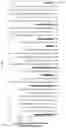
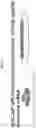
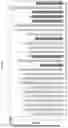
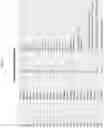
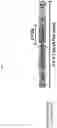
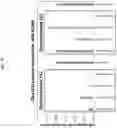
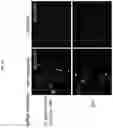
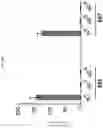
Sources:
- United States Patent and Trademark Office - verify current appl. status at the USPTO↗
Similar patent applications:
Recent applications in this class:
- » 20250171800 2025-05-29
Materials and Methods for Treatment of Hemoglobinopathies - » 20250163455 2025-05-22
INTRON FRAGMENTS - » 20250163454 2025-05-22
IN VITRO AND IN VIVO PROTEIN TRANSLATION VIA IN SITU CIRCULARIZED RNAS - » 20250154525 2025-05-15
PLANT VIRUS MOVEMENT PROTEINS AND METHODS OF USING SAME - » 20250154524 2025-05-15
EUKARYOTIC CELLS COMPRISING ADENOVIRUS-ASSOCIATED VIRUS POLYNUCLEOTIDES - » 20250154523 2025-05-15
CELL-SPECIFIC EXPRESSION OF modRNA - » 20250146016 2025-05-08
NON-IMMUNOGENIC CIRCULAR, NON-VIRAL DNA VECTORS - » 20250146015 2025-05-08
NON-IMMUNOGENIC CIRCULAR, NON-VIRAL DNA VECTORS - » 20250146014 2025-05-08
PLASMID FOR PRODUCTION OF RECOMBINANT PROTEIN IN MAMMALIAN CELL - » 20250146013 2025-05-08
HIGH THROUGHPUT ASSAY FOR MEASURING ADENOVIRUS REPLICATION KINETICS