Dual Targeting siRNA Agents
US20200332292A1
2020-10-22
16/803,738
2020-02-27
Abstract:
The invention relates to dual targeting siRNA agents targeting a PCSK9 gene and a second gene, and methods of using dual targeting siRNA agents to inhibit expression of PCSK9 and to treat PCSK9 related disorders, e.g., hyperlipidemia.
Inventors:
- Maria Frank-Kamenetsky 48 🇺🇸 Brookline, MA, United States
- Kevin Fitzgerald 142 🇺🇸 Brookline, MA, United States
- Klaus Charisse 55 🇺🇸 Acton, MA, United States
Interested in similar patents?
Get notified when new applications in this technology area are published.
Classification:
C12N15/1137 » CPC further
Mutation or genetic engineering; DNA or RNA concerning genetic engineering, vectors, e.g. plasmids, or their isolation, preparation or purification; Use of hosts therefor; Recombinant DNA-technology; DNA or RNA fragments; Modified forms thereof; Non-coding nucleic acids modulating the expression of genes, e.g. antisense oligonucleotides against enzymes
C12N2310/3519 » CPC further
Structure or type of the nucleic acid; Chemical structure; Nature of the modification; Conjugate Fusion with another nucleic acid
C12N2310/14 » CPC further
Structure or type of the nucleic acid; Type of nucleic acid interfering N.A.
C12N2310/321 » CPC further
Structure or type of the nucleic acid; Chemical structure of the sugar 2'-O-R Modification
C12N2310/322 » CPC further
Structure or type of the nucleic acid; Chemical structure of the sugar 2'-R Modification
C12Y304/21061 » CPC further
Hydrolases acting on peptide bonds, i.e. peptidases (3.4); Serine endopeptidases (3.4.21) Kexin (3.4.21.61), i.e. proprotein convertase subtilisin/kexin type 9
C12N15/113 » CPC main
Mutation or genetic engineering; DNA or RNA concerning genetic engineering, vectors, e.g. plasmids, or their isolation, preparation or purification; Use of hosts therefor; Recombinant DNA-technology; DNA or RNA fragments; Modified forms thereof Non-coding nucleic acids modulating the expression of genes, e.g. antisense oligonucleotides
A61K31/713 » CPC further
Medicinal preparations containing organic active ingredients; Carbohydrates; Sugars; Derivatives thereof; Compounds having three or more nucleosides or nucleotides Double-stranded nucleic acids or oligonucleotides
C07H21/02 » CPC further
Compounds containing two or more mononucleotide units having separate phosphate or polyphosphate groups linked by saccharide radicals of nucleoside groups, e.g. nucleic acids with ribosyl as saccharide radical
Description
CROSS REFERENCE TO RELATED APPLICATIONS
This application is a continuation of U.S. application Ser. No. 16/521,422, filed Jul. 24, 2019, pending, which is a continuation of U.S. application Ser. No. 15/724,175, filed Oct. 3, 2017, pending, which is a continuation of U.S. application Ser. No. 14/885,342, filed Oct. 16, 2015, (abandoned) which is a continuation of U.S. application Ser. No. 13/497,226, with a 371(c) filing date of Oct. 10, 2012, now U.S. Pat. No. 9,187,746, issued Nov. 17, 2015, which is a National Stage of International Application No. PCT/US2010/049868, filed Sep. 22, 2010, which claims the benefit of U.S. Provisional Application No. 61/244,859, filed Sep. 22, 2009, and claims the benefit of U.S. Provisional Application No. 61/313,584, filed Mar. 12, 2010, all of which are hereby incorporated in their entirety by reference.
REFERENCE TO A SEQUENCE LISTING
This application includes a Sequence Listing with 4166 sequences submitted electronically as a text file named AYL108C4_sequencelisting.txt, created on Feb. 20, 2020, with a size of 1,351,680 bytes. The sequence listing is incorporated by reference.
FIELD OF THE INVENTION
The invention relates to a composition of two covalently linked siRNAs, e.g., a dual targeting siRNA agent. At least one siRNA is a dsRNA that targets a PCSK9 gene. The covalently linked siRNA agent is used in methods of inhibition of PCSK9 gene expression and methods of treatment of pathological conditions associated with PCSK9 gene expression, e.g., hyperlipidemia.
BACKGROUND OF THE INVENTION
Proprotein convertase subtilisin kexin 9 (PCSK9) is a member of the subtilisin serine protease family. The other eight mammalian subtilisin proteases, PCSK1-PCSK8 (also called PC1/3, PC2, furin, PC4, PC5/6, PACE4, PC7, and S1P/SKI-1) are proprotein convertases that process a wide variety of proteins in the secretory pathway and play roles in diverse biological processes (Bergeron, F. (2000) J. Mol. Endocrinol. 24, 1-22, Gensberg, K., (1998) Semin. Cell Dev. Biol. 9, 11-17, Seidah, N. G. (1999) Brain Res. 848, 45-62, Taylor, N. A., (2003) FASEB J. 17, 1215-1227, and Zhou, A., (1999) J Biol. Chem. 274, 20745-20748). PCSK9 has been proposed to play a role in cholesterol metabolism. PCSK9 mRNA expression is down-regulated by dietary cholesterol feeding in mice (Maxwell, K. N., (2003) J. Lipid Res. 44, 2109-2119), up-regulated by statins in HepG2 cells (Dubuc, G., (2004) Arterioscler. Thromb. Vasc. Biol. 24, 1454-1459), and up-regulated in sterol regulatory element binding protein (SREBP) transgenic mice (Horton, J. D., (2003) Proc. Natl. Acad. Sci. USA 100, 12027-12032), similar to the cholesterol biosynthetic enzymes and the low-density lipoprotein receptor (LDLR). Furthermore, PCSK9 missense mutations have been found to be associated with a form of autosomal dominant hypercholesterolemia (Hchola3) (Abifadel, M., et al. (2003) Nat. Genet. 34, 154-156, Timms, K. M., (2004) Hum. Genet. 114, 349-353, Leren, T. P. (2004) Clin. Genet. 65, 419-422). PCSK9 may also play a role in determining LDL cholesterol levels in the general population, because single-nucleotide polymorphisms (SNPs) have been associated with cholesterol levels in a Japanese population (Shioji, K., (2004) J. Hum. Genet. 49, 109-114).
Autosomal dominant hypercholesterolemias (ADHs) are monogenic diseases in which patients exhibit elevated total and LDL cholesterol levels, tendon xanthomas, and premature atherosclerosis (Rader, D. J., (2003) J Clin. Invest. 111, 1795-1803). The pathogenesis of ADHs and a recessive form, autosomal recessive hypercholesterolemia (ARH) (Cohen, J. C., (2003) Curr. Opin. Lipidol. 14, 121-127), is due to defects in LDL uptake by the liver. ADH may be caused by LDLR mutations, which prevent LDL uptake, or by mutations in the protein on LDL, apolipoprotein B, which binds to the LDLR. ARH is caused by mutations in the ARH protein that are necessary for endocytosis of the LDLR-LDL complex via its interaction with clathrin. Therefore, if PCSK9 mutations are causative in Hchola3 families, it seems likely that PCSK9 plays a role in receptor-mediated LDL uptake.
Overexpression studies point to a role for PCSK9 in controlling LDLR levels and, hence, LDL uptake by the liver (Maxwell, K. N. (2004) Proc. Natl. Acad. Sci. USA 101, 7100-7105, Benjannet, S., et al. (2004) J. Biol. Chem. 279, 48865-48875, Park, S. W., (2004) J. Biol. Chem. 279, 50630-50638). Adenoviral-mediated overexpression of mouse or human PCSK9 for 3 or 4 days in mice results in elevated total and LDL cholesterol levels; this effect is not seen in LDLR knockout animals (Maxwell, K. N. (2004) Proc. Natl. Acad. Sci. USA 101, 7100-7105, Benjannet, S., et al. (2004) J. Biol. Chem. 279, 48865-48875, Park, S. W., (2004) J. Biol. Chem. 279, 50630-50638). In addition, PCSK9 overexpression results in a severe reduction in hepatic LDLR protein, without affecting LDLR mRNA levels, SREBP protein levels, or SREBP protein nuclear to cytoplasmic ratio.
Loss of function mutations in PCSK9 have been designed in mouse models (Rashid et al., (2005) PNAS, 102, 5374-5379), and identified in human individuals (Cohen et al. (2005) Nature Genetics 37:161-165). In both cases loss of PCSK9 function lead to lowering of total and LDLc cholesterol. In a retrospective outcome study over 15 years, loss of one copy of PCSK9 was shown to shift LDLc levels lower and to lead to an increased risk-benefit protection from developing cardiovascular heart disease (Cohen et al., (2006) N Engl. J. Med., 354:1264-1272).
X-box binding protein 1 (XBP-1) is a basic leucine zipper transcription factor that is involved in the cellular unfolded protein response (UPR). XBP-1 is known to be active in the endoplasmic reticulum (ER). The ER consists of a system of folded membranes and tubules in the cytoplasm of cells. Proteins and lipids are manufactured and processed in the ER. When unusual demands are placed on the ER, “ER stress” occurs. ER stress can be triggered by a viral infection, gene mutations, exposure to toxins, aggregation of improperly folded proteins or a shortage of intracellular nutrients. The result can be Type II diabetes, metabolic syndrome, a neurological disorder or cancer.
Two XBP-1 isoforms are known to exist in cells: spliced XBP-1S and unspliced XBP-1U. Both isoforms of XBP-1 bind to the 21-bp Tax-responsive element of the human T-lymphotropic virus type 1 (HTLV-1) long terminal repeat (LTR) in vitro and transactivate HTLV-1 transcription. HTLV-1 is associated with a rare form of blood dyscrasia known as Adult T-cell Leukemia/lymphoma (ATLL) and a myelopathy, tropical spastic paresis.
Double-stranded RNA molecules (dsRNA) have been shown to block gene expression in a highly conserved regulatory mechanism known as RNA interference (RNAi). WO 99/32619 (Fire et al.) disclosed the use of a dsRNA of at least 25 nucleotides in length to inhibit the expression of genes in C. elegans. dsRNA has also been shown to degrade target RNA in other organisms, including plants (see, e.g., WO 99/53050, Waterhouse et al.; and WO 99/61631, Heifetz et al.), Drosophila (see, e.g., Yang, D., et al., Curr. Biol. (2000) 10:1191-1200), and mammals (see WO 00/44895, Limmer; and DE 101 00 586.5, Kreutzer et al.). This natural mechanism has now become the focus for the development of a new class of pharmaceutical agents for treating disorders that are caused by the aberrant or unwanted regulation of a gene.
A description of siRNA targeting PCSK9 can be found in U.S. patent application Ser. No. 11/746,864 filed on May 10, 2007 (now U.S. Pat. No. 7,605,251) and International Patent Application No. PCT/US2007/068655 filed May 10, 2007 (published as WO 2007/134161). Additional disclosure can be found in U.S. patent application Ser. No. 12/478,452 filed Jun. 4, 2009 (published as US 2010/0010066) and International Patent Application No. PCT/US2009/032743 filed Jan. 30, 2009 (published as WO 2009/134487).
A description of siRNA targeting XPB-1 can be found in U.S. patent application Ser. No. 12/425,811 filed on Apr. 17, 2009 and published as US 2009-0275638.
Dual targeting siRNAs can be found in International patent application publication no. WO/2007/091269.
SUMMARY OF THE INVENTION
Described herein are dual targeting siRNA agent in which a first siRNA targeting PCSK9 is covalently joined to a second siRNA targeting a gene implicated in cholesterol metabolism, e.g., XBP-1. The two siRNAs are covalently linked via, e.g., a disulfide linker.
Accordingly one aspect of the invention is a dual targeting siRNA agent having a first dsRNA targeting a PCSK9 gene and a second dsRNA targeting a second gene, wherein the first dsRNA and the second dsRNA are linked with a covalent linker. The second gene is can be, e.g., XBP-1, PCSK9, PCSK5, ApoC3, SCAP, or MIG12. In one embodiment, the second gene is XBP-1. Each dsRNA is 30 nucleotides or less in length. In general, each strand of each dsRNA is 19-23 bases in length.
In one embodiment, the dual targeting siRNA agent comprising a first dsRNA AD-10792 targeting a PCSK9 gene and a second dsRNA AD-18038 targeting an XBP-1 gene, wherein AD-10792 sense strand and AD-18038 sense strand are covalently linked with a disulfide linker.
The first dsRNA of the dual targeting siRNA agent targets a PCSK9 gene. In one aspect, the first dsRNA includes at least 15 contiguous nucleotides of an antisense strand of one of Tables 1, 2, or 4-8, or includes an antisense strand of one of Tables 1, 2, or 4-8, or includes a sense strand and an antisense strand of one of Tables 1, 2, or 4-8. The first dsRNA can be AD-9680 or AD-10792.
In some embodiments, the second dsRNA target XBP-1. In one aspect, the second dsRNA includes at least 15 contiguous nucleotides of an antisense strand of one of Tables 3 or 9-13, or includes an antisense strand of one of Tables 3 or 9-13, or includes a sense strand and an antisense strand of one of Tables 3 or 9-13. For example, the second dsRNA can be AD-18038.
Either the first and second dsRNA can include at least one modified nucleotide, e.g., a 2′-O-methyl modified nucleotide, a nucleotide comprising a 5′-phosphorothioate group, a terminal nucleotide linked to a cholesteryl derivative or dodecanoic acid bisdecylamide group, a 2′-deoxy-2′-fluoro modified nucleotide, a 2′-deoxy-modified nucleotide, a locked nucleotide, an abasic nucleotide, a 2′-amino-modified nucleotide, a 2′-alkyl-modified nucleotide, a morpholino nucleotide, a phosphoramidate, and a non-natural base comprising nucleotide. In some embodiments, the first and second dsRNAs include “endo-light” modification with 2′-O-methyl modified nucleotides and nucleotides comprising a 5′-phosphorothioate group.
The first and second dsRNAs are linked with a covalent linker. In some embodiments, the linker is a disulfide linker. Various combinations of strands can be linked, e.g., the first and second dsRNA sense strands are covalently linked or, e.g., the first and second dsRNA antisense strands are covalently linked. In some embodiments, any of the dual targeting siRNA agents of the invention include a ligand.
Also included in the invention are isolated cells having and vectors encoding the dual targeting siRNA agent described herein.
In one aspect, administration of the dual targeting siRNA agent to a cell inhibits expression of the PCSK9 gene and the second gene at a level equivalent to inhibition of expression of both genes using administration of each siRNA individually. In another aspect, administration of the dual targeting siRNA agent to a subject results in a greater reduction of total serum cholesterol that that obtained by administration of each siRNA alone.
The invention also includes a pharmaceutical composition comprising the dual targeting siRNA agents described herein and a pharmaceutical carrier. In one embodiment, the pharmaceutical carrier is a lipid formulation, e.g., a lipid formulation including cationic lipid DLinDMA or cationic lipid XTC. Examples of lipid formulations described in (but not limited to) Table A, below. The lipid formulation can be XTC/DSPC/Cholesterol/PEG-DMG at % mol ratios of 50/10/38.5/1.5.
Another aspect of the invention includes methods of using the dual targeting siRNA agents described herein. In one embodiment, the invention is a method of inhibiting expression of the PCSK9 gene and a second gene in a cell, the method comprising (a) introducing into the cell the any of the dual targeting siRNA agents and (b) maintaining the cell produced in step (a) for a time sufficient to obtain degradation of the mRNA transcript of the PCSK9 gene and the second gene, thereby inhibiting expression of the PCSK9 gene and the second gene in the cell.
In another embodiment, the invention includes methods of treating a disorder mediated by PCSK9 expression with the step of administering to a subject in need of such treatment a therapeutically effective amount of the pharmaceutical compositions described herein. In one aspect, the disorder is hyperlipidemia. In still another embodiment, the invention includes methods of reducing total serum cholesterol in a subject comprising administering to the subject a therapeutically effective amount of the pharmaceutical compositions described herein.
The details of various embodiments of the invention are set forth in the description below. Other features, objects, and advantages of the invention will be apparent from the description and the drawings, and from the claims.
DESCRIPTION OF THE DRAWINGS
FIG. 1A is a graph showing the effect on PCSK9 mRNA levels in primary mouse hepatocytes following treatment with a dual targeting siRNA, AD-23426. AD-23426 was as effective at reducing mRNA expression as each single gene target siRNA. AD-10792: PCSK9 siRNA. AD-18038: XBP-1 siRNA. Lipo2000: control transfection agent only FIG. 1B is a graph showing the effect on XBP-1 mRNA levels in primary mouse hepatocytes following treatment with a dual targeting siRNA, AD-23426. AD-23426 was as effective at reducing mRNA expression as each single gene target siRNA. AD-10792: PCSK9 siRNA. AD-18038: XBP-1 siRNA. Lipo2000: control transfection agent only.
FIG. 2 is a graph showing the effect on PCSK9 and XBP-1 mRNA levels in mice following treatment with a dual targeting siRNA, AD-23426. LNP09 (lipid) formulated siRNA was administered to mice as described. AD-23426 was as effective at reducing mRNA expression as each single gene target siRNA. AD-10792: PCSK9 siRNA. AD-18038: XBP-1 siRNA.
FIG. 3 is a graph showing the effect on serum cholesterol levels in mice following treatment with a dual targeting siRNA, AD-23426. LNP09 (lipid) formulated siRNA was administered to mice as described. AD-23426 was more effective at reducing serum cholesterol compared to each single gene target siRNA. AD-10792: PCSK9 siRNA. AD-18038: XBP-1 siRNA.
FIG. 4A is a graph showing the effect on IFN-α in human PBMC following treatment with a dual targeting siRNA, AD-23426. FIG. 4B is a graph showing the effect on TNF-α in human PBMC following treatment with a dual targeting siRNA, AD-23426. DOTAP and LNP09 (lipid) formulated siRNAs was administered huPBMC as described below. AD-23426 did not induce IFN-α or TNF-α.
DETAILED DESCRIPTION OF THE INVENTION
The invention provides a solution to the problem of treating diseases that can be modulated by the down regulation of the PCSK9 gene, such as hyperlipidemia, by using dual targeting siRNA to silence the PCSK9 gene.
The invention provides compositions and methods for inhibiting the expression of the PCSK9 gene in a subject using two siRNA, e.g., a dual targeting siRNA. The invention also provides compositions and methods for treating pathological conditions and diseases, such as hyperlipidemia, that can be modulated by down regulating the expression of the PCSK9 gene.
The dual targeting siRNA agents target a PCSK9 gene and at least one other gene. The other gene can be another region of the PCSK9 gene, or can be another gene, e.g., XBP-1.
The dual targeting siRNA agents have the advantage of lower toxicity, lower off-target effects, and lower effective concentration compared to individual siRNAs.
The use of the dual targeting siRNA dsRNAs enables the targeted degradation of an mRNA that is involved in the regulation of the LDL receptor and circulating cholesterol levels. Using cell-based and animal assays it was demonstrated that inhibiting both a PCSK9 gene and an XBP-1 gene using a dual targeting siRNA is at least as effective at inhibiting their corresponding targets as the use of single siRNAs. It was also demonstrated that administration of a dual targeting siRNA results in a synergistic lowering of total serum cholesterol. Thus, reduction of total serum cholesterol is enhanced with a dual targeting siRNA compared to a single target siRNA.
Definitions
For convenience, the meaning of certain terms and phrases used in the specification, examples, and appended claims, are provided below. If there is an apparent discrepancy between the usage of a term in other parts of this specification and its definition provided in this section, the definition in this section shall prevail.
“G,” “C,” “A,” “T” and “U” each generally stand for a nucleotide that contains guanine, cytosine, adenine, thymidine and uracil as a base, respectively. “T” and “dT” are used interchangeably herein and refer to a deoxyribonucleotide wherein the nucleobase is thymine, e.g., deoxyribothymine. However, it will be understood that the term “ribonucleotide” or “nucleotide” can also refer to a modified nucleotide, as further detailed below, or a surrogate replacement moiety. The skilled person is well aware that guanine, cytosine, adenine, and uracil may be replaced by other moieties without substantially altering the base pairing properties of an oligonucleotide comprising a nucleotide bearing such replacement moiety. For example, without limitation, a nucleotide comprising inosine as its base may base pair with nucleotides containing adenine, cytosine, or uracil. Hence, nucleotides containing uracil, guanine, or adenine may be replaced in the nucleotide sequences of dsRNA featured in the invention by a nucleotide containing, for example, inosine. In another example, adenine and cytosine anywhere in the oligonucleotide can be replaced with guanine and uracil, respectively to form G-U Wobble base pairing with the target mRNA. Sequences containing such replacement moieties are suitable for the compositions and methods featured in the invention.
The term “PCSK9” refers to the proprotein convertase subtilisin kexin 9 gene or protein (also known as FH3, HCHOLA3, NARC-1, NARC1). Examples of mRNA sequences to PCSK9 include but are not limited to the following: human: NM_174936; mouse: NM_153565, and rat: NM_199253. Additional examples of PCSK9 mRNA sequences are readily available using, e.g., GenBank.
The term “XBP-1” refers to—Box Protein 1, which is also known as Tax-responsive element-binding protein 5, TREBS, and XBP2. XBP-1 sequence can be found as NCBI GeneID:7494 and RefSeq ID number:NM_005080 (human) and NM_013842 (mouse). A dsRNA featured in the invention can target a specific XBP-1 isoform, e.g., the spliced form (XBP-1S) or the unspliced form (XBP-1U), or a dsRNA featured in the invention can target both isoforms by binding to a common region of the mRNA transcript.
The term “PCSK5” refers to the Proprotein convertase subtilisin/kexin type 5 gene, mRNA or protein belonging to the subtilisin-like proprotein convertase family.
The term “ApoC3” refers to the Apolipoprotein C-III protein gene, mRNA or protein, and is a very low density lipoprotein (VLDL).
The term “SCAP” refers to the SREBP cleavage-activating protein gene, mRNA or protein. SCAP is a regulatory protein that is required for the proteolytic cleavage of the sterol regulatory element binding protein (SREBP). Example of siRNA targeting SCAP are described in U.S. patent application Ser. No. 11/857,120, filed on Sep. 18, 2007, published as US 20090093426. This application and the siRNA sequences described therein are incorporated by reference for all purposes.
The term “MIG12” is a gene also known as TMSB10 and TB10 refers to the thymosin beta 10 gene. Example of siRNA targeting MIG12 are described International patent application no. PCT/US10/25444, filed on Feb. 25, 2010, published as WO/20XX This application and the siRNA sequences described therein are incorporated by reference for all purposes.
As used herein, the term “iRNA” refers to an agent that contains RNA and which mediates the targeted cleavage of an RNA transcript via an RNA-induced silencing complex (RISC) pathway. The term iRNA includes siRNA.
As described in more detail below, the term “siRNA” and “siRNA agent” refers to a dsRNA that mediates the targeted cleavage of an RNA transcript via an RNA-induced silencing complex (RISC) pathway.
A “double-stranded RNA” or “dsRNA,” as used herein, refers to an RNA molecule or complex of molecules having a hybridized duplex region that comprises two anti-parallel and substantially complementary nucleic acid strands, which will be referred to as having “sense” and “antisense” orientations with respect to a target RNA.
The term “dual targeting siRNA agent” refers to a composition of two siRNAs, e.g., two dsRNAs. One dsRNA includes an antisense strand with a first region of complementarity to a first target gene, e.g., PCSK9. The second dsRNA include an antisense strand with a second region of complementarity to a second target gene. In some embodiments, the first and second target genes are identical, e.g., both are PCSK9 and each dsRNA targets a different region of PCSK9. In other embodiments, the first and second target genes are different, e.g., the first dsRNA targets PCSK9 and the second dsRNA targets a different gene, e.g., XBP-1.
“Covalent linker” refers to a molecule for covalently joining two molecules, e.g., two dsRNAs. As described in more detail below, the term includes, e.g., a nucleic acid linker, a peptide linker, and the like and includes disulfide linkers.
The term “target gene” refers to a gene of interest, e.g., PCSK9 or a second gene, e.g., XBP-1, targeted by an siRNA of the invention for inhibition of expression.
As described in more detail below, “target sequence” refers to a contiguous portion of the nucleotide sequence of an mRNA molecule formed during the transcription of a target gene, including mRNA that is a product of RNA processing of a primary transcription product. The target portion of the sequence will be at least long enough to serve as a substrate for iRNA-directed cleavage at or near that portion. For example, the target sequence will generally be from 9-36 nucleotides in length, e.g., 15-30 nucleotides in length, including all sub-ranges therebetween.
As used herein, the term “strand comprising a sequence” refers to an oligonucleotide comprising a chain of nucleotides that is described by the sequence referred to using the standard nucleotide nomenclature.
As used herein, and unless otherwise indicated, the term “complementary,” when used to describe a first nucleotide sequence in relation to a second nucleotide sequence, refers to the ability of an oligonucleotide or polynucleotide comprising the first nucleotide sequence to hybridize and form a duplex structure under certain conditions with an oligonucleotide or polynucleotide comprising the second nucleotide sequence, as will be understood by the skilled person. Such conditions can, for example, be stringent conditions, where stringent conditions may include: 400 mM NaCl, 40 mM PIPES pH 6.4, 1 mM EDTA, 50° C. or 70° C. for 12-16 hours followed by washing. Other conditions, such as physiologically relevant conditions as may be encountered inside an organism, can apply. The skilled person will be able to determine the set of conditions most appropriate for a test of complementarity of two sequences in accordance with the ultimate application of the hybridized nucleotides.
Complementary sequences within an iRNA, e.g., within a dsRNA as described herein, include base-pairing of the oligonucleotide or polynucleotide comprising a first nucleotide sequence to an oligonucleotide or polynucleotide comprising a second nucleotide sequence over the entire length of one or both nucleotide sequences. Such sequences can be referred to as “fully complementary” with respect to each other herein. However, where a first sequence is referred to as “substantially complementary” with respect to a second sequence herein, the two sequences can be fully complementary, or they may form one or more, but generally not more than 5, 4, 3 or 2 mismatched base pairs upon hybridization for a duplex up to 30 base pairs, while retaining the ability to hybridize under the conditions most relevant to their ultimate application, e.g., inhibition of gene expression via a RISC pathway. However, where two oligonucleotides are designed to form, upon hybridization, one or more single stranded overhangs, such overhangs shall not be regarded as mismatches with regard to the determination of complementarity. For example, a dsRNA comprising one oligonucleotide 21 nucleotides in length and another oligonucleotide 23 nucleotides in length, wherein the longer oligonucleotide comprises a sequence of 21 nucleotides that is fully complementary to the shorter oligonucleotide, may yet be referred to as “fully complementary” for the purposes described herein.
“Complementary” sequences, as used herein, may also include, or be formed entirely from, non-Watson-Crick base pairs and/or base pairs formed from non-natural and modified nucleotides, in as far as the above requirements with respect to their ability to hybridize are fulfilled. Such non-Watson-Crick base pairs includes, but are not limited to, G:U Wobble or Hoogstein base pairing.
The terms “complementary,” “fully complementary” and “substantially complementary” herein may be used with respect to the base matching between the sense strand and the antisense strand of a dsRNA, or between the antisense strand of an iRNA agent and a target sequence, as will be understood from the context of their use.
As used herein, a polynucleotide that is “substantially complementary to at least part of” a messenger RNA (mRNA) refers to a polynucleotide that is substantially complementary to a contiguous portion of the mRNA of the target gene (e.g., an mRNA encoding PCSK9 or a second gene, e.g., XBP-1). For example, a polynucleotide is complementary to at least a part of a PCSK9 mRNA if the sequence is substantially complementary to a non-interrupted portion of an mRNA encoding PCSK9.
The skilled artisan will recognize that the term “RNA molecule” or “ribonucleic acid molecule” encompasses not only RNA molecules as expressed or found in nature, but also analogs and derivatives of RNA comprising one or more ribonucleotide/ribonucleoside analogs or derivatives as described herein or as known in the art. Strictly speaking, a “ribonucleoside” includes a nucleoside base and a ribose sugar, and a “ribonucleotide” is a ribonucleoside with one, two or three phosphate moieties. However, the terms “ribonucleoside” and “ribonucleotide” can be considered to be equivalent as used herein. The RNA can be modified in the nucleobase structure or in the ribose-phosphate backbone structure, e.g., as described herein below. However, the molecules comprising ribonucleoside analogs or derivatives must retain the ability to form a duplex. As non-limiting examples, an RNA molecule can also include at least one modified ribonucleoside including but not limited to a 2′-O-methyl modified nucleotide, a nucleoside comprising a 5′ phosphorothioate group, a terminal nucleoside linked to a cholesteryl derivative or dodecanoic acid bisdecylamide group, a locked nucleoside, an abasic nucleoside, a 2′-deoxy-2′-fluoro modified nucleoside, a 2′-amino-modified nucleoside, 2′-alkyl-modified nucleoside, morpholino nucleoside, a phosphoramidate or a non-natural base comprising nucleoside, or any combination thereof. Alternatively, an RNA molecule can comprise at least two modified ribonucleosides, at least 3, at least 4, at least 5, at least 6, at least 7, at least 8, at least 9, at least 10, at least 15, at least 20 or more, up to the entire length of the dsRNA molecule. The modifications need not be the same for each of such a plurality of modified ribonucleosides in an RNA molecule. In one embodiment, modified RNAs contemplated for use in methods and compositions described herein are peptide nucleic acids (PNAs) that have the ability to form the required duplex structure and that permit or mediate the specific degradation of a target RNA via a RISC pathway.
In one aspect, a modified ribonucleoside includes a deoxyribonucleoside. In such an instance, an iRNA agent can comprise one or more deoxynucleosides, including, for example, a deoxynucleoside overhang(s), or one or more deoxynucleosides within the double stranded portion of a dsRNA. However, it is self evident that under no circumstances is a double stranded DNA molecule encompassed by the term “iRNA.”
As used herein, the term “nucleotide overhang” refers to at least one unpaired nucleotide that protrudes from the duplex structure of an iRNA, e.g., a dsRNA. For example, when a 3′-end of one strand of a dsRNA extends beyond the 5′-end of the other strand, or vice versa, there is a nucleotide overhang. A dsRNA can comprise an overhang of at least one nucleotide; alternatively the overhang can comprise at least two nucleotides, at least three nucleotides, at least four nucleotides, at least five nucleotides or more. A nucleotide overhang can comprise or consist of a nucleotide/nucleoside analog, including a deoxynucleotide/nucleoside. The overhang(s) may be on the sense strand, the antisense strand or any combination thereof. Furthermore, the nucleotide(s) of an overhang can be present on the 5′ end, 3′ end or both ends of either an antisense or sense strand of a dsRNA. One or more of the nucleotides in the overhang can be replaced with a nucleoside thiophosphate.
The terms “blunt” or “blunt ended” as used herein in reference to a dsRNA mean that there are no unpaired nucleotides or nucleotide analogs at a given terminal end of a dsRNA, i.e., no nucleotide overhang. One or both ends of a dsRNA can be blunt. Where both ends of a dsRNA are blunt, the dsRNA is said to be blunt ended. To be clear, a “blunt ended” dsRNA is a dsRNA that is blunt at both ends, i.e., no nucleotide overhang at either end of the molecule. Most often such a molecule will be double-stranded over its entire length.
The term “antisense strand” or “guide strand” refers to the strand of an iRNA, e.g., a dsRNA, which includes a region that is substantially complementary to a target sequence. As used herein, the term “region of complementarity” refers to the region on the antisense strand that is substantially complementary to a sequence, for example a target sequence, as defined herein. Where the region of complementarity is not fully complementary to the target sequence, the mismatches may be in the internal or terminal regions of the molecule. Generally, the most tolerated mismatches are in the terminal regions, e.g., within 5, 4, 3, or 2 nucleotides of the 5′ and/or 3′ terminus.
The term “sense strand” or “passenger strand” as used herein, refers to the strand of an iRNA that includes a region that is substantially complementary to a region of the antisense strand as that term is defined herein.
As used herein, the term “SNALP” refers to a stable nucleic acid-lipid particle. A SNALP represents a vesicle of lipids coating a reduced aqueous interior comprising a nucleic acid such as an iRNA or a plasmid from which an iRNA is transcribed. SNALPs are described, e.g., in U.S. Patent Application Publication Nos. 20060240093, 20070135372, and in International Application No. WO 2009082817. These applications are incorporated herein by reference in their entirety.
“Introducing into a cell,” when referring to an iRNA, means facilitating or effecting uptake or absorption into the cell, as is understood by those skilled in the art. Absorption or uptake of an iRNA can occur through unaided diffusive or active cellular processes, or by auxiliary agents or devices. The meaning of this term is not limited to cells in vitro; an iRNA may also be “introduced into a cell,” wherein the cell is part of a living organism. In such an instance, introduction into the cell will include the delivery to the organism. For example, for in vivo delivery, iRNA can be injected into a tissue site or administered systemically. In vivo delivery can also be by a beta-glucan delivery system, such as those described in U.S. Pat. Nos. 5,032,401 and 5,607,677, and U.S. Publication No. 2005/0281781, which are hereby incorporated by reference in their entirety. In vitro introduction into a cell includes methods known in the art such as electroporation and lipofection. Further approaches are described herein below or known in the art.
As used herein, the term “modulate the expression of,” refers to at an least partial “inhibition” or partial “activation” of target gene expression in a cell treated with an iRNA composition as described herein compared to the expression of the target gene in an untreated cell.
The terms “activate,” “enhance,” “up-regulate the expression of,” “increase the expression of,” and the like, in so far as they refer to a target gene, herein refer to the at least partial activation of the expression of a target gene, as manifested by an increase in the amount of target mRNA, which may be isolated from or detected in a first cell or group of cells in which a target gene is transcribed and which has or have been treated such that the expression of a target gene is increased, as compared to a second cell or group of cells substantially identical to the first cell or group of cells but which has or have not been so treated (control cells).
In one embodiment, expression of a target gene is activated by at least about 10%, 15%, 20%, 25%, 30%, 35%, 40%, 45%, or 50% by administration of an iRNA as described herein. In some embodiments, a target gene is activated by at least about 60%, 70%, or 80% by administration of an iRNA featured in the invention. In some embodiments, expression of a target gene is activated by at least about 85%, 90%, or 95% or more by administration of an iRNA as described herein. In some embodiments, the target gene expression is increased by at least 1-fold, at least 2-fold, at least 5-fold, at least 10-fold, at least 50-fold, at least 100-fold, at least 500-fold, at least 1000 fold or more in cells treated with an iRNA as described herein compared to the expression in an untreated cell. Activation of expression by small dsRNAs is described, for example, in Li et al., 2006 Proc. Natl. Acad. Sci. U.S.A. 103:17337-42, and in US20070111963 and US2005226848, each of which is incorporated herein by reference.
The terms “silence,” “inhibit the expression of,” “down-regulate the expression of,” “suppress the expression of,” and the like, in so far as they refer to a target gene, herein refer to the at least partial suppression of the expression of a target gene, as manifested by a reduction of the amount of target mRNA which may be isolated from or detected in a first cell or group of cells in which a target gene is transcribed and which has or have been treated such that the expression of target gene is inhibited, as compared to a second cell or group of cells substantially identical to the first cell or group of cells but which has or have not been so treated (control cells). The degree of inhibition is usually expressed in terms of
( mRNA in control cells ) - ( mRNA in treated cells ) ( mRNA in control cells ) · 100 %
Alternatively, the degree of inhibition may be given in terms of a reduction of a parameter that is functionally linked to target gene expression, e.g., the amount of protein encoded by a target gene, or the number of cells displaying a certain phenotype, e.g., lack of or decreased cytokine production. In principle, target gene silencing may be determined in any cell expressing target, either constitutively or by genomic engineering, and by any appropriate assay. However, when a reference is needed in order to determine whether a given iRNA inhibits the expression of the target gene by a certain degree and therefore is encompassed by the instant invention, the assays provided in the Examples below shall serve as such reference.
For example, in certain instances, expression of a target gene is suppressed by at least about 10%, 15%, 20%, 25%, 30%, 35%, 40%, 45%, 50%, or 55% by administration of an iRNA featured in the invention. In some embodiments, a target gene is suppressed by at least about 60%, 65%, 70%, 75%, or 80% by administration of an iRNA featured in the invention. In some embodiments, a target gene is suppressed by at least about 81%, 82%, 83%, 84%, 85%, 86%, 87%, 88%, 89%, 90%, 91%, 92%, 93%, 94%, 95%, 96%, 97%, 98%, 99%, or more by administration of an iRNA as described herein.
As used herein in the context of target gene expression, the terms “treat,” “treatment,” and the like, refer to relief from or alleviation of pathological processes mediated by target expression. In the context of the present invention insofar as it relates to any of the other conditions recited herein below (other than pathological processes mediated by target expression), the terms “treat,” “treatment,” and the like mean to relieve or alleviate at least one symptom associated with such condition, or to slow or reverse the progression or anticipated progression of such condition.
By “lower” in the context of a disease marker or symptom is meant a statistically significant decrease in such level. The decrease can be, for example, at least 10%, at least 15%, at least 20%, at least 25%, at least 30%, at least 35%, at least 40% or more, and is preferably down to a level accepted as within the range of normal for an individual without such disorder.
As used herein, the phrase “therapeutically effective amount”” refers to an amount that provides a therapeutic benefit in the treatment or management of pathological processes mediated by target gene expression, e.g., PCSK9 and/or a second gene, e.g., XBP-1, or an overt symptom of pathological processes mediated target gene expression. The phrase “prophylactically effective amount” refer to an amount that provides a therapeutic benefit in the prevention of pathological processes mediated by target gene expression or an overt symptom of pathological processes mediated by target gene expression. The specific amount that is therapeutically effective can be readily determined by an ordinary medical practitioner, and may vary depending on factors known in the art, such as, for example, the type of pathological processes mediated by target gene expression, the patient's history and age, the stage of pathological processes mediated by target gene expression, and the administration of other agents that inhibit pathological processes mediated by target gene expression.
As used herein, a “pharmaceutical composition” comprises a pharmacologically effective amount of an iRNA and a pharmaceutically acceptable carrier. As used herein, “pharmacologically effective amount,” “therapeutically effective amount” or simply “effective amount” refers to that amount of an iRNA effective to produce the intended pharmacological or therapeutic result. For example, if a given clinical treatment is considered effective when there is at least a 10% reduction in a measurable parameter associated with a disease or disorder, a therapeutically effective amount of a drug for the treatment of that disease or disorder is the amount necessary to effect at least a 10% reduction in that parameter.
The term “pharmaceutically carrier” refers to a carrier for administration of a therapeutic agent, e.g., a dual targeting siRNA agent. Carriers are described in more detail below, and include lipid formulations, e.g., LNP09 and SNALP formulations.
Double-Stranded Ribonucleic Acid (dsRNA)
Described herein are dual targeting siRNA agents, e.g., siRNAs that inhibit the expression of a PCSK9 gene and a second gene. The dual targeting siRNA agent includes two siRNA covalently linked via, e.g., a disulfide linker. The first siRNA targets a first region of a PCSK9 gene. The second siRNA targets a second gene, e.g., XBP-1, or, e.g., targets a second region of the PCSK9 gene.
The dsRNA can be synthesized by standard methods known in the art as further discussed below, e.g., by use of an automated DNA synthesizer, such as are commercially available from, for example, Applied Biosystems, Inc. Further descriptions of synthesis are found below and in the examples.
Each siRNA is a dsRNA. A dsRNA includes two RNA strands that are sufficiently complementary to hybridize to form a duplex structure under conditions in which the dsRNA will be used. One strand of a dsRNA (the antisense strand) includes a region of complementarity that is substantially complementary, and generally fully complementary, to a target sequence, derived from the sequence of an mRNA formed during the expression of a target gene. The other strand (the sense strand) includes a region that is complementary to the antisense strand, such that the two strands hybridize and form a duplex structure when combined under suitable conditions.
Where the duplex region is formed from two strands of a single molecule, the molecule can have a duplex region separated by a single stranded chain of nucleotides (herein referred to as a “hairpin loop”) between the 3′-end of one strand and the 5′-end of the respective other strand forming the duplex structure. The hairpin loop can comprise at least one unpaired nucleotide; in some embodiments the hairpin loop can comprise at least 3, at least 4, at least 5, at least 6, at least 7, at least 8, at least 9, at least 10, at least 20, at least 23 or more unpaired nucleotides.
Where the two substantially complementary strands of a dsRNA are comprised by separate RNA molecules, those molecules need not, but can be covalently connected. Where the two strands are connected covalently by means other than a hairpin loop, the connecting structure is referred to as a “linker.”
Generally, the duplex structure of the siRNA, e.g., dsRNA, is between 15 and 30 inclusive, more generally between 18 and 25 inclusive, yet more generally between 19 and 24 inclusive, and most generally between 19 and 21 base pairs in length, inclusive. Considering a duplex between 9 and 36 base pairs, the duplex can be any length in this range, for example, 9, 10, 11, 12, 13, 14, 15, 16, 17, 18, 19, 20, 21, 22, 23, 24, 25, 26, 27, 28, 29, 30, 31, 32, 33, 34, 35, or 36 and any sub-range therein between, including, but not limited to 15-30 base pairs, 15-26 base pairs, 15-23 base pairs, 15-22 base pairs, 15-21 base pairs, 15-20 base pairs, 15-19 base pairs, 15-18 base pairs, 15-17 base pairs, 18-30 base pairs, 18-26 base pairs, 18-23 base pairs, 18-22 base pairs, 18-21 base pairs, 18-20 base pairs, 19-30 base pairs, 19-26 base pairs, 19-23 base pairs, 19-22 base pairs, 19-21 base pairs, 19-20 base pairs, 20-30 base pairs, 20-26 base pairs, 20-25 base pairs, 20-24 base pairs, 20-23 base pairs, 20-22 base pairs, 20-21 base pairs, 21-30 base pairs, 21-26 base pairs, 21-25 base pairs, 21-24 base pairs, 21-23 base pairs, or 21-22 base pairs.
The two siRNAs in the dual targeting siRNA agent can have duplex lengths that are identical or that differ.
The region of complementarity to the target sequence in an siRNA is between 15 and 30 inclusive, more generally between 18 and 25 inclusive, yet more generally between 19 and 24 inclusive, and most generally between 19 and 21 nucleotides in length, inclusive. In some embodiments, the dsRNA is between 15 and 20 nucleotides in length, inclusive, and in other embodiments, the dsRNA is between 25 and 30 nucleotides in length, inclusive. The region of complementarity can be 15, 16, 17, 18, 19, 20, 21, 22, 23, 24, 25, 26, 27, 28, 29, or 30 nucleotides in length. As non-limiting examples, the target sequence can be from 15-30 nucleotides, 15-26 nucleotides, 15-23 nucleotides, 15-22 nucleotides, 15-21 nucleotides, 15-20 nucleotides, 15-19 nucleotides, 15-18 nucleotides, 15-17 nucleotides, 18-30 nucleotides, 18-26 nucleotides, 18-23 nucleotides, 18-22 nucleotides, 18-21 nucleotides, 18-20 nucleotides, 19-30 nucleotides, 19-26 nucleotides, 19-23 nucleotides, 19-22 nucleotides, 19-21 nucleotides, 19-20 nucleotides, 20-30 nucleotides, 20-26 nucleotides, 20-25 nucleotides, 20-24 nucleotides, 20-23 nucleotides, 20-22 nucleotides, 20-21 nucleotides, 21-30 nucleotides, 21-26 nucleotides, 21-25 nucleotides, 21-24 nucleotides, 21-23 nucleotides, or 21-22 nucleotides. In some embodiments the target sequence is 15, 16, 17, 18, 19, 20, 21, 22, 23, 24, or 25 nucleotides.
The two siRNAs in the dual targeting siRNA agent can have regions of complementarity that are identical in length or that differ in length.
Any of the dsRNA, e.g., siRNA as described herein may include one or more single-stranded nucleotide overhangs. In one embodiment, at least one end of a dsRNA has a single-stranded nucleotide overhang of 1 to 4, or 1 or 2 or 3 or 4 nucleotides. dsRNAs having at least one nucleotide overhang have unexpectedly superior inhibitory properties relative to their blunt-ended counterparts. Generally, the single-stranded overhang is located at the 3′-terminal end of the antisense strand or, alternatively, at the 3′-terminal end of the sense strand. The dsRNA can also have a blunt end, generally located at the 5′-end of the antisense strand. In another embodiment, one or more of the nucleotides in the overhang is replaced with a nucleoside thiophosphate. The two siRNAs in the dual targeting siRNA agent can have different or identical overhangs as described by location, length, and nucleotide.
The dual targeting siRNA agent includes at least a first siRNA targeting a first region of a PCSK9 gene. In one embodiment, a PCSK9 gene is a human PCSK9 gene. In another embodiment the PCSK9 gene is a mouse or a rat PCSK9 gene. Exemplary siRNA targeting PCSK9 are described in U.S. patent application Ser. No. 11/746,864 filed on May 10, 2007 (now U.S. Pat. No. 7,605,251) and International Patent Application No. PCT/US2007/068655 filed May 10, 2007 (published as WO 2007/134161). Additional disclosure can be found in U.S. patent application Ser. No. 12/478,452 filed Jun. 4, 2009 (published as US 2010/0010066) and International Patent Application No. PCT/US2009/032743 filed Jan. 30, 2009 (published as WO 2009/134487). The sequences of the target, sense, and antisense strands are incorporated by reference for all purposes.
Tables 1, 2, and 4-8 disclose sequences of the target, sense strands, and antisense strands of PCSK9 targeting siRNA.
In one embodiment the first siRNA is AD-9680. The dsRNA AD-9680 targets the human PCSK 9 gene at nucleotides 3530-3548 of a human PCSK9 gene (accession number NM_174936).
| TABLE 1 |
| AD-9680 siRNA sequences |
| Table 1: AD-9680 | Sequence 5′ to 3′ | SEQ ID NO: |
| Target sequence | UUCUAGACCUGUUUUGCUU | 4142 |
| Sense strand | UUCUAGACCUGUUUUGCUU | 4143 |
| Sense strand, | uucuAGAccuGuuuuGcuuTsT | 4144 |
| modified | ||
| Antisense strand | AAGCAAAACAGGUCUAGAA | 4145 |
| Antisense strand, | AAGcAAAAcAGGUCuAGAATsT | 4146 |
| modified | ||
In another embodiment, the first siRNA is AD-10792. The dsRNA AD-10792 targets the PCSK9 gene at nucleotides 1091-1109 of a human PCSK9 gene (accession number NM_174936). AD-10792 is also complementary to rodent PCSK9.
| TABLE 2 |
| AD-10792 siRNA sequences |
| SEQ | ||
| Table 2: AD-10792 | Sequence 5′ to 3′ | ID NO: |
| Target sequence | GCCUGGAGUUUAUUCGGAA | 4147 |
| Sense strand | GCCUGGAGUUUAUUCGGAA | 4148 |
| Sense strand, | GccuGGAGuuuAuucGGAATsT | 4149 |
| modified | ||
| Antisense strand | UUCCGAAUAAACUCCAGGC | 4150 |
| Antisense strand, | UUCCGAAuAAACUCcAGGCTsT | 4151 |
| modified | ||
The second siRNA of the dual targeting siRNA agent targets a second gene. In one embodiment, the second gene is PCSK9, and the second siRNA target a region of PCSK9 that is different from the region targeted by the first siRNA.
Alternatively, the second siRNA targets a different second gene. Examples include genes that interact with PCSK9 and/or are involved with lipid metabolism or cholesterol metabolism. For example, the second target gene can be XBP-1, PCSK5, ApoC3, SCAP, MIG12, HMG CoA Reductase, or IDOL (Inducible Degrader of the LDLR) and the like. In one embodiment, the second gene is a human gene. In another embodiment the second gene is a mouse or a rat gene.
In one embodiment, the second siRNA targets the XBP-1 gene. Exemplary siRNA targeting XBP-1 can be found in U.S. patent application Ser. No. 12/425,811 filed Apr. 17, 2009 (published as US 2009-0275638). The sequences of the target, sense, and antisense strands are incorporated by reference for all purposes.
Tables 3 and 9-13 disclose sequences of the target, sense strands, and antisense strands of XBP-1 targeting siRNA.
In one embodiment the first siRNA is AD-18038. The dsRNA AD-18038 targets the human XBP-1 gene at nucleotides 896-914 of a human XBP-1 gene (accession number NM_001004210).
| TABLE 3 |
| AD-18038 siRNA sequences |
| Table 3: AD-18038 | Sequence 5′ to 3′ | SEQ ID NO: |
| Target sequence | CACCCUGAAUUCAUUGUCU | 4153 |
| Sense strand | CACCCUGAAUUCAUUGUCU | 4154 |
| Sense strand, modified | cAcccuGAAuucAuuGucudTsdT | 4155 |
| Antisense strand | AGACAAUGAAUUCAGGGUG | 4156 |
| Antisense strand, modified | AGAcAAUGAAUUcAGGGUGdTsdT | 4157 |
Additional dsRNA
A dsRNAs having a partial sequence of at least 15, 16, 17, 18, 19, 20, or more contiguous nucleotides from one of the sequences in Tables 1-13, and differing in their ability to inhibit the expression of a target gene by not more than 5, 10, 15, 20, 25, or 30% inhibition from a dsRNA comprising the full sequence, are contemplated according to the invention.
In addition, the RNAs provided in Tables 1-13 identify a site in the target gene transcript that is susceptible to RISC-mediated cleavage. As such, the present invention further features iRNAs that target within one of such sequences. As used herein, an iRNA is said to target within a particular site of an RNA transcript if the iRNA promotes cleavage of the transcript anywhere within that particular site. Such an iRNA will generally include at least 15 contiguous nucleotides from one of the sequences provided herein coupled to additional nucleotide sequences taken from the region contiguous to the selected sequence in a target gene.
While a target sequence is generally 15-30 nucleotides in length, there is wide variation in the suitability of particular sequences in this range for directing cleavage of any given target RNA. Various software packages and the guidelines set out herein provide guidance for the identification of optimal target sequences for any given gene target, but an empirical approach can also be taken in which a “window” or “mask” of a given size (as a non-limiting example, 21 nucleotides) is literally or figuratively (including, e.g., in silico) placed on the target RNA sequence to identify sequences in the size range that may serve as target sequences. By moving the sequence “window” progressively one nucleotide upstream or downstream of an initial target sequence location, the next potential target sequence can be identified, until the complete set of possible sequences is identified for any given target size selected. This process, coupled with systematic synthesis and testing of the identified sequences (using assays as described herein or as known in the art) to identify those sequences that perform optimally can identify those RNA sequences that, when targeted with an iRNA agent, mediate the best inhibition of target gene expression. Thus, while the sequences identified, for example, above represent effective target sequences, it is contemplated that further optimization of inhibition efficiency can be achieved by progressively “walking the window” one nucleotide upstream or downstream of the given sequences to identify sequences with equal or better inhibition characteristics.
Further, it is contemplated that for any sequence identified, e.g., in Tables 1-13, further optimization could be achieved by systematically either adding or removing nucleotides to generate longer or shorter sequences and testing those and sequences generated by walking a window of the longer or shorter size up or down the target RNA from that point. Again, coupling this approach to generating new candidate targets with testing for effectiveness of iRNAs based on those target sequences in an inhibition assay as known in the art or as described herein can lead to further improvements in the efficiency of inhibition. Further still, such optimized sequences can be adjusted by, e.g., the introduction of modified nucleotides as described herein or as known in the art, addition or changes in overhang, or other modifications as known in the art and/or discussed herein to further optimize the molecule (e.g., increasing serum stability or circulating half-life, increasing thermal stability, enhancing transmembrane delivery, targeting to a particular location or cell type, increasing interaction with silencing pathway enzymes, increasing release from endosomes, etc.) as an expression inhibitor.
An iRNA as described in Tables 1-13 can contain one or more mismatches to the target sequence. In one embodiment, an iRNA as described in Tables 1-13 contains no more than 3 mismatches. If the antisense strand of the iRNA contains mismatches to a target sequence, it is preferable that the area of mismatch not be located in the center of the region of complementarity. If the antisense strand of the iRNA contains mismatches to the target sequence, it is preferable that the mismatch be restricted to be within the last 5 nucleotides from either the 5′ or 3′ end of the region of complementarity. For example, for a 23 nucleotide iRNA agent RNA strand which is complementary to a region of a PCSK9 gene, the RNA strand generally does not contain any mismatch within the central 13 nucleotides. The methods described herein or methods known in the art can be used to determine whether an iRNA containing a mismatch to a target sequence is effective in inhibiting the expression of a PCSK9 gene. Consideration of the efficacy of iRNAs with mismatches in inhibiting expression of a PCSK9 gene is important, especially if the particular region of complementarity in a PCSK9 gene is known to have polymorphic sequence variation within the population.
Covalent Linkage
The dual targeting siRNA agents of the invention include two siRNAs joined via a covalent linker. Covalent linkers are well-known to one of skill in the art and include, e.g., a nucleic acid linker, a peptide linker, and the like.
The covalent linker joins the two siRNAs. The covalent linker can join two sense strands, two antisense strands, one sense and one antisense strand, two sense strands and one antisense strand, two antisense strands and one sense strand, or two sense and two antisense strands.
The covalent linker can include RNA and/or DNA and/or a peptide. The linker can be single stranded, double stranded, partially single strands, or partially double stranded. In some embodiments the linker includes a disulfide bond. The linker can be cleavable or non-cleavable.
The covalent linker can be, e.g., dTsdTuu=(5′-2′deoxythymidyl-3′-thiophosphate-5′-2′deoxythymidyl-3′-phosphate-5′-uridyl-3′-phosphate-5′-uridyl-3′-phosphate); rUsrU (a thiophosphate linker: 5′-uridyl-3′-thiophosphate-5′-uridyl-3′-phosphate); an rUrU linker; dTsdTaa (aadTsdT, 5′-2′deoxythymidyl-3′-thiophosphate-5′-2′deoxythymidyl-3′-phosphate-5′-adenyl-3′-phosphate-5′-adenyl-3′-phosphate); dTsdT (5′-2′deoxythyrnidyl-3′-thiophosphate-5′-2′ deoxythymidyl-3′-phosphate); dTsdTuu=uudTsdT=5′-2′deoxythymidyl-3′-thiophosphate-5′-2′deoxythymidyl-3′-phosphate-5′-uridyl-3′-phosphate-5′-uridyl-3′-phosphate.
The covalent linker can be a polyRNA, such as poly(5′-adenyl-3′-phosphate—AAAAAAAA) or poly(5′-cytidyl-3′-phosphate-5′-uridyl-3′-phosphate—CUCUCUCU)), e.g., Xn single stranded poly RNA linker wherein n is an integer from 2-50 inclusive, preferable 4-15 inclusive, most preferably 7-8 inclusive. Modified nucleotides or a mixture of nucleotides can also be present in said polyRNA linker. The covalent linker can be a polyDNA, such as poly(5′-2′deoxythymidyl-3′-phosphate—TTTTTTTT), e.g., wherein n is an integer from 2-50 inclusive, preferable 4-15 inclusive, most preferably 7-8 inclusive. Modified nucleotides or a mixture of nucleotides can also be present in said polyDNA linker. a single stranded polyDNA linker wherein n is an integer from 2-50 inclusive, preferable 4-15 inclusive, most preferably 7-8 inclusive. Modified nucleotides or a mixture of nucleotides can also be present in said polyDNA linker.
The covalent linker can include a disulfide bond, optionally a bis-hexyl-disulfide linker. In one embodiment, the disulfide linker is
The covalent linker can include a peptide bond, e.g., include amino acids. In one embodiment, the covalent linker is a 1-10 amino acid long linker, preferably comprising 4-5 amino acids, optionally X-Gly-Phe-Gly-Y wherein X and Y represent any amino acid.
The covalent linker can include HEG, a hexaethylenglycol linker.
Modifications
In yet another embodiment, at least one of the siRNA of the dual targeting siRNA agent is chemically modified to enhance stability or other beneficial characteristics. The nucleic acids featured in the invention may be synthesized and/or modified by methods well established in the art, such as those described in “Current protocols in nucleic acid chemistry,” Beaucage, S. L. et al. (Edrs.), John Wiley & Sons, Inc., New York, N.Y., USA, which is hereby incorporated herein by reference. Modifications include, for example, (a) end modifications, e.g., 5′ end modifications (phosphorylation, conjugation, inverted linkages, etc.) 3′ end modifications (conjugation, DNA nucleotides, inverted linkages, etc.), (b) base modifications, e.g., replacement with stabilizing bases, destabilizing bases, or bases that base pair with an expanded repertoire of partners, removal of bases (abasic nucleotides), or conjugated bases, (c) sugar modifications (e.g., at the 2′ position or 4′ position) or replacement of the sugar, as well as (d) backbone modifications, including modification or replacement of the phosphodiester linkages. Specific examples of RNA compounds useful in this invention include, but are not limited to RNAs containing modified backbones or no natural internucleoside linkages. RNAs having modified backbones include, among others, those that do not have a phosphorus atom in the backbone. For the purposes of this specification, and as sometimes referenced in the art, modified RNAs that do not have a phosphorus atom in their internucleoside backbone can also be considered to be oligonucleosides. In particular embodiments, the modified RNA will have a phosphorus atom in its internucleoside backbone.
Modified RNA backbones include, for example, phosphorothioates, chiral phosphorothioates, phosphorodithioates, phosphotriesters, aminoalkylphosphotriesters, methyl and other alkyl phosphonates including 3′-alkylene phosphonates and chiral phosphonates, phosphinates, phosphoramidates including 3′-amino phosphoramidate and aminoalkylphosphoramidates, thionophosphoramidates, thionoalkylphosphonates, thionoalkylphosphotriesters, and boranophosphates having normal 3′-5′ linkages, 2′-5′ linked analogs of these, and those) having inverted polarity wherein the adjacent pairs of nucleoside units are linked 3′-5′ to 5′-3′ or 2′-5′ to 5′-2′. Various salts, mixed salts and free acid forms are also included.
Representative U.S. patents that teach the preparation of the above phosphorus-containing linkages include, but are not limited to, U.S. Pat. Nos. 3,687,808; 4,469,863; 4,476,301; 5,023,243; 5,177,195; 5,188,897; 5,264,423; 5,276,019; 5,278,302; 5,286,717; 5,321,131; 5,399,676; 5,405,939; 5,453,496; 5,455,233; 5,466,677; 5,476,925; 5,519,126; 5,536,821; 5,541,316; 5,550,111; 5,563,253; 5,571,799; 5,587,361; 5,625,050; 6,028,188; 6,124,445; 6,160,109; 6,169,170; 6,172,209; 6,239,265; 6,277,603; 6,326,199; 6,346,614; 6,444,423; 6,531,590; 6,534,639; 6,608,035; 6,683,167; 6,858,715; 6,867,294; 6,878,805; 7,015,315; 7,041,816; 7,273,933; 7,321,029; and U.S. Pat. RE39464, each of which is herein incorporated by reference
Modified RNA backbones that do not include a phosphorus atom therein have backbones that are formed by short chain alkyl or cycloalkyl internucleoside linkages, mixed heteroatoms and alkyl or cycloalkyl internucleoside linkages, or one or more short chain heteroatomic or heterocyclic internucleoside linkages. These include those having morpholino linkages (formed in part from the sugar portion of a nucleoside); siloxane backbones; sulfide, sulfoxide and sulfone backbones; formacetyl and thioformacetyl backbones; methylene formacetyl and thioformacetyl backbones; alkene containing backbones; sulfamate backbones; methyleneimino and methylenehydrazino backbones; sulfonate and sulfonamide backbones; amide backbones; and others having mixed N, O, S and CH2 component parts.
Representative U.S. patents that teach the preparation of the above oligonucleosides include, but are not limited to, U.S. Pat. Nos. 5,034,506; 5,166,315; 5,185,444; 5,214,134; 5,216,141; 5,235,033; 5,64,562; 5,264,564; 5,405,938; 5,434,257; 5,466,677; 5,470,967; 5,489,677; 5,541,307; 5,561,225; 5,596,086; 5,602,240; 5,608,046; 5,610,289; 5,618,704; 5,623,070; 5,663,312; 5,633,360; 5,677,437; and, 5,677,439, each of which is herein incorporated by reference.
In other RNA mimetics suitable or contemplated for use in iRNAs, both the sugar and the internucleoside linkage, i.e., the backbone, of the nucleotide units are replaced with novel groups. The base units are maintained for hybridization with an appropriate nucleic acid target compound. One such oligomeric compound, an RNA mimetic that has been shown to have excellent hybridization properties, is referred to as a peptide nucleic acid (PNA). In PNA compounds, the sugar backbone of an RNA is replaced with an amide containing backbone, in particular an aminoethylglycine backbone. The nucleobases are retained and are bound directly or indirectly to aza nitrogen atoms of the amide portion of the backbone. Representative U.S. patents that teach the preparation of PNA compounds include, but are not limited to, U.S. Pat. Nos. 5,539,082; 5,714,331; and 5,719,262, each of which is herein incorporated by reference. Further teaching of PNA compounds can be found, for example, in Nielsen et al., Science, 1991, 254, 1497-1500.
Some embodiments featured in the invention include RNAs with phosphorothioate backbones and oligonucleosides with heteroatom backbones, and in particular —CH2—NH—CH2—, —CH2—N(CH3)—O—CH2—[known as a methylene (methylimino) or MMI backbone], —CH2—O—N(CH3)—CH2—, —CH2—N(CH3)—N(CH3)—CH2— and —N(CH3)—CH2—CH2—[wherein the native phosphodiester backbone is represented as —O—P—O—CH2—] of the above-referenced U.S. Pat. No. 5,489,677, and the amide backbones of the above-referenced U.S. Pat. No. 5,602,240. In some embodiments, the RNAs featured herein have morpholino backbone structures of the above-referenced U.S. Pat. No. 5,034,506.
Modified RNAs may also contain one or more substituted sugar moieties. The iRNAs, e.g., dsRNAs, featured herein can include one of the following at the 2′ position: OH; F; O-, S-, or N-alkyl; O-, S-, or N-alkenyl; O-, S- or N-alkynyl; or O-alkyl-O-alkyl, wherein the alkyl, alkenyl and alkynyl may be substituted or unsubstituted C1 to Cm alkyl or C2 to C10 alkenyl and alkynyl. Exemplary suitable modifications include O[(CH2)nO]mCH3, O(CH2).nOCH3, O(CH2)nNH2, O(CH2)nCH3, O(CH2)nONH2, and O(CH2)nON[(CH2)nCH3)]2, where n and m are from 1 to about 10. In other embodiments, dsRNAs include one of the following at the 2′ position: C1 to Cm lower alkyl, substituted lower alkyl, alkaryl, aralkyl, O-alkaryl or O-aralkyl, SH, SCH3, OCN, Cl, Br, CN, CF3, OCF3, SOCH3, SO2CH3, ONO2, NO2, N3, NH2, heterocycloalkyl, heterocycloalkaryl, aminoalkylamino, polyalkylamino, substituted silyl, an RNA cleaving group, a reporter group, an intercalator, a group for improving the pharmacokinetic properties of an iRNA, or a group for improving the pharmacodynamic properties of an iRNA, and other substituents having similar properties. In some embodiments, the modification includes a 2′-methoxyethoxy (2′-O—CH2CH2OCH3, also known as 2′-O-(2-methoxyethyl) or 2′-MOE) (Martin et al., Helv. Chim. Acta, 1995, 78:486-504) i.e., an alkoxy-alkoxy group. Another exemplary modification is 2′-dimethylaminooxyethoxy, i.e., a O(CH2)2ON(CH3)2 group, also known as 2′-DMAOE, as described in examples herein below, and 2′-dimethylaminoethoxyethoxy (also known in the art as 2′-O-dimethylaminoethoxyethyl or 2′-DMAEOE), i.e., 2′-O—CH2—O—CH2—N(CH2)2, also described in examples herein below.
Other modifications include 2′-methoxy (2′-OCH3), 2′-aminopropoxy (2′-OCH2CH2CH2NH2) and 2′-fluoro (2′-F). Similar modifications may also be made at other positions on the RNA of an iRNA, particularly the 3′ position of the sugar on the 3′ terminal nucleotide or in 2′-5′ linked dsRNAs and the 5′ position of 5′ terminal nucleotide. iRNAs may also have sugar mimetics such as cyclobutyl moieties in place of the pentofuranosyl sugar. Representative U.S. patents that teach the preparation of such modified sugar structures include, but are not limited to, U.S. Pat. Nos. 4,981,957; 5,118,800; 5,319,080; 5,359,044; 5,393,878; 5,446,137; 5,466,786; 5,514,785; 5,519,134; 5,567,811; 5,576,427; 5,591,722; 5,597,909; 5,610,300; 5,627,053; 5,639,873; 5,646,265; 5,658,873; 5,670,633; and 5,700,920, certain of which are commonly owned with the instant application, and each of which is herein incorporated by reference.
An iRNA may also include nucleobase (often referred to in the art simply as “base”) modifications or substitutions. As used herein, “unmodified” or “natural” nucleobases include the purine bases adenine (A) and guanine (G), and the pyrimidine bases thymine (T), cytosine (C) and uracil (U). Modified nucleobases include other synthetic and natural nucleobases such as 5-methylcytosine (5-me-C), 5-hydroxymethyl cytosine, xanthine, hypoxanthine, 2-aminoadenine, 6-methyl and other alkyl derivatives of adenine and guanine, 2-propyl and other alkyl derivatives of adenine and guanine, 2-thiouracil, 2-thiothymine and 2-thiocytosine, 5-halouracil and cytosine, 5-propynyl uracil and cytosine, 6-azo uracil, cytosine and thymine, 5-uracil (pseudouracil), 4-thiouracil, 8-halo, 8-amino, 8-thiol, 8-thioalkyl, 8-hydroxyl anal other 8-substituted adenines and guanines, 5-halo, particularly 5-bromo, 5-trifluoromethyl and other 5-substituted uracils and cytosines, 7-methylguanine and 7-methyladenine, 8-azaguanine and 8-azaadenine, 7-deazaguanine and 7-daazaadenine and 3-deazaguanine and 3-deazaadenine. Further nucleobases include those disclosed in U.S. Pat. No. 3,687,808, those disclosed in Modified Nucleosides in Biochemistry, Biotechnology and Medicine, Herdewijn, P. ed. Wiley-VCH, 2008; those disclosed in The Concise Encyclopedia Of Polymer Science And Engineering, pages 858-859, Kroschwitz, J. L, ed. John Wiley & Sons, 1990, these disclosed by Englisch et al., Angewandte Chemie, International Edition, 1991, 30, 613, and those disclosed by Sanghvi, Y S., Chapter 15, dsRNA Research and Applications, pages 289-302, Crooke, S. T. and Lebleu, B., Ed., CRC Press, 1993. Certain of these nucleobases are particularly useful for increasing the binding affinity of the oligomeric compounds featured in the invention. These include 5-substituted pyrimidines, 6-azapyrimidines and N-2, N-6 and 0-6 substituted purines, including 2-aminopropyladenine, 5-propynyluracil and 5-propynylcytosine. 5-methylcytosine substitutions have been shown to increase nucleic acid duplex stability by 0.6-1.2° C. (Sanghvi, Y. S., Crooke, S. T. and Lebleu, B., Eds., dsRNA Research and Applications, CRC Press, Boca Raton, 1993, pp. 276-278) and are exemplary base substitutions, even more particularly when combined with 2′-O-methoxyethyl sugar modifications.
Representative U.S. patents that teach the preparation of certain of the above noted modified nucleobases as well as other modified nucleobases include, but are not limited to, the above noted U.S. Pat. No. 3,687,808, as well as U.S. Pat. Nos. 4,845,205; 5,130,30; 5,134,066; 5,175,273; 5,367,066; 5,432,272; 5,457,187; 5,459,255; 5,484,908; 5,502,177; 5,525,711; 5,552,540; 5,587,469; 5,594,121, 5,596,091; 5,614,617; 5,681,941; 6,015,886; 6,147,200; 6,166,197; 6,222,025; 6,235,887; 6,380,368; 6,528,640; 6,639,062; 6,617,438; 7,045,610; 7,427,672; and 7,495,088, each of which is herein incorporated by reference, and U.S. Pat. No. 5,750,692, also herein incorporated by reference.
The RNA of an iRNA can also be modified to include one or more locked nucleic acids (LNA). A locked nucleic acid is a nucleotide having a modified ribose moiety in which the ribose moiety comprises an extra bridge connecting the 2′ and 4′ carbons. This structure effectively “locks” the ribose in the 3′-endo structural conformation. The addition of locked nucleic acids to siRNAs has been shown to increase siRNA stability in serum, and to reduce off-target effects (Elmen, J. et al., (2005) Nucleic Acids Research 33(1):439-447; Mook, O R. et al., (2007) Mol Canc Ther 6(3):833-843; Grunweller, A. et al., (2003) Nucleic Acids Research 31(12):3185-3193).
Representative U.S. Patents that teach the preparation of locked nucleic acid nucleotides include, but are not limited to, the following: U.S. Pat. Nos. 6,268,490; 6,670,461; 6,794,499; 6,998,484; 7,053,207; 7,084,125; and 7,399,845, each of which is herein incorporated by reference in its entirety.
Potentially stabilizing modifications to the ends of RNA molecules can include N-(acetylaminocaproyl)-4-hydroxyprolinol (Hyp-C6-NHAc), N-(caproyl-4-hydroxyprolinol (Hyp-C6), N-(acetyl-4-hydroxyprolinol (Hyp-NHAc), thymidine-2′-O-deoxythymidine (ether), N-(aminocaproyl)-4-hydroxyprolinol (Hyp-C6-amino), 2′-docosanoyl-uridine-3′-phosphate, inverted base dT(idT) and others. Disclosure of this modification can be found in U.S. Provisional Patent Application No. 61/223,665 (“the '665 application”), filed Jul. 7, 2009, entitled “Oligonucleotide End Caps” and International patent application no. PCT/US10/41214, filed Jul. 7, 2010.
Ligands
Another modification of the RNA of an iRNA featured in the invention involves chemically linking to the RNA one or more ligands, moieties or conjugates that enhance the activity, cellular distribution or cellular uptake of the iRNA. Such moieties include but are not limited to lipid moieties such as a cholesterol moiety (Letsinger et al., Proc. Natl. Acid. Sci. USA, 1989, 86: 6553-6556), cholic acid (Manoharan et al., Biorg. Med. Chem. Let., 1994, 4:1053-1060), a thioether, e.g., beryl-S-tritylthiol (Manoharan et al., Ann. N.Y. Acad. Sci., 1992, 660:306-309; Manoharan et al., Biorg. Med. Chem. Let., 1993, 3:2765-2770), a thiocholesterol (Oberhauser et al., Nucl. Acids Res., 1992, 20:533-538), an aliphatic chain, e.g., dodecandiol or undecyl residues (Saison-Behmoaras et al., EMBO J, 1991, 10:1111-1118; Kabanov et al., FEBS Lett., 1990, 259:327-330; Svinarchuk et al., Biochimie, 1993, 75:49-54), a phospholipid, e.g., di-hexadecyl-rac-glycerol or triethyl-ammonium 1,2-di-O-hexadecyl-rac-glycero-3-phosphonate (Manoharan et al., Tetrahedron Lett., 1995, 36:3651-3654; Shea et al., Nucl. Acids Res., 1990, 18:3777-3783), a polyamine or a polyethylene glycol chain (Manoharan et al., Nucleosides & Nucleotides, 1995, 14:969-973), or adamantane acetic acid (Manoharan et al., Tetrahedron Lett., 1995, 36:3651-3654), a palmityl moiety (Mishra et al., Biochim. Biophys. Acta, 1995, 1264:229-237), or an octadecylamine or hexylamino-carbonyloxycholesterol moiety (Crooke et al., J. Pharmacol. Exp. Ther., 1996, 277:923-937).
In one embodiment, a ligand alters the distribution, targeting or lifetime of an iRNA agent into which it is incorporated. In preferred embodiments a ligand provides an enhanced affinity for a selected target, e.g., molecule, cell or cell type, compartment, e.g., a cellular or organ compartment, tissue, organ or region of the body, as, e.g., compared to a species absent such a ligand. Preferred ligands will not take part in duplex pairing in a duplexed nucleic acid.
Ligands can include a naturally occurring substance, such as a protein (e.g., human serum albumin (HSA), low-density lipoprotein (LDL), or globulin); carbohydrate (e.g., a dextran, pullulan, chitin, chitosan, inulin, cyclodextrin or hyaluronic acid); or a lipid. The ligand may also be a recombinant or synthetic molecule, such as a synthetic polymer, e.g., a synthetic polyamino acid. Examples of polyamino acids include polyamino acid is a polylysine (PLL), poly L-aspartic acid, poly L-glutamic acid, styrene-maleic acid anhydride copolymer, poly(L-lactide-co-glycolied) copolymer, divinyl ether-maleic anhydride copolymer, N-(2-hydroxypropyl)methacrylamide copolymer (HMPA), polyethylene glycol (PEG), polyvinyl alcohol (PVA), polyurethane, poly(2-ethylacryllic acid), N-isopropylacrylamide polymers, or polyphosphazine. Example of polyamines include: polyethylenimine, polylysine (PLL), spermine, spermidine, polyamine, pseudopeptide-polyamine, peptidomimetic polyamine, dendrimer polyamine, arginine, amidine, protamine, cationic lipid, cationic porphyrin, quaternary salt of a polyamine, or an alpha helical peptide.
Ligands can also include targeting groups, e.g., a cell or tissue targeting agent, e.g., a lectin, glycoprotein, lipid or protein, e.g., an antibody, that binds to a specified cell type such as a kidney cell. A targeting group can be a thyrotropin, melanotropin, lectin, glycoprotein, surfactant protein A, Mucin carbohydrate, multivalent lactose, multivalent galactose, N-acetyl-galactosamine, N-acetyl-gulucosamine multivalent mannose, multivalent fucose, glycosylated polyaminoacids, multivalent galactose, transferrin, bisphosphonate, polyglutamate, polyaspartate, a lipid, cholesterol, a steroid, bile acid, folate, vitamin B12, biotin, or an RGD peptide or RGD peptide mimetic.
Other examples of ligands include dyes, intercalating agents (e.g. acridines), cross-linkers (e.g. psoralene, mitomycin C), porphyrins (TPPC4, texaphyrin, Sapphyrin), polycyclic aromatic hydrocarbons (e.g., phenazine, dihydrophenazine), artificial endonucleases (e.g. EDTA), lipophilic molecules, e.g., cholesterol, cholic acid, adamantane acetic acid, 1-pyrene butyric acid, dihydrotestosterone, 1,3-Bis-O(hexadecyl)glycerol, geranyloxyhexyl group, hexadecylglycerol, borneol, menthol, 1,3-propanediol, heptadecyl group, palmitic acid, myristic acid, O3-(oleoyl)lithocholic acid, O3-(oleoyl)cholenic acid, dimethoxytrityl, or phenoxazine) and peptide conjugates (e.g., antennapedia peptide, Tat peptide), alkylating agents, phosphate, amino, mercapto, PEG (e.g., PEG-40K), MPEG, [MPEG]2, polyamino, alkyl, substituted alkyl, radiolabeled markers, enzymes, haptens (e.g. biotin), transport/absorption facilitators (e.g., aspirin, vitamin E, folic acid), synthetic ribonucleases (e.g., imidazole, bisimidazole, histamine, imidazole clusters, acridine-imidazole conjugates, Eu3+ complexes of tetraazamacrocycles), dinitrophenyl, HRP, or AP.
Ligands can be proteins, e.g., glycoproteins, or peptides, e.g., molecules having a specific affinity for a co-ligand, or antibodies e.g., an antibody, that binds to a specified cell type such as a cancer cell, endothelial cell, or bone cell. Ligands may also include hormones and hormone receptors. They can also include non-peptidic species, such as lipids, lectins, carbohydrates, vitamins, cofactors, multivalent lactose, multivalent galactose, N-acetyl-galactosamine, N-acetyl-gulucosamine multivalent mannose, or multivalent fucose. The ligand can be, for example, a lipopolysaccharide, an activator of p38 MAP kinase, or an activator of NF-κB.
The ligand can be a substance, e.g., a drug, which can increase the uptake of the iRNA agent into the cell, for example, by disrupting the cell's cytoskeleton, e.g., by disrupting the cell's microtubules, microfilaments, and/or intermediate filaments. The drug can be, for example, taxon, vincristine, vinblastine, cytochalasin, nocodazole, japlakinolide, latrunculin A, phalloidin, swinholide A, indanocine, or myoservin.
In one ligand, the ligand is a lipid or lipid-based molecule. Such a lipid or lipid-based molecule preferably binds a serum protein, e.g., human serum albumin (HSA). An HSA binding ligand allows for distribution of the conjugate to a target tissue, e.g., a non-kidney target tissue of the body. For example, the target tissue can be the liver, including parenchymal cells of the liver. Other molecules that can bind HSA can also be used as ligands. For example, neproxin or aspirin can be used. A lipid or lipid-based ligand can (a) increase resistance to degradation of the conjugate, (b) increase targeting or transport into a target cell or cell membrane, and/or (c) can be used to adjust binding to a serum protein, e.g., HSA.
A lipid based ligand can be used to modulate, e.g., control the binding of the conjugate to a target tissue. For example, a lipid or lipid-based ligand that binds to HSA more strongly will be less likely to be targeted to the kidney and therefore less likely to be cleared from the body. A lipid or lipid-based ligand that binds to HSA less strongly can be used to target the conjugate to the kidney.
In a preferred embodiment, the lipid based ligand binds HSA. Preferably, it binds HSA with a sufficient affinity such that the conjugate will be preferably distributed to a non-kidney tissue. However, it is preferred that the affinity not be so strong that the HSA-ligand binding cannot be reversed.
In another preferred embodiment, the lipid based ligand binds HSA weakly or not at all, such that the conjugate will be preferably distributed to the kidney. Other moieties that target to kidney cells can also be used in place of or in addition to the lipid based ligand.
In another aspect, the ligand is a moiety, e.g., a vitamin, which is taken up by a target cell, e.g., a proliferating cell. These are particularly useful for treating disorders characterized by unwanted cell proliferation, e.g., of the malignant or non-malignant type, e.g., cancer cells. Exemplary vitamins include vitamin A, E, and K. Other exemplary vitamins include are B vitamin, e.g., folic acid, B12, riboflavin, biotin, pyridoxal or other vitamins or nutrients taken up by cancer cells. Also included are HSA and low density lipoprotein (LDL).
In another aspect, the ligand is a cell-permeation agent, preferably a helical cell-permeation agent. Preferably, the agent is amphipathic. An exemplary agent is a peptide such as tat or antennopedia. If the agent is a peptide, it can be modified, including a peptidylmimetic, invertomers, non-peptide or pseudo-peptide linkages, and use of D-amino acids. The helical agent is preferably an alpha-helical agent, which preferably has a lipophilic and a lipophobic phase.
The ligand can be a peptide or peptidomimetic. A peptidomimetic (also referred to herein as an oligopeptidomimetic) is a molecule capable of folding into a defined three-dimensional structure similar to a natural peptide. The attachment of peptide and peptidomimetics to iRNA agents can affect pharmacokinetic distribution of the iRNA, such as by enhancing cellular recognition and absorption. The peptide or peptidomimetic moiety can be about 5-50 amino acids long, e.g., about 5, 10, 15, 20, 25, 30, 35, 40, 45, or 50 amino acids long.
A peptide or peptidomimetic can be, for example, a cell permeation peptide, cationic peptide, amphipathic peptide, or hydrophobic peptide (e.g., consisting primarily of Tyr, Trp or Phe). The peptide moiety can be a dendrimer peptide, constrained peptide or crosslinked peptide. In another alternative, the peptide moiety can include a hydrophobic membrane translocation sequence (MTS). An exemplary hydrophobic MTS-containing peptide is RFGF having the amino acid sequence AAVALLPAVLLALLAP (SEQ ID NO:4158). An RFGF analogue (e.g., amino acid sequence AALLPVLLAAP (SEQ ID NO:4159)) containing a hydrophobic MTS can also be a targeting moiety. The peptide moiety can be a “delivery” peptide, which can carry large polar molecules including peptides, oligonucleotides, and protein across cell membranes. For example, sequences from the HIV Tat protein (GRKKRRQRRRPPQ (SEQ ID NO:4160)) and the Drosophila Antennapedia protein (RQIKIWFQNRRMKWKK (SEQ ID NO:4161)) have been found to be capable of functioning as delivery peptides. A peptide or peptidomimetic can be encoded by a random sequence of DNA, such as a peptide identified from a phage-display library, or one-bead-one-compound (OBOC) combinatorial library (Lam et al., Nature, 354:82-84, 1991). Preferably the peptide or peptidomimetic tethered to a dsRNA agent via an incorporated monomer unit is a cell targeting peptide such as an arginine-glycine-aspartic acid (RGD)-peptide, or RGD mimic. A peptide moiety can range in length from about 5 amino acids to about 40 amino acids. The peptide moieties can have a structural modification, such as to increase stability or direct conformational properties. Any of the structural modifications described below can be utilized.
An RGD peptide moiety can be used to target a tumor cell, such as an endothelial tumor cell or a breast cancer tumor cell (Zitzmann et al., Cancer Res., 62:5139-43, 2002). An RGD peptide can facilitate targeting of an dsRNA agent to tumors of a variety of other tissues, including the lung, kidney, spleen, or liver (Aoki et al., Cancer Gene Therapy 8:783-787, 2001). Preferably, the RGD peptide will facilitate targeting of an iRNA agent to the kidney. The RGD peptide can be linear or cyclic, and can be modified, e.g., glycosylated or methylated to facilitate targeting to specific tissues. For example, a glycosylated RGD peptide can deliver a iRNA agent to a tumor cell expressing αvβ3 (Haubner et al., Jour. Nucl. Med., 42:326-336, 2001).
A “cell permeation peptide” is capable of permeating a cell, e.g., a microbial cell, such as a bacterial or fungal cell, or a mammalian cell, such as a human cell. A microbial cell-permeating peptide can be, for example, an α-helical linear peptide (e.g., LL-37 or Ceropin P1), a disulfide bond-containing peptide (e.g., α-defensin, β-defensin or bactenecin), or a peptide containing only one or two dominating amino acids (e.g., PR-39 or indolicidin). A cell permeation peptide can also include a nuclear localization signal (NLS). For example, a cell permeation peptide can be a bipartite amphipathic peptide, such as MPG, which is derived from the fusion peptide domain of HIV-1 gp41 and the NLS of SV40 large T antigen (Simeoni et al., Nucl. Acids Res. 31:2717-2724, 2003).
Representative U.S. patents that teach the preparation of RNA conjugates include, but are not limited to, U.S. Pat. Nos. 4,828,979; 4,948,882; 5,218,105; 5,525,465; 5,541,313; 5,545,730; 5,552,538; 5,578,717, 5,580,731; 5,591,584; 5,109,124; 5,118,802; 5,138,045; 5,414,077; 5,486,603; 5,512,439; 5,578,718; 5,608,046; 4,587,044; 4,605,735; 4,667,025; 4,762,779; 4,789,737; 4,824,941; 4,835,263; 4,876,335; 4,904,582; 4,958,013; 5,082,830; 5,112,963; 5,214,136; 5,082,830; 5,112,963; 5,214,136; 5,245,022; 5,254,469; 5,258,506; 5,262,536; 5,272,250; 5,292,873; 5,317,098; 5,371,241, 5,391,723; 5,416,203, 5,451,463; 5,510,475; 5,512,667; 5,514,785; 5,565,552; 5,567,810; 5,574,142; 5,585,481; 5,587,371; 5,595,726; 5,597,696; 5,599,923; 5,599,928 and 5,688,941; 6,294,664; 6,320,017; 6,576,752; 6,783,931; 6,900,297; 7,037,646; each of which is herein incorporated by reference.
Chimeras
It is not necessary for all positions in a given compound to be uniformly modified, and in fact more than one of the aforementioned modifications may be incorporated in a single compound or even at a single nucleoside within an iRNA. The present invention also includes iRNA compounds that are chimeric compounds. “Chimeric” iRNA compounds or “chimeras,” in the context of this invention, are iRNA compounds, preferably dsRNAs, which contain two or more chemically distinct regions, each made up of at least one monomer unit, i.e., a nucleotide in the case of a dsRNA compound. These iRNAs typically contain at least one region wherein the RNA is modified so as to confer upon the iRNA increased resistance to nuclease degradation, increased cellular uptake, and/or increased binding affinity for the target nucleic acid. An additional region of the iRNA may serve as a substrate for enzymes capable of cleaving RNA:DNA or RNA:RNA hybrids. By way of example, RNase H is a cellular endonuclease which cleaves the RNA strand of an RNA:DNA duplex. Activation of RNase H, therefore, results in cleavage of the RNA target, thereby greatly enhancing the efficiency of iRNA inhibition of gene expression. Consequently, comparable results can often be obtained with shorter iRNAs when chimeric dsRNAs are used, compared to phosphorothioate deoxy dsRNAs hybridizing to the same target region. Cleavage of the RNA target can be routinely detected by gel electrophoresis and, if necessary, associated nucleic acid hybridization techniques known in the art.
Non-ligand groups
In certain instances, the RNA of an iRNA can be modified by a non-ligand group. A number of non-ligand molecules have been conjugated to iRNAs in order to enhance the activity, cellular distribution or cellular uptake of the iRNA, and procedures for performing such conjugations are available in the scientific literature. Such non-ligand moieties have included lipid moieties, such as cholesterol (Kubo, T. et al., Biochem. Biophys. Res. Comm., 2007, 365(1):54-61; Letsinger et al., Proc. Natl. Acad. Sci. USA, 1989, 86:6553), cholic acid (Manoharan et al., Bioorg. Med. Chem. Lett., 1994, 4:1053), a thioether, e.g., hexyl-S-tritylthiol (Manoharan et al., Ann. N.Y. Acad. Sci., 1992, 660:306; Manoharan et al., Bioorg. Med. Chem. Let., 1993, 3:2765), a thiocholesterol (Oberhauser et al., Nucl. Acids Res., 1992, 20:533), an aliphatic chain, e.g., dodecandiol or undecyl residues (Saison-Behmoaras et al., EMBO J., 1991, 10:111; Kabanov et al., FEBS Lett., 1990, 259:327; Svinarchuk et al., Biochimie, 1993, 75:49), a phospholipid, e.g., di-hexadecyl-rac-glycerol or triethylammonium 1,2-di-O-hexadecyl-rac-glycero-3-H-phosphonate (Manoharan et al., Tetrahedron Lett., 1995, 36:3651; Shea et al., Nucl. Acids Res., 1990, 18:3777), a polyamine or a polyethylene glycol chain (Manoharan et al., Nucleosides & Nucleotides, 1995, 14:969), or adamantane acetic acid (Manoharan et al., Tetrahedron Lett., 1995, 36:3651), a palmityl moiety (Mishra et al., Biochim. Biophys. Acta, 1995, 1264:229), or an octadecylamine or hexylamino-carbonyl-oxycholesterol moiety (Crooke et al., J. Pharmacol. Exp. Ther., 1996, 277:923). Representative United States patents that teach the preparation of such RNA conjugates have been listed above. Typical conjugation protocols involve the synthesis of an RNAs bearing an aminolinker at one or more positions of the sequence. The amino group is then reacted with the molecule being conjugated using appropriate coupling or activating reagents. The conjugation reaction may be performed either with the RNA still bound to the solid support or following cleavage of the RNA, in solution phase. Purification of the RNA conjugate by HPLC typically affords the pure conjugate.
Delivery of iRNA
The delivery of an iRNA to a subject in need thereof can be achieved in a number of different ways. In vivo delivery can be performed directly by administering a composition comprising an iRNA, e.g. a dsRNA, to a subject. Alternatively, delivery can be performed indirectly by administering one or more vectors that encode and direct the expression of the iRNA. These alternatives are discussed further below.
Direct Delivery
In general, any method of delivering a nucleic acid molecule can be adapted for use with an iRNA (see e.g., Akhtar S. and Julian R L. (1992) Trends Cell. Biol. 2(5):139-144 and WO94/02595, which are incorporated herein by reference in their entireties). However, there are three factors that are important to consider in order to successfully deliver an iRNA molecule in vivo: (a) biological stability of the delivered molecule, (2) preventing non-specific effects, and (3) accumulation of the delivered molecule in the target tissue. The non-specific effects of an iRNA can be minimized by local administration, for example by direct injection or implantation into a tissue (as a non-limiting example, a tumor) or topically administering the preparation. Local administration to a treatment site maximizes local concentration of the agent, limits the exposure of the agent to systemic tissues that may otherwise be harmed by the agent or that may degrade the agent, and permits a lower total dose of the iRNA molecule to be administered. Several studies have shown successful knockdown of gene products when an iRNA is administered locally. For example, intraocular delivery of a VEGF dsRNA by intravitreal injection in cynomolgus monkeys (Tolentino, M J., et al (2004) Retina 24:132-138) and subretinal injections in mice (Reich, S J., et al (2003) Mol. Vis. 9:210-216) were both shown to prevent neovascularization in an experimental model of age-related macular degeneration. In addition, direct intratumoral injection of a dsRNA in mice reduces tumor volume (Pille, J., et al (2005) Mol. Ther. 11:267-274) and can prolong survival of tumor-bearing mice (Kim, W J., et al (2006) Mol. Ther. 14:343-350; Li, S., et al (2007) Mol. Ther. 15:515-523). RNA interference has also shown success with local delivery to the CNS by direct injection (Dorn, G., et al. (2004) Nucleic Acids 32:e49; Tan, P H., et al (2005) Gene Ther. 12:59-66; Makimura, H., et al (2002) BMC Neurosci. 3:18; Shishkina, G T., et al (2004) Neuroscience 129:521-528; Thakker, E R., et al (2004) Proc. Natl. Acad. Sci. U.S.A. 101:17270-17275; Akaneya, Y., et al (2005) J. Neurophysiol. 93:594-602) and to the lungs by intranasal administration (Howard, K A., et al (2006) Mol. Ther. 14:476-484; Zhang, X., et al (2004) J. Biol. Chem. 279:10677-10684; Bitko, V., et al (2005) Nat. Med. 11:50-55). For administering an iRNA systemically for the treatment of a disease, the RNA can be modified or alternatively delivered using a drug delivery system; both methods act to prevent the rapid degradation of the dsRNA by endo- and exo-nucleases in vivo. Modification of the RNA or the pharmaceutical carrier can also permit targeting of the iRNA composition to the target tissue and avoid undesirable off-target effects. iRNA molecules can be modified by chemical conjugation to lipophilic groups such as cholesterol to enhance cellular uptake and prevent degradation. For example, an iRNA directed against ApoB conjugated to a lipophilic cholesterol moiety was injected systemically into mice and resulted in knockdown of apoB mRNA in both the liver and jejunum (Soutschek, J., et al (2004) Nature 432:173-178). Conjugation of an iRNA to an aptamer has been shown to inhibit tumor growth and mediate tumor regression in a mouse model of prostate cancer (McNamara, J O., et al (2006) Nat. Biotechnol. 24:1005-1015). In an alternative embodiment, the iRNA can be delivered using drug delivery systems such as a nanoparticle, a dendrimer, a polymer, liposomes, or a cationic delivery system. Positively charged cationic delivery systems facilitate binding of an iRNA molecule (negatively charged) and also enhance interactions at the negatively charged cell membrane to permit efficient uptake of an iRNA by the cell. Cationic lipids, dendrimers, or polymers can either be bound to an iRNA, or induced to form a vesicle or micelle (see e.g., Kim S H., et al (2008) Journal of Controlled Release 129(2):107-116) that encases an iRNA. The formation of vesicles or micelles further prevents degradation of the iRNA when administered systemically. Methods for making and administering cationic-iRNA complexes are well within the abilities of one skilled in the art (see e.g., Sorensen, D R., et al (2003) J. Mol. Biol 327:761-766; Verma, U N., et al (2003) Clin. Cancer Res. 9:1291-1300; Arnold, A S et al (2007) J. Hypertens. 25:197-205, which are incorporated herein by reference in their entirety). Some non-limiting examples of drug delivery systems useful for systemic delivery of iRNAs include DOTAP (Sorensen, D R., et al (2003), supra; Verma, U N., et al (2003), supra), Oligofectamine, “solid nucleic acid lipid particles” (Zimmermann, T S., et al (2006) Nature 441:111-114), cardiolipin (Chien, P Y., et al (2005) Cancer Gene Ther. 12:321-328; Pal, A., et al (2005) Int J. Oncol. 26:1087-1091), polyethyleneimine (Bonnet M E., et al (2008) Pharm. Res. August 16 Epub ahead of print; Aigner, A. (2006) J. Biomed. Biotechnol. 71659), Arg-Gly-Asp (RGD) peptides (Liu, S. (2006) Mol. Pharm. 3:472-487), and polyamidoamines (Tomalia, D A., et al (2007) Biochem. Soc. Trans. 35:61-67; Yoo, H., et al (1999) Pharm. Res. 16:1799-1804). In some embodiments, an iRNA forms a complex with cyclodextrin for systemic administration. Methods for administration and pharmaceutical compositions of iRNAs and cyclodextrins can be found in U.S. Pat. No. 7,427,605, which is herein incorporated by reference in its entirety.
Vector Encoded dsRNAs
In another aspect, the dsRNAs of the invention can be expressed from transcription units inserted into DNA or RNA vectors (see, e.g., Couture, A, et al., TIG. (1996), 12:5-10; Skillern, A., et al., International PCT Publication No. WO 00/22113, Conrad, International PCT Publication No. WO 00/22114, and Conrad, U.S. Pat. No. 6,054,299). Expression can be transient (on the order of hours to weeks) or sustained (weeks to months or longer), depending upon the specific construct used and the target tissue or cell type. These transgenes can be introduced as a linear construct, a circular plasmid, or a viral vector, which can be an integrating or non-integrating vector. The transgene can also be constructed to permit it to be inherited as an extrachromosomal plasmid (Gassmann, et al., Proc. Natl. Acad. Sci. USA (1995) 92:1292).
The individual strand or strands of an iRNA can be transcribed from a promoter on an expression vector. Where two separate strands are to be expressed to generate, for example, a dsRNA, two separate expression vectors can be co-introduced (e.g., by transfection or infection) into a target cell. Alternatively each individual strand of a dsRNA can be transcribed by promoters both of which are located on the same expression plasmid. In one embodiment, a dsRNA is expressed as an inverted repeat joined by a linker polynucleotide sequence such that the dsRNA has a stem and loop structure.
iRNA expression vectors are generally DNA plasmids or viral vectors. Expression vectors compatible with eukaryotic cells, preferably those compatible with vertebrate cells, can be used to produce recombinant constructs for the expression of an iRNA as described herein. Eukaryotic cell expression vectors are well known in the art and are available from a number of commercial sources. Typically, such vectors are provided containing convenient restriction sites for insertion of the desired nucleic acid segment. Delivery of iRNA expressing vectors can be systemic, such as by intravenous or intramuscular administration, by administration to target cells ex-planted from the patient followed by reintroduction into the patient, or by any other means that allows for introduction into a desired target cell.
iRNA expression plasmids can be transfected into target cells as a complex with cationic lipid carriers (e.g., Oligofectamine) or non-cationic lipid-based carriers (e.g., Transit-TKO™). Multiple lipid transfections for iRNA-mediated knockdowns targeting different regions of a target RNA over a period of a week or more are also contemplated by the invention. Successful introduction of vectors into host cells can be monitored using various known methods. For example, transient transfection can be signaled with a reporter, such as a fluorescent marker, such as Green Fluorescent Protein (GFP). Stable transfection of cells ex vivo can be ensured using markers that provide the transfected cell with resistance to specific environmental factors (e.g., antibiotics and drugs), such as hygromycin B resistance.
Viral vector systems which can be utilized with the methods and compositions described herein include, but are not limited to, (a) adenovirus vectors; (b) retrovirus vectors, including but not limited to lentiviral vectors, moloney murine leukemia virus, etc.; (c) adeno-associated virus vectors; (d) herpes simplex virus vectors; (e) SV 40 vectors; (f) polyoma virus vectors; (g) papilloma virus vectors; (h) picornavirus vectors; (i) pox virus vectors such as an orthopox, e.g., vaccinia virus vectors or avipox, e.g. canary pox or fowl pox; and (j) a helper-dependent or gutless adenovirus. Replication-defective viruses can also be advantageous. Different vectors will or will not become incorporated into the cells' genome. The constructs can include viral sequences for transfection, if desired. Alternatively, the construct may be incorporated into vectors capable of episomal replication, e.g. EPV and EBV vectors. Constructs for the recombinant expression of an iRNA will generally require regulatory elements, e.g., promoters, enhancers, etc., to ensure the expression of the iRNA in target cells. Other aspects to consider for vectors and constructs are further described below.
Vectors useful for the delivery of an iRNA will include regulatory elements (promoter, enhancer, etc.) sufficient for expression of the iRNA in the desired target cell or tissue. The regulatory elements can be chosen to provide either constitutive or regulated/inducible expression.
Expression of the iRNA can be precisely regulated, for example, by using an inducible regulatory sequence that is sensitive to certain physiological regulators, e.g., circulating glucose levels, or hormones (Docherty et al., 1994, FASEB J. 8:20-24). Such inducible expression systems, suitable for the control of dsRNA expression in cells or in mammals include, for example, regulation by ecdysone, by estrogen, progesterone, tetracycline, chemical inducers of dimerization, and isopropyl-beta-D1-thiogalactopyranoside (IPTG). A person skilled in the art would be able to choose the appropriate regulatory/promoter sequence based on the intended use of the iRNA transgene.
In a specific embodiment, viral vectors that contain nucleic acid sequences encoding an iRNA can be used. For example, a retroviral vector can be used (see Miller et al., Meth. Enzymol. 217:581-599 (1993)). These retroviral vectors contain the components necessary for the correct packaging of the viral genome and integration into the host cell DNA. The nucleic acid sequences encoding an iRNA are cloned into one or more vectors, which facilitates delivery of the nucleic acid into a patient. More detail about retroviral vectors can be found, for example, in Boesen et al., Biotherapy 6:291-302 (1994), which describes the use of a retroviral vector to deliver the mdrl gene to hematopoietic stem cells in order to make the stem cells more resistant to chemotherapy. Other references illustrating the use of retroviral vectors in gene therapy are: Clowes et al., J. Clin. Invest. 93:644-651 (1994); Kiem et al., Blood 83:1467-1473 (1994); Salmons and Gunzberg, Human Gene Therapy 4:129-141 (1993); and Grossman and Wilson, Curr. Opin. in Genetics and Devel. 3:110-114 (1993). Lentiviral vectors contemplated for use include, for example, the HIV based vectors described in U.S. Pat. Nos. 6,143,520; 5,665,557; and 5,981,276, which are herein incorporated by reference.
Adenoviruses are also contemplated for use in delivery of iRNAs. Adenoviruses are especially attractive vehicles, e.g., for delivering genes to respiratory epithelia. Adenoviruses naturally infect respiratory epithelia where they cause a mild disease. Other targets for adenovirus-based delivery systems are liver, the central nervous system, endothelial cells, and muscle. Adenoviruses have the advantage of being capable of infecting non-dividing cells. Kozarsky and Wilson, Current Opinion in Genetics and Development 3:499-503 (1993) present a review of adenovirus-based gene therapy. Bout et al., Human Gene Therapy 5:3-10 (1994) demonstrated the use of adenovirus vectors to transfer genes to the respiratory epithelia of rhesus monkeys. Other instances of the use of adenoviruses in gene therapy can be found in Rosenfeld et al., Science 252:431-434 (1991); Rosenfeld et al., Cell 68:143-155 (1992); Mastrangeli et al., J. Clin. Invest. 91:225-234 (1993); PCT Publication WO94/12649; and Wang, et al., Gene Therapy 2:775-783 (1995). A suitable AV vector for expressing an iRNA featured in the invention, a method for constructing the recombinant AV vector, and a method for delivering the vector into target cells, are described in Xia H et al. (2002), Nat. Biotech. 20: 1006-1010.
Use of Adeno-associated virus (AAV) vectors is also contemplated (Walsh et al., Proc. Soc. Exp. Biol. Med. 204:289-300 (1993); U.S. Pat. No. 5,436,146). In one embodiment, the iRNA can be expressed as two separate, complementary single-stranded RNA molecules from a recombinant AAV vector having, for example, either the U6 or H1 RNA promoters, or the cytomegalovirus (CMV) promoter. Suitable AAV vectors for expressing the dsRNA featured in the invention, methods for constructing the recombinant AV vector, and methods for delivering the vectors into target cells are described in Samulski R et al. (1987), J. Virol. 61: 3096-3101; Fisher K J et al. (1996), J. Virol, 70: 520-532; Samulski R et al. (1989), J. Virol. 63: 3822-3826; U.S. Pat. Nos. 5,252,479; 5,139,941; International Patent Application No. WO 94/13788; and International Patent Application No. WO 93/24641, the entire disclosures of which are herein incorporated by reference.
Another preferred viral vector is a pox virus such as a vaccinia virus, for example an attenuated vaccinia such as Modified Virus Ankara (MVA) or NYVAC, an avipox such as fowl pox or canary pox.
The tropism of viral vectors can be modified by pseudotyping the vectors with envelope proteins or other surface antigens from other viruses, or by substituting different viral capsid proteins, as appropriate. For example, lentiviral vectors can be pseudotyped with surface proteins from vesicular stomatitis virus (VSV), rabies, Ebola, Mokola, and the like. AAV vectors can be made to target different cells by engineering the vectors to express different capsid protein serotypes; see, e.g., Rabinowitz J E et al. (2002), J Virol 76:791-801, the entire disclosure of which is herein incorporated by reference.
The pharmaceutical preparation of a vector can include the vector in an acceptable diluent, or can include a slow release matrix in which the gene delivery vehicle is imbedded. Alternatively, where the complete gene delivery vector can be produced intact from recombinant cells, e.g., retroviral vectors, the pharmaceutical preparation can include one or more cells which produce the gene delivery system.
Pharmaceutical Compositions Containing iRNA
In one embodiment, the invention provides pharmaceutical compositions containing a dual targeting siRNA agent, as described herein, and a pharmaceutically acceptable carrier. The pharmaceutical composition containing the siRNA is useful for treating a disease or disorder associated with the expression or activity of a target gene, such as pathological processes mediated by PCSK9 expression. Such pharmaceutical compositions are formulated based on the mode of delivery. One example is compositions that are formulated for systemic administration via parenteral delivery, e.g., by intravenous (IV) delivery. Another example is compositions that are formulated for direct delivery into the brain parenchyma, e.g., by infusion into the brain, such as by continuous pump infusion.
The pharmaceutical compositions featured herein are administered in dosages sufficient to inhibit expression of the target genes. In general, a suitable dose of siRNA will be in the range of 0.01 to 200.0 milligrams per kilogram body weight of the recipient per day, generally in the range of 1 to 50 mg per kilogram body weight per day. For example, the dsRNA can be administered at 0.01 mg/kg, 0.02 mg/kg, 0.03 mg/kg, 0.04 mg/kg, 0.05 mg/kg, 0.06 mg/kg, 0.07 mg/kg, 0.08 mg/kg, 0.09 mg/kg, 0.1 mg/kg, 0.2 mg/kg, 0.3 mg/kg, 0.4 mg/kg, 0.5 mg/kg, 0.6 mg/kg, 0.7 mg/kg, 0.8 mg/kg, 0.9 mg/kg, 1 mg/kg, 1.1 mg/kg, 1.2 mg/kg, 1.3 mg/kg, 1.4 mg/kg, 1.5 mg/kg, 1.6 mg/kg, 1.7 mg/kg, 1.8 mg/kg, 1.9 mg/kg, 2 mg/kg, 3 mg/kg, 4 mg/kg, 5 mg/kg, 6 mg/kg, 7 mg/kg, 8 mg/kg, 9 mg/kg, 10 mg/kg, 11 mg/kg, 12 mg/kg, 13 mg/kg, 14 mg/kg, 15 mg/kg, 16 mg/kg, 17 mg/kg, 18 mg/kg, 19 mg/kg, 20 mg/kg, 21 mg/kg, 22 mg/kg, 23 mg/kg, 24 mg/kg, 25 mg/kg, 26 mg/kg, 27 mg/kg, 28 mg/kg, 29 mg/kg, 30 mg/kg, 31 mg/kg, 32 mg/kg, 33 mg/kg, 34 mg/kg, 35 mg/kg, 36 mg/kg, 37 mg/kg, 38 mg/kg, 39 mg/kg, 40 mg/kg, 41 mg/kg, 42 mg/kg, 43 mg/kg, 44 mg/kg, 45 mg/kg, 46 mg/kg, 47 mg/kg, 48 mg/kg, 49 mg/kg, or 50 mg/kg per single dose.
The pharmaceutical composition may be administered once daily, or the iRNA may be administered as two, three, or more sub-doses at appropriate intervals throughout the day or even using continuous infusion or delivery through a controlled release formulation. In that case, the iRNA contained in each sub-dose must be correspondingly smaller in order to achieve the total daily dosage. The dosage unit can also be compounded for delivery over several days, e.g., using a conventional sustained release formulation which provides sustained release of the iRNA over a several day period. Sustained release formulations are well known in the art and are particularly useful for delivery of agents at a particular site, such as could be used with the agents of the present invention. In this embodiment, the dosage unit contains a corresponding multiple of the daily dose.
The effect of a single dose of siRNA on PCSK9 levels can be long lasting, such that subsequent doses are administered at not more than 3, 4, or 5 day intervals, or at not more than 1, 2, 3, or 4 week intervals.
The skilled artisan will appreciate that certain factors may influence the dosage and timing required to effectively treat a subject, including but not limited to the severity of the disease or disorder, previous treatments, the general health and/or age of the subject, and other diseases present. Moreover, treatment of a subject with a therapeutically effective amount of a composition can include a single treatment or a series of treatments. Estimates of effective dosages and in vivo half-lives for the individual iRNAs encompassed by the invention can be made using conventional methodologies or on the basis of in vivo testing using an appropriate animal model, as described elsewhere herein.
Advances in mouse genetics have generated a number of mouse models for the study of various human diseases, such as pathological processes mediated by PCSK9 expression. Such models can be used for in vivo testing of iRNA, as well as for determining a therapeutically effective dose. A suitable mouse model is, for example, a mouse containing a transgene expressing human PCSK9.
The present invention also includes pharmaceutical compositions and formulations that include the iRNA compounds featured in the invention. The pharmaceutical compositions of the present invention may be administered in a number of ways depending upon whether local or systemic treatment is desired and upon the area to be treated. Administration may be topical (e.g., by a transdermal patch), pulmonary, e.g., by inhalation or insufflation of powders or aerosols, including by nebulizer; intratracheal, intranasal, epidermal and transdermal, oral or parenteral. Parenteral administration includes intravenous, intraarterial, subcutaneous, intraperitoneal or intramuscular injection or infusion; subdermal, e.g., via an implanted device; or intracranial, e.g., by intraparenchymal, intrathecal or intraventricular, administration.
The iRNA can be delivered in a manner to target a particular tissue, such as the liver (e.g., the hepatocytes of the liver).
Pharmaceutical compositions and formulations for topical administration may include transdermal patches, ointments, lotions, creams, gels, drops, suppositories, sprays, liquids and powders. Conventional pharmaceutical carriers, aqueous, powder or oily bases, thickeners and the like may be necessary or desirable. Coated condoms, gloves and the like may also be useful. Suitable topical formulations include those in which the iRNAs featured in the invention are in admixture with a topical delivery agent such as lipids, liposomes, fatty acids, fatty acid esters, steroids, chelating agents and surfactants. Suitable lipids and liposomes include neutral (e.g., dioleoylphosphatidyl DOPE ethanolamine, dimyristoylphosphatidyl choline DMPC, distearolyphosphatidyl choline) negative (e.g., dimyristoylphosphatidyl glycerol DMPG) and cationic (e.g., dioleoyltetramethylaminopropyl DOTAP and dioleoylphosphatidyl ethanolamine DOTMA). iRNAs featured in the invention may be encapsulated within liposomes or may form complexes thereto, in particular to cationic liposomes. Alternatively, iRNAs may be complexed to lipids, in particular to cationic lipids. Suitable fatty acids and esters include but are not limited to arachidonic acid, oleic acid, eicosanoic acid, lauric acid, caprylic acid, capric acid, myristic acid, palmitic acid, stearic acid, linoleic acid, linolenic acid, dicaprate, tricaprate, monoolein, dilaurin, glyceryl 1-monocaprate, 1-dodecylazacycloheptan-2-one, an acylcarnitine, an acylcholine, or a C1-20 alkyl ester (e.g., isopropylmyristate IPM), monoglyceride, diglyceride or pharmaceutically acceptable salt thereof. Topical formulations are described in detail in U.S. Pat. No. 6,747,014, which is incorporated herein by reference.
Liposomal Formulations
There are many organized surfactant structures besides microemulsions that have been studied and used for the formulation of drugs. These include monolayers, micelles, bilayers and vesicles. Vesicles, such as liposomes, have attracted great interest because of their specificity and the duration of action they offer from the standpoint of drug delivery. As used in the present invention, the term “liposome” means a vesicle composed of amphiphilic lipids arranged in a spherical bilayer or bilayers.
Liposomes are unilamellar or multilamellar vesicles which have a membrane formed from a lipophilic material and an aqueous interior. The aqueous portion contains the composition to be delivered. Cationic liposomes possess the advantage of being able to fuse to the cell wall. Non-cationic liposomes, although not able to fuse as efficiently with the cell wall, are taken up by macrophages in vivo.
In order to traverse intact mammalian skin, lipid vesicles must pass through a series of fine pores, each with a diameter less than 50 nm, under the influence of a suitable transdermal gradient. Therefore, it is desirable to use a liposome which is highly deformable and able to pass through such fine pores.
Further advantages of liposomes include; liposomes obtained from natural phospholipids are biocompatible and biodegradable; liposomes can incorporate a wide range of water and lipid soluble drugs; liposomes can protect encapsulated drugs in their internal compartments from metabolism and degradation (Rosoff, in Pharmaceutical Dosage Forms, Lieberman, Rieger and Banker (Eds.), 1988, Marcel Dekker, Inc., New York, N.Y., volume 1, p. 245). Important considerations in the preparation of liposome formulations are the lipid surface charge, vesicle size and the aqueous volume of the liposomes.
Liposomes are useful for the transfer and delivery of active ingredients to the site of action. Because the liposomal membrane is structurally similar to biological membranes, when liposomes are applied to a tissue, the liposomes start to merge with the cellular membranes and as the merging of the liposome and cell progresses, the liposomal contents are emptied into the cell where the active agent may act.
Liposomal formulations have been the focus of extensive investigation as the mode of delivery for many drugs. There is growing evidence that for topical administration, liposomes present several advantages over other formulations. Such advantages include reduced side-effects related to high systemic absorption of the administered drug, increased accumulation of the administered drug at the desired target, and the ability to administer a wide variety of drugs, both hydrophilic and hydrophobic, into the skin.
Several reports have detailed the ability of liposomes to deliver agents including high-molecular weight DNA into the skin. Compounds including analgesics, antibodies, hormones and high-molecular weight DNAs have been administered to the skin. The majority of applications resulted in the targeting of the upper epidermis
Liposomes fall into two broad classes. Cationic liposomes are positively charged liposomes which interact with the negatively charged DNA molecules to form a stable complex. The positively charged DNA/liposome complex binds to the negatively charged cell surface and is internalized in an endosome. Due to the acidic pH within the endosome, the liposomes are ruptured, releasing their contents into the cell cytoplasm (Wang et al., Biochem. Biophys. Res. Commun., 1987, 147, 980-985).
Liposomes which are pH-sensitive or negatively-charged, entrap DNA rather than complex with it. Since both the DNA and the lipid are similarly charged, repulsion rather than complex formation occurs. Nevertheless, some DNA is entrapped within the aqueous interior of these liposomes. pH-sensitive liposomes have been used to deliver DNA encoding the thymidine kinase gene to cell monolayers in culture. Expression of the exogenous gene was detected in the target cells (Zhou et al., Journal of Controlled Release, 1992, 19, 269-274).
One major type of liposomal composition includes phospholipids other than naturally-derived phosphatidylcholine. Neutral liposome compositions, for example, can be formed from dimyristoyl phosphatidylcholine (DMPC) or dipalmitoyl phosphatidylcholine (DPPC). Anionic liposome compositions generally are formed from dimyristoyl phosphatidylglycerol, while anionic fusogenic liposomes are formed primarily from dioleoyl phosphatidylethanolamine (DOPE). Another type of liposomal composition is formed from phosphatidylcholine (PC) such as, for example, soybean PC, and egg PC. Another type is formed from mixtures of phospholipid and/or phosphatidylcholine and/or cholesterol. Several studies have assessed the topical delivery of liposomal drug formulations to the skin. Application of liposomes containing interferon to guinea pig skin resulted in a reduction of skin herpes sores while delivery of interferon via other means (e.g., as a solution or as an emulsion) were ineffective (Weiner et al., Journal of Drug Targeting, 1992, 2, 405-410). Further, an additional study tested the efficacy of interferon administered as part of a liposomal formulation to the administration of interferon using an aqueous system, and concluded that the liposomal formulation was superior to aqueous administration (du Plessis et al., Antiviral Research, 1992, 18, 259-265).
Non-ionic liposomal systems have also been examined to determine their utility in the delivery of drugs to the skin, in particular systems comprising non-ionic surfactant and cholesterol. Non-ionic liposomal formulations comprising Novasome™ I (glyceryl dilaurate/cholesterol/polyoxyethylene-10-stearyl ether) and Novasome™ II (glyceryl distearate/cholesterol/polyoxyethylene-10-stearyl ether) were used to deliver cyclosporin-A into the dermis of mouse skin. Results indicated that such non-ionic liposomal systems were effective in facilitating the deposition of cyclosporin-A into different layers of the skin (Hu et al. S.T.P. Pharma. Sci., 1994, 4, 6, 466).
Liposomes also include “sterically stabilized” liposomes, a term which, as used herein, refers to liposomes comprising one or more specialized lipids that, when incorporated into liposomes, result in enhanced circulation lifetimes relative to liposomes lacking such specialized lipids. Examples of sterically stabilized liposomes are those in which part of the vesicle-forming lipid portion of the liposome (A) comprises one or more glycolipids, such as monosialoganglioside GM1, or (B) is derivatized with one or more hydrophilic polymers, such as a polyethylene glycol (PEG) moiety. While not wishing to be bound by any particular theory, it is thought in the art that, at least for sterically stabilized liposomes containing gangliosides, sphingomyelin, or PEG-derivatized lipids, the enhanced circulation half-life of these sterically stabilized liposomes derives from a reduced uptake into cells of the reticuloendothelial system (RES) (Allen et al., FEBS Letters, 1987, 223, 42; Wu et al., Cancer Research, 1993, 53, 3765).
Various liposomes comprising one or more glycolipids are known in the art. Papahadjopoulos et al. (Ann. N.Y. Acad. Sci., 1987, 507, 64) reported the ability of monosialoganglioside GM1, galactocerebroside sulfate and phosphatidylinositol to improve blood half-lives of liposomes. These findings were expounded upon by Gabizon et al. (Proc. Natl. Acad. Sci. U.S.A., 1988, 85, 6949). U.S. Pat. No. 4,837,028 and WO 88/04924, both to Allen et al., disclose liposomes comprising (1) sphingomyelin and (2) the ganglioside GM1 or a galactocerebroside sulfate ester. U.S. Pat. No. 5,543,152 (Webb et al.) discloses liposomes comprising sphingomyelin. Liposomes comprising 1,2-sn-dimyristoylphosphatidylcholine are disclosed in WO 97/13499 (Lim et al).
Many liposomes comprising lipids derivatized with one or more hydrophilic polymers, and methods of preparation thereof, are known in the art. Sunamoto et al. (Bull. Chem. Soc. Jpn., 1980, 53, 2778) described liposomes comprising a nonionic detergent, 2C1215G, that contains a PEG moiety. Illum et al. (FEBS Lett., 1984, 167, 79) noted that hydrophilic coating of polystyrene particles with polymeric glycols results in significantly enhanced blood half-lives. Synthetic phospholipids modified by the attachment of carboxylic groups of polyalkylene glycols (e.g., PEG) are described by Sears (U.S. Pat. Nos. 4,426,330 and 4,534,899). Klibanov et al. (FEBS Lett., 1990, 268, 235) described experiments demonstrating that liposomes comprising phosphatidylethanolamine (PE) derivatized with PEG or PEG stearate have significant increases in blood circulation half-lives. Blume et al. (Biochimica et Biophysica Acta, 1990, 1029, 91) extended such observations to other PEG-derivatized phospholipids, e.g., DSPE-PEG, formed from the combination of distearoylphosphatidylethanolamine (DSPE) and PEG. Liposomes having covalently bound PEG moieties on their external surface are described in European Patent No. EP 0 445 131 B1 and WO 90/04384 to Fisher. Liposome compositions containing 1-20 mole percent of PE derivatized with PEG, and methods of use thereof, are described by Woodle et al. (U.S. Pat. Nos. 5,013,556 and 5,356,633) and Martin et al. (U.S. Pat. No. 5,213,804 and European Patent No. EP 0 496 813 B1). Liposomes comprising a number of other lipid-polymer conjugates are disclosed in WO 91/05545 and U.S. Pat. No. 5,225,212 (both to Martin et al.) and in WO 94/20073 (Zalipsky et al.) Liposomes comprising PEG-modified ceramide lipids are described in WO 96/10391 (Choi et al). U.S. Pat. No. 5,540,935 (Miyazaki et al.) and U.S. Pat. No. 5,556,948 (Tagawa et al.) describe PEG-containing liposomes that can be further derivatized with functional moieties on their surfaces.
A number of liposomes comprising nucleic acids are known in the art. WO 96/40062 to Thierry et al. discloses methods for encapsulating high molecular weight nucleic acids in liposomes. U.S. Pat. No. 5,264,221 to Tagawa et al. discloses protein-bonded liposomes and asserts that the contents of such liposomes may include a dsRNA. U.S. Pat. No. 5,665,710 to Rahman et al. describes certain methods of encapsulating oligodeoxynucleotides in liposomes. WO 97/04787 to Love et al. discloses liposomes comprising dsRNAs targeted to the raf gene.
Transfersomes are yet another type of liposomes, and are highly deformable lipid aggregates which are attractive candidates for drug delivery vehicles. Transfersomes may be described as lipid droplets which are so highly deformable that they are easily able to penetrate through pores which are smaller than the droplet. Transfersomes are adaptable to the environment in which they are used, e.g., they are self-optimizing (adaptive to the shape of pores in the skin), self-repairing, frequently reach their targets without fragmenting, and often self-loading. To make transfersomes it is possible to add surface edge-activators, usually surfactants, to a standard liposomal composition. Transfersomes have been used to deliver serum albumin to the skin. The transfersome-mediated delivery of serum albumin has been shown to be as effective as subcutaneous injection of a solution containing serum albumin.
Surfactants find wide application in formulations such as emulsions (including microemulsions) and liposomes. The most common way of classifying and ranking the properties of the many different types of surfactants, both natural and synthetic, is by the use of the hydrophile/lipophile balance (HLB). The nature of the hydrophilic group (also known as the “head”) provides the most useful means for categorizing the different surfactants used in formulations (Rieger, in Pharmaceutical Dosage Forms, Marcel Dekker, Inc., New York, N.Y., 1988, p. 285).
If the surfactant molecule is not ionized, it is classified as a nonionic surfactant. Nonionic surfactants find wide application in pharmaceutical and cosmetic products and are usable over a wide range of pH values. In general, their HLB values range from 2 to about 18 depending on their structure. Nonionic surfactants include nonionic esters such as ethylene glycol esters, propylene glycol esters, glyceryl esters, polyglyceryl esters, sorbitan esters, sucrose esters, and ethoxylated esters. Nonionic alkanolamides and ethers such as fatty alcohol ethoxylates, propoxylated alcohols, and ethoxylated/propoxylated block polymers are also included in this class. The polyoxyethylene surfactants are the most popular members of the nonionic surfactant class.
If the surfactant molecule carries a negative charge when it is dissolved or dispersed in water, the surfactant is classified as anionic. Anionic surfactants include carboxylates such as soaps, acyl lactylates, acyl amides of amino acids, esters of sulfuric acid such as alkyl sulfates and ethoxylated alkyl sulfates, sulfonates such as alkyl benzene sulfonates, acyl isethionates, acyl taurates and sulfosuccinates, and phosphates. The most important members of the anionic surfactant class are the alkyl sulfates and the soaps.
If the surfactant molecule carries a positive charge when it is dissolved or dispersed in water, the surfactant is classified as cationic. Cationic surfactants include quaternary ammonium salts and ethoxylated amines. The quaternary ammonium salts are the most used members of this class.
If the surfactant molecule has the ability to carry either a positive or negative charge, the surfactant is classified as amphoteric. Amphoteric surfactants include acrylic acid derivatives, substituted alkylamides, N-alkylbetaines and phosphatides.
The use of surfactants in drug products, formulations and in emulsions has been reviewed (Rieger, in Pharmaceutical Dosage Forms, Marcel Dekker, Inc., New York, N.Y., 1988, p. 285).
Nucleic Acid Lipid Particles
In one embodiment, a dual targeting siRNA agent featured in the invention is fully encapsulated in the lipid formulation, e.g., to form a nucleic acid-lipid particle, e.g., a SPLP, pSPLP, or SNALP. As used herein, the term “SNALP” refers to a stable nucleic acid-lipid particle, including SPLP. As used herein, the term “SPLP” refers to a nucleic acid-lipid particle comprising plasmid DNA encapsulated within a lipid vesicle. Nucleic acid-lipid particles, e.g., SNALPs, typically contain a cationic lipid, a non-cationic lipid, and a lipid that prevents aggregation of the particle (e.g., a PEG-lipid conjugate). SNALPs and SPLPs are extremely useful for systemic applications, as they exhibit extended circulation lifetimes following intravenous (i.v.) injection and accumulate at distal sites (e.g., sites physically separated from the administration site). SPLPs include “pSPLP”, which include an encapsulated condensing agent-nucleic acid complex as set forth in PCT Publication No. WO 00/03683.
The particles of the present invention typically have a mean diameter of about 50 nm to about 150 nm, more typically about 60 nm to about 130 nm, more typically about 70 nm to about 110 nm, most typically about 70 nm to about 90 nm, and are substantially nontoxic. For example, the mean diameter of the particles can be about 50 nm, 55 nm, 60 nm, 65 nm, 70 nm, 75 nm, 80 nm, 85 nm, 90 nm, 95 nm, 100 nm, 105 nm, 110 nm, 115 nm, 120 nm, 125 nm, 130 nm, 140 nm, 145 nm, or 150 nm.
In addition, the nucleic acids when present in the nucleic acid-lipid particles of the present invention are resistant in aqueous solution to degradation with a nuclease. Nucleic acid-lipid particles and their method of preparation are disclosed in, e.g., U.S. Pat. Nos. 5,976,567; 5,981,501; 6,534,484; 6,586,410; 6,815,432; and PCT Publication No. WO 96/40964.
In one embodiment, the lipid to drug ratio (mass/mass ratio) (e.g., lipid to dsRNA ratio) will be in the range of from about 1:1 to about 50:1, from about 1:1 to about 25:1, from about 3:1 to about 15:1, from about 4:1 to about 10:1, from about 5:1 to about 9:1, or about 6:1 to about 9:1. The lipid to dsRNA ratio can be about 5:1, 6:1, 7:1, 8:1, 9:1, 10:1, 11:1, 12:1, 113:1, 14:1, 15:1, 16:1, 17:1, 18:1, 19:1, 20:1, 21:1, 22:1, 23:1, 24:1, 25:1, 26:1, 27:1, 28:1, 29:1, 30:1, 31:1, 32:1, 33:1, 34:1, 35:1, 36:1, 37:1, 38:1, 39:1, 40:1, 41:1, 42:1, 43:1, 44:1, 45:1, 46:1, 47:1, 48:1, 49:1, or 50:1.
The nucleic acid lipid particles include a cationic lipid. The cationic lipid may be, for example, N,N-dioleyl-N,N-dimethylammonium chloride (DODAC), N,N-distearyl-N,N-dimethylammonium bromide (DDAB), N—(I-(2,3-dioleoyloxy)propyl)-N,N,N-trimethylammonium chloride (DOTAP), N—(I-(2,3-dioleyloxy)propyl)-N,N,N-trimethylammonium chloride (DOTMA), N,N-dimethyl-2,3-dioleyloxy)propylamine (DODMA), 1,2-DiLinoleyloxy-N,N-dimethylaminopropane (DLinDMA), 1,2-Dilinolenyloxy-N,N-dimethylaminopropane (DLenDMA), 1,2-Dilinoleylcarbamoyloxy-3-dimethylaminopropane (DLin-C-DAP), 1,2-Dilinoleyoxy-3-(dimethylamino)acetoxypropane (DLin-DAC), 1,2-Dilinoleyoxy-3-morpholinopropane (DLin-MA), 1,2-Dilinoleoyl-3-dimethylaminopropane (DLinDAP), 1,2-Dilinoleylthio-3-dimethylaminopropane (DLin-S-DMA), 1-Linoleoyl-2-linoleyloxy-3-dimethylaminopropane (DLin-2-DMAP), 1,2-Dilinoleyloxy-3-trimethylaminopropane chloride salt (DLin-TMA.Cl), 1,2-Dilinoleoyl-3-trimethylaminopropane chloride salt (DLin-TAP.Cl), 1,2-Dilinoleyloxy-3-(N-methylpiperazino)propane (DLin-MPZ), or 3-(N,N-Dilinoleylamino)-1,2-propanediol (DLinAP), 3-(N,N-Dioleylamino)-1,2-propanedio (DOAP), 1,2-Dilinoleyloxo-3-(2-N,N-dimethylamino)ethoxypropane (DLin-EG-DMA), 1,2-Dilinolenyloxy-N,N-dimethylaminopropane (DLinDMA), 2,2-Dilinoleyl-4-dimethylaminomethyl-[1,3]-dioxolane (DLin-K-DMA) or analogs thereof, 2,2-Dilinoleyl-4-dimethylaminoethyl-[1,3]-dioxolane (XTC), (3aR,5s,6aS)—N,N-dimethyl-2,2-di((9Z,12Z)-octadeca-9,12-dienyl)tetrahydro-3aH-cyclopenta[d][1,3]dioxol-5-amine (ALN100), (6Z,9Z,28Z,31Z)-heptatriaconta-6,9,28,31-tetraen-19-yl 4-(dimethylamino)butanoate (MC3), 1,1′-(2-(4-(2-((2-(bis(2-hydroxydodecyl)amino)ethyl)(2-hydroxydodecyl)amino)ethyl)piperazin-1-yl)ethylazanediyOdidodecan-2-ol (Tech G1, e.g., C12-200), or a mixture thereof.
The cationic lipid may comprise from about 10 mol % to about 70 mol % or about 40 mol % of the total lipid present in the particle. The cationic lipid may comprise 10 mol %, 15 mol %, 20 mol %, 25 mol %, 30 mol %, 35 mol %, 40 mol %, 45 mol %, 50 mol %, 55 mol %, 60 mol %, 65 mol %, 70 mol %, 75 mol %, 80 mol %, 85 mol %, 90 mol %, or 95 mol % of the total lipid present in the particle. The cationic lipid may comprise 57.1 mol % or 57.5 mol % of the total lipid present in the particle.
In one embodiment, the compound 2,2-Dilinoleyl-4-dimethylaminoethyl[1,3]-dioxolane (XTC) can be used to prepare lipid-siRNA nanoparticles. Synthesis of 2,2-Dilinoleyl-4-dimethylaminoethyl[1,3]-dioxolane is described in U.S. provisional patent application No. 61/107,998 filed on Oct. 23, 2008, which is herein incorporated by reference.
In one embodiment, the lipid-siRNA particle includes 40% 2, 2-Dilinoleyl-4-dimethylaminoethyl-[1,3]-dioxolane: 10% DSPC: 40% Cholesterol: 10% PEG-C-DOMG (mole percent) with a particle size of 63.0±nm and a 0.027 siRNA/Lipid Ratio.
The nucleic acid lipid particle generally includes a non-cationic lipid. The non-cationic lipid may be an anionic lipid or a neutral lipid including, but not limited to, distearoylphosphatidylcholine (DSPC), dioleoylphosphatidylcholine (DOPC), dipalmitoylphosphatidylcholine (DPPC), dioleoylphosphatidylglycerol (DOPG), dipalmitoylphosphatidylglycerol (DPPG), dioleoyl-phosphatidylethanolamine (DOPE), palmitoyloleoylphosphatidylcholine (POPC), palmitoyloleoylphosphatidylethanolamine (POPE), dioleoyl-phosphatidylethanolamine 4-(N-maleimidomethyl)-cyclohexane-1-carboxylate (DOPE-mal), dipalmitoyl phosphatidyl ethanolamine (DPPE), dimyristoylphosphoethanolamine (DMPE), distearoyl-phosphatidyl-ethanolamine (DSPE), 16-O-monomethyl PE, 16-O-dimethyl PE, 18-1-trans PE, 1-stearoyl-2-oleoyl-phosphatidyethanolamine (SOPE), cholesterol, or a mixture thereof.
The non-cationic lipid may be from about 5 mol % to about 90 mol %, about 10 mol %, or about 58 mol % if cholesterol is included, of the total lipid present in the particle. The non-cationic lipid may be about 5 mol %, 6 mol %, 7 mol %, 7.5 mol %, 7.7 mol %, 8 mol %, 9 mol %, 10 mol %, 11 mol %, 12 mol %, 13 mol %, 14 mol %, 15 mol %, 16 mol %, 17 mol %, 18 mol %, 19 mol %, 20 mol %, 25 mol %, 30 mol %, 35 mol %, 40 mol %, 45 mol %, 50 mol %, 55 mol %, 60 mol %, 65 mol %, 70 mol %, 75 mol %, 80 mol %, 85 mol %, 90 mol %, or 95 mol %.
The nucleic acid lipid particle generally includes a conjugated lipid. The conjugated lipid that inhibits aggregation of particles may be, for example, a polyethyleneglycol (PEG)-lipid including, without limitation, a PEG-diacylglycerol (DAG), a PEG-dialkyloxypropyl (DAA), a PEG-phospholipid, a PEG-ceramide (Cer), or a mixture thereof. The PEG-DAA conjugate may be, for example, a PEG-dilauryloxypropyl (C12), a PEG-dimyristyloxypropyl (C14), a PEG-dipalmityloxypropyl (C16), or a PEG-distearyloxypropyl (C]8). The conjugated lipid can be PEG-DMG (PEG-didimyristoyl glycerol (C14-PEG, or PEG-C14) (PEG with avg mol wt of 2000); PEG-DSG (PEG-distyryl glycerol (C18-PEG, or PEG-C18) (PEG with avg mol wt of 2000); or PEG-cDMA: PEG-carbamoyl-1,2-dimyristyloxypropylamine (PEG with avg mol wt of 2000).
The conjugated lipid that prevents aggregation of particles may be from 0 mol % to about 20 mol % or about 1.0, 2.0, 3.0, 4.0, 5.0, 6.0, 7.0, 8.0, 9.0, 10.0, 11.0, 12.0, 13.0, 14.0, 15.0, 16.0 17.0, 18, 19.0 or 20.0 mol % of the total lipid present in the particle.
In some embodiments, the nucleic acid-lipid particle further includes cholesterol at, e.g., about 10 mol % to about 60 mol % or about 48 mol % of the total lipid present in the particle. For example, the nucleic acid-lipid particle further includes cholesterol at about 5 mol %, 10 mol %, 15 mol %, 20 mol %, 25 mol %, 30 mol %, 35 mol %, 40 mol %, 45 mol %, 50 mol %, 55 mol %, or 60 mol %. The nucleic acid-lipid particle can include cholesterol at about 31.5 mol %, 34.4 mol %, 35 mol %, 38.5 mol %, or 40 mol % of the total lipid present in the particle.
LNP01
In one embodiment, the lipidoid ND98.4HCl (MW 1487) (see U.S. patent application Ser. No. 12/056,230, filed Mar. 26, 2008, which is herein incorporated by reference), Cholesterol (Sigma-Aldrich), and PEG-Ceramide C16 (Avanti Polar Lipids) can be used to prepare lipid-dsRNA nanoparticles (i.e., LNP01 particles). Stock solutions of each in ethanol can be prepared as follows: ND98, 133 mg/ml; Cholesterol, 25 mg/ml, PEG-Ceramide C16, 100 mg/ml. The ND98, Cholesterol, and PEG-Ceramide C16 stock solutions can then be combined in a, e.g., 42:48:10 molar ratio. The combined lipid solution can be mixed with aqueous dsRNA (e.g., in sodium acetate pH 5) such that the final ethanol concentration is about 35-45% and the final sodium acetate concentration is about 100-300 mM. Lipid-dsRNA nanoparticles typically form spontaneously upon mixing. Depending on the desired particle size distribution, the resultant nanoparticle mixture can be extruded through a polycarbonate membrane (e.g., 100 nm cut-off) using, for example, a thermobarrel extruder, such as Lipex Extruder (Northern Lipids, Inc). In some cases, the extrusion step can be omitted. Ethanol removal and simultaneous buffer exchange can be accomplished by, for example, dialysis or tangential flow filtration. Buffer can be exchanged with, for example, phosphate buffered saline (PBS) at about pH 7, e.g., about pH 6.9, about pH 7.0, about pH 7.1, about pH 7.2, about pH 7.3, or about pH 7.4.
LNP01 formulations are described, e.g., in International Application Publication No. WO 2008/042973, which is hereby incorporated by reference.
Exemplary Nucleic Acid Lipid Particles
Additional exemplary lipid-dsRNA formulations are as follows:
| TABLE A | ||
| cationic lipid/non-cationic | ||
| lipid/cholesterol/PEG-lipid conjugate | ||
| Cationic | Mol % ratios | |
| Lipid | Lipid:siRNA ratio | |
| SNALP | DLinDMA | DLinDMA/DPPC/Cholesterol/PEG-cDMA |
| (57.1/7.1/34.4/1.4) | ||
| lipid:siRNA~7:1 | ||
| S-XTC | XTC | XTC/DPPC/Cholesterol/PEG-cDMA |
| 57.1/7.1/34.4/1.4 | ||
| lipid:siRNA~7:1 | ||
| LNP05 | XTC | XTC/DSPC/Cholesterol/PEG-DMG |
| 57.5/7.5/31.5/3.5 | ||
| lipid:siRNA~6:1 | ||
| LNP06 | XTC | XTC/DSPC/Cholesterol/PEG-DMG |
| 57.5/7.5/31.5/3.5 | ||
| lipid:siRNA~11:1 | ||
| LNP07 | XTC | XTC/DSPC/Cholesterol/PEG-DMG |
| 60/7.5/31/1.5, | ||
| lipid:siRNA~6:1 | ||
| LNP08 | XTC | XTC/DSPC/Cholesterol/PEG-DMG |
| 60/7.5/31/1.5, | ||
| lipid:siRNA—11:1 | ||
| LNP09 | XTC | XTC/DSPC/Cholesterol/PEG-DMG |
| 50/10/38.5/1.5 | ||
| Lipid:siRNA 10:1 | ||
| LNP10 | ALN100 | ALN100/DSPC/Cholesterol/PEG-DMG |
| 50/10/38.5/1.5 | ||
| Lipid:siRNA 10:1 | ||
| LNP11 | MC3 | MC-3/DSPC/Cholesterol/PEG-DMG |
| 50/10/38.5/1.5 | ||
| Lipid:siRNA 10:1 | ||
| LNP12 | C12-200 | C12-200/DSPC/Cholesterol/PEG-DMG |
| 50/10/38.5/1.5 | ||
| Lipid:siRNA 10:1 | ||
| LNP13 | XTC | XTC/DSPC/Chol/PEG-DMG |
| 50/10/38.5/1.5 | ||
| Lipid:siRNA: 33:1 | ||
| LNP14 | MC3 | MC3/DSPC/Chol/PEG-DMG |
| 40/15/40/5 | ||
| Lipid:siRNA: 11:1 | ||
| LNP15 | MC3 | MC3/DSPC/Chol/PEG-DSG/GalNAc-PEG-DSG |
| 50/10/35/4.5/0.5 | ||
| Lipid:siRNA: 11:1 | ||
| LNP16 | MC3 | MC3/DSPC/Chol/PEG-DMG |
| 50/10/38.5/1.5 | ||
| Lipid:siRNA: 7:1 | ||
| LNP17 | MC3 | MC3/DSPC/Chol/PEG-DSG |
| 50/10/38.5/1.5 | ||
| Lipid:siRNA: 10:1 | ||
| LNP18 | MC3 | MC3/DSPC/Chol/PEG-DMG |
| 50/10/38.5/1.5 | ||
| Lipid:siRNA: 12:1 | ||
| LNP19 | MC3 | MC3/DSPC/Chol/PEG-DMG |
| 50/10/35/5 | ||
| Lipid:siRNA: 8:1 | ||
| LNP20 | MC3 | MC3/DSPC/Chol/PEG-DPG |
| 50/10/38.5/1.5 | ||
| Lipid:siRNA: 10:1 | ||
| LNP21 | C12-200 | C12-200/DSPC/Chol/PEG-DSG |
| 50/10/38.5/1.5 | ||
| Lipid:siRNA: 7:1 | ||
| LNP22 | XTC | XTC/DSPC/Chol/PEG-DSG |
| 50/10/38.5/1.5 | ||
| Lipid:siRNA: 10:1 | ||
SNALP (1,2-Dilinolenyloxy-N,N-dimethylaminopropane (DLinDMA)) comprising formulations are described in International Publication No. WO2009/127060, filed Apr. 15, 2009, which is hereby incorporated by reference.
XTC comprising formulations are described, e.g., in U.S. Provisional Ser. No. 61/239,686, filed Sep. 3, 2009, and International patent application no. PCT/US 10/22614, filed Jan. 29, 2010, which are hereby incorporated by reference.
MC3 comprising formulations are described, e.g., in U.S. Provisional Ser. No. 61/244,834, filed Sep. 22, 2009, and U.S. Provisional Ser. No. 61/185,800, filed Jun. 10, 2009, which are hereby incorporated by reference.
ALN100, i.e., ALNY-100 comprising formulations are described, e.g., International patent application number PCT/US09/63933, filed on Nov. 10, 2009, which is hereby incorporated by reference.
C12-200, i.e., Tech G1 comprising formulations are described in U.S. Provisional Ser. No. 61/175,770, filed May 5, 2009, which is hereby incorporated by reference.
Synthesis of Cationic Lipids.
Any of the compounds, e.g., cationic lipids and the like, used in the nucleic acid-lipid particles of the invention may be prepared by known organic synthesis techniques, including the methods described in more detail in the Examples. All substituents are as defined below unless indicated otherwise.
“Alkyl” means a straight chain or branched, noncyclic or cyclic, saturated aliphatic hydrocarbon containing from 1 to 24 carbon atoms. Representative saturated straight chain alkyls include methyl, ethyl, n-propyl, n-butyl, n-pentyl, n-hexyl, and the like; while saturated branched alkyls include isopropyl, sec-butyl, isobutyl, tert-butyl, isopentyl, and the like. Representative saturated cyclic alkyls include cyclopropyl, cyclobutyl, cyclopentyl, cyclohexyl, and the like; while unsaturated cyclic alkyls include cyclopentenyl and cyclohexenyl, and the like.
“Alkenyl” means an alkyl, as defined above, containing at least one double bond between adjacent carbon atoms. Alkenyls include both cis and trans isomers. Representative straight chain and branched alkenyls include ethylenyl, propylenyl, 1-butenyl, 2-butenyl, isobutylenyl, 1-pentenyl, 2-pentenyl, 3-methyl-1-butenyl, 2-methyl-2-butenyl, 2,3-dimethyl-2-butenyl, and the like.
“Alkynyl” means any alkyl or alkenyl, as defined above, which additionally contains at least one triple bond between adjacent carbons. Representative straight chain and branched alkynyls include acetylenyl, propynyl, 1-butynyl, 2-butynyl, 1-pentynyl, 2-pentynyl, 3-methyl-1 butynyl, and the like.
“Acyl” means any alkyl, alkenyl, or alkynyl wherein the carbon at the point of attachment is substituted with an oxo group, as defined below. For example, —C(═O)alkyl, —C(═O)alkenyl, and —C(═O)alkynyl are acyl groups.
“Heterocycle” means a 5- to 7-membered monocyclic, or 7- to 10-membered bicyclic, heterocyclic ring which is either saturated, unsaturated, or aromatic, and which contains from 1 or 2 heteroatoms independently selected from nitrogen, oxygen and sulfur, and wherein the nitrogen and sulfur heteroatoms may be optionally oxidized, and the nitrogen heteroatom may be optionally quaternized, including bicyclic rings in which any of the above heterocycles are fused to a benzene ring. The heterocycle may be attached via any heteroatom or carbon atom. Heterocycles include heteroaryls as defined below.
Heterocycles include morpholinyl, pyrrolidinonyl, pyrrolidinyl, piperidinyl, piperizynyl, hydantoinyl, valerolactamyl, oxiranyl, oxetanyl, tetrahydrofuranyl, tetrahydropyranyl, tetrahydropyridinyl, tetrahydroprimidinyl, tetrahydrothiophenyl, tetrahydrothiopyranyl, tetrahydropyrimidinyl, tetrahydrothiophenyl, tetrahydrothiopyranyl, and the like.
The terms “optionally substituted alkyl”, “optionally substituted alkenyl”, “optionally substituted alkynyl”, “optionally substituted acyl”, and “optionally substituted heterocycle” means that, when substituted, at least one hydrogen atom is replaced with a substituent. In the case of an oxo substituent (═O) two hydrogen atoms are replaced. In this regard, substituents include oxo, halogen, heterocycle, —CN, —ORx, —NRxRy, —NRxC(═O)Ry, —NRxSO2Ry, —C(═O)Rx, —C(═O)ORx, —C(═O)NRxRy, —SOnRx and —SOnNRxRy, wherein n is 0, 1 or 2, Rx and Ry are the same or different and independently hydrogen, alkyl or heterocycle, and each of said alkyl and heterocycle substituents may be further substituted with one or more of oxo, halogen, —OH, —CN, alkyl, —ORx, heterocycle, —NRxRy, —NRxC(═O)Ry, —NRxSO2Ry, —C(═O)Rx, —C(═O)ORx, —C(═O)NRxRy, —SOnRx and —SOnNRxRy.
“Halogen” means fluoro, chloro, bromo and iodo.
In some embodiments, the methods of the invention may require the use of protecting groups. Protecting group methodology is well known to those skilled in the art (see, for example, Protective Groups in Organic Synthesis, Green, T. W. et al., Wiley-Interscience, New York City, 1999). Briefly, protecting groups within the context of this invention are any group that reduces or eliminates unwanted reactivity of a functional group. A protecting group can be added to a functional group to mask its reactivity during certain reactions and then removed to reveal the original functional group. In some embodiments an “alcohol protecting group” is used. An “alcohol protecting group” is any group which decreases or eliminates unwanted reactivity of an alcohol functional group. Protecting groups can be added and removed using techniques well known in the art.
Synthesis of Formula A
In one embodiments, nucleic acid-lipid particles of the invention are formulated using a cationic lipid of formula A; XTC is a cationic lipid of formula A:
where R1 and R2 are independently alkyl, alkenyl or alkynyl, each can be optionally substituted, and R3 and R4 are independently lower alkyl or R3 and R4 can be taken together to form an optionally substituted heterocyclic ring.
In general, the lipid of formula A above may be made by the following Reaction Schemes 1 or 2, wherein all substituents are as defined above unless indicated otherwise.
Lipid A, where R1 and R2 are independently alkyl, alkenyl or alkynyl, each can be optionally substituted, and R3 and R4 are independently lower alkyl or R3 and R4 can be taken together to form an optionally substituted heterocyclic ring, can be prepared according to Scheme 1. Ketone 1 and bromide 2 can be purchased or prepared according to methods known to those of ordinary skill in the art. Reaction of 1 and 2 yields ketal 3. Treatment of ketal 3 with amine 4 yields lipids of formula A. The lipids of formula A can be converted to the corresponding ammonium salt with an organic salt of formula 5, where X is anion counter ion selected from halogen, hydroxide, phosphate, sulfate, or the like.
Alternatively, the ketone 1 starting material can be prepared according to Scheme 2. Grignard reagent 6 and cyanide 7 can be purchased or prepared according to methods known to those of ordinary skill in the art. Reaction of 6 and 7 yields ketone 1. Conversion of ketone 1 to the corresponding lipids of formula A is as described in Scheme 1.
Synthesis of MC3 Preparation of DLin-M-C3-DMA (i.e., (6Z,9Z,28Z,31Z)-heptatriaconta-6,9,28,31-tetraen-19-yl 4-(dimethylamino)butanoate) was as follows. A solution of (6Z,9Z,28Z,31Z)-heptatriaconta-6,9,28,31-tetraen-19-ol (0.53 g), 4-N,N-dimethylaminobutyric acid hydrochloride (0.51 g), 4-N,N-dimethylaminopyridine (0.61 g) and 1-ethyl-3-(3-dimethylaminopropyl)carbodiimide hydrochloride (0.53 g) in dichloromethane (5 mL) was stirred at room temperature overnight. The solution was washed with dilute hydrochloric acid followed by dilute aqueous sodium bicarbonate. The organic fractions were dried over anhydrous magnesium sulphate, filtered and the solvent removed on a rotovap. The residue was passed down a silica gel column (20 g) using a 1-5% methanol/dichloromethane elution gradient. Fractions containing the purified product were combined and the solvent removed, yielding a colorless oil (0.54 g).
Synthesis of ALNY-100
Synthesis of ketal 519 [ALNY-100] was performed using the following scheme 3:
Synthesis of 515:
To a stirred suspension of LiAlH4 (3.74 g, 0.09852 mol) in 200 ml anhydrous THF in a two neck RBF (1 L), was added a solution of 514 (10 g, 0.04926 mol) in 70 mL of THF slowly at 0° C. under nitrogen atmosphere. After complete addition, reaction mixture was warmed to room temperature and then heated to reflux for 4 h. Progress of the reaction was monitored by TLC. After completion of reaction (by TLC) the mixture was cooled to 0° C. and quenched with careful addition of saturated Na2SO4 solution. Reaction mixture was stirred for 4 h at room temperature and filtered off. Residue was washed well with THF. The filtrate and washings were mixed and diluted with 400 mL dioxane and 26 mL conc. HCl and stirred for 20 minutes at room temperature. The volatilities were stripped off under vacuum to furnish the hydrochloride salt of 515 as a white solid. Yield: 7.12 g 1H-NMR (DMSO, 400 MHz): δ=9.34 (broad, 2H), 5.68 (s, 2H), 3.74 (m, 1H), 2.66-2.60 (m, 2H), 2.50-2.45 (m, 5H).
Synthesis of 516:
To a stirred solution of compound 515 in 100 mL dry DCM in a 250 mL two neck RBF, was added NEt3 (37.2 mL, 0.2669 mol) and cooled to 0° C. under nitrogen atmosphere. After a slow addition of N-(benzyloxy-carbonyloxy)-succinimide (20 g, 0.08007 mol) in 50 mL dry DCM, reaction mixture was allowed to warm to room temperature. After completion of the reaction (2-3 h by TLC) mixture was washed successively with 1N HCl solution (1×100 mL) and saturated NaHCO3 solution (1×50 mL). The organic layer was then dried over anhyd. Na2SO4 and the solvent was evaporated to give crude material which was purified by silica gel column chromatography to get 516 as sticky mass. Yield: 11 g (89%). 1H-NMR (CDCl3, 400 MHz): δ=7.36-7.27 (m, 5H), 5.69 (s, 2H), 5.12 (s, 2H), 4.96 (br., 1H) 2.74 (s, 3H), 2.60 (m, 2H), 2.30-2.25 (m, 2H). LC-MS [M+H]-232.3 (96.94%).
Synthesis of 517A and 517B:
The cyclopentene 516 (5 g, 0.02164 mol) was dissolved in a solution of 220 mL acetone and water (10:1) in a single neck 500 mL RBF and to it was added N-methyl morpholine-N-oxide (7.6 g, 0.06492 mol) followed by 4.2 mL of 7.6% solution of OsO4 (0.275 g, 0.00108 mol) in tert-butanol at room temperature. After completion of the reaction (˜3 h), the mixture was quenched with addition of solid Na2SO3 and resulting mixture was stirred for 1.5 h at room temperature. Reaction mixture was diluted with DCM (300 mL) and washed with water (2×100 mL) followed by saturated NaHCO3 (1×50 mL) solution, water (1×30 mL) and finally with brine (lx 50 mL). Organic phase was dried over an.Na2SO4 and solvent was removed in vacuum. Silica gel column chromatographic purification of the crude material was afforded a mixture of diastereomers, which were separated by prep HPLC. Yield: −6 g crude
517A—Peak-1 (white solid), 5.13 g (96%). 1H-NMR (DMSO, 400 MHz): δ=7.39-7.31 (m, 5H), 5.04 (s, 2H), 4.78-4.73 (m, 1H), 4.48-4.47 (d, 2H), 3.94-3.93 (m, 2H), 2.71 (s, 3H), 1.72-1.67 (m, 4H). LC-MS—[M+H]-266.3, [M+NH4+]-283.5 present, HPLC-97.86%. Stereochemistry confirmed by X-ray.
Synthesis of 518:
Using a procedure analogous to that described for the synthesis of compound 505, compound 518 (1.2 g, 41%) was obtained as a colorless oil. 1H-NMR (CDCl3, 400 MHz): δ=7.35-7.33 (m, 4H), 7.30-7.27 (m, 1H), 5.37-5.27 (m, 8H), 5.12 (s, 2H), 4.75 (m, 1H), 4.58-4.57 (m, 2H), 2.78-2.74 (m, 7H), 2.06-2.00 (m, 8H), 1.96-1.91 (m, 2H), 1.62 (m, 4H), 1.48 (m, 2H), 1.37-1.25 (br m, 36H), 0.87 (m, 6H). HPLC-98.65%.
General Procedure for the Synthesis of Compound 519:
A solution of compound 518 (1 eq) in hexane (15 mL) was added in a drop-wise fashion to an ice-cold solution of LAH in THF (1 M, 2 eq). After complete addition, the mixture was heated at 40° C. over 0.5 h then cooled again on an ice bath. The mixture was carefully hydrolyzed with saturated aqueous Na2SO4 then filtered through celite and reduced to an oil. Column chromatography provided the pure 519 (1.3 g, 68%) which was obtained as a colorless oil. 13C NMR □=130.2, 130.1 (×2), 127.9 (×3), 112.3, 79.3, 64.4, 44.7, 38.3, 35.4, 31.5, 29.9 (×2), 29.7, 29.6 (×2), 29.5 (×3), 29.3 (×2), 27.2 (×3), 25.6, 24.5, 23.3, 226, 14.1; Electrospray MS (+ve): Molecular weight for C44H80NO2 (M+H)+ Calc. 654.6, Found 654.6.
General Synthesis of Nucleic Acid Lipid Particles
Formulations prepared by either the standard or extrusion-free method can be characterized in similar manners. For example, formulations are typically characterized by visual inspection. They should be whitish translucent solutions free from aggregates or sediment. Particle size and particle size distribution of lipid-nanoparticles can be measured by light scattering using, for example, a Malvern Zetasizer Nano ZS (Malvern, USA). Particles should be about 20-300 nm, such as 40-100 nm in size. The particle size distribution should be unimodal. The total dsRNA concentration in the formulation, as well as the entrapped fraction, is estimated using a dye exclusion assay. A sample of the formulated dsRNA can be incubated with an RNA-binding dye, such as Ribogreen (Molecular Probes) in the presence or absence of a formulation disrupting surfactant, e.g., 0.5% Triton-X100. The total dsRNA in the formulation can be determined by the signal from the sample containing the surfactant, relative to a standard curve. The entrapped fraction is determined by subtracting the “free” dsRNA content (as measured by the signal in the absence of surfactant) from the total dsRNA content. Percent entrapped dsRNA is typically >85%. For SNALP formulation, the particle size is at least 30 nm, at least 40 nm, at least 50 nm, at least 60 nm, at least 70 nm, at least 80 nm, at least 90 nm, at least 100 nm, at least 110 nm, and at least 120 nm. The suitable range is typically about at least 50 nm to about at least 110 nm, about at least 60 nm to about at least 100 nm, or about at least 80 nm to about at least 90 nm.
Other Formulations
Compositions and formulations for oral administration include powders or granules, microparticulates, nanoparticulates, suspensions or solutions in water or non-aqueous media, capsules, gel capsules, sachets, tablets or minitablets. Thickeners, flavoring agents, diluents, emulsifiers, dispersing aids or binders may be desirable. In some embodiments, oral formulations are those in which dsRNAs featured in the invention are administered in conjunction with one or more penetration enhancers surfactants and chelators. Suitable surfactants include fatty acids and/or esters or salts thereof, bile acids and/or salts thereof. Suitable bile acids/salts include chenodeoxycholic acid (CDCA) and ursodeoxychenodeoxycholic acid (UDCA), cholic acid, dehydrocholic acid, deoxycholic acid, glucholic acid, glycholic acid, glycodeoxycholic acid, taurocholic acid, taurodeoxycholic acid, sodium tauro-24,25-dihydro-fusidate and sodium glycodihydrofusidate. Suitable fatty acids include arachidonic acid, undecanoic acid, oleic acid, lauric acid, caprylic acid, capric acid, myristic acid, palmitic acid, stearic acid, linoleic acid, linolenic acid, dicaprate, tricaprate, monoolein, dilaurin, glyceryl 1-monocaprate, 1-dodecylazacycloheptan-2-one, an acylcarnitine, an acylcholine, or a monoglyceride, a diglyceride or a pharmaceutically acceptable salt thereof (e.g., sodium). In some embodiments, combinations of penetration enhancers are used, for example, fatty acids/salts in combination with bile acids/salts. One exemplary combination is the sodium salt of lauric acid, capric acid and UDCA. Further penetration enhancers include polyoxyethylene-9-lauryl ether, polyoxyethylene-20-cetyl ether. DsRNAs featured in the invention may be delivered orally, in granular form including sprayed dried particles, or complexed to form micro or nanoparticles. DsRNA complexing agents include poly-amino acids; polyimines; polyacrylates; polyalkylacrylates, polyoxethanes, polyalkylcyanoacrylates; cationized gelatins, albumins, starches, acrylates, polyethyleneglycols (PEG) and starches; polyalkylcyanoacrylates; DEAE-derivatized polyimines, pollulans, celluloses and starches. Suitable complexing agents include chitosan, N-trimethylchitosan, poly-L-lysine, polyhistidine, polyornithine, polyspermines, protamine, polyvinylpyridine, polythiodiethylaminomethylethylene P(TDAE), polyaminostyrene (e.g., p-amino), poly(methylcyanoacrylate), poly(ethylcyanoacrylate), poly(butylcyanoacrylate), poly(isobutylcyanoacrylate), poly(isohexylcynaoacrylate), DEAE-methacrylate, DEAE-hexylacrylate, DEAE-acrylamide, DEAE-albumin and DEAE-dextran, polymethylacrylate, polyhexylacrylate, poly(D,L-lactic acid), poly(DL-lactic-co-glycolic acid (PLGA), alginate, and polyethyleneglycol (PEG). Oral formulations for dsRNAs and their preparation are described in detail in U.S. Pat. No. 6,887,906, US Publn. No. 20030027780, and U.S. Pat. No. 6,747,014, each of which is incorporated herein by reference.
Compositions and formulations for parenteral, intraparenchymal (into the brain), intrathecal, intraventricular or intrahepatic administration may include sterile aqueous solutions which may also contain buffers, diluents and other suitable additives such as, but not limited to, penetration enhancers, carrier compounds and other pharmaceutically acceptable carriers or excipients.
Pharmaceutical compositions of the present invention include, but are not limited to, solutions, emulsions, and liposome-containing formulations. These compositions may be generated from a variety of components that include, but are not limited to, preformed liquids, self-emulsifying solids and self-emulsifying semisolids. Particularly preferred are formulations that target the liver when treating hepatic disorders such as hepatic carcinoma.
The pharmaceutical formulations of the present invention, which may conveniently be presented in unit dosage form, may be prepared according to conventional techniques well known in the pharmaceutical industry. Such techniques include the step of bringing into association the active ingredients with the pharmaceutical carrier(s) or excipient(s). In general, the formulations are prepared by uniformly and intimately bringing into association the active ingredients with liquid carriers or finely divided solid carriers or both, and then, if necessary, shaping the product.
The compositions of the present invention may be formulated into any of many possible dosage forms such as, but not limited to, tablets, capsules, gel capsules, liquid syrups, soft gels, suppositories, and enemas. The compositions of the present invention may also be formulated as suspensions in aqueous, non-aqueous or mixed media. Aqueous suspensions may further contain substances which increase the viscosity of the suspension including, for example, sodium carboxymethylcellulose, sorbitol and/or dextran. The suspension may also contain stabilizers.
Additional Formulations
Emulsions
The compositions of the present invention may be prepared and formulated as emulsions. Emulsions are typically heterogeneous systems of one liquid dispersed in another in the form of droplets usually exceeding 0.1 μm in diameter (see e.g., Ansel's Pharmaceutical Dosage Forms and Drug Delivery Systems, Allen, L V., Popovich N G., and Ansel H C., 2004, Lippincott Williams & Wilkins (8th ed.), New York, N.Y.; Idson, in Pharmaceutical Dosage Forms, Lieberman, Rieger and Banker (Eds.), 1988, Marcel Dekker, Inc., New York, N.Y., volume 1, p. 199; Rosoff, in Pharmaceutical Dosage Forms, Lieberman, Rieger and Banker (Eds.), 1988, Marcel Dekker, Inc., New York, N.Y., Volume 1, p. 245; Block in Pharmaceutical Dosage Forms, Lieberman, Rieger and Banker (Eds.), 1988, Marcel Dekker, Inc., New York, N.Y., volume 2, p. 335; Higuchi et al., in Remington's Pharmaceutical Sciences, Mack Publishing Co., Easton, Pa., 1985, p. 301). Emulsions are often biphasic systems comprising two immiscible liquid phases intimately mixed and dispersed with each other. In general, emulsions may be of either the water-in-oil (w/o) or the oil-in-water (o/w) variety. When an aqueous phase is finely divided into and dispersed as minute droplets into a bulk oily phase, the resulting composition is called a water-in-oil (w/o) emulsion. Alternatively, when an oily phase is finely divided into and dispersed as minute droplets into a bulk aqueous phase, the resulting composition is called an oil-in-water (o/w) emulsion. Emulsions may contain additional components in addition to the dispersed phases, and the active drug which may be present as a solution in either the aqueous phase, oily phase or itself as a separate phase. Pharmaceutical excipients such as emulsifiers, stabilizers, dyes, and anti-oxidants may also be present in emulsions as needed. Pharmaceutical emulsions may also be multiple emulsions that are comprised of more than two phases such as, for example, in the case of oil-in-water-in-oil (o/w/o) and water-in-oil-in-water (w/o/w) emulsions. Such complex formulations often provide certain advantages that simple binary emulsions do not. Multiple emulsions in which individual oil droplets of an o/w emulsion enclose small water droplets constitute a w/o/w emulsion. Likewise a system of oil droplets enclosed in globules of water stabilized in an oily continuous phase provides an o/w/o emulsion.
Emulsions are characterized by little or no thermodynamic stability. Often, the dispersed or discontinuous phase of the emulsion is well dispersed into the external or continuous phase and maintained in this form through the means of emulsifiers or the viscosity of the formulation. Either of the phases of the emulsion may be a semisolid or a solid, as is the case of emulsion-style ointment bases and creams. Other means of stabilizing emulsions entail the use of emulsifiers that may be incorporated into either phase of the emulsion. Emulsifiers may broadly be classified into four categories: synthetic surfactants, naturally occurring emulsifiers, absorption bases, and finely dispersed solids (see e.g., Ansel's Pharmaceutical Dosage Forms and Drug Delivery Systems, Allen, L V., Popovich N G., and Ansel H C., 2004, Lippincott Williams & Wilkins (8th ed.), New York, N.Y.; Idson, in Pharmaceutical Dosage Forms, Lieberman, Rieger and Banker (Eds.), 1988, Marcel Dekker, Inc., New York, N.Y., volume 1, p. 199).
Synthetic surfactants, also known as surface active agents, have found wide applicability in the formulation of emulsions and have been reviewed in the literature (see e.g., Ansel's Pharmaceutical Dosage Forms and Drug Delivery Systems, Allen, L V., Popovich N G., and Ansel H C., 2004, Lippincott Williams & Wilkins (8th ed.), New York, N.Y.; Rieger, in Pharmaceutical Dosage Forms, Lieberman, Rieger and Banker (Eds.), 1988, Marcel Dekker, Inc., New York, N.Y., volume 1, p. 285; Idson, in Pharmaceutical Dosage Forms, Lieberman, Rieger and Banker (Eds.), Marcel Dekker, Inc., New York, N.Y., 1988, volume 1, p. 199). Surfactants are typically amphiphilic and comprise a hydrophilic and a hydrophobic portion. The ratio of the hydrophilic to the hydrophobic nature of the surfactant has been termed the hydrophile/lipophile balance (HLB) and is a valuable tool in categorizing and selecting surfactants in the preparation of formulations. Surfactants may be classified into different classes based on the nature of the hydrophilic group: nonionic, anionic, cationic and amphoteric (see e.g., Ansel's Pharmaceutical Dosage Forms and Drug Delivery Systems, Allen, L V., Popovich N G., and Ansel H C., 2004, Lippincott Williams & Wilkins (8th ed.), New York, N.Y. Rieger, in Pharmaceutical Dosage Forms, Lieberman, Rieger and Banker (Eds.), 1988, Marcel Dekker, Inc., New York, N.Y., volume 1, p. 285).
Naturally occurring emulsifiers used in emulsion formulations include lanolin, beeswax, phosphatides, lecithin and acacia. Absorption bases possess hydrophilic properties such that they can soak up water to form w/o emulsions yet retain their semisolid consistencies, such as anhydrous lanolin and hydrophilic petrolatum. Finely divided solids have also been used as good emulsifiers especially in combination with surfactants and in viscous preparations. These include polar inorganic solids, such as heavy metal hydroxides, nonswelling clays such as bentonite, attapulgite, hectorite, kaolin, montmorillonite, colloidal aluminum silicate and colloidal magnesium aluminum silicate, pigments and nonpolar solids such as carbon or glyceryl tristearate.
A large variety of non-emulsifying materials are also included in emulsion formulations and contribute to the properties of emulsions. These include fats, oils, waxes, fatty acids, fatty alcohols, fatty esters, humectants, hydrophilic colloids, preservatives and antioxidants (Block, in Pharmaceutical Dosage Forms, Lieberman, Rieger and Banker (Eds.), 1988, Marcel Dekker, Inc., New York, N.Y., volume 1, p. 335; Idson, in Pharmaceutical Dosage Forms, Lieberman, Rieger and Banker (Eds.), 1988, Marcel Dekker, Inc., New York, N.Y., volume 1, p. 199).
Hydrophilic colloids or hydrocolloids include naturally occurring gums and synthetic polymers such as polysaccharides (for example, acacia, agar, alginic acid, carrageenan, guar gum, karaya gum, and tragacanth), cellulose derivatives (for example, carboxymethylcellulose and carboxypropylcellulose), and synthetic polymers (for example, carbomers, cellulose ethers, and carboxyvinyl polymers). These disperse or swell in water to form colloidal solutions that stabilize emulsions by forming strong interfacial films around the dispersed-phase droplets and by increasing the viscosity of the external phase.
Since emulsions often contain a number of ingredients such as carbohydrates, proteins, sterols and phosphatides that may readily support the growth of microbes, these formulations often incorporate preservatives. Commonly used preservatives included in emulsion formulations include methyl paraben, propyl paraben, quaternary ammonium salts, benzalkonium chloride, esters of p-hydroxybenzoic acid, and boric acid. Antioxidants are also commonly added to emulsion formulations to prevent deterioration of the formulation. Antioxidants used may be free radical scavengers such as tocopherols, alkyl gallates, butylated hydroxyanisole, butylated hydroxytoluene, or reducing agents such as ascorbic acid and sodium metabisulfite, and antioxidant synergists such as citric acid, tartaric acid, and lecithin.
The application of emulsion formulations via dermatological, oral and parenteral routes and methods for their manufacture have been reviewed in the literature (see e.g., Ansel's Pharmaceutical Dosage Forms and Drug Delivery Systems, Allen, L V., Popovich N G., and Ansel H C., 2004, Lippincott Williams & Wilkins (8th ed.), New York, N.Y.; Idson, in Pharmaceutical Dosage Forms, Lieberman, Rieger and Banker (Eds.), 1988, Marcel Dekker, Inc., New York, N.Y., volume 1, p. 199). Emulsion formulations for oral delivery have been very widely used because of ease of formulation, as well as efficacy from an absorption and bioavailability standpoint (see e.g., Ansel's Pharmaceutical Dosage Forms and Drug Delivery Systems, Allen, L V., Popovich N G., and Ansel H C., 2004, Lippincott Williams & Wilkins (8th ed.), New York, N.Y.; Rosoff, in Pharmaceutical Dosage Forms, Lieberman, Rieger and Banker (Eds.), 1988, Marcel Dekker, Inc., New York, N.Y., volume 1, p. 245; Idson, in Pharmaceutical Dosage Forms, Lieberman, Rieger and Banker (Eds.), 1988, Marcel Dekker, Inc., New York, N.Y., volume 1, p. 199). Mineral-oil base laxatives, oil-soluble vitamins and high fat nutritive preparations are among the materials that have commonly been administered orally as o/w emulsions.
In one embodiment of the present invention, the compositions of iRNAs and nucleic acids are formulated as microemulsions. A microemulsion may be defined as a system of water, oil and amphiphile which is a single optically isotropic and thermodynamically stable liquid solution (see e.g., Ansel's Pharmaceutical Dosage Forms and Drug Delivery Systems, Allen, L V., Popovich N G., and Ansel H C., 2004, Lippincott Williams & Wilkins (8th ed.), New York, N.Y.; Rosoff, in Pharmaceutical Dosage Forms, Lieberman, Rieger and Banker (Eds.), 1988, Marcel Dekker, Inc., New York, N.Y., volume 1, p. 245). Typically microemulsions are systems that are prepared by first dispersing an oil in an aqueous surfactant solution and then adding a sufficient amount of a fourth component, generally an intermediate chain-length alcohol to form a transparent system. Therefore, microemulsions have also been described as thermodynamically stable, isotropically clear dispersions of two immiscible liquids that are stabilized by interfacial films of surface-active molecules (Leung and Shah, in: Controlled Release of Drugs: Polymers and Aggregate Systems, Rosoff, M., Ed., 1989, VCH Publishers, New York, pages 185-215). Microemulsions commonly are prepared via a combination of three to five components that include oil, water, surfactant, cosurfactant and electrolyte. Whether the microemulsion is of the water-in-oil (w/o) or an oil-in-water (o/w) type is dependent on the properties of the oil and surfactant used and on the structure and geometric packing of the polar heads and hydrocarbon tails of the surfactant molecules (Schott, in Remington's Pharmaceutical Sciences, Mack Publishing Co., Easton, Pa., 1985, p. 271).
The phenomenological approach utilizing phase diagrams has been extensively studied and has yielded a comprehensive knowledge, to one skilled in the art, of how to formulate microemulsions (see e.g., Ansel's Pharmaceutical Dosage Forms and Drug Delivery Systems, Allen, L V., Popovich N G., and Ansel H C., 2004, Lippincott Williams & Wilkins (8th ed.), New York, N.Y.; Rosoff, in Pharmaceutical Dosage Forms, Lieberman, Rieger and Banker (Eds.), 1988, Marcel Dekker, Inc., New York, N.Y., volume 1, p. 245; Block, in Pharmaceutical Dosage Forms, Lieberman, Rieger and Banker (Eds.), 1988, Marcel Dekker, Inc., New York, N.Y., volume 1, p. 335). Compared to conventional emulsions, microemulsions offer the advantage of solubilizing water-insoluble drugs in a formulation of thermodynamically stable droplets that are formed spontaneously.
Surfactants used in the preparation of microemulsions include, but are not limited to, ionic surfactants, non-ionic surfactants, Brij 96, polyoxyethylene olyel ethers, polyglycerol fatty acid esters, tetraglycerol monolaurate (ML310), tetraglycerol monooleate (MO310), hexaglycerol monooleate (PO310), hexaglycerol pentaoleate (PO500), decaglycerol monocaprate (MCA750), decaglycerol monooleate (M0750), decaglycerol sequioleate (SO750), decaglycerol decaoleate (DAO750), alone or in combination with cosurfactants. The cosurfactant, usually a short-chain alcohol such as ethanol, 1-propanol, and 1-butanol, serves to increase the interfacial fluidity by penetrating into the surfactant film and consequently creating a disordered film because of the void space generated among surfactant molecules. Microemulsions may, however, be prepared without the use of cosurfactants and alcohol-free self-emulsifying microemulsion systems are known in the art. The aqueous phase may typically be, but is not limited to, water, an aqueous solution of the drug, glycerol, PEG300, PEG400, polyglycerols, propylene glycols, and derivatives of ethylene glycol. The oil phase may include, but is not limited to, materials such as Captex 300, Captex 355, Capmul MCM, fatty acid esters, medium chain (C8-C12) mono, di, and tri-glycerides, polyoxyethylated glyceryl fatty acid esters, fatty alcohols, polyglycolized glycerides, saturated polyglycolized C8-C10 glycerides, vegetable oils and silicone oil.
Microemulsions are particularly of interest from the standpoint of drug solubilization and the enhanced absorption of drugs. Lipid based microemulsions (both o/w and w/o) have been proposed to enhance the oral bioavailability of drugs, including peptides (see e.g., U.S. Pat. Nos. 6,191,105; 7,063,860; 7,070,802; 7,157,099; Constantinides et al., Pharmaceutical Research, 1994, 11, 1385-1390; Ritschel, Meth. Find. Exp. Clin. Pharmacol., 1993, 13, 205). Microemulsions afford advantages of improved drug solubilization, protection of drug from enzymatic hydrolysis, possible enhancement of drug absorption due to surfactant-induced alterations in membrane fluidity and permeability, ease of preparation, ease of oral administration over solid dosage forms, improved clinical potency, and decreased toxicity (see e.g., U.S. Pat. Nos. 6,191,105; 7,063,860; 7,070,802; 7,157,099; Constantinides et al., Pharmaceutical Research, 1994, 11, 1385; Ho et al., J. Pharm. Sci., 1996, 85, 138-143). Often microemulsions may form spontaneously when their components are brought together at ambient temperature. This may be particularly advantageous when formulating thermolabile drugs, peptides or iRNAs. Microemulsions have also been effective in the transdermal delivery of active components in both cosmetic and pharmaceutical applications. It is expected that the microemulsion compositions and formulations of the present invention will facilitate the increased systemic absorption of iRNAs and nucleic acids from the gastrointestinal tract, as well as improve the local cellular uptake of iRNAs and nucleic acids.
Microemulsions of the present invention may also contain additional components and additives such as sorbitan monostearate (Grill 3), Labrasol, and penetration enhancers to improve the properties of the formulation and to enhance the absorption of the iRNAs and nucleic acids of the present invention. Penetration enhancers used in the microemulsions of the present invention may be classified as belonging to one of five broad categories—surfactants, fatty acids, bile salts, chelating agents, and non-chelating non-surfactants (Lee et al., Critical Reviews in Therapeutic Drug Carrier Systems, 1991, p. 92). Each of these classes has been discussed above.
Penetration Enhancers
In one embodiment, the present invention employs various penetration enhancers to effect the efficient delivery of nucleic acids, particularly iRNAs, to the skin of animals. Most drugs are present in solution in both ionized and nonionized forms. However, usually only lipid soluble or lipophilic drugs readily cross cell membranes. It has been discovered that even non-lipophilic drugs may cross cell membranes if the membrane to be crossed is treated with a penetration enhancer. In addition to aiding the diffusion of non-lipophilic drugs across cell membranes, penetration enhancers also enhance the permeability of lipophilic drugs.
Penetration enhancers may be classified as belonging to one of five broad categories, i.e., surfactants, fatty acids, bile salts, chelating agents, and non-chelating non-surfactants (see e.g., Malmsten, M. Surfactants and polymers in drug delivery, Informa Health Care, New York, N.Y., 2002; Lee et al., Critical Reviews in Therapeutic Drug Carrier Systems, 1991, p. 92). Each of the above mentioned classes of penetration enhancers are described below in greater detail.
Surfactants:
In connection with the present invention, surfactants (or “surface-active agents”) are chemical entities which, when dissolved in an aqueous solution, reduce the surface tension of the solution or the interfacial tension between the aqueous solution and another liquid, with the result that absorption of iRNAs through the mucosa is enhanced. In addition to bile salts and fatty acids, these penetration enhancers include, for example, sodium lauryl sulfate, polyoxyethylene-9-lauryl ether and polyoxyethylene-20-cetyl ether) (see e.g., Malmsten, M. Surfactants and polymers in drug delivery, Informa Health Care, New York, N.Y., 2002; Lee et al., Critical Reviews in Therapeutic Drug Carrier Systems, 1991, p. 92); and perfluorochemical emulsions, such as FC-43. Takahashi et al., J. Pharm. Pharmacol., 1988, 40, 252).
Fatty Acids:
Various fatty acids and their derivatives which act as penetration enhancers include, for example, oleic acid, lauric acid, capric acid (n-decanoic acid), myristic acid, palmitic acid, stearic acid, linoleic acid, linolenic acid, dicaprate, tricaprate, monoolein (1-monooleoyl-rac-glycerol), dilaurin, caprylic acid, arachidonic acid, glycerol 1-monocaprate, 1-dodecylazacycloheptan-2-one, acylcarnitines, acylcholines, C1-20 alkyl esters thereof (e.g., methyl, isopropyl and t-butyl), and mono- and di-glycerides thereof (i.e., oleate, laurate, caprate, myristate, palmitate, stearate, linoleate, etc.) (see e.g., Touitou, E., et al. Enhancement in Drug Delivery, CRC Press, Danvers, Mass., 2006; Lee et al., Critical Reviews in Therapeutic Drug Carrier Systems, 1991, p. 92; Muranishi, Critical Reviews in Therapeutic Drug Carrier Systems, 1990, 7, 1-33; El Hariri et al., J. Pharm. Pharmacol., 1992, 44, 651-654).
Bile Salts:
The physiological role of bile includes the facilitation of dispersion and absorption of lipids and fat-soluble vitamins (see e.g., Malmsten, M. Surfactants and polymers in drug delivery, Informa Health Care, New York, N.Y., 2002; Brunton, Chapter 38 in: Goodman & Gilman's The Pharmacological Basis of Therapeutics, 9th Ed., Hardman et al. Eds., McGraw-Hill, New York, 1996, pp. 934-935). Various natural bile salts, and their synthetic derivatives, act as penetration enhancers. Thus the term “bile salts” includes any of the naturally occurring components of bile as well as any of their synthetic derivatives. Suitable bile salts include, for example, cholic acid (or its pharmaceutically acceptable sodium salt, sodium cholate), dehydrocholic acid (sodium dehydrocholate), deoxycholic acid (sodium deoxycholate), glucholic acid (sodium glucholate), glycholic acid (sodium glycocholate), glycodeoxycholic acid (sodium glycodeoxycholate), taurocholic acid (sodium taurocholate), taurodeoxycholic acid (sodium taurodeoxycholate), chenodeoxycholic acid (sodium chenodeoxycholate), ursodeoxycholic acid (UDCA), sodium tauro-24,25-dihydro-fusidate (STDHF), sodium glycodihydrofusidate and polyoxyethylene-9-lauryl ether (POE) (see e.g., Malmsten, M. Surfactants and polymers in drug delivery, Informa Health Care, New York, N.Y., 2002; Lee et al., Critical Reviews in Therapeutic Drug Carrier Systems, 1991, page 92; Swinyard, Chapter 39 In: Remington's Pharmaceutical Sciences, 18th Ed., Gennaro, ed., Mack Publishing Co., Easton, Pa., 1990, pages 782-783; Muranishi, Critical Reviews in Therapeutic Drug Carrier Systems, 1990, 7, 1-33; Yamamoto et al., J. Pharm. Exp. Ther., 1992, 263, 25; Yamashita et al., J. Pharm. Sci., 1990, 79, 579-583).
Chelating Agents:
Chelating agents, as used in connection with the present invention, can be defined as compounds that remove metallic ions from solution by forming complexes therewith, with the result that absorption of iRNAs through the mucosa is enhanced. With regards to their use as penetration enhancers in the present invention, chelating agents have the added advantage of also serving as DNase inhibitors, as most characterized DNA nucleases require a divalent metal ion for catalysis and are thus inhibited by chelating agents (Jarrett, J. Chromatogr., 1993, 618, 315-339). Suitable chelating agents include but are not limited to disodium ethylenediaminetetraacetate (EDTA), citric acid, salicylates (e.g., sodium salicylate, 5-methoxysalicylate and homovanilate), N-acyl derivatives of collagen, laureth-9 and N-amino acyl derivatives of beta-diketones (enamines)(see e.g., Katdare, A. et al., Excipient development for pharmaceutical, biotechnology, and drug delivery, CRC Press, Danvers, Mass., 2006; Lee et al., Critical Reviews in Therapeutic Drug Carrier Systems, 1991, page 92; Muranishi, Critical Reviews in Therapeutic Drug Carrier Systems, 1990, 7, 1-33; Buur et al., J. Control Rel., 1990, 14, 43-51).
Non-Chelating Non-Surfactants:
As used herein, non-chelating non-surfactant penetration enhancing compounds can be defined as compounds that demonstrate insignificant activity as chelating agents or as surfactants but that nonetheless enhance absorption of iRNAs through the alimentary mucosa (see e.g., Muranishi, Critical Reviews in Therapeutic Drug Carrier Systems, 1990, 7, 1-33). This class of penetration enhancers include, for example, unsaturated cyclic ureas, 1-alkyl- and 1-alkenylazacyclo-alkanone derivatives (Lee et al., Critical Reviews in Therapeutic Drug Carrier Systems, 1991, page 92); and non-steroidal anti-inflammatory agents such as diclofenac sodium, indomethacin and phenylbutazone (Yamashita et al., J. Pharm. Pharmacol., 1987, 39, 621-626).
Agents that enhance uptake of iRNAs at the cellular level may also be added to the pharmaceutical and other compositions of the present invention. For example, cationic lipids, such as lipofectin (Junichi et al, U.S. Pat. No. 5,705,188), cationic glycerol derivatives, and polycationic molecules, such as polylysine (Lotto et al., PCT Application WO 97/30731), are also known to enhance the cellular uptake of dsRNAs. Examples of commercially available transfection reagents include, for example Lipofectamine™ (Invitrogen; Carlsbad, Calif.), Lipofectamine 2000™ (Invitrogen; Carlsbad, Calif.), 293Fectin™ (Invitrogen; Carlsbad, Calif.), Cellfectin™ (Invitrogen; Carlsbad, Calif.), DMRIE-C™ (Invitrogen; Carlsbad, Calif.), FreeStyle™ MAX (Invitrogen; Carlsbad, Calif.), Lipofectamine™ 2000 CD (Invitrogen; Carlsbad, Calif.), Lipofectamine™ (Invitrogen; Carlsbad, Calif.), RNAiMAX (Invitrogen; Carlsbad, Calif.), Oligofectamine™ (Invitrogen; Carlsbad, Calif.), Optifect™ (Invitrogen; Carlsbad, Calif.), X-tremeGENE Q2 Transfection Reagent (Roche; Grenzacherstrasse, Switzerland), DOTAP Liposomal Transfection Reagent (Grenzacherstrasse, Switzerland), DOSPER Liposomal Transfection Reagent (Grenzacherstrasse, Switzerland), or Fugene (Grenzacherstrasse, Switzerland), Transfectam® Reagent (Promega; Madison, Wis.), TransFast™ Transfection Reagent (Promega; Madison, Wis.), Tfx™-20 Reagent (Promega; Madison, Wis.), Tfx™-50 Reagent (Promega; Madison, Wis.), DreamFect™ (OZ Biosciences; Marseille, France), EcoTransfect (OZ Biosciences; Marseille, France), TransPassa D1 Transfection Reagent (New England Biolabs; Ipswich, Mass., USA), LyoVec™/LipoGen™ (Invivogen; San Diego, Calif., USA), PerFectin Transfection Reagent (Genlantis; San Diego, Calif., USA), NeuroPORTER Transfection Reagent (Genlantis; San Diego, Calif., USA), GenePORTER Transfection reagent (Genlantis; San Diego, Calif., USA), GenePORTER 2 Transfection reagent (Genlantis; San Diego, Calif., USA), Cytofectin Transfection Reagent (Genlantis; San Diego, Calif., USA), BaculoPORTER Transfection Reagent (Genlantis; San Diego, Calif., USA), TroganPORTER™ transfection Reagent (Genlantis; San Diego, Calif., USA), RiboFect (Bioline; Taunton, Mass., USA), PlasFect (Bioline; Taunton, Mass., USA), UniFECTOR (B-Bridge International; Mountain View, Calif., USA), SureFECTOR (B-Bridge International; Mountain View, Calif., USA), or HiFect™ (B-Bridge International, Mountain View, Calif., USA), among others.
Other agents may be utilized to enhance the penetration of the administered nucleic acids, including glycols such as ethylene glycol and propylene glycol, pyrrols such as 2-pyrrol, azones, and terpenes such as limonene and menthone.
Carriers
Certain compositions of the present invention also incorporate carrier compounds in the formulation. As used herein, “carrier compound” or “carrier” can refer to a nucleic acid, or analog thereof, which is inert (i.e., does not possess biological activity per se) but is recognized as a nucleic acid by in vivo processes that reduce the bioavailability of a nucleic acid having biological activity by, for example, degrading the biologically active nucleic acid or promoting its removal from circulation. The coadministration of a nucleic acid and a carrier compound, typically with an excess of the latter substance, can result in a substantial reduction of the amount of nucleic acid recovered in the liver, kidney or other extracirculatory reservoirs, presumably due to competition between the carrier compound and the nucleic acid for a common receptor. For example, the recovery of a partially phosphorothioate dsRNA in hepatic tissue can be reduced when it is coadministered with polyinosinic acid, dextran sulfate, polycytidic acid or 4-acetamido-4′isothiocyano-stilbene-2,2′-disulfonic acid (Miyao et al., DsRNA Res. Dev., 1995, 5, 115-121; Takakura et al., DsRNA & Nucl. Acid Drug Dev., 1996, 6, 177-183.
Excipients
In contrast to a carrier compound, a “pharmaceutical carrier” or “excipient” is a pharmaceutically acceptable solvent, suspending agent or any other pharmacologically inert vehicle for delivering one or more nucleic acids to an animal. The excipient may be liquid or solid and is selected, with the planned manner of administration in mind, so as to provide for the desired bulk, consistency, etc., when combined with a nucleic acid and the other components of a given pharmaceutical composition. Typical pharmaceutical carriers include, but are not limited to, binding agents (e.g., pregelatinized maize starch, polyvinylpyrrolidone or hydroxypropyl methylcellulose, etc.); fillers (e.g., lactose and other sugars, microcrystalline cellulose, pectin, gelatin, calcium sulfate, ethyl cellulose, polyacrylates or calcium hydrogen phosphate, etc.); lubricants (e.g., magnesium stearate, talc, silica, colloidal silicon dioxide, stearic acid, metallic stearates, hydrogenated vegetable oils, corn starch, polyethylene glycols, sodium benzoate, sodium acetate, etc.); disintegrants (e.g., starch, sodium starch glycolate, etc.); and wetting agents (e.g., sodium lauryl sulphate, etc).
Pharmaceutically acceptable organic or inorganic excipients suitable for non-parenteral administration which do not deleteriously react with nucleic acids can also be used to formulate the compositions of the present invention. Suitable pharmaceutically acceptable carriers include, but are not limited to, water, salt solutions, alcohols, polyethylene glycols, gelatin, lactose, amylose, magnesium stearate, talc, silicic acid, viscous paraffin, hydroxymethylcellulose, polyvinylpyrrolidone and the like.
Formulations for topical administration of nucleic acids may include sterile and non-sterile aqueous solutions, non-aqueous solutions in common solvents such as alcohols, or solutions of the nucleic acids in liquid or solid oil bases. The solutions may also contain buffers, diluents and other suitable additives. Pharmaceutically acceptable organic or inorganic excipients suitable for non-parenteral administration which do not deleteriously react with nucleic acids can be used.
Suitable pharmaceutically acceptable excipients include, but are not limited to, water, salt solutions, alcohol, polyethylene glycols, gelatin, lactose, amylose, magnesium stearate, talc, silicic acid, viscous paraffin, hydroxymethylcellulose, polyvinylpyrrolidone and the like.
Other Components
The compositions of the present invention may additionally contain other adjunct components conventionally found in pharmaceutical compositions, at their art-established usage levels. Thus, for example, the compositions may contain additional, compatible, pharmaceutically-active materials such as, for example, antipruritics, astringents, local anesthetics or anti-inflammatory agents, or may contain additional materials useful in physically formulating various dosage forms of the compositions of the present invention, such as dyes, flavoring agents, preservatives, antioxidants, opacifiers, thickening agents and stabilizers. However, such materials, when added, should not unduly interfere with the biological activities of the components of the compositions of the present invention. The formulations can be sterilized and, if desired, mixed with auxiliary agents, e.g., lubricants, preservatives, stabilizers, wetting agents, emulsifiers, salts for influencing osmotic pressure, buffers, colorings, flavorings and/or aromatic substances and the like which do not deleteriously interact with the nucleic acid(s) of the formulation.
Aqueous suspensions may contain substances that increase the viscosity of the suspension including, for example, sodium carboxymethylcellulose, sorbitol and/or dextran. The suspension may also contain stabilizers.
In some embodiments, pharmaceutical compositions featured in the invention include (a) one or more iRNA compounds and (b) one or more biologic agents which function by a non-RNAi mechanism. Examples of such biologics include, biologics that target one or more of PD-1, PD-L1, or B7-H1 (CD80) (e.g., monoclonal antibodies against PD-1, PD-L1, or B7-H1), or one or more recombinant cytokines (e.g., IL6, IFN-γ, and TNF).
Toxicity and therapeutic efficacy of such compounds can be determined by standard pharmaceutical procedures in cell cultures or experimental animals, e.g., for determining the LD50 (the dose lethal to 50% of the population) and the ED50 (the dose therapeutically effective in 50% of the population). The dose ratio between toxic and therapeutic effects is the therapeutic index and it can be expressed as the ratio LD50/ED50. Compounds that exhibit high therapeutic indices are preferred.
The data obtained from cell culture assays and animal studies can be used in formulating a range of dosage for use in humans. The dosage of compositions featured in the invention lies generally within a range of circulating concentrations that include the ED50 with little or no toxicity. The dosage may vary within this range depending upon the dosage form employed and the route of administration utilized. For any compound used in the methods featured in the invention, the therapeutically effective dose can be estimated initially from cell culture assays. A dose may be formulated in animal models to achieve a circulating plasma concentration range of the compound or, when appropriate, of the polypeptide product of a target sequence (e.g., achieving a decreased concentration of the polypeptide) that includes the IC50 (i.e., the concentration of the test compound which achieves a half-maximal inhibition of symptoms) as determined in cell culture. Such information can be used to more accurately determine useful doses in humans. Levels in plasma may be measured, for example, by high performance liquid chromatography.
In addition to their administration, as discussed above, the dual targeting siRNAs featured in the invention can be administered in combination with other known agents effective in treatment of pathological processes mediated by PCSK9 expression. In any event, the administering physician can adjust the amount and timing of iRNA administration on the basis of results observed using standard measures of efficacy known in the art or described herein.
Methods Using Dual Targeting siRNAs
In one aspect, the invention provides use of a dual targeting siRNA agent for inhibiting the expression of the PCSK9 gene in a mammal. The method includes administering a composition of the invention to the mammal such that expression of the target PCSK9 gene is decreased. In some embodiments, PCSK9 expression is decreased for an extended duration, e.g., at least one week, two weeks, three weeks, or four weeks or longer. For example, in certain instances, expression of the PCSK9 gene is suppressed by at least about 5%, 10%, 15%, 20%, 25%, 30%, 35%, 40%, 45%, or 50% by administration of a dual targeting siRNA agent described herein. In some embodiments, the PCSK9 gene is suppressed by at least about 60%, 70%, or 80% by administration of the dual targeting siRNA agent. In some embodiments, the PCSK9 gene is suppressed by at least about 85%, 90%, or 95% by administration of the double-stranded oligonucleotide.
The methods and compositions described herein can be used to treat diseases and conditions that can be modulated by down regulating PCSK9 gene expression. For example, the compositions described herein can be used to treat hyperlipidemia and other forms of lipid imbalance such as hypercholesterolemia, hypertriglyceridemia and the pathological conditions associated with these disorders such as heart and circulatory diseases
Therefore, the invention also relates to the use of a dual targeting siRNA agent for the treatment of a PCSK9-mediated disorder or disease. For example, a dual targeting siRNA agent is used for treatment of a hyperlipidemia.
The effect of the decreased PCSK9 gene preferably results in a decrease in LDLc (low density lipoprotein cholesterol) levels in the blood, and more particularly in the serum, of the mammal. In some embodiments, LDLc levels are decreased by at least 10%, 15%, 20%, 25%, 30%, 40%, 50%, or 60%, or more, as compared to pretreatment levels.
The method includes administering a dual targeting siRNA agent to the subject to be treated. When the organism to be treated is a mammal such as a human, the composition can be administered by any means known in the art including, but not limited to oral or parenteral routes, including intravenous, intramuscular, subcutaneous, transdermal, and airway (aerosol) administration. In some embodiments, the compositions are administered by intravenous infusion or injection.
The method includes administering a dual targeting siRNA agent, e.g., a dose sufficient to depress levels of PCSK9 mRNA for at least 5, more preferably 7, 10, 14, 21, 25, 30 or 40 days; and optionally, administering a second single dose of dsRNA, wherein the second single dose is administered at least 5, more preferably 7, 10, 14, 21, 25, 30 or 40 days after the first single dose is administered, thereby inhibiting the expression of the PCSK9 gene in a subject.
In one embodiment, doses of dual targeting siRNA agent are administered not more than once every four weeks, not more than once every three weeks, not more than once every two weeks, or not more than once every week. In another embodiment, the administrations can be maintained for one, two, three, or six months, or one year or longer.
In another embodiment, administration can be provided when Low Density Lipoprotein cholesterol (LDLc) levels reach or surpass a predetermined minimal level, such as greater than 70 mg/dL, 130 mg/dL, 150 mg/dL, 200 mg/dL, 300 mg/dL, or 400 mg/dL.
In general, the dual targeting siRNA agent does not activate the immune system, e.g., it does not increase cytokine levels, such as TNF-alpha or IFN-alpha levels. For example, when measured by an assay, such as an in vitro PBMC assay, such as described herein, the increase in levels of TNF-alpha or IFN-alpha, is less than 30%, 20%, or 10% of control cells treated with a control dsRNA, such as a dsRNA that does not target PCSK9.
For example, a subject can be administered a therapeutic amount of dual targeting siRNA agent, such as 0.5 mg/kg, 1.0 mg/kg, 1.5 mg/kg, 2.0 mg/kg, or 2.5 mg/kg dsRNA. The dual targeting siRNA agent can be administered by intravenous infusion over a period of time, such as over a 5 minute, 10 minute, 15 minute, 20 minute, or 25 minute period. The administration is repeated, for example, on a regular basis, such as biweekly (i.e., every two weeks) for one month, two months, three months, four months or longer. After an initial treatment regimen, the treatments can be administered on a less frequent basis. For example, after administration biweekly for three months, administration can be repeated once per month, for six months or a year or longer. Administration of the dual targeting siRNA agent can reduce PCSK9 levels, e.g., in a cell, tissue, blood, urine or other compartment of the patient by at least 10%, at least 15%, at least 20%, at least 25%, at least 30%, at least 40%, at least 50%, at least 60%, at least 70%, at least 80% or at least 90% or more.
Before administration of a full dose of the iRNA, patients can be administered a smaller dose, such as a 5% infusion reaction, and monitored for adverse effects, such as an allergic reaction, or for elevated lipid levels or blood pressure. In another example, the patient can be monitored for unwanted immunostimulatory effects, such as increased cytokine (e.g., TNF-alpha or INF-alpha) levels.
A treatment or preventive effect is evident when there is a statistically significant improvement in one or more parameters of disease status, or by a failure to worsen or to develop symptoms where they would otherwise be anticipated. As an example, a favorable change of at least 10% in a measurable parameter of disease, and preferably at least 20%, 30%, 40%, 50% or more can be indicative of effective treatment. Efficacy for a given dual targeting siRNA agent drug or formulation of that drug can also be judged using an experimental animal model for the given disease as known in the art. When using an experimental animal model, efficacy of treatment is evidenced when a statistically significant reduction in a marker or symptom is observed.
Additional Agents
In further embodiments, administration of a dual targeting siRNA agent is administered in combination an additional therapeutic agent. The dual targeting siRNA agent and an additional therapeutic agent can be administered in combination in the same composition, e.g., parenterally, or the additional therapeutic agent can be administered as part of a separate composition or by another method described herein.
Examples of additional therapeutic agents include those known to treat an agent known to treat a lipid disorders, such as hypercholesterolemia, atherosclerosis or dyslipidemia. For example, a dual targeting siRNA agent featured in the invention can be administered with, e.g., an HMG-CoA reductase inhibitor (e.g., a statin), a fibrate, a bile acid sequestrant, niacin, an antiplatelet agent, an angiotensin converting enzyme inhibitor, an angiotensin II receptor antagonist (e.g., losartan potassium, such as Merck & Co.'s Cozaar®), an acylCoA cholesterol acetyltransferase (ACAT) inhibitor, a cholesterol absorption inhibitor, a cholesterol ester transfer protein (CETP) inhibitor, a microsomal triglyceride transfer protein (MTTP) inhibitor, a cholesterol modulator, a bile acid modulator, a peroxisome proliferation activated receptor (PPAR) agonist, a gene-based therapy, a composite vascular protectant (e.g., AGI-1067, from Atherogenics), a glycoprotein inhibitor, aspirin or an aspirin-like compound, an IBAT inhibitor (e.g., S-8921, from Shionogi), a squalene synthase inhibitor, or a monocyte chemoattractant protein (MCP)-I inhibitor. Exemplary HMG-CoA reductase inhibitors include atorvastatin (Pfizer's Lipitor®/Tahor/Sortis/Torvast/Cardyl), pravastatin (Bristol-Myers Squibb's Pravachol, Sankyo's Mevalotin/Sanaprav), simvastatin (Merck's Zocor®/Sinvacor, Boehringer Ingelheim's Denan, Banyu's Lipovas), lovastatin (Merck's Mevacor/Mevinacor, Bexal's Lovastatina, Cepa; Schwarz Pharma's Liposcler), fluvastatin (Novartis' Lescol®/Locol/Lochol, Fujisawa's Cranoc, Solvay's Digaril), cerivastatin (Bayer's Lipobay/GlaxoSmithKline's Baycol), rosuvastatin (AstraZeneca's Crestor®), and pitivastatin (itavastatin/risivastatin) (Nissan Chemical, Kowa Kogyo, Sankyo, and Novartis). Exemplary fibrates include, e.g., bezafibrate (e.g., Roche's Befizal®/Cedur®/Bezalip®, Kissei's Bezatol), clofibrate (e.g., Wyeth's Atromid-S®), fenofibrate (e.g., Fournier's Lipidil/Lipantil, Abbott's Tricor®, Takeda's Lipantil, generics), gemfibrozil (e.g., Pfizer's Lopid/Lipur) and ciprofibrate (Sanofi-Synthelabo's Modalim®). Exemplary bile acid sequestrants include, e.g., cholestyramine (Bristol-Myers Squibb's Questran® and Questran Light™), colestipol (e.g., Pharmacia's Colestid), and colesevelam (Genzyme/Sankyo's WelChol′). Exemplary niacin therapies include, e.g., immediate release formulations, such as Aventis' Nicobid, Upsher-Smith's Niacor, Aventis' Nicolar, and Sanwakagaku's Perycit. Niacin extended release formulations include, e.g., Kos Pharmaceuticals' Niaspan and Upsher-Smith's Slo-Niacin. Exemplary antiplatelet agents include, e.g., aspirin (e.g., Bayer's aspirin), clopidogrel (Sanofi-Synthelabo/Bristol-Myers Squibb's Plavix), and ticlopidine (e.g., Sanofi-Synthelabo's Ticlid and Daiichi's Panaldine). Other aspirin-like compounds useful in combination with a dsRNA targeting PCSK9 include, e.g., Asacard (slow-release aspirin, by Pharmacia) and Pamicogrel (Kanebo/Angelini Ricerche/CEPA). Exemplary angiotensin-converting enzyme inhibitors include, e.g., ramipril (e.g., Aventis' Altace) and enalapril (e.g., Merck & Co.'s Vasotec). Exemplary acyl CoA cholesterol acetyltransferase (ACAT) inhibitors include, e.g., avasimibe (Pfizer), eflucimibe (BioM{circumflex over (ε)}rieux Pierre Fabre/Eli Lilly), CS-505 (Sankyo and Kyoto), and SMP-797 (Sumito). Exemplary cholesterol absorption inhibitors include, e.g., ezetimibe (Merck/Schering-Plough Pharmaceuticals Zetia®) and Pamaqueside (Pfizer). Exemplary CETP inhibitors include, e.g., Torcetrapib (also called CP-529414, Pfizer), JTT-705 (Japan Tobacco), and CETi-I (Avant Immunotherapeutics). Exemplary microsomal triglyceride transfer protein (MTTP) inhibitors include, e.g., implitapide (Bayer), R-103757 (Janssen), and CP-346086 (Pfizer). Other exemplary cholesterol modulators include, e.g., NO-1886 (Otsuka/TAP Pharmaceutical), CI-1027 (Pfizer), and WAY-135433 (Wyeth-Ayerst). Exemplary bile acid modulators include, e.g., HBS-107 (Hisamitsu/Banyu), Btg-511 (British Technology Group), BARI-1453 (Aventis), S-8921 (Shionogi), SD-5613 (Pfizer), and AZD-7806 (AstraZeneca). Exemplary peroxisome proliferation activated receptor (PPAR) agonists include, e.g., tesaglitazar (AZ-242) (AstraZeneca), Netoglitazone (MCC-555) (Mitsubishi/Johnson & Johnson), GW-409544 (Ligand Pharniaceuticals/GlaxoSmithKline), GW-501516 (Ligand Pharmaceuticals/GlaxoSmithKline), LY-929 (Ligand Pharmaceuticals and Eli Lilly), LY-465608 (Ligand Pharmaceuticals and Eli Lilly), LY-518674 (Ligand Pharmaceuticals and Eli Lilly), and MK-767 (Merck and Kyorin). Exemplary gene-based therapies include, e.g., AdGWEGF121.10 (GenVec), ApoAl (UCB Pharma/Groupe Fournier), EG-004 (Trinam) (Ark Therapeutics), and ATP-binding cassette transporter-A1 (ABCA1) (CV Therapeutics/Incyte, Aventis, Xenon). Exemplary Glycoprotein Ilb/IIIa inhibitors include, e.g., roxifiban (also called DMP754, Bristol-Myers Squibb), Gantofiban (Merck KGaA/Yamanouchi), and Cromafiban (Millennium Pharmaceuticals). Exemplary squalene synthase inhibitors include, e.g., BMS-1884941 (Bristol-Myers Squibb), CP-210172 (Pfizer), CP-295697 (Pfizer), CP-294838 (Pfizer), and TAK-475 (Takeda). An exemplary MCP-I inhibitor is, e.g., RS-504393 (Roche Bioscience). The anti-atherosclerotic agent BO-653 (Chugai Pharmaceuticals), and the nicotinic acid derivative Nyclin (Yamanouchi Pharmacuticals) are also appropriate for administering in combination with a dsRNA featured in the invention. Exemplary combination therapies suitable for administration with a dsRNA targeting PCSK9 include, e.g., advicor (Niacin/lovastatin from Kos Pharmaceuticals), amlodipine/atorvastatin (Pfizer), and ezetimibe/simvastatin (e.g., Vytorin® 10/10, 10/20, 10/40, and 10/80 tablets by Merck/Schering-Plough Pharmaceuticals). Agents for treating hypercholesterolemia, and suitable for administration in combination with a dsRNA targeting PCSK9 include, e.g., lovastatin, niacin Altoprev® Extended-Release Tablets (Andrx Labs), lovastatin Caduet® Tablets (Pfizer), amlodipine besylate, atorvastatin calcium Crestor® Tablets (AstraZeneca), rosuvastatin calcium Lescol® Capsules (Novartis), fluvastatin sodium Lescol® (Reliant, Novartis), fluvastatin sodium Lipitor® Tablets (Parke-Davis), atorvastatin calcium Lofibra® Capsules (Gate), Niaspan Extended-Release Tablets (Kos), niacin Pravachol Tablets (Bristol-Myers Squibb), pravastatin sodium TriCor® Tablets (Abbott), fenofibrate Vytorin® 10/10 Tablets (Merck/Schering-Plough Pharmaceuticals), ezetimibe, simvastatin WelChol™ Tablets (Sankyo), colesevelam hydrochloride Zetia® Tablets (Schering), ezetimibe Zetia® Tablets (Merck/Schering-Plough Pharmaceuticals), and ezetimibe Zocor® Tablets (Merck).
In one embodiment, a dual targeting siRNA agent is administered in combination with an ezetimibe/simvastatin combination (e.g., Vytorin® (Merck/Schering-Plough Pharmaceuticals)).
In one embodiment, the dual targeting siRNA agent is administered to the patient, and then the additional therapeutic agent is administered to the patient (or vice versa). In another embodiment, the dual targeting siRNA agent and the additional therapeutic agent are administered at the same time.
In another aspect, the invention features, a method of instructing an end user, e.g., a caregiver or a subject, on how to administer a dual targeting siRNA agent described herein. The method includes, optionally, providing the end user with one or more doses of the dual targeting siRNA agent, and instructing the end user to administer the dual targeting siRNA agent on a regimen described herein, thereby instructing the end user.
Identification of Patients
In one aspect, the invention provides a method of treating a patient by selecting a patient on the basis that the patient is in need of LDL lowering, LDL lowering without lowering of HDL, ApoB lowering, or total cholesterol lowering. The method includes administering to the patient a dual targeting siRNA agent in an amount sufficient to lower the patient's LDL levels or ApoB levels, e.g., without substantially lowering HDL levels.
Genetic predisposition plays a role in the development of target gene associated diseases, e.g., hyperlipidemia. Therefore, a patient in need of a dual targeting siRNA agent can be identified by taking a family history, or, for example, screening for one or more genetic markers or variants. A healthcare provider, such as a doctor, nurse, or family member, can take a family history before prescribing or administering a dual targeting siRNA agent. For example, a DNA test may also be performed on the patient to identify a mutation in the PCSK9 gene, before a PCSK9 dsRNA is administered to the patient.
Unless otherwise defined, all technical and scientific terms used herein have the same meaning as commonly understood by one of ordinary skill in the art to which this invention belongs. Although methods and materials similar or equivalent to those described herein can be used in the practice or testing of the iRNAs and methods featured in the invention, suitable methods and materials are described below. All publications, patent applications, patents, and other references mentioned herein are incorporated by reference in their entirety. In case of conflict, the present specification, including definitions, will control. In addition, the materials, methods, and examples are illustrative only and not intended to be limiting.
EXAMPLES
Example 1. iRNA Synthesis
Source of Reagents
Where the source of a reagent is not specifically given herein, such reagent may be obtained from any supplier of reagents for molecular biology at a quality/purity standard for application in molecular biology.
Oligonucleotide Synthesis.
All oligonucleotides are synthesized on an AKTAoligopilot synthesizer. Commercially available controlled pore glass solid support (dT-CPG, 500 Å, Prime Synthesis) and RNA phosphoramidites with standard protecting groups, 5′-O-dimethoxytrityl N6-benzoyl-2′-t-butyldimethylsilyl-adenosine-3′-O—N,N′-diisopropyl-2-cyanoethylphosphoramidite, 5′-O-dimethoxytrityl-N4-acetyl-2′-t-butyldimethylsilyl-cytidine-3′-O—N,N′-diisopropyl-2-cyanoethylphosphoramidite, 5′-O-dimethoxytrityl-N2-isobutryl-2′-t-butyldimethylsilyl-guanosine-3′-O—N,N′-diisopropyl-2-cyanoethylphosphoramidite, and 5′-O-dimethoxytrityl-2′-t-butyldimethylsilyl-uridine-3′-O—N,N′-diisopropyl-2-cyanoethylphosphoramidite (Pierce Nucleic Acids Technologies) were used for the oligonucleotide synthesis. The 2′-F phosphoramidites, 5′-O-dimethoxytrityl-N4-acetyl-2′-fluro-cytidine-3′-O—N,N′-diisopropyl-2-cyanoethyl-phosphoramidite and 5′-O-dimethoxytrityl-2′-fluro-uridine-3′-O—N,N′-diisopropyl-2-cyanoethyl-phosphoramidite are purchased from (Promega). All phosphoramidites are used at a concentration of 0.2M in acetonitrile (CH3CN) except for guanosine which is used at 0.2M concentration in 10% THF/ANC (v/v). Coupling/recycling time of 16 minutes is used. The activator is 5-ethyl thiotetrazole (0.75M, American International Chemicals); for the PO-oxidation iodine/water/pyridine is used and for the PS-oxidation PADS (2%) in 2,6-lutidine/ACN (1:1 v/v) is used.
3′-ligand conjugated strands are synthesized using solid support containing the corresponding ligand. For example, the introduction of cholesterol unit in the sequence is performed from a hydroxyprolinol-cholesterol phosphoramidite. Cholesterol is tethered to trans-4-hydroxyprolinol via a 6-aminohexanoate linkage to obtain a hydroxyprolinol-cholesterol moiety. 5′-end Cy-3 and Cy-5.5 (fluorophore) labeled iRNAs are synthesized from the corresponding Quasar-570 (Cy-3) phosphoramidite are purchased from Biosearch Technologies. Conjugation of ligands to 5′-end and or internal position is achieved by using appropriately protected ligand-phosphoramidite building block. An extended 15 min coupling of 0.1 M solution of phosphoramidite in anhydrous CH3CN in the presence of 5-(ethylthio)-1H-tetrazole activator to a solid-support-bound oligonucleotide. Oxidation of the internucleotide phosphite to the phosphate is carried out using standard iodine-water as reported (1) or by treatment with tert-butyl hydroperoxide/acetonitrile/water (10:87:3) with 10 min oxidation wait time conjugated oligonucleotide. Phosphorothioate is introduced by the oxidation of phosphite to phosphorothioate by using a sulfur transfer reagent such as DDTT (purchased from AM Chemicals), PADS and or Beaucage reagent. The cholesterol phosphoramidite is synthesized in house and used at a concentration of 0.1 M in dichloromethane. Coupling time for the cholesterol phosphoramidite is 16 minutes.
Deprotection I (Nucleobase Deprotection)
After completion of synthesis, the support is transferred to a 100 mL glass bottle (VWR). The oligonucleotide is cleaved from the support with simultaneous deprotection of base and phosphate groups with 80 mL of a mixture of ethanolic ammonia [ammonia: ethanol (3:1)] for 6.5 h at 55° C. The bottle is cooled briefly on ice and then the ethanolic ammonia mixture is filtered into a new 250-mL bottle. The CPG is washed with 2×40 mL portions of ethanol/water (1:1 v/v). The volume of the mixture is then reduced to −30 mL by roto-vap. The mixture is then frozen on dry ice and dried under vacuum on a speed vac.
Deprotection II (Removal of 2′-TBDMS Group)
The dried residue is resuspended in 26 mL of triethylamine, triethylamine trihydrofluoride (TEA.3HF) or pyridine-HF and DMSO (3:4:6) and heated at 60° C. for 90 minutes to remove the tert-butyldimethylsilyl (TBDMS) groups at the 2′ position. The reaction is then quenched with 50 mL of 20 mM sodium acetate and the pH is adjusted to 6.5. Oligonucleotide is stored in a freezer until purification.
Analysis
The oligonucleotides are analyzed by high-performance liquid chromatography (HPLC) prior to purification and selection of buffer and column depends on nature of the sequence and or conjugated ligand.
HPLC Purification
The ligand-conjugated oligonucleotides are purified by reverse-phase preparative HPLC. The unconjugated oligonucleotides are purified by anion-exchange HPLC on a TSK gel column packed in house. The buffers are 20 mM sodium phosphate (pH 8.5) in 10% CH3CN (buffer A) and 20 mM sodium phosphate (pH 8.5) in 10% CH3CN, 1M NaBr (buffer B). Fractions containing full-length oligonucleotides are pooled, desalted, and lyophilized. Approximately 0.15 OD of desalted oligonucleotidess are diluted in water to 150 μL and then pipetted into special vials for CGE and LC/MS analysis. Compounds are then analyzed by LC-ESMS and CGE.
iRNA Preparation
For the general preparation of iRNA, equimolar amounts of sense and antisense strand are heated in 1×PBS at 95° C. for 5 min and slowly cooled to room temperature. Integrity of the duplex is confirmed by HPLC analysis.
Nucleic acid sequences are represented below using standard nomenclature, and specifically the abbreviations of Table B.
| TABLE B |
| Abbreviations of nucleotide monomers used in nucleic acid sequence |
| representation. It will be understood that these monomers, when present in |
| an oligonucleotide, are mutually linked by 5′-3′-phosphodiester bonds. |
| Abbreviation | Nucleotide (s) |
| A | adenosine |
| C | cytidine |
| G | guanosine |
| U | uridine |
| N | any nucleotide (G, A, C, T or U) |
| a | 2′-O-methyladenosine |
| c | 2′-O-methylcytidine |
| g | 2′-O-methylguanosine |
| u | 2′-O-methyluridine |
| dT, T | 2′-deoxythymidine |
| s | phosphorothioate linkage |
Example 2. PCSK9 siRNA Design, Synthesis, and Screening
A description of the design, synthesis, and assays using PCSK9 siRNA can be found in detail in U.S. patent application Ser. No. 11/746,864 filed on May 10, 2007 (now U.S. Pat. No. 7,605,251) and International Patent Application No. PCT/US2007/068655 filed May 10, 2007 (published as WO 2007/134161) and in U.S. patent application Ser. No. 12/478,452 filed Jun. 4, 2009 (published as US 2010/0010066) and International Patent Application No. PCT/US2009/032743 filed Jan. 30, 2009 (published as WO 2009/134487). All are incorporated by reference in their entirety for all purposes.
The sequences of siRNA targeting a PCSK9 gene are described in Table 1 and Table 2 above, and Tables 4-8 below.
Example 3. XBP-1 siRNA Design, Synthesis, and Screening
A description of the design, synthesis, and assays using XBP-1 siRNA can be found in detail in U.S. patent application Ser. No. 12/425,811 filed on Apr. 17, 2009 and published as US 2009-0275638. This application is incorporated by reference in its entirety for all purposes.
The sequences of siRNA targeting a XBP-1 gene are described in Table 3 above, and Tables 9-13 below.
Example 4. A Dual Targeting siRNA Agent
A dual targeting siRNA agent was synthesized. The sense and antisense strands for AD-10792 (target gene is PCSK9, see Table 2)) and AD-18038 (target gene is XBP-1, see Table 3) were synthesized. The two sense strands were covalently bound using a disulfide linker “Q51” with the structure shown below.
The resulting dual sense strand was hybridized to the corresponding antisense strands to create a 42 mer dual targeting siRNA agent “AD-23426” (SEQ ID NOS 4162-4165, respectively, in order of appearance):
| GccuGGAGuuuAuucGGAAdTsdTQ51cAcccuGAAuucAuuGucudTsdT |
| dTsdTCGGAcCUCAAAuAAGCCUU dTsdTGUGGGAcUUAAGUAAcAGA |
Example 5. Inhibition of PCSK9 and Xbp-1 mRNA Levels by the PCSK9-Xbp1 Dual Targeting siRNA in Primary Mouse Hepatocytes
Primary mouse hepatocytes were transfected with dual targeting AD-23426 or individual siRNAs (AD-10792 and AD-18038) in lipofectamine 2000 (Invitrogen protocol). 48 hours after transfection cells were harvested and lysed. PCSK9, Xbp-1 and GAPDH transcripts were measured via bDNA in cell lysates prepared according to manufacturer's protocol. PCSK9 to GAPDH or Xbp-1 to GAPDH ratios were normalized to control (luciferase) and graphed.
As shown in FIG. 1, the dual targeting siRNA was at least as effective at inhibiting their corresponding target gene as the single siRNAs.
Example 6. Inhibition of PCSK9 and Xbp-1 mRNA Levels and Reduction of Total Serum Cholesterol by the PCSK9-Xbp1 Dual Targeting siRNA in Mice
The dual targeting AD-23426 was formulated in an LNP09 formulation: XTC/DSPC/Cholesterol/PEG-DMG in a % mol ratio of 50/10/38.5/1.5 with a lipid:siRNA ratio of about 10:1. The LNP09-AD-23426 was administered by tail vein injection into C57B6 mice at 6.0 mg/kg, 2.0 mg/kg and 0.6 mg/kg. LNP09 formulated single siRNAs (AD-10792 and AD-18038) were administered each at 3.0 mg/kg, 1.0 mg/kg and 0.3 mg/kg. Livers and plasma were harvested 72 hours post-injection (5 animals per group).
PCSK9, Xbp-1 and GAPDH transcript levels were measured via bDNA in livers prepared according to the manufacturer's protocol. PCSK9 to GAPDH or Xbp-1 to GAPDH ratios were normalized to control (luciferase) and graphed. The results are shown in FIG. 2.
Total cholesterol was measure in serum according to manufacturer's instructions using a cholesterol kit from WAKO Tex.
The results demonstrate that the dual targeting siRNAs were at least as effective at inhibiting their corresponding target as single siRNAs in vivo. The results also show that the dual targeting construct has an additive effect compared to the single siRNAs at reducing total serum cholesterol.
Example 7: No Induction of IFN-α and TNF-α in HuPBMC
The effect of a dual targeting siRNA, AD-23426, on IFN-α and TNF-α in human PBMC was investigated.
Whole Blood anti-coagulated with Sodium Heparin was obtained from healthy donors at Research Blood Components, Inc (Boston, Mass.). Peripheral blood mononuclear cells (PBMC) were isolated by standard Ficoll-Hypaque density centrifugation. Isolated PBMC were seeded at 1×10⁵ cells/well in 96 well plates and cultured in RPMI 1640 GlutaMax Medium (Invitrogen) supplemented with 10% heat-inactivated fetal bovine serum and 1% antibiotic/antimycotic (Invitrogen). siRNAs were transfected using DOTAP Transfection Reagent (Roche Applied Science). DOTAP was first diluted in Opti-MEM (Invitrogen) for 5 minutes before mixing with an equal volume of Opti-MEM containing the siRNA. siRNA/transfection reagent complexes were incubated for 15 minutes at room temperature prior to being added to PBMC. siRNAs were transfected at final concentrations of 266 nM, 133 nM or 67 nM using 16 μg/ml, 8 μg/ml or 4 μg/ml DOTAP, respectively. The ratio of siRNA to DOTAP is 16.5 μmol/μg. Transfected PBMC were incubated at 37° C., 5% CO2 for 24 hrs after which supernatants were harvested and stored at −80° C. until analysis. Quantitative cytokine analysis was done using commercially available Instant ELISA Kits for IFN-α (BMS216INST) and TNF-α (BMS223INST); both from Bender MedSystems (Vienna, Austria).
LNP09 and DOTAP formulated siRNAs were administered. Control siRNAs were AD-1730, AD-1955, AD-6248, AD-18889, AD-5048, and AD-18221. AD-10792: PCSK9 siRNA. AD-18038: XBP-1 siRNA.
The results are shown in FIG. 4. AD-23426 did not induce production of IFN-α and TNF-α, similar to the result obtained with the single target gene siRNAs. As expected, unmodified siRNAs (AD-5048 and AD-18889) induced production of both IFN-α and TNF-α. These results demonstrate that a dual targeting siRNA does not induce an immune response.
Example 8. Reduction of Total Serum Cholesterol with PCSK9-Xbp1 Dual Targeting siRNA Humans
A human subject is treated with a pharmaceutical composition, e.g., a nucleic acid-lipid particle having a dual targeting siRNA agent.
At time zero, a suitable first dose of the pharmaceutical composition is subcutaneously administered to the subject. The composition is formulated as described herein. After a period of time, the subject's condition is evaluated, e.g., by measurement of total serum cholesterol. This measurement can be accompanied by a measurement of PCSK9 expression in said subject, and/or the products of the successful siRNA-targeting of PCSK9 mRNA. Other relevant criteria can also be measured. The number and strength of doses are adjusted according to the subject's needs.
After treatment, the subject's condition is compared to the condition existing prior to the treatment, or relative to the condition of a similarly afflicted but untreated subject.
Those skilled in the art are familiar with methods and compositions in addition to those specifically set out in the present disclosure which will allow them to practice this invention to the full scope of the claims hereinafter appended.
| TABLE 4 |
| Sequences of siRNA targeted to PCSK9 |
| SEQ | Antisense | SEQ | |||
| *Target | Sense strand (5′-3′)1 | ID NO: | strand (5′-3′)1 | ID NO: | Duplex # |
| 2-20 | AGCGACGUCGAGGCGCUCATT | 1 | UGAGCGCCUCGAC | 2 | AD-15220 |
| GUCGCUTT | |||||
| 15-33 | CGCUCAUGGUUGCAGGCGGTT | 3 | CCGCCUGCAACCA | 4 | AD-15275 |
| UGAGCGTT | |||||
| 16-34 | GCUCAUGGUUGCAGGCGGGTT | 5 | CCCGCCUGCAACC | 6 | AD-15301 |
| AUGAGCTT | |||||
| 30-48 | GCGGGCGCCGCCGUUCAGUTT | 7 | ACUGAACGGCGGC | 8 | AD-15276 |
| GCCCGCTT | |||||
| 31-49 | CGGGCGCCGCCGUUCAGUUTT | 9 | AACUGAACGGCGG | 10 | AD-15302 |
| CGCCCGTT | |||||
| 32-50 | GGGCGCCGCCGUUCAGUUCTT | 11 | GAACUGAACGGCG | 12 | AD-15303 |
| GCGCCCTT | |||||
| 40-58 | CCGUUCAGUUCAGGGUCUGTT | 13 | CAGACCCUGAACU | 14 | AD-15221 |
| GAACGGTT | |||||
| 43-61 | UUCAGUUCAGGGUCUGAGCTT | 15 | GCUCAGACCCUGA | 16 | AD-15413 |
| ACUGAATT | |||||
| 82-100 | GUGAGACUGGCUCGGGCGGTT | 17 | CCGCCCGAGCCAG | 18 | AD-15304 |
| UCUCACTT | |||||
| 100-118 | GGCCGGGACGCGUCGUUGCTT | 19 | GCAACGACGCGUC | 20 | AD-15305 |
| CCGGCCTT | |||||
| 101-119 | GCCGGGACGCGUCGUUGCATT | 21 | UGCAACGACGCGU | 22 | AD-15306 |
| CCCGGCTT | |||||
| 102-120 | CCGGGACGCGUCGUUGCAGTT | 23 | CUGCAACGACGCG | 24 | AD-15307 |
| UCCCGGTT | |||||
| 105-123 | GGACGCGUCGUUGCAGCAGTT | 25 | CUGCUGCAACGAC | 26 | AD-15277 |
| GCGUCCTT | |||||
| 135-153 | UCCCAGCCAGGAUUCCGCGTsT | 27 | CGCGGAAUCCUGG | 28 | AD-9526 |
| CUGGGATsT | |||||
| 135-153 | ucccAGccAGGAuuccGcGTsT | 29 | CGCGGAAUCCUGG | 30 | AD-9652 |
| CUGGGATsT | |||||
| 136-154 | CCCAGCCAGGAUUCCGCGCTsT | 31 | GCGCGGAAUCCUG | 32 | AD-9519 |
| GCUGGGTsT | |||||
| 136-154 | cccAGccAGGAuuccGcGcTsT | 33 | GCGCGGAAUCCUG | 34 | AD-9645 |
| GCUGGGTsT | |||||
| 138-156 | CAGCCAGGAUUCCGCGCGCTsT | 35 | GCGCGCGGAAUCC | 36 | AD-9523 |
| UGGCUGTsT | |||||
| 138-156 | cAGccAGGAuuccGcGcGcTsT | 37 | GCGCGCGGAAUCC | 38 | AD-9649 |
| UGGCUGTsT | |||||
| 185-203 | AGCUCCUGCACAGUCCUCCTsT | 39 | GGAGGACUGUGCA | 40 | AD-9569 |
| GGAGCUTsT | |||||
| 185-203 | AGcuccuGcAcAGuccuccTsT | 41 | GGAGGACUGUGcA | 42 | AD-9695 |
| GGAGCUTsT | |||||
| 205-223 | CACCGCAAGGCUCAAGGCGTT | 43 | CGCCUUGAGCCUU | 44 | AD-15222 |
| GCGGUGTT | |||||
| 208-226 | CGCAAGGCUCAAGGCGCCGTT | 45 | CGGCGCCUUGAGC | 46 | AD-15278 |
| CUUGCGTT | |||||
| 210-228 | CAAGGCUCAAGGCGCCGCCTT | 47 | GGCGGCGCCUUGA | 48 | AD-15178 |
| GCCUUGTT | |||||
| 232-250 | GUGGACCGCGCACGGCCUCTT | 49 | GAGGCCGUGCGCG | 50 | AD-15308 |
| GUCCACTT | |||||
| 233-251 | UGGACCGCGCACGGCCUCUTT | 51 | AGAGGCCGUGCGC | 52 | AD-15223 |
| GGUCCATT | |||||
| 234-252 | GGACCGCGCACGGCCUCUATT | 53 | UAGAGGCCGUGCG | 54 | AD-15309 |
| CGGUCCTT | |||||
| 235-253 | GACCGCGCACGGCCUCUAGTT | 55 | CUAGAGGCCGUGC | 56 | AD-15279 |
| GCGGUCTT | |||||
| 236-254 | ACCGCGCACGGCCUCUAGGTT | 57 | CCUAGAGGCCGUG | 58 | AD-15194 |
| CGCGGUTT | |||||
| 237-255 | CCGCGCACGGCCUCUAGGUTT | 59 | ACCUAGAGGCCGU | 60 | AD-15310 |
| GCGCGGTT | |||||
| 238-256 | CGCGCACGGCCUCUAGGUCTT | 61 | GACCUAGAGGCCG | 62 | AD-15311 |
| UGCGCGTT | |||||
| 239-257 | GCGCACGGCCUCUAGGUCUTT | 63 | AGACCUAGAGGCC | 64 | AD-15392 |
| GUGCGCTT | |||||
| 240-258 | CGCACGGCCUCUAGGUCUCTT | 65 | GAGACCUAGAGGC | 66 | AD-15312 |
| CGUGCGTT | |||||
| 248-266 | CUCUAGGUCUCCUCGCCAGTT | 67 | CUGGCGAGGAGAC | 68 | AD-15313 |
| CUAGAGTT | |||||
| 249-267 | UCUAGGUCUCCUCGCCAGGTT | 69 | CCUGGCGAGGAGA | 70 | AD-15280 |
| CCUAGATT | |||||
| 250-268 | CUAGGUCUCCUCGCCAGGATT | 71 | UCCUGGCGAGGAG | 72 | AD-15267 |
| ACCUAGTT | |||||
| 252-270 | AGGUCUCCUCGCCAGGACATT | 73 | UGUCCUGGCGAGG | 74 | AD-15314 |
| AGACCUTT | |||||
| 258-276 | CCUCGCCAGGACAGCAACCTT | 75 | GGUUGCUGUCCUG | 76 | AD-15315 |
| GCGAGGTT | |||||
| 300-318 | CGUCAGCUCCAGGCGGUCCTsT | 77 | GGACCGCCUGGAG | 78 | AD-9624 |
| CUGACGTsT | |||||
| 300-318 | cGucAGcuccAGGcGGuccTsT | 79 | GGACCGCCUGGAG | 80 | AD-9750 |
| CUGACGTsT | |||||
| 301-319 | GUCAGCUCCAGGCGGUCCUTsT | 81 | AGGACCGCCUGGA | 82 | AD-9623 |
| GCUGACTsT | |||||
| 301-319 | GucAGcuccAGGcGGuccuTsT | 83 | AGGACCGCCUGGA | 84 | AD-9749 |
| GCUGACTsT | |||||
| 370-388 | GGCGCCCGUGCGCAGGAGGTT | 85 | CCUCCUGCGCACG | 86 | AD-15384 |
| GGCGCCTT | |||||
| 408-426 | GGAGCUGGUGCUAGCCUUGTsT | 87 | CAAGGCUAGCACC | 88 | AD-9607 |
| AGCUCCTsT | |||||
| 408-426 | GGAGcuGGuGcuAGccuuGTsT | 89 | cAAGGCuAGcACc | 90 | AD-9733 |
| AGCUCCTsT | |||||
| 411-429 | GCUGGUGCUAGCCUUGCGUTsT | 91 | ACGCAAGGCUAGC | 92 | AD-9524 |
| ACCAGCTsT | |||||
| 411-429 | GcuGGuGcuAGccuuGcGuTsT | 93 | ACGcAAGGCuAGc | 94 | AD-9650 |
| ACcAGCTsT | |||||
| 412-430 | CUGGUGCUAGCCUUGCGUUTsT | 95 | AACGCAAGGCUAG | 96 | AD-9520 |
| CACCAGTsT | |||||
| 412-430 | CUGGUGCUAGCCUUGCGUUTsT | 97 | AACGCAAGGCUAG | 98 | AD-9520 |
| CACCAGTsT | |||||
| 412-430 | cuGGuGcuAGccuuGcGuuTsT | 99 | AACGcAAGGCuAG | 100 | AD-9646 |
| cACcAGTsT | |||||
| 416-434 | UGCUAGCCUUGCGUUCCGATsT | 101 | UCGGAACGCAAGG | 102 | AD-9608 |
| CUAGCATsT | |||||
| 416-434 | uGcuAGccuuGcGuuccGATsT | 103 | UCGGAACGcAAGG | 104 | AD-9734 |
| CuAGcATsT | |||||
| 419-437 | UAGCCUUGCGUUCCGAGGATsT | 105 | UCCUCGGAACGCA | 106 | AD-9546 |
| AGGCUATsT | |||||
| 419-437 | uAGccuuGcGuuccGAGGATsT | 107 | UCCUCGGAACGcA | 108 | AD-9672 |
| AGGCuATsT | |||||
| 439-457 | GACGGCCUGGCCGAAGCACTT | 109 | GUGCUUCGGCCAG | 110 | AD-15385 |
| GCCGUCTT | |||||
| 447-465 | GGCCGAAGCACCCGAGCACTT | 111 | GUGCUCGGGUGCU | 112 | AD-15393 |
| UCGGCCTT | |||||
| 448-466 | GCCGAAGCACCCGAGCACGTT | 113 | CGUGCUCGGGUGC | 114 | AD-15316 |
| UUCGGCTT | |||||
| 449-467 | CCGAAGCACCCGAGCACGGTT | 115 | CCGUGCUCGGGUG | 116 | AD-15317 |
| CUUCGGTT | |||||
| 458-476 | CCGAGCACGGAACCACAGCTT | 117 | GCUGUGGUUCCGU | 118 | AD-15318 |
| GCUCGGTT | |||||
| 484-502 | CACCGCUGCGCCAAGGAUCTT | 119 | GAUCCUUGGCGCA | 120 | AD-15195 |
| GCGGUGTT | |||||
| 486-504 | CCGCUGCGCCAAGGAUCCGTT | 121 | CGGAUCCUUGGCG | 122 | AD-15224 |
| CAGCGGTT | |||||
| 487-505 | CGCUGCGCCAAGGAUCCGUTT | 123 | ACGGAUCCUUGGC | 124 | AD-15188 |
| GCAGCGTT | |||||
| 489-507 | CUGCGCCAAGGAUCCGUGGTT | 125 | CCACGGAUCCUUG | 126 | AD-15225 |
| GCGCAGTT | |||||
| 500-518 | AUCCGUGGAGGUUGCCUGGTT | 127 | CCAGGCAACCUCC | 128 | AD-15281 |
| ACGGAUTT | |||||
| 509-527 | GGUUGCCUGGCACCUACGUTT | 129 | ACGUAGGUGCCAG | 130 | AD-15282 |
| GCAACCTT | |||||
| 542-560 | AGGAGACCCACCUCUCGCATT | 131 | UGCGAGAGGUGGG | 132 | AD-15319 |
| UCUCCUTT | |||||
| 543-561 | GGAGACCCACCUCUCGCAGTT | 133 | CUGCGAGAGGUGG | 134 | AD-15226 |
| GUCUCCTT | |||||
| 544-562 | GAGACCCACCUCUCGCAGUTT | 135 | ACUGCGAGAGGUG | 136 | AD-15271 |
| GGUCUCTT | |||||
| 549-567 | CCACCUCUCGCAGUCAGAGTT | 137 | CUCUGACUGCGAG | 138 | AD-15283 |
| AGGUGGTT | |||||
| 552-570 | CCUCUCGCAGUCAGAGCGCTT | 139 | GCGCUCUGACUGC | 140 | AD-15284 |
| GAGAGGTT | |||||
| 553-571 | CUCUCGCAGUCAGAGCGCATT | 141 | UGCGCUCUGACUG | 142 | AD-15189 |
| CGAGAGTT | |||||
| 554-572 | UCUCGCAGUCAGAGCGCACTT | 143 | GUGCGCUCUGACU | 144 | AD-15227 |
| GCGAGATT | |||||
| 555-573 | CUCGCAGUCAGAGCGCACUTsT | 145 | AGUGCGCUCUGAC | 146 | AD-9547 |
| UGCGAGTsT | |||||
| 555-573 | cucGcAGucAGAGcGcAcuTsT | 147 | AGUGCGCUCUGAC | 148 | AD-9673 |
| UGCGAGTsT | |||||
| 558-576 | GCAGUCAGAGCGCACUGCCTsT | 149 | GGCAGUGCGCUCU | 150 | AD-9548 |
| GACUGCTsT | |||||
| 558-576 | GcAGucAGAGcGcAcuGccTsT | 151 | GGcAGUGCGCUCU | 152 | AD-9674 |
| GACUGCTsT | |||||
| 606-624 | GGGAUACCUCACCAAGAUCTsT | 153 | GAUCUUGGUGAGG | 154 | AD-9529 |
| UAUCCCTsT | |||||
| 606-624 | GGGAuAccucAccAAGAucTsT | 155 | GAUCUUGGUGAGG | 156 | AD-9655 |
| uAUCCCTsT | |||||
| 659-677 | UGGUGAAGAUGAGUGGCGATsT | 157 | UCGCCACUCAUCU | 158 | AD-9605 |
| UCACCATsT | |||||
| 659-677 | uGGuGAAGAuGAGuGGcGATsT | 159 | UCGCcACUcAUCU | 160 | AD-9731 |
| UcACcATsT | |||||
| 663-681 | GAAGAUGAGUGGCGACCUGTsT | 161 | CAGGUCGCCACUC | 162 | AD-9596 |
| AUCUUCTsT | |||||
| 663-681 | GAAGAuGAGuGGcGAccuGTsT | 163 | cAGGUCGCcACUc | 164 | AD-9722 |
| AUCUUCTsT | |||||
| 704-722 | CCCAUGUCGACUACAUCGATsT | 165 | UCGAUGUAGUCGA | 166 | AD-9583 |
| CAUGGGTsT | |||||
| 704-722 | cccAuGucGAcuAcAucGATsT | 167 | UCGAUGuAGUCGA | 168 | AD-9709 |
| cAUGGGTsT | |||||
| 718-736 | AUCGAGGAGGACUCCUCUGTsT | 169 | CAGAGGAGUCCUC | 170 | AD-9579 |
| CUCGAUTsT | |||||
| 718-736 | AucGAGGAGGAcuccucuGTsT | 171 | cAGAGGAGUCCUC | 172 | AD-9705 |
| CUCGAUTsT | |||||
| 758-776 | GGAACCUGGAGCGGAUUACTT | 173 | GUAAUCCGCUCCA | 174 | AD-15394 |
| GGUUCCTT | |||||
| 759-777 | GAACCUGGAGCGGAUUACCTT | 175 | GGUAAUCCGCUCC | 176 | AD-15196 |
| AGGUUCTT | |||||
| 760-778 | AACCUGGAGCGGAUUACCCTT | 177 | GGGUAAUCCGCUC | 178 | AD-15197 |
| CAGGUUTT | |||||
| 777-795 | CCCUCCACGGUACCGGGCGTT | 179 | CGCCCGGUACCGU | 180 | AD-15198 |
| GGAGGGTT | |||||
| 782-800 | CACGGUACCGGGCGGAUGATsT | 181 | UCAUCCGCCCGGU | 182 | AD-9609 |
| ACCGUGTsT | |||||
| 782-800 | cAcGGuAccGGGcGGAuGATsT | 183 | UcAUCCGCCCGGu | 184 | AD-9735 |
| ACCGUGTsT | |||||
| 783-801 | ACGGUACCGGGCGGAUGAATsT | 185 | UUCAUCCGCCCGG | 186 | AD-9537 |
| UACCGUTsT | |||||
| 783-801 | AcGGuAccGGGcGGAuGAATsT | 187 | UUcAUCCGCCCGG | 188 | AD-9663 |
| uACCGUTsT | |||||
| 784-802 | CGGUACCGGGCGGAUGAAUTsT | 189 | AUUCAUCCGCCCG | 190 | AD-9528 |
| GUACCGTsT | |||||
| 784-802 | cGGuAccGGGcGGAuGAAuTsT | 191 | AUUcAUCCGCCCG | 192 | AD-9654 |
| GuACCGTsT | |||||
| 785-803 | GGUACCGGGCGGAUGAAUATsT | 193 | UAUUCAUCCGCCC | 194 | AD-9515 |
| GGUACCTsT | |||||
| 785-803 | GGuAccGGGcGGAuGAAuATsT | 195 | uAUUcAUCCGCCC | 196 | AD-9641 |
| GGuACCTsT | |||||
| 786-804 | GUACCGGGCGGAUGAAUACTsT | 197 | GUAUUCAUCCGCC | 198 | AD-9514 |
| CGGUACTsT | |||||
| 786-804 | GuAccGGGcGGAuGAAuAcTsT | 199 | GuAUUcAUCCGCC | 200 | AD-9640 |
| CGGuACTsT | |||||
| 788-806 | ACCGGGCGGAUGAAUACCATsT | 201 | UGGUAUUCAUCCG | 202 | AD-9530 |
| CCCGGUTsT | |||||
| 788-806 | AccGGGcGGAuGAAuAccATsT | 203 | UGGuAUUcAUCCG | 204 | AD-9656 |
| CCCGGUTsT | |||||
| 789-807 | CCGGGCGGAUGAAUACCAGTsT | 205 | CUGGUAUUCAUCC | 206 | AD-9538 |
| GCCCGGTsT | |||||
| 789-807 | ccGGGcGGAuGAAuAccAGTsT | 207 | CUGGuAUUcAUCC | 208 | AD-9664 |
| GCCCGGTsT | |||||
| 825-843 | CCUGGUGGAGGUGUAUCUCTsT | 209 | GAGAUACACCUCC | 210 | AD-9598 |
| ACCAGGTsT | |||||
| 825-843 | ccuGGuGGAGGuGuAucucTsT | 211 | GAGAuAcACCUCc | 212 | AD-9724 |
| ACcAGGTsT | |||||
| 826-844 | CUGGUGGAGGUGUAUCUCCTsT | 213 | GGAGAUACACCUC | 214 | AD-9625 |
| CACCAGTsT | |||||
| 826-844 | cuGGuGGAGGuGuAucuccTsT | 215 | GGAGAuAcACCUC | 216 | AD-9751 |
| cACcAGTsT | |||||
| 827-845 | UGGUGGAGGUGUAUCUCCUTsT | 217 | AGGAGAUACACCU | 218 | AD-9556 |
| CCACCATsT | |||||
| 827-845 | uGGuGGAGGuGuAucuccuTsT | 219 | AGGAGAuAcACCU | 220 | AD-9682 |
| CcACcATsT | |||||
| 828-846 | GGUGGAGGUGUAUCUCCUATsT | 221 | UAGGAGAUACACC | 222 | AD-9539 |
| UCCACCTsT | |||||
| 828-846 | GGuGGAGGuGuAucuccuATsT | 223 | uAGGAGAuAcACC | 224 | AD-9665 |
| UCcACCTsT | |||||
| 831-849 | GGAGGUGUAUCUCCUAGACTsT | 225 | GUCUAGGAGAUAC | 226 | AD-9517 |
| ACCUCCTsT | |||||
| 831-849 | GGAGGuGuAucuccuAGAcTsT | 227 | GUCuAGGAGAuAc | 228 | AD-9643 |
| ACCUCCTsT | |||||
| 833-851 | AGGUGUAUCUCCUAGACACTsT | 229 | GUGUCUAGGAGAU | 230 | AD-9610 |
| ACACCUTsT | |||||
| 833-851 | AGGuGuAucuccuAGAcAcTsT | 231 | GUGUCuAGGAGAu | 232 | AD-9736 |
| AcACCUTsT | |||||
| 833-851 | AfgGfuGfuAfuCfuCfcUfaG | 233 | P*gUfgUfcUfaG | 234 | AD-14681 |
| faCfaCfTsT | fgAfgAfuAfcAf | ||||
| cCfuTsT | |||||
| 833-851 | AGGUfGUfAUfCfUfCfCfUfA | 235 | GUfGUfCfUfAGG | 236 | AD-14691 |
| GACfACfTsT | AGAUfACfACfCf | ||||
| UfTsT | |||||
| 833-851 | AgGuGuAuCuCcUaGaCaCTsT | 237 | P*gUfgUfcUfaG | 238 | AD-14701 |
| fgAfgAfuAfcAf | |||||
| cCfuTsT | |||||
| 833-851 | AgGuGuAuCuCcUaGaCaCTsT | 239 | GUfGUfCfUfAGG | 240 | AD-14711 |
| AGAUfACfACfCf | |||||
| UfTsT | |||||
| 833-851 | AfgGfuGfuAfuCfuCfcUfaG | 241 | GUGUCuaGGagAU | 242 | AD-14721 |
| faCfaCfTsT | ACAccuTsT | ||||
| 833-851 | AGGUfGUfAUfCfUfCfCfUfA | 243 | GUGUCuaGGagAU | 244 | AD-14731 |
| GACfACfTsT | ACAccuTsT | ||||
| 833-851 | AgGuGuAuCuCcUaGaCaCTsT | 245 | GUGUCuaGGagAU | 246 | AD-14741 |
| ACAccuTsT | |||||
| 833-851 | GfcAfcCfcUfcAfuAfgGfcC | 247 | P*uCfcAfgGfcC | 248 | AD-15087 |
| fuGfgAfTsT | fuAfuGfaGfgGf | ||||
| uGfcTsT | |||||
| 833-851 | GCfACfCfCfUfCfAUfAGGCf | 249 | UfCfCfAGGCfCf | 250 | AD-15097 |
| CfUfGGATsT | UfAUfGAGGGUfG | ||||
| CfTsT | |||||
| 833-851 | GcAcCcUcAuAgGcCuGgATsT | 251 | P*uCfcAfgGfcC | 252 | AD-15107 |
| fuAfuGfaGfgGf | |||||
| uGfcTsT | |||||
| 833-851 | GcAcCcUcAuAgGcCuGgATsT | 253 | UfCfCfAGGCfCf | 254 | AD-15117 |
| UfAUfGAGGGUfG | |||||
| CfTsT | |||||
| 833-851 | GfcAfcCfcUfcAfuAfgGfcC | 255 | UCCAGgcCUauGA | 256 | AD-15127 |
| fuGfgAfTsT | GGGugcTsT | ||||
| 833-851 | GCfACfCfCfUfCfAUfAGGCf | 257 | UCCAGgcCUauGA | 258 | AD-15137 |
| CfUfGGATsT | GGGugcTsT | ||||
| 833-851 | GcAcCcUcAuAgGcCuGgATsT | 259 | UCCAGgcCUauGA | 260 | AD-15147 |
| GGGugcTsT | |||||
| 836-854 | UGUAUCUCCUAGACACCAGTsT | 261 | CUGGUGUCUAGGA | 262 | AD-9516 |
| GAUACATsT | |||||
| 836-854 | uGuAucuccuAGAcAccAGTsT | 263 | CUGGUGUCuAGGA | 264 | AD-9642 |
| GAuAcATsT | |||||
| 840-858 | UCUCCUAGACACCAGCAUATsT | 265 | UAUGCUGGUGUCU | 266 | AD-9562 |
| AGGAGATsT | |||||
| 840-858 | ucuccuAGAcAccAGcAuATsT | 267 | uAUGCUGGUGUCu | 268 | AD-9688 |
| AGGAGATsT | |||||
| 840-858 | UfcUfcCfuAfgAfcAfcCfaG | 269 | P*uAfuGfcUfgG | 270 | AD-14677 |
| fcAfuAfTsT | fuGfuCfuAfgGf | ||||
| aGfaTsT | |||||
| 840-858 | UfCfUfCfCfUfAGACfACfCf | 271 | UfAUfGCfUfGGU | 272 | AD-14687 |
| AGCfAUfATsT | fGUfCfUfAGGAG | ||||
| ATsT | |||||
| 840-858 | UcUcCuAgAcAcCaGcAuATsT | 273 | P*uAfuGfcUfgG | 274 | AD-14697 |
| fuGfuCfuAfgGf | |||||
| aGfaTsT | |||||
| 840-858 | UcUcCuAgAcAcCaGcAuATsT | 275 | UfAUfGCfUfGGU | 276 | AD-14707 |
| fGUfCfUfAGGAG | |||||
| ATsT | |||||
| 840-858 | UfcUfcCfuAafAfcAfcCfaG | 277 | UAUGCugGUguCU | 278 | AD-14717 |
| fcAfuAfTsT | AGGagaTsT | ||||
| 840-858 | UfCfUfCfCfUfAGACfACfCf | 279 | UAUGCugGUguCU | 280 | AD-14727 |
| AGCfAUfATsT | AGGagaTsT | ||||
| 840-858 | UcUcCuAgAcAcCaGcAuATsT | 281 | UAUGCugGUguCU | 282 | AD-14737 |
| AGGagaTsT | |||||
| 840-858 | AfgGfcCfuGfgAfgUfuUfaU | 283 | P*cCfgAfaUfaA | 284 | AD-15083 |
| fuCfgGfTsT | faCfuCfcAfgGf | ||||
| cCfuTsT | |||||
| 840-858 | AGGCfCfUfGGAGUfUfUfAUf | 285 | CfCfGAAUfAAAC | 286 | AD-15093 |
| UfCfGGTsT | fUfCfCfAGGCfC | ||||
| fUfTsT | |||||
| 840-858 | AgGcCuGgAgUuUaUuCgGTsT | 287 | P*cCfgAfaUfaA | 288 | AD-15103 |
| faCfuCfcAfgGf | |||||
| cCfuTsT | |||||
| 840-858 | AgGcCuGgAgUuUaUuCgGTsT | 289 | CfCfGAAUfAAAC | 290 | AD-15113 |
| fUfCfCfAGGCfC | |||||
| fUfTsT | |||||
| 840-858 | AfgGfcCfuGfgAfgUfuUfaU | 291 | CCGAAuaAAcuCC | 292 | AD-15123 |
| fuCfgGfTsT | AGGccuTsT | ||||
| 840-858 | AGGCfCfUfGGAGUfUfUfAUf | 293 | CCGAAuaAAcuCC | 294 | AD-15133 |
| UfCfGGTsT | AGGccuTsT | ||||
| 840-858 | AgGcCuGgAgUuUaUuCgGTsT | 295 | CCGAAuaAAcuCC | 296 | AD-15143 |
| AGGccuTsT | |||||
| 841-859 | CUCCUAGACACCAGCAUACTsT | 297 | GUAUGCUGGUGUC | 298 | AD-9521 |
| UAGGAGTsT | |||||
| 841-859 | cuccuAGAcAccAGcAuAcTsT | 299 | GuAUGCUGGUGUC | 300 | AD-9647 |
| uAGGAGTsT | |||||
| 842-860 | UCCUAGACACCAGCAUACATsT | 301 | UGUAUGCUGGUGU | 302 | AD-9611 |
| CUAGGATsT | |||||
| 842-860 | uccuAGAcAccAGcAuAcATsT | 303 | UGuAUGCUGGUGU | 304 | AD-9737 |
| CuAGGATsT | |||||
| 843-861 | CCUAGACACCAGCAUACAGTsT | 305 | CUGUAUGCUGGUG | 306 | AD-9592 |
| UCUAGGTsT | |||||
| 843-861 | ccuAGAcAccAGcAuAcAGTsT | 307 | CUGuAUGCUGGUG | 308 | AD-9718 |
| UCuAGGTsT | |||||
| 847-865 | GACACCAGCAUACAGAGUGTsT | 309 | CACUCUGUAUGCU | 310 | AD-9561 |
| GGUGUCTsT | |||||
| 847-865 | GAcAccAGcAuAcAGAGuGTsT | 311 | cACUCUGuAUGCU | 312 | AD-9687 |
| GGUGUCTsT | |||||
| 855-873 | CAUACAGAGUGACCACCGGTsT | 313 | CCGGUGGUCACUC | 314 | AD-9636 |
| UGUAUGTsT | |||||
| 855-873 | cAuAcAGAGuGAccAccGGTsT | 315 | CCGGUGGUcACUC | 316 | AD-9762 |
| UGuAUGTsT | |||||
| 860-878 | AGAGUGACCACCGGGAAAUTsT | 317 | AUUUCCCGGUGGU | 318 | AD-9540 |
| CACUCUTsT | |||||
| 860-878 | AGAGuGAccAccGGGAAAuTsT | 319 | AUUUCCCGGUGGU | 320 | AD-9666 |
| cACUCUTsT | |||||
| 861-879 | GAGUGACCACCGGGAAAUCTsT | 321 | GAUUUCCCGGUGG | 322 | AD-9535 |
| UCACUCTsT | |||||
| 861-879 | GAGuGAccAccGGGAAAucTsT | 323 | GAUUUCCCGGUGG | 324 | AD-9661 |
| UcACUCTsT | |||||
| 863-881 | GUGACCACCGGGAAAUCGATsT | 325 | UCGAUUUCCCGGU | 326 | AD-9559 |
| GGUCACTsT | |||||
| 863-881 | GuGAccAccGGGAAAucGATsT | 327 | UCGAUUUCCCGGU | 328 | AD-9685 |
| GGUcACTsT | |||||
| 865-883 | GACCACCGGGAAAUCGAGGTsT | 329 | CCUCGAUUUCCCG | 330 | AD-9533 |
| GUGGUCTsT | |||||
| 865-883 | GAccAccGGGAAAucGAGGTsT | 331 | CCUCGAUUUCCCG | 332 | AD-9659 |
| GUGGUCTsT | |||||
| 866-884 | ACCACCGGGAAAUCGAGGGTsT | 333 | CCCUCGAUUUCCC | 334 | AD-9612 |
| GGUGGUTsT | |||||
| 866-884 | AccAccGGGAAAucGAGGGTsT | 335 | CCCUCGAUUUCCC | 336 | AD-9738 |
| GGUGGUTsT | |||||
| 867-885 | CCACCGGGAAAUCGAGGGCTsT | 337 | GCCCUCGAUUUCC | 338 | AD-9557 |
| CGGUGGTsT | |||||
| 867-885 | ccAccGGGAAAucGAGGGcTsT | 339 | GCCCUCGAUUUCC | 340 | AD-9683 |
| CGGUGGTsT | |||||
| 875-893 | AAAUCGAGGGCAGGGUCAUTsT | 341 | AUGACCCUGCCCU | 342 | AD-9531 |
| CGAUUUTsT | |||||
| 875-893 | AAAucGAGGGcAGGGucAuTsT | 343 | AUGACCCUGCCCU | 344 | AD-9657 |
| CGAUUUTsT | |||||
| 875-893 | AfaAfuCfgAfgGfgCfaGfgG | 345 | P*aUfgAfcCfcU | 346 | AD-14673 |
| fuCfaUfTsT | fgCfcCfuCfgAf | ||||
| uUfuTsT | |||||
| 875-893 | AAAUfCfGAGGGCfAGGGUfCf | 347 | AUfGACfCfCfUf | 348 | AD-14683 |
| AUfTsT | GCfCfCfUfCfGA | ||||
| UfUfUfTsT | |||||
| 875-893 | AaAuCgAgGgCaGgGuCaUTsT | 349 | P*aUfgAfcCfcU | 350 | AD-14693 |
| fgCfcCfuCfgAf | |||||
| uUfuTsT | |||||
| 875-893 | AaAuCgAgGgCaGgGuCaUTsT | 351 | AUfGACfCfCfUf | 352 | AD-14703 |
| GCfCfCfUfCfGA | |||||
| UfUfUfTsT | |||||
| 875-893 | AfaAfuCfgAfgGfgCfaGfgG | 353 | AUGACccUGccCU | 354 | AD-14713 |
| fuCfaUfTsT | CGAuuuTsT | ||||
| 875-893 | AAAUfCfGAGGGCfAGGGUfCf | 355 | AUGACccUGccCU | 356 | AD-14723 |
| AUfTsT | CGAuuuTsT | ||||
| 875-893 | AaAuCgAgGgCaGgGuCaUTsT | 357 | AUGACccUGccCU | 358 | AD-14733 |
| CGAuuuTsT | |||||
| 875-893 | CfgGfcAfcCfcUfcAfuAfgG | 359 | P*cAfgGfcCfuA | 360 | AD-15079 |
| fcCfuGfTsT | fuGfaGfgGfuGf | ||||
| cCfgTsT | |||||
| 875-893 | CfGGCfACfCfCfUfCfAUfAG | 361 | CfAGGCfCfUfAU | 362 | AD-15089 |
| GCfCfUfGTsT | fGAGGGUfGCfCf | ||||
| GTsT | |||||
| 875-893 | CgGcAcCcUcAuAgGcCuGTsT | 363 | P*cAfgGfcCfuA | 364 | AD-15099 |
| fuGfaGfgGfuGf | |||||
| cCfgTsT | |||||
| 875-893 | CgGcAcCcUcAuAgGcCuGTsT | 365 | CfAGGCfCfUfAU | 366 | AD-15109 |
| fGAGGGUfGCfCf | |||||
| GTsT | |||||
| 875-893 | CfgGfcAfcCfcUfcAfuAfgG | 367 | CAGGCcuAUgaGG | 368 | AD-15119 |
| fcCfuGfTsT | GUGccgTsT | ||||
| 875-893 | CfGGCfACfCfCfUfCfAUfAG | 369 | CAGGCcuAUgaGG | 370 | AD-15129 |
| GCfCfUfGTsT | GUGccgTsT | ||||
| 875-893 | CgGcAcCcUcAuAgGcCuGTsT | 371 | CAGGCcuAUgaGG | 372 | AD-15139 |
| GUGccgTsT | |||||
| 877-895 | AUCGAGGGCAGGGUCAUGGTsT | 373 | CCAUGACCCUGCC | 374 | AD-9542 |
| CUCGAUTsT | |||||
| 877-895 | AucGAGGGcAGGGucAuGGTsT | 375 | CcAUGACCCUGCC | 376 | AD-9668 |
| CUCGAUTsT | |||||
| 878-896 | cGAGGGcAGGGucAuGGucTsT | 377 | GACcAUGACCCUG | 378 | AD-9739 |
| CCCUCGTsT | |||||
| 880-898 | GAGGGCAGGGUCAUGGUCATsT | 379 | UGACCAUGACCCU | 380 | AD-9637 |
| GCCCUCTsT | |||||
| 880-898 | GAGGGcAGGGucAuGGucATsT | 381 | UGACcAUGACCCU | 382 | AD-9763 |
| GCCCUCTsT | |||||
| 882-900 | GGGCAGGGUCAUGGUCACCTsT | 383 | GGUGACCAUGACC | 384 | AD-9630 |
| CUGCCCTsT | |||||
| 882-900 | GGGcAGGGucAuGGucAccTsT | 385 | GGUGACcAUGACC | 386 | AD-9756 |
| CUGCCCTsT | |||||
| 885-903 | CAGGGUCAUGGUCACCGACTsT | 387 | GUCGGUGACCAUG | 388 | AD-9593 |
| ACCCUGTsT | |||||
| 885-903 | cAGGGucAuGGucAccGAcTsT | 389 | GUCGGUGACcAUG | 390 | AD-9719 |
| ACCCUGTsT | |||||
| 886-904 | AGGGUCAUGGUCACCGACUTsT | 391 | AGUCGGUGACCAU | 392 | AD-9601 |
| GACCCUTsT | |||||
| 886-904 | AGGGucAuGGucAccGAcuTsT | 393 | AGUCGGUGACcAU | 394 | AD-9727 |
| GACCCUTsT | |||||
| 892-910 | AUGGUCACCGACUUCGAGATsT | 395 | UCUCGAAGUCGGU | 396 | AD-9573 |
| GACCAUTsT | |||||
| 892-910 | AuGGucAccGAcuucGAGATsT | 397 | UCUCGAAGUCGGU | 398 | AD-9699 |
| GACcAUTsT | |||||
| 899-917 | CCGACUUCGAGAAUGUGCCTT | 399 | GGCACAUUCUCGA | 400 | AD-15228 |
| AGUCGGTT | |||||
| 921-939 | GGAGGACGGGACCCGCUUCTT | 401 | GAAGCGGGUCCCG | 402 | AD-15395 |
| UCCUCCTT | |||||
| 993-1011 | CAGCGGCCGGGAUGCCGGCTsT | 403 | GCCGGCAUCCCGG | 404 | AD-9602 |
| CCGCUGTsT | |||||
| 993-1011 | cAGcGGccGGGAuGccGGcTsT | 405 | GCCGGcAUCCCGG | 406 | AD-9728 |
| CCGCUGTsT | |||||
| 1020-1038 | GGGUGCCAGCAUGCGCAGCTT | 407 | GCUGCGCAUGCUG | 408 | AD-15386 |
| GCACCCTT | |||||
| 1038-1056 | CCUGCGCGUGCUCAACUGCTsT | 409 | GCAGUUGAGCACG | 410 | AD-9580 |
| CGCAGGTsT | |||||
| 1038-1056 | ccuGcGcGuGcucAAcuGcTsT | 411 | GcAGUUGAGcACG | 412 | AD-9706 |
| CGcAGGTsT | |||||
| 1040-1058 | UGCGCGUGCUCAACUGCCATsT | 413 | UGGCAGUUGAGCA | 414 | AD-9581 |
| CGCGCATsT | |||||
| 1040-1058 | uGcGcGuGcucAAcuGccATsT | 415 | UGGcAGUUGAGcA | 416 | AD-9707 |
| CGCGcATsT | |||||
| 1042-1060 | CGCGUGCUCAACUGCCAAGTsT | 417 | CUUGGCAGUUGAG | 418 | AD-9543 |
| CACGCGTsT | |||||
| 1042-1060 | cGcGuGcucAAcuGccAAGTsT | 419 | CUUGGcAGUUGAG | 420 | AD-9669 |
| cACGCGTsT | |||||
| 1053-1071 | CUGCCAAGGGAAGGGCACGTsT | 421 | CGUGCCCUUCCCU | 422 | AD-9574 |
| UGGCAGTsT | |||||
| 1053-1071 | cuGccAAGGGAAGGGcAcGTsT | 423 | CGUGCCCUUCCCU | 424 | AD-9700 |
| UGGcAGTsT | |||||
| 1057-1075 | CAAGGGAAGGGCACGGUUATT | 425 | UAACCGUGCCCUU | 426 | AD-15320 |
| CCCUUGTT | |||||
| 1058-1076 | AAGGGAAGGGCACGGUUAGTT | 427 | CUAACCGUGCCCU | 428 | AD-15321 |
| UCCCUUTT | |||||
| 1059-1077 | AGGGAAGGGCACGGUUAGCTT | 429 | GCUAACCGUGCCC | 430 | AD-15199 |
| UUCCCUTT | |||||
| 1060-1078 | GGGAAGGGCACGGUUAGCGTT | 431 | CGCUAACCGUGCC | 432 | AD-15167 |
| CUUCCCTT | |||||
| 1061-1079 | GGAAGGGCACGGUUAGCGGTT | 433 | CCGCUAACCGUGC | 434 | AD-15164 |
| CCUUCCTT | |||||
| 1062-1080 | GAAGGGCACGGUUAGCGGCTT | 435 | GCCGCUAACCGUG | 436 | AD-15166 |
| CCCUUCTT | |||||
| 1063-1081 | AAGGGCACGGUUAGCGGCATT | 437 | UGCCGCUAACCGU | 438 | AD-15322 |
| GCCCUUTT | |||||
| 1064-1082 | AGGGCACGGUUAGCGGCACTT | 439 | GUGCCGCUAACCG | 440 | AD-15200 |
| UGCCCUTT | |||||
| 1068-1086 | CACGGUUAGCGGCACCCUCTT | 441 | GAGGGUGCCGCUA | 442 | AD-15213 |
| ACCGUGTT | |||||
| 1069-1087 | ACGGUUAGCGGCACCCUCATT | 443 | UGAGGGUGCCGCU | 444 | AD-15229 |
| AACCGUTT | |||||
| 1072-1090 | GUUAGCGGCACCCUCAUAGTT | 445 | CUAUGAGGGUGCC | 446 | AD-15215 |
| GCUAACTT | |||||
| 1073-1091 | UUAGCGGCACCCUCAUAGGTT | 447 | CCUAUGAGGGUGC | 448 | AD-15214 |
| CGCUAATT | |||||
| 1076-1094 | GCGGCACCCUCAUAGGCCUTsT | 449 | AGGCCUAUGAGGG | 450 | AD-9315 |
| UGCCGCTsT | |||||
| 1079-1097 | GCACCCUCAUAGGCCUGGATsT | 451 | UCCAGGCCUAUGA | 452 | AD-9326 |
| GGGUGCTsT | |||||
| 1085-1103 | UCAUAGGCCUGGAGUUUAUTsT | 453 | AUAAACUCCAGGC | 454 | AD-9318 |
| CUAUGATsT | |||||
| 1090-1108 | GGCCUGGAGUUUAUUCGGATsT | 455 | UCCGAAUAAACUC | 456 | AD-9323 |
| CAGGCCTsT | |||||
| 1091-1109 | GCCUGGAGUUUAUUCGGAATsT | 457 | UUCCGAAUAAACU | 458 | AD-9314 |
| CCAGGCTsT | |||||
| 1091-1109 | GccuGGAGuuuAuucGGAATsT | 459 | UUCCGAAuAAACU | 460 | AD-10792 |
| CcAGGCTsT | |||||
| 1091-1109 | GccuGGAGuuuAuucGGAATsT | 461 | UUCCGAAUAACUC | 462 | AD-10796 |
| CAGGCTsT | |||||
| 1093-1111 | CUGGAGUUUAUUCGGAAAATsT | 463 | UUUUCCGAAUAAA | 464 | AD-9638 |
| CUCCAGTsT | |||||
| 1093-1111 | cuGGAGuuuAuucGGAAAATsT | 465 | UUUUCCGAAuAAA | 466 | AD-9764 |
| CUCcAGTsT | |||||
| 1095-1113 | GGAGUUUAUUCGGAAAAGCTsT | 467 | GCUUUUCCGAAUA | 468 | AD-9525 |
| AACUCCTsT | |||||
| 1095-1113 | GGAGuuuAuucGGAAAAGcTsT | 469 | GCUUUUCCGAAuA | 470 | AD-9651 |
| AACUCCTsT | |||||
| 1096-1114 | GAGUUUAUUCGGAAAAGCCTsT | 471 | GGCUUUUCCGAAU | 472 | AD-9560 |
| AAACUCTsT | |||||
| 1096-1114 | GAGuuuAuucGGAAAAGccTsT | 473 | GGCUUUUCCGAAu | 474 | AD-9686 |
| AAACUCTsT | |||||
| 1100-1118 | UUAUUCGGAAAAGCCAGCUTsT | 475 | AGCUGGCUUUUCC | 476 | AD-9536 |
| GAAUAATsT | |||||
| 1100-1118 | uuAuucGGAAAAGccAGcuTsT | 477 | AGCUGGCUUUUCC | 478 | AD-9662 |
| GAAuAATsT | |||||
| 1154-1172 | CCCUGGCGGGUGGGUACAGTsT | 479 | CUGUACCCACCCG | 480 | AD-9584 |
| CCAGGGTsT | |||||
| 1154-1172 | cccuGGcGGGuGGGuAcAGTsT | 481 | CUGuACCcACCCG | 482 | AD-9710 |
| CcAGGGTsT | |||||
| 1155-1173 | CCUGGCGGGUGGGUACAGCTT | 483 | GCUGUACCCACCC | 484 | AD-15323 |
| GCCAGGTT | |||||
| 1157-1175 | UGGCGGGUGGGUACAGCCGTsT | 485 | CGGCUGUACCCAC | 486 | AD-9551 |
| CCGCCATsT | |||||
| 1157-1175 | uGGcGGGuGGGuAcAGccGTsT | 487 | CGGCUGuACCcAC | 488 | AD-9677 |
| CCGCcATsT | |||||
| 1158-1176 | GGCGGGUGGGUACAGCCGCTT | 489 | GCGGCUGUACCCA | 490 | AD-15230 |
| CCCGCCTT | |||||
| 1162-1180 | GGUGGGUACAGCCGCGUCCTT | 491 | GGACGCGGCUGUA | 492 | AD-15231 |
| CCCACCTT | |||||
| 1164-1182 | UGGGUACAGCCGCGUCCUCTT | 493 | GAGGACGCGGCUG | 494 | AD-15285 |
| UACCCATT | |||||
| 1172-1190 | GCCGCGUCCUCAACGCCGCTT | 495 | GCGGCGUUGAGGA | 496 | AD-15396 |
| CGCGGCTT | |||||
| 1173-1191 | CCGCGUCCUCAACGCCGCCTT | 497 | GGCGGCGUUGAGG | 498 | AD-15397 |
| ACGCGGTT | |||||
| 1216-1234 | GUCGUGCUGGUCACCGCUGTsT | 499 | CAGCGGUGACCAG | 500 | AD-9600 |
| CACGACTsT | |||||
| 1216-1234 | GucGuGcuGGucAccGcuGTsT | 501 | cAGCGGUGACcAG | 502 | AD-9726 |
| cACGACTsT | |||||
| 1217-1235 | UCGUGCUGGUCACCGCUGCTsT | 503 | GCAGCGGUGACCA | 504 | AD-9606 |
| GCACGATsT | |||||
| 1217-1235 | ucGuGcuGGucAccGcuGcTsT | 505 | GcAGCGGUGACcA | 506 | AD-9732 |
| GcACGATsT | |||||
| 1223-1241 | UGGUCACCGCUGCCGGCAATsT | 507 | UUGCCGGCAGCGG | 508 | AD-9633 |
| UGACCATsT | |||||
| 1223-1241 | uGGucAccGcuGccGGcAATsT | 509 | UUGCCGGcAGCGG | 510 | AD-9759 |
| UGACcATsT | |||||
| 1224-1242 | GGUCACCGCUGCCGGCAACTsT | 511 | GUUGCCGGCAGCG | 512 | AD-9588 |
| GUGACCTsT | |||||
| 1224-1242 | GGucAccGcuGccGGcAAcTsT | 513 | GUUGCCGGcAGCG | 514 | AD-9714 |
| GUGACCTsT | |||||
| 1227-1245 | CACCGCUGCCGGCAACUUCTsT | 515 | GAAGUUGCCGGCA | 516 | AD-9589 |
| GCGGUGTsT | |||||
| 1227-1245 | cAccGcuGccGGcAAcuucTsT | 517 | GAAGUUGCCGGcA | 518 | AD-9715 |
| GCGGUGTsT | |||||
| 1229-1247 | CCGCUGCCGGCAACUUCCGTsT | 519 | CGGAAGUUGCCGG | 520 | AD-9575 |
| CAGCGGTsT | |||||
| 1229-1247 | ccGcuGccGGcAAcuuccGTsT | 521 | CGGAAGUUGCCGG | 522 | AD-9701 |
| cAGCGGTsT | |||||
| 1230-1248 | CGCUGCCGGCAACUUCCGGTsT | 523 | CCGGAAGUUGCCG | 524 | AD-9563 |
| GCAGCGTsT | |||||
| 1230-1248 | cGcuGccGGcAAcuuccGGTsT | 525 | CCGGAAGUUGCCG | 526 | AD-9689 |
| GcAGCGTsT | |||||
| 1231-1249 | GCUGCCGGCAACUUCCGGGTsT | 527 | CCCGGAAGUUGCC | 528 | AD-9594 |
| GGCAGCTsT | |||||
| 1231-1249 | GcuGccGGcAAcuuccGGGTsT | 529 | CCCGGAAGUUGCC | 530 | AD-9720 |
| GGcAGCTsT | |||||
| 1236-1254 | CGGCAACUUCCGGGACGAUTsT | 531 | AUCGUCCCGGAAG | 532 | AD-9585 |
| UUGCCGTsT | |||||
| 1236-1254 | cGGcAAcuuccGGGAcGAuTsT | 533 | AUCGUCCCGGAAG | 534 | AD-9711 |
| UUGCCGTsT | |||||
| 1237-1255 | GGCAACUUCCGGGACGAUGTsT | 535 | CAUCGUCCCGGAA | 536 | AD-9614 |
| GUUGCCTsT | |||||
| 1237-1255 | GGcAAcuuccGGGAcGAuGTsT | 537 | cAUCGUCCCGGAA | 538 | AD-9740 |
| GUUGCCTsT | |||||
| 1243-1261 | UUCCGGGACGAUGCCUGCCTsT | 539 | GGCAGGCAUCGUC | 540 | AD-9615 |
| CCGGAATsT | |||||
| 1243-1261 | uuccGGGAcGAuGccuGccTsT | 541 | GGcAGGcAUCGUC | 542 | AD-9741 |
| CCGGAATsT | |||||
| 1248-1266 | GGACGAUGCCUGCCUCUACTsT | 543 | GUAGAGGCAGGCA | 544 | AD-9534 |
| UCGUCCTsT | |||||
| 1248-1266 | GGACGAUGCCUGCCUCUACTsT | 545 | GUAGAGGCAGGCA | 546 | AD-9534 |
| UCGUCCTsT | |||||
| 1248-1266 | GGAcGAuGccuGccucuAcTsT | 547 | GuAGAGGcAGGcA | 548 | AD-9660 |
| UCGUCCTsT | |||||
| 1279-1297 | GCUCCCGAGGUCAUCACAGTT | 549 | CUGUGAUGACCUC | 550 | AD-15324 |
| GGGAGCTT | |||||
| 1280-1298 | CUCCCGAGGUCAUCACAGUTT | 551 | ACUGUGAUGACCU | 552 | AD-15232 |
| CGGGAGTT | |||||
| 1281-1299 | UCCCGAGGUCAUCACAGUUTT | 553 | AACUGUGAUGACC | 554 | AD-15233 |
| UCGGGATT | |||||
| 1314-1332 | CCAAGACCAGCCGGUGACCTT | 555 | GGUCACCGGCUGG | 556 | AD-15234 |
| UCUUGGTT | |||||
| 1315-1333 | CAAGACCAGCCGGUGACCCTT | 557 | GGGUCACCGGCUG | 558 | AD-15286 |
| GUCUUGTT | |||||
| 1348-1366 | ACCAACUUUGGCCGCUGUGTsT | 559 | CACAGCGGCCAAA | 560 | AD-9590 |
| GUUGGUTsT | |||||
| 1348-1366 | AccAAcuuuGGccGcuGuGTsT | 561 | cAcAGCGGCcAAA | 562 | AD-9716 |
| GUUGGUTsT | |||||
| 1350-1368 | CAACUUUGGCCGCUGUGUGTsT | 563 | CACACAGCGGCCA | 564 | AD-9632 |
| AAGUUGTsT | |||||
| 1350-1368 | cAAcuuuGGccGcuGuGuGTsT | 565 | cAcAcAGCGGCcA | 566 | AD-9758 |
| AAGUUGTsT | |||||
| 1360-1378 | CGCUGUGUGGACCUCUUUGTsT | 567 | CAAAGAGGUCCAC | 568 | AD-9567 |
| ACAGCGTsT | |||||
| 1360-1378 | cGcuGuGuGGAccucuuuGTsT | 569 | cAAAGAGGUCcAc | 570 | AD-9693 |
| AcAGCGTsT | |||||
| 1390-1408 | GACAUCAUUGGUGCCUCCATsT | 571 | UGGAGGCACCAAU | 572 | AD-9586 |
| GAUGUCTsT | |||||
| 1390-1408 | GAcAucAuuGGuGccuccATsT | 573 | UGGAGGcACcAAU | 574 | AD-9712 |
| GAUGUCTsT | |||||
| 1394-1412 | UCAUUGGUGCCUCCAGCGATsT | 575 | UCGCUGGAGGCAC | 576 | AD-9564 |
| CAAUGATsT | |||||
| 1394-1412 | ucAuuGGuGccuccAGcGATsT | 577 | UCGCUGGAGGcAC | 578 | AD-9690 |
| cAAUGATsT | |||||
| 1417-1435 | AGCACCUGCUUUGUGUCACTsT | 579 | GUGACACAAAGCA | 580 | AD-9616 |
| GGUGCUTsT | |||||
| 1417-1435 | AGcAccuGcuuuGuGucAcTsT | 581 | GUGAcAcAAAGcA | 582 | AD-9742 |
| GGUGCUTsT | |||||
| 1433-1451 | CACAGAGUGGGACAUCACATT | 583 | UGUGAUGUCCCAC | 584 | AD-15398 |
| UCUGUGTT | |||||
| 1486-1504 | AUGCUGUCUGCCGAGCCGGTsT | 585 | CCGGCUCGGCAGA | 586 | AD-9617 |
| CAGCAUTsT | |||||
| 1486-1504 | AuGcuGucuGccGAGccGGTsT | 587 | CCGGCUCGGcAGA | 588 | AD-9743 |
| cAGcAUTsT | |||||
| 1491-1509 | GUCUGCCGAGCCGGAGCUCTsT | 589 | GAGCUCCGGCUCG | 590 | AD-9635 |
| GCAGACTsT | |||||
| 1491-1509 | GucuGccGAGccGGAGcucTsT | 591 | GAGCUCCGGCUCG | 592 | AD-9761 |
| GcAGACTsT | |||||
| 1521-1539 | GUUGAGGCAGAGACUGAUCTsT | 593 | GAUCAGUCUCUGC | 594 | AD-9568 |
| CUCAACTsT | |||||
| 1521-1539 | GuuGAGGcAGAGAcuGAucTsT | 595 | GAUcAGUCUCUGC | 596 | AD-9694 |
| CUcAACTsT | |||||
| 1527-1545 | GCAGAGACUGAUCCACUUCTsT | 597 | GAAGUGGAUCAGU | 598 | AD-9576 |
| CUCUGCTsT | |||||
| 1527-1545 | GcAGAGAcuGAuccAcuucTsT | 599 | GAAGUGGAUcAGU | 600 | AD-9702 |
| CUCUGCTsT | |||||
| 1529-1547 | AGAGACUGAUCCACUUCUCTsT | 601 | GAGAAGUGGAUCA | 602 | AD-9627 |
| GUCUCUTsT | |||||
| 1529-1547 | AGAGAcuGAuccAcuucucTsT | 603 | GAGAAGUGGAUcA | 604 | AD-9753 |
| GUCUCUTsT | |||||
| 1543-1561 | UUCUCUGCCAAAGAUGUCATsT | 605 | UGACAUCUUUGGC | 606 | AD-9628 |
| AGAGAATsT | |||||
| 1543-1561 | uucucuGccAAAGAuGucATsT | 607 | UGAcAUCUUUGGc | 608 | AD-9754 |
| AGAGAATsT | |||||
| 1545-1563 | CUCUGCCAAAGAUGUCAUCTsT | 609 | GAUGACAUCUUUG | 610 | AD-9631 |
| GCAGAGTsT | |||||
| 1545-1563 | cucuGccAAAGAuGucAucTsT | 611 | GAUGAcAUCUUUG | 612 | AD-9757 |
| GcAGAGTsT | |||||
| 1580-1598 | CUGAGGACCAGCGGGUACUTsT | 613 | AGUACCCGCUGGU | 614 | AD-9595 |
| CCUCAGTsT | |||||
| 1580-1598 | cuGAGGAccAGcGGGuAcuTsT | 615 | AGuACCCGCUGGU | 616 | AD-9721 |
| CCUcAGTsT | |||||
| 1581-1599 | UGAGGACCAGCGGGUACUGTsT | 617 | CAGUACCCGCUGG | 618 | AD-9544 |
| UCCUCATsT | |||||
| 1581-1599 | uGAGGAccAGcGGGuAcuGTsT | 619 | cAGuACCCGCUGG | 620 | AD-9670 |
| UCCUcATsT | |||||
| 1666-1684 | ACUGUAUGGUCAGCACACUTT | 621 | AGUGUGCUGACCA | 622 | AD-15235 |
| UACAGUTT | |||||
| 1668-1686 | UGUAUGGUCAGCACACUCGTT | 623 | CGAGUGUGCUGAC | 624 | AD-15236 |
| CAUACATT | |||||
| 1669-1687 | GUAUGGUCAGCACACUCGGTT | 625 | CCGAGUGUGCUGA | 626 | AD-15168 |
| CCAUACTT | |||||
| 1697-1715 | GGAUGGCCACAGCCGUCGCTT | 627 | GCGACGGCUGUGG | 628 | AD-15174 |
| CCAUCCTT | |||||
| 1698-1716 | GAUGGCCACAGCCGUCGCCTT | 629 | GGCGACGGCUGUG | 630 | AD-15325 |
| GCCAUCTT | |||||
| 1806-1824 | CAAGCUGGUCUGCCGGGCCTT | 631 | GGCCCGGCAGACC | 632 | AD-15326 |
| AGCUUGTT | |||||
| 1815-1833 | CUGCCGGGCCCACAACGCUTsT | 633 | AGCGUUGUGGGCC | 634 | AD-9570 |
| CGGCAGTsT | |||||
| 1815-1833 | cuGccGGGcccAcAAcGcuTsT | 635 | AGCGUUGUGGGCC | 636 | AD-9696 |
| CGGcAGTsT | |||||
| 1816-1834 | UGCCGGGCCCACAACGCUUTsT | 637 | AAGCGUUGUGGGC | 638 | AD-9566 |
| CCGGCATsT | |||||
| 1816-1834 | uGccGGGcccAcAAcGcuuTsT | 639 | AAGCGUUGUGGGC | 640 | AD-9692 |
| CCGGcATsT | |||||
| 1818-1836 | CCGGGCCCACAACGCUUUUTsT | 641 | AAAAGCGUUGUGG | 642 | AD-9532 |
| GCCCGGTsT | |||||
| 1818-1836 | ccGGGcccAcAAcGcuuuuTsT | 643 | AAAAGCGUUGUGG | 644 | AD-9658 |
| GCCCGGTsT | |||||
| 1820-1838 | GGGCCCACAACGCUUUUGGTsT | 645 | CCAAAAGCGUUGU | 646 | AD-9549 |
| GGGCCCTsT | |||||
| 1820-1838 | GGGcccAcAAcGcuuuuGGTsT | 647 | CcAAAAGCGUUGU | 648 | AD-9675 |
| GGGCCCTsT | |||||
| 1840-1858 | GGUGAGGGUGUCUACGCCATsT | 649 | UGGCGUAGACACC | 650 | AD-9541 |
| CUCACCTsT | |||||
| 1840-1858 | GGuGAGGGuGucuAcGccATsT | 651 | UGGCGuAGAcACC | 652 | AD-9667 |
| CUcACCTsT | |||||
| 1843-1861 | GAGGGUGUCUACGCCAUUGTsT | 653 | CAAUGGCGUAGAC | 654 | AD-9550 |
| ACCCUCTsT | |||||
| 1843-1861 | GAGGGuGucuAcGccAuuGTsT | 655 | cAAUGGCGuAGAc | 656 | AD-9676 |
| ACCCUCTsT | |||||
| 1861-1879 | GCCAGGUGCUGCCUGCUACTsT | 657 | GUAGCAGGCAGCA | 658 | AD-9571 |
| CCUGGCTsT | |||||
| 1861-1879 | GccAGGuGcuGccuGcuAcTsT | 659 | GuAGcAGGcAGcA | 660 | AD-9697 |
| CCUGGCTsT | |||||
| 1862-1880 | CCAGGUGCUGCCUGCUACCTsT | 661 | GGUAGCAGGCAGC | 662 | AD-9572 |
| ACCUGGTsT | |||||
| 1862-1880 | ccAGGuGcuGccuGcuAccTsT | 663 | GGuAGcAGGcAGc | 664 | AD-9698 |
| ACCUGGTsT | |||||
| 2008-2026 | ACCCACAAGCCGCCUGUGCTT | 665 | GCACAGGCGGCUU | 666 | AD-15327 |
| GUGGGUTT | |||||
| 2023-2041 | GUGCUGAGGCCACGAGGUCTsT | 667 | GACCUCGUGGCCU | 668 | AD-9639 |
| CAGCACTsT | |||||
| 2023-2041 | GuGcuGAGGccAcGAGGucTsT | 669 | GACCUCGUGGCCU | 670 | AD-9765 |
| cAGcACTsT | |||||
| 2024-2042 | UGCUGAGGCCACGAGGUCATsT | 671 | UGACCUCGUGGCC | 672 | AD-9518 |
| UCAGCATsT | |||||
| 2024-2042 | UGCUGAGGCCACGAGGUCATsT | 673 | UGACCUCGUGGCC | 674 | AD-9518 |
| UCAGCATsT | |||||
| 2024-2042 | uGcuGAGGccAcGAGGucATsT | 675 | UGACCUCGUGGCC | 676 | AD-9644 |
| UcAGcATsT | |||||
| 2024-2042 | UfgCfuGfaGfgCfcAfcGfaG | 677 | P*uGfaCfcUfcG | 678 | AD-14672 |
| fgUfcAfTsT | fuGfgCfcUfcAf | ||||
| gCfaTsT | |||||
| 2024-2042 | UfGCfUfGAGGCfCfACfGAGG | 679 | UfGACfCfUfCfG | 680 | AD-14682 |
| UfCfATsT | UfGGCfCfUfCfA | ||||
| GCfATsT | |||||
| 2024-2042 | UgCuGaGgCcAcGaGgUcATsT | 681 | P*uGfaCfcUfcG | 682 | AD-14692 |
| fuGfgCfcUfcAf | |||||
| gCfaTsT | |||||
| 2024-2042 | UgCuGaGgCcAcGaGgUcATsT | 683 | UfGACfCfUfCfG | 684 | AD-14702 |
| UfGGCfCfUfCfA | |||||
| GCfATsT | |||||
| 2024-2042 | UfgCfuGfaGfgCfcAfcGfaG | 685 | UGACCucGUggCC | 686 | AD-14712 |
| fgUfcAfTsT | UCAgcaTsT | ||||
| 2024-2042 | UfGCfUfGAGGCfCfACfGAGG | 687 | UGACCucGUggCC | 688 | AD-14722 |
| UfCfATsT | UCAgcaTsT | ||||
| 2024-2042 | UgCuGaGgCcAcGaGgUcATsT | 689 | UGACCucGUggCC | 690 | AD-14732 |
| UCAgcaTsT | |||||
| 2024-2042 | GfuGfgUfcAfgCfgGfcCfgG | 691 | P*cAfuCfcCfgG | 692 | AD-15078 |
| fgAfuGfTsT | fcCfgCfuGfaCf | ||||
| cAfcTsT | |||||
| 2024-2042 | GUfGGUfCfAGCfGGCfCfGGG | 693 | CfAUfCfCfCfGG | 694 | AD-15088 |
| AUfGTsT | CfCfGCfUfGACf | ||||
| CfACfTsT | |||||
| 2024-2042 | GuGgUcAgCgGcCgGgAuGTsT | 695 | P*cAfuCfcCfgG | 696 | AD-15098 |
| fcCfgCfuGfaCf | |||||
| cAfcTsT | |||||
| 2024-2042 | GuGgUcAgCgGcCgGgAuGTsT | 697 | CfAUfCfCfCfGG | 698 | AD-15108 |
| CfCfGCfUfGACf | |||||
| CfACfTsT | |||||
| 2024-2042 | GfuGfgUfcAfgCfgGfcCfgG | 699 | CAUCCcgGCcgCU | 700 | AD-15118 |
| fgAfuGfTsT | GACcacTsT | ||||
| 2024-2042 | GUfGGUfCfAGCfGGCfCfGGG | 701 | CAUCCcgGCcgCU | 702 | AD-15128 |
| AUfGTsT | GACcacTsT | ||||
| 2024-2042 | GuGgUcAgCgGcCgGgAuGTsT | 703 | CAUCCcgGCcgCU | 704 | AD-15138 |
| GACcacTsT | |||||
| 2030-2048 | GGCCACGAGGUCAGCCCAATT | 705 | UUGGGCUGACCUC | 706 | AD-15237 |
| GUGGCCTT | |||||
| 2035-2053 | CGAGGUCAGCCCAACCAGUTT | 707 | ACUGGUUGGGCUG | 708 | AD-15287 |
| ACCUCGTT | |||||
| 2039-2057 | GUCAGCCCAACCAGUGCGUTT | 709 | ACGCACUGGUUGG | 710 | AD-15238 |
| GCUGACTT | |||||
| 2041-2059 | CAGCCCAACCAGUGCGUGGTT | 711 | CCACGCACUGGUU | 712 | AD-15328 |
| GGGCUGTT | |||||
| 2062-2080 | CACAGGGAGGCCAGCAUCCTT | 713 | GGAUGCUGGCCUC | 714 | AD-15399 |
| CCUGUGTT | |||||
| 2072-2090 | CCAGCAUCCACGCUUCCUGTsT | 715 | CAGGAAGCGUGGA | 716 | AD-9582 |
| UGCUGGTsT | |||||
| 2072-2090 | ccAGcAuccAcGcuuccuGTsT | 717 | cAGGAAGCGUGGA | 718 | AD-9708 |
| UGCUGGTsT | |||||
| 2118-2136 | AGUCAAGGAGCAUGGAAUCTsT | 719 | GAUUCCAUGCUCC | 720 | AD-9545 |
| UUGACUTsT | |||||
| 2118-2136 | AGucAAGGAGcAuGGAAucTsT | 721 | GAUUCcAUGCUCC | 722 | AD-9671 |
| UUGACUTsT | |||||
| 2118-2136 | AfgUfcAfaGfgAfgCfaUfgG | 723 | P*gAfuUfcCfaU | 724 | AD-14674 |
| faAfuCfTsT | fgCfuCfcUfuGf | ||||
| aCfuTsT | |||||
| 2118-2136 | AGUfCfAAGGAGCfAUfGGAAU | 725 | GAUfUfCfCfAUf | 726 | AD-14684 |
| fCfTsT | GCfUfCfCfUfUf | ||||
| GACfUfTsT | |||||
| 2118-2136 | AgUcAaGgAgCaUgGaAuCTsT | 727 | P*gAfuUfcCfaU | 728 | AD-14694 |
| fgCfuCfcUfuGf | |||||
| aCfuTsT | |||||
| 2118-2136 | AgUcAaGgAgCaUgGaAuCTsT | 729 | GAUfUfCfCfAUf | 730 | AD-14704 |
| GCfUfCfCfUfUf | |||||
| GACfUfTsT | |||||
| 2118-2136 | AfgUfcAfaGfgAfgCfaUfgG | 731 | GAUUCcaUGcuCC | 732 | AD-14714 |
| faAfuCfTsT | UUGacuTsT | ||||
| 2118-2136 | AGUfCfAAGGAGCfAUfGGAAU | 733 | GAUUCcaUGcuCC | 734 | AD-14724 |
| fCfTsT | UUGacuTsT | ||||
| 2118-2136 | AgUcAaGgAgCaUgGaAuCTsT | 735 | GAUUCcaUGcuCC | 736 | AD-14734 |
| UUGacuTsT | |||||
| 2118-2136 | GfcGfgCfaCfcCfuCfaUfaG | 737 | P*aGfgCfcUfaU | 738 | AD-15080 |
| fgCfcUfTsT | fgAfgGfgUfgCf | ||||
| cGfcTsT | |||||
| 2118-2136 | GCfGGCfACfCfCfUfCfAUfA | 739 | AGGCfCfUfAUfG | 740 | AD-15090 |
| GGCfCfUfTsT | AGGGUfGCfCfGC | ||||
| fTsT | |||||
| 2118-2136 | GcGgCaCcCuCaUaGgCcUTsT | 741 | P*aGfgCfcUfaU | 742 | AD-15100 |
| fgAfgGfgUfgCf | |||||
| cGfcTsT | |||||
| 2118-2136 | GcGgCaCcCuCaUaGgCcUTsT | 743 | AGGCfCfUfAUfG | 744 | AD-15110 |
| AGGGUfGCfCfGC | |||||
| fTsT | |||||
| 2118-2136 | GfcGfgCfaCfcCfuCfaUfaG | 745 | AGGCCuaUGagGG | 746 | AD-15120 |
| fgCfcUfTsT | UGCcgcTsT | ||||
| 2118-2136 | GCfGGCfACfCfCfUfCfAUfA | 747 | AGGCCuaUGagGG | 748 | AD-15130 |
| GGCfCfUfTsT | UGCcgcTsT | ||||
| 2118-2136 | GcGgCaCcCuCaUaGgCcUTsT | 749 | AGGCCuaUGagGG | 750 | AD-15140 |
| UGCcgcTsT | |||||
| 2122-2140 | AAGGAGCAUGGAAUCCCGGTsT | 751 | CCGGGAUUCCAUG | 752 | AD-9522 |
| CUCCUUTsT | |||||
| 2122-2140 | AAGGAGcAuGGAAucccGGTsT | 753 | CCGGGAUUCcAUG | 754 | AD-9648 |
| CUCCUUTsT | |||||
| 2123-2141 | AGGAGCAUGGAAUCCCGGCTsT | 755 | GCCGGGAUUCCAU | 756 | AD-9552 |
| GCUCCUTsT | |||||
| 2123-2141 | AGGAGcAuGGAAucccGGcTsT | 757 | GCCGGGAUUCcAU | 758 | AD-9678 |
| GCUCCUTsT | |||||
| 2125-2143 | GAGCAUGGAAUCCCGGCCCTsT | 759 | GGGCCGGGAUUCC | 760 | AD-9618 |
| AUGCUCTsT | |||||
| 2125-2143 | GAGcAuGGAAucccGGcccTsT | 761 | GGGCCGGGAUUCc | 762 | AD-9744 |
| AUGCUCTsT | |||||
| 2230-2248 | GCCUACGCCGUAGACAACATT | 763 | UGUUGUCUACGGC | 764 | AD-15239 |
| GUAGGCTT | |||||
| 2231-2249 | CCUACGCCGUAGACAACACTT | 765 | GUGUUGUCUACGG | 766 | AD-15212 |
| CGUAGGTT | |||||
| 2232-2250 | CUACGCCGUAGACAACACGTT | 767 | CGUGUUGUCUACG | 768 | AD-15240 |
| GCGUAGTT | |||||
| 2233-2251 | UACGCCGUAGACAACACGUTT | 769 | ACGUGUUGUCUAC | 770 | AD-15177 |
| GGCGUATT | |||||
| 2235-2253 | CGCCGUAGACAACACGUGUTT | 771 | ACACGUGUUGUCU | 772 | AD-15179 |
| ACGGCGTT | |||||
| 2236-2254 | GCCGUAGACAACACGUGUGTT | 773 | CACACGUGUUGUC | 774 | AD-15180 |
| UACGGCTT | |||||
| 2237-2255 | CCGUAGACAACACGUGUGUTT | 775 | ACACACGUGUUGU | 776 | AD-15241 |
| CUACGGTT | |||||
| 2238-2256 | CGUAGACAACACGUGUGUATT | 777 | UACACACGUGUUG | 778 | AD-15268 |
| UCUACGTT | |||||
| 2240-2258 | UAGACAACACGUGUGUAGUTT | 779 | ACUACACACGUGU | 780 | AD-15242 |
| UGUCUATT | |||||
| 2241-2259 | AGACAACACGUGUGUAGUCTT | 781 | GACUACACACGUG | 782 | AD-15216 |
| UUGUCUTT | |||||
| 2242-2260 | GACAACACGUGUGUAGUCATT | 783 | UGACUACACACGU | 784 | AD-15176 |
| GUUGUCTT | |||||
| 2243-2261 | ACAACACGUGUGUAGUCAGTT | 785 | CUGACUACACACG | 786 | AD-15181 |
| UGUUGUTT | |||||
| 2244-2262 | CAACACGUGUGUAGUCAGGTT | 787 | CCUGACUACACAC | 788 | AD-15243 |
| GUGUUGTT | |||||
| 2247-2265 | CACGUGUGUAGUCAGGAGCTT | 789 | GCUCCUGACUACA | 790 | AD-15182 |
| CACGUGTT | |||||
| 2248-2266 | ACGUGUGUAGUCAGGAGCCTT | 791 | GGCUCCUGACUAC | 792 | AD-15244 |
| ACACGUTT | |||||
| 2249-2267 | CGUGUGUAGUCAGGAGCCGTT | 793 | CGGCUCCUGACUA | 794 | AD-15387 |
| CACACGTT | |||||
| 2251-2269 | UGUGUAGUCAGGAGCCGGGTT | 795 | CCCGGCUCCUGAC | 796 | AD-15245 |
| UACACATT | |||||
| 2257-2275 | GUCAGGAGCCGGGACGUCATsT | 797 | UGACGUCCCGGCU | 798 | AD-9555 |
| CCUGACTsT | |||||
| 2257-2275 | GucAGGAGccGGGAcGucATsT | 799 | UGACGUCCCGGCU | 800 | AD-9681 |
| CCUGACTsT | |||||
| 2258-2276 | UCAGGAGCCGGGACGUCAGTsT | 801 | CUGACGUCCCGGC | 802 | AD-9619 |
| UCCUGATsT | |||||
| 2258-2276 | ucAGGAGccGGGAcGucAGTsT | 803 | CUGACGUCCCGGC | 804 | AD-9745 |
| UCCUGATsT | |||||
| 2259-2277 | CAGGAGCCGGGACGUCAGCTsT | 805 | GCUGACGUCCCGG | 806 | AD-9620 |
| CUCCUGTsT | |||||
| 2259-2277 | cAGGAGccGGGAcGucAGcTsT | 807 | GCUGACGUCCCGG | 808 | AD-9746 |
| CUCCUGTsT | |||||
| 2263-2281 | AGCCGGGACGUCAGCACUATT | 809 | UAGUGCUGACGUC | 810 | AD-15288 |
| CCGGCUTT | |||||
| 2265-2283 | CCGGGACGUCAGCACUACATT | 811 | UGUAGUGCUGACG | 812 | AD-15246 |
| UCCCGGTT | |||||
| 2303-2321 | CCGUGACAGCCGUUGCCAUTT | 813 | AUGGCAACGGCUG | 814 | AD-15289 |
| UCACGGTT | |||||
| 2317-2335 | GCCAUCUGCUGCCGGAGCCTsT | 815 | GGCUCCGGCAGCA | 816 | AD-9324 |
| GAUGGCTsT | |||||
| 2375-2393 | CCCAUCCCAGGAUGGGUGUTT | 817 | ACACCCAUCCUGG | 818 | AD-15329 |
| GAUGGGTT | |||||
| 2377-2395 | CAUCCCAGGAUGGGUGUCUTT | 819 | AGACACCCAUCCU | 820 | AD-15330 |
| GGGAUGTT | |||||
| 2420-2438 | AGCUUMAAAUGGUUCCGATT | 821 | UCGGAACCAUUUU | 822 | AD-15169 |
| AAAGCUTT | |||||
| 2421-2439 | GCUUUAAAAUGGUUCCGACTT | 823 | GUCGGAACCAUUU | 824 | AD-15201 |
| UAAAGCTT | |||||
| 2422-2440 | CUUMAAAUGGUUCCGACUTT | 825 | AGUCGGAACCAUU | 826 | AD-15331 |
| UUAAAGTT | |||||
| 2423-2441 | UUUAAAAUGGUUCCGACUUTT | 827 | AAGUCGGAACCAU | 828 | AD-15190 |
| UUUAAATT | |||||
| 2424-2442 | UUAAAAUGGUUCCGACUUGTT | 829 | CAAGUCGGAACCA | 830 | AD-15247 |
| UUUUAATT | |||||
| 2425-2443 | UAAAAUGGUUCCGACUUGUTT | 831 | ACAAGUCGGAACC | 832 | AD-15248 |
| AUUUUATT | |||||
| 2426-2444 | AAAAUGGUUCCGACUUGUCTT | 833 | GACAAGUCGGAAC | 834 | AD-15175 |
| CAUUUUTT | |||||
| 2427-2445 | AAAUGGUUCCGACUUGUCCTT | 835 | GGACAAGUCGGAA | 836 | AD-15249 |
| CCAUUUTT | |||||
| 2428-2446 | AAUGGUUCCGACUUGUCCCTT | 837 | GGGACAAGUCGGA | 838 | AD-15250 |
| ACCAUUTT | |||||
| 2431-2449 | GGUUCCGACUUGUCCCUCUTT | 839 | AGAGGGACAAGUC | 840 | AD-15400 |
| GGAACCTT | |||||
| 2457-2475 | CUCCAUGGCCUGGCACGAGTT | 841 | CUCGUGCCAGGCC | 842 | AD-15332 |
| AUGGAGTT | |||||
| 2459-2477 | CCAUGGCCUGGCACGAGGGTT | 843 | CCCUCGUGCCAGG | 844 | AD-15388 |
| CCAUGGTT | |||||
| 2545-2563 | GAACUCACUCACUCUGGGUTT | 845 | ACCCAGAGUGAGU | 846 | AD-15333 |
| GAGUUCTT | |||||
| 2549-2567 | UCACUCACUCUGGGUGCCUTT | 847 | AGGCACCCAGAGU | 848 | AD-15334 |
| GAGUGATT | |||||
| 2616-2634 | UUUCACCAUUCAAACAGGUTT | 849 | ACCUGUUUGAAUG | 850 | AD-15335 |
| GUGAAATT | |||||
| 2622-2640 | CAUUCAAACAGGUCGAGCUTT | 851 | AGCUCGACCUGUU | 852 | AD-15183 |
| UGAAUGTT | |||||
| 2623-2641 | AUUCAAACAGGUCGAGCUGTT | 853 | CAGCUCGACCUGU | 854 | AD-15202 |
| UUGAAUTT | |||||
| 2624-2642 | UUCAAACAGGUCGAGCUGUTT | 855 | ACAGCUCGACCUG | 856 | AD-15203 |
| UUUGAATT | |||||
| 2625-2643 | UCAAACAGGUCGAGCUGUGTT | 857 | CACAGCUCGACCU | 858 | AD-15272 |
| GUUUGATT | |||||
| 2626-2644 | CAAACAGGUCGAGCUGUGCTT | 859 | GCACAGCUCGACC | 860 | AD-15217 |
| UGUUUGTT | |||||
| 2627-2645 | AAACAGGUCGAGCUGUGCUTT | 861 | AGCACAGCUCGAC | 862 | AD-15290 |
| CUGUUUTT | |||||
| 2628-2646 | AACAGGUCGAGCUGUGCUCTT | 863 | GAGCACAGCUCGA | 864 | AD-15218 |
| CCUGUUTT | |||||
| 2630-2648 | CAGGUCGAGCUGUGCUCGGTT | 865 | CCGAGCACAGCUC | 866 | AD-15389 |
| GACCUGTT | |||||
| 2631-2649 | AGGUCGAGCUGUGCUCGGGTT | 867 | CCCGAGCACAGCU | 868 | AD-15336 |
| CGACCUTT | |||||
| 2633-2651 | GUCGAGCUGUGCUCGGGUGTT | 869 | CACCCGAGCACAG | 870 | AD-15337 |
| CUCGACTT | |||||
| 2634-2652 | UCGAGCUGUGCUCGGGUGCTT | 871 | GCACCCGAGCACA | 872 | AD-15191 |
| GCUCGATT | |||||
| 2657-2675 | AGCUGCUCCCAAUGUGCCGTT | 873 | CGGCACAUUGGGA | 874 | AD-15390 |
| GCAGCUTT | |||||
| 2658-2676 | GCUGCUCCCAAUGUGCCGATT | 875 | UCGGCACAUUGGG | 876 | AD-15338 |
| AGCAGCTT | |||||
| 2660-2678 | UGCUCCCAAUGUGCCGAUGTT | 877 | CAUCGGCACAUUG | 878 | AD-15204 |
| GGAGCATT | |||||
| 2663-2681 | UCCCAAUGUGCCGAUGUCCTT | 879 | GGACAUCGGCACA | 880 | AD-15251 |
| UUGGGATT | |||||
| 2665-2683 | CCAAUGUGCCGAUGUCCGUTT | 881 | ACGGACAUCGGCA | 882 | AD-15205 |
| CAUUGGTT | |||||
| 2666-2684 | CAAUGUGCCGAUGUCCGUGTT | 883 | CACGGACAUCGGC | 884 | AD-15171 |
| ACAUUGTT | |||||
| 2667-2685 | AAUGUGCCGAUGUCCGUGGTT | 885 | CCACGGACAUCGG | 886 | AD-15252 |
| CACAUUTT | |||||
| 2673-2691 | CCGAUGUCCGUGGGCAGAATT | 887 | UUCUGCCCACGGA | 888 | AD-15339 |
| CAUCGGTT | |||||
| 2675-2693 | GAUGUCCGUGGGCAGAAUGTT | 889 | CAUUCUGCCCACG | 890 | AD-15253 |
| GACAUCTT | |||||
| 2678-2696 | GUCCGUGGGCAGAAUGACUTT | 891 | AGUCAUUCUGCCC | 892 | AD-15340 |
| ACGGACTT | |||||
| 2679-2697 | UCCGUGGGCAGAAUGACUUTT | 893 | AAGUCAUUCUGCC | 894 | AD-15291 |
| CACGGATT | |||||
| 2683-2701 | UGGGCAGAAUGACUUDUAUTT | 895 | AUAAAAGUCAUUC | 896 | AD-15341 |
| UGCCCATT | |||||
| 2694-2712 | ACUUUUAUUGAGCUCUUGUTT | 897 | ACAAGAGCUCAAU | 898 | AD-15401 |
| AAAAGUTT | |||||
| 2700-2718 | AUUGAGCUCUUGUUCCGUGTT | 899 | CACGGAACAAGAG | 900 | AD-15342 |
| CUCAAUTT | |||||
| 2704-2722 | AGCUCUUGUUCCGUGCCAGTT | 901 | CUGGCACGGAACA | 902 | AD-15343 |
| AGAGCUTT | |||||
| 2705-2723 | GCUCUUGUUCCGUGCCAGGTT | 903 | CCUGGCACGGAAC | 904 | AD-15292 |
| AAGAGCTT | |||||
| 2710-2728 | UGUUCCGUGCCAGGCAUUCTT | 905 | GAAUGCCUGGCAC | 906 | AD-15344 |
| GGAACATT | |||||
| 2711-2729 | GUUCCGUGCCAGGCAUUCATT | 907 | UGAAUGCCUGGCA | 908 | AD-15254 |
| CGGAACTT | |||||
| 2712-2730 | UUCCGUGCCAGGCAUUCAATT | 909 | UUGAAUGCCUGGC | 910 | AD-15345 |
| ACGGAATT | |||||
| 2715-2733 | CGUGCCAGGCAUUCAAUCCTT | 911 | GGAUUGAAUGCCU | 912 | AD-15206 |
| GGCACGTT | |||||
| 2716-2734 | GUGCCAGGCAUUCAAUCCUTT | 913 | AGGAUUGAAUGCC | 914 | AD-15346 |
| UGGCACTT | |||||
| 2728-2746 | CAAUCCUCAGGUCUCCACCTT | 915 | GGUGGAGACCUGA | 916 | AD-15347 |
| GGAUUGTT | |||||
| 2743-2761 | CACCAAGGAGGCAGGAUUCTsT | 917 | GAAUCCUGCCUCC | 918 | AD-9577 |
| UUGGUGTsT | |||||
| 2743-2761 | cAccAAGGAGGcAGGAuucTsT | 919 | GAAUCCUGCCUCC | 920 | AD-9703 |
| UUGGUGTsT | |||||
| 2743-2761 | CfaCfcAfaGfgAfgGfcAfgG | 921 | P*gAfaUfcCfuG | 922 | AD-14678 |
| faUfuCfTsT | fcCfuCfcUfuGf | ||||
| gUfgTsT | |||||
| 2743-2761 | CfACfCfAAGGAGGCfAGGAUf | 923 | GAAUfCfCfUfGC | 924 | AD-14688 |
| UfCfTsT | fCfUfCfCfUfUf | ||||
| GGUfGTsT | |||||
| 2743-2761 | CaCcAaGgAgGcAgGaUuCTsT | 925 | P*gAfaUfcCfuG | 926 | AD-14698 |
| fcCfuCfcUfuGf | |||||
| gUfgTsT | |||||
| 2743-2761 | CaCcAaGgAgGcAgGaUuCTsT | 927 | GAAUfCfCfUfGC | 928 | AD-14708 |
| fCfUfCfCfUfUf | |||||
| GGUfGTsT | |||||
| 2743-2761 | CfaCfcAfaGfgAfgGfcAfgG | 929 | GAAUCcuGCcuCC | 930 | AD-14718 |
| faUfuCfTsT | UUGgugTsT | ||||
| 2743-2761 | CfACfCfAAGGAGGCfAGGAUf | 931 | GAAUCcuGCcuCC | 932 | AD-14728 |
| UfCfTsT | UUGgugTsT | ||||
| 2743-2761 | CaCcAaGgAgGcAgGaUuCTsT | 933 | GAAUCcuGCcuCC | 934 | AD-14738 |
| UUGgugTsT | |||||
| 2743-2761 | GfgCfcUfgGfaGfuUfuAfuU | 935 | P*uCfcGfaAfuA | 936 | AD-15084 |
| fcGfgAfTsT | faAfcUfcCfaGf | ||||
| gCfcTsT | |||||
| 2743-2761 | GGCfCfUfGGAGUfUfUfAUfU | 937 | UfCfCfGAAUfAA | 938 | AD-15094 |
| fCfGGATsT | ACfUfCfCfAGGC | ||||
| fCfTsT | |||||
| 2743-2761 | GgCcUgGaGuUuAuUcGgATsT | 939 | P*uCfcGfaAfuA | 940 | AD-15104 |
| faAfcUfcCfaGf | |||||
| gCfcTsT | |||||
| 2743-2761 | GgCcUgGaGuUuAuUcGgATsT | 941 | UfCfCfGAAUfAA | 942 | AD-15114 |
| ACfUfCfCfAGGC | |||||
| fCfTsT | |||||
| 2743-2761 | GfgCfcUfgGfaGfuUfuAfuU | 943 | UCCGAauAAacUC | 944 | AD-15124 |
| fcGfgAfTsT | CAGgccTsT | ||||
| 2743-2761 | GGCfCfUfGGAGUfUfUfAUfU | 945 | UCCGAauAAacUC | 946 | AD-15134 |
| fCfGGATsT | CAGgccTsT | ||||
| 2743-2761 | GgCcUgGaGuUuAuUcGgATsT | 947 | UCCGAauAAacUC | 948 | AD-15144 |
| CAGgccTsT | |||||
| 2753-2771 | GCAGGAUUCUUCCCAUGGATT | 949 | UCCAUGGGAAGAA | 950 | AD-15391 |
| UCCUGCTT | |||||
| 2794-2812 | UGCAGGGACAAACAUCGUUTT | 951 | AACGAUGUUUGUC | 952 | AD-15348 |
| CCUGCATT | |||||
| 2795-2813 | GCAGGGACAAACAUCGUUGTT | 953 | CAACGAUGUUUGU | 954 | AD-15349 |
| CCCUGCTT | |||||
| 2797-2815 | AGGGACAAACAUCGUUGGGTT | 955 | CCCAACGAUGUUU | 956 | AD-15170 |
| GUCCCUTT | |||||
| 2841-2859 | CCCUCAUCUCCAGCUAACUTT | 957 | AGUUAGCUGGAGA | 958 | AD-15350 |
| UGAGGGTT | |||||
| 2845-2863 | CAUCUCCAGCUAACUGUGGTT | 959 | CCACAGUUAGCUG | 960 | AD-15402 |
| GAGAUGTT | |||||
| 2878-2896 | GCUCCCUGAUUAAUGGAGGTT | 961 | CCUCCAUUAAUCA | 962 | AD-15293 |
| GGGAGCTT | |||||
| 2881-2899 | CCCUGAUUAAUGGAGGCUUTT | 963 | AAGCCUCCAUUAA | 964 | AD-15351 |
| UCAGGGTT | |||||
| 2882-2900 | CCUGAUUAAUGGAGGCUUATT | 965 | UAAGCCUCCAUUA | 966 | AD-15403 |
| AUCAGGTT | |||||
| 2884-2902 | UGAUUAAUGGAGGCUUAGCTT | 967 | GCUAAGCCUCCAU | 968 | AD-15404 |
| UAAUCATT | |||||
| 2885-2903 | GAUUAAUGGAGGCUUAGCUTT | 969 | AGCUAAGCCUCCA | 970 | AD-15207 |
| UUAAUCTT | |||||
| 2886-2904 | AUUAAUGGAGGCUUAGCUUTT | 971 | AAGCUAAGCCUCC | 972 | AD-15352 |
| AUUAAUTT | |||||
| 2887-2905 | UUAAUGGAGGCUUAGCUUUTT | 973 | AAAGCUAAGCCUC | 974 | AD-15255 |
| CAUUAATT | |||||
| 2903-2921 | UUUCUGGAUGGCAUCUAGCTsT | 975 | GCUAGAUGCCAUC | 976 | AD-9603 |
| CAGAAATsT | |||||
| 2903-2921 | uuucuGGAuGGcAucuAGcTsT | 977 | GCuAGAUGCcAUC | 978 | AD-9729 |
| cAGAAATsT | |||||
| 2904-2922 | UUCUGGAUGGCAUCUAGCCTsT | 979 | GGCUAGAUGCCAU | 980 | AD-9599 |
| CCAGAATsT | |||||
| 2904-2922 | uucuGGAuGGcAucuAGccTsT | 981 | GGCuAGAUGCcAU | 982 | AD-9725 |
| CcAGAATsT | |||||
| 2905-2923 | UCUGGAUGGCAUCUAGCCATsT | 983 | UGGCUAGAUGCCA | 984 | AD-9621 |
| UCCAGATsT | |||||
| 2905-2923 | ucuGGAuGGcAucuAGccATsT | 985 | UGGCuAGAUGCcA | 986 | AD-9747 |
| UCcAGATsT | |||||
| 2925-2943 | AGGCUGGAGACAGGUGCGCTT | 987 | GCGCACCUGUCUC | 988 | AD-15405 |
| CAGCCUTT | |||||
| 2926-2944 | GGCUGGAGACAGGUGCGCCTT | 989 | GGCGCACCUGUCU | 990 | AD-15353 |
| CCAGCCTT | |||||
| 2927-2945 | GCUGGAGACAGGUGCGCCCTT | 991 | GGGCGCACCUGUC | 992 | AD-15354 |
| UCCAGCTT | |||||
| 2972-2990 | UUCCUGAGCCACCUUUACUTT | 993 | AGUAAAGGUGGCU | 994 | AD-15406 |
| CAGGAATT | |||||
| 2973-2991 | UCCUGAGCCACCUUUACUCTT | 995 | GAGUAAAGGUGGC | 996 | AD-15407 |
| UCAGGATT | |||||
| 2974-2992 | CCUGAGCCACCUUUACUCUTT | 997 | AGAGUAAAGGUGG | 998 | AD-15355 |
| CUCAGGTT | |||||
| 2976-2994 | UGAGCCACCUUUACUCUGCTT | 999 | GCAGAGUAAAGGU | 1000 | AD-15356 |
| GGCUCATT | |||||
| 2978-2996 | AGCCACCUUUACUCUGCUCTT | 1001 | GAGCAGAGUAAAG | 1002 | AD-15357 |
| GUGGCUTT | |||||
| 2981-2999 | CACCUUUACUCUGCUCUAUTT | 1003 | AUAGAGCAGAGUA | 1004 | AD-15269 |
| AAGGUGTT | |||||
| 2987-3005 | UACUCUGCUCUAUGCCAGGTsT | 1005 | CCUGGCAUAGAGC | 1006 | AD-9565 |
| AGAGUATsT | |||||
| 2987-3005 | uAcucuGcucuAuGccAGGTsT | 1007 | CCUGGcAuAGAGc | 1008 | AD-9691 |
| AGAGuATsT | |||||
| 2998-3016 | AUGCCAGGCUGUGCUAGCATT | 1009 | UGCUAGCACAGCC | 1010 | AD-15358 |
| UGGCAUTT | |||||
| 3003-3021 | AGGCUGUGCUAGCAACACCTT | 1011 | GGUGUUGCUAGCA | 1012 | AD-15359 |
| CAGCCUTT | |||||
| 3006-3024 | CUGUGCUAGCAACACCCAATT | 1013 | UUGGGUGUUGCUA | 1014 | AD-15360 |
| GCACAGTT | |||||
| 3010-3028 | GCUAGCAACACCCAAAGGUTT | 1015 | ACCUUUGGGUGUU | 1016 | AD-15219 |
| GCUAGCTT | |||||
| 3038-3056 | GGAGCCAUCACCUAGGACUTT | 1017 | AGUCCUAGGUGAU | 1018 | AD-15361 |
| GGCUCCTT | |||||
| 3046-3064 | CACCUAGGACUGACUCGGCTT | 1019 | GCCGAGUCAGUCC | 1020 | AD-15273 |
| UAGGUGTT | |||||
| 3051-3069 | AGGACUGACUCGGCAGUGUTT | 1021 | ACACUGCCGAGUC | 1022 | AD-15362 |
| AGUCCUTT | |||||
| 3052-3070 | GGACUGACUCGGCAGUGUGTT | 1023 | CACACUGCCGAGU | 1024 | AD-15192 |
| CAGUCCTT | |||||
| 3074-3092 | UGGUGCAUGCACUGUCUCATT | 1025 | UGAGACAGUGCAU | 1026 | AD-15256 |
| GCACCATT | |||||
| 3080-3098 | AUGCACUGUCUCAGCCAACTT | 1027 | GUUGGCUGAGACA | 1028 | AD-15363 |
| GUGCAUTT | |||||
| 3085-3103 | CUGUCUCAGCCAACCCGCUTT | 1029 | AGCGGGUUGGCUG | 1030 | AD-15364 |
| AGACAGTT | |||||
| 3089-3107 | CUCAGCCAACCCGCUCCACTsT | 1031 | GUGGAGCGGGUUG | 1032 | AD-9604 |
| GCUGAGTsT | |||||
| 3089-3107 | cucAGccAAcccGcuccAcTsT | 1033 | GUGGAGCGGGUUG | 1034 | AD-9730 |
| GCUGAGTsT | |||||
| 3093-3111 | GCCAACCCGCUCCACUACCTsT | 1035 | GGUAGUGGAGCGG | 1036 | AD-9527 |
| GUUGGCTsT | |||||
| 3093-3111 | GccAAcccGcuccAcuAccTsT | 1037 | GGuAGUGGAGCGG | 1038 | AD-9653 |
| GUUGGCTsT | |||||
| 3096-3114 | AACCCGCUCCACUACCCGGTT | 1039 | CCGGGUAGUGGAG | 1040 | AD-15365 |
| CGGGUUTT | |||||
| 3099-3117 | CCGCUCCACUACCCGGCAGTT | 1041 | CUGCCGGGUAGUG | 1042 | AD-15294 |
| GAGCGGTT | |||||
| 3107-3125 | CUACCCGGCAGGGUACACATT | 1043 | UGUGUACCCUGCC | 1044 | AD-15173 |
| GGGUAGTT | |||||
| 3108-3126 | UACCCGGCAGGGUACACAUTT | 1045 | AUGUGUACCCUGC | 1046 | AD-15366 |
| CGGGUATT | |||||
| 3109-3127 | ACCCGGCAGGGUACACAUUTT | 1047 | AAUGUGUACCCUG | 1048 | AD-15367 |
| CCGGGUTT | |||||
| 3110-3128 | CCCGGCAGGGUACACAUUCTT | 1049 | GAAUGUGUACCCU | 1050 | AD-15257 |
| GCCGGGTT | |||||
| 3112-3130 | CGGCAGGGUACACAUUCGCTT | 1051 | GCGAAUGUGUACC | 1052 | AD-15184 |
| CUGCCGTT | |||||
| 3114-3132 | GCAGGGUACACAUUCGCACTT | 1053 | GUGCGAAUGUGUA | 1054 | AD-15185 |
| CCCUGCTT | |||||
| 3115-3133 | CAGGGUACACAUUCGCACCTT | 1055 | GGUGCGAAUGUGU | 1056 | AD-15258 |
| ACCCUGTT | |||||
| 3116-3134 | AGGGUACACAUUCGCACCCTT | 1057 | GGGUGCGAAUGUG | 1058 | AD-15186 |
| UACCCUTT | |||||
| 3196-3214 | GGAACUGAGCCAGAAACGCTT | 1059 | GCGUUUCUGGCUC | 1060 | AD-15274 |
| AGUUCCTT | |||||
| 3197-3215 | GAACUGAGCCAGAAACGCATT | 1061 | UGCGUUUCUGGCU | 1062 | AD-15368 |
| CAGUUCTT | |||||
| 3198-3216 | AACUGAGCCAGAAACGCAGTT | 1063 | CUGCGUUUCUGGC | 1064 | AD-15369 |
| UCAGUUTT | |||||
| 3201-3219 | UGAGCCAGAAACGCAGAUUTT | 1064 | AAUCUGCGUUUCU | 1066 | AD-15370 |
| GGCUCATT | |||||
| 3207-3225 | AGAAACGCAGAUUGGGCUGTT | 1067 | CAGCCCAAUCUGC | 1068 | AD-15259 |
| GUUUCUTT | |||||
| 3210-3228 | AACGCAGAUUGGGCUGGCUTT | 1069 | AGCCAGCCCAAUC | 1070 | AD-15408 |
| UGCGUUTT | |||||
| 3233-3251 | AGCCAAGCCUCUUCUUACUTsT | 1071 | AGUAAGAAGAGGC | 1072 | AD-9597 |
| UUGGCUTsT | |||||
| 3233-3251 | AGccAAGccucuucuuAcuTsT | 1073 | AGuAAGAAGAGGC | 1074 | AD-9723 |
| UUGGCUTsT | |||||
| 3233-3251 | AfgCfcAfaGfcCfuCfuUfcU | 1075 | P*aGfuAfaGfaA | 1076 | AD-14680 |
| fuAfcUfTsT | fgAfgGfcUfuGf | ||||
| gCfuTsT | |||||
| 3233-3251 | AGCfCfAAGCfCfUfCfUfUfC | 1077 | AGUfAAGAAGAGG | 1078 | AD-14690 |
| fUfUfACfUfTsT | CfUfUfGGCfUfT | ||||
| sT | |||||
| 3233-3251 | AgCcAaGcCuCuUcUuAcUTsT | 1079 | P*aGfuAfaGfaA | 1080 | AD-14700 |
| fgAfgGfcUfuGf | |||||
| gCfuTsT | |||||
| 3233-3251 | AgCcAaGcCuCuUcUuAcUTsT | 1081 | AGUfAAGAAGAGG | 1082 | AD-14710 |
| CfUfUfGGCfUfT | |||||
| sT | |||||
| 3233-3251 | AfgCfcAfaGfcCfuCfuUfcU | 1083 | AGUAAgaAGagGC | 1084 | AD-14720 |
| fuAfcUfTsT | UUGgcuTsT | ||||
| 3233-3251 | AGCfCfAAGCfCfUfCfUfUfC | 1085 | AGUAAgaAGagGC | 1086 | AD-14730 |
| fUfUfACfUfTsT | UUGgcuTsT | ||||
| 3233-3251 | AgCcAaGcCuCuUcUuAcUTsT | 1087 | AGUAAgaAGagGC | 1088 | AD-14740 |
| UUGgcuTsT | |||||
| 3233-3251 | UfgGfuUfcCfcUfgAfgGfaC | 1089 | P*gCfuGfgUfcC | 1090 | AD-15086 |
| fcAfgCfTsT | fuCfaGfgGfaAf | ||||
| cCfaTsT | |||||
| 3233-3251 | UfGGUfUfCfCfCfUfGAGGAC | 1091 | GCfUfGGUfCfCf | 1092 | AD-15096 |
| fCfAGCfTsT | UfCfAGGGAACfC | ||||
| fATsT | |||||
| 3233-3251 | UgGuUcCcUgAgGaCcAgCTsT | 1093 | P*gCfuGfgUfcC | 1094 | AD-15106 |
| fuCfaGfgGfaAf | |||||
| cCfaTsT | |||||
| 3233-3251 | UgGuUcCcUgAgGaCcAgCTsT | 1095 | GCfUfGGUfCfCf | 1096 | AD-15116 |
| UfCfAGGGAACfC | |||||
| fATsT | |||||
| 3233-3251 | UfgGfuUfcCfcUfgAfgGfaC | 1097 | GCUGGucCUcaGG | 1098 | AD-15126 |
| fcAfgCfTsT | GAAccaTsT | ||||
| 3233-3251 | UfGGUfUfCfCfCfUfGAGGAC | 1099 | GCUGGucCUcaGG | 1100 | AD-15136 |
| fCfAGCfTsT | GAAccaTsT | ||||
| 3233-3251 | UgGuUcCcUgAgGaCcAgCTsT | 1101 | GCUGGucCUcaGG | 1102 | AD-15146 |
| GAAccaTsT | |||||
| 3242-3260 | UCUUCUUACUUCACCCGGCTT | 1103 | GCCGGGUGAAGUA | 1104 | AD-15260 |
| AGAAGATT | |||||
| 3243-3261 | CUUCUUACUUCACCCGGCUTT | 1105 | AGCCGGGUGAAGU | 1106 | AD-15371 |
| AAGAAGTT | |||||
| 3244-3262 | UUCUUACUUCACCCGGCUGTT | 1107 | CAGCCGGGUGAAG | 1108 | AD-15372 |
| UAAGAATT | |||||
| 3262-3280 | GGGCUCCUCAUUUUUACGGTT | 1109 | CCGUAAAAAUGAG | 1110 | AD-15172 |
| GAGCCCTT | |||||
| 3263-3281 | GGCUCCUCAUUUUUACGGGTT | 1111 | CCCGUAAAAAUGA | 1112 | AD-15295 |
| GGAGCCTT | |||||
| 3264-3282 | GCUCCUCAUUUUUACGGGUTT | 1113 | ACCCGUAAAAAUG | 1114 | AD-15373 |
| AGGAGCTT | |||||
| 3265-3283 | CUCCUCAUUUUUACGGGUATT | 1115 | UACCCGUAAAAAU | 1116 | AD-15163 |
| GAGGAGTT | |||||
| 3266-3284 | UCCUCAUUUUUACGGGUAATT | 1117 | UUACCCGUAAAAA | 1118 | AD-15165 |
| UGAGGATT | |||||
| 3267-3285 | CCUCAUUUUUACGGGUAACTT | 1119 | GUUACCCGUAAAA | 1120 | AD-15374 |
| AUGAGGTT | |||||
| 3268-3286 | CUCAUUUUUACGGGUAACATT | 1121 | UGUUACCCGUAAA | 1122 | AD-15296 |
| AAUGAGTT | |||||
| 3270-3288 | CAUUUUUACGGGUAACAGUTT | 1123 | ACUGUUACCCGUA | 1124 | AD-15261 |
| AAAAUGTT | |||||
| 3271-3289 | AUUUUUACGGGUAACAGUGTT | 1125 | CACUGUUACCCGU | 1126 | AD-15375 |
| AAAAAUTT | |||||
| 3274-3292 | UUUACGGGUAACAGUGAGGTT | 1127 | CCUCACUGUUACC | 1128 | AD-15262 |
| CGUAAATT | |||||
| 3308-3326 | CAGACCAGGAAGCUCGGUGTT | 1129 | CACCGAGCUUCCU | 1130 | AD-15376 |
| GGUCUGTT | |||||
| 3310-3328 | GACCAGGAAGCUCGGUGAGTT | 1131 | CUCACCGAGCUUC | 1132 | AD-15377 |
| CUGGUCTT | |||||
| 3312-3330 | CCAGGAAGCUCGGUGAGUGTT | 1133 | CACUCACCGAGCU | 1134 | AD-15409 |
| UCCUGGTT | |||||
| 3315-3333 | GGAAGCUCGGUGAGUGAUGTT | 1135 | CAUCACUCACCGA | 1136 | AD-15378 |
| GCUUCCTT | |||||
| 3324-3342 | GUGAGUGAUGGCAGAACGATT | 1137 | UCGUUCUGCCAUC | 1138 | AD-15410 |
| ACUCACTT | |||||
| 3326-3344 | GAGUGAUGGCAGAACGAUGTT | 1139 | CAUCGUUCUGCCA | 1140 | AD-15379 |
| UCACUCTT | |||||
| 3330-3348 | GAUGGCAGAACGAUGCCUGTT | 1141 | CAGGCAUCGUUCU | 1142 | AD-15187 |
| GCCAUCTT | |||||
| 3336-3354 | AGAACGAUGCCUGCAGGCATT | 1143 | UGCCUGCAGGCAU | 1144 | AD-15263 |
| CGUUCUTT | |||||
| 3339-3357 | ACGAUGCCUGCAGGCAUGGTT | 1145 | CCAUGCCUGCAGG | 1146 | AD-15264 |
| CAUCGUTT | |||||
| 3348-3366 | GCAGGCAUGGAACUUUUUCTT | 1147 | GAAAAAGUUCCAU | 1148 | AD-15297 |
| GCCUGCTT | |||||
| 3356-3374 | GGAACUUUUUCCGUUAUCATT | 1149 | UGAUAACGGAAAA | 1150 | AD-15208 |
| AGUUCCTT | |||||
| 3357-3375 | GAACUUUUUCCGUUAUCACTT | 1151 | GUGAUAACGGAAA | 1152 | AD-15209 |
| AAGUUCTT | |||||
| 3358-3376 | AACUUUUUCCGUUAUCACCTT | 1153 | GGUGAUAACGGAA | 1154 | AD-15193 |
| AAAGUUTT | |||||
| 3370-3388 | UAUCACCCAGGCCUGAUUCTT | 1155 | GAAUCAGGCCUGG | 1156 | AD-15380 |
| GUGAUATT | |||||
| 3378-3396 | AGGCCUGAUUCACUGGCCUTT | 1157 | AGGCCAGUGAAUC | 1158 | AD-15298 |
| AGGCCUTT | |||||
| 3383-3401 | UGAUUCACUGGCCUGGCGGTT | 1159 | CCGCCAGGCCAGU | 1160 | AD-15299 |
| GAAUCATT | |||||
| 3385-3403 | AUUCACUGGCCUGGCGGAGTT | 1161 | CUCCGCCAGGCCA | 1162 | AD-15265 |
| GUGAAUTT | |||||
| 3406-3424 | GCUUCUAAGGCAUGGUCGGTT | 1163 | CCGACCAUGCCUU | 1164 | AD-15381 |
| AGAAGCTT | |||||
| 3407-3425 | CUUCUAAGGCAUGGUCGGGTT | 1165 | CCCGACCAUGCCU | 1166 | AD-15210 |
| UAGAAGTT | |||||
| 3429-3447 | GAGGGCCAACAACUGUCCCTT | 1167 | GGGACAGUUGUUG | 1168 | AD-15270 |
| GCCCUCTT | |||||
| 3440-3458 | ACUGUCCCUCCUUGAGCACTsT | 1169 | GUGCUCAAGGAGG | 1170 | AD-9591 |
| GACAGUTsT | |||||
| 3440-3458 | AcuGucccuccuuGAGcAcTsT | 1171 | GUGCUcAAGGAGG | 1172 | AD-9717 |
| GAcAGUTsT | |||||
| 3441-3459 | CUGUCCCUCCUUGAGCACCTsT | 1173 | GGUGCUCAAGGAG | 1174 | AD-9622 |
| GGACAGTsT | |||||
| 3441-3459 | cuGucccuccuuGAGcAccTsT | 1175 | GGUGCUcAAGGAG | 1176 | AD-9748 |
| GGAcAGTsT | |||||
| 3480-3498 | ACAUUUAUCUUUUGGGUCUTsT | 1177 | AGACCCAAAAGAU | 1178 | AD-9587 |
| AAAUGUTsT | |||||
| 3480-3498 | AcAuuuAucuuuuGGGucuTsT | 1179 | AGACCcAAAAGAu | 1180 | AD-9713 |
| AAAUGUTsT | |||||
| 3480-3498 | AfcAfuUfuAfuCfuUfuUfgG | 1181 | P*aGfaCfcCfaA | 1182 | AD-14679 |
| fgUfcUfTsT | faAfgAfuAfaAf | ||||
| uGfuTsT | |||||
| 3480-3498 | ACfAUfUfUfAUfCfUfUfUfU | 1183 | AGACfCfCfAAAA | 1184 | AD-14689 |
| fGGGUfCfUfTsT | GAUfAAAUfGUfT | ||||
| sT | |||||
| 3480-3498 | AcAuUuAuCuUuUgGgUcUTsT | 1185 | P*aGfaCfcCfaA | 1186 | AD-14699 |
| faAfgAfuAfaAf | |||||
| uGfuTsT | |||||
| 3480-3498 | AcAuUuAuCuUuUgGgUcUTsT | 1187 | AGACfCfCfAAAA | 1188 | AD-14709 |
| GAUfAAAUfGUfT | |||||
| sT | |||||
| 3480-3498 | AfcAfuUfuAfuCfuUfuUfgG | 1189 | AGACCcaAAagAU | 1190 | AD-14719 |
| fgUfcUfTsT | AAAuguTsT | ||||
| 3480-3498 | ACfAUfUfUfAUfCfUfUfUfU | 1191 | AGACCcaAAagAU | 1192 | AD-14729 |
| fGGGUfCfUfTsT | AAAuguTsT | ||||
| 3480-3498 | AcAuUuAuCuUuUgGgUcUTsT | 1193 | AGACCcaAAagAU | 1194 | AD-14739 |
| AAAuguTsT | |||||
| 3480-3498 | GfcCfaUfcUfgCfuGfcCfgG | 1195 | P*gGfcUfcCfgG | 1196 | AD-15085 |
| faGfcCfTsT | fcAfgCfaGfaUf | ||||
| gGfcTsT | |||||
| 3480-3498 | GCfCfAUfCfUfGCfUfGCfCf | 1197 | GGCfUfCfCfGGC | 1198 | AD-15095 |
| GGAGCfCfTsT | fAGCfAGAUfGGC | ||||
| fTsT | |||||
| 3480-3498 | GcCaUcUgCuGcCgGaGcCTsT | 1199 | P*gGfcUfcCfgG | 1200 | AD-15105 |
| fcAfgCfaGfaUf | |||||
| gGfcTsT | |||||
| 3480-3498 | GcCaUcUgCuGcCgGaGcCTsT | 1201 | GGCfUfCfCfGGC | 1202 | AD-15115 |
| fAGCfAGAUfGGC | |||||
| fTsT | |||||
| 3480-3498 | GfcCfaUfcUfgCfuGfcCfgG | 1203 | GGCUCauGCagCA | 1204 | AD-15125 |
| faGfcCfTsT | GAUggcTsT | ||||
| 3480-3498 | GCfCfAUfCfUfGCfUfGCfCf | 1205 | GGCUCauGCagCA | 1206 | AD-15135 |
| GGAGCfCfTsT | GAUggcTsT | ||||
| 3480-3498 | GcCaUcUgCuGcCgGaGcCTsT | 1207 | GGCUCauGCagCA | 1208 | AD-15145 |
| GAUggcTsT | |||||
| 3481-3499 | CAUUUAUCUUUUGGGUCUGTsT | 1209 | CAGACCCAAAAGA | 1210 | AD-9578 |
| UAAAUGTsT | |||||
| 3481-3499 | cAuuuAucuuuuGGGucuGTsT | 1211 | cAGACCcAAAAGA | 1212 | AD-9704 |
| uAAAUGTsT | |||||
| 3485-3503 | UAUCUUUUGGGUCUGUCCUTsT | 1213 | AGGACAGACCCAA | 1214 | AD-9558 |
| AAGAUATsT | |||||
| 3485-3503 | uAucuuuuGGGucuGuccuTsT | 1215 | AGGAcAGACCcAA | 1216 | AD-9684 |
| AAGAuATsT | |||||
| 3504-3522 | CUCUGUUGCCUUUUUACAGTsT | 1217 | CUGUAAAAAGGCA | 1218 | AD-9634 |
| ACAGAGTsT | |||||
| 3504-3522 | cucuGuuGccuuuuuAcAGTsT | 1219 | CUGuAAAAAGGcA | 1220 | AD-9760 |
| AcAGAGTsT | |||||
| 3512-3530 | CCUUUUUACAGCCAACUUUTT | 1221 | AAAGUUGGCUGUA | 1222 | AD-15411 |
| AAAAGGTT | |||||
| 3521-3539 | AGCCAACUUUUCUAGACCUTT | 1223 | AGGUCUAGAAAAG | 1224 | AD-15266 |
| UUGGCUTT | |||||
| 3526-3544 | ACUUUUCUAGACCUGUUUUTT | 1225 | AAAACAGGUCUAG | 1226 | AD-15382 |
| AAAAGUTT | |||||
| 3530-3548 | UUCUAGACCUGUUUUGCUUTsT | 1227 | AAGCAAAACAGGU | 1228 | AD-9554 |
| CUAGAATsT | |||||
| 3530-3548 | uucuAGAccuGuuuuGcuuTsT | 1229 | AAGcAAAAcAGGU | 1230 | AD-9680 |
| CuAGAATsT | |||||
| 3530-3548 | UfuCfuAfgAfcCfuGfuUfuU | 1231 | P*aAfgCfaAfaA | 1232 | AD-14676 |
| fgCfuUfTsT | fcAfgGfuCfuAf | ||||
| gAfaTsT | |||||
| 3530-3548 | UfUfCfUfAGACfCfUfGUfUf | 1233 | AAGCfAAAACfAG | 1234 | AD-14686 |
| UfUfGCfUfUfTsT | GUfCfUfAGAATs | ||||
| T | |||||
| 3530-3548 | UuCuAgAcCuGuUuUgCuUTsT | 1235 | P*aAfgCfaAfaA | 1236 | AD-14696 |
| fcAfgGfuCfuAf | |||||
| gAfaTsT | |||||
| 3530-3548 | UuCuAgAcCuGuUuUgCuUTsT | 1237 | AAGCfAAAACfAG | 1238 | AD-14706 |
| GUfCfUfAGAATs | |||||
| T | |||||
| 3530-3548 | UfuCfuAfgAfcCfuGfuUfuU | 1239 | AAGcAaaACagGU | 1240 | AD-14716 |
| ffCfuUfTsT | CUAgaaTsT | ||||
| 3530-3548 | UfUfCfUfAGACfCfUfGUfUf | 1241 | AAGcAaaACagGU | 1242 | AD-14726 |
| UfUfGCfUfUfTsT | CUAgaaTsT | ||||
| 3530-3548 | UuCuAgAcCuGuUuUgCuUTsT | 1243 | AAGcAaaACagGU | 1244 | AD-14736 |
| CUAgaaTsT | |||||
| 3530-3548 | CfaUfaGfgCfcUfgGfaGfuU | 1245 | P*aAfuAfaAfcU | 1246 | AD-15082 |
| fuAfuUfTsT | fcCfaGfgCfcUf | ||||
| aUfgTsT | |||||
| 3530-3548 | CfAUfAGGCfCfUfGGAGUfUf | 1247 | AAUfAAACfUfCf | 1248 | AD-15092 |
| UfAUfUfTsT | CfAGGCfCfUfAU | ||||
| fGTsT | |||||
| 3530-3548 | CaUaGgCcUgGaGuUuAuUTsT | 1249 | P*aAfuAfaAfcU | 1250 | AD-15102 |
| fcCfaGfgCfcUf | |||||
| aUfgTsT | |||||
| 3530-3548 | CaUaGgCcUgGaGuUuAuUTsT | 1251 | AAUfAAACfUfCf | 1252 | AD-15112 |
| CfAGGCfCfUfAU | |||||
| fGTsT | |||||
| 3530-3548 | CfaUfaGfgCfcUfgGfaGfuU | 1253 | AAUAAacUCcaGG | 1254 | AD-15122 |
| fuAfuUfTsT | CCUaugTsT | ||||
| 3530-3548 | CfAUfAGGCfCfUfGGAGUfUf | 1255 | AAUAAacUCcaGG | 1256 | AD-15132 |
| UfAUfUfTsT | CCUaugTsT | ||||
| 3530-3548 | CaUaGgCcUgGaGuUuAuUTsT | 1257 | AAUAAacUCcaGG | 1258 | AD-15142 |
| CCUaugTsT | |||||
| 3531-3549 | UCUAGACCUGUUUUGCUUUTsT | 1259 | AAAGCAAAACAGG | 1260 | AD-9553 |
| UCUAGATsT | |||||
| 3531-3549 | ucuAGAccuGuuuuGcuuuTsT | 1261 | AAAGcAAAAcAGG | 1262 | AD-9679 |
| UCuAGATsT | |||||
| 3531-3549 | UfcUfaGfaCfcUfgUfuUfuG | 1263 | P*aAfaGfcAfaA | 1264 | AD-14675 |
| fcUfuUfTsT | faCfaGfgUfcUf | ||||
| aGfaTsT | |||||
| 3531-3549 | UfCfUfAGACfCfUfGUfUfUf | 1265 | AAAGCfAAAACfA | 1266 | AD-14685 |
| UfGCfUfUfUfTsT | GGUfCfUfAGATs | ||||
| T | |||||
| 3531-3549 | UcUaGaCcUgUuUuGcUuUTsT | 1267 | P*aAfaGfcAfaA | 1268 | AD-14695 |
| faCfaGfgUfcUf | |||||
| aGfaTsT | |||||
| 3531-3549 | UcUaGaCcUgUuUuGcUuUTsT | 1269 | AAAGCfAAAACfA | 1270 | AD-14705 |
| GGUfCfUfAGATs | |||||
| T | |||||
| 3531-3549 | UfcUfaGfaCfcUfgUfuUfuG | 1271 | AAAGCaaAAcaGG | 1272 | AD-14715 |
| fcUfuUfTsT | UCUagaTsT | ||||
| 3531-3549 | UfCfUfAGACfCfUfGUfUfUf | 1273 | AAAGCaaAAcaGG | 1274 | AD-14725 |
| UfGCfUfUfUfTsT | UCUagaTsT | ||||
| 3531-3549 | UcUaGaCcUgUuUuGcUuUTsT | 1275 | AAAGCaaAAcaGG | 1276 | AD-14735 |
| UCUagaTsT | |||||
| 3531-3549 | UfcAfuAfgGfcCfuGfgAfgU | 1277 | P*aUfaAfaCfuC | 1278 | AD-15081 |
| fuUfaUfTsT | fcAfgGfcCfuAf | ||||
| uGfaTsT | |||||
| 3531-3549 | UfCfAUfAGGCfCfUfGGAGUf | 1279 | AUfAAACfUfCfC | 1280 | AD-15091 |
| UfUfAUfTsT | fAGGCfCfUfAUf | ||||
| GATsT | |||||
| 3531-3549 | UcAuAgGcCuGgAgUuUaUTsT | 1281 | P*aUfaAfaCfuC | 1282 | AD-15101 |
| fcAfgGfcCfuAf | |||||
| uGfaTsT | |||||
| 3531-3549 | UcAuAgGcCuGgAgUuUaUTsT | 1283 | AUfAAACfUfCfC | 1284 | AD-15111 |
| fAGGCfCfUfAUf | |||||
| GATsT | |||||
| 3531-3549 | UfcAfuAfgGfcCfuGfgAfgU | 1285 | AUAAAcuCCagGC | 1286 | AD-15121 |
| fuUfaUfTsT | CUAugaTsT | ||||
| 3531-3549 | UfCfAUfAGGCfCfUfGGAGUf | 1287 | AUAAAcuCCagGC | 1288 | AD-15131 |
| UfUfAUfTsT | CUAugaTsT | ||||
| 3531-3549 | UcAuAgGcCuGgAgUuUaUTsT | 1289 | AUAAAcuCCagGC | 1290 | AD-15141 |
| CUAugaTsT | |||||
| 3557-3575 | UGAAGAUAUUUAUUCUGGGTsT | 1291 | CCCAGAAUAAAUA | 1292 | AD-9626 |
| UCUUCATsT | |||||
| 3557-3575 | uGAAGAuAuuuAuucuGGGTsT | 1293 | CCcAGAAuAAAuA | 1294 | AD-9752 |
| UCUUcATsT | |||||
| 3570-3588 | UCUGGGUUUUGUAGCAUUUTsT | 1295 | AAAUGCUACAAAA | 1296 | AD-9629 |
| CCCAGATsT | |||||
| 3570-3588 | ucuGGGuuuuGuAGcAuuuTsT | 1297 | AAAUGCuAcAAAA | 1298 | AD-9755 |
| CCcAGATsT | |||||
| 3613-3631 | AUAAAAACAAACAAACGUUTT | 1299 | AACGUUUGUUUGU | 1300 | AD-15412 |
| UUUUAUTT | |||||
| 3617-3635 | AAACAAACAAACGUUGUCCTT | 1301 | GGACAACGUUUGU | 1302 | AD-15211 |
| UUGUUUTT | |||||
| 3618-3636 | AACAAACAAACGUUGUCCUTT | 1303 | AGGACAACGUUUG | 1304 | AD-15300 |
| UUUGUUTT | |||||
| *Target: target in human PCSK9 gene, access. # NM_174936 | |||||
| U, C, A, G: corresponding ribonucleotide; T: deoxythymidine; u, c, a g: corresponding | |||||
| 2′-O-methyl ribonucleotide; Uf, Cf, Af, Gf: corresponding 2′-deoxy-2′-fluoro | |||||
| ribonucleotide; where nucleotides are written in sequence, they are connected by | |||||
| 3′-5′ phosphodiester groups; nucleotides with interjected “s” are connected by | |||||
| 3′-O-5′-O phosphorodiester groups; unless denoted by prefix “P*“, oligonucleotides | |||||
| are devoid of a 5′-phosphate group on the 5′-most nucleotide; all oligonucleotides | |||||
| bear 3′-OH on the 3′-most nucleotide. |
| TABLE 5 |
| Sequences of modified dsRNA targeted to PCSK9 |
| Sense strand sequence | SEQ ID | Antisense-strand | SEQ ID | |
| Duplex # | (5′-3′)1 | NO: | sequence (5′-3′)1 | NO: |
| AD-10792 | GccuGGAGuuuAuucGGAATsT | 1305 | UUCCGAAuAAACUCcAGGCTsT | 1306 |
| AD-10793 | GccuGGAGuuuAuucGGAATsT | 1307 | uUcCGAAuAAACUccAGGCTsT | 1308 |
| AD-10796 | GccuGGAGuuuAuucGGAATsT | 1309 | UUCCGAAUAAACUCCAGGCTsT | 1310 |
| AD-12038 | GccuGGAGuuuAuucGGAATsT | 1311 | UUCCGAAUAAACUCCAGGCTsT | 1312 |
| AD-12039 | GccuGGAGuuuAuucGGAATsT | 1313 | UUCCGAAUAAACUCCAGGCTsT | 1314 |
| AD-12040 | GccuGGAGuuuAuucGGAATsT | 1315 | UUcCGAAUAAACUCCAGGCTsT | 1316 |
| AD-12041 | GccuGGAGuuuAuucGGAATsT | 1317 | UUCCGAAUAAACUCCAGGCTsT | 1318 |
| AD-12042 | GCCUGGAGUUUAUUCGGAATsT | 1319 | UUCCGAAUAAACUCCAGGCTsT | 1320 |
| AD-12043 | GCCUGGAGUUUAUUCGGAATsT | 1321 | UUCCGAAUAAACUCCAGGCTsT | 1322 |
| AD-12044 | GCCUGGAGUUUAUUCGGAATsT | 1323 | UUCCGAAUAAACUCCAGGCTsT | 1324 |
| AD-12045 | GCCUGGAGUUUAUUCGGAATsT | 1325 | UUCCGAAUAAACUCCAGGCTsT | 1326 |
| AD-12046 | GccuGGAGuuuAuucGGAA | 1327 | UUCCGAAUAAACUCCAGGCscsu | 1328 |
| AD-12047 | GccuGGAGuuuAuucGGAAA | 1329 | UUUCCGAAUAAACUCCAGGCscsu | 1330 |
| AD-12048 | GccuGGAGuuuAuuGGAAAA | 1331 | UUUUCCGAAUAAACUCCAGGCscsu | 1332 |
| AD-12049 | GccuGGAGuuuAuucGGAAAAG | 1333 | CUUUUCCGAAUAAACUCCAGGCscsu | 1334 |
| AD-12050 | GccuGGAGuuuAuucGGAATTab | 1335 | UUCCGAAUAAACUCCAGGCTTab | 1336 |
| AD-12051 | GccuGGAGuuuAuucGGAAATTab | 1337 | UUUCCGAAUAAACUCCAGGCTTab | 1338 |
| AD-12052 | GccuGGAGuuuAuucGGAAAATTab | 1339 | UUUUCCGAAUAAACUCCAGGCTTab | 1340 |
| AD-12053 | GccuGGAGuuuAuucGGAAAAGTTab | 1341 | CUUUUCCGAAUAAACUCCAGGCTTab | 1342 |
| AD-12054 | GCCUGGAGUUUAUUCGGAATsT | 1343 | UUCCGAAUAAACUCCAGGCscsu | 1344 |
| AD-12055 | GccuGGAGuuuAuucGGAATsT | 1345 | UUCCGAAUAAACUCCAGGCscsu | 1346 |
| AD-12056 | GcCuGgAgUuUaUuCgGaA | 1347 | UUCCGAAUAAACUCCAGGCTTab | 1348 |
| AD-12057 | GcCuGgAgUuUaUuCgGaA | 1349 | UUCCGAAUAAACUCCAGGCTsT | 1350 |
| AD-12058 | GcCuGgAgUuUaUuCgGaA | 1351 | UUCCGAAUAAACUCCAGGCTsT | 1352 |
| AD-12059 | GcCuGgAgUuUaUuCgGaA | 1353 | uUcCGAAuAAACUccAGGCTsT | 1354 |
| AD-12060 | GcCuGgAgUuUaUuCgGaA | 1355 | UUCCGaaUAaaCUCCAggc | 1356 |
| AD-12061 | GcCuGgnAgUuUaUuCgGaATsT | 1357 | UUCCGaaUAaaCUCCAggcTsT | 1358 |
| AD-12062 | GcCuGgAgUuUaUuCgGaATTab | 1359 | UUCCGaaUAaaCUCCAggcTTab | 1360 |
| AD-12063 | GcCuGgAgUuUaUuCgGaA | 1361 | UUCCGaaUAaaCUCCAggcscsu | 1362 |
| AD-12064 | GcCuGgnAgUuUaUuCgGaATsT | 1363 | UUCCGAAuAAACUCcAGGCTsT | 1364 |
| AD-12065 | GcCuGgAgUuUaUuCgGaATTab | 1365 | UUCCGAAuAAACUCcAGGCTTab | 1366 |
| AD-12066 | GcCuGgAgUuUaUuCgGaA | 1367 | UUCCGAAuAAACUCcAGGCscsu | 1368 |
| AD-12067 | GcCuGgnAgUuUaUuCgGaATsT | 1369 | UUCCGAAUAAACUCCAGGCTsT | 1370 |
| AD-12068 | GcCuGgAgUuUaUuCgGaATTab | 1371 | UUCCGAAUAAACUCCAGGCTTab | 1372 |
| AD-12069 | GcCuGgAgUuUaUuCgGaA | 1373 | UUCCGAAUAAACUCCAGGCScsu | 1374 |
| AD-12338 | GfcCfuGfgAfgUfuUfaUfuCfgGfaAf | 1375 | P*uUfcCfgAfaUfaAfaCf | 1376 |
| uCfcAfgGfc | ||||
| AD-12339 | GcCuGgAgUuUaUuCgGaA | 1377 | P*uUfcCfgAfaUfaAfaCf | 1378 |
| uCfcAfgGfc | ||||
| AD-12340 | GccuGGAGuuuAuucGGAA | 1379 | P*uUfcCfgAfaUfaAfaCf | 1380 |
| uCfcAfgGfc | ||||
| AD-12341 | GfcCfuGfgAfgUfuUfaUfuCfgGfaAfTsT | 1381 | P*uUfcCfgAfaUfaAfaCf | 1382 |
| uCfcAfgGfcTsT | ||||
| AD-12342 | GfcCfuGfgAfgUfuUfaUfuCfgGfaAfTsT | 1383 | UUCCGAAuAAACUCcAGGCTsT | 1384 |
| AD-12343 | GfcCfuGfgAfgUfuUfaUfuCfgGfaAfTsT | 1385 | uUcCGAAuAAACUccAGGCTsT | 1386 |
| AD-12344 | GfcCfuGfgAfgUfuUfaUfuCfgGfaAfTsT | 1387 | UUCCGAAUAAACUCCAGGCTsT | 1388 |
| AD-12345 | GfcCfuGfgAfgUfuUfaUfuCfgGfaAfTsT | 1389 | UUCCGAAUAAACUCCAGGCScsu | 1390 |
| AD-12346 | GfcCfuGfgAfgUfuUfaUfuCfgGfaAfTsT | 1391 | UUCCGaaUAaaCUCCAggcscsu | 1392 |
| AD-12347 | GCCUGGAGUUUAUUCGGAATsT | 1393 | P*uUfcCfgAfaUfaAfaCf | 1394 |
| uCfcAfgGfcTsT | ||||
| AD-12348 | GccuGGAGuuuAuucGGAATsT | 1395 | P*uUfcCfgAfaUfaAfaCf | 1396 |
| uCfcAfgGfcTsT | ||||
| AD-12349 | GcCuGgnAgUuUaUuCgGaATsT | 1397 | P*uUfcCfgAfaUfaAfaCf | 1398 |
| uCfcAfgGfcTsT | ||||
| AD-12350 | GfcCfuGfgAfgUfuUfaUfuCfgGfaAfTTab | 1399 | P*uUfcCfgAfaUfaAfaCf | 1400 |
| uCfcAfgGfcTTab | ||||
| AD-12351 | GfcCfuGfgAfgUfuUfaUfuCfgGfaAf | 1401 | P*uUfcCfgAfaUfaAfaCf | 1402 |
| uCfcAfgGfcsCfsu | ||||
| AD-12352 | GfcCfuGfgAfgUfuUfaUfuCfgGfaAf | 1403 | UUCCGaaUAaaCUCCAggcs | 1404 |
| csu | ||||
| AD-12354 | GfcCfuGfgAfgUfuUfaUfuCfgGfaAf | 1405 | UUCCGAAUAAACUCCAGGCs | 1406 |
| csu | ||||
| AD-12355 | GfcCfuGfgAfgUfuUfaUfuCfgGfaAf | 1407 | UUCCGAAUAAACUCCAGGCT | 1408 |
| sT | ||||
| AD-12356 | GfcCfuGfgAfgUfuUfaUfuCfgGfaAf | 1409 | uUcCGAAuAAACUccAGGCT | 1410 |
| sT | ||||
| AD-12357 | GmocCmouGmogAm02gUmouUmoaUmo | 1411 | UUCCGaaUAaaCUCCAggc | 1412 |
| uCmogGmoaA | ||||
| AD-12358 | GmocCmouGmogAm02gUmouUmoaUmo | 1413 | P*uUfcCfgAfaUfaAfaCf | 1414 |
| uCmogGmoaA | uCfcAfgGfc | |||
| AD-12359 | GmocCmouGmogAm02gUmouUmoaUmo | 1415 | P*uUfcCfgAfaUfaAfaCf | 1416 |
| uCmogGmoaA | uCfcAfgGfcsCfsu | |||
| AD-12360 | GmocCmouGmogAm02gUmouUmoaUmo | 1417 | UUCCGAAUAAACUCCAGGCS | 1418 |
| uCmogGmoaA | csu | |||
| AD-12361 | GmocCmouGmogAm02gUmouUmoaUmo | 1419 | UUCCGAAuAAACUCcAGGCT | 1420 |
| uCmogGmoaA | sT | |||
| AD-12362 | GmocCmouGmogAm02gUmouUmoaUmo | 1421 | uUcCGAAuAAACUccAGGCT | 1422 |
| uCmogGmoaA | sT | |||
| AD-12363 | GmocCmouGmogAm02gUmouUmoaUmo | 1423 | UUCCGaaUAaaCUCCAggcs | 1424 |
| uCmogGmoaA | csu | |||
| AD-12364 | GmocCmouGmogAmogUmouUmoaUmou | 1425 | UUCCGaaUAaaCUCCAggcT | 1426 |
| CmogGmoaATsT | sT | |||
| AD-12365 | GmocCmouGmogAmogUmouUmoaUmou | 1427 | UUCCGAAuAAACUCcAGGCT | 1428 |
| CmogGmoaATsT | sT | |||
| AD-12366 | GmocCmouGmogAmogUmouUmoaUmou | 1429 | UUCCGAAUAAACUCCAGGCT | 1430 |
| CmogGmoaATsT | sT | |||
| AD-12367 | GmocmocmouGGAGmoumoumouAmoum | 1431 | UUCCGaaUAaaCUCCAggcT | 1432 |
| oumocGGAATsT | sT | |||
| AD-12368 | GmocmocmouGGAGmoumoumouAmoum | 1433 | UUCCGAAuAAACUCcAGGCT | 1434 |
| oumocGGAATsT | sT | |||
| AD-12369 | GmocmocmouGGAGmoumoumouAmoum | 1435 | UUCCGAAUAAACUCCAGGCT | 1436 |
| oumocGGAATsT | sT | |||
| AD-12370 | GmocmocmouGGAGmoumoumouAmoum | 1437 | P*UfUfCfCfGAAUfAAACf | 1438 |
| oumocGGAATsT | UfCfCfAGGCfTsT | |||
| AD-12371 | GmocmocmouGGAGmoumoumouAmoum | 1439 | P*UfUfCfCfGAAUfAAACf | 1440 |
| oumocGGAATsT | UfCfCfAGGCfsCfsUf | |||
| AD-12372 | GmocmocmouGGAGmoumoumouAmoum | 1441 | P*uUfcCfgAfaUfaAfaCf | 1442 |
| oumocGGAATsT | uCfcAfgGfcsCfsu | |||
| AD-12373 | GmocmocmouGGAGmoumoumouAmoum | 1443 | UUCCGAAUAAACUCCAGGCT | 1444 |
| oumocGGAATsT | sT | |||
| AD-12374 | GCfCfUfGGAGUfUfUfAUfUfCfGGAA | 1445 | UfUfCfCfGAAUfAAACfUf | 1446 |
| TsT | CfCfAGGCfTsT | |||
| AD-12375 | GCfCfUfGGAGUfUfUfAUfUfCfGGAA | 1447 | UUCCGAAUAAACUCCAGGCT | 1448 |
| TsT | sT | |||
| AD-12377 | GCfCfUfGGAGUfUfUfAUfUfCfGGAA | 1449 | uUcCGAAuAAACUccAGGCT | 1450 |
| TsT | sT | |||
| AD-12378 | GCfCfUfGGAGUfUfUfAUfUfCfGGAA | 1451 | UUCCGaaUAaaCUCCAggcs | 1452 |
| TsT | csu | |||
| AD-12379 | GCfCfUfGGAGUfUfUfAUfUfCfGGAA | 1453 | UUCCGAAUAAACUCCAGGCS | 1454 |
| TsT | csu | |||
| AD-12380 | GCfCfUfGGAGUfUfUfAUfUfCfGGAA | 1455 | P*uUfcCfgAfaUfaAfaCf | 1456 |
| TsT | uCfcAfgGfcsCfsu | |||
| AD-12381 | GCfCfUfGGAGUfUfUfAUfUfCfGGAA | 1457 | P*uUfcCfgAfaUfaAfaCf | 1458 |
| TsT | uCfcAfgGfcTsT | |||
| AD-12382 | GCfCfUfGGAGUfUfUfAUfUfCfGGAA | 1459 | P*UfUfCfCfGAAUfAAACf | 1460 |
| TsT | UfCfCfAGGCfTsT | |||
| AD-12383 | GCCUGGAGUUUAUUCGGAATST | 1461 | P*UfUfCfCfGAAUfAAACf | 1462 |
| UfCfCfAGGCfTsT | ||||
| AD-12384 | GccuGGAGuuuAuucGGAATsT | 1463 | P*UfUfCfCfGAAUfAAACf | 1464 |
| UfCfCfAGGCfTsT | ||||
| AD-12385 | GcCuGgnAgUuUaUuCgGaATsT | 1465 | P*UfUfCfCfGAAUfAAACf | 1466 |
| UfCfCfAGGCfTsT | ||||
| AD-12386 | GfcCfuGfgAfgUfuUfaUfuCfgGfaAf | 1467 | P*UfUfCfCfGAAUfAAACf | 1468 |
| UfCfCfAGGCfTsT | ||||
| AD-12387 | GCfCfUfGGAGGUfUfUfAUfUfCfGGAA | 1469 | UfUfCfCfGAAUfAAACfUf | 1470 |
| CfCfAGGCfsCfsUf | ||||
| AD-12388 | GCfCfUfGGAGGUfUfUfAUfUfCfGGAA | 1471 | P*uUfcCfgAfaUfaAfaCf | 1472 |
| uCfcAfgGfc | ||||
| AD-12389 | GCfCfUfGGAGGUfUfUfAUfUfCfGGAA | 1473 | P*uUfcCfgAfaUfaAfaCf | 1474 |
| uCfcAfgGfcsCfsu | ||||
| AD-12390 | GCfCfUfGGAGGUfUfUfAUfUfCfGGAA | 1475 | UUCCGAAUAAACUCCAGGCS | 1476 |
| csu | ||||
| AD-12391 | GCfCfUfGGAGGUfUfUfAUfUfCfGGAA | 1477 | UUCCGaaUAaaCUCCAggc | 1478 |
| AD-12392 | GCfCfUfGGAGGUfUfUfAUfUfCfGGAA | 1479 | UUCCGAAUAAACUCCAGGCT | 1480 |
| sT | ||||
| AD-12393 | GCfCfUfGGAGGUfUfUfAUfUfCfGGAA | 1481 | UUCCGAAuAAACUCcAGGCT | 1482 |
| sT | ||||
| AD-12394 | GCfCfUfGGAGGUfUfUfAUfUfCfGGAA | 1483 | uUcCGAAuAAACUccAGGCT | 1484 |
| sT | ||||
| AD-12395 | GmocCmouGmogAmogUmouUmoaUmou | 1485 | P*UfUfCfCfGAAUfAAACf | 1486 |
| CmogGmoaATsT | UfCfCfAGGCfsCfsUf | |||
| AD-12396 | GmocCmouGmogAm02gUmouUmoaUmo | 1487 | P*UfUfCfCfGAAUfAAACf | 1488 |
| uCmogGmoaA | UfCfCfAGGCfsCfsUf | |||
| AD-12397 | GfcCfuGfgAfgUfuUfaUfuCfgGfaAf | 1489 | P*UfUfCfCfGAAUfAAACf | 1490 |
| UfCfCfAGGCfsCfsUf | ||||
| AD-12398 | GfcCfuGfgAfgUfuUfaUfuCfgGfaAfTsT | 1491 | P*UfUfCfCfGAAUfAAACf | 1492 |
| UfCfCfAGGCfsCfsUf | ||||
| AD-12399 | GcCuGgnAgUuUaUuCgGaATsT | 1493 | P*UfUfCfCfGAAUfAAACf | 1494 |
| UfCfCfAGGCfsCfsUf | ||||
| AD-12400 | GCCUGGAGUUUAUUCGGAATST | 1495 | P*UfUfCfCfGAAUfAAACf | 1496 |
| UfCfCfAGGCfsCfsUf | ||||
| AD-12401 | GccuGGAGuuuAuucGGAATsT | 1497 | P*UfUfCfCfGAAUfAAACf | 1498 |
| UfCfCfAGGCfsCfsUf | ||||
| AD-12402 | GccuGGAGuuuAuucGGAA | 1499 | P*UfUfCfCfGAAUfAAACf | 1500 |
| UfCfCfAGGCfsCfsUf | ||||
| AD-12403 | GCfCfUfGGAGGUfUfUfAUfUfCfGGAA | 1501 | P*UfUfCfCfGAAUfAAACf | 1502 |
| UfCfCfAGGCfsCfsUf | ||||
| AD-9314 | GCCUGGAGUUUAUUCGGAATST | 1503 | UUCCGAAUAAACUCCAGGCT | 1504 |
| sT | ||||
| AD-10794 | ucAuAGGccuGGAGuuuAudTsdT | 1525 | AuAAACUCcAGGCCuAUGAd | 1526 |
| TsdT | ||||
| AD-10795 | ucAuAGGccuGGAGuuuAudTsdT | 1527 | AuAAACUccAGGcCuAuGAd | 1528 |
| TsdT | ||||
| AD-10797 | ucAuAGGccuGGAGuuuAudTsdT | 1529 | AUAAACUCCAGGCCUAUGAd | 1530 |
| TsdT | ||||
| U, C, A, G: corresponding ribonucleotide; T: deoxythymidine; u, c, a, g: corresponding 2′-O-methyl ribonucleotide; Uf, Cf, Af, Gf: corresponding 2′-deoxy-2′-fluoro ribonucleotide; where nucleotides are written in sequence, they are connected by 3′-5′ phosphodiester groups; nucleotides with inteijected “s” are connected by 3′-O-5′-O phosphorothiodiester groups; unless denoted by prefix “P*”, oligonucleotides are devoid of a 5′-phosphate group on the 5′-most nucleotide; all oligonucleotides bear 3′-OH on the 3′-most nucleotide. |
| TABLE 6 |
| dsRNA targeted to PCSK9: mismatches and modifications |
| Duplex # | Strand | SEQ ID NO: | Sequence (5′ to 3′) |
| AD-9680 | S | 1531 | uucuAGAccuGuuuuGcuudTsdT |
| AS | 1532 | AAGcAAAAcAGGUCuAGAAdTsdT | |
| AD-3267 | S | 1535 | uucuAGAcCuGuuuuGcuuTsT |
| AS | 1536 | AAGcAAAAcAGGUCuAGAATsT | |
| AD-3268 | S | 1537 | uucuAGAccUGuuuuGcuuTsT |
| AS | 1538 | AAGcAAAAcAGGUCuAGAATsT | |
| AD-3269 | S | 1539 | uucuAGAcCUGuuuuGcuuTsT |
| AS | 1540 | AAGcAAAAcAGGUCuAGAATsT | |
| AD-3270 | S | 1541 | uucuAGAcY1uGuuuuGcuuTsT |
| AS | 1542 | AAGcAAAAcAGGUCuAGAATsT | |
| AD-3271 | S | 1543 | uucuAGAcY1UGuuuuGcuuTsT |
| AS | 1544 | AAGcAAAAcAGGUCuAGAATsT | |
| AD-3272 | S | 1545 | uucuAGAccYIGuuuuGcuuTsT |
| AS | 1546 | AAGcAAAAcAGGUCuAGAATsT | |
| AD-3273 | S | 1547 | uucuAGAcCY1GuuuuGcuuTsT |
| AS | 1548 | AAGcAAAAcAGGUCuAGAATsT | |
| AD-3274 | S | 1549 | uucuAGAccuY1uuuuGcuuTsT |
| AS | 1550 | AAGcAAAAcAGGUCuAGAATsT | |
| AD-3275 | S | 1551 | uucuAGAcCUY1uuuuGcuuTsT |
| AS | 1552 | AAGcAAAAcAGGUCuAGAATsT | |
| AD-14676 | S | 1553 | UfuCfuAfgAfcCfuGfuUfuUfgCfuUfTsT |
| AS | 1554 | P*aAfgCfaAfaAfcAfgGfuCfuAfgAfaTsT | |
| AD-3276 | S | 1555 | UfuCfuAfgAfcCuGfuUfuUfgCfuUfTsT |
| AS | 1556 | P*aAfgCfaAfaAfcAfgGfuCfuAfgAfaTsT | |
| AD-3277 | S | 1557 | UfuCfuAfgAfcCfUGfuUfuUfgCfuUfTsT |
| AS | 1558 | P*aAfgCfaAfaAfcAfgGfuCfuAfgAfaTsT | |
| AD-3278 | S | 1559 | UfuCfuAfgAfcCUGfuUfuUfgCfuUfTsT |
| AS | 1560 | P*aAfgCfaAfaAfcAfgGfuCfuAfgAfaTsT | |
| AD-3279 | S | 1561 | UfuCfuAfgAfcY1uGfuUfuUfgCfuUfTsT |
| AS | 1562 | P*aAfgCfaAfaAfcAfgGfuCfuAfgAfaTsT | |
| AD-3280 | S | 1563 | UfuCfuAfgAfcY1UGfuUfuUfgCfuUfTsT |
| AS | 1564 | P*aAfgCfaAfaAfcAfgGfuCfuAfgAfaTsT | |
| AD-3281 | S | 1565 | UfuCfuAfgAfcCfY1GfuUfuUfgCfuUfTsT |
| AS | 1566 | P*aAfgCfaAfaAfcAfgGfuCfuAfgAfaTsT | |
| AD-3282 | S | 1567 | UfuCfuAfgAfcCY1GfuUfuUfgCfuUfTsT |
| AS | 1568 | P*aAfgCfaAfaAfcAfgGfuCfuAfgAfaTsT | |
| AD-3283 | S | 1569 | UfuCfuAfgAfcCfuY1uUfuUfgCfuUfTsT |
| AS | 1570 | P*aAfgCfaAfaAfcAfgGfuCfuAfgAfaTsT | |
| AD-3284 | S | 1571 | UfuCfuAfgAfcCUY1uUfuUfgCfuUfTsT |
| AS | 1572 | P*aAfgCfaAfaAfcAfgGfuCfuAfgAfaTsT | |
| AD-10792 | S | 459 | GccuGGAGuuuAuucGGAATsT |
| AS | 460 | UUCCGAAuAAACUCcAGGCTsT | |
| AD-3254 | S | 1573 | GccuGGAGuYIuAuucGGAATsT |
| AS | 1574 | UUCCGAAuAAACUCcAGGCTsT | |
| AD-3255 | S | 1575 | GccuGGAGUY1uAuucGGAATsT |
| AS | 1576 | UUCCGAAuAAACUCcAGGCTsT | |
| Strand: S/Sense; AS/Antisense; U, C, A, G: corresponding ribonucleotide; T: deoxythymidine; u, c, a, g: corresponding 2′-O-methyl ribonucleotide; Uf, Cf, Af. Gf: corresponding 2′-deoxy-2′-fluoro ribonucleotide; Y1 corresponds to DFT difluorotoluyl ribo(or deoxyribo)nucleotide; where nucleotides are written in sequence, they are connected by 3′-5′ phosphodiester groups; nucleotides with interjected “s” are connected by 3′-O-5 -O phosphorothiodiester groups; unless denoted by prefix “P*”, oligonucleotides are devoid of a 5′-phospltate group on the 5′-most nucleotide; all oligonucleotides bear 3′-OH on the 3′-most nucleotide |
| TABLE 7 |
| Sequences of unmodified siRNA flanking AD-9680 |
| SEQ | ||||
| Duplex # | Strand | Sequence (5′ to 3′) | *Target | ID NO: |
| AD-22169-b1 | sense | CAGCCAACUUUUCUAGACCdTsdT | 3520 | 1577 |
| antis | GGUCUAGAAAAGUUGGCUGdTsdT | 3520 | 1578 | |
| AD-22170-b1 | sense | AGCCAACUUUUCUAGACCUdTsdT | 3521 | 1579 |
| antis | AGGUCUAGAAAAGUUGGCUdTsdT | 3521 | 1580 | |
| AD-22171-b1 | sense | GCCAACUUUUCUAGACCUGdTsdT | 3522 | 1581 |
| antis | CAGGUCUAGAAAAGUUGGCdTsdT | 3522 | 1582 | |
| AD-22172-b1 | sense | CCAACUUUUCUAGACCUGUdTsdT | 3523 | 1583 |
| antis | ACAGGUCUAGAAAAGUUGGdTsdT | 3523 | 1584 | |
| AD-22173-b1 | sense | CAACUUUUCUAGACCUGUUdTsdT | 3524 | 1585 |
| antis | AACAGGUCUAGAAAAGUUGdTsdT | 3524 | 1586 | |
| AD-22174-b1 | sense | AACUUUUCUAGACCUGUUUdTsdT | 3525 | 1587 |
| antis | AAACAGGUCUAGAAAAGUUdTsdT | 3525 | 1588 | |
| AD-22175-b1 | sense | ACUUUUCUAGACCUGUUUUdTsdT | 3526 | 1589 |
| antis | AAAACAGGUCUAGAAAAGUdTsdT | 3526 | 1590 | |
| AD-22176-b1 | sense | CUUUUCUAGACCUGUUUUGdTsdT | 3527 | 1591 |
| antis | CAAAACAGGUCUAGAAAAGdTsdT | 3527 | 1592 | |
| AD-22177-b1 | sense | UUUUCUAGACCUGUUUUGCdTsdT | 3528 | 1593 |
| antis | GCAAAACAGGUCUAGAAAAdTsdT | 3528 | 1594 | |
| AD-22178-b1 | sense | UUUCUAGACCUGUUUUGCUdTsdT | 3529 | 1595 |
| antis | AGCAAAACAGGUCUAGAAAdTsdT | 3529 | 1596 | |
| AD-22179-b1 | sense | UCUAGACCUGUUUUGCUUUdTsdT | 3531 | 1597 |
| antis | AAAGCAAAACAGGUCUAGAdTsdT | 3531 | 1598 | |
| AD-22180-b1 | sense | CUAGACCUGUUUUGCUUUUdTsdT | 3532 | 1599 |
| antis | AAAAGCAAAACAGGUCUAGdTsdT | 3532 | 1600 | |
| AD-22181-b1 | sense | UAGACCUGUUUUGCUUUUGdTsdT | 3533 | 1601 |
| antis | CAAAAGCAAAACAGGUCUAdTsdT | 3533 | 1602 | |
| AD-22182-b1 | sense | AGACCUGUUUUGCUUUUGUdTsdT | 3534 | 1603 |
| antis | ACAAAAGCAAAACAGGUCUdTsdT | 3534 | 1604 | |
| AD-22183-b1 | sense | GACCUGUUUUGCUUUUGUAdTsdT | 3535 | 1605 |
| antis | UACAAAAGCAAAACAGGUCdTsdT | 3535 | 1606 | |
| AD-22184-b1 | sense | ACCUGUUUUGCUUUUGUAAdTsdT | 3536 | 1607 |
| antis | UUACAAAAGCAAAACAGGUdTsdT | 3536 | 1608 | |
| AD-22185-b1 | sense | CCUGUUUUGCUUUUGUAACdTsdT | 3537 | 1609 |
| antis | GUUACAAAAGCAAAACAGGdTsdT | 3537 | 1610 | |
| AD-22186-b1 | sense | CUGUUUUGCUUUUGUAACUdTsdT | 3538 | 1611 |
| antis | AGUUACAAAAGCAAAACAGdTsdT | 3538 | 1612 | |
| AD-22187-b1 | sense | UGUUUUGCUUUUGUAACUUdTsdT | 3539 | 1613 |
| antis | AAGUUACAAAAGCAAAACAdTsdT | 3539 | 1614 | |
| AD-22188-b1 | sense | GUUUUGCUUUUGUAACUUGdTsdT | 3540 | 1615 |
| antis | CAAGUUACAAAAGCAAAACdTsdT | 3540 | 1616 | |
| AD-22189-b1 | sense | UUUUGCUUUUGUAACUUGAdTsdT | 3541 | 1617 |
| antis | UCAAGUUACAAAAGCAAAAdTsdT | 3541 | 1618 | |
| AD-22190-b1 | sense | UUUGCUUUUGUAACUUGAAdTsdT | 3542 | 1619 |
| antis | UUCAAGUUACAAAAGCAAAdTsdT | 3542 | 1620 | |
| AD-22191-b1 | sense | UUGCUUUUGUAACUUGAAGdTsdT | 3543 | 1621 |
| antis | CUUCAAGUUACAAAAGCAAdTsdT | 3543 | 1622 | |
| AD-22192-b1 | sense | UGCUUUUGUAACUUGAAGAdTsdT | 3544 | 1623 |
| antis | UCUUCAAGUUACAAAAGCAdTsdT | 3544 | 1624 | |
| AD-22193-b1 | sense | GCUUUUGUAACUUGAAGAUdTsdT | 3545 | 1625 |
| antis | AUCUUCAAGUUACAAAAGCdTsdT | 3545 | 1626 | |
| AD-22194-b1 | sense | CUUUUGUAACUUGAAGAUAdTsdT | 3546 | 1627 |
| antis | UAUCUUCAAGUUACAAAAGdTsdT | 3546 | 1628 | |
| AD-22195-b1 | sense | UUUUGUAACUUGAAGAUAUdTsdT | 3547 | 1629 |
| antis | AUAUCUUCAAGUUACAAAAdTsdT | 3547 | 1630 | |
| AD-22196-b1 | sense | UUUGUAACUUGAAGAUAUUdTsdT | 3548 | 1631 |
| antis | AAUAUCUUCAAGUUACAAAdTsdT | 3548 | 1632 | |
| AD-22197-b1 | sense | UUGUAACUUGAAGAUAUUUdTsdT | 3549 | 1633 |
| antis | AAAUAUCUUCAAGUUACAAdTsdT | 3549 | 1634 | |
| AD-22198-b1 | sense | UGUAACUUGAAGAUAUUUAdTsdT | 3550 | 1635 |
| antis | UAAAUAUCUUCAAGUUACAdTsdT | 3550 | 1636 | |
| AD-22199-b1 | sense | GUAACUUGAAGAUAUUUAUdTsdT | 3551 | 1637 |
| antis | AUAAAUAUCUUCAAGUUACdTsdT | 3551 | 1638 | |
| AD-22200-b1 | sense | UAACUUGAAGAUAUUUAUUdTsdT | 3552 | 1639 |
| antis | AAUAAAUAUCUUCAAGUUAdTsdT | 3552 | 1640 | |
| AD-22201-b1 | sense | AACUUGAAGAUAUUUAUUCdTsdT | 3553 | 1641 |
| antis | GAAUAAAUAUCUUCAAGUUdTsdT | 3553 | 1642 | |
| AD-22202-b1 | sense | ACUUGAAGAUAUUUAUUCUdTsdT | 3554 | 1643 |
| antis | AGAAUAAAUAUCUUCAAGUdTsdT | 3554 | 1644 | |
| AD-22203-b1 | sense | CUUGAAGAUAUUUAUUCUGdTsdT | 3555 | 1645 |
| antis | CAGAAUAAAUAUCUUCAAGdTsdT | 3555 | 1646 | |
| AD-22204-b1 | sense | UUGAAGAUAUUUAUUCUGGdTsdT | 3556 | 1647 |
| antis | CCAGAAUAAAUAUCUUCAAdTsdT | 3556 | 1648 | |
| AD-22205-b1 | sense | UGAAGAUAUUUAUUCUGGGdTsdT | 3557 | 1649 |
| antis | CCCAGAAUAAAUAUCUUCAdTsdT | 3557 | 1650 | |
| AD-22206-b1 | sense | GAAGAUAUUUAUUCUGGGUdTsdT | 3558 | 1651 |
| antis | ACCCAGAAUAAAUAUCUUCdTsdT | 3558 | 1652 | |
| *Target: target in human PCSK9 gene, access, # NM_174936 | ||||
| U, C, A, G: corresponding ribonucleotide; dT: deoxythymidine; where nucleotides are written in sequence, they are connected by 3′-5′ phosphodiester groups: nucleotides with interjected “s” are connected by 3′-O-5′-O phosphorothiodiester groups. |
| TABLE 8 |
| Sequences of modified siRNA flanking AD-9680 |
| Duplex # | Strand | Sequence (5′ to 3′) | *Target | SEQ ID NO: |
| AD-22098-b1 | sense | cAGccAAcuuuucuAGAccdTsdT | 3520 | 1653 |
| antis | GGUCuAGAAAAGUUGGCUGdTsdT | 3520 | 1654 | |
| AD-22099-b1 | sense | AGccAAcuuuucuAGAccudTsdT | 3521 | 1655 |
| antis | AGGUCuAGAAAAGUUGGCUdTsdT | 3521 | 1656 | |
| AD-22100-b1 | sense | GccAAcuuuucuAGAccuGdTsdT | 3522 | 1657 |
| antis | cAGGUCuAGAAAAGUUGGCdTsdT | 3522 | 1658 | |
| AD-22101-b1 | sense | ccAAcuuuucuAGAccuGudTsdT | 3523 | 1659 |
| antis | AcAGGUCuAGAAAAGUUGGdTsdT | 3523 | 1660 | |
| AD-22102-b1 | sense | cAAcuuuucuAGAccuGuudTsdT | 3524 | 1661 |
| antis | AAcAGGUCuAGAAAAGUUGdTsdT | 3524 | 1662 | |
| AD-22103-b1 | sense | AAcuuuucuAGAccuGuuudTsdT | 3525 | 1663 |
| antis | AAAcAGGUCuAGAAAAGUUdTsdT | 3525 | 1664 | |
| AD-22104-b1 | sense | AcuuuucuAGAccuGuuuudTsdT | 3526 | 1665 |
| antis | AAAAcAGGUCuAGAAAAGUdTsdT | 3526 | 1666 | |
| AD-22105-b1 | sense | cuuuucuAGAccuGuuuuGdTsdT | 3527 | 1667 |
| antis | cAAAAcAGGUCuAGAAAAGdTsdT | 3527 | 1668 | |
| AD-22106-b1 | sense | uuuucuAGAccuGuuuuGcdTsdT | 3528 | 1669 |
| antis | GcAAAAcAGGUCuAGAAAAdTsdT | 3528 | 1670 | |
| AD-22107-b1 | sense | uuucuAGAccuGuuuuGcudTsdT | 3529 | 1671 |
| antis | AGcAAAAcAGGUCuAGAAAdTsdT | 3529 | 1672 | |
| AD-22108-b1 | sense | ucuAGAccuGuuuuGcuuudTsdT | 3531 | 1673 |
| antis | AAAGcAAAAcAGGUCuAGAdTsdT | 3531 | 1674 | |
| AD-22109-b1 | sense | cuAGAccuGuuuuGcuuuudTsdT | 3532 | 1675 |
| antis | AAAAGcAAAAcAGGUCuAGdTsdT | 3532 | 1676 | |
| AD-22110-b1 | sense | uAGAccuGuuuuGcuuuuGdTsdT | 3533 | 1677 |
| antis | cAAAAGcAAAAcAGGUCuAdTsdT | 3533 | 1678 | |
| AD-22111-b1 | sense | AGAccuGuuuuGcuuuuGudTsdT | 3534 | 1679 |
| antis | AcAAAAGcAAAAcAGGUCUdTsdT | 3534 | 1680 | |
| AD-22112-b1 | sense | GAccuGuuuuGcuuuuGuAdTsdT | 3535 | 1681 |
| antis | uAcAAAAGcAAAAcAGGUCdTsdT | 3535 | 1682 | |
| AD-22113-b1 | sense | AccuGuuuuGcuuuuGuAAdTsdT | 3536 | 1683 |
| antis | UuAcAAAAGcAAAAcAGGUdTsdT | 3536 | 1684 | |
| AD-22114-b1 | sense | ccuGuuuuGcuuuuGuAAcdTsdT | 3537 | 1685 |
| antis | GUuAcAAAAGcAAAAcAGGdTsdT | 3537 | 1686 | |
| AD-22115-b1 | sense | cuGuuuuGcuuuuGuAAcudTsdT | 3538 | 1687 |
| antis | AGUuAcAAAAGcAAAAcAGdTsdT | 3538 | 1688 | |
| sense | uGuuuuGcuuuuGuAAcuudTsdT | 3539 | 1689 | |
| antis | AAGUuAcAAAAGcAAAAcAdTsdT | 3539 | 1690 | |
| AD-22116-b1 | sense | GuuuuGcuuuuGuAAcuuGdTsdT | 3540 | 1691 |
| antis | cAAGUuAcAAAAGcAAAACdTsdT | 3540 | 1692 | |
| AD-22117-b1 | sense | uuuuGcuuuuGuAAcuuGAdTsdT | 3541 | 1693 |
| antis | UcAAGUuAcAAAAGcAAAAdTsdT | 3541 | 1694 | |
| AD-22118-b1 | sense | uuuGcuuuuGuAAcuuGAAdTsdT | 3542 | 1695 |
| antis | UUcAAGUuAcAAAAGcAAAdTsdT | 3542 | 1696 | |
| AD-22119-b1 | sense | uuGcuuuuGuAAcuuGAAGdTsdT | 3543 | 1697 |
| antis | CUUcAAGUuAcAAAAGcAAdTsdT | 3543 | 1698 | |
| AD-22120-b1 | sense | uGcuuuuGuAAcuuGAAGAdTsdT | 3544 | 1699 |
| antis | UCUUcAAGUuAcAAAAGcAdTsdT | 3544 | 1700 | |
| AD-22121-b1 | sense | GcuuuuGuAAcuuGAAGAudTsdT | 3545 | 1701 |
| antis | AUCUUcAAGUuAcAAAAGCdTsdT | 3545 | 1702 | |
| AD-22122-b1 | sense | cuuuuGuAAcuuGAAGAuAdTsdT | 3546 | 1703 |
| antis | uAUCUUcAAGUuAcAAAAGdTsdT | 3546 | 1704 | |
| AD-22123-b1 | sense | uuuuGuAAcuuGAAGAuAudTsdT | 3547 | 1705 |
| antis | AuAUCUUcAAGUuAcAAAAdTsdT | 3547 | 1706 | |
| AD-22124-b1 | sense | uuuGuAAcuuGAAGAuAuudTsdT | 3548 | 1707 |
| antis | AAuAUCUUcAAGUuAcAAAdTsdT | 3548 | 1708 | |
| AD-22125-b1 | sense | uuGuAAcuuGAAGAuAuuudTsdT | 3549 | 1709 |
| antis | AAAuAUCUUcAAGUuAcAAdTsdT | 3549 | 1710 | |
| AD-22126-b1 | sense | uGuAAcuuGAAGAuAuuuAdTsdT | 3550 | 1711 |
| antis | uAAAuAUCUUcAAGUuAcAdTsdT | 3550 | 1712 | |
| AD-22127-b1 | sense | GuAAcuuGAAGAuAuuuAudTsdT | 3551 | 1713 |
| antis | AuAAAuAUCUUcAAGUuACdTsdT | 3551 | 1714 | |
| AD-22128-b1 | sense | uAAcuuGAAGAuAuuuAuudTsdT | 3552 | 1715 |
| antis | AAuAAAuAUCUUcAAGUuAdTsdT | 3552 | 1716 | |
| AD-22129-b1 | sense | AAcuuGAAGAuAuuuAuucdTsdT | 3553 | 1717 |
| antis | GAAuAAAuAUCUUcAAGUUdTsdT | 3553 | 1718 | |
| AD-22130-b1 | sense | AcuuGAAGAuAuuuAuucudTsdT | 3554 | 1719 |
| antis | AGAAuAAAuAUCUUcAAGUdTsdT | 3554 | 1720 | |
| AD-22131-b1 | sense | cuuGAAGAuAuuuAuucuGdTsdT | 3555 | 1721 |
| antis | cAGAAuAAAuAUCUUcAAGdTsdT | 3555 | 1722 | |
| AD-22132-b1 | sense | uuGAAGAuAuuuAuucuGGdTsdT | 3556 | 1723 |
| antis | CcAGAAuAAAuAUCUUcAAdTsdT | 3556 | 1724 | |
| AD-22133-b1 | sense | uGAAGAuAuuuAuucuGGGdTsdT | 3557 | 1725 |
| antis | CCcAGAAuAAAuAUCUUcAdTsdT | 3557 | 1726 | |
| AD-22134-b1 | sense | GAAGAuAuuuAuucuGGGudTsdT | 3558 | 1727 |
| antis | ACCcAGAAuAAAuAUCUUCdTsdT | 3558 | 1728 | |
| *Target: 5′ nutlcoetide of target sequence in human PCSK9 gene, access # NM_174936 | ||||
| U, C, A, G: corresponding ribonucleotide; dT: deoxythymidine; u, c, a, g: corresponding 2′-O-methyl ribonucleotide; Uf, Cf, Af, Gf: corresponding 2′-deoxy-2′-fluoro ribonucleotide; Y1 corresponds to DFT difluorotoluyl ribo(or deoxyribo) nucleotide; where nucleotides are written in sequence, they are connected by 3′-5′ phosphodiester groups; nucleotides with interjected “s” are connected by 3′-O-5′-O phosphorothiodiester groups; unless denoted by prefix “P*”, oligonucleotides are devoid of a 5′-phosphate group on the 5′-most nucleotide; all oligonucleotides bear 3′-OH on the 3′-most nucleotide |
| TABLE 9 |
| Sequences of XBP-1 dsRNAs |
| *Target refers to target gene and location of target sequence. NM_001004210 |
| is the gene for rat XBP-1. XM_001103095 is the sequence for Macaca mulatta |
| (rhesus monkey) XBP-1. |
| SEQ ID | SEQ ID | |||
| Target* | NO | sense (5′-3′) | NO | antisense (5′-3′) |
| NM_001004210 | 1729 | CCCAGCUGAUUAGUGUCUA | 1753 | UAGACACUAAUCAGCUGGG |
| 1128-1146 | ||||
| NM_001004210 | 1730 | CCAGCUGAUUAGUGUCUAA | 1754 | UUAGACACUAAUCAGCUGG |
| 1129-1147 | ||||
| NM_001004210 | 1731 | CUCCCAGAGGUCUACCCAG | 1755 | CUGGGUAGACCUCUGGGAG |
| 677-695 | ||||
| NM_001004210 | 1732 | GAUCACCCUGAAUUCAUUG | 1756 | CAAUGAAUUCAGGGUGAUC |
| 893-911 | ||||
| NM_001004210 | 1733 | UCACCCUGAAUUCAUUGUC | 1757 | GACAAUGAAUUCAGGGUGA |
| 895-913 | ||||
| NM_001004210 | 1734 | CCCCAGCUGAUUAGUGUCU | 1758 | AGACACUAAUCAGCUGGGG |
| 1127-1145 | ||||
| NM_001004210 | 1735 | AUCACCCUGAAUUCAUUGU | 1759 | ACAAUGAAUUCAGGGUGAU |
| 894-912 | ||||
| NM_001004210 | 1736 | CAUUUAUUUAAAACUACCC | 1760 | GGGUAGUUUUAAAUAAAUG |
| 1760-1778 | ||||
| NM_001004210 | 1737 | ACUGAAAAACAGAGUAGCA | 1761 | UGCUACUCUGUUUUUCAGU |
| 215-233 | ||||
| NM_001004210 | 1738 | CCAUUUAUUUAAAACUACC | 1762 | GGUAGUUUUAAAUAAAUGG |
| 1759-1777 | ||||
| NM_001004210 | 1739 | UUGAGAACCAGGAGUUAAG | 1763 | CUUAACUCCUGGUUCUCAA |
| 367-385 | ||||
| NM_001004210 | 1740 | CACCCUGAAUUCAUUGUCU | 1764 | AGACAAUGAAUUCAGGGUG |
| 896-914 | ||||
| NM_001004210 | 1741 | AACUGAAAAACAGAGUAGC | 1765 | GCUACUCUGUUUUUCAGUU |
| 214-232 | ||||
| NM_001004210 | 1742 | CUGAAAAACAGAGUAGCAG | 1766 | CUGCUACUCUGUUUUUCAG |
| 216-234 | ||||
| XM_001103095 | 1743 | AGAAAAUCAGCUUUUACGA | 1767 | UCGUAAAAGCUGAUUUUCU |
| 387-405 | ||||
| XM_001103095 | 1744 | UCCCCAGCUGAUUAGUGUC | 1768 | GACACUAAUCAGCUGGGGA |
| 1151-1169 | ||||
| XM_001103095 | 1745 | UACUUAUUAUGUAAGGGUC | 1769 | GACCCUUACAUAAUAAGUA |
| 1466-1484 | ||||
| XM_001103095 | 1746 | UAUCUUAAAAGGGUGGUAG | 1770 | CUACCACCCUUUUAAGAUA |
| 1435-1453 | ||||
| XM_001103095 | 1747 | CCAUGGAUUCUGGCGGUAU | 1771 | AUACCGCCAGAAUCCAUGG |
| 577-595 | ||||
| XM_001103095 | 1748 | UUAAUGAACUAAUUCGUUU | 1772 | AAACGANUUAGUUCAUUAA |
| 790-808 | ||||
| XM_001103095 | 1749 | AGGGUCAUUAGACAAAUGU | 1773 | ACAUUUGUCUAAUGACCCU |
| 1479-1497 | ||||
| XM_001103095 | 1750 | UGAACUAAUUCGUUUUGAC | 1774 | GUCAAAACGAAUUAGUUCA |
| 794-812 | ||||
| XM_001103095 | 1751 | UUCCCCAGCUGAUUAGUGU | 1775 | ACACUAAUCAGCUGGGGAA |
| 1150-1168 | ||||
| XM_001103095 | 1752 | UAUGUAAGGGUCAUUAGAC | 1776 | GUCUAAUGACCCUUACAUA |
| 1473-1491 | ||||
| TABLE 10 |
| Target gene name and target sequence location for |
| dsRNA targeting XBP-1 |
| *Target refers to target gene and location of |
| target sequence. NM_001004210 is the gene for rat |
| XBP-1. XM_001103095 is the sequence for Macaca |
| mulatta (rhesus monkey) XBP-1. |
| Duplex | Target gene and location |
| # | of target sequence |
| D18027 | NM_001004210_1128-1146 |
| D18028 | NM_001004210_1129-1147 |
| D18029 | NM_001004210_677-695 |
| D18030 | NM_001004210_893-911 |
| D18031 | NM_001004210_895-913 |
| D18032 | NM_001004210_1127-1145 |
| D18033 | NM_001004210_894-912 |
| D18034 | NM_001004210_1760-1778 |
| AD18035 | NM_001004210_215-233 |
| AD18036 | NM_001004210_1759-1777 |
| AD18037 | NM_001004210_367-385 |
| AD18038 | NM_001004210_896-914 |
| AD18039 | NM_001004210_214-232 |
| AD18040 | NM_001004210_216-234 |
| AD18041 | XM_001103095_387-405 |
| AD18042 | XM_001103095_1151-1169 |
| AD18043 | XM_001103095_1466-1484 |
| AD18044 | XM_001103095_1435-1453 |
| AD18045 | XM_001103095_577-595 |
| AD18046 | XM_001103095_790-808 |
| AD18047 | XM_001103095_1479-1497 |
| AD18048 | XM_001103095_794-812 |
| AD18049 | XM_001103095_1150-1168 |
| AD18050 | XM_001103095_1473-1491 |
| TABLE 11 |
| Sequences of dsRNA targeting XBP-1, with Endolight chemistry modifications |
| U, C, A, G: corresponding ribonucleotide; dT: deoxythymidine; u, c, a, g: |
| corresponding 2′-O-methyl ribonucleotide; where nucleotides are written in |
| sequence, they are connected by 3′-5′ phosphodiester groups; nucleotides with |
| interjected ″s″ are connected by 3′-O-5′-O phosphorothiodiester groups. |
| SEQ | SEQ | |||
| ID | ID | |||
| Duplex # | NO | Sense (5′-3′) | NO | Antisense (5′-3′) |
| AD18027 | 4166 | cccAGcuGAuuAGuGucuAdTsdT | 1800 | uAGAcACuAAUcAGCUGGGdTsdT |
| AD18028 | 1777 | ccAGcuGAuuAGuGucuAAdTsdT | 1801 | UuAGAcACuAAUcAGCUGGdTsdT |
| AD18029 | 1778 | cucccAGAGGucuAcccAGdTsdT | 1802 | CUGGGuAGACCUCUGGGAGdTsdT |
| AD18030 | 1779 | GAucAcccuGAAuucAuuGdTsdT | 1803 | cAAUGAAUUcAGGGUGAUCdTsdT |
| AD18031 | 1780 | ucAcccuGAAuucAuuGucdTsdT | 1804 | GAcAAUGAAUUcAGGGUGAdTsdT |
| AD18032 | 1781 | ccccAGcuGAuuAGuGucudTsdT | 1805 | AGAcACuAAUcAGCUGGGGdTsdT |
| AD18033 | 1782 | AucAcccuGAAuucAuuGudTsdT | 1806 | AcAAUGAAUUcAGGGUGAUdTsdT |
| AD18034 | 1783 | cAuuuAuuuAAAAcuAcccdTsdT | 1807 | GGGuAGUUUuAAAuAAAUGdTsdT |
| AD18035 | 1784 | AcuGAAAAAcAGAGuAGcAdTsdT | 1808 | UGCuACUCUGUUUUUcAGUdTsdT |
| AD18036 | 1785 | ccAuuuAuuuAAAAcuAccdTsdT | 1809 | GGuAGUUUuAAAuAAAUGGdTsdT |
| AD18037 | 1786 | uuGAGAAccAGGAGuuAAGdTsdT | 1810 | CUuAACUCCUGGUUCUcAAdTsdT |
| AD18038 | 1787 | cAcccuGAAuucAuuGucudTsdT | 1811 | AGAcAAUGAAUUcAGGGUGdTsdT |
| AD18039 | 1788 | AAcuGAAAAAcAGAGuAGcdTsdT | 1812 | GCuACUCUGUUUUUcAGUUdTsdT |
| AD18040 | 1789 | cuGAAAAAcAGAGuAGcAGdTsdT | 1813 | CUGCuACUCUGUUUUUcAGdTsdT |
| AD18041 | 1790 | AGAAAAucAGcuuuuAcGAdTsdT | 1814 | UCGuAAAAGCUGAUUUUCUdTsdT |
| AD18042 | 1791 | uccccAGcuGAuuAGuGucdTsdT | 1815 | GAcACuAAUcAGCUGGGGAdTsdT |
| AD18043 | 1792 | uAcuuAuuAuGuAAGGGucdTsdT | 1816 | GACCCUuAcAuAAuAAGuAdTsdT |
| AD18044 | 1793 | uAucuuAAAAGGGuGGuAGdTsdT | 1817 | CuACcACCCUUUuAAGAuAdTsdT |
| AD18045 | 1794 | ccAuGGAuucuGGcGGuAudTsdT | 1818 | AuACCGCcAGAAUCcAUGGdTsdT |
| AD18046 | 1795 | uuAAuGAAcuAAuucGuuudTsdT | 1819 | AAACGAAUuAGUUcAUuAAdTsdT |
| AD18047 | 1796 | AGGGucAuuAGAcAAAuGudTsdT | 1820 | AcAUUUGUCuAAUGACCCUdTsdT |
| AD18048 | 1797 | uGAAcuAAuucGuuuuGAcdTsdT | 1821 | GUcAAAACGAAUuAGUUcAdTsdT |
| AD18049 | 1798 | uuccccAGcuGAuuAGuGudTsdT | 1822 | AcACuAAUcAGCUGGGGAAdTsdT |
| AD18050 | 1799 | uAuGuAAGGGucAuuAGAcdTsdT | 1823 | GUCuAAUGACCCUuAcAuAdTsdT |
| TABLE 12 |
| Sequences of dsRNA targeting both human and rhesus monkey XBP-1. |
| *Target refers location of target sequence in NM_005080 (human XBP-1 mRNA). |
| Sense and antisense sequences are described with optional dinucleotide (NN) |
| overhangs. |
| SEQ ID | SEQ | |||
| Target* | sense (5′-3′) | NO | antisense (5′-3′) | ID NO |
| 100-118 | CUGCUUCUGUCGGGGCAGCNN | 1824 | GCUGCCCCGACAGAAGCAGNN | 28 |
| 1011-1029 | GAGCUGGGUAUCUCAAAUCNN | 1825 | GAUUUGAGAUACCCAGCUCNN | 28 |
| 101-119 | UGCUUCUGUCGGGGCAGCCNN | 1826 | GGCUGCCCCGACAGAAGCANN | 28 |
| 1012-1030 | AGCUGGGUAUCUCAAAUCUNN | 1827 | AGAUUUGAGAUACCCAGCUNN | 28 |
| 1013-1031 | GCUGGGUAUCUCAAAUCUGNN | 1828 | CAGAUUUGAGAUACCCAGCNN | 28 |
| 1014-1032 | CUGGGUAUCUCAAAUCUGCNN | 1829 | GCAGAUUUGAGAUACCCAGNN | 28 |
| 1015-1033 | UGGGUAUCUCAAAUCUGCUNN | 1830 | AGCAGAUUUGAGAUACCCANN | 28 |
| 1016-1034 | GGGUAUCUCAAAUCUGCUUNN | 1831 | AAGCAGAUUUGAGAUACCCNN | 28 |
| 1017-1035 | GGUAUCUCAAAUCUGCUUUNN | 1832 | AAAGCAGAUUUGAGAUACCNN | 28 |
| 1018-1036 | GUAUCUCAAAUCUGCUUUCNN | 1833 | GAAAGCAGAUUUGAGAUACNN | 28 |
| 1019-1037 | UAUCUCAAAUCUGCUUUCANN | 1834 | UGAAAGCAGAUUUGAGAUANN | 28 |
| 1020-1038 | AUCUCAAAUCUGCUUUCAUNN | 1835 | AUGAAAGCAGAUUUGAGAUNN | 28 |
| 1021-1039 | UCUCAAAUCUGCUUUCAUCNN | 1836 | GAUGAAAGCAGAUUUGAGANN | 28 |
| 102-120 | GCUUCUGUCGGGGCAGCCCNN | 1837 | GGGCUGCCCCGACAGAAGCNN | 28 |
| 1022-1040 | CUCAAAUCUGCUUUCAUCCNN | 1838 | GGAUGAAAGCAGAUUUGAGNN | 28 |
| 1023-1041 | UCAAAUCUGCUUUCAUCCANN | 1839 | UGGAUGAAAGCAGAUUUGANN | 28 |
| 1024-1042 | CAAAUCUGCUUUCAUCCAGNN | 1840 | CUGGAUGAAAGCAGAUUUGNN | 28 |
| 1025-1043 | AAAUCUGCUUUCAUCCAGCNN | 1841 | GCUGGAUGAAAGCAGAUUUNN | 29 |
| 1026-1044 | AAUCUGCUUUCAUCCAGCCNN | 1842 | GGCUGGAUGAAAGCAGAUUNN | 29 |
| 1027-1045 | AUCUGCUUUCAUCCAGCCANN | 1843 | UGGCUGGAUGAAAGCAGAUNN | 29 |
| 1028-1046 | UCUGCUUUCAUCCAGCCACNN | 1844 | GUGGCUGGAUGAAAGCAGANN | 29 |
| 1029-1047 | CUGCUUUCAUCCAGCCACUNN | 1845 | AGUGGCUGGAUGAAAGCAGNN | 29 |
| 1030-1048 | UGCUUUCAUCCAGCCACUGNN | 1846 | CAGUGGCUGGAUGAAAGCANN | 29 |
| 1031-1049 | GCUUUCAUCCAGCCACUGCNN | 1847 | GCAGUGGCUGGAUGAAAGCNN | 29 |
| 103-121 | CUUCUGUCGGGGCAGCCCGNN | 1848 | CGGGCUGCCCCGACAGAAGNN | 29 |
| 1032-1050 | CUUUCAUCCAGCCACUGCCNN | 1849 | GGCAGUGGCUGGAUGAAAGNN | 29 |
| 1033-1051 | UUUCAUCCAGCCACUGCCCNN | 1850 | GGGCAGUGGCUGGAUGAAANN | 29 |
| 104-122 | UUCUGUCGGGGCAGCCCGCNN | 1851 | GCGGGCUGCCCCGACAGAANN | 29 |
| 105-123 | UCUGUCGGGGCAGCCCGCCNN | 1852 | GGCGGGCUGCCCCGACAGANN | 29 |
| 1056-1074 | CCAUCUUCCUGCCUACUGGNN | 1853 | CCAGUAGGCAGGAAGAUGGNN | 29 |
| 1057-1075 | CAUCUUCCUGCCUACUGGANN | 1854 | UCCAGUAGGCAGGAAGAUGNN | 29 |
| 1058-1076 | AUCUUCCUGCCUACUGGAUNN | 1855 | AUCCAGUAGGCAGGAAGAUNN | 29 |
| 1059-1077 | UCUUCCUGCCUACUGGAUGNN | 1856 | CAUCCAGUAGGCAGGAAGANN | 29 |
| 1060-1078 | CUUCCUGCCUACUGGAUGCNN | 1857 | GCAUCCAGUAGGCAGGAAGNN | 29 |
| 1061-1079 | UUCCUGCCUACUGGAUGCUNN | 1858 | AGCAUCCAGUAGGCAGGAANN | 29 |
| 106-124 | CUGUCGGGGCAGCCCGCCUNN | 1859 | AGGCGGGCUGCCCCGACAGNN | 29 |
| 1062-1080 | UCCUGCCUACUGGAUGCUUNN | 1860 | AAGCAUCCAGUAGGCAGGANN | 29 |
| 1063-1081 | CCUGCCUACUGGAUGCUUANN | 1861 | UAAGCAUCCAGUAGGCAGGNN | 29 |
| 1064-1082 | CUGCCUACUGGAUGCUUACNN | 1862 | GUAAGCAUCCAGUAGGCAGNN | 29 |
| 1065-1083 | UGCCUACUGGAUGCUUACANN | 1863 | UGUAAGCAUCCAGUAGGCANN | 29 |
| 1066-1084 | GCCUACUGGAUGCUUACAGNN | 1864 | CUGUAAGCAUCCAGUAGGCNN | 29 |
| 1067-1085 | CCUACUGGAUGCUUACAGUNN | 1865 | ACUGUAAGCAUCCAGUAGGNN | 29 |
| 1068-1086 | CUACUGGAUGCUUACAGUGNN | 1866 | CACUGUAAGCAUCCAGUAGNN | 29 |
| 1069-1087 | UACUGGAUGCUUACAGUGANN | 1867 | UCACUGUAAGCAUCCAGUANN | 29 |
| 1070-1088 | ACUGGAUGCUUACAGUGACNN | 1868 | GUCACUGUAAGCAUCCAGUNN | 29 |
| 1071-1089 | CUGGAUGCUUACAGUGACUNN | 1869 | AGUCACUGUAAGCAUCCAGNN | 29 |
| 107-125 | UGUCGGGGCAGCCCGCCUCNN | 1870 | GAGGCGGGCUGCCCCGACANN | 29 |
| 1072-1090 | UGGAUGCUUACAGUGACUGNN | 1871 | CAGUCACUGUAAGCAUCCANN | 29 |
| 1073-1091 | GGAUGCUUACAGUGACUGUNN | 1872 | ACAGUCACUGUAAGCAUCCNN | 29 |
| 1074-1092 | GAUGCUUACAGUGACUGUGNN | 1873 | CACAGUCACUGUAAGCAUCNN | 29 |
| 1075-1093 | AUGCUUACAGUGACUGUGGNN | 1874 | CCACAGUCACUGUAAGCAUNN | 29 |
| 1076-1094 | UGCUUACAGUGACUGUGGANN | 1875 | UCCACAGUCACUGUAAGCANN | 29 |
| 1077-1095 | GCUUACAGUGACUGUGGAUNN | 1876 | AUCCACAGUCACUGUAAGCNN | 29 |
| 1078-1096 | CUUACAGUGACUGUGGAUANN | 1877 | UAUCCACAGUCACUGUAAGNN | 29 |
| 108-126 | GUCGGGGCAGCCCGCCUCCNN | 1878 | GGAGGCGGGCUGCCCCGACNN | 29 |
| 109-127 | UCGGGGCAGCCCGCCUCCGNN | 1879 | CGGAGGCGGGCUGCCCCGANN | 29 |
| 110-128 | CGGGGCAGCCCGCCUCCGCNN | 1880 | GCGGAGGCGGGCUGCCCCGNN | 29 |
| 111-129 | GGGGCAGCCCGCCUCCGCCNN | 1881 | GGCGGAGGCGGGCUGCCCCNN | 29 |
| 1116-1134 | UUCAGUGACAUGUCCUCUCNN | 1882 | GAGAGGACAUGUCACUGAANN | 29 |
| 112-130 | GGGCAGCCCGCCUCCGCCGNN | 1883 | CGGCGGAGGCGGGCUGCCCNN | 29 |
| 113-131 | GGCAGCCCGCCUCCGCCGCNN | 1884 | GCGGCGGAGGCGGGCUGCCNN | 29 |
| 1136-1154 | GCUUGGUGUAAACCAUUCUNN | 1885 | AGAAUGGUUUACACCAAGCNN | 29 |
| 1137-1155 | CUUGGUGUAAACCAUUCUUNN | 1886 | AAGAAUGGUUUACACCAAGNN | 29 |
| 1138-1156 | UUGGUGUAAACCAUUCUUGNN | 1887 | CAAGAAUGGUUUACACCAANN | 29 |
| 1139-1157 | UGGUGUAAACCAUUCUUGGNN | 1888 | CCAAGAAUGGUUUACACCANN | 29 |
| 1140-1158 | GGUGUAAACCAUUCUUGGGNN | 1889 | CCCAAGAAUGGUUUACACCNN | 29 |
| 1141-1159 | GUGUAAACCAUUCUUGGGANN | 1890 | UCCCAAGAAUGGUUUACACNN | 29 |
| 114-132 | GCAGCCCGCCUCCGCCGCCNN | 1891 | GGCGGCGGAGGCGGGCUGCNN | 29 |
| 1142-1160 | UGUAAACCAUUCUUGGGAGNN | 1892 | CUCCCAAGAAUGGUUUACANN | 29 |
| 1143-1161 | GUAAACCAUUCUUGGGAGGNN | 1893 | CCUCCCAAGAAUGGUUUACNN | 29 |
| 1144-1162 | UAAACCAUUCUUGGGAGGANN | 1894 | UCCUCCCAAGAAUGGUUUANN | 29 |
| 1145-1163 | AAACCAUUCUUGGGAGGACNN | 1895 | GUCCUCCCAAGAAUGGUUUNN | 29 |
| 1146-1164 | AACCAUUCUUGGGAGGACANN | 1896 | UGUCCUCCCAAGAAUGGUUNN | 29 |
| 1147-1165 | ACCAUUCUUGGGAGGACACNN | 1897 | GUGUCCUCCCAAGAAUGGUNN | 29 |
| 1148-1166 | CCAUUCUUGGGAGGACACUNN | 1898 | AGUGUCCUCCCAAGAAUGGNN | 29 |
| 1149-1167 | CAUUCUUGGGAGGACACUUNN | 1899 | AAGUGUCCUCCCAAGAAUGNN | 29 |
| 1150-1168 | AUUCUUGGGAGGACACUUUNN | 1900 | AAAGUGUCCUCCCAAGAAUNN | 29 |
| 1151-1169 | UUCUUGGGAGGACACUUUUNN | 1901 | AAAAGUGUCCUCCCAAGAANN | 29 |
| 115-133 | CAGCCCGCCUCCGCCGCCGNN | 1902 | CGGCGGCGGAGGCGGGCUGNN | 29 |
| 1152-1170 | UCUUGGGAGGACACUUUUGNN | 1903 | CAAAAGUGUCCUCCCAAGANN | 29 |
| 1153-1171 | CUUGGGAGGACACUUUUGCNN | 1904 | GCAAAAGUGUCCUCCCAAGNN | 29 |
| 1154-1172 | UUGGGAGGACACUUUUGCCNN | 1905 | GGCAAAAGUGUCCUCCCAANN | 29 |
| 1155-1173 | UGGGAGGACACUUUUGCCANN | 1906 | UGGCAAAAGUGUCCUCCCANN | 29 |
| 1156-1174 | GGGAGGACACUUUUGCCAANN | 1907 | UUGGCAAAAGUGUCCUCCCNN | 29 |
| 1157-1175 | GGAGGACACUUUUGCCAAUNN | 1908 | AUUGGCAAAAGUGUCCUCCNN | 29 |
| 1158-1176 | GAGGACACUUUUGCCAAUGNN | 1909 | CAUUGGCAAAAGUGUCCUCNN | 29 |
| 1159-1177 | AGGACACUUUUGCCAAUGANN | 1910 | UCAUUGGCAAAAGUGUCCUNN | 29 |
| 1160-1178 | GGACACUUUUGCCAAUGAANN | 1911 | UUCAUUGGCAAAAGUGUCCNN | 29 |
| 1161-1179 | GACACUUUUGCCAAUGAACNN | 1912 | GUUCAUUGGCAAAAGUGUCNN | 29 |
| 116-134 | AGCCCGCCUCCGCCGCCGGNN | 1913 | CCGGCGGCGGAGGCGGGCUNN | 29 |
| 1162-1180 | ACACUUUUGCCAAUGAACUNN | 1914 | AGUUCAUUGGCAAAAGUGUNN | 29 |
| 117-135 | GCCCGCCUCCGCCGCCGGANN | 1915 | UCCGGCGGCGGAGGCGGGCNN | 29 |
| 118-136 | CCCGCCUCCGCCGCCGGAGNN | 1916 | CUCCGGCGGCGGAGGCGGGNN | 29 |
| 1182-1200 | UUUCCCCAGCUGAUUAGUGNN | 1917 | CACUAAUCAGCUGGGGAAANN | 29 |
| 1183-1201 | UUCCCCAGCUGAUUAGUGUNN | 1918 | ACACUAAUCAGCUGGGGAANN | 29 |
| 1184-1202 | UCCCCAGCUGAUUAGUGUCNN | 1919 | GACACUAAUCAGCUGGGGANN | 29 |
| 1185-1203 | CCCCAGCUGAUUAGUGUCUNN | 1920 | AGACACUAAUCAGCUGGGGNN | 29 |
| 1186-1204 | CCCAGCUGAUUAGUGUCUANN | 1921 | UAGACACUAAUCAGCUGGGNN | 29 |
| 1187-1205 | CCAGCUGAUUAGUGUCUAANN | 1922 | UUAGACACUAAUCAGCUGGNN | 29 |
| 1188-1206 | CAGCUGAUUAGUGUCUAAGNN | 1923 | CUUAGACACUAAUCAGCUGNN | 29 |
| 1189-1207 | AGCUGAUUAGUGUCUAAGGNN | 1924 | CCUUAGACACUAAUCAGCUNN | 29 |
| 1190-1208 | GCUGAUUAGUGUCUAAGGANN | 1925 | UCCUUAGACACUAAUCAGCNN | 29 |
| 1191-1209 | CUGAUUAGUGUCUAAGGAANN | 1926 | UUCCUUAGACACUAAUCAGNN | 29 |
| 119-137 | CCGCCUCCGCCGCCGGAGCNN | 1927 | GCUCCGGCGGCGGAGGCGGNN | 29 |
| 1192-1210 | UGAUUAGUGUCUAAGGAAUNN | 1928 | AUUCCUUAGACACUAAUCANN | 29 |
| 1193-1211 | GAUUAGUGUCUAAGGAAUGNN | 1929 | CAUUCCUUAGACACUAAUCNN | 29 |
| 1194-1212 | AUUAGUGUCUAAGGAAUGANN | 1930 | UCAUUCCUUAGACACUAAUNN | 29 |
| 1195-1213 | UUAGUGUCUAAGGAAUGAUNN | 1931 | AUCAUUCCUUAGACACUAANN | 29 |
| 1196-1214 | UAGUGUCUAAGGAAUGAUCNN | 1932 | GAUCAUUCCUUAGACACUANN | 29 |
| 1197-1215 | AGUGUCUAAGGAAUGAUCCNN | 1933 | GGAUCAUUCCUUAGACACUNN | 29 |
| 1198-1216 | GUGUCUAAGGAAUGAUCCANN | 1934 | UGGAUCAUUCCUUAGACACNN | 29 |
| 120-138 | CGCCUCCGCCGCCGGAGCCNN | 1935 | GGCUCCGGCGGCGGAGGCGNN | 29 |
| 121-139 | GCCUCCGCCGCCGGAGCCCNN | 1936 | GGGCUCCGGCGGCGGAGGCNN | 29 |
| 1218-1236 | UACUGUUGCCCUUUUCCUUNN | 1937 | AAGGAAAAGGGCAACAGUANN | 29 |
| 1219-1237 | ACUGUUGCCCUUUUCCUUGNN | 1938 | CAAGGAAAAGGGCAACAGUNN | 29 |
| 1220-1238 | CUGUUGCCCUUUUCCUUGANN | 1939 | UCAAGGAAAAGGGCAACAGNN | 29 |
| 1221-1239 | UGUUGCCCUUUUCCUUGACNN | 1940 | GUCAAGGAAAAGGGCAACANN | 29 |
| 122-140 | CCUCCGCCGCCGGAGCCCCNN | 1941 | GGGGCUCCGGCGGCGGAGGNN | 30 |
| 1222-1240 | GUUGCCCUUUUCCUUGACUNN | 1942 | AGUCAAGGAAAAGGGCAACNN | 30 |
| 1223-1241 | UUGCCCUUUUCCUUGACUANN | 1943 | UAGUCAAGGAAAAGGGCAANN | 30 |
| 1224-1242 | UGCCCUUUUCCUUGACUAUNN | 1944 | AUAGUCAAGGAAAAGGGCANN | 30 |
| 1225-1243 | GCCCUUUUCCUUGACUAUUNN | 1945 | AAUAGUCAAGGAAAAGGGCNN | 30 |
| 1226-1244 | CCCUUUUCCUUGACUAUUANN | 1946 | UAAUAGUCAAGGAAAAGGGNN | 30 |
| 1227-1245 | CCUUUUCCUUGACUAUUACNN | 1947 | GUAAUAGUCAAGGAAAAGGNN | 30 |
| 1228-1246 | CUUUUCCUUGACUAUUACANN | 1948 | UGUAAUAGUCAAGGAAAAGNN | 30 |
| 1229-1247 | UUUUCCUUGACUAUUACACNN | 1949 | GUGUAAUAGUCAAGGAAAANN | 30 |
| 1230-1248 | UUUCCUUGACUAUUACACUNN | 1950 | AGUGUAAUAGUCAAGGAAANN | 30 |
| 1231-1249 | UUCCUUGACUAUUACACUGNN | 1951 | CAGUGUAAUAGUCAAGGAANN | 30 |
| 123-141 | CUCCGCCGCCGGAGCCCCGNN | 1952 | CGGGGCUCCGGCGGCGGAGNN | 30 |
| 1232-1250 | UCCUUGACUAUUACACUGCNN | 1953 | GCAGUGUAAUAGUCAAGGANN | 30 |
| 1233-1251 | CCUUGACUAUUACACUGCCNN | 1954 | GGCAGUGUAAUAGUCAAGGNN | 30 |
| 1234-1252 | CUUGACUAUUACACUGCCUNN | 1955 | AGGCAGUGUAAUAGUCAAGNN | 30 |
| 1235-1253 | UUGACUAUUACACUGCCUGNN | 1956 | CAGGCAGUGUAAUAGUCAANN | 30 |
| 1236-1254 | UGACUAUUACACUGCCUGGNN | 1957 | CCAGGCAGUGUAAUAGUCANN | 30 |
| 1237-1255 | GACUAUUACACUGCCUGGANN | 1958 | UCCAGGCAGUGUAAUAGUCNN | 30 |
| 1238-1256 | ACUAUUACACUGCCUGGAGNN | 1959 | CUCCAGGCAGUGUAAUAGUNN | 30 |
| 1239-1257 | CUAUUACACUGCCUGGAGGNN | 1960 | CCUCCAGGCAGUGUAAUAGNN | 30 |
| 1240-1258 | UAUUACACUGCCUGGAGGANN | 1961 | UCCUCCAGGCAGUGUAAUANN | 30 |
| 1241-1259 | AUUACACUGCCUGGAGGAUNN | 1962 | AUCCUCCAGGCAGUGUAAUNN | 30 |
| 124-142 | UCCGCCGCCGGAGCCCCGGNN | 1963 | CCGGGGCUCCGGCGGCGGANN | 30 |
| 1242-1260 | UUACACUGCCUGGAGGAUANN | 1964 | UAUCCUCCAGGCAGUGUAANN | 30 |
| 1243-1261 | UACACUGCCUGGAGGAUAGNN | 1965 | CUAUCCUCCAGGCAGUGUANN | 30 |
| 1244-1262 | ACACUGCCUGGAGGAUAGCNN | 1966 | GCUAUCCUCCAGGCAGUGUNN | 30 |
| 1245-1263 | CACUGCCUGGAGGAUAGCANN | 1967 | UGCUAUCCUCCAGGCAGUGNN | 30 |
| 1246-1264 | ACUGCCUGGAGGAUAGCAGNN | 1968 | CUGCUAUCCUCCAGGCAGUNN | 30 |
| 125-143 | CCGCCGCCGGAGCCCCGGCNN | 1969 | GCCGGGGCTCCGGCGGCGGNN | 30 |
| 126-144 | CGCCGCCGGAGCCCCGGCCNN | 1970 | GGCCGGGGCTCCGGCGGCGNN | 30 |
| 127-145 | GCCGCCGGAGCCCCGGCCGNN | 1971 | CGGCCGGGGCTCCGGCGGCNN | 30 |
| 1280-1298 | CUUCAUUCAAAAAGCCAAANN | 1972 | UUUGGCUUUUUGAAUGAAGNN | 30 |
| 1281-1299 | UUCAUUCAAAAAGCCAAAANN | 1973 | UUUUGGCUUUUUGAAUGAANN | 30 |
| 128-146 | CCGCCGGAGCCCCGGCCGGNN | 1974 | CCGGCCGGGGCTCCGGCGGNN | 30 |
| 1282-1300 | UCAUUCAAAAAGCCAAAAUNN | 1975 | AUUUUGGCUUUUUGAAUGANN | 30 |
| 1283-1301 | CAUUCAAAAAGCCAAAAUANN | 1976 | UAUUUUGGCUUUUUGAAUGNN | 30 |
| 1284-1302 | AUUCAAAAAGCCAAAAUAGNN | 1977 | CUAUUUUGGCUUUUUGAAUNN | 30 |
| 1285-1303 | UUCAAAAAGCCAAAAUAGANN | 1978 | UCUAUUUUGGCUUUUUGAANN | 30 |
| 1286-1304 | UCAAAAAGCCAAAAUAGAGNN | 1979 | CUCUAUUUUGGCUUUUUGANN | 30 |
| 1287-1305 | CAAAAAGCCAAAAUAGAGANN | 1980 | UCUCUAUUUUGGCUUUUUGNN | 30 |
| 1288-1306 | AAAAAGCCAAAAUAGAGAGNN | 1981 | CUCUCUAUUUUGGCUUUUUNN | 30 |
| 1289-1307 | AAAAGCCAAAAUAGAGAGUNN | 1982 | ACUCUCUAUUUUGGCUUUUNN | 30 |
| 1290-1308 | AAAGCCAAAAUAGAGAGUANN | 1983 | UACUCUCUAUUUUGGCUUUNN | 30 |
| 129-147 | CGCCGGAGCCCCGGCCGGCNN | 1984 | GCCGGCCGGGGCTCCGGCGNN | 30 |
| 130-148 | GCCGGAGCCCCGGCCGGCCNN | 1985 | GGCCGGCCGGGGCTCCGGCNN | 30 |
| 1310-1328 | ACAGUCCUAGAGAAUUCCUNN | 1986 | AGGAAUUCUCUAGGACUGUNN | 30 |
| 131-149 | CCGGAGCCCCGGCCGGCCANN | 1987 | TGGCCGGCCGGGGCTCCGGNN | 30 |
| 132-150 | CGGAGCCCCGGCCGGCCAGNN | 1988 | CTGGCCGGCCGGGGCTCCGNN | 30 |
| 1330-1348 | UAUUUGUUCAGAUCUCAUANN | 1989 | UAUGAGAUCUGAACAAAUANN | 30 |
| 1331-1349 | AUUUGUUCAGAUCUCAUAGNN | 1990 | CUAUGAGAUCUGAACAAAUNN | 30 |
| 133-151 | GGAGCCCCGGCCGGCCAGGNN | 1991 | CCTGGCCGGCCGGGGCTCCNN | 30 |
| 1332-1350 | UUUGUUCAGAUCUCAUAGANN | 1992 | UCUAUGAGAUCUGAACAAANN | 30 |
| 1333-1351 | UUGUUCAGAUCUCAUAGAUNN | 1993 | AUCUAUGAGAUCUGAACAANN | 30 |
| 1334-1352 | UGUUCAGAUCUCAUAGAUGNN | 1994 | CAUCUAUGAGAUCUGAACANN | 30 |
| 1335-1353 | GUUCAGAUCUCAUAGAUGANN | 1995 | UCAUCUAUGAGAUCUGAACNN | 30 |
| 134-152 | GAGCCCCGGCCGGCCAGGCNN | 1996 | GCCTGGCCGGCCGGGGCTCNN | 30 |
| 135-153 | AGCCCCGGCCGGCCAGGCCNN | 1997 | GGCCTGGCCGGCCGGGGCTNN | 30 |
| 136-154 | GCCCCGGCCGGCCAGGCCCNN | 1998 | GGGCCTGGCCGGCCGGGGCNN | 30 |
| 1365-1383 | UGUCUUUUGACAUCCAGCANN | 1999 | UGCUGGAUGUCAAAAGACANN | 30 |
| 1366-1384 | GUCUUUUGACAUCCAGCAGNN | 2000 | CUGCUGGAUGUCAAAAGACNN | 30 |
| 1367-1385 | UCUUUUGACAUCCAGCAGUNN | 2001 | ACUGCUGGAUGUCAAAAGANN | 30 |
| 1368-1386 | CUUUUGACAUCCAGCAGUCNN | 2002 | GACUGCUGGAUGUCAAAAGNN | 30 |
| 1369-1387 | UUUUGACAUCCAGCAGUCCNN | 2003 | GGACUGCUGGAUGUCAAAANN | 30 |
| 1370-1388 | UUUGACAUCCAGCAGUCCANN | 2004 | UGGACUGCUGGAUGUCAAANN | 30 |
| 1371-1389 | UUGACAUCCAGCAGUCCAANN | 2005 | UUGGACUGCUGGAUGUCAANN | 30 |
| 137-155 | CCCCGGCCGGCCAGGCCCUNN | 2006 | AGGGCCUGGCCGGCCGGGGNN | 30 |
| 138-156 | CCCGGCCGGCCAGGCCCUGNN | 2007 | CAGGGCCUGGCCGGCCGGGNN | 30 |
| 1391-1409 | GUAUUGAGACAUAUUACUGNN | 2008 | CAGUAAUAUGUCUCAAUACNN | 30 |
| 139-157 | CCGGCCGGCCAGGCCCUGCNN | 2009 | GCAGGGCCUGGCCGGCCGGNN | 30 |
| 140-158 | CGGCCGGCCAGGCCCUGCCNN | 2010 | GGCAGGGCCUGGCCGGCCGNN | 30 |
| 141-159 | GGCCGGCCAGGCCCUGCCGNN | 2011 | CGGCAGGGCCUGGCCGGCCNN | 30 |
| 1414-1432 | UAAGAAAUAUUACUAUAAUNN | 2012 | AUUAUAGUAAUAUUUCUUANN | 30 |
| 1415-1433 | AAGAAAUAUUACUAUAAUUNN | 2013 | AAUUAUAGUAAUAUUUCUUNN | 30 |
| 1416-1434 | AGAAAUAUUACUAUAAUUGNN | 2014 | CAAUUAUAGUAAUAUUUCUNN | 30 |
| 1417-1435 | GAAAUAUUACUAUAAUUGANN | 2015 | UCAAUUAUAGUAAUAUUUCNN | 30 |
| 1418-1436 | AAAUAUUACUAUAAUUGAGNN | 2016 | CUCAAUUAUAGUAAUAUUUNN | 30 |
| 1419-1437 | AAUAUUACUAUAAUUGAGANN | 2017 | UCUCAAUUAUAGUAAUAUUNN | 30 |
| 1420-1438 | AUAUUACUAUAAUUGAGAANN | 2018 | UUCUCAAUUAUAGUAAUAUNN | 30 |
| 1421-1439 | UAUUACUAUAAUUGAGAACNN | 2019 | GUUCUCAAUUAUAGUAAUANN | 30 |
| 142-160 | GCCGGCCAGGCCCUGCCGCNN | 2020 | GCGGCAGGGCCUGGCCGGCNN | 30 |
| 1422-1440 | AUUACUAUAAUUGAGAACUNN | 2021 | AGUUCUCAAUUAUAGUAAUNN | 30 |
| 1423-1441 | UUACUAUAAUUGAGAACUANN | 2022 | UAGUUCUCAAUUAUAGUAANN | 30 |
| 1424-1442 | UACUAUAAUUGAGAACUACNN | 2023 | GUAGUUCUCAAUUAUAGUANN | 30 |
| 1425-1443 | ACUAUAAUUGAGAACUACANN | 2024 | UGUAGUUCUCAAUUAUAGUNN | 30 |
| 1426-1444 | CUAUAAUUGAGAACUACAGNN | 2025 | CUGUAGUUCUCAAUUAUAGNN | 30 |
| 1427-1445 | UAUAAUUGAGAACUACAGCNN | 2026 | GCUGUAGUUCUCAAUUAUANN | 30 |
| 1428-1446 | AUAAUUGAGAACUACAGCUNN | 2027 | AGCUGUAGUUCUCAAUUAUNN | 30 |
| 1429-1447 | UAAUUGAGAACUACAGCUUNN | 2028 | AAGCUGUAGUUCUCAAUUANN | 30 |
| 1430-1448 | AAUUGAGAACUACAGCUUUNN | 2029 | AAAGCUGUAGUUCUCAAUUNN | 30 |
| 1431-1449 | AUUGAGAACUACAGCUUUUNN | 2030 | AAAAGCUGUAGUUCUCAAUNN | 30 |
| 143-161 | CCGGCCAGGCCCUGCCGCUNN | 2031 | AGCGGCAGGGCCUGGCCGGNN | 30 |
| 1432-1450 | UUGAGAACUACAGCUUUUANN | 2032 | UAAAAGCUGUAGUUCUCAANN | 30 |
| 1433-1451 | UGAGAACUACAGCUUUUAANN | 2033 | UUAAAAGCUGUAGUUCUCANN | 30 |
| 1434-1452 | GAGAACUACAGCUUUUAAGNN | 2034 | CUUAAAAGCUGUAGUUCUCNN | 30 |
| 1435-1453 | AGAACUACAGCUUUUAAGANN | 2035 | UCUUAAAAGCUGUAGUUCUNN | 30 |
| 1436-1454 | GAACUACAGCUUUUAAGAUNN | 2036 | AUCUUAAAAGCUGUAGUUCNN | 30 |
| 1437-1455 | AACUACAGCUUUUAAGAUUNN | 2037 | AAUCUUAAAAGCUGUAGUUNN | 30 |
| 1438-1456 | ACUACAGCUUUUAAGAUUGNN | 2038 | CAAUCUUAAAAGCUGUAGUNN | 30 |
| 1439-1457 | CUACAGCUUUUAAGAUUGUNN | 2039 | ACAAUCUUAAAAGCUGUAGNN | 30 |
| 1440-1458 | UACAGCUUUUAAGAUUGUANN | 2040 | UACAAUCUUAAAAGCUGUANN | 30 |
| 1441-1459 | ACAGCUUUUAAGAUUGUACNN | 2041 | GUACAAUCUUAAAAGCUGUNN | 31 |
| 144-162 | CGGCCAGGCCCUGCCGCUCNN | 2042 | GAGCGGCAGGGCCUGGCCGNN | 31 |
| 1442-1460 | CAGCUUUUAAGAUUGUACUNN | 2043 | AGUACAAUCUUAAAAGCUGNN | 31 |
| 1443-1461 | AGCUUUUAAGAUUGUACUUNN | 2044 | AAGUACAAUCUUAAAAGCUNN | 31 |
| 1444-1462 | GCUUUUAAGAUUGUACUUUNN | 2045 | AAAGUACAAUCUUAAAAGCNN | 31 |
| 1445-1463 | CUUUUAAGAUUGUACUUUUNN | 2046 | AAAAGUACAAUCUUAAAAGNN | 31 |
| 1446-1464 | UUUUAAGAUUGUACUUUUANN | 2047 | UAAAAGUACAAUCUUAAAANN | 31 |
| 1447-1465 | UUUAAGAUUGUACUUUUAUNN | 2048 | AUAAAAGUACAAUCUUAAANN | 31 |
| 1448-1466 | UUAAGAUUGUACUUUUAUCNN | 2049 | GAUAAAAGUACAAUCUUAANN | 31 |
| 1449-1467 | UAAGAUUGUACUUUUAUCUNN | 2050 | AGAUAAAAGUACAAUCUUANN | 31 |
| 1450-1468 | AAGAUUGUACUUUUAUCUUNN | 2051 | AAGAUAAAAGUACAAUCUUNN | 31 |
| 1451-1469 | AGAUUGUACUUUUAUCUUANN | 2052 | UAAGAUAAAAGUACAAUCUNN | 31 |
| 145-163 | GGCCAGGCCCUGCCGCUCANN | 2053 | UGAGCGGCAGGGCCUGGCCNN | 31 |
| 1452-1470 | GAUUGUACUUUUAUCUUAANN | 2054 | UUAAGAUAAAAGUACAAUCNN | 31 |
| 1453-1471 | AUUGUACUUUUAUCUUAAANN | 2055 | UUUAAGAUAAAAGUACAAUNN | 31 |
| 1454-1472 | UUGUACUUUUAUCUUAAAANN | 2056 | UUUUAAGAUAAAAGUACAANN | 31 |
| 1455-1473 | UGUACUUUUAUCUUAAAAGNN | 2057 | CUUUUAAGAUAAAAGUACANN | 31 |
| 1456-1474 | GUACUUUUAUCUUAAAAGGNN | 2058 | CCUUUUAAGAUAAAAGUACNN | 31 |
| 1457-1475 | UACUUUUAUCUUAAAAGGGNN | 2059 | CCCUUUUAAGAUAAAAGUANN | 31 |
| 1458-1476 | ACUUUUAUCUUAAAAGGGUNN | 2060 | ACCCUUUUAAGAUAAAAGUNN | 31 |
| 1459-1477 | CUUUUAUCUUAAAAGGGUGNN | 2061 | CACCCUUUUAAGAUAAAAGNN | 31 |
| 1460-1478 | UUUUAUCUUAAAAGGGUGGNN | 2062 | CCACCCUUUUAAGAUAAAANN | 31 |
| 1461-1479 | UUUAUCUUAAAAGGGUGGUNN | 2063 | ACCACCCUUUUAAGAUAAANN | 31 |
| 146-164 | GCCAGGCCCUGCCGCUCAUNN | 2064 | AUGAGCGGCAGGGCCUGGCNN | 31 |
| 1462-1480 | UUAUCUUAAAAGGGUGGUANN | 2065 | UACCACCCUUUUAAGAUAANN | 31 |
| 1463-1481 | UAUCUUAAAAGGGUGGUAGNN | 2066 | CUACCACCCUUUUAAGAUANN | 31 |
| 1464-1482 | AUCUUAAAAGGGUGGUAGUNN | 2067 | ACUACCACCCUUUUAAGAUNN | 31 |
| 1465-1483 | UCUUAAAAGGGUGGUAGUUNN | 2068 | AACUACCACCCUUUUAAGANN | 31 |
| 1466-1484 | CUUAAAAGGGUGGUAGUUUNN | 2069 | AAACUACCACCCUUUUAAGNN | 31 |
| 147-165 | CCAGGCCCUGCCGCUCAUGNN | 2070 | CAUGAGCGGCAGGGCCUGGNN | 31 |
| 148-166 | CAGGCCCUGCCGCUCAUGGNN | 2071 | CCAUGAGCGGCAGGGCCUGNN | 31 |
| 1486-1504 | CCCUAAAAUACUUAUUAUGNN | 2072 | CAUAAUAAGUAUUUUAGGGNN | 31 |
| 1487-1505 | CCUAAAAUACUUAUUAUGUNN | 2073 | ACAUAAUAAGUAUUUUAGGNN | 31 |
| 1488-1506 | CUAAAAUACUUAUUAUGUANN | 2074 | UACAUAAUAAGUAUUUUAGNN | 31 |
| 1489-1507 | UAAAAUACUUAUUAUGUAANN | 2075 | UUACAUAAUAAGUAUUUUANN | 31 |
| 1490-1508 | AAAAUACUUAUUAUGUAAGNN | 2076 | CUUACAUAAUAAGUAUUUUNN | 31 |
| 1491-1509 | AAAUACUUAUUAUGUAAGGNN | 2077 | CCUUACAUAAUAAGUAUUUNN | 31 |
| 149-167 | AGGCCCUGCCGCUCAUGGUNN | 2078 | ACCAUGAGCGGCAGGGCCUNN | 31 |
| 1492-1510 | AAUACUUAUUAUGUAAGGGNN | 2079 | CCCUUACAUAAUAAGUAUUNN | 31 |
| 1493-1511 | AUACUUAUUAUGUAAGGGUNN | 2080 | ACCCUUACAUAAUAAGUAUNN | 31 |
| 1494-1512 | UACUUAUUAUGUAAGGGUCNN | 2081 | GACCCUUACAUAAUAAGUANN | 31 |
| 1495-1513 | ACUUAUUAUGUAAGGGUCANN | 2082 | UGACCCUUACAUAAUAAGUNN | 31 |
| 1496-1514 | CUUAUUAUGUAAGGGUCAUNN | 2083 | AUGACCCUUACAUAAUAAGNN | 31 |
| 1497-1515 | UUAUUAUGUAAGGGUCAUUNN | 2084 | AAUGACCCUUACAUAAUAANN | 31 |
| 1498-1516 | UAUUAUGUAAGGGUCAUUANN | 2085 | UAAUGACCCUUACAUAAUANN | 31 |
| 1499-1517 | AUUAUGUAAGGGUCAUUAGNN | 2086 | CUAAUGACCCUUACAUAAUNN | 31 |
| 1500-1518 | UUAUGUAAGGGUCAUUAGANN | 2087 | UCUAAUGACCCUUACAUAANN | 31 |
| 1501-1519 | UAUGUAAGGGUCAUUAGACNN | 2088 | GUCUAAUGACCCUUACAUANN | 31 |
| 150-168 | GGCCCUGCCGCUCAUGGUGNN | 2089 | CACCAUGAGCGGCAGGGCCNN | 31 |
| 1502-1520 | AUGUAAGGGUCAUUAGACANN | 2090 | UGUCUAAUGACCCUUACAUNN | 31 |
| 1503-1521 | UGUAAGGGUCAUUAGACAANN | 2091 | UUGUCUAAUGACCCUUACANN | 31 |
| 1504-1522 | GUAAGGGUCAUUAGACAAANN | 2092 | UUUGUCUAAUGACCCUUACNN | 31 |
| 1505-1523 | UAAGGGUCAUUAGACAAAUNN | 2093 | AUUUGUCUAAUGACCCUUANN | 31 |
| 1506-1524 | AAGGGUCAUUAGACAAAUGNN | 2094 | CAUUUGUCUAAUGACCCUUNN | 31 |
| 1507-1525 | AGGGUCAUUAGACAAAUGUNN | 2095 | ACAUUUGUCUAAUGACCCUNN | 31 |
| 1508-1526 | GGGUCAUUAGACAAAUGUCNN | 2096 | GACAUUUGUCUAAUGACCCNN | 31 |
| 1509-1527 | GGUCAUUAGACAAAUGUCUNN | 2097 | AGACAUUUGUCUAAUGACCNN | 31 |
| 1510-1528 | GUCAUUAGACAAAUGUCUUNN | 2098 | AAGACAUUUGUCUAAUGACNN | 31 |
| 1511-1529 | UCAUUAGACAAAUGUCUUGNN | 2099 | CAAGACAUUUGUCUAAUGANN | 31 |
| 151-169 | GCCCUGCCGCUCAUGGUGCNN | 2100 | GCACCAUGAGCGGCAGGGCNN | 31 |
| 1512-1530 | CAUUAGACAAAUGUCUUGANN | 2101 | UCAAGACAUUUGUCUAAUGNN | 31 |
| 1513-1531 | AUUAGACAAAUGUCUUGAANN | 2102 | UUCAAGACAUUUGUCUAAUNN | 31 |
| 1514-1532 | UUAGACAAAUGUCUUGAAGNN | 2103 | CUUCAAGACAUUUGUCUAANN | 31 |
| 1515-1533 | UAGACAAAUGUCUUGAAGUNN | 2104 | ACUUCAAGACAUUUGUCUANN | 31 |
| 1516-1534 | AGACAAAUGUCUUGAAGUANN | 2105 | UACUUCAAGACAUUUGUCUNN | 31 |
| 1517-1535 | GACAAAUGUCUUGAAGUAGNN | 2106 | CUACUUCAAGACAUUUGUCNN | 31 |
| 1518-1536 | ACAAAUGUCUUGAAGUAGANN | 2107 | UCUACUUCAAGACAUUUGUNN | 31 |
| 152-170 | CCCUGCCGCUCAUGGUGCCNN | 2108 | GGCACCAUGAGCGGCAGGGNN | 31 |
| 153-171 | CCUGCCGCUCAUGGUGCCANN | 2109 | UGGCACCAUGAGCGGCAGGNN | 31 |
| 1541-1559 | GAAUUUAUGAAUGGUUCUUNN | 2110 | AAGAACCAUUCAUAAAUUCNN | 31 |
| 154-172 | CUGCCGCUCAUGGUGCCAGNN | 2111 | CUGGCACCAUGAGCGGCAGNN | 31 |
| 1542-1560 | AAUUUAUGAAUGGUUCUUUNN | 2112 | AAAGAACCAUUCAUAAAUUNN | 31 |
| 1543-1561 | AUUUAUGAAUGGUUCUUUANN | 2113 | UAAAGAACCAUUCAUAAAUNN | 31 |
| 1544-1562 | UUUAUGAAUGGUUCUUUAUNN | 2114 | AUAAAGAACCAUUCAUAAANN | 31 |
| 1545-1563 | UUAUGAAUGGUUCUUUAUCNN | 2115 | GAUAAAGAACCAUUCAUAANN | 31 |
| 1546-1564 | UAUGAAUGGUUCUUUAUCANN | 2116 | UGAUAAAGAACCAUUCAUANN | 31 |
| 1547-1565 | AUGAAUGGUUCUUUAUCAUNN | 2117 | AUGAUAAAGAACCAUUCAUNN | 31 |
| 1548-1566 | UGAAUGGUUCUUUAUCAUUNN | 2118 | AAUGAUAAAGAACCAUUCANN | 31 |
| 1549-1567 | GAAUGGUUCUUUAUCAUUUNN | 2119 | AAAUGAUAAAGAACCAUUCNN | 31 |
| 1550-1568 | AAUGGUUCUUUAUCAUUUCNN | 2120 | GAAAUGAUAAAGAACCAUUNN | 31 |
| 1551-1569 | AUGGUUCUUUAUCAUUUCUNN | 2121 | AGAAAUGAUAAAGAACCAUNN | 31 |
| 155-173 | UGCCGCUCAUGGUGCCAGCNN | 2122 | GCUGGCACCAUGAGCGGCANN | 31 |
| 1552-1570 | UGGUUCUUUAUCAUUUCUCNN | 2123 | GAGAAAUGAUAAAGAACCANN | 31 |
| 1553-1571 | GGUUCUUUAUCAUUUCUCUNN | 2124 | AGAGAAAUGAUAAAGAACCNN | 31 |
| 1554-1572 | GUUCUUUAUCAUUUCUCUUNN | 2125 | AAGAGAAAUGAUAAAGAACNN | 31 |
| 1555-1573 | UUCUUUAUCAUUUCUCUUCNN | 2126 | GAAGAGAAAUGAUAAAGAANN | 31 |
| 1556-1574 | UCUUUAUCAUUUCUCUUCCNN | 2127 | GGAAGAGAAAUGAUAAAGANN | 31 |
| 1557-1575 | CUUUAUCAUUUCUCUUCCCNN | 2128 | GGGAAGAGAAAUGAUAAAGNN | 31 |
| 1558-1576 | UUUAUCAUUUCUCUUCCCCNN | 2129 | GGGGAAGAGAAAUGAUAAANN | 31 |
| 1559-1577 | UUAUCAUUUCUCUUCCCCCNN | 2130 | GGGGGAAGAGAAAUGAUAANN | 31 |
| 1560-1578 | UAUCAUUUCUCUUCCCCCUNN | 2131 | AGGGGGAAGAGAAAUGAUANN | 31 |
| 1561-1579 | AUCAUUUCUCUUCCCCCUUNN | 2132 | AAGGGGGAAGAGAAAUGAUNN | 31 |
| 156-174 | GCCGCUCAUGGUGCCAGCCNN | 2133 | GGCUGGCACCAUGAGCGGCNN | 31 |
| 1562-1580 | UCAUUUCUCUUCCCCCUUUNN | 2134 | AAAGGGGGAAGAGAAAUGANN | 31 |
| 1563-1581 | CAUUUCUCUUCCCCCUUUUNN | 2135 | AAAAGGGGGAAGAGAAAUGNN | 31 |
| 1564-1582 | AUUUCUCUUCCCCCUUUUUNN | 2136 | AAAAAGGGGGAAGAGAAAUNN | 31 |
| 1565-1583 | UUUCUCUUCCCCCUUUUUGNN | 2137 | CAAAAAGGGGGAAGAGAAANN | 31 |
| 1566-1584 | UUCUCUUCCCCCUUUUUGGNN | 2138 | CCAAAAAGGGGGAAGAGAANN | 31 |
| 1567-1585 | UCUCUUCCCCCUUUUUGGCNN | 2139 | GCCAAAAAGGGGGAAGAGANN | 31 |
| 1568-1586 | CUCUUCCCCCUUUUUGGCANN | 2140 | UGCCAAAAAGGGGGAAGAGNN | 31 |
| 1569-1587 | UCUUCCCCCUUUUUGGCAUNN | 2141 | AUGCCAAAAAGGGGGAAGANN | 32 |
| 1570-1588 | CUUCCCCCUUUUUGGCAUCNN | 2142 | GAUGCCAAAAAGGGGGAAGNN | 32 |
| 1571-1589 | UUCCCCCUUUUUGGCAUCCNN | 2143 | GGAUGCCAAAAAGGGGGAANN | 32 |
| 157-175 | CCGCUCAUGGUGCCAGCCCNN | 2144 | GGGCUGGCACCAUGAGCGGNN | 32 |
| 1572-1590 | UCCCCCUUUUUGGCAUCCUNN | 2145 | AGGAUGCCAAAAAGGGGGANN | 32 |
| 1573-1591 | CCCCCUUUUUGGCAUCCUGNN | 2146 | CAGGAUGCCAAAAAGGGGGNN | 32 |
| 1574-1592 | CCCCUUUUUGGCAUCCUGGNN | 2147 | CCAGGAUGCCAAAAAGGGGNN | 32 |
| 1575-1593 | CCCUUUUUGGCAUCCUGGCNN | 2148 | GCCAGGAUGCCAAAAAGGGNN | 32 |
| 1576-1594 | CCUUUUUGGCAUCCUGGCUNN | 2149 | AGCCAGGAUGCCAAAAAGGNN | 32 |
| 1577-1595 | CUUUUUGGCAUCCUGGCUUNN | 2150 | AAGCCAGGAUGCCAAAAAGNN | 32 |
| 1578-1596 | UUUUUGGCAUCCUGGCUUGNN | 2151 | CAAGCCAGGAUGCCAAAAANN | 32 |
| 1579-1597 | UUUUGGCAUCCUGGCUUGCNN | 2152 | GCAAGCCAGGAUGCCAAAANN | 32 |
| 1580-1598 | UUUGGCAUCCUGGCUUGCCNN | 2153 | GGCAAGCCAGGAUGCCAAANN | 32 |
| 1581-1599 | UUGGCAUCCUGGCUUGCCUNN | 2154 | AGGCAAGCCAGGAUGCCAANN | 32 |
| 158-176 | CGCUCAUGGUGCCAGCCCANN | 2155 | UGGGCUGGCACCAUGAGCGNN | 32 |
| 1582-1600 | UGGCAUCCUGGCUUGCCUCNN | 2156 | GAGGCAAGCCAGGAUGCCANN | 32 |
| 1583-1601 | GGCAUCCUGGCUUGCCUCCNN | 2157 | GGAGGCAAGCCAGGAUGCCNN | 32 |
| 1584-1602 | GCAUCCUGGCUUGCCUCCANN | 2158 | UGGAGGCAAGCCAGGAUGCNN | 32 |
| 1585-1603 | CAUCCUGGCUUGCCUCCAGNN | 2159 | CUGGAGGCAAGCCAGGAUGNN | 32 |
| 1586-1604 | AUCCUGGCUUGCCUCCAGUNN | 2160 | ACUGGAGGCAAGCCAGGAUNN | 32 |
| 1587-1605 | UCCUGGCUUGCCUCCAGUUNN | 2161 | AACUGGAGGCAAGCCAGGANN | 32 |
| 1588-1606 | CCUGGCUUGCCUCCAGUUUNN | 2162 | AAACUGGAGGCAAGCCAGGNN | 32 |
| 1589-1607 | CUGGCUUGCCUCCAGUUUUNN | 2163 | AAAACUGGAGGCAAGCCAGNN | 32 |
| 1590-1608 | UGGCUUGCCUCCAGUUUUANN | 2164 | UAAAACUGGAGGCAAGCCANN | 32 |
| 1591-1609 | GGCUUGCCUCCAGUUUUAGNN | 2165 | CUAAAACUGGAGGCAAGCCNN | 32 |
| 159-177 | GCUCAUGGUGCCAGCCCAGNN | 2166 | CUGGGCUGGCACCAUGAGCNN | 32 |
| 1592-1610 | GCUUGCCUCCAGUUUUAGGNN | 2167 | CCUAAAACUGGAGGCAAGCNN | 32 |
| 1593-1611 | CUUGCCUCCAGUUUUAGGUNN | 2168 | ACCUAAAACUGGAGGCAAGNN | 32 |
| 1594-1612 | UUGCCUCCAGUUUUAGGUCNN | 2169 | GACCUAAAACUGGAGGCAANN | 32 |
| 1595-1613 | UGCCUCCAGUUUUAGGUCCNN | 2170 | GGACCUAAAACUGGAGGCANN | 32 |
| 160-178 | CUCAUGGUGCCAGCCCAGANN | 2171 | UCUGGGCUGGCACCAUGAGNN | 32 |
| 161-179 | UCAUGGUGCCAGCCCAGAGNN | 2172 | CUCUGGGCUGGCACCAUGANN | 32 |
| 1615-1633 | UUAGUUUGCUUCUGUAAGCNN | 2173 | GCUUACAGAAGCAAACUAANN | 32 |
| 1616-1634 | UAGUUUGCUUCUGUAAGCANN | 2174 | UGCUUACAGAAGCAAACUANN | 32 |
| 1617-1635 | AGUUUGCUUCUGUAAGCAANN | 2175 | UUGCUUACAGAAGCAAACUNN | 32 |
| 162-180 | CAUGGUGCCAGCCCAGAGANN | 2176 | UCUCUGGGCUGGCACCAUGNN | 32 |
| 163-181 | AUGGUGCCAGCCCAGAGAGNN | 2177 | CUCUCUGGGCUGGCACCAUNN | 32 |
| 1639-1657 | GAACACCUGCUGAGGGGGCNN | 2178 | GCCCCCUCAGCAGGUGUUCNN | 32 |
| 1640-1658 | AACACCUGCUGAGGGGGCUNN | 2179 | AGCCCCCUCAGCAGGUGUUNN | 32 |
| 1641-1659 | ACACCUGCUGAGGGGGCUCNN | 2180 | GAGCCCCCUCAGCAGGUGUNN | 32 |
| 164-182 | UGGUGCCAGCCCAGAGAGGNN | 2181 | CCUCUCUGGGCUGGCACCANN | 32 |
| 1642-1660 | CACCUGCUGAGGGGGCUCUNN | 2182 | AGAGCCCCCUCAGCAGGUGNN | 32 |
| 1643-1661 | ACCUGCUGAGGGGGCUCUUNN | 2183 | AAGAGCCCCCUCAGCAGGUNN | 32 |
| 1644-1662 | CCUGCUGAGGGGGCUCUUUNN | 2184 | AAAGAGCCCCCUCAGCAGGNN | 32 |
| 1645-1663 | CUGCUGAGGGGGCUCUUUCNN | 2185 | GAAAGAGCCCCCUCAGCAGNN | 32 |
| 1646-1664 | UGCUGAGGGGGCUCUUUCCNN | 2186 | GGAAAGAGCCCCCUCAGCANN | 32 |
| 1647-1665 | GCUGAGGGGGCUCUUUCCCNN | 2187 | GGGAAAGAGCCCCCUCAGCNN | 32 |
| 1648-1666 | CUGAGGGGGCUCUUUCCCUNN | 2188 | AGGGAAAGAGCCCCCUCAGNN | 32 |
| 1649-1667 | UGAGGGGGCUCUUUCCCUCNN | 2189 | GAGGGAAAGAGCCCCCUCANN | 32 |
| 1650-1668 | GAGGGGGCUCUUUCCCUCANN | 2190 | UGAGGGAAAGAGCCCCCUCNN | 32 |
| 165-183 | GGUGCCAGCCCAGAGAGGGNN | 2191 | CCCUCUCUGGGCUGGCACCNN | 32 |
| 166-184 | GUGCCAGCCCAGAGAGGGGNN | 2192 | CCCCUCUCUGGGCUGGCACNN | 32 |
| 1670-1688 | GUAUACUUCAAGUAAGAUCNN | 2193 | GAUCUUACUUGAAGUAUACNN | 32 |
| 1671-1689 | UAUACUUCAAGUAAGAUCANN | 2194 | UGAUCUUACUUGAAGUAUANN | 32 |
| 167-185 | UGCCAGCCCAGAGAGGGGCNN | 2195 | GCCCCUCUCUGGGCUGGCANN | 32 |
| 1672-1690 | AUACUUCAAGUAAGAUCAANN | 2196 | UUGAUCUUACUUGAAGUAUNN | 32 |
| 1673-1691 | UACUUCAAGUAAGAUCAAGNN | 2197 | CUUGAUCUUACUUGAAGUANN | 32 |
| 1674-1692 | ACUUCAAGUAAGAUCAAGANN | 2198 | UCUUGAUCUUACUUGAAGUNN | 32 |
| 1675-1693 | CUUCAAGUAAGAUCAAGAANN | 2199 | UUCUUGAUCUUACUUGAAGNN | 32 |
| 1676-1694 | UUCAAGUAAGAUCAAGAAUNN | 2200 | AUUCUUGAUCUUACUUGAANN | 32 |
| 1677-1695 | UCAAGUAAGAUCAAGAAUCNN | 2201 | GAUUCUUGAUCUUACUUGANN | 32 |
| 1678-1696 | CAAGUAAGAUCAAGAAUCUNN | 2202 | AGAUUCUUGAUCUUACUUGNN | 32 |
| 1679-1697 | AAGUAAGAUCAAGAAUCUUNN | 2203 | AAGAUUCUUGAUCUUACUUNN | 32 |
| 1680-1698 | AGUAAGAUCAAGAAUCUUUNN | 2204 | AAAGAUUCUUGAUCUUACUNN | 32 |
| 1681-1699 | GUAAGAUCAAGAAUCUUUUNN | 2205 | AAAAGAUUCUUGAUCUUACNN | 32 |
| 1682-1700 | UAAGAUCAAGAAUCUUUUGNN | 2206 | CAAAAGAUUCUUGAUCUUANN | 32 |
| 1683-1701 | AAGAUCAAGAAUCUUUUGUNN | 2207 | ACAAAAGAUUCUUGAUCUUNN | 32 |
| 1684-1702 | AGAUCAAGAAUCUUUUGUGNN | 2208 | CACAAAAGAUUCUUGAUCUNN | 32 |
| 1685-1703 | GAUCAAGAAUCUUUUGUGANN | 2209 | UCACAAAAGAUUCUUGAUCNN | 32 |
| 1686-1704 | AUCAAGAAUCUUUUGUGAANN | 2210 | UUCACAAAAGAUUCUUGAUNN | 32 |
| 1687-1705 | UCAAGAAUCUUUUGUGAAANN | 2211 | UUUCACAAAAGAUUCUUGANN | 32 |
| 1707-1725 | UAUAGAAAUUUACUAUGUANN | 2212 | UACAUAGUAAAUUUCUAUANN | 32 |
| 1708-1726 | AUAGAAAUUUACUAUGUAANN | 2213 | UUACAUAGUAAAUUUCUAUNN | 32 |
| 1709-1727 | UAGAAAUUUACUAUGUAAANN | 2214 | UUUACAUAGUAAAUUUCUANN | 32 |
| 1710-1728 | AGAAAUUUACUAUGUAAAUNN | 2215 | AUUUACAUAGUAAAUUUCUNN | 32 |
| 1711-1729 | GAAAUUUACUAUGUAAAUGNN | 2216 | CAUUUACAUAGUAAAUUUCNN | 32 |
| 1712-1730 | AAAUUUACUAUGUAAAUGCNN | 2217 | GCAUUUACAUAGUAAAUUUNN | 32 |
| 1713-1731 | AAUUUACUAUGUAAAUGCUNN | 2218 | AGCAUUUACAUAGUAAAUUNN | 32 |
| 1714-1732 | AUUUACUAUGUAAAUGCUUNN | 2219 | AAGCAUUUACAUAGUAAAUNN | 32 |
| 1715-1733 | UUUACUAUGUAAAUGCUUGNN | 2220 | CAAGCAUUUACAUAGUAAANN | 32 |
| 1716-1734 | UUACUAUGUAAAUGCUUGANN | 2221 | UCAAGCAUUUACAUAGUAANN | 32 |
| 1717-1735 | UACUAUGUAAAUGCUUGAUNN | 2222 | AUCAAGCAUUUACAUAGUANN | 32 |
| 1718-1736 | ACUAUGUAAAUGCUUGAUGNN | 2223 | CAUCAAGCAUUUACAUAGUNN | 32 |
| 1719-1737 | CUAUGUAAAUGCUUGAUGGNN | 2224 | CCAUCAAGCAUUUACAUAGNN | 32 |
| 1720-1738 | UAUGUAAAUGCUUGAUGGANN | 2225 | UCCAUCAAGCAUUUACAUANN | 32 |
| 1721-1739 | AUGUAAAUGCUUGAUGGAANN | 2226 | UUCCAUCAAGCAUUUACAUNN | 32 |
| 1722-1740 | UGUAAAUGCUUGAUGGAAUNN | 2227 | AUUCCAUCAAGCAUUUACANN | 32 |
| 1723-1741 | GUAAAUGCUUGAUGGAAUUNN | 2228 | AAUUCCAUCAAGCAUUUACNN | 32 |
| 1724-1742 | UAAAUGCUUGAUGGAAUUUNN | 2229 | AAAUUCCAUCAAGCAUUUANN | 32 |
| 1725-1743 | AAAUGCUUGAUGGAAUUUUNN | 2230 | AAAAUUCCAUCAAGCAUUUNN | 32 |
| 1726-1744 | AAUGCUUGAUGGAAUUUUUNN | 2231 | AAAAAUUCCAUCAAGCAUUNN | 32 |
| 1727-1745 | AUGCUUGAUGGAAUUUUUUNN | 2232 | AAAAAAUUCCAUCAAGCAUNN | 32 |
| 1728-1746 | UGCUUGAUGGAAUUUUUUCNN | 2233 | GAAAAAAUUCCAUCAAGCANN | 32 |
| 1729-1747 | GCUUGAUGGAAUUUUUUCCNN | 2234 | GGAAAAAAUUCCAUCAAGCNN | 32 |
| 1730-1748 | CUUGAUGGAAUUUUUUCCUNN | 2235 | AGGAAAAAAUUCCAUCAAGNN | 32 |
| 1731-1749 | UUGAUGGAAUUUUUUCCUGNN | 2236 | CAGGAAAAAAUUCCAUCAANN | 32 |
| 1732-1750 | UGAUGGAAUUUUUUCCUGCNN | 2237 | GCAGGAAAAAAUUCCAUCANN | 32 |
| 1733-1751 | GAUGGAAUUUUUUCCUGCUNN | 2238 | AGCAGGAAAAAAUUCCAUCNN | 32 |
| 1734-1752 | AUGGAAUUUUUUCCUGCUANN | 2239 | UAGCAGGAAAAAAUUCCAUNN | 32 |
| 1735-1753 | UGGAAUUUUUUCCUGCUAGNN | 2240 | CUAGCAGGAAAAAAUUCCANN | 32 |
| 1736-1754 | GGAAUUUUUUCCUGCUAGUNN | 2241 | ACUAGCAGGAAAAAAUUCCNN | 33 |
| 1737-1755 | GAAUUUUUUCCUGCUAGUGNN | 2242 | CACUAGCAGGAAAAAAUUCNN | 33 |
| 1738-1756 | AAUUUUUUCCUGCUAGUGUNN | 2243 | ACACUAGCAGGAAAAAAUUNN | 33 |
| 1739-1757 | AUUUUUUCCUGCUAGUGUANN | 2244 | UACACUAGCAGGAAAAAAUNN | 33 |
| 1740-1758 | UUUUUUCCUGCUAGUGUAGNN | 2245 | CUACACUAGCAGGAAAAAANN | 33 |
| 1741-1759 | UUUUUCCUGCUAGUGUAGCNN | 2246 | GCUACACUAGCAGGAAAAANN | 33 |
| 1742-1760 | UUUUCCUGCUAGUGUAGCUNN | 2247 | AGCUACACUAGCAGGAAAANN | 33 |
| 1743-1761 | UUUCCUGCUAGUGUAGCUUNN | 2248 | AAGCUACACUAGCAGGAAANN | 33 |
| 1744-1762 | UUCCUGCUAGUGUAGCUUCNN | 2249 | GAAGCUACACUAGCAGGAANN | 33 |
| 1745-1763 | UCCUGCUAGUGUAGCUUCUNN | 2250 | AGAAGCUACACUAGCAGGANN | 33 |
| 1746-1764 | CCUGCUAGUGUAGCUUCUGNN | 2251 | CAGAAGCUACACUAGCAGGNN | 33 |
| 1747-1765 | CUGCUAGUGUAGCUUCUGANN | 2252 | UCAGAAGCUACACUAGCAGNN | 33 |
| 1748-1766 | UGCUAGUGUAGCUUCUGAANN | 2253 | UUCAGAAGCUACACUAGCANN | 33 |
| 1749-1767 | GCUAGUGUAGCUUCUGAAANN | 2254 | UUUCAGAAGCUACACUAGCNN | 33 |
| 1750-1768 | CUAGUGUAGCUUCUGAAAGNN | 2255 | CUUUCAGAAGCUACACUAGNN | 33 |
| 1751-1769 | UAGUGUAGCUUCUGAAAGGNN | 2256 | CCUUUCAGAAGCUACACUANN | 33 |
| 1752-1770 | AGUGUAGCUUCUGAAAGGUNN | 2257 | ACCUUUCAGAAGCUACACUNN | 33 |
| 1753-1771 | GUGUAGCUUCUGAAAGGUGNN | 2258 | CACCUUUCAGAAGCUACACNN | 33 |
| 1754-1772 | UGUAGCUUCUGAAAGGUGCNN | 2259 | GCACCUUUCAGAAGCUACANN | 33 |
| 1755-1773 | GUAGCUUCUGAAAGGUGCUNN | 2260 | AGCACCUUUCAGAAGCUACNN | 33 |
| 1756-1774 | UAGCUUCUGAAAGGUGCUUNN | 2261 | AAGCACCUUUCAGAAGCUANN | 33 |
| 1757-1775 | AGCUUCUGAAAGGUGCUUUNN | 2262 | AAAGCACCUUUCAGAAGCUNN | 33 |
| 1758-1776 | GCUUCUGAAAGGUGCUUUCNN | 2263 | GAAAGCACCUUUCAGAAGCNN | 33 |
| 1777-1795 | UCCAUUUAUUUAAAACUACNN | 2264 | GUAGUUUUAAAUAAAUGGANN | 33 |
| 1778-1796 | CCAUUUAUUUAAAACUACCNN | 2265 | GGUAGUUUUAAAUAAAUGGNN | 33 |
| 1779-1797 | CAUUUAUUUAAAACUACCCNN | 2266 | GGGUAGUUUUAAAUAAAUGNN | 33 |
| 1780-1798 | AUUUAUUUAAAACUACCCANN | 2267 | UGGGUAGUUUUAAAUAAAUNN | 33 |
| 1781-1799 | UUUAUUUAAAACUACCCAUNN | 2268 | AUGGGUAGUUUUAAAUAAANN | 33 |
| 1782-1800 | UUAUUUAAAACUACCCAUGNN | 2269 | CAUGGGUAGUUUUAAAUAANN | 33 |
| 1783-1801 | UAUUUAAAACUACCCAUGCNN | 2270 | GCAUGGGUAGUUUUAAAUANN | 33 |
| 1784-1802 | AUUUAAAACUACCCAUGCANN | 2271 | UGCAUGGGUAGUUUUAAAUNN | 33 |
| 1785-1803 | UUUAAAACUACCCAUGCAANN | 2272 | UUGCAUGGGUAGUUUUAAANN | 33 |
| 1786-1804 | UUAAAACUACCCAUGCAAUNN | 2273 | AUUGCAUGGGUAGUUUUAANN | 33 |
| 1787-1805 | UAAAACUACCCAUGCAAUUNN | 2274 | AAUUGCAUGGGUAGUUUUANN | 33 |
| 1788-1806 | AAAACUACCCAUGCAAUUANN | 2275 | UAAUUGCAUGGGUAGUUUUNN | 33 |
| 1789-1807 | AAACUACCCAUGCAAUUAANN | 2276 | UUAAUUGCAUGGGUAGUUUNN | 33 |
| 1790-1808 | AACUACCCAUGCAAUUAAANN | 2277 | UUUAAUUGCAUGGGUAGUUNN | 33 |
| 1791-1809 | ACUACCCAUGCAAUUAAAANN | 2278 | UUUUAAUUGCAUGGGUAGUNN | 33 |
| 1792-1810 | CUACCCAUGCAAUUAAAAGNN | 2279 | CUUUUAAUUGCAUGGGUAGNN | 33 |
| 1793-1811 | UACCCAUGCAAUUAAAAGGNN | 2280 | CCUUUUAAUUGCAUGGGUANN | 33 |
| 1794-1812 | ACCCAUGCAAUUAAAAGGUNN | 2281 | ACCUUUUAAUUGCAUGGGUNN | 33 |
| 1795-1813 | CCCAUGCAAUUAAAAGGUANN | 2282 | UACCUUUUAAUUGCAUGGGNN | 33 |
| 1796-1814 | CCAUGCAAUUAAAAGGUACNN | 2283 | GUACCUUUUAAUUGCAUGGNN | 33 |
| 1797-1815 | CAUGCAAUUAAAAGGUACANN | 2284 | UGUACCUUUUAAUUGCAUGNN | 33 |
| 1798-1816 | AUGCAAUUAAAAGGUACAANN | 2285 | UUGUACCUUUUAAUUGCAUNN | 33 |
| 1799-1817 | UGCAAUUAAAAGGUACAAUNN | 2286 | AUUGUACCUUUUAAUUGCANN | 33 |
| 1800-1818 | GCAAUUAAAAGGUACAAUGNN | 2287 | CAUUGUACCUUUUAAUUGCNN | 33 |
| 1801-1819 | CAAUUAAAAGGUACAAUGCNN | 2288 | GCAUUGUACCUUUUAAUUGNN | 33 |
| 1802-1820 | AAUUAAAAGGUACAAUGCANN | 2289 | UGCAUUGUACCUUUUAAUUNN | 33 |
| 187-205 | AGCCCGGAGGCAGCGAGCGNN | 2290 | CGCTCGCTGCCTCCGGGCTNN | 33 |
| 188-206 | GCCCGGAGGCAGCGAGCGGNN | 2291 | CCGCTCGCTGCCTCCGGGCNN | 33 |
| 189-207 | CCCGGAGGCAGCGAGCGGGNN | 2292 | CCCGCTCGCTGCCTCCGGGNN | 33 |
| 190-208 | CCGGAGGCAGCGAGCGGGGNN | 2293 | CCCCGCTCGCTGCCTCCGGNN | 33 |
| 191-209 | CGGAGGCAGCGAGCGGGGGNN | 2294 | CCCCCGCTCGCTGCCTCCGNN | 33 |
| 192-210 | GGAGGCAGCGAGCGGGGGGNN | 2295 | CCCCCCGCTCGCTGCCTCCNN | 33 |
| 193-211 | GAGGCAGCGAGCGGGGGGCNN | 2296 | GCCCCCCGCTCGCTGCCTCNN | 33 |
| 194-212 | AGGCAGCGAGCGGGGGGCUNN | 2297 | AGCCCCCCGCUCGCUGCCUNN | 33 |
| 195-213 | GGCAGCGAGCGGGGGGCUGNN | 2298 | CAGCCCCCCGCUCGCUGCCNN | 33 |
| 196-214 | GCAGCGAGCGGGGGGCUGCNN | 2299 | GCAGCCCCCCGCUCGCUGCNN | 33 |
| 197-215 | CAGCGAGCGGGGGGCUGCCNN | 2300 | GGCAGCCCCCCGCUCGCUGNN | 33 |
| 198-216 | AGCGAGCGGGGGGCUGCCCNN | 2301 | GGGCAGCCCCCCGCUCGCUNN | 33 |
| 199-217 | GCGAGCGGGGGGCUGCCCCNN | 2302 | GGGGCAGCCCCCCGCUCGCNN | 33 |
| 200-218 | CGAGCGGGGGGCUGCCCCANN | 2303 | UGGGGCAGCCCCCCGCUCGNN | 33 |
| 201-219 | GAGCGGGGGGCUGCCCCAGNN | 2304 | CUGGGGCAGCCCCCCGCUCNN | 33 |
| 202-220 | AGCGGGGGGCUGCCCCAGGNN | 2305 | CCUGGGGCAGCCCCCCGCUNN | 33 |
| 203-221 | GCGGGGGGCUGCCCCAGGCNN | 2306 | GCCUGGGGCAGCCCCCCGCNN | 33 |
| 204-222 | CGGGGGGCUGCCCCAGGCGNN | 2307 | CGCCUGGGGCAGCCCCCCGNN | 33 |
| 205-223 | GGGGGGCUGCCCCAGGCGCNN | 2308 | GCGCCUGGGGCAGCCCCCCNN | 33 |
| 206-224 | GGGGGCUGCCCCAGGCGCGNN | 2309 | CGCGCCUGGGGCAGCCCCCNN | 33 |
| 207-225 | GGGGCUGCCCCAGGCGCGCNN | 2310 | GCGCGCCUGGGGCAGCCCCNN | 33 |
| 208-226 | GGGCUGCCCCAGGCGCGCANN | 2311 | UGCGCGCCUGGGGCAGCCCNN | 33 |
| 209-227 | GGCUGCCCCAGGCGCGCAANN | 2312 | UUGCGCGCCUGGGGCAGCCNN | 33 |
| 210-228 | GCUGCCCCAGGCGCGCAAGNN | 2313 | CUUGCGCGCCUGGGGCAGCNN | 33 |
| 211-229 | CUGCCCCAGGCGCGCAAGCNN | 2314 | GCUUGCGCGCCUGGGGCAGNN | 33 |
| 212-230 | UGCCCCAGGCGCGCAAGCGNN | 2315 | CGCUUGCGCGCCUGGGGCANN | 33 |
| 247-265 | CUGAGCCCCGAGGAGAAGGNN | 2316 | CCUUCUCCUCGGGGCUCAGNN | 33 |
| 248-266 | UGAGCCCCGAGGAGAAGGCNN | 2317 | GCCUUCUCCUCGGGGCUCANN | 33 |
| 249-267 | GAGCCCCGAGGAGAAGGCGNN | 2318 | CGCCTTCTCCTCGGGGCTCNN | 33 |
| 250-268 | AGCCCCGAGGAGAAGGCGCNN | 2319 | GCGCCTTCTCCTCGGGGCTNN | 33 |
| 251-269 | GCCCCGAGGAGAAGGCGCUNN | 2320 | AGCGCCUUCUCCUCGGGGCNN | 33 |
| 252-270 | CCCCGAGGAGAAGGCGCUGNN | 2321 | CAGCGCCUUCUCCUCGGGGNN | 33 |
| 253-271 | CCCGAGGAGAAGGCGCUGANN | 2322 | UCAGCGCCUUCUCCUCGGGNN | 33 |
| 254-272 | CCGAGGAGAAGGCGCUGAGNN | 2323 | CUCAGCGCCUUCUCCUCGGNN | 33 |
| 255-273 | CGAGGAGAAGGCGCUGAGGNN | 2324 | CCUCAGCGCCUUCUCCUCGNN | 33 |
| 256-274 | GAGGAGAAGGCGCUGAGGANN | 2325 | UCCUCAGCGCCUUCUCCUCNN | 33 |
| 257-275 | AGGAGAAGGCGCUGAGGAGNN | 2326 | CUCCUCAGCGCCUUCUCCUNN | 33 |
| 258-276 | GGAGAAGGCGCUGAGGAGGNN | 2327 | CCUCCUCAGCGCCUUCUCCNN | 33 |
| 259-277 | GAGAAGGCGCUGAGGAGGANN | 2328 | UCCUCCUCAGCGCCUUCUCNN | 33 |
| 260-278 | AGAAGGCGCUGAGGAGGAANN | 2329 | UUCCUCCUCAGCGCCUUCUNN | 33 |
| 261-279 | GAAGGCGCUGAGGAGGAAANN | 2330 | UUUCCUCCUCAGCGCCUUCNN | 33 |
| 262-280 | AAGGCGCUGAGGAGGAAACNN | 2331 | GUUUCCUCCUCAGCGCCUUNN | 33 |
| 263-281 | AGGCGCUGAGGAGGAAACUNN | 2332 | AGUUUCCUCCUCAGCGCCUNN | 33 |
| 264-282 | GGCGCUGAGGAGGAAACUGNN | 2333 | CAGUUUCCUCCUCAGCGCCNN | 33 |
| 265-283 | GCGCUGAGGAGGAAACUGANN | 2334 | UCAGUUUCCUCCUCAGCGCNN | 33 |
| 266-284 | CGCUGAGGAGGAAACUGAANN | 2335 | UUCAGUUUCCUCCUCAGCGNN | 33 |
| 267-285 | GCUGAGGAGGAAACUGAAANN | 2336 | UUUCAGUUUCCUCCUCAGCNN | 33 |
| 268-286 | CUGAGGAGGAAACUGAAAANN | 2337 | UUUUCAGUUUCCUCCUCAGNN | 33 |
| 269-287 | UGAGGAGGAAACUGAAAAANN | 2338 | UUUUUCAGUUUCCUCCUCANN | 33 |
| 270-288 | GAGGAGGAAACUGAAAAACNN | 2339 | GUUUUUCAGUUUCCUCCUCNN | 33 |
| 271-289 | AGGAGGAAACUGAAAAACANN | 2340 | UGUUUUUCAGUUUCCUCCUNN | 33 |
| 272-290 | GGAGGAAACUGAAAAACAGNN | 2341 | CUGUUUUUCAGUUUCCUCCNN | 34 |
| 273-291 | GAGGAAACUGAAAAACAGANN | 2342 | UCUGUUUUUCAGUUUCCUCNN | 34 |
| 274-292 | AGGAAACUGAAAAACAGAGNN | 2343 | CUCUGUUUUUCAGUUUCCUNN | 34 |
| 275-293 | GGAAACUGAAAAACAGAGUNN | 2344 | ACUCUGUUUUUCAGUUUCCNN | 34 |
| 276-294 | GAAACUGAAAAACAGAGUANN | 2345 | UACUCUGUUUUUCAGUUUCNN | 34 |
| 277-295 | AAACUGAAAAACAGAGUAGNN | 2346 | CUACUCUGUUUUUCAGUUUNN | 34 |
| 278-296 | AACUGAAAAACAGAGUAGCNN | 2347 | GCUACUCUGUUUUUCAGUUNN | 34 |
| 279-297 | ACUGAAAAACAGAGUAGCANN | 2348 | UGCUACUCUGUUUUUCAGUNN | 34 |
| 280-298 | CUGAAAAACAGAGUAGCAGNN | 2349 | CUGCUACUCUGUUUUUCAGNN | 34 |
| 281-299 | UGAAAAACAGAGUAGCAGCNN | 2350 | GCUGCUACUCUGUUUUUCANN | 34 |
| 282-300 | GAAAAACAGAGUAGCAGCUNN | 2351 | AGCUGCUACUCUGUUUUUCNN | 34 |
| 283-301 | AAAAACAGAGUAGCAGCUCNN | 2352 | GAGCUGCUACUCUGUUUUUNN | 34 |
| 284-302 | AAAACAGAGUAGCAGCUCANN | 2353 | UGAGCUGCUACUCUGUUUUNN | 34 |
| 285-303 | AAACAGAGUAGCAGCUCAGNN | 2354 | CUGAGCUGCUACUCUGUUUNN | 34 |
| 286-304 | AACAGAGUAGCAGCUCAGANN | 2355 | UCUGAGCUGCUACUCUGUUNN | 34 |
| 287-305 | ACAGAGUAGCAGCUCAGACNN | 2356 | GUCUGAGCUGCUACUCUGUNN | 34 |
| 288-306 | CAGAGUAGCAGCUCAGACUNN | 2357 | AGUCUGAGCUGCUACUCUGNN | 34 |
| 289-307 | AGAGUAGCAGCUCAGACUGNN | 2358 | CAGUCUGAGCUGCUACUCUNN | 34 |
| 290-308 | GAGUAGCAGCUCAGACUGCNN | 2359 | GCAGUCUGAGCUGCUACUCNN | 34 |
| 291-309 | AGUAGCAGCUCAGACUGCCNN | 2360 | GGCAGUCUGAGCUGCUACUNN | 34 |
| 292-310 | GUAGCAGCUCAGACUGCCANN | 2361 | UGGCAGUCUGAGCUGCUACNN | 34 |
| 293-311 | UAGCAGCUCAGACUGCCAGNN | 2362 | CUGGCAGUCUGAGCUGCUANN | 34 |
| 294-312 | AGCAGCUCAGACUGCCAGANN | 2363 | UCUGGCAGUCUGAGCUGCUNN | 34 |
| 295-313 | GCAGCUCAGACUGCCAGAGNN | 2364 | CUCUGGCAGUCUGAGCUGCNN | 34 |
| 296-314 | CAGCUCAGACUGCCAGAGANN | 2365 | UCUCUGGCAGUCUGAGCUGNN | 34 |
| 297-315 | AGCUCAGACUGCCAGAGAUNN | 2366 | AUCUCUGGCAGUCUGAGCUNN | 34 |
| 298-316 | GCUCAGACUGCCAGAGAUCNN | 2367 | GAUCUCUGGCAGUCUGAGCNN | 34 |
| 299-317 | CUCAGACUGCCAGAGAUCGNN | 2368 | CGAUCUCUGGCAGUCUGAGNN | 34 |
| 300-318 | UCAGACUGCCAGAGAUCGANN | 2369 | UCGAUCUCUGGCAGUCUGANN | 34 |
| 301-319 | CAGACUGCCAGAGAUCGAANN | 2370 | UUCGAUCUCUGGCAGUCUGNN | 34 |
| 302-320 | AGACUGCCAGAGAUCGAAANN | 2371 | UUUCGAUCUCUGGCAGUCUNN | 34 |
| 303-321 | GACUGCCAGAGAUCGAAAGNN | 2372 | CUUUCGAUCUCUGGCAGUCNN | 34 |
| 304-322 | ACUGCCAGAGAUCGAAAGANN | 2373 | UCUUUCGAUCUCUGGCAGUNN | 34 |
| 305-323 | CUGCCAGAGAUCGAAAGAANN | 2374 | UUCUUUCGAUCUCUGGCAGNN | 34 |
| 325-343 | GCUCGAAUGAGUGAGCUGGNN | 2375 | CCAGCUCACUCAUUCGAGCNN | 34 |
| 326-344 | CUCGAAUGAGUGAGCUGGANN | 2376 | UCCAGCUCACUCAUUCGAGNN | 34 |
| 327-345 | UCGAAUGAGUGAGCUGGAANN | 2377 | UUCCAGCUCACUCAUUCGANN | 34 |
| 328-346 | CGAAUGAGUGAGCUGGAACNN | 2378 | GUUCCAGCUCACUCAUUCGNN | 34 |
| 329-347 | GAAUGAGUGAGCUGGAACANN | 2379 | UGUUCCAGCUCACUCAUUCNN | 34 |
| 330-348 | AAUGAGUGAGCUGGAACAGNN | 2380 | CUGUUCCAGCUCACUCAUUNN | 34 |
| 331-349 | AUGAGUGAGCUGGAACAGCNN | 2381 | GCUGUUCCAGCUCACUCAUNN | 34 |
| 332-350 | UGAGUGAGCUGGAACAGCANN | 2382 | UGCUGUUCCAGCUCACUCANN | 34 |
| 333-351 | GAGUGAGCUGGAACAGCAANN | 2383 | UUGCUGUUCCAGCUCACUCNN | 34 |
| 334-352 | AGUGAGCUGGAACAGCAAGNN | 2384 | CUUGCUGUUCCAGCUCACUNN | 34 |
| 335-353 | GUGAGCUGGAACAGCAAGUNN | 2385 | ACUUGCUGUUCCAGCUCACNN | 34 |
| 336-354 | UGAGCUGGAACAGCAAGUGNN | 2386 | CACUUGCUGUUCCAGCUCANN | 34 |
| 337-355 | GAGCUGGAACAGCAAGUGGNN | 2387 | CCACUUGCUGUUCCAGCUCNN | 34 |
| 338-356 | AGCUGGAACAGCAAGUGGUNN | 2388 | ACCACUUGCUGUUCCAGCUNN | 34 |
| 339-357 | GCUGGAACAGCAAGUGGUANN | 2389 | UACCACUUGCUGUUCCAGCNN | 34 |
| 340-358 | CUGGAACAGCAAGUGGUAGNN | 2390 | CUACCACUUGCUGUUCCAGNN | 34 |
| 341-359 | UGGAACAGCAAGUGGUAGANN | 2391 | UCUACCACUUGCUGUUCCANN | 34 |
| 342-360 | GGAACAGCAAGUGGUAGAUNN | 2392 | AUCUACCACUUGCUGUUCCNN | 34 |
| 343-361 | GAACAGCAAGUGGUAGAUUNN | 2393 | AAUCUACCACUUGCUGUUCNN | 34 |
| 344-362 | AACAGCAAGUGGUAGAUUUNN | 2394 | AAAUCUACCACUUGCUGUUNN | 34 |
| 345-363 | ACAGCAAGUGGUAGAUUUANN | 2395 | UAAAUCUACCACUUGCUGUNN | 34 |
| 346-364 | CAGCAAGUGGUAGAUUUAGNN | 2396 | CUAAAUCUACCACUUGCUGNN | 34 |
| 347-365 | AGCAAGUGGUAGAUUUAGANN | 2397 | UCUAAAUCUACCACUUGCUNN | 34 |
| 348-366 | GCAAGUGGUAGAUUUAGAANN | 2398 | UUCUAAAUCUACCACUUGCNN | 34 |
| 349-367 | CAAGUGGUAGAUUUAGAAGNN | 2399 | CUUCUAAAUCUACCACUUGNN | 34 |
| 350-368 | AAGUGGUAGAUUUAGAAGANN | 2400 | UCUUCUAAAUCUACCACUUNN | 34 |
| 351-369 | AGUGGUAGAUUUAGAAGAANN | 2401 | UUCUUCUAAAUCUACCACUNN | 34 |
| 352-370 | GUGGUAGAUUUAGAAGAAGNN | 2402 | CUUCUUCUAAAUCUACCACNN | 34 |
| 353-371 | UGGUAGAUUUAGAAGAAGANN | 2403 | UCUUCUUCUAAAUCUACCANN | 34 |
| 354-372 | GGUAGAUUUAGAAGAAGAGNN | 2404 | CUCUUCUUCUAAAUCUACCNN | 34 |
| 355-373 | GUAGAUUUAGAAGAAGAGANN | 2405 | UCUCUUCUUCUAAAUCUACNN | 34 |
| 356-374 | UAGAUUUAGAAGAAGAGAANN | 2406 | UUCUCUUCUUCUAAAUCUANN | 34 |
| 357-375 | AGAUUUAGAAGAAGAGAACNN | 2407 | GUUCUCUUCUUCUAAAUCUNN | 34 |
| 358-376 | GAUUUAGAAGAAGAGAACCNN | 2408 | GGUUCUCUUCUUCUAAAUCNN | 34 |
| 359-377 | AUUUAGAAGAAGAGAACCANN | 2409 | UGGUUCUCUUCUUCUAAAUNN | 34 |
| 360-378 | UUUAGAAGAAGAGAACCAANN | 2410 | UUGGUUCUCUUCUUCUAAANN | 34 |
| 361-379 | UUAGAAGAAGAGAACCAAANN | 2411 | UUUGGUUCUCUUCUUCUAANN | 34 |
| 362-380 | UAGAAGAAGAGAACCAAAANN | 2412 | UUUUGGUUCUCUUCUUCUANN | 34 |
| 363-381 | AGAAGAAGAGAACCAAAAANN | 2413 | TTTTTGGTTCTCTTCTTCTNN | 34 |
| 364-382 | GAAGAAGAGAACCAAAAACNN | 2414 | GTTTTTGGTTCTCTTCTTCNN | 34 |
| 365-383 | AAGAAGAGAACCAAAAACUNN | 2415 | AGUUUUUGGUUCUCUUCUUNN | 34 |
| 366-384 | AGAAGAGAACCAAAAACUUNN | 2416 | AAGUUUUUGGUUCUCUUCUNN | 34 |
| 367-385 | GAAGAGAACCAAAAACUUUNN | 2417 | AAAGUUUUUGGUUCUCUUCNN | 34 |
| 368-386 | AAGAGAACCAAAAACUUUUNN | 2418 | AAAAGUUUUUGGUUCUCUUNN | 34 |
| 369-387 | AGAGAACCAAAAACUUUUGNN | 2419 | CAAAAGUUUUUGGUUCUCUNN | 34 |
| 370-388 | GAGAACCAAAAACUUUUGCNN | 2420 | GCAAAAGUUUUUGGUUCUCNN | 34 |
| 371-389 | AGAACCAAAAACUUUUGCUNN | 2421 | AGCAAAAGUUUUUGGUUCUNN | 34 |
| 372-390 | GAACCAAAAACUUUUGCUANN | 2422 | UAGCAAAAGUUUUUGGUUCNN | 34 |
| 373-391 | AACCAAAAACUUUUGCUAGNN | 2423 | CUAGCAAAAGUUUUUGGUUNN | 34 |
| 374-392 | ACCAAAAACUUUUGCUAGANN | 2424 | UCUAGCAAAAGUUUUUGGUNN | 34 |
| 375-393 | CCAAAAACUUUUGCUAGAANN | 2425 | UUCUAGCAAAAGUUUUUGGNN | 34 |
| 376-394 | CAAAAACUUUUGCUAGAAANN | 2426 | UUUCUAGCAAAAGUUUUUGNN | 34 |
| 377-395 | AAAAACUUUUGCUAGAAAANN | 2427 | UUUUCUAGCAAAAGUUUUUNN | 34 |
| 378-396 | AAAACUUUUGCUAGAAAAUNN | 2428 | AUUUUCUAGCAAAAGUUUUNN | 34 |
| 379-397 | AAACUUUUGCUAGAAAAUCNN | 2429 | GAUUUUCUAGCAAAAGUUUNN | 34 |
| 380-398 | AACUUUUGCUAGAAAAUCANN | 2430 | UGAUUUUCUAGCAAAAGUUNN | 34 |
| 381-399 | ACUUUUGCUAGAAAAUCAGNN | 2431 | CUGAUUUUCUAGCAAAAGUNN | 34 |
| 382-400 | CUUUUGCUAGAAAAUCAGCNN | 2432 | GCUGAUUUUCUAGCAAAAGNN | 34 |
| 383-401 | UUUUGCUAGAAAAUCAGCUNN | 2433 | AGCUGAUUUUCUAGCAAAANN | 34 |
| 384-402 | UUUGCUAGAAAAUCAGCUUNN | 2434 | AAGCUGAUUUUCUAGCAAANN | 34 |
| 385-403 | UUGCUAGAAAAUCAGCUUUNN | 2435 | AAAGCUGAUUUUCUAGCAANN | 34 |
| 386-404 | UGCUAGAAAAUCAGCUUUUNN | 2436 | AAAAGCUGAUUUUCUAGCANN | 34 |
| 387-405 | GCUAGAAAAUCAGCUUUUANN | 2437 | UAAAAGCUGAUUUUCUAGCNN | 34 |
| 388-406 | CUAGAAAAUCAGCUUUUACNN | 2438 | GUAAAAGCUGAUUUUCUAGNN | 34 |
| 389-407 | UAGAAAAUCAGCUUUUACGNN | 2439 | CGUAAAAGCUGAUUUUCUANN | 34 |
| 390-408 | AGAAAAUCAGCUUUUACGANN | 2440 | UCGUAAAAGCUGAUUUUCUNN | 34 |
| 391-409 | GAAAAUCAGCUUUUACGAGNN | 2441 | CUCGUAAAAGCUGAUUUUCNN | 35 |
| 392-410 | AAAAUCAGCUUUUACGAGANN | 2442 | UCUCGUAAAAGCUGAUUUUNN | 35 |
| 393-411 | AAAUCAGCUUUUACGAGAGNN | 2443 | CUCUCGUAAAAGCUGAUUUNN | 35 |
| 394-412 | AAUCAGCUUUUACGAGAGANN | 2444 | UCUCUCGUAAAAGCUGAUUNN | 35 |
| 395-413 | AUCAGCUUUUACGAGAGAANN | 2445 | UUCUCUCGUAAAAGCUGAUNN | 35 |
| 396-414 | UCAGCUUUUACGAGAGAAANN | 2446 | UUUCUCUCGUAAAAGCUGANN | 35 |
| 397-415 | CAGCUUUUACGAGAGAAAANN | 2447 | UUUUCUCUCGUAAAAGCUGNN | 35 |
| 398-416 | AGCUUUUACGAGAGAAAACNN | 2448 | GUUUUCUCUCGUAAAAGCUNN | 35 |
| 399-417 | GCUUUUACGAGAGAAAACUNN | 2449 | AGUUUUCUCUCGUAAAAGCNN | 35 |
| 400-418 | CUUUUACGAGAGAAAACUCNN | 2450 | GAGUUUUCUCUCGUAAAAGNN | 35 |
| 401-419 | UUUUACGAGAGAAAACUCANN | 2451 | UGAGUUUUCUCUCGUAAAANN | 35 |
| 421-439 | GGCCUUGUAGUUGAGAACCNN | 2452 | GGUUCUCAACUACAAGGCCNN | 35 |
| 422-440 | GCCUUGUAGUUGAGAACCANN | 2453 | UGGUUCUCAACUACAAGGCNN | 35 |
| 423-441 | CCUUGUAGUUGAGAACCAGNN | 2454 | CUGGUUCUCAACUACAAGGNN | 35 |
| 424-442 | CUUGUAGUUGAGAACCAGGNN | 2455 | CCUGGUUCUCAACUACAAGNN | 35 |
| 425-443 | UUGUAGUUGAGAACCAGGANN | 2456 | UCCUGGUUCUCAACUACAANN | 35 |
| 426-444 | UGUAGUUGAGAACCAGGAGNN | 2457 | CUCCUGGUUCUCAACUACANN | 35 |
| 427-445 | GUAGUUGAGAACCAGGAGUNN | 2458 | ACUCCUGGUUCUCAACUACNN | 35 |
| 428-446 | UAGUUGAGAACCAGGAGUUNN | 2459 | AACUCCUGGUUCUCAACUANN | 35 |
| 429-447 | AGUUGAGAACCAGGAGUUANN | 2460 | UAACUCCUGGUUCUCAACUNN | 35 |
| 430-448 | GUUGAGAACCAGGAGUUAANN | 2461 | UUAACUCCUGGUUCUCAACNN | 35 |
| 431-449 | UUGAGAACCAGGAGUUAAGNN | 2462 | CUUAACUCCUGGUUCUCAANN | 35 |
| 432-450 | UGAGAACCAGGAGUUAAGANN | 2463 | UCUUAACUCCUGGUUCUCANN | 35 |
| 433-451 | GAGAACCAGGAGUUAAGACNN | 2464 | GUCUUAACUCCUGGUUCUCNN | 35 |
| 434-452 | AGAACCAGGAGUUAAGACANN | 2465 | UGUCUUAACUCCUGGUUCUNN | 35 |
| 435-453 | GAACCAGGAGUUAAGACAGNN | 2466 | CUGUCUUAACUCCUGGUUCNN | 35 |
| 436-454 | AACCAGGAGUUAAGACAGCNN | 2467 | GCUGUCUUAACUCCUGGUUNN | 35 |
| 437-455 | ACCAGGAGUUAAGACAGCGNN | 2468 | CGCUGUCUUAACUCCUGGUNN | 35 |
| 438-456 | CCAGGAGUUAAGACAGCGCNN | 2469 | GCGCUGUCUUAACUCCUGGNN | 35 |
| 44-62 | GAGCUAUGGUGGUGGUGGCNN | 2470 | GCCACCACCACCAUAGCUCNN | 35 |
| 45-63 | AGCUAUGGUGGUGGUGGCANN | 2471 | UGCCACCACCACCAUAGCUNN | 35 |
| 458-476 | UGGGGAUGGAUGCCCUGGUNN | 2472 | ACCAGGGCAUCCAUCCCCANN | 35 |
| 459-477 | GGGGAUGGAUGCCCUGGUUNN | 2473 | AACCAGGGCAUCCAUCCCCNN | 35 |
| 460-478 | GGGAUGGAUGCCCUGGUUGNN | 2474 | CAACCAGGGCAUCCAUCCCNN | 35 |
| 461-479 | GGAUGGAUGCCCUGGUUGCNN | 2475 | GCAACCAGGGCAUCCAUCCNN | 35 |
| 462-480 | GAUGGAUGCCCUGGUUGCUNN | 2476 | AGCAACCAGGGCAUCCAUCNN | 35 |
| 46-64 | GCUAUGGUGGUGGUGGCAGNN | 2477 | CUGCCACCACCACCAUAGCNN | 35 |
| 47-65 | CUAUGGUGGUGGUGGCAGCNN | 2478 | GCUGCCACCACCACCAUAGNN | 35 |
| 482-500 | AAGAGGAGGCGGAAGCCAANN | 2479 | TTGGCTTCCGCCTCCTCTTNN | 35 |
| 483-501 | AGAGGAGGCGGAAGCCAAGNN | 2480 | CTTGGCTTCCGCCTCCTCTNN | 35 |
| 484-502 | GAGGAGGCGGAAGCCAAGGNN | 2481 | CCTTGGCTTCCGCCTCCTCNN | 35 |
| 485-503 | AGGAGGCGGAAGCCAAGGGNN | 2482 | CCCTTGGCTTCCGCCTCCTNN | 35 |
| 486-504 | GGAGGCGGAAGCCAAGGGGNN | 2483 | CCCCTTGGCTTCCGCCTCCNN | 35 |
| 48-66 | UAUGGUGGUGGUGGCAGCCNN | 2484 | GGCUGCCACCACCACCAUANN | 35 |
| 487-505 | GAGGCGGAAGCCAAGGGGANN | 2485 | TCCCCTTGGCTTCCGCCTCNN | 35 |
| 488-506 | AGGCGGAAGCCAAGGGGAANN | 2486 | TTCCCCTTGGCTTCCGCCTNN | 35 |
| 489-507 | GGCGGAAGCCAAGGGGAAUNN | 2487 | AUUCCCCUUGGCUUCCGCCNN | 35 |
| 490-508 | GCGGAAGCCAAGGGGAAUGNN | 2488 | CAUUCCCCUUGGCUUCCGCNN | 35 |
| 49-67 | AUGGUGGUGGUGGCAGCCGNN | 2489 | CGGCUGCCACCACCACCAUNN | 35 |
| 50-68 | UGGUGGUGGUGGCAGCCGCNN | 2490 | GCGGCUGCCACCACCACCANN | 35 |
| 510-528 | AGUGAGGCCAGUGGCCGGGNN | 2491 | CCCGGCCACUGGCCUCACUNN | 35 |
| 511-529 | GUGAGGCCAGUGGCCGGGUNN | 2492 | ACCCGGCCACUGGCCUCACNN | 35 |
| 512-530 | UGAGGCCAGUGGCCGGGUCNN | 2493 | GACCCGGCCACUGGCCUCANN | 35 |
| 513-531 | GAGGCCAGUGGCCGGGUCUNN | 2494 | AGACCCGGCCACUGGCCUCNN | 35 |
| 514-532 | AGGCCAGUGGCCGGGUCUGNN | 2495 | CAGACCCGGCCACUGGCCUNN | 35 |
| 515-533 | GGCCAGUGGCCGGGUCUGCNN | 2496 | GCAGACCCGGCCACUGGCCNN | 35 |
| 516-534 | GCCAGUGGCCGGGUCUGCUNN | 2497 | AGCAGACCCGGCCACUGGCNN | 35 |
| 517-535 | CCAGUGGCCGGGUCUGCUGNN | 2498 | CAGCAGACCCGGCCACUGGNN | 35 |
| 518-536 | CAGUGGCCGGGUCUGCUGANN | 2499 | UCAGCAGACCCGGCCACUGNN | 35 |
| 519-537 | AGUGGCCGGGUCUGCUGAGNN | 2500 | CUCAGCAGACCCGGCCACUNN | 35 |
| 520-538 | GUGGCCGGGUCUGCUGAGUNN | 2501 | ACUCAGCAGACCCGGCCACNN | 35 |
| 521-539 | UGGCCGGGUCUGCUGAGUCNN | 2502 | GACUCAGCAGACCCGGCCANN | 35 |
| 522-540 | GGCCGGGUCUGCUGAGUCCNN | 2503 | GGACUCAGCAGACCCGGCCNN | 35 |
| 523-541 | GCCGGGUCUGCUGAGUCCGNN | 2504 | CGGACUCAGCAGACCCGGCNN | 35 |
| 524-542 | CCGGGUCUGCUGAGUCCGCNN | 2505 | GCGGACUCAGCAGACCCGGNN | 35 |
| 525-543 | CGGGUCUGCUGAGUCCGCANN | 2506 | UGCGGACUCAGCAGACCCGNN | 35 |
| 526-544 | GGGUCUGCUGAGUCCGCAGNN | 2507 | CUGCGGACUCAGCAGACCCNN | 35 |
| 574-592 | GUGCAGGCCCAGUUGUCACNN | 2508 | GUGACAACUGGGCCUGCACNN | 35 |
| 575-593 | UGCAGGCCCAGUUGUCACCNN | 2509 | GGUGACAACUGGGCCUGCANN | 35 |
| 576-594 | GCAGGCCCAGUUGUCACCCNN | 2510 | GGGUGACAACUGGGCCUGCNN | 35 |
| 577-595 | CAGGCCCAGUUGUCACCCCNN | 2511 | GGGGUGACAACUGGGCCUGNN | 35 |
| 578-596 | AGGCCCAGUUGUCACCCCUNN | 2512 | AGGGGUGACAACUGGGCCUNN | 35 |
| 579-597 | GGCCCAGUUGUCACCCCUCNN | 2513 | GAGGGGUGACAACUGGGCCNN | 35 |
| 580-598 | GCCCAGUUGUCACCCCUCCNN | 2514 | GGAGGGGUGACAACUGGGCNN | 35 |
| 581-599 | CCCAGUUGUCACCCCUCCANN | 2515 | UGGAGGGGUGACAACUGGGNN | 35 |
| 582-600 | CCAGUUGUCACCCCUCCAGNN | 2516 | CUGGAGGGGUGACAACUGGNN | 35 |
| 583-601 | CAGUUGUCACCCCUCCAGANN | 2517 | UCUGGAGGGGUGACAACUGNN | 35 |
| 584-602 | AGUUGUCACCCCUCCAGAANN | 2518 | UUCUGGAGGGGUGACAACUNN | 35 |
| 585-603 | GUUGUCACCCCUCCAGAACNN | 2519 | GUUCUGGAGGGGUGACAACNN | 35 |
| 586-604 | UUGUCACCCCUCCAGAACANN | 2520 | UGUUCUGGAGGGGUGACAANN | 35 |
| 587-605 | UGUCACCCCUCCAGAACAUNN | 2521 | AUGUUCUGGAGGGGUGACANN | 35 |
| 588-606 | GUCACCCCUCCAGAACAUCNN | 2522 | GAUGUUCUGGAGGGGUGACNN | 35 |
| 589-607 | UCACCCCUCCAGAACAUCUNN | 2523 | AGAUGUUCUGGAGGGGUGANN | 35 |
| 590-608 | CACCCCUCCAGAACAUCUCNN | 2524 | GAGAUGUUCUGGAGGGGUGNN | 35 |
| 591-609 | ACCCCUCCAGAACAUCUCCNN | 2525 | GGAGAUGUUCUGGAGGGGUNN | 35 |
| 592-610 | CCCCUCCAGAACAUCUCCCNN | 2526 | GGGAGAUGUUCUGGAGGGGNN | 35 |
| 593-611 | CCCUCCAGAACAUCUCCCCNN | 2527 | GGGGAGAUGUUCUGGAGGGNN | 35 |
| 594-612 | CCUCCAGAACAUCUCCCCANN | 2528 | UGGGGAGAUGUUCUGGAGGNN | 35 |
| 595-613 | CUCCAGAACAUCUCCCCAUNN | 2529 | AUGGGGAGAUGUUCUGGAGNN | 35 |
| 596-614 | UCCAGAACAUCUCCCCAUGNN | 2530 | CAUGGGGAGAUGUUCUGGANN | 35 |
| 597-615 | CCAGAACAUCUCCCCAUGGNN | 2531 | CCAUGGGGAGAUGUUCUGGNN | 35 |
| 598-616 | CAGAACAUCUCCCCAUGGANN | 2532 | UCCAUGGGGAGAUGUUCUGNN | 35 |
| 599-617 | AGAACAUCUCCCCAUGGAUNN | 2533 | AUCCAUGGGGAGAUGUUCUNN | 35 |
| 600-618 | GAACAUCUCCCCAUGGAUUNN | 2534 | AAUCCAUGGGGAGAUGUUCNN | 35 |
| 601-619 | AACAUCUCCCCAUGGAUUCNN | 2535 | GAAUCCAUGGGGAGAUGUUNN | 35 |
| 602-620 | ACAUCUCCCCAUGGAUUCUNN | 2536 | AGAAUCCAUGGGGAGAUGUNN | 35 |
| 603-621 | CAUCUCCCCAUGGAUUCUGNN | 2537 | CAGAAUCCAUGGGGAGAUGNN | 35 |
| 604-622 | AUCUCCCCAUGGAUUCUGGNN | 2538 | CCAGAAUCCAUGGGGAGAUNN | 35 |
| 605-623 | UCUCCCCAUGGAUUCUGGCNN | 2539 | GCCAGAAUCCAUGGGGAGANN | 35 |
| 606-624 | CUCCCCAUGGAUUCUGGCGNN | 2540 | CGCCAGAAUCCAUGGGGAGNN | 35 |
| 607-625 | UCCCCAUGGAUUCUGGCGGNN | 2541 | CCGCCAGAAUCCAUGGGGANN | 36 |
| 608-626 | CCCCAUGGAUUCUGGCGGUNN | 2542 | ACCGCCAGAAUCCAUGGGGNN | 36 |
| 609-627 | CCCAUGGAUUCUGGCGGUANN | 2543 | UACCGCCAGAAUCCAUGGGNN | 36 |
| 610-628 | CCAUGGAUUCUGGCGGUAUNN | 2544 | AUACCGCCAGAAUCCAUGGNN | 36 |
| 611-629 | CAUGGAUUCUGGCGGUAUUNN | 2545 | AAUACCGCCAGAAUCCAUGNN | 36 |
| 612-630 | AUGGAUUCUGGCGGUAUUGNN | 2546 | CAAUACCGCCAGAAUCCAUNN | 36 |
| 613-631 | UGGAUUCUGGCGGUAUUGANN | 2547 | UCAAUACCGCCAGAAUCCANN | 36 |
| 614-632 | GGAUUCUGGCGGUAUUGACNN | 2548 | GUCAAUACCGCCAGAAUCCNN | 36 |
| 615-633 | GAUUCUGGCGGUAUUGACUNN | 2549 | AGUCAAUACCGCCAGAAUCNN | 36 |
| 616-634 | AUUCUGGCGGUAUUGACUCNN | 2550 | GAGUCAAUACCGCCAGAAUNN | 36 |
| 617-635 | UUCUGGCGGUAUUGACUCUNN | 2551 | AGAGUCAAUACCGCCAGAANN | 36 |
| 618-636 | UCUGGCGGUAUUGACUCUUNN | 2552 | AAGAGUCAAUACCGCCAGANN | 36 |
| 619-637 | CUGGCGGUAUUGACUCUUCNN | 2553 | GAAGAGUCAAUACCGCCAGNN | 36 |
| 620-638 | UGGCGGUAUUGACUCUUCANN | 2554 | UGAAGAGUCAAUACCGCCANN | 36 |
| 621-639 | GGCGGUAUUGACUCUUCAGNN | 2555 | CUGAAGAGUCAAUACCGCCNN | 36 |
| 622-640 | GCGGUAUUGACUCUUCAGANN | 2556 | UCUGAAGAGUCAAUACCGCNN | 36 |
| 623-641 | CGGUAUUGACUCUUCAGAUNN | 2557 | AUCUGAAGAGUCAAUACCGNN | 36 |
| 624-642 | GGUAUUGACUCUUCAGAUUNN | 2558 | AAUCUGAAGAGUCAAUACCNN | 36 |
| 625-643 | GUAUUGACUCUUCAGAUUCNN | 2559 | GAAUCUGAAGAGUCAAUACNN | 36 |
| 626-644 | UAUUGACUCUUCAGAUUCANN | 2560 | UGAAUCUGAAGAGUCAAUANN | 36 |
| 627-645 | AUUGACUCUUCAGAUUCAGNN | 2561 | CUGAAUCUGAAGAGUCAAUNN | 36 |
| 628-646 | UUGACUCUUCAGAUUCAGANN | 2562 | UCUGAAUCUGAAGAGUCAANN | 36 |
| 629-647 | UGACUCUUCAGAUUCAGAGNN | 2563 | CUCUGAAUCUGAAGAGUCANN | 36 |
| 630-648 | GACUCUUCAGAUUCAGAGUNN | 2564 | ACUCUGAAUCUGAAGAGUCNN | 36 |
| 631-649 | ACUCUUCAGAUUCAGAGUCNN | 2565 | GACUCUGAAUCUGAAGAGUNN | 36 |
| 632-650 | CUCUUCAGAUUCAGAGUCUNN | 2566 | AGACUCUGAAUCUGAAGAGNN | 36 |
| 633-651 | UCUUCAGAUUCAGAGUCUGNN | 2567 | CAGACUCUGAAUCUGAAGANN | 36 |
| 634-652 | CUUCAGAUUCAGAGUCUGANN | 2568 | UCAGACUCUGAAUCUGAAGNN | 36 |
| 635-653 | UUCAGAUUCAGAGUCUGAUNN | 2569 | AUCAGACUCUGAAUCUGAANN | 36 |
| 636-654 | UCAGAUUCAGAGUCUGAUANN | 2570 | UAUCAGACUCUGAAUCUGANN | 36 |
| 637-655 | CAGAUUCAGAGUCUGAUAUNN | 2571 | AUAUCAGACUCUGAAUCUGNN | 36 |
| 638-656 | AGAUUCAGAGUCUGAUAUCNN | 2572 | GAUAUCAGACUCUGAAUCUNN | 36 |
| 639-657 | GAUUCAGAGUCUGAUAUCCNN | 2573 | GGAUAUCAGACUCUGAAUCNN | 36 |
| 640-658 | AUUCAGAGUCUGAUAUCCUNN | 2574 | AGGAUAUCAGACUCUGAAUNN | 36 |
| 641-659 | UUCAGAGUCUGAUAUCCUGNN | 2575 | CAGGAUAUCAGACUCUGAANN | 36 |
| 642-660 | UCAGAGUCUGAUAUCCUGUNN | 2576 | ACAGGAUAUCAGACUCUGANN | 36 |
| 643-661 | CAGAGUCUGAUAUCCUGUUNN | 2577 | AACAGGAUAUCAGACUCUGNN | 36 |
| 644-662 | AGAGUCUGAUAUCCUGUUGNN | 2578 | CAACAGGAUAUCAGACUCUNN | 36 |
| 645-663 | GAGUCUGAUAUCCUGUUGGNN | 2579 | CCAACAGGAUAUCAGACUCNN | 36 |
| 646-664 | AGUCUGAUAUCCUGUUGGGNN | 2580 | CCCAACAGGAUAUCAGACUNN | 36 |
| 647-665 | GUCUGAUAUCCUGUUGGGCNN | 2581 | GCCCAACAGGAUAUCAGACNN | 36 |
| 648-666 | UCUGAUAUCCUGUUGGGCANN | 2582 | UGCCCAACAGGAUAUCAGANN | 36 |
| 649-667 | CUGAUAUCCUGUUGGGCAUNN | 2583 | AUGCCCAACAGGAUAUCAGNN | 36 |
| 650-668 | UGAUAUCCUGUUGGGCAUUNN | 2584 | AAUGCCCAACAGGAUAUCANN | 36 |
| 651-669 | GAUAUCCUGUUGGGCAUUCNN | 2585 | GAAUGCCCAACAGGAUAUCNN | 36 |
| 652-670 | AUAUCCUGUUGGGCAUUCUNN | 2586 | AGAAUGCCCAACAGGAUAUNN | 36 |
| 653-671 | UAUCCUGUUGGGCAUUCUGNN | 2587 | CAGAAUGCCCAACAGGAUANN | 36 |
| 654-672 | AUCCUGUUGGGCAUUCUGGNN | 2588 | CCAGAAUGCCCAACAGGAUNN | 36 |
| 655-673 | UCCUGUUGGGCAUUCUGGANN | 2589 | UCCAGAAUGCCCAACAGGANN | 36 |
| 656-674 | CCUGUUGGGCAUUCUGGACNN | 2590 | GUCCAGAAUGCCCAACAGGNN | 36 |
| 657-675 | CUGUUGGGCAUUCUGGACANN | 2591 | UGUCCAGAAUGCCCAACAGNN | 36 |
| 658-676 | UGUUGGGCAUUCUGGACAANN | 2592 | UUGUCCAGAAUGCCCAACANN | 36 |
| 659-677 | GUUGGGCAUUCUGGACAACNN | 2593 | GUUGUCCAGAAUGCCCAACNN | 36 |
| 660-678 | UUGGGCAUUCUGGACAACUNN | 2594 | AGUUGUCCAGAAUGCCCAANN | 36 |
| 661-679 | UGGGCAUUCUGGACAACUUNN | 2595 | AAGUUGUCCAGAAUGCCCANN | 36 |
| 662-680 | GGGCAUUCUGGACAACUUGNN | 2596 | CAAGUUGUCCAGAAUGCCCNN | 36 |
| 663-681 | GGCAUUCUGGACAACUUGGNN | 2597 | CCAAGUUGUCCAGAAUGCCNN | 36 |
| 664-682 | GCAUUCUGGACAACUUGGANN | 2598 | UCCAAGUUGUCCAGAAUGCNN | 36 |
| 665-683 | CAUUCUGGACAACUUGGACNN | 2599 | GUCCAAGUUGUCCAGAAUGNN | 36 |
| 666-684 | AUUCUGGACAACUUGGACCNN | 2600 | GGUCCAAGUUGUCCAGAAUNN | 36 |
| 667-685 | UUCUGGACAACUUGGACCCNN | 2601 | GGGUCCAAGUUGUCCAGAANN | 36 |
| 668-686 | UCUGGACAACUUGGACCCANN | 2602 | UGGGUCCAAGUUGUCCAGANN | 36 |
| 669-687 | CUGGACAACUUGGACCCAGNN | 2603 | CUGGGUCCAAGUUGUCCAGNN | 36 |
| 670-688 | UGGACAACUUGGACCCAGUNN | 2604 | ACUGGGUCCAAGUUGUCCANN | 36 |
| 671-689 | GGACAACUUGGACCCAGUCNN | 2605 | GACUGGGUCCAAGUUGUCCNN | 36 |
| 672-690 | GACAACUUGGACCCAGUCANN | 2606 | UGACUGGGUCCAAGUUGUCNN | 36 |
| 673-691 | ACAACUUGGACCCAGUCAUNN | 2607 | AUGACUGGGUCCAAGUUGUNN | 36 |
| 674-692 | CAACUUGGACCCAGUCAUGNN | 2608 | CAUGACUGGGUCCAAGUUGNN | 36 |
| 675-693 | AACUUGGACCCAGUCAUGUNN | 2609 | ACAUGACUGGGUCCAAGUUNN | 36 |
| 676-694 | ACUUGGACCCAGUCAUGUUNN | 2610 | AACAUGACUGGGUCCAAGUNN | 36 |
| 677-695 | CUUGGACCCAGUCAUGUUCNN | 2611 | GAACAUGACUGGGUCCAAGNN | 36 |
| 678-696 | UUGGACCCAGUCAUGUUCUNN | 2612 | AGAACAUGACUGGGUCCAANN | 36 |
| 679-697 | UGGACCCAGUCAUGUUCUUNN | 2613 | AAGAACAUGACUGGGUCCANN | 36 |
| 680-698 | GGACCCAGUCAUGUUCUUCNN | 2614 | GAAGAACAUGACUGGGUCCNN | 36 |
| 681-699 | GACCCAGUCAUGUUCUUCANN | 2615 | UGAAGAACAUGACUGGGUCNN | 36 |
| 682-700 | ACCCAGUCAUGUUCUUCAANN | 2616 | UUGAAGAACAUGACUGGGUNN | 36 |
| 683-701 | CCCAGUCAUGUUCUUCAAANN | 2617 | UUUGAAGAACAUGACUGGGNN | 36 |
| 684-702 | CCAGUCAUGUUCUUCAAAUNN | 2618 | AUUUGAAGAACAUGACUGGNN | 36 |
| 685-703 | CAGUCAUGUUCUUCAAAUGNN | 2619 | CAUUUGAAGAACAUGACUGNN | 36 |
| 686-704 | AGUCAUGUUCUUCAAAUGCNN | 2620 | GCAUUUGAAGAACAUGACUNN | 36 |
| 687-705 | GUCAUGUUCUUCAAAUGCCNN | 2621 | GGCAUUUGAAGAACAUGACNN | 36 |
| 688-706 | UCAUGUUCUUCAAAUGCCCNN | 2622 | GGGCAUUUGAAGAACAUGANN | 36 |
| 689-707 | CAUGUUCUUCAAAUGCCCUNN | 2623 | AGGGCAUUUGAAGAACAUGNN | 36 |
| 690-708 | AUGUUCUUCAAAUGCCCUUNN | 2624 | AAGGGCAUUUGAAGAACAUNN | 36 |
| 691-709 | UGUUCUUCAAAUGCCCUUCNN | 2625 | GAAGGGCAUUUGAAGAACANN | 36 |
| 692-710 | GUUCUUCAAAUGCCCUUCCNN | 2626 | GGAAGGGCAUUUGAAGAACNN | 36 |
| 693-711 | UUCUUCAAAUGCCCUUCCCNN | 2627 | GGGAAGGGCAUUUGAAGAANN | 36 |
| 694-712 | UCUUCAAAUGCCCUUCCCCNN | 2628 | GGGGAAGGGCAUUUGAAGANN | 36 |
| 695-713 | CUUCAAAUGCCCUUCCCCANN | 2629 | UGGGGAAGGGCAUUUGAAGNN | 36 |
| 696-714 | UUCAAAUGCCCUUCCCCAGNN | 2630 | CUGGGGAAGGGCAUUUGAANN | 36 |
| 697-715 | UCAAAUGCCCUUCCCCAGANN | 2631 | UCUGGGGAAGGGCAUUUGANN | 36 |
| 698-716 | CAAAUGCCCUUCCCCAGAGNN | 2632 | CUCUGGGGAAGGGCAUUUGNN | 36 |
| 718-736 | CUGCCAGCCUGGAGGAGCUNN | 2633 | AGCUCCUCCAGGCUGGCAGNN | 36 |
| 719-737 | UGCCAGCCUGGAGGAGCUCNN | 2634 | GAGCUCCUCCAGGCUGGCANN | 36 |
| 720-738 | GCCAGCCUGGAGGAGCUCCNN | 2635 | GGAGCUCCUCCAGGCUGGCNN | 36 |
| 721-739 | CCAGCCUGGAGGAGCUCCCNN | 2636 | GGGAGCUCCUCCAGGCUGGNN | 36 |
| 722-740 | CAGCCUGGAGGAGCUCCCANN | 2637 | UGGGAGCUCCUCCAGGCUGNN | 36 |
| 723-741 | AGCCUGGAGGAGCUCCCAGNN | 2638 | CUGGGAGCUCCUCCAGGCUNN | 36 |
| 724-742 | GCCUGGAGGAGCUCCCAGANN | 2639 | UCUGGGAGCUCCUCCAGGCNN | 36 |
| 725-743 | CCUGGAGGAGCUCCCAGAGNN | 2640 | CUCUGGGAGCUCCUCCAGGNN | 36 |
| 726-744 | CUGGAGGAGCUCCCAGAGGNN | 2641 | CCUCUGGGAGCUCCUCCAGNN | 37 |
| 727-745 | UGGAGGAGCUCCCAGAGGUNN | 2642 | ACCUCUGGGAGCUCCUCCANN | 37 |
| 728-746 | GGAGGAGCUCCCAGAGGUCNN | 2643 | GACCUCUGGGAGCUCCUCCNN | 37 |
| 729-747 | GAGGAGCUCCCAGAGGUCUNN | 2644 | AGACCUCUGGGAGCUCCUCNN | 37 |
| 730-748 | AGGAGCUCCCAGAGGUCUANN | 2645 | UAGACCUCUGGGAGCUCCUNN | 37 |
| 731-749 | GGAGCUCCCAGAGGUCUACNN | 2646 | GUAGACCUCUGGGAGCUCCNN | 37 |
| 732-750 | GAGCUCCCAGAGGUCUACCNN | 2647 | GGUAGACCUCUGGGAGCUCNN | 37 |
| 733-751 | AGCUCCCAGAGGUCUACCCNN | 2648 | GGGUAGACCUCUGGGAGCUNN | 37 |
| 734-752 | GCUCCCAGAGGUCUACCCANN | 2649 | UGGGUAGACCUCUGGGAGCNN | 37 |
| 735-753 | CUCCCAGAGGUCUACCCAGNN | 2650 | CUGGGUAGACCUCUGGGAGNN | 37 |
| 736-754 | UCCCAGAGGUCUACCCAGANN | 2651 | UCUGGGUAGACCUCUGGGANN | 37 |
| 737-755 | CCCAGAGGUCUACCCAGAANN | 2652 | UUCUGGGUAGACCUCUGGGNN | 37 |
| 738-756 | CCAGAGGUCUACCCAGAAGNN | 2653 | CUUCUGGGUAGACCUCUGGNN | 37 |
| 739-757 | CAGAGGUCUACCCAGAAGGNN | 2654 | CCUUCUGGGUAGACCUCUGNN | 37 |
| 740-758 | AGAGGUCUACCCAGAAGGANN | 2655 | UCCUUCUGGGUAGACCUCUNN | 37 |
| 741-759 | GAGGUCUACCCAGAAGGACNN | 2656 | GUCCUUCUGGGUAGACCUCNN | 37 |
| 742-760 | AGGUCUACCCAGAAGGACCNN | 2657 | GGUCCUUCUGGGUAGACCUNN | 37 |
| 743-761 | GGUCUACCCAGAAGGACCCNN | 2658 | GGGUCCUUCUGGGUAGACCNN | 37 |
| 744-762 | GUCUACCCAGAAGGACCCANN | 2659 | UGGGUCCUUCUGGGUAGACNN | 37 |
| 745-763 | UCUACCCAGAAGGACCCAGNN | 2660 | CUGGGUCCUUCUGGGUAGANN | 37 |
| 746-764 | CUACCCAGAAGGACCCAGUNN | 2661 | ACUGGGUCCUUCUGGGUAGNN | 37 |
| 747-765 | UACCCAGAAGGACCCAGUUNN | 2662 | AACUGGGUCCUUCUGGGUANN | 37 |
| 748-766 | ACCCAGAAGGACCCAGUUCNN | 2663 | GAACUGGGUCCUUCUGGGUNN | 37 |
| 749-767 | CCCAGAAGGACCCAGUUCCNN | 2664 | GGAACUGGGUCCUUCUGGGNN | 37 |
| 750-768 | CCAGAAGGACCCAGUUCCUNN | 2665 | AGGAACUGGGUCCUUCUGGNN | 37 |
| 751-769 | CAGAAGGACCCAGUUCCUUNN | 2666 | AAGGAACUGGGUCCUUCUGNN | 37 |
| 752-770 | AGAAGGACCCAGUUCCUUANN | 2667 | UAAGGAACUGGGUCCUUCUNN | 37 |
| 753-771 | GAAGGACCCAGUUCCUUACNN | 2668 | GUAAGGAACUGGGUCCUUCNN | 37 |
| 754-772 | AAGGACCCAGUUCCUUACCNN | 2669 | GGUAAGGAACUGGGUCCUUNN | 37 |
| 755-773 | AGGACCCAGUUCCUUACCANN | 2670 | UGGUAAGGAACUGGGUCCUNN | 37 |
| 756-774 | GGACCCAGUUCCUUACCAGNN | 2671 | CUGGUAAGGAACUGGGUCCNN | 37 |
| 757-775 | GACCCAGUUCCUUACCAGCNN | 2672 | GCUGGUAAGGAACUGGGUCNN | 37 |
| 758-776 | ACCCAGUUCCUUACCAGCCNN | 2673 | GGCUGGUAAGGAACUGGGUNN | 37 |
| 759-777 | CCCAGUUCCUUACCAGCCUNN | 2674 | AGGCUGGUAAGGAACUGGGNN | 37 |
| 760-778 | CCAGUUCCUUACCAGCCUCNN | 2675 | GAGGCUGGUAAGGAACUGGNN | 37 |
| 761-779 | CAGUUCCUUACCAGCCUCCNN | 2676 | GGAGGCUGGUAAGGAACUGNN | 37 |
| 762-780 | AGUUCCUUACCAGCCUCCCNN | 2677 | GGGAGGCUGGUAAGGAACUNN | 37 |
| 763-781 | GUUCCUUACCAGCCUCCCUNN | 2678 | AGGGAGGCUGGUAAGGAACNN | 37 |
| 764-782 | UUCCUUACCAGCCUCCCUUNN | 2679 | AAGGGAGGCUGGUAAGGAANN | 37 |
| 765-783 | UCCUUACCAGCCUCCCUUUNN | 2680 | AAAGGGAGGCUGGUAAGGANN | 37 |
| 766-784 | CCUUACCAGCCUCCCUUUCNN | 2681 | GAAAGGGAGGCUGGUAAGGNN | 37 |
| 767-785 | CUUACCAGCCUCCCUUUCUNN | 2682 | AGAAAGGGAGGCUGGUAAGNN | 37 |
| 768-786 | UUACCAGCCUCCCUUUCUCNN | 2683 | GAGAAAGGGAGGCUGGUAANN | 37 |
| 769-787 | UACCAGCCUCCCUUUCUCUNN | 2684 | AGAGAAAGGGAGGCUGGUANN | 37 |
| 770-788 | ACCAGCCUCCCUUUCUCUGNN | 2685 | CAGAGAAAGGGAGGCUGGUNN | 37 |
| 771-789 | CCAGCCUCCCUUUCUCUGUNN | 2686 | ACAGAGAAAGGGAGGCUGGNN | 37 |
| 772-790 | CAGCCUCCCUUUCUCUGUCNN | 2687 | GACAGAGAAAGGGAGGCUGNN | 37 |
| 773-791 | AGCCUCCCUUUCUCUGUCANN | 2688 | UGACAGAGAAAGGGAGGCUNN | 37 |
| 774-792 | GCCUCCCUUUCUCUGUCAGNN | 2689 | CUGACAGAGAAAGGGAGGCNN | 37 |
| 775-793 | CCUCCCUUUCUCUGUCAGUNN | 2690 | ACUGACAGAGAAAGGGAGGNN | 37 |
| 776-794 | CUCCCUUUCUCUGUCAGUGNN | 2691 | CACUGACAGAGAAAGGGAGNN | 37 |
| 777-795 | UCCCUUUCUCUGUCAGUGGNN | 2692 | CCACUGACAGAGAAAGGGANN | 37 |
| 778-796 | CCCUUUCUCUGUCAGUGGGNN | 2693 | CCCACUGACAGAGAAAGGGNN | 37 |
| 779-797 | CCUUUCUCUGUCAGUGGGGNN | 2694 | CCCCACUGACAGAGAAAGGNN | 37 |
| 780-798 | CUUUCUCUGUCAGUGGGGANN | 2695 | UCCCCACUGACAGAGAAAGNN | 37 |
| 781-799 | UUUCUCUGUCAGUGGGGACNN | 2696 | GUCCCCACUGACAGAGAAANN | 37 |
| 782-800 | UUCUCUGUCAGUGGGGACGNN | 2697 | CGUCCCCACUGACAGAGAANN | 37 |
| 783-801 | UCUCUGUCAGUGGGGACGUNN | 2698 | ACGUCCCCACUGACAGAGANN | 37 |
| 784-802 | CUCUGUCAGUGGGGACGUCNN | 2699 | GACGUCCCCACUGACAGAGNN | 37 |
| 785-803 | UCUGUCAGUGGGGACGUCANN | 2700 | UGACGUCCCCACUGACAGANN | 37 |
| 786-804 | CUGUCAGUGGGGACGUCAUNN | 2701 | AUGACGUCCCCACUGACAGNN | 37 |
| 787-805 | UGUCAGUGGGGACGUCAUCNN | 2702 | GAUGACGUCCCCACUGACANN | 37 |
| 788-806 | GUCAGUGGGGACGUCAUCANN | 2703 | UGAUGACGUCCCCACUGACNN | 37 |
| 789-807 | UCAGUGGGGACGUCAUCAGNN | 2704 | CUGAUGACGUCCCCACUGANN | 37 |
| 790-808 | CAGUGGGGACGUCAUCAGCNN | 2705 | GCUGAUGACGUCCCCACUGNN | 37 |
| 791-809 | AGUGGGGACGUCAUCAGCCNN | 2706 | GGCUGAUGACGUCCCCACUNN | 37 |
| 792-810 | GUGGGGACGUCAUCAGCCANN | 2707 | UGGCUGAUGACGUCCCCACNN | 37 |
| 793-811 | UGGGGACGUCAUCAGCCAANN | 2708 | UUGGCUGAUGACGUCCCCANN | 37 |
| 794-812 | GGGGACGUCAUCAGCCAAGNN | 2709 | CUUGGCUGAUGACGUCCCCNN | 37 |
| 795-813 | GGGACGUCAUCAGCCAAGCNN | 2710 | GCUUGGCUGAUGACGUCCCNN | 37 |
| 796-814 | GGACGUCAUCAGCCAAGCUNN | 2711 | AGCUUGGCUGAUGACGUCCNN | 37 |
| 797-815 | GACGUCAUCAGCCAAGCUGNN | 2712 | CAGCUUGGCUGAUGACGUCNN | 37 |
| 798-816 | ACGUCAUCAGCCAAGCUGGNN | 2713 | CCAGCUUGGCUGAUGACGUNN | 37 |
| 799-817 | CGUCAUCAGCCAAGCUGGANN | 2714 | UCCAGCUUGGCUGAUGACGNN | 37 |
| 800-818 | GUCAUCAGCCAAGCUGGAANN | 2715 | UUCCAGCUUGGCUGAUGACNN | 37 |
| 801-819 | UCAUCAGCCAAGCUGGAAGNN | 2716 | CUUCCAGCUUGGCUGAUGANN | 37 |
| 802-820 | CAUCAGCCAAGCUGGAAGCNN | 2717 | GCUUCCAGCUUGGCUGAUGNN | 37 |
| 803-821 | AUCAGCCAAGCUGGAAGCCNN | 2718 | GGCUUCCAGCUUGGCUGAUNN | 37 |
| 804-822 | UCAGCCAAGCUGGAAGCCANN | 2719 | UGGCUUCCAGCUUGGCUGANN | 37 |
| 805-823 | CAGCCAAGCUGGAAGCCAUNN | 2720 | AUGGCUUCCAGCUUGGCUGNN | 37 |
| 806-824 | AGCCAAGCUGGAAGCCAUUNN | 2721 | AAUGGCUUCCAGCUUGGCUNN | 37 |
| 807-825 | GCCAAGCUGGAAGCCAUUANN | 2722 | UAAUGGCUUCCAGCUUGGCNN | 37 |
| 808-826 | CCAAGCUGGAAGCCAUUAANN | 2723 | UUAAUGGCUUCCAGCUUGGNN | 37 |
| 809-827 | CAAGCUGGAAGCCAUUAAUNN | 2724 | AUUAAUGGCUUCCAGCUUGNN | 37 |
| 810-828 | AAGCUGGAAGCCAUUAAUGNN | 2725 | CAUUAAUGGCUUCCAGCUUNN | 37 |
| 811-829 | AGCUGGAAGCCAUUAAUGANN | 2726 | UCAUUAAUGGCUUCCAGCUNN | 37 |
| 812-830 | GCUGGAAGCCAUUAAUGAANN | 2727 | UUCAUUAAUGGCUUCCAGCNN | 37 |
| 813-831 | CUGGAAGCCAUUAAUGAACNN | 2728 | GUUCAUUAAUGGCUUCCAGNN | 37 |
| 814-832 | UGGAAGCCAUUAAUGAACUNN | 2729 | AGUUCAUUAAUGGCUUCCANN | 37 |
| 815-833 | GGAAGCCAUUAAUGAACUANN | 2730 | UAGUUCAUUAAUGGCUUCCNN | 37 |
| 816-834 | GAAGCCAUUAAUGAACUAANN | 2731 | UUAGUUCAUUAAUGGCUUCNN | 37 |
| 817-835 | AAGCCAUUAAUGAACUAAUNN | 2732 | AUUAGUUCAUUAAUGGCUUNN | 37 |
| 818-836 | AGCCAUUAAUGAACUAAUUNN | 2733 | AAUUAGUUCAUUAAUGGCUNN | 37 |
| 819-837 | GCCAUUAAUGAACUAAUUCNN | 2734 | GAAUUAGUUCAUUAAUGGCNN | 37 |
| 820-838 | CCAUUAAUGAACUAAUUCGNN | 2735 | CGAAUUAGUUCAUUAAUGGNN | 37 |
| 821-839 | CAUUAAUGAACUAAUUCGUNN | 2736 | ACGAAUUAGUUCAUUAAUGNN | 37 |
| 822-840 | AUUAAUGAACUAAUUCGUUNN | 2737 | AACGAAUUAGUUCAUUAAUNN | 37 |
| 823-841 | UUAAUGAACUAAUUCGUUUNN | 2738 | AAACGAAUUAGUUCAUUAANN | 37 |
| 824-842 | UAAUGAACUAAUUCGUUUUNN | 2739 | AAAACGAAUUAGUUCAUUANN | 37 |
| 825-843 | AAUGAACUAAUUCGUUUUGNN | 2740 | CAAAACGAAUUAGUUCAUUNN | 37 |
| 826-844 | AUGAACUAAUUCGUUUUGANN | 2741 | UCAAAACGAAUUAGUUCAUNN | 38 |
| 827-845 | UGAACUAAUUCGUUUUGACNN | 2742 | GUCAAAACGAAUUAGUUCANN | 38 |
| 828-846 | GAACUAAUUCGUUUUGACCNN | 2743 | GGUCAAAACGAAUUAGUUCNN | 38 |
| 829-847 | AACUAAUUCGUUUUGACCANN | 2744 | UGGUCAAAACGAAUUAGUUNN | 38 |
| 830-848 | ACUAAUUCGUUUUGACCACNN | 2745 | GUGGUCAAAACGAAUUAGUNN | 38 |
| 831-849 | CUAAUUCGUUUUGACCACANN | 2746 | UGUGGUCAAAACGAAUUAGNN | 38 |
| 832-850 | UAAUUCGUUUUGACCACAUNN | 2747 | AUGUGGUCAAAACGAAUUANN | 38 |
| 833-851 | AAUUCGUUUUGACCACAUANN | 2748 | UAUGUGGUCAAAACGAAUUNN | 38 |
| 834-852 | AUUCGUUUUGACCACAUAUNN | 2749 | AUAUGUGGUCAAAACGAAUNN | 38 |
| 835-853 | UUCGUUUUGACCACAUAUANN | 2750 | UAUAUGUGGUCAAAACGAANN | 38 |
| 836-854 | UCGUUUUGACCACAUAUAUNN | 2751 | AUAUAUGUGGUCAAAACGANN | 38 |
| 837-855 | CGUUUUGACCACAUAUAUANN | 2752 | UAUAUAUGUGGUCAAAACGNN | 38 |
| 838-856 | GUUUUGACCACAUAUAUACNN | 2753 | GUAUAUAUGUGGUCAAAACNN | 38 |
| 839-857 | UUUUGACCACAUAUAUACCNN | 2754 | GGUAUAUAUGUGGUCAAAANN | 38 |
| 840-858 | UUUGACCACAUAUAUACCANN | 2755 | UGGUAUAUAUGUGGUCAAANN | 38 |
| 841-859 | UUGACCACAUAUAUACCAANN | 2756 | UUGGUAUAUAUGUGGUCAANN | 38 |
| 842-860 | UGACCACAUAUAUACCAAGNN | 2757 | CUUGGUAUAUAUGUGGUCANN | 38 |
| 843-861 | GACCACAUAUAUACCAAGCNN | 2758 | GCUUGGUAUAUAUGUGGUCNN | 38 |
| 844-862 | ACCACAUAUAUACCAAGCCNN | 2759 | GGCUUGGUAUAUAUGUGGUNN | 38 |
| 845-863 | CCACAUAUAUACCAAGCCCNN | 2760 | GGGCUUGGUAUAUAUGUGGNN | 38 |
| 846-864 | CACAUAUAUACCAAGCCCCNN | 2761 | GGGGCUUGGUAUAUAUGUGNN | 38 |
| 847-865 | ACAUAUAUACCAAGCCCCUNN | 2762 | AGGGGCUUGGUAUAUAUGUNN | 38 |
| 867-885 | GUCUUAGAGAUACCCUCUGNN | 2763 | CAGAGGGUAUCUCUAAGACNN | 38 |
| 868-886 | UCUUAGAGAUACCCUCUGANN | 2764 | UCAGAGGGUAUCUCUAAGANN | 38 |
| 869-887 | CUUAGAGAUACCCUCUGAGNN | 2765 | CUCAGAGGGUAUCUCUAAGNN | 38 |
| 870-888 | UUAGAGAUACCCUCUGAGANN | 2766 | UCUCAGAGGGUAUCUCUAANN | 38 |
| 871-889 | UAGAGAUACCCUCUGAGACNN | 2767 | GUCUCAGAGGGUAUCUCUANN | 38 |
| 872-890 | AGAGAUACCCUCUGAGACANN | 2768 | UGUCUCAGAGGGUAUCUCUNN | 38 |
| 873-891 | GAGAUACCCUCUGAGACAGNN | 2769 | CUGUCUCAGAGGGUAUCUCNN | 38 |
| 874-892 | AGAUACCCUCUGAGACAGANN | 2770 | UCUGUCUCAGAGGGUAUCUNN | 38 |
| 875-893 | GAUACCCUCUGAGACAGAGNN | 2771 | CUCUGUCUCAGAGGGUAUCNN | 38 |
| 876-894 | AUACCCUCUGAGACAGAGANN | 2772 | UCUCUGUCUCAGAGGGUAUNN | 38 |
| 877-895 | UACCCUCUGAGACAGAGAGNN | 2773 | CUCUCUGUCUCAGAGGGUANN | 38 |
| 878-896 | ACCCUCUGAGACAGAGAGCNN | 2774 | GCUCUCUGUCUCAGAGGGUNN | 38 |
| 879-897 | CCCUCUGAGACAGAGAGCCNN | 2775 | GGCUCUCUGUCUCAGAGGGNN | 38 |
| 880-898 | CCUCUGAGACAGAGAGCCANN | 2776 | UGGCUCUCUGUCUCAGAGGNN | 38 |
| 881-899 | CUCUGAGACAGAGAGCCAANN | 2777 | UUGGCUCUCUGUCUCAGAGNN | 38 |
| 882-900 | UCUGAGACAGAGAGCCAAGNN | 2778 | CUUGGCUCUCUGUCUCAGANN | 38 |
| 883-901 | CUGAGACAGAGAGCCAAGCNN | 2779 | GCUUGGCUCUCUGUCUCAGNN | 38 |
| 884-902 | UGAGACAGAGAGCCAAGCUNN | 2780 | AGCUUGGCUCUCUGUCUCANN | 38 |
| 885-903 | GAGACAGAGAGCCAAGCUANN | 2781 | UAGCUUGGCUCUCUGUCUCNN | 38 |
| 886-904 | AGACAGAGAGCCAAGCUAANN | 2782 | UUAGCUUGGCUCUCUGUCUNN | 38 |
| 887-905 | GACAGAGAGCCAAGCUAAUNN | 2783 | AUUAGCUUGGCUCUCUGUCNN | 38 |
| 888-906 | ACAGAGAGCCAAGCUAAUGNN | 2784 | CAUUAGCUUGGCUCUCUGUNN | 38 |
| 889-907 | CAGAGAGCCAAGCUAAUGUNN | 2785 | ACAUUAGCUUGGCUCUCUGNN | 38 |
| 890-908 | AGAGAGCCAAGCUAAUGUGNN | 2786 | CACAUUAGCUUGGCUCUCUNN | 38 |
| 891-909 | GAGAGCCAAGCUAAUGUGGNN | 2787 | CCACAUUAGCUUGGCUCUCNN | 38 |
| 892-910 | AGAGCCAAGCUAAUGUGGUNN | 2788 | ACCACAUUAGCUUGGCUCUNN | 38 |
| 893-911 | GAGCCAAGCUAAUGUGGUANN | 2789 | UACCACAUUAGCUUGGCUCNN | 38 |
| 894-912 | AGCCAAGCUAAUGUGGUAGNN | 2790 | CUACCACAUUAGCUUGGCUNN | 38 |
| 895-913 | GCCAAGCUAAUGUGGUAGUNN | 2791 | ACUACCACAUUAGCUUGGCNN | 38 |
| 896-914 | CCAAGCUAAUGUGGUAGUGNN | 2792 | CACUACCACAUUAGCUUGGNN | 38 |
| 897-915 | CAAGCUAAUGUGGUAGUGANN | 2793 | UCACUACCACAUUAGCUUGNN | 38 |
| 898-916 | AAGCUAAUGUGGUAGUGAANN | 2794 | UUCACUACCACAUUAGCUUNN | 38 |
| 899-917 | AGCUAAUGUGGUAGUGAAANN | 2795 | UUUCACUACCACAUUAGCUNN | 38 |
| 900-918 | GCUAAUGUGGUAGUGAAAANN | 2796 | UUUUCACUACCACAUUAGCNN | 38 |
| 901-919 | CUAAUGUGGUAGUGAAAAUNN | 2797 | AUUUUCACUACCACAUUAGNN | 38 |
| 902-920 | UAAUGUGGUAGUGAAAAUCNN | 2798 | GAUUUUCACUACCACAUUANN | 38 |
| 903-921 | AAUGUGGUAGUGAAAAUCGNN | 2799 | CGAUUUUCACUACCACAUUNN | 38 |
| 904-922 | AUGUGGUAGUGAAAAUCGANN | 2800 | UCGAUUUUCACUACCACAUNN | 38 |
| 905-923 | UGUGGUAGUGAAAAUCGAGNN | 2801 | CUCGAUUUUCACUACCACANN | 38 |
| 906-924 | GUGGUAGUGAAAAUCGAGGNN | 2802 | CCUCGAUUUUCACUACCACNN | 38 |
| 907-925 | UGGUAGUGAAAAUCGAGGANN | 2803 | UCCUCGAUUUUCACUACCANN | 38 |
| 908-926 | GGUAGUGAAAAUCGAGGAANN | 2804 | UUCCUCGAUUUUCACUACCNN | 38 |
| 909-927 | GUAGUGAAAAUCGAGGAAGNN | 2805 | CUUCCUCGAUUUUCACUACNN | 38 |
| 910-928 | UAGUGAAAAUCGAGGAAGCNN | 2806 | GCUUCCUCGAUUUUCACUANN | 38 |
| 911-929 | AGUGAAAAUCGAGGAAGCANN | 2807 | UGCUUCCUCGAUUUUCACUNN | 38 |
| 912-930 | GUGAAAAUCGAGGAAGCACNN | 2808 | GUGCUUCCUCGAUUUUCACNN | 38 |
| 913-931 | UGAAAAUCGAGGAAGCACCNN | 2809 | GGUGCUUCCUCGAUUUUCANN | 38 |
| 914-932 | GAAAAUCGAGGAAGCACCUNN | 2810 | AGGUGCUUCCUCGAUUUUCNN | 38 |
| 915-933 | AAAAUCGAGGAAGCACCUCNN | 2811 | GAGGUGCUUCCUCGAUUUUNN | 38 |
| 916-934 | AAAUCGAGGAAGCACCUCUNN | 2812 | AGAGGUGCUUCCUCGAUUUNN | 38 |
| 917-935 | AAUCGAGGAAGCACCUCUCNN | 2813 | GAGAGGUGCUUCCUCGAUUNN | 38 |
| 918-936 | AUCGAGGAAGCACCUCUCANN | 2814 | UGAGAGGUGCUUCCUCGAUNN | 38 |
| 919-937 | UCGAGGAAGCACCUCUCAGNN | 2815 | CUGAGAGGUGCUUCCUCGANN | 38 |
| 920-938 | CGAGGAAGCACCUCUCAGCNN | 2816 | GCUGAGAGGUGCUUCCUCGNN | 38 |
| 921-939 | GAGGAAGCACCUCUCAGCCNN | 2817 | GGCUGAGAGGUGCUUCCUCNN | 38 |
| 922-940 | AGGAAGCACCUCUCAGCCCNN | 2818 | GGGCUGAGAGGUGCUUCCUNN | 38 |
| 923-941 | GGAAGCACCUCUCAGCCCCNN | 2819 | GGGGCUGAGAGGUGCUUCCNN | 38 |
| 924-942 | GAAGCACCUCUCAGCCCCUNN | 2820 | AGGGGCUGAGAGGUGCUUCNN | 38 |
| 925-943 | AAGCACCUCUCAGCCCCUCNN | 2821 | GAGGGGCUGAGAGGUGCUUNN | 38 |
| 926-944 | AGCACCUCUCAGCCCCUCANN | 2822 | UGAGGGGCUGAGAGGUGCUNN | 38 |
| 927-945 | GCACCUCUCAGCCCCUCAGNN | 2823 | CUGAGGGGCUGAGAGGUGCNN | 38 |
| 928-946 | CACCUCUCAGCCCCUCAGANN | 2824 | UCUGAGGGGCUGAGAGGUGNN | 38 |
| 929-947 | ACCUCUCAGCCCCUCAGAGNN | 2825 | CUCUGAGGGGCUGAGAGGUNN | 38 |
| 930-948 | CCUCUCAGCCCCUCAGAGANN | 2826 | UCUCUGAGGGGCUGAGAGGNN | 38 |
| 931-949 | CUCUCAGCCCCUCAGAGAANN | 2827 | UUCUCUGAGGGGCUGAGAGNN | 38 |
| 932-950 | UCUCAGCCCCUCAGAGAAUNN | 2828 | AUUCUCUGAGGGGCUGAGANN | 38 |
| 933-951 | CUCAGCCCCUCAGAGAAUGNN | 2829 | CAUUCUCUGAGGGGCUGAGNN | 38 |
| 934-952 | UCAGCCCCUCAGAGAAUGANN | 2830 | UCAUUCUCUGAGGGGCUGANN | 38 |
| 935-953 | CAGCCCCUCAGAGAAUGAUNN | 2831 | AUCAUUCUCUGAGGGGCUGNN | 38 |
| 936-954 | AGCCCCUCAGAGAAUGAUCNN | 2832 | GAUCAUUCUCUGAGGGGCUNN | 38 |
| 937-955 | GCCCCUCAGAGAAUGAUCANN | 2833 | UGAUCAUUCUCUGAGGGGCNN | 38 |
| 938-956 | CCCCUCAGAGAAUGAUCACNN | 2834 | GUGAUCAUUCUCUGAGGGGNN | 38 |
| 939-957 | CCCUCAGAGAAUGAUCACCNN | 2835 | GGUGAUCAUUCUCUGAGGGNN | 38 |
| 940-958 | CCUCAGAGAAUGAUCACCCNN | 2836 | GGGUGAUCAUUCUCUGAGGNN | 38 |
| 941-959 | CUCAGAGAAUGAUCACCCUNN | 2837 | AGGGUGAUCAUUCUCUGAGNN | 38 |
| 942-960 | UCAGAGAAUGAUCACCCUGNN | 2838 | CAGGGUGAUCAUUCUCUGANN | 38 |
| 943-961 | CAGAGAAUGAUCACCCUGANN | 2839 | UCAGGGUGAUCAUUCUCUGNN | 38 |
| 944-962 | AGAGAAUGAUCACCCUGAANN | 2840 | UUCAGGGUGAUCAUUCUCUNN | 38 |
| 945-963 | GAGAAUGAUCACCCUGAAUNN | 2841 | AUUCAGGGUGAUCAUUCUCNN | 39 |
| 946-964 | AGAAUGAUCACCCUGAAUUNN | 2842 | AAUUCAGGGUGAUCAUUCUNN | 39 |
| 947-965 | GAAUGAUCACCCUGAAUUCNN | 2843 | GAAUUCAGGGUGAUCAUUCNN | 39 |
| 948-966 | AAUGAUCACCCUGAAUUCANN | 2844 | UGAAUUCAGGGUGAUCAUUNN | 39 |
| 949-967 | AUGAUCACCCUGAAUUCAUNN | 2845 | AUGAAUUCAGGGUGAUCAUNN | 39 |
| 950-968 | UGAUCACCCUGAAUUCAUUNN | 2846 | AAUGAAUUCAGGGUGAUCANN | 39 |
| 951-969 | GAUCACCCUGAAUUCAUUGNN | 2847 | CAAUGAAUUCAGGGUGAUCNN | 39 |
| 952-970 | AUCACCCUGAAUUCAUUGUNN | 2848 | ACAAUGAAUUCAGGGUGAUNN | 39 |
| 953-971 | UCACCCUGAAUUCAUUGUCNN | 2849 | GACAAUGAAUUCAGGGUGANN | 39 |
| 954-972 | CACCCUGAAUUCAUUGUCUNN | 2850 | AGACAAUGAAUUCAGGGUGNN | 39 |
| 955-973 | ACCCUGAAUUCAUUGUCUCNN | 2851 | GAGACAAUGAAUUCAGGGUNN | 39 |
| 956-974 | CCCUGAAUUCAUUGUCUCANN | 2852 | UGAGACAAUGAAUUCAGGGNN | 39 |
| 957-975 | CCUGAAUUCAUUGUCUCAGNN | 2853 | CUGAGACAAUGAAUUCAGGNN | 39 |
| 958-976 | CUGAAUUCAUUGUCUCAGUNN | 2854 | ACUGAGACAAUGAAUUCAGNN | 39 |
| 959-977 | UGAAUUCAUUGUCUCAGUGNN | 2855 | CACUGAGACAAUGAAUUCANN | 39 |
| 960-978 | GAAUUCAUUGUCUCAGUGANN | 2856 | UCACUGAGACAAUGAAUUCNN | 39 |
| 961-979 | AAUUCAUUGUCUCAGUGAANN | 2857 | UUCACUGAGACAAUGAAUUNN | 39 |
| 962-980 | AUUCAUUGUCUCAGUGAAGNN | 2858 | CUUCACUGAGACAAUGAAUNN | 39 |
| 963-981 | UUCAUUGUCUCAGUGAAGGNN | 2859 | CCUUCACUGAGACAAUGAANN | 39 |
| 964-982 | UCAUUGUCUCAGUGAAGGANN | 2860 | UCCUUCACUGAGACAAUGANN | 39 |
| 965-983 | CAUUGUCUCAGUGAAGGAANN | 2861 | UUCCUUCACUGAGACAAUGNN | 39 |
| 966-984 | AUUGUCUCAGUGAAGGAAGNN | 2862 | CUUCCUUCACUGAGACAAUNN | 39 |
| 967-985 | UUGUCUCAGUGAAGGAAGANN | 2863 | UCUUCCUUCACUGAGACAANN | 39 |
| 968-986 | UGUCUCAGUGAAGGAAGAANN | 2864 | UUCUUCCUUCACUGAGACANN | 39 |
| 969-987 | GUCUCAGUGAAGGAAGAACNN | 2865 | GUUCUUCCUUCACUGAGACNN | 39 |
| 970-988 | UCUCAGUGAAGGAAGAACCNN | 2866 | GGUUCUUCCUUCACUGAGANN | 39 |
| 971-989 | CUCAGUGAAGGAAGAACCUNN | 2867 | AGGUUCUUCCUUCACUGAGNN | 39 |
| 972-990 | UCAGUGAAGGAAGAACCUGNN | 2868 | CAGGUUCUUCCUUCACUGANN | 39 |
| 973-991 | CAGUGAAGGAAGAACCUGUNN | 2869 | ACAGGUUCUUCCUUCACUGNN | 39 |
| 974-992 | AGUGAAGGAAGAACCUGUANN | 2870 | UACAGGUUCUUCCUUCACUNN | 39 |
| 975-993 | GUGAAGGAAGAACCUGUAGNN | 2871 | CUACAGGUUCUUCCUUCACNN | 39 |
| 976-994 | UGAAGGAAGAACCUGUAGANN | 2872 | UCUACAGGUUCUUCCUUCANN | 39 |
| 977-995 | GAAGGAAGAACCUGUAGAANN | 2873 | UUCUACAGGUUCUUCCUUCNN | 39 |
| 978-996 | AAGGAAGAACCUGUAGAAGNN | 2874 | CUUCUACAGGUUCUUCCUUNN | 39 |
| 979-997 | AGGAAGAACCUGUAGAAGANN | 2875 | UCUUCUACAGGUUCUUCCUNN | 39 |
| 980-998 | GGAAGAACCUGUAGAAGAUNN | 2876 | AUCUUCUACAGGUUCUUCCNN | 39 |
| 981-999 | GAAGAACCUGUAGAAGAUGNN | 2877 | CAUCUUCUACAGGUUCUUCNN | 39 |
| 982-1000 | AAGAACCUGUAGAAGAUGANN | 2878 | UCAUCUUCUACAGGUUCUUNN | 39 |
| 983-1001 | AGAACCUGUAGAAGAUGACNN | 2879 | GUCAUCUUCUACAGGUUCUNN | 39 |
| 984-1002 | GAACCUGUAGAAGAUGACCNN | 2880 | GGUCAUCUUCUACAGGUUCNN | 39 |
| 985-1003 | AACCUGUAGAAGAUGACCUNN | 2881 | AGGUCAUCUUCUACAGGUUNN | 39 |
| 986-1004 | ACCUGUAGAAGAUGACCUCNN | 2882 | GAGGUCAUCUUCUACAGGUNN | 39 |
| TABLE 13 |
| Sequences of dsRNA targeting both mouse and rhesus monkey XBP-1. |
| *Target refers location of target sequence in NM_013842 (Mus musculis XPB1 mRNA). |
| Sense and antisense sequences are described with optional dinucleotide (NN) overhangs. |
| SEQ ID | SEQ ID | |||
| *Target | sense (5′-3′) | NO | antisense (5′-3′) | NO |
| 369-387 | AGAAAACUCACGGCCUUGUNN | 3942 | ACAAGGCCGUGAGUUUUCUNN | 4042 |
| 237-255 | AACUGAAAAACAGAGUAGCNN | 3943 | GCUACUCUGUUUUUCAGUUNN | 4043 |
| 491-509 | GGGUCUGCUGAGUCCGCAGNN | 3944 | CUGCGGACUCAGCAGACCCNN | 4044 |
| 917-935 | AUCACCCUGAAUUCAUUGUNN | 3945 | ACAAUGAAUUCAGGGUGAUNN | 4045 |
| 923-941 | CUGAAUUCAUUGUCUCAGUNN | 3946 | ACUGAGACAAUGAAUUCAGNN | 4046 |
| 702-720 | CCCAGAGGUCUACCCAGAANN | 3947 | UUCUGGGUAGACCUCUGGGNN | 4047 |
| 926-944 | AAUUCAUUGUCUCAGUGAANN | 3948 | UUCACUGAGACAAUGAAUUNN | 4048 |
| 391-409 | UGAGAACCAGGAGUUAAGANN | 3949 | UCUUAACUCCUGGUUCUCANN | 4049 |
| 775-793 | AAGCUGGAAGCCAUUAAUGNN | 3950 | CAUUAAUGGCUUCCAGCUUNN | 4050 |
| 1150-1168 | CCCCAGCUGAUUAGUGUCUNN | 3951 | AGACACUAAUCAGCUGGGGNN | 4051 |
| 776-794 | AGCUGGAAGCCAUUAAUGANN | 3952 | UCAUUAAUGGCUUCCAGCUNN | 4052 |
| 921-939 | CCCUGAAUUCAUUGUCUCANN | 3953 | UGAGACAAUGAAUUCAGGGNN | 4053 |
| 777-795 | GCUGGAAGCCAUUAAUGAANN | 3954 | UUCAUUAAUGGCUUCCAGCNN | 4054 |
| 539-557 | GUGCAGGCCCAGUUGUCACNN | 3955 | GUGACAACUGGGCCUGCACNN | 4055 |
| 731-749 | CCUUACCAGCCUCCCUUUCNN | 3956 | GAAAGGGAGGCUGGUAAGGNN | 4056 |
| 924-942 | UGAAUUCAUUGUCUCAGUGNN | 3957 | CACUGAGACAAUGAAUUCANN | 4057 |
| 1151-1169 | CCCAGCUGAUUAGUGUCUANN | 3958 | UAGACACUAAUCAGCUGGGNN | 4058 |
| 1152-1170 | CCAGCUGAUUAGUGUCUAANN | 3959 | UUAGACACUAAUCAGCUGGNN | 4059 |
| 1718-1736 | ACUAUGUAAAUGCUUGAUGNN | 3960 | CAUCAAGCAUUUACAUAGUNN | 4060 |
| 368-386 | GAGAAAACUCACGGCCUUGNN | 3961 | CAAGGCCGUGAGUUUUCUCNN | 4061 |
| 489-507 | CCGGGUCUGCUGAGUCCGCNN | 3962 | GCGGACUCAGCAGACCCGGNN | 4062 |
| 238-256 | ACUGAAAAACAGAGUAGCANN | 3963 | UGCUACUCUGUUUUUCAGUNN | 4063 |
| 240-258 | UGAAAAACAGAGUAGCAGCNN | 3964 | GCUGCUACUCUGUUUUUCANN | 4064 |
| 390-408 | UUGAGAACCAGGAGUUAAGNN | 3965 | CUUAACUCCUGGUUCUCAANN | 4065 |
| 487-505 | GGCCGGGUCUGCUGAGUCCNN | 3966 | GGACUCAGCAGACCCGGCCNN | 4066 |
| 741-759 | CUCCCUUUCUCUGUCAGUGNN | 3967 | CACUGACAGAGAAAGGGAGNN | 4067 |
| 918-936 | UCACCCUGAAUUCAUUGUCNN | 3968 | GACAAUGAAUUCAGGGUGANN | 4068 |
| 919-937 | CACCCUGAAUUCAUUGUCUNN | 3969 | AGACAAUGAAUUCAGGGUGNN | 4069 |
| 1130-1148 | CUUUUGCCAAUGAACUUUUNN | 3970 | AAAAGUUCAUUGGCAAAAGNN | 4070 |
| 1712-1730 | AAAUUUACUAUGUAAAUGCNN | 3971 | GCAUUUACAUAGUAAAUUUNN | 4071 |
| 1714-1732 | AUUUACUAUGUAAAUGCUUNN | 3972 | AAGCAUUUACAUAGUAAAUNN | 4072 |
| 1717-1735 | UACUAUGUAAAUGCUUGAUNN | 3973 | AUCAAGCAUUUACAUAGUANN | 4073 |
| 1719-1737 | CUAUGUAAAUGCUUGAUGGNN | 3974 | CCAUCAAGCAUUUACAUAGNN | 4074 |
| 1775-1793 | CCAUUUAUUUAAAACUACCNN | 3975 | GGUAGUUUUAAAUAAAUGGNN | 4075 |
| 1776-1794 | CAUUUAUUUAAAACUACCCNN | 3976 | GGGUAGUUUUAAAUAAAUGNN | 4076 |
| 239-257 | CUGAAAAACAGAGUAGCAGNN | 3977 | CUGCUACUCUGUUUUUCAGNN | 4077 |
| 347-365 | CUAGAAAAUCAGCUUUUACNN | 3978 | GUAAAAGCUGAUUUUCUAGNN | 4078 |
| 348-366 | UAGAAAAUCAGCUUUUACGNN | 3979 | CGUAAAAGCUGAUUUUCUANN | 4079 |
| 485-503 | GUGGCCGGGUCUGCUGAGUNN | 3980 | ACUCAGCAGACCCGGCCACNN | 4080 |
| 486-504 | UGGCCGGGUCUGCUGAGUCNN | 3981 | GACUCAGCAGACCCGGCCANN | 4081 |
| 488-506 | GCCGGGUCUGCUGAGUCCGNN | 3982 | CGGACUCAGCAGACCCGGCNN | 4082 |
| 540-558 | UGCAGGCCCAGUUGUCACCNN | 3983 | GGUGACAACUGGGCCUGCANN | 4083 |
| 703-721 | CCAGAGGUCUACCCAGAAGNN | 3984 | CUUCUGGGUAGACCUCUGGNN | 4084 |
| 705-723 | AGAGGUCUACCCAGAAGGANN | 3985 | UCCUUCUGGGUAGACCUCUNN | 4085 |
| 730-748 | UCCUUACCAGCCUCCCUUUNN | 3986 | AAAGGGAGGCUGGUAAGGANN | 4086 |
| 742-760 | UCCCUUUCUCUGUCAGUGGNN | 3987 | CCACUGACAGAGAAAGGGANN | 4087 |
| 744-762 | CCUUUCUCUGUCAGUGGGGNN | 3988 | CCCCACUGACAGAGAAAGGNN | 4088 |
| 767-785 | CAUCAGCCAAGCUGGAAGCNN | 3989 | GCUUCCAGCUUGGCUGAUGNN | 4089 |
| 771-789 | AGCCAAGCUGGAAGCCAUUNN | 3990 | AAUGGCUUCCAGCUUGGCUNN | 4090 |
| 916-934 | GAUCACCCUGAAUUCAUUGNN | 3991 | CAAUGAAUUCAGGGUGAUCNN | 4091 |
| 920-938 | ACCCUGAAUUCAUUGUCUCNN | 3992 | GAGACAAUGAAUUCAGGGUNN | 4092 |
| 922-940 | CCUGAAUUCAUUGUCUCAGNN | 3993 | CUGAGACAAUGAAUUCAGGNN | 4093 |
| 925-943 | GAAUUCAUUGUCUCAGUGANN | 3994 | UCACUGAGACAAUGAAUUCNN | 4094 |
| 1720-1738 | UAUGUAAAUGCUUGAUGGANN | 3995 | UCCAUCAAGCAUUUACAUANN | 4095 |
| 232-250 | GAGGAAACUGAAAAACAGANN | 3996 | UCUGUUUUUCAGUUUCCUCNN | 4096 |
| 236-254 | AAACUGAAAAACAGAGUAGNN | 3997 | CUACUCUGUUUUUCAGUUUNN | 4097 |
| 728-746 | GUUCCUUACCAGCCUCCCUNN | 3998 | AGGGAGGCUGGUAAGGAACNN | 4098 |
| 729-747 | UUCCUUACCAGCCUCCCUUNN | 3999 | AAGGGAGGCUGGUAAGGAANN | 4099 |
| 745-763 | CUUUCUCUGUCAGUGGGGANN | 4000 | UCCCCACUGACAGAGAAAGNN | 4100 |
| 766-784 | UCAUCAGCCAAGCUGGAAGNN | 4001 | CUUCCAGCUUGGCUGAUGANN | 4101 |
| 927-945 | AUUCAUUGUCUCAGUGAAGNN | 4002 | CUUCACUGAGACAAUGAAUNN | 4102 |
| 234-252 | GGAAACUGAAAAACAGAGUNN | 4003 | ACUCUGUUUUUCAGUUUCCNN | 4103 |
| 235-253 | GAAACUGAAAAACAGAGUANN | 4004 | UACUCUGUUUUUCAGUUUCNN | 4104 |
| 346-364 | GCUAGAAAAUCAGCUUUUANN | 4005 | UAAAAGCUGAUUUUCUAGCNN | 4105 |
| 490-508 | CGGGUCUGCUGAGUCCGCANN | 4006 | UGCGGACUCAGCAGACCCGNN | 4106 |
| 700-718 | CUCCCAGAGGUCUACCCAGNN | 4007 | CUGGGUAGACCUCUGGGAGNN | 4107 |
| 1715-1733 | UUUACUAUGUAAAUGCUUGNN | 4008 | CAAGCAUUUACAUAGUAAANN | 4108 |
| 734-752 | UACCAGCCUCCCUUUCUCUNN | 4009 | AGAGAAAGGGAGGCUGGUANN | 4109 |
| 773-791 | CCAAGCUGGAAGCCAUUAANN | 4010 | UUAAUGGCUUCCAGCUUGGNN | 4110 |
| 778-796 | CUGGAAGCCAUUAAUGAACNN | 4011 | GUUCAUUAAUGGCUUCCAGNN | 4111 |
| 779-797 | UGGAAGCCAUUAAUGAACUNN | 4012 | AGUUCAUUAAUGGCUUCCANN | 4112 |
| 1774-1792 | UCCAUUUAUUUAAAACUACNN | 4013 | GUAGUUUUAAAUAAAUGGANN | 4113 |
| 704-722 | CAGAGGUCUACCCAGAAGGNN | 4014 | CCUUCUGGGUAGACCUCUGNN | 4114 |
| 1716-1734 | UUACUAUGUAAAUGCUUGANN | 4015 | UCAAGCAUUUACAUAGUAANN | 4115 |
| 1713-1731 | AAUUUACUAUGUAAAUGCUNN | 4016 | AGCAUUUACAUAGUAAAUUNN | 4116 |
| 768-786 | AUCAGCCAAGCUGGAAGCCNN | 4017 | GGCUUCCAGCUUGGCUGAUNN | 4117 |
| 1129-1147 | ACUUUUGCCAAUGAACUUUNN | 4018 | AAAGUUCAUUGGCAAAAGUNN | 4118 |
| 389-407 | GUUGAGAACCAGGAGUUAANN | 4019 | UUAACUCCUGGUUCUCAACNN | 4119 |
| 701-719 | UCCCAGAGGUCUACCCAGANN | 4020 | UCUGGGUAGACCUCUGGGANN | 4120 |
| 706-724 | GAGGUCUACCCAGAAGGACNN | 4021 | GUCCUUCUGGGUAGACCUCNN | 4121 |
| 707-725 | AGGUCUACCCAGAAGGACCNN | 4022 | GGUCCUUCUGGGUAGACCUNN | 4122 |
| 727-745 | AGUUCCUUACCAGCCUCCCNN | 4023 | GGGAGGCUGGUAAGGAACUNN | 4123 |
| 733-751 | UUACCAGCCUCCCUUUCUCNN | 4024 | GAGAAAGGGAGGCUGGUAANN | 4124 |
| 736-754 | CCAGCCUCCCUUUCUCUGUNN | 4025 | ACAGAGAAAGGGAGGCUGGNN | 4125 |
| 738-756 | AGCCUCCCUUUCUCUGUCANN | 4026 | UGACAGAGAAAGGGAGGCUNN | 4126 |
| 743-761 | CCCUUUCUCUGUCAGUGGGNN | 4027 | CCCACUGACAGAGAAAGGGNN | 4127 |
| 769-787 | UCAGCCAAGCUGGAAGCCANN | 4028 | UGGCUUCCAGCUUGGCUGANN | 4128 |
| 772-790 | GCCAAGCUGGAAGCCAUUANN | 4029 | UAAUGGCUUCCAGCUUGGCNN | 4129 |
| 774-792 | CAAGCUGGAAGCCAUUAAUNN | 4030 | AUUAAUGGCUUCCAGCUUGNN | 4130 |
| 231-249 | GGAGGAAACUGAAAAACAGNN | 4031 | CUGUUUUUCAGUUUCCUCCNN | 4131 |
| 233-251 | AGGAAACUGAAAAACAGAGNN | 4032 | CUCUGUUUUUCAGUUUCCUNN | 4132 |
| 735-753 | ACCAGCCUCCCUUUCUCUGNN | 4033 | CAGAGAAAGGGAGGCUGGUNN | 4133 |
| 737-755 | CAGCCUCCCUUUCUCUGUCNN | 4034 | GACAGAGAAAGGGAGGCUGNN | 4134 |
| 739-757 | GCCUCCCUUUCUCUGUCAGNN | 4035 | CUGACAGAGAAAGGGAGGCNN | 4135 |
| 740-758 | CCUCCCUUUCUCUGUCAGUNN | 4036 | ACUGACAGAGAAAGGGAGGNN | 4136 |
| 746-764 | UUUCUCUGUCAGUGGGGACNN | 4037 | GUCCCCACUGACAGAGAAANN | 4137 |
| 770-788 | CAGCCAAGCUGGAAGCCAUNN | 4038 | AUGGCUUCCAGCUUGGCUGNN | 4138 |
| 26-44 | GCUAUGGUGGUGGUGGCAGNN | 4039 | CUGCCACCACCACCAUAGCNN | 4139 |
| 27-45 | CUAUGGUGGUGGUGGCAGCNN | 4040 | GCUGCCACCACCACCAUAGNN | 4140 |
| 732-750 | CUUACCAGCCUCCCUUUCUNN | 4041 | AGAAAGGGAGGCUGGUAAGNN | 4141 |
Claims
1. A dual targeting siRNA agent comprising a first dsRNA targeting a PCSK9 gene and a second dsRNA targeting a second gene, wherein the first dsRNA and the second dsRNA are linked with a covalent linker.
2. (canceled)
3. The dual targeting siRNA agent of claim 1, wherein the second gene is selected from the group consisting of XBP-1, PCSK9, PCSK5, ApoC3, SCAP, and MIG12.
4. (canceled)
5. The dual targeting siRNA agent of claim 1, wherein the first dsRNA comprises at least 15 contiguous nucleotides of an antisense strand of one of Tables 1, 2, or 4-8, or comprises an antisense strand of one of Tables 1, 2, or 4-8, or comprises a sense strand and an antisense strand of one of Tables 1, 2, or 4-8.
6. The dual targeting siRNA agent of claim 1, wherein the first dsRNA comprises AD-9680 or AD-10792.
7. The dual targeting siRNA agent of claim 1, wherein the second dsRNA comprises at least 15 contiguous nucleotides of an antisense strand of one of Tables 3 or 9-13, or comprises an antisense strand of one of Tables 3 or 9-13, or comprises a sense strand and an antisense strand of one of Tables 3 or 9-13.
8. The dual targeting siRNA agent of claim 1, wherein the second dsRNA comprises AD-18038.
9. The dual targeting siRNA agent of claim 1, wherein the first and second dsRNA comprises at least one modified nucleotide.
10. The dual targeting siRNA agent of claim 9, wherein the modified nucleotide is chosen from the group of: a 2′-O-methyl modified nucleotide, a nucleotide comprising a 5′-phosphorothioate group, and a terminal nucleotide linked to a cholesteryl derivative or dodecanoic acid bisdecylamide group.
11. The dual targeting siRNA agent of claim 9, wherein the modified nucleotide is chosen from the group of: a 2′-deoxy-2′-fluoro modified nucleotide, a 2′-deoxy-modified nucleotide, a locked nucleotide, an abasic nucleotide, a 2′-amino-modified nucleotide, a 2′-alkyl-modified nucleotide, a morpholino nucleotide, a phosphoramidate, and a non-natural base comprising nucleotide.
12. The dual targeting siRNA agent of claim 1, wherein each strand of each dsRNA is 19-23 bases in length.
13. The dual targeting siRNA agent of claim 1, wherein the first and second dsRNAs are linked with a disulfide linker.
14. The dual targeting siRNA agent of claim 1, wherein the covalent linker links the sense strand of the first dsRNA to the sense strand of the second dsRNA.
15. The dual targeting siRNA agent of claim 1, wherein the covalent linker links the antisense strand of the first dsRNA to the antisense strand of the second dsRNA.
16. The dual targeting siRNA agent of claim 1, further comprising a ligand.
17. (canceled)
18. (canceled)
19. A pharmaceutical composition comprising the dual targeting siRNA agent of claim 1 and a pharmaceutical carrier.
20. The pharmaceutical composition of claim 19, wherein the pharmaceutical carrier is a lipid formulation.
21.-23. (canceled)
24. A method of inhibiting expression of the PCSK9 gene and a second gene in a cell, the method comprising (a) introducing into the cell the dual targeting siRNA agent of claim 1; and (b) maintaining the cell produced in step (a) for a time sufficient to obtain degradation of the mRNA transcript of the PCSK9 gene and the second gene, thereby inhibiting expression of the PCSK9 gene and the second gene in the cell.
25. A method of treating a disorder mediated by PCSK9 expression or of reducing total serum cholesterol in a subject comprising administering to a subject in need of such treatment a therapeutically effective amount of the pharmaceutical composition of claim 19.
26.-30. (canceled)
Images & Drawings included:



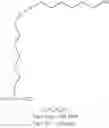
Sources:
- United States Patent and Trademark Office - verify current appl. status at the USPTO↗
Similar patent applications:
- » 20130184324
Dual targeting siRNA agents - » 20160312216
Dual Targeting siRNA Agents - » 20180148722
Dual Targeting siRNA Agents - » 20220213475
DUAL TARGETING siRNA AGENTS
Recent applications in this class:
- » 20250171781 2025-05-29
Linear DNA with Enhanced Resistance Against Exonucleases - » 20250171780 2025-05-29
SMALL RNA-BASED DRUG, PREPARATION AND USE THEREOF IN PROPHYLAXIS AND/OR TREATMENT OF CARDIOMYOPATHY - » 20250171779 2025-05-29
ANTISENSE OLIGOMERS AND METHODS OF USING THE SAME FOR TREATING DISEASES ASSOCIATED WITH THE ACID ALPHA-GLUCOSIDASE GENE - » 20250171778 2025-05-29
Treatments of Disorders of Myelin - » 20250171777 2025-05-29
Microtubule Associated Protein Tau (MAPT) iRNA Agent Compositions and Methods of Use Thereof - » 20250171776 2025-05-29
NON-CANONICAL CELL-PENETRATING PEPTIDES FOR ANTISENSE OLIGOMER DELIVERY - » 20250163420 2025-05-22
Promotion of Cardiomyocyte Proliferation and Regenerative Treatment of the Heart by Inhibition of microRNA-128 - » 20250163419 2025-05-22
THERAPEUTIC COMPOSITIONS FOR TREATING PAIN VIA MULTIPLE TARGETS - » 20250163418 2025-05-22
Brush polymer-oligonucleotide conjugates for the treatment of muscular dystrophy - » 20250163417 2025-05-22
COMPOSITIONS AND METHODS FOR IMPROVING STRAND BIASED