IMMUNOTHERAPY OF CANCER
US20210348166A1
2021-11-11
17/150,668
2021-01-15
Abstract:
Immunogenic modulators and compositions comprising oligonucleotide agents capable of inhibiting suppression of immune response by reducing expression of one or more gene involved with an immune response suppression mechanism.
Inventors:
- Alexey WOLFSON 3 🇺🇸 Westborough, MA, United States
- Alexey ELISEEV 3 🇺🇸 Boston, MA, United States
- Taisia Shmushkovich 2 🇺🇸 Newton, MA, United States
Assignee:
- Phio Pharmaceuticals Corp. 30 🇺🇸 Marlborough, MA, United States
Interested in similar patents?
Get notified when new applications in this technology area are published.
Classification:
C12N2320/50 » CPC further
Applications; Uses Methods for regulating/modulating their activity
C12N15/1135 » CPC further
Mutation or genetic engineering; DNA or RNA concerning genetic engineering, vectors, e.g. plasmids, or their isolation, preparation or purification; Use of hosts therefor; Recombinant DNA-technology; DNA or RNA fragments; Modified forms thereof; Non-coding nucleic acids modulating the expression of genes, e.g. antisense oligonucleotides against oncogenes or tumor suppressor genes
C12N15/1137 » CPC further
Mutation or genetic engineering; DNA or RNA concerning genetic engineering, vectors, e.g. plasmids, or their isolation, preparation or purification; Use of hosts therefor; Recombinant DNA-technology; DNA or RNA fragments; Modified forms thereof; Non-coding nucleic acids modulating the expression of genes, e.g. antisense oligonucleotides against enzymes
C12N15/117 » CPC main
Mutation or genetic engineering; DNA or RNA concerning genetic engineering, vectors, e.g. plasmids, or their isolation, preparation or purification; Use of hosts therefor; Recombinant DNA-technology; DNA or RNA fragments; Modified forms thereof Nucleic acids having immunomodulatory properties, e.g. containing CpG-motifs
C12N15/113 » CPC further
Mutation or genetic engineering; DNA or RNA concerning genetic engineering, vectors, e.g. plasmids, or their isolation, preparation or purification; Use of hosts therefor; Recombinant DNA-technology; DNA or RNA fragments; Modified forms thereof Non-coding nucleic acids modulating the expression of genes, e.g. antisense oligonucleotides
C12N15/1138 » CPC further
Mutation or genetic engineering; DNA or RNA concerning genetic engineering, vectors, e.g. plasmids, or their isolation, preparation or purification; Use of hosts therefor; Recombinant DNA-technology; DNA or RNA fragments; Modified forms thereof; Non-coding nucleic acids modulating the expression of genes, e.g. antisense oligonucleotides against receptors or cell surface proteins
C12N2310/14 » CPC further
Structure or type of the nucleic acid; Type of nucleic acid interfering N.A.
A61K2039/5154 » CPC further
Medicinal preparations containing antigens or antibodies comprising whole cells, viruses or DNA/RNA; Animal cells Antigen presenting cells [APCs], e.g. dendritic cells, macrophages
A61K2039/5156 » CPC further
Medicinal preparations containing antigens or antibodies comprising whole cells, viruses or DNA/RNA; Animal cells expressing foreign proteins
C12N2320/31 » CPC further
Applications; Uses; Special therapeutic applications Combination therapy
Y02A50/30 » CPC further
in human health protection, e.g. against extreme weather Against vector-borne diseases, e.g. mosquito-borne, fly-borne, tick-borne or waterborne diseases whose impact is exacerbated by climate change
C12N2310/17 » CPC further
Structure or type of the nucleic acid; Type of nucleic acid Immunomodulatory nucleic acids
C12N2310/321 » CPC further
Structure or type of the nucleic acid; Chemical structure of the sugar 2'-O-R Modification
C12N2310/3515 » CPC further
Structure or type of the nucleic acid; Chemical structure; Nature of the modification; Conjugate Lipophilic moiety, e.g. cholesterol
C12N2320/32 » CPC further
Applications; Uses; Special therapeutic applications Special delivery means, e.g. tissue-specific
A61K39/00 » CPC further
Medicinal preparations containing antigens or antibodies
Description
CROSS REFERENCE
This application claims priority to U.S. Provisional Application No. 61/910,728, filed Dec. 2, 2013, herein incorporated by reference in its entirety.
TECHNICAL FIELD
The present invention relates to immunogenic compositions, method of making immunogenic compositions, and methods of using immunogenic compositions for the treatment of cell proliferative disorders or infectious disease, including, for example, cancer and autoimmune disorders.
More particularly, the invention provides cells that are treated with oligonucleotides specifically designed to modulate expression of target genes involved in tumor immune resistance mechanisms.
BACKGROUND
Immunotherapy is the “treatment of disease by inducing, enhancing, or suppressing an immune response”. Immunotherapies designed to elicit or amplify an immune response are activation immunotherapies, while immunotherapies that reduce or suppress immune response are classified as suppression immunotherapies.
Immunotherapy of cancer has become increasingly important in clinical practice over recent decades. The primary approach in today's standard of care is passive immunotherapy through the use of recombinant monoclonal antibodies (mAbs). MAbs act through a mechanisms relevant to the body's own humoral immune response, by binding to key antigens involved in the tumor development and causing moderate forms of cell-mediated immunity, such as antibody-dependent cell-mediated cytotoxicity (ADCC).
Another group of emerging immunotherapeutic approaches is based on the administration of cells capable of destroying tumor cells. The administered cells may be the patient's own tumor-infiltrating lymphocytes (TIL), isolated and expanded ex-vivo. In some cases, TIL are capable of recognizing a variety of tumor associated antigens (TAA), while in other cases TIL can be reactivated and expanded in vitro to recognize specific antigens. The TIL-based therapeutic approaches are commonly referred to as “adoptive cell transfer” (ACT).
Further developments of ACT involve genetic modifications of T-cells to express receptors that recognize specific tumor-associated antigens (TAA). Such modifications may induce the expression of a specific T-cell receptor (TCR) or of a chimeric antigen receptor (CAR) consisting of TAA-specific antibody fused to CD3/co-stimulatory molecule transmembrane and cytoplasmic domains.
The ACT methods may also be considered as passive immunotherapeutic approaches in that they act directly on the tumor cells without invoking an extended immune response. However, unlike mAbs, ACT agents are capable of fully destroying the tumor cells, as opposed to the blockade of selected receptors and moderate cellular responses such as ADCC.
There is ongoing development of numerous methods of active immunotherapy, which restore the ability of body's own immune system to generate antitumor response. Active immunotherapeutic agents are often called therapeutic cancer vaccines, or just cancer vaccines. Many cancer vaccines are currently in clinical trials, and sipuleucell-T has recently become the first such vaccine approved by the United States FDA.
There are several classes of cancer vaccines using different antigens and different mechanisms of generating cell-mediated immune response. One class of vaccines is based on peptide fragments of antigens selectively expressed by tumor cells. The peptides are administered alone or in combination with immune-stimulatory agents, which may include adjuvants and cytokines, such as granulocyte-macrophage colony-stimulating factor (GM-CSF).
Another class of cancer vaccines is based on modified (e.g. sub-lethally irradiated) tumor cells used as antigens, also in combinations with immunostimulatory agents. Vaccines of this type currently in clinical trials are based both on autologous (e.g. OncoVAX, LipoNova) and allogeneic (e.g. Canvaxin, Onyvax-P, GVAX) tumor cell lines.
Yet another class of cancer vaccines uses dendritic cells. By their nature, dendritic cells (DC) are “professional” antigen-presenting cells capable of generating of a strong antigen-dependent cell-mediated immune response and eliciting therapeutic T-cells in vivo. DC-based cancer vaccines usually comprise DCs isolated from patients or generated ex vivo by culturing patient's hematopoietic progenitor cells or monocytes. DCs are further loaded with tumor antigens and sometimes combined with immune-stimulating agents, such as GM-CSF. A large number of DC-vaccines are now in clinical trials, and the first FDA-approved vaccine sipuleucell-T is based on DC.
Mechanisms of Immunosuppression and Therapeutic Approaches to its Mitigation
One of the key physiologic functions of the immune system is to recognize and eliminate neoplastic cells, therefore an essential part of any tumor progression is the development of immune resistance mechanisms. Once developed, these mechanisms not only prevent the natural immune system from effecting the tumor growth, but also limit the efficacy of any immunotherapeutic approaches to cancer. An important immune resistance mechanism involves immune-inhibitory pathways, sometimes referred to as immune checkpoints. The immune-inhibitory pathways play particularly important role in the interaction between tumor cells and CD8+ cytotoxic T-lymphocytes, including ACT therapeutic agents. Among important immune checkpoints are inhibitory receptors expressed on the T-cell surface, such as CTLA-4, PD1 and LAG3, among others.
The importance of the attenuation of immune checkpoints has been recognized by the scientific and medical community. One way to mitigate immunosuppression is to block the immune checkpoints by specially designed agents. The CTLA-4-blocking-antibody, ipilimumab, has recently been approved by the FDA. Several molecules blocking PD1 are currently in clinical development.
Immunosuppression mechanisms also negatively affect the function of dendritic cells and, as a consequence, the efficacy of DC-based cancer vaccines. Immunosuppressive mechanisms can inhibit the ability of DC to present tumor antigens through the MHC class I pathway and to prime naïve CD8+ T-cells for antitumor immunity. Among the important molecules responsible for the immunosuppression mechanisms in DC are ubiquitin ligase A20 and the broadly immune-suppressive protein SOCS1.
The efficacy of immunotherapeutic approaches to cancer can be augmented by combining them with inhibitors of immune checkpoints. Numerous ongoing preclinical and clinical studies are exploring potential synergies between cancer vaccines and other immunotherapeutic agents and checkpoint blocking agents, for example, ipilimumab. Such combination approaches have the potential to result in significantly improved clinical outcomes.
However, there are a number of drawbacks of using cancer immunotherapeutic agents in combination with checkpoint inhibitors. For example, immune checkpoint blockade can lead to the breaking of immune self-tolerance, thereby inducing a novel syndrome of autoimmune/auto-inflammatory side effects, designated “immune related adverse events,” mainly including rash, colitis, hepatitis and endocrinopathies (Corsello, et al. J. Clin. Endocrinol. Metab., 2013, 98:1361).
Reported toxicity profiles of checkpoint inhibitors are different than the toxicity profiles reported for other classes of oncologic agents. Those involve inflammatory events in multiple organ systems, including skin, gastrointestinal, endocrine, pulmonary, hepatic, ocular, and nervous system. (Hodi, 2013, Annals of Oncology, 24: Suppl, i7).
In view of the above, there is a need for new cancer therapeutic agents that can be used in combination with checkpoint inhibitors as well as other classes of oncolytic agents without risk of adverse inflammatory events in multiple organ systems previously reported for checkpoint inhibitors. The immunotherapeutic cells of the invention, prepared by treating cells with a combination oligonucleotide agents targeting genes associated with tumor or infections disease resistance mechanisms, as well as methods of producing such therapeutic cells and methods of treating disease with the produced therapeutic cells, satisfy this long felt need.
SUMMARY OF EMBODIMENTS OF THE INVENTION
The efficacy of immunotherapeutic approaches to cell proliferation disorders and infectious diseases can be augmented by combining them with inhibitors of immune checkpoints. Numerous synergies between cancer vaccines and other immunotherapeutic agents and checkpoint blocking agents provide opportunities for combination approaches that may significantly improve clinical outcomes for example, in proliferative cell disorders and immune diseases.
Various embodiments of the inventions disclosed herein include compositions comprising therapeutic cells obtained by treating cells ex vivo with oligonucleotides to modulate expression of target genes involved in immune suppression mechanisms. The oligonucleotide agent may be an antisense oliogonucleotide (ASO), including locked nucleic acids (LNAs), methoxyethyl gapmers, and the like, or an siRNA, miRNA, miRNA-inhibitor, morpholino, PNA, and the like. The oligonucleotide is preferably a self-delivered (sd) RNAi agent. The oligonucleotides may be chemically modified, for example, including at least one 2-O-methyl modification, 2′-Fluro modification, and/or phosphorothioate modification. The oligonucleotides may include one or more hydrophobic modification, for example, one or more sterol, cholesterol, vitamin D, Naphtyl, isobutyl, benzyl, indol, tryptophane, or phenyl hydrophobic modification. The oligonucleotide may be a hydrophobically-modified siRNA-antisense hybrid. The oligonucleotides may be used in combination with transmembrane delivery systems, such as delivery systems comprising lipids.
In an embodiment, the cells are obtained and/or derived from a cancer or infectious disease patient, and may be, for example, tumor infiltrating lymphocytes (TIL) and/or T-cells, antigen presenting cells such as dendritic cells, natural killer cells, induced-pluripotent stem cells, stem central memory T-cells, and the like. The T-cells and NK-cells are preferably genetically engineered to express high-affinity T-Cell receptors (TCR) and/or chimeric antibody or antibody-fragment—T-Cell receptors (CAR). In an embodiment, the chimeric antibody/antibody fragment is preferably capable of binding to antigens expressed on tumor cells. Immune cells may be engineered by transfection with plasmid, viral delivery vehicles, or mRNAs.
In an embodiment, the chimeric antibody or fragment is capable of binding CD19 receptors of B-cells and/or binding to antigens expressed on tumors, such as melanoma tumors. Such melanoma-expressed antigens include, for example, GD2, GD3, HMW-MAA, VEGF-R2, and the like.
Target genes identified herein for modification include: cytotoxic T-cell antigen 4 (CTLA4), programmed cell death protein 1 (PD1), tumor growth factor receptor beta (TGFR-beta), LAG3, TIM3, and adenosine A2a receptor; anti-apoptotic genes including, but not limited to: BAX, BAC, Casp8, and P53; A20 ubiquitine ligase (TNFAIP3, SOCS1 (suppressor of cytokine signaling), IDO (indolamine-2,3-dioxygenase; tryptophan-degrading enzyme), PD-L1 (CD274)(surface receptor, binder to PD1 on Tcells), Notch ligand Deltal (DLL1), Jagged 1, Jagged 2, FasL (pro-apoptotic surface molecule), CCL17, CCL22 (secreted chemokines that attract Treg cells), IL10 receptor (IL10RA), p38 (MAPK14), STAT3, TNFSF4 (OX40L), MicroRNA miR-155, miR-146a, anti-apoptotic genes including but not limited to BAX, BAC, Casp8 and P53, and the like genes, and combinations thereof. Representative target sequences are listed in Table 1.
The engineered therapeutic cells are treated with RNAi agents designed to inhibit expression of one or more of the targeted genes. The RNAi agent may comprise a guide sequence that hybridizes to a target gene and inhibits expression of the target gene through an RNA interference mechanism, where the target region is selected from the group listed in Table 1. The RNA agent can be chemically modified, and preferably includes at least one 2′-O-methyl, 2′-O-Fluoro, and/or phosphorothioate modification, as well as at least one hydrophobic modification such as cholesterol, and the like.
The immunogenic compositions described herein are useful for the treatment of proliferative disorders, including cancers, and/or infectious disease and are produced by the ex-vivo treatment of cells with oligonucleotides to modulate the expression of target genes involved in tumor immune resistance mechanisms. The ex vivo treatment of cells includes administering to the cells an oligonucleotide capable of targeting and inhibiting expression of a gene involved in a tumor suppressor mechanism, such as the genes listed in Table 1. The oligonucleotide can be used in combination with a transmembrane delivery system that may comprise one or more of: lipid(s) and vector, such as a viral vector.
The invention includes a method of treating a cell proliferative disorder or infectious disease by administering to a subject in need thereof, an immunogenic composition comprising cells that have been treated with one or more oligonucleotide to modulate the expression of one or more target gene involved in tumor immune resistance mechanisms, for example, one or more of the target genes of Table 1.
The invention preferably includes immunogenic cells treated with a plurality of oligonucleotide agents targeting a combination of target genes described herein. The combination may target a plurality of suppressor receptor genes, cytokine receptor genes, regulatory genes, and/or apoptotic factors in order to inhibit tumor immune resistance mechanisms.
The present invention is directed to novel immunotherapeutic cells, methods of generating the immunotherapeutic cells, and therapeutic methods employing such cells.
A new method of immune checkpoint inhibition is described herein, applicable to a broad variety of cell-based immunotherapies, including, but not limited to adaptive cell transfer, for example, based on TIL, TCR, CAR, and other cell types, as well as dendritic cell-based cancer vaccines. Self-deliverable RNAi technology provides efficient transfection of short oligonucleotides in any cell type, including immune cells, providing increased efficacy of immunotherapeutic treatments. In addition, the activated immune cells can be protected by preventing apoptosis via inhibition of key activators of the apoptotic pathway, such as BAC, BAX, Casp8, and P53, among others.
The activated immune cells modified by oligonucleotide transfer for a single therapeutic agent for administration to a subject, providing a number of advantages as compared to separately administered combinations of vaccines and immunotherapeutics and separately administered checkpoint inhibitors. These advantages include lack of side effects associated with the checkpoint inhibitors in a single therapeutic agent (activated immune cells modified by oligonucleotides targeting immune resistance genes).
The claimed immunotherapeutic cells, method of producing immunotherapeutic cells by introduction of oligonucleotide molecules targeting immune resistance pathways, and methods of treating proliferative and infectious disease, improves upon any known immunotherapeutic cells and methods of producing immunotherapeutic cells because it provides:
-
- 1) a single therapeutic composition providing a combination of checkpoint inhibitors and other immune resistance mechanism inhibitors;
- 2) with reduced toxicity; and
- 3) increased efficacy as compared with other compositions.
BRIEF DESCRIPTION OF THE FIGURES
The foregoing features of embodiments will be more readily understood by reference to the following detailed description, taken with reference to the accompanying drawings, in which:
FIG. 1 is a schematic diagram showing the structure of an sdRNA molecule.
FIG. 2 is a graph showing sdRNA-induced silencing of GAPDH and MAP4K4 in HeLa cells.
FIG. 3 is a graph showing sdRNA-induced knock-down of multiple targets using sdRNA agents directed to three genes in NK-92 cells.
FIG. 4 is a graph showing the knock-down of gene expression in Human Primary T cells by sdRNA agents targeting TP53 and MAP4K4.
FIG. 5 is a graph showing sdRNA-induced knock-down of CTLA4 and PD1 in Human Primary T cells.
FIG. 6 is a graph showing the reduction of PDCD1 and CTLA-4 surface expression by sdRNA in Human Primary T cells.
FIG. 7 is a graph showing MAP4K4-cy3 sdRNA delivery into T and B cells in human PBMCs.
DETAILED DESCRIPTION OF SPECIFIC EMBODIMENTS
The invention is defined by the claims, and includes oligonucleotides specifically designed and selected to reduce and/or inhibit expression of suppressors of immune resistance (inhibitory oligonucleotides), compositions comprising cells modified by treatment with such inhibitory oligonucleotides, methods of making such compositions, and methods of using the compositions to treat proliferation and/or infectious diseases. In particular, cells are treated with a combination of oligonucleotide agents, each agent particularly designed to interfere with and reduce the activity of a targeted immune suppressor.
Preferably, the combination of oligonucleotide agents targets multiple immune suppressor genes selected from checkpoint inhibitor genes such as CTLA4, PD-1/PD-1L, BTLA (B and T-lymphocyte attenuator), KIR (killer immunoglobulin-like receptors), B7-H3, B7-H4 receptors, and TGF beta type 2 receptor; cytokine receptors that inactivate immune cells, such as TGF-beta receptor A and IL-10 receptor; regulatory genes/transcription factors modulating cytokine production by immune cells, such as STAT-3 and P38, miR-155, miR-146a; and apoptotic factors involved in cascades leading to cell death, such as p53 and Cacp8.
Most preferably the oligonucleotide agent is a self-deliverable RNAi agent, which is a hydrophobically modified siRNA-antisense hybrid molecule, comprising a double-stranded region of about 13-22 base pairs, with or without a 3′-overhang on each of the sense and antisense strands, and a 3′ single-stranded tail on the antisense strand of about 2-9 nucleotides. The oligonucleotide contains at least one 2′-O-Methyl modification, at least one 2′-O-Fluoro modification, and at least one phosphorothioate modification, as well as at least one hydrophobic modification selected from sterol, cholesterol, vitamin D, napthyl, isobutyl, benzyl, indol, tryptophane, phenyl, and the like hydrophobic modifiers (see FIG. 1). The oligonucleotide may contain a plurality of such modifications.
Definitions
As used in this description and the accompanying claims, the following terms shall have the meanings indicated, unless the context requires otherwise:
Proliferative disease, as used herein, includes diseases and disorders characterized by excessive proliferation of cells and turnover of cellular matrix, including cancer, atherlorosclerosis, rheumatoid arthritis, psoriasis, idiopathic pulmonary fibrosis, scleroderma, cirrhosis of the liver, and the like. Cancers include but are not limited to, one or more of: small cell lung cancer, colon cancer, breast cancer, lung cancer, prostate cancer, ovarian cancer, pancreatic cancer, melanoma, hematological malignancy such as chronic myeloid leukemia, and the like cancers where immunotherapeutic intervention to suppress tumor related immune resistance is needed.
Immune target genes can be grouped into at least four general categories: (1) checkpoint inhibitors; (2) cytokine receptors that inactivate immune cells, (3) anti-apoptotic genes; and (4) regulator genes, for example, transcription factors.
Immune Checkpoint inhibitors (ICI), as used herein, include immunotherapeutic agents that bind to certain checkpoint proteins, such as cytotoxic T lymphocyte antigen-4 (CTLA-4) and programmed death-1 (PD-1) and its ligand PD-L1 to block and disable inhibitory proteins that prevent the immune system from attacking diseased cells such as cancer cells, liberating tumor-specific T cells to exert their effector function against tumor cells.
Tumor related immune resistance genes, as used herein, include genes involved in checkpoint inhibition of immune response, such as CTLA-4 and PD-1/PD-L1; TGF-beta, LAG3, Tim3, adenosine A2a receptor;
Regulator genes, as used herein, include transcription factors and the like that modulate cytokine production by immune cells, and include p38, STAT3, microRNAs miR-155, miR-146a;
Anti-apoptotic genes, as used herein, include BAX, BAC, Casp8, P53 and the like; and combinations thereof.
Infectious diseases, as used herein, include, but are not limited to, diseases caused by pathogenic microorganisms, including, but not limited to, one or more of bacteria, viruses, parasites, or fungi, where immunotherapeutic intervention to suppress pathogen related immune resistance and/or overactive immune response.
Immunogenic composition, as used herein, includes cells treated with one or more oligonucleotide agent, wherein the cells comprise T-cells. The T-cells may be genetically engineered, for example, to express high affinity T-cell receptors (TCR), chimeric antibody—T-cell receptors (CAR), where the chimeric antibody fragments are capable of binding to CD19 receptors of B-cells and/or to antigens expressed on tumor cells. In one embodiment, the chimeric antibody fragments bind antigens expressed on melanoma tumors, selected from GD2, GD3, HMW-MAA, and VEGF-R2.
Immunogenic compositions described herein include cells comprising antigen-presenting cells, dendritic cells, engineered T-cells, natural killer cells, stem cells, including induced pluripotent stem cells, and stem central memory T-cells. The treated cell also comprises one or a plurality of oligonucleotide agents, preferably sdRNAi agents specifically targeting a gene involved in an immune suppression mechanism, where the oligonucleotide agent inhibits expression of said target gene.
In one embodiment, the target gene is selected from A20 ubiquitin ligase such as TNFAIP3, SOCS1 (suppressor of cytokine signaling), Tyro3/Axl/Mer (suppressors of TLR signaling), IDO (indolamine-2,3-dioxygenase, tryptophan-degrading enzyme), PD-L1/CD274 (surface receptor, binds PD1 on T-cells), Notch ligand Delta (DLL1), Jagged 1, Jagged 2, FasL (pro-apoptotic surface molecule), CCL17, CCL22 (secreted chemokines that attract Treg cells), IL-10 receptor (IL10Ra), p38 (MAPK14), STAT3, TNFSF4 (OX40L), microRNA miR-155, miR-146a, anti-apoptotic genes, including but not limited to BAX, BAC, Casp8, and P53; and combinations thereof.
Particularly preferred target genes are those shown in Table 1.
Ex-vivo treatment, as used herein, includes cells treated with oligonucleotide agents that modulate expression of target genes involved in immune suppression mechanisms. The oligonucleotide agent may be an antisense oligonucleotide, including, for example, locked nucleotide analogs, methyoxyethyl gapmers, cyclo-ethyl-B nucleic acids, siRNAs, miRNAs, miRNA inhibitors, morpholinos, PNAs, and the like. Preferably, the oligonucleotide agent is an sdRNAi agent targeting a gene involved in an immune suppression mechanism. The cells treated in vitro by the oligonucleotide agent may be immune cells expanded in vitro, and can be cells obtained from a subject having a proliferative or infectious disease. Alternatively, the cells or tissue may be treated in vivo, for example by in situ injection and/or intravenous injection.
Oligonucleotide or oligonucleotide agent, as used herein, refers to a molecule containing a plurality of “nucleotides” including deoxyribonucleotides, ribonucleotides, or modified nucleotides, and polymers thereof in single- or double-stranded form. The term encompasses nucleotides containing known nucleotide analogs or modified backbone residues or linkages, which are synthetic, naturally occurring, and non-naturally occurring, which have similar binding properties as the reference nucleic acid, and which are metabolized in a manner similar to the reference nucleotides. Examples of such analogs include, without limitation, phosphorothioates, phosphoramidates, methyl phosphonates, chiral-methyl phosphonates, 2-O-methyl ribonucleotides, peptide-nucleic acids (PNAs).
Nucleotide, as used herein to include those with natural bases (standard), and modified bases well known in the art. The nucleotides can be unmodified or modified at the sugar, phosphate and/or base moiety, (also referred to interchangeably as nucleotide analogs, modified nucleotides, non-natural nucleotides, non-standard nucleotides and other; see, for example, PCT Publications No. WO 92/07065 and WO 93/15187. Non-limiting examples of base modifications that can be introduced into nucleic acid molecules include, hypoxanthine, purine, pyridin-4-one, pyridin-2-one, phenyl, pseudouracil, 2,4,6-trimethoxy benzene, 3-methyl uracil, dihydrouridine, naphthyl, aminophenyl, 5-alkylcytidines (e.g., 5-methylcytidine), 5-alkyluridines (e.g., ribothymidine), 5-halouridine (e.g., 5-bromouridine) or 6-azapyrimidines or 6-alkylpyrimidines (e.g. 6-methyluridine and pseudouridine), propyne, and others. The phrase “modified bases” includes nucleotide bases other than adenine, guanine, cytosine, and uracil, modified for example, at the 1′ position or their equivalents.
As used herein, the term “deoxyribonucleotide” encompasses natural and synthetic, unmodified and modified deoxyribonucleotides. Modifications include changes to the sugar moiety, to the base moiety and/or to the linkages between deoxyribonucleotide in the oligonucleotide.
As used herein, the term “RNA” defines a molecule comprising at least one ribonucleotide residue. The term “ribonucleotide” defines a nucleotide with a hydroxyl group at the 2′ position of a □-D-ribofuranose moiety. The term RNA includes double-stranded RNA, single-stranded RNA, isolated RNA such as partially purified RNA, essentially pure RNA, synthetic RNA, recombinantly produced RNA, as well as altered RNA that differs from naturally occurring RNA by the addition, deletion, substitution and/or alteration of one or more nucleotides. Nucleotides of the RNA molecules described herein may also comprise non-standard nucleotides, such as non-naturally occurring nucleotides or chemically synthesized nucleotides or deoxynucleotides. These altered RNAs can be referred to as analogs or analogs of naturally-occurring RNA.
As used herein, “modified nucleotide” refers to a nucleotide that has one or more modifications to the nucleoside, the nucleobase, pentose ring, or phosphate group. For example, modified nucleotides exclude ribonucleotides containing adenosine monophosphate, guanosine monophosphate, uridine monophosphate, and cytidine monophosphate and deoxyribonucleotides containing deoxyadenosine monophosphate, deoxyguanosine monophosphate, deoxythymidine monophosphate, and deoxycytidine monophosphate. Modifications include those naturally-occurring that result from modification by enzymes that modify nucleotides, such as methyltransferases.
Modified nucleotides also include synthetic or non-naturally occurring nucleotides. Synthetic or non-naturally occurring modifications in nucleotides include those with 2′ modifications, e.g., 2′-O-methyl, 2′-methoxyethoxy, 2′-fluoro, 2′-allyl, 2′-O-[2-(methylamino)-2-oxoethyl], 4′-thio, 4′-CH2-O-2′-bridge, 4′-(CH2) 2-O-2′-bridge, 2′-LNA, and 2′-O-(N-methylcarbamate) or those comprising base analogs. In connection with 2′-modified nucleotides as described for the present disclosure, by “amino” is meant 2′-NH2 or 2′-O—NH2, which can be modified or unmodified. Such modified groups are described, for example, in U.S. Pat. Nos. 5,672,695 and 6,248,878.
As used herein, “microRNA” or “miRNA” refers to a nucleic acid that forms a single-stranded RNA, which single-stranded RNA has the ability to alter the expression (reduce or inhibit expression; modulate expression; directly or indirectly enhance expression) of a gene or target gene when the miRNA is expressed in the same cell as the gene or target gene. In one embodiment, a miRNA refers to a nucleic acid that has substantial or complete identity to a target gene and forms a single-stranded miRNA. In some embodiments miRNA may be in the form of pre-miRNA, wherein the pre-miRNA is double-stranded RNA. The sequence of the miRNA can correspond to the full length target gene, or a subsequence thereof. Typically, the miRNA is at least about 15-50 nucleotides in length (e.g., each sequence of the single-stranded miRNA is 15-50 nucleotides in length, and the double stranded pre-miRNA is about 15-50 base pairs in length). In some embodiments the miRNA is 20-30 base nucleotides. In some embodiments the miRNA is 20-25 nucleotides in length. In some embodiments the miRNA is 20, 21, 22, 23, 24, 25, 26, 27, 28, 29, or 30 nucleotides in length.
Target gene, as used herein, includes genes known or identified as modulating the expression of a gene involved in an immune resistance mechanism, and can be one of several groups of genes, such as suppressor receptors, for example, CTLA4 and PD1; cytokine receptors that inactivate immune cells, for example, TGF-beta receptor, LAG3, Tim3, adenosine A2a receptor, and IL10 receptor; regulatory genes for example, STAT3, p38, mir155 and mir146a; and apoptosis factors involved in cascades leading to cell death, for example, P53, Casp8, BAX, BAC, and combinations thereof. See also preferred target genes listed in Table 1.
As used herein, small interfering RNA (siRNA), sometimes known as short interfering RNA or silencing RNA, defines a group of double-stranded RNA molecules, comprising sense and antisense RNA strands, each generally of about 1022 nucletides in length, optionally including a 3′ overhang of 1-3 nucleotides. siRNA is active in the RNA interference (RNAi) pathway, and interferes with expression of specific target genes with complementary nucleotide sequences.
As used herein, sdRNA refers to “self-deliverable” RNAi agents, that are formed as an asymmetric double-stranded RNA-antisense oligonucleotide hybrid. The double stranded RNA includes a guide (sense) strand of about 19-25 nucleotides and a passenger (antisense) strand of about 10-19 nucleotides with a duplex formation that results in a single-stranded phosphorothiolated tail of about 5-9 nucleotides.
The RNA sequences may be modified with stabilizing and hydrophobic modifications such as sterols, for example, cholesterol, vitamin D, naphtyl, isobutyl, benzyl, indol, tryptophane, and phenyl, which confer stability and efficient cellular uptake in the absence of any transfection reagent or formulation. Immune response assays testing for IFN-induced proteins indicate sdRNAs produce a reduced immunostimulatory profile as compared other RNAi agents. See, for example, Byrne et al., December 2013, J. Ocular Pharmacology and Therapeutics, 29(10): 855-864.
Cell-Based Immunotherapeutics
In general, cells are obtained from subjects with proliferative disease such as cancer, or an infectious disease such as viral infection. The obtained cells are treated directly as obtained or may be expanded in cell culture prior to treatment with oligonucleotides. The cells may also be genetically modified to express receptors that recognize specific antigens expressed on the tumor cell surface (CAR) or intracellular tumor antigens presented on MHC class I (TCR).
Oligonucleotide Agents
Antisense Oligonucleotides
Small interfering RNA (siRNA), sometimes known as short interfering RNA or silencing RNA, is a double stranded RNA molecule, generally 19-25 base pairs in length. siRNA is used in RNA interference (RNAi), where it interferes with expression of specific genes with complementary nucleotide sequences.
Double stranded DNA (dsRNA) can be generally used to define any molecule comprising a pair of complementary strands of RNA, generally a sense (passenger) and antisense (guide) strands, and may include single-stranded overhang regions. The term dsRNA, contrasted with siRNA, generally refers to a precursor molecule that includes the sequence of an siRNA molecule which is released from the larger dsRNA molecule by the action of cleavage enzyme systems, including Dicer.
sdRNA (self-deliverable) are a new class of covalently modified RNAi compounds that do not require a delivery vehicle to enter cells and have improved pharmacology compared to traditional siRNAs. “Self-deliverable RNA” or sdRNA is a hydrophobically modified RNA interfering-antisense hybrid, demonstrated to be highly efficacious in vitro in primary cells and in vivo upon local administration. Robust uptake and/or silencing without toxicity has been demonstrated in several tissues including dermal, muscle, tumors, alveolar macrophages, spinal cord, and retina cells and tissues. In dermal layer and retina, intradermal and intra-vitreal injection of sdRNA at mg doses induced potent and long lasting silencing.
While sdRNA is a superior functional genomics tool, enabling RNAi in primary cells and in vivo, it has a relatively low hit rate as compared to conventional siRNAs. While the need to screen large number of sequences per gene is not a limiting factor for therapeutic applications, it severely limits the applicability of sdRNA technology to functional genomics, where cost effective compound selection against thousands of genes is required. To optimize sdRNA structure, chemistry, targeting position, sequence preferences, and the like, a proprietary algorithm has been developed and utilized for sdRNA potency prediction. Availability of sdRNA reagents that are active in all cell types ex vivo and in vivo enables functional genomics and target stratification/validation studies.
Proprietary Algorithm
SdRNA sequences were selected based on a proprietory selection algorithm, designed on the basis of a functional screen of over 500 sdRNA sequences in the luciferase reporter assay of HeLa cells. Regression analysis of was used to establish a correlation between the frequency of occurrence of specific nucleotide and modification at any specific position in sdRNA duplex and its functionality in gene suppression assay. This algorithm allows prediction of functional sdRNA sequences, defined as having over 70% knockdown at 1 μM concentration, with a probability over 40%.
Table 1 shows predictive gene targets identified using the proprietary algorithm and useful in the cellular immunotherapeutic compositions and methods described herein.
Delivery of RNAi Agents
BTLA (B and T-lymphocyte attenuator), KIR (killer immunoglobulin-like receptors), B7-H3 and B7-H4 receptors and TGFbeta type 2 receptor; Applic BTLA (B and T-lymphocyte attenuator), KIR (killer immunoglobulin-like receptors), B7-H3 and B7-H4 receptors and TGFbeta type 2 receptor; ation of RNAi technology to functional genomics studies in prim BTLA (B and T-lymphocyte attenuator), KIR (killer immunoglobulin-like receptors), B7-H3 and B7-H4 receptors and TGFbeta type 2 receptor; ary cells and in vivo is limited by requirements to formulate siRNAs into lipids or use of other cell delivery techniques. To circumvent delivery problems, the self-deliverable RNAi technology provides a method of directly transfecting cells with the RNAi agent, without the need for additional formulations or techniques. The ability to transfect hard-to-transfect cell lines, high in vivo activity, and simplicity of use, are characteristics of the compositions and methods that present significant functional advantages over traditional siRNA-based techniques. The sdRNAi technology allows direct delivery of chemically synthesized compounds to a wide range of primary cells and tissues, both ex-vivo and in vivo.
To enable BTLA (B and T-lymphocyte attenuator), KIR (killer immunoglobulin-like receptors), B7-H3 and B7-H4 receptors and TGFbeta type 2 receptor; self-delivery, traditional siRNA molecules require a substantial reduction in size and the introduction of extensive chemical modifications which are not well tolerated by RNAi machinery, resulting in extremely low probability of finding active molecules (low hit rate). In contrast, the sdRNA technology allows efficient RNAi delivery to primary cells and tissues in vitro and in vivo, with demonstrated silencing efficiency in humans.
The general structure of sdRNA molecules is shown in FIG. 1. sdRNA are formed as hydrophobically-modified siRNA-antisense oligonucleotide hybrid structures, and are disclosed, for example in Byrne et al., December 2013, J. Ocular Pharmacology and Therapeutics, 29(10): 855-864.
Oligonucleotide Modifications: 2′-O-Methyl, 2′-O-Fluro, Phosphorothioate
The oligonucleotide agents preferably comprise one or more modification to increase stability and/or effectiveness of the therapeutic agent, and to effect efficient delivery of the oligonucleotide to the cells or tissue to be treated. Such modifications include at least one
BTLA (B and T-lymphocyte attenuator), KIR (killer immunoglobulin-like receptors), B7-H3 and B7-H4 receptors and TGFbeta type 2 receptor; BTLA (B and T-lymphocyte attenuator), KIR (killer immunoglobulin-like receptors), B7-H3 and B7-H4 receptors and TGFbeta type 2 receptor; 2′-O-methyl modification, at least one 2′-O-Fluro modification, and at least one diphosphorothioate modification. Additionally, the oligonucleotide is modified to include one or more hydrophobic modification selected from sterol, cholesterol, vitamin D, naphtyl, isobutyl, benzyl, indol, tryptophane, and phenyl. The hydrophobic modification is preferably a sterol.
Delivery of Oligonucleotide Agents to Cells
The oligonucleotides may be delivered to the cells in combination with a transmembrane delivery system, preferably comprising lipids, viral vectors, and the like. Most preferably, the oligonucleotide agent is a self-delivery RNAi agent, that does not require any delivery agents.
Combination Therapy
Most preferred for this invention, e.g. particular combinations of elements and/or alternatives for specific needs. This objective is accomplished by determining the appropriate genes to be targeted by the oligonucleotide in order to silence immune suppressor genes and using the proprietary algorithm to select the most appropriate target sequence.
It is preferred that the immunotherapeutic cell be modified to include multiple oligonucleotide agents targeting a variety of genes involved in immune suppression and appropriate for the selected target disease and genes. For example, a preferred immunotherapeutic cell is a T-Cell modified to knock-down both CTLA-4 and PD-1
Additional combinations of oligonucleotides to related genes involved in immune suppression include varied combinations of the selected target sequences of Table 1.
BTLA (B and T-lymphocyte attenuator), KIR (killer immunoglobulin-like receptors), B7-H3 and B7-H4 receptors and TGFbeta type 2 receptor; (B and T-lymphocyte attenuator), KIR (killer immunoglobulin-like receptors), B7-H3 and B7-H4 receptors and TGFbeta type 2 receptor; Preferred BTLA (B and T-lymphocyte attenuator), KIR (killer immunoglobulin-like receptors), B7-H3 and B7-H4 receptors and TGFbeta type 2 receptor; therapeutic combinations include cells engineered to knock down gene expression of the following target genes:
-
- a) CTLA4 and PD1
- b) STAT3 and p38
- c) PD1 and BaxPD1, CTLA4, Lag-1, ILM-3, and TP53
- d) PD1 and Casp8
- e) PD1 and IL10R
The therapeutic compositions described herein are useful to treat a subject suffering from a proliferation disorder or infectious disease. In particular, the immunotherapeutic composition is useful to treat disease characterized by suppression of the subjects immune mechanisms. The sdRNA agents described herein are specifically designed to target genes involved in diseases-associated immune suppression pathways.
Methods of treating a subject comprise administering to a subject in need thereof, an immunogenic composition comprising an sdRNAi agent capable of inhibiting expression of genes involved in immune suppression mechanisms, for example, any of the genes listed in Table 1 or otherwise described herein.
EXAMPLES
The embodiments of the invention described above are intended to be merely exemplary; numerous variations and modifications will be apparent to those skilled in the art. All such variations and modifications are intended to be within the scope of the present invention as defined in any appended claims.
Example 1
Self-Deliverable RNAi Immunotherapeutic Agents
Immunotherapeutic agents described herein were produced by treating cells with particular sdRNA agents designed to target and knock down specific genes involved in immune suppression mechanisms. In particular, the following cells and cell lines have been successfully treated with sdRNA and were shown to knock down at least 70% of targeted gene expression in the specified human cells.
These studies demonstrated utility of these immunogenic agents to suppress expression of target genes in cells normally very resistant to transfection, and suggests the agents are capable of reducing expression of target cells in any cell type.
| TABLE 2 | |||
| Cell Type | Target Gene | sdRNA target sequence | % Knock Down |
| Primary human T-cells | TP53 (P53) | GAGTAGGACATACCAGCTTA (SEQ ID NO: 1001) | >70% 2 uM |
| Primary human T-cells | MAP4K4 | AGAGTTCTGTGGAAGTCTA (SEQ ID NO: 1002) | >70% 2 uM |
| Jurkat T-Iymphoma cells | MAP4K4 | AGAGTTCTGTGGAAGTCTA (SEQ ID NO: 1003) | 100% 1 uM 72h |
| NK-92 cells | MAP4K4 | AGAGTTCTGTGGAAGTCTA (SEQ ID NO: 1004) | 80% 2 uM 72h |
| NK-92 cells | PPIB | ACAGCAAATTCCATCGTGT (SEQ ID NO: 1005) | >75% 2 uM 72h |
| NK-92 cells | GADPH | CTGGTAAAGTGGATATTGTT (SEQ ID NO: 1006) | >90% 2 uM 72h |
| HeLa Cells | MAP4K4 | AGAGTTCTGTGGAAGTCTA (SEQ ID NO: 1007) | >80% 2 uM 72h |
Example 2
Oligonucleotide Sequences for Inhibiting Expression of Target Genes
A number of human genes were selected as candidate target genes due to involvement in immune suppression mechanisms, including the following genes shown in Table 3:
| TABLE 3 | ||
| BAX (NM_004324) | BAK1 (NM_001188) | CASP8 (NM_001228) |
| ADORA2A (NM_000675) | CTLA4 (NM_005214) | LAG3 (NM002286) |
| PDCD1 (NM_NM005018) | TGFBR1 (NM-004612) | HAVCR2 (NM_032782) |
| CCL17 (NM_002987) | CCL22 (NM_002990) | DLL2 (NM_005618) |
| FASLG (NM_000639) | CD274 (NM_001267706) | IDO1 (NM_002164) |
| IL10RA (NM_001558) | JAG1 (NM_000214) | JAG2 (NM_002226) |
| MAPK14 (NM_001315) | SOCS1 (NM_003745) | STAT3 (NM_003150) |
| TNFA1P3 (NM_006290) | TNFSF4 (NM_003326) | TYRO2 (NM_006293) |
| TP53 (NM_000546) | ||
Each of the genes listed above was analyzed using a proprietary algorithm to identify preferred sdRNA targeting sequences and target regions for each gene for prevention of immunosuppression of antigen-presenting cells and T-cells. Results are shown in Table 1.
Example 3
Knock-Down of Target Gene (GAPDH) by sdRNA in HeLa Cells
HeLa cells (ATCC CRM-CCL-2) were subcultured 24 hours before transfection and kept log phase. The efficacy of several GAPDH sdRNAs was tested by qRT-PCR, including G13 sdRNA listed in the Table 1.
Solutions of GAPDH, MAP4K4 (positive control) and NTC (non-targeting control) sdRNA with twice the required concentration were prepared in serum-free EMEM medium, by diluting 100 μM oligonucleotides to 0.2-4 μM.
The total volume of medium for each oligo concentration point was calculated as [50 μl/well]×[number of replicates for each serum point]. Oligonucleotides were dispensed into a 96 well plate at 50 μl/well.
Cells were collected for transfection by trypsinization in a 50 ml tube, washed twice with medium containing 10% FBS without antibiotics, spun down at 200×g for 5 minutes at room temperature and resuspended in EMEM medium containing twice the required amount of FBS for the experiment (6%) and without antibiotics. The concentration of the cells was adjusted to 120,000/ml to yield a final concentration of 6,000 cells/50 μl/well. The cells were dispensed at 50 μl/well into the 96-well plate with pre-diluted oligos and placed in the incubator for 48 hours.
Gene Expression Analysis in HeLa Cells Using qRT-PCR
RNA was isolated from transfected HeLa cells using the PureLink™ Pro96 total RNA purification Kit (Ambion, Cat. No. 12173-011A), with Quanta qScript XLT One-Step RT-qPCR ToughMix, ROX (VWR, 89236672). The isolated RNA was analyzed for gene expression using the Human MAP4K4-FAM (Taqman Hs0377405 ml) and Human GAPDH-VIC (Applied Biosystems, Cat. No. 4326317E) gene expression assays.
The incubated plate was spun down and washed once with 100 μl/well PBS and lysed with 60 μl/well buffer provided in the kit. RNA isolation was conducted according to the manufacturer's instructions, and the RNA was eluted with 100 μl RNase-free water, and used undiluted for one-step qRT-PCR.
Dilutions of non-transfected (NT) cells of 1:5 and 1:25 were prepared for the standard curve using RNase-free water. qRT-PCR was performed by dispensing 9 μl/well into a low profile PCR plate and adding 1 μl RNA/well from the earlier prepared RNA samples. After brief centrifugation, the samples were placed in the real-time cycler and amplified using the settings recommended by the manufacturer.
GAPDH gene expression was measured by qPCR, normalized to MAP4K4 and plotted as percent of expression in the presence of non-targeting sdRNA. The results were compared to the normalized according to the standard curve. As shown in FIG. 2, several sdRNA agents targeting GAPDH or MAP4K4 significantly reduced their mRNA levels leading to more than 80-90% knock-down with 1 μM sdRNA. (See FIG. 2).
Example 4
Silencing of Multiple Targets by sdRNA in NK-92 Cells
NK-92 cells were obtained from Conqwest and subjected to one-step RT-PCR analysis without RNA purification using the FastLane Cell Multiplex Kit (Qiagen, Cat. No. 216513). For transfection, NK-92 cells were collected by centrifugation and diluted with RPMI medium containing 4% FBS and IL2 1000 U/ml and adjusted to1,000,000 cells/ml.
Multiple sdRNA agents targeting MAP4K4, PPIB or GADPH were diluted separately in serum-free RPMI medium to 4 μM and individually aliquoted at 50 μl/well into a 96-well plate. The prepared cells were then added at 50 μl cells/well to the wells with either MAP4K4, PPIB or GAPDH sdRNAs. Cells were incubated for 24, 48, or 72 hours.
At the specified timepoints, the plated transfected cells were washed once with 100 μl/well PBS and once with FCW buffer. After removal of supernatant, cell processing mix of 23.5 μl FCPL and 1.5 μl gDNA wipeout solution was added to each well and incubated for five minutes at room temperature. Lysates were then transferred to PCR strips and heated at 75° C. for five minutes.
To setup qRT-PCR, the lysates were mixed with QuantiTect reagents from the FastLane Cell Multiplex Kit and with primer probe mix for MAP4K4-FAM/GAPDH-VIC or PPIB-FAM/GAPDH-VIC. The following Taqman gene expression assays were used: human MAP4K4-FAM (Taqman, Hs00377405_m1), human PPIB-FAM (Taqman, Hs00168719_m1) and human GAPDH-VIC (Applied Biosystems, cat. No 4326317E).
A volume of 9 μl/well of each reaction mix was dispensed into a low profile PCR plate. One μl lysate per well was added from the previously prepared lysates. The samples were amplified using the settings recommended by the manufacturer.
Results shown in FIG. 3 demonstrate significant silencing of each of the multiple targets, MAP4K4, PPIB, and GADPH by sdRNA agents transfected into NK-92 cells, including greater than 75% inhibition of expression of each target within 24 to 72 hours of incubation.
Example 5
Silencing of TP53 and MAP4K4 by sdRNA in Human Primary T-Cells
Primary human T-cells were obtained from AllCells (CA) and cultured in complete RPMI medium containing 1000 IU/ml IL2. Cells were activated with anti-CD3/CD28 Dynabeads (Gibco, 11131) according to the manufacturer's instructions for at least 4 days prior to the transfection. Cells were collected by brief vortexing to dislodge the beads from cells and separating them using the designated magnet.
sdRNA agents targeting TP53 or MAP4K4 were prepared by separately diluting the sdRNAs to 0.2-4 μM in serum-free RPMI per sample (well) and individually aliquoted at 100 μl/well of 96-well plate. Cells were prepared in RPMI medium containing 4% FBS and IL2 2000 U/ml at 1,000,000 cells/ml and seeded at 100 μl/well into the 96-well plate with pre-diluted sdRNAs.
At the end of the transfection incubation period, the plated transfected cells were washed once with 100 μl/well PBS and processed with FastLane Cell Multiplex Kit reagents essentially as described for the Example 4 and according to the manufacturer's instructions. Taqman gene expression assays were used in the following combinations: human MAP4K4-FAM/GAPDH-VIC or human TP53-FAM (Taqman, Hs01034249_m1)/GAPDH-VIC. A volume of 18 μl/well of each reaction mix was combined with 2 μl lysates per well from the previously prepared lysates. The samples were amplified as before (see Example 4).
Results shown in FIG. 4 demonstrate significant silencing of both MAP4K4 and TP53 by sdRNA agents transfected into T-cells, reaching 70-80% inhibition of gene expression with 1-2 μM sdRNA.
Example 6
Immunotherapeutic Combination of sdRNAs for Treating Melanoma
Melanomas utilize at least two particular pathways to suppress immune function of T-cells, and each involves both PD1 and CTLA4. Melanoma tumors expressing the PD1 ligand, PD1L, can be targeted with T-cells pretreated ex-vivo with sd-RNAi agents specifically designed to target PD1 and interfere with PD1 expression. PD1 is also known as PDCD1, and particular targeting sequences and gene regions identified and predicted to be particularly functional in sdRNA mediated suppression, are shown in Table 1 for PDCD1 (NM_005018) and for CTLA4 (NM005214).
Treatment of melanoma tumors can be effected by providing to melanoma cells T-cells, such as tumor-infiltrating lymphocytes, pretreated ex-vivo with a combination of sdRNAs targeting PD1/PDCD1 and CTLA4, for example, targeting one or more of the twenty target sequences listed for PD1/PDCD1 and/or CTLA4. A combination of sdRNAs targeting PD1/PDCD1 and FASLG (NM_000639) and/or CTLA4, can increase T-cell toxicity in tumors expressing both PD1L and FAS.
In addition to and in combination with anti-CTLA-4 and anti-PD1 sdRNAs, T-cells used for the immunotherapy of melanoma can also be treated with sdRNA targeting other genes implicated in immunosuppression by the tumor. These receptors include, but are not limited to TGF-beta type 1 and 2 receptors, BTLA (binder of herpes virus entry indicator (HVEM) expressed on melanoma cells), and receptors of integrins expressed by myeloid derived suppressor cells (MDSC), such as CD11b, CD18, and CD29.
For tumors whose profile of expressed suppressive proteins is unknown, any combination of sdRNAs targeting PD1/PDCD1 and any one of know suppressing receptors may be helpful to reduce immune suppression and increase therapeutic efficacy.
Example 7
Combination of sdRNAs for Mitigating Immune Cell Suppression
T-cell or dendritic cell suppression may be modulated by various cytokines, such as IL10 and/or TGF beta. Suppressing corresponding receptors in T-cells and dendritic cells may be beneficial for their activity. For example, providing a combination of anti-PD1 with anti-IL10R sdRNAs is exptected to mitigate cytokine induced suppression of T-cells and dendritic cells, as compared with anti-PD1 alone.
Example 8
Combination of sdRNAs for Mitigating Immune Cell Suppression
When the mechanism of tumor suppression of immune cells may be not known, use of sdRNA agents to suppress genes involved in apoptosis (programmed cell death), such as p53, Casp8 or other gene activating apoptosis may be beneficial to increase immune cell activity. Combination of an anti-receptor sdRNAs with sdRNAs against pro-apoptotic genes can additionally reduce death of immune cells and thus increase their activity. For example, combination of anti-PD1 with anti-p53 sdRNAs may additionally protect T-cells from suppression by blocking activation of apoptosis.
Example 9
Silencing of CTLA-4 and PDCD1 by sdRNA in Human Primary T-Cells
Primary human T-cells were cultured and activated essentially as described in Example 5. sdRNA agents targeting PDCD1 and CTLA-4 were prepared by separately diluting the sdRNAs to 0.4-4 μM in serum-free RPMI per sample (well) and aliquoted at 100 μl/well of 96-well plate. Cells were prepared in RPMI medium containing 4% FBS and IL2 2000 U/ml at 1,000,000 cells/ml and seeded at 100 μl/well into the 96-well plate with pre-diluted sdRNAs.
72 h later, the transfected cells were washed once with 100 μl/well PBS and processed with FastLane Cell Multiplex Kit reagents essentially as described for the Example 4 and according to the manufacturer's instructions. Taqman gene expression assays were used in the following combinations: human PDCD1-FAM (Taqman, Hs01550088_m1)/GAPDH-VIC or human CTLA4-FAM (Taqman, Hs03044418_m1)/GAPDH-VIC. A volume of 18 μl/well of each reaction mix was combined with 2 μl lysates per well from the previously prepared lysates. The samples were amplified as before (see Example 4).
Results shown in FIG. 5 demonstrate significant silencing of PDCD1 and CTLA-4 by using combined sdRNA agents delivered to T-cells, obtaining greater than 60-70% inhibition of gene expression with 2 μM sdRNA.
Example 10
Reduction of CTLA-4 and PDCD1 Surface Expression by sdRNA in Human Primary T-Cells
Primary human T-cells were cultured and activated essentially as described in Example 5.
sdRNA agents targeting CTLA-4 or PD1 were separately diluted to 5 μM in serum-free RPMI per sample (well) and aliquoted at 250 μl/well to 24-well plates. Cells mixed with magnetic beads were collected and adjusted to 500,000 cells in 250 μl RPMI medium containing 4% FBS and IL2 2000 IU/ml. Cells were seeded at 250 μl/well to the prepared plate containing pre-diluted sdRNAs. 24 hours later FBS was added to the cells to obtain 10% final concentration.
After 72 hours of incubation, the transfected cells were collected, separated from the activation beads using the magnet, as described in Example 5. Cells were washed with PBS, spun down and resuspended in blocking buffer (PBS with 3% BSA) at 200,000 cells/50 μl/sample.
Antibody dilutions were prepared in the blocking buffer. The antibodies were mixed in two combinations: anti-PD1/anti-CD3 (1:100 dilutions for both antibodies) and anti-CTLA4/anti-CD3 (10 μl/106 cells for anti-CTLA4; 1:100 for CD3). The following antibodies were used: rabbit monoclonal [SP7] to CD3 (Abcam, ab16669); mouse monoclonal [BNI3] to CTLA4 (Abcam, ab33320) and mouse monoclonal [NAT105] to PD1 (Abcam, ab52587). Cells were mixed with the diluted antibodies and incubated 30 minutes on ice. Cells were then washed twice with PBS containing 0.2% Tween-20 and 0.1% sodium azide.
Secondary antibodies were diluted in blocking buffer and mixed together resulting in a final dilution 1:500 for anti-mouse Cy5 (Abcam, ab97037) and 1:2000 for anti-rabbit Alexa-488 (Abcam, ab150077). Cells were mixed with the diluted antibodies at 1:1 ratio and incubated 30 minutes on ice. Cells were washed as before, and diluted in 500 μl PBS per tube. The data was acquired immediately on the Attune Acoustic Focusing Cytometer (Applied Biosystems).
As shown in FIG. 6, sdRNA efficiently reduced surface expression of CTLA-4 and PD1 in activated Human Primary T cells.
Example 11
MAP4K4 sdRNA Delivery into CD3- and CD19-Positive Subsets of Human Peripheral Blood Mononuclear Cells (PBMCs)
PBMCs were cultured in complete RPMI supplemented with 1.5% PHA solution and 500 U/ml IL2. For transfection, PBMCs were collected by centrifugation and diluted with RPMI medium containing 4% FBS and IL2 1000 U/ml and seeded to 24-well plate at 500,000 cells/well.
MAP4K4 sdRNA labeled with cy3 was added to the cells at 0.1 μM final concentration. After 72 hours of incubation, the transfected cells were collected, washed with PBS, spun down and diluted in blocking buffer (PBS with 3% BSA) at 200,000 cells/50 μl/sample.
Antibody dilutions were prepared in the blocking buffer as following: 1:100 final dilution anti-CD3 (Abcam, ab16669) and anti-CD19 at 10 μl/1,000,000 cells (Abcam, ab31947). Cells were mixed with the diluted antibodies and incubated 30 min on ice. Cells were then washed twice with PBS containing 0.2% Tween-20 and 0.1% sodium azide.
Secondary antibodies were diluted in the blocking buffer in a final dilution 1:500 for anti-mouse Cy5 (Abcam, ab97037) and 1:2000 for anti-rabbit Alexa-488 (Abcam, ab150077). Cells were mixed with the diluted antibodies at 1:1 ratio and incubated 30 min on ice. Cells were washed as before, and diluted in 500 μl PBS per tube. The data was acquired immediately on the Attune Acoustic Focusing Cytometer (Applied Biosystems).
FIG. 7 shows efficient transfection over 97% of CD3-positive (t cells) and over 98% CD19-positive (B-cells) subsets in Human Peripheral Blood Mononuclear Cells (PBMCs).
| TABLE 1 |
| Targeting sequences and gene regions of genes targeted with sdRNAs to prevent |
| immunosuppression of antigen-presenting cells and T-cells. |
| SEQ ID | SEQ ID | ||||
| Oligo_count | Oligo_ID | targeting sequence | NO: | Gene_region | NO: |
| Accession: NM_004324 |
| HUGO gene symbol: BAX |
| 1 | BAX_NM_004324_ | GAATTGCTCAAGTTCATTGA | 1 | CCTCCACTGCCTCTGGAATTGCTCAAG | 21 |
| human_835 | TTCATTGATGACCCTCTG | ||||
| 2 | BAX_NM_004324_ | TTCATCCAGGATCGAGCAGG | 2 | CTTTTGCTTCAGGGTTTCATCCAGGAT | 22 |
| human_ 57 | CGAGCAGGGCGAATGGGG | ||||
| 3 | BAX_NM_004324_ | ATCATCAGATGTGGTCTATA | 3 | TCTCCCCATCTTCAGATCATCAGATGT | 23 |
| human_684 | GGTCTATAATGCGTTTTC | ||||
| 4 | BAX_NM_004324_ | TACTTTGCCAGCAAACTGGT | 4 | GTTGTCGCCCTTTTCTACTTTGCCAGCA | 24 |
| human_412 | AACTGGTGCTCAAGGCC | ||||
| 5 | BAX_NM_004324_ | GGTTGGGTGAGACTCCTCAA | 5 | ATCCAAGACCAGGGTGGTTGGGTGAG | 25 |
| human_538 | ACTCCTCAAGCCTCCTCAC | ||||
| 6 | BAX_NM_004324_ | CTACTTTGCCAGCAAACTGG | 6 | GGTTGTCGCCCTTTTCTACTTTGCCAGC | 26 |
| human_411 | AAACTGGTGCTCAAGGC | ||||
| 7 | BAX_NM_004324_ | GCGTTTTCCTTACGTGTCTG | 7 | GATGTGGTCTATAATGCGTTTTCCTTA | 27 |
| human_706 | CGTGTCTGATCAATCCCC | ||||
| 8 | BAX_NM_004324_ | TACGTGTCTGATCAATCCCC | 8 | ATAATGCGTTTTCCTTACGTGTCTGATC | 28 |
| human_7 16 | AATCCCCGATTCATCTA | ||||
| 9 | BAX_NM_004324_ | TCAGGGTTTCATCCAGGATC | 9 | AGGGGCCCTTTTGCTTCAGGGTTTCAT | 29 |
| human_ 50 | CCAGGATCGAGCAGGGCG | ||||
| 10 | BAX_NM_004324_ | TGACGGCAACTTCAACTGGG | 10 | AGCTGACATGTTTTCTGACGGCAACTT | 30 |
| human_ 72 | CAACTGGGGCCGGGTTGT | ||||
| 11 | BAX_NM_004324_ | CAGCTGACATGTTTTCTGAC | 11 | TCTTTTTCCGAGTGGCAGCTGACATGT | 31 |
| human_356 | TTTCTGACGGCAACTTCA | ||||
| 12 | BAX_NM_004324_ | AGCTGACATGTTTTCTGACG | 12 | CTTTTTCCGAGTGGCAGCTGACATGTT | 32 |
| human_357 | TTCTGACGGCAACTTCAA | ||||
| 13 | BAX_NM_004324_ | CACTGTGACCTTGACTTGAT | 13 | AGTGACCCCTGACCTCACTGTGACCTT | 33 |
| human_776 | GACTTGATTAGTGCCTTC | ||||
| 14 | BAX_NM_004324_ | TCCTTACGTGTCTGATCAAT | 14 | GTCTATAATGCGTTTTCCTTACGTGTCT | 34 |
| human_712 | GATCAATCCCCGATTCA | ||||
| 15 | BAX_NM_004324_ | GATCAGAACCATCATGGGCT | 15 | CAAGGTGCCGGAACTGATCAGAACCA | 35 |
| human_465 | TCATGGGCTGGACATTGGA | ||||
| 16 | BAX_NM_004324_ | CTTCTGGAGCAGGTCACAGT | 16 | TCTGGGACCCTGGGCCTTCTGGAGCA | 36 |
| human_642 | GGTCACAGTGGTGCCCTCT | ||||
| 17 | BAX_NM_004324_ | TGAGCAGATCATGAAGACAG | 17 | GGGGCCCACCAGCTCTGAGCAGATCA | 37 |
| human_117 | TGAAGACAGGGGCCCTTTT | ||||
| 18 | BAX_NM_004324_ | TATAATGCGTTTTCCTTACG | 18 | TCATCAGATGTGGTCTATAATGCGTTT | 38 |
| human_700 | TCCTTACGTGTCTGATCA | ||||
| 19 | BAX_NM_004324_ | CCCATCTTCAGATCATCAGA | 19 | CAGTGGTGCCCTCTCCCCATCTTCAGA | 39 |
| human_673 | TCATCAGATGTGGTCTAT | ||||
| 20 | BAX_NM_004324_ | AGGTGCCGGAACTGATCAGA | 20 | AGGCCCTGTGCACCAAGGTGCCGGAA | 40 |
| human_452 | CTGATCAGAACCATCATGG | ||||
| Accession: NM_001188 |
| HUGO gene symbol: BAK1 |
| 1 | BAK1_NM_001188 | TGGTTTGTTATATCAGGGAA | 41 | ACAGGGCTTAGGACTTGGTTTGTTA | 61 |
| _human_1813 | TATCAGGGAAAAGGAGTAGG | ||||
| 2 | BAK1_NM_001188 | TGGTACGAAGATTCTTCAAA | 42 | TGTTGGGCCAGTTTGTGGTACGAAG | 62 |
| _human_911 | ATTCTTCAAATCATGACTCC | ||||
| 3 | BAK1_NM_001188 | TTATATCAGGGAAAAGGAGT | 43 | TTAGGACTTGGTTTGTTATATCAGG | 63 |
| _human_1820 | GAAAAGGAGTAGGGAGTTCA | ||||
| 4 | BAK1_NM_001188 | TCCCTTCCTCTCTCCTTATA | 44 | GTCCTCTCAGTTCTCTCCCTTCCTCTC | 64 |
| _human_1678 | TCCTTATAGACACTTGCT | ||||
| 5 | BAK1_NM_001188 | TCAAATCATGACTCCCAAGG | 45 | TGGTACGAAGATTCTTCAAATCATG | 65 |
| _human_926 | ACTCCCAAGGGTGCCCTTTG | ||||
| 6 | BAK1_NM_001188 | TGTTATATCAGGGAAAAGGA | 46 | GCTTAGGACTTGGTTTGTTATATCA | 66 |
| _human_1818 | GGGAAAAGGAGTAGGGAGTT | ||||
| 7 | BAK1_NM_001188 | ACGAAGATTCTTCAAATCAT | 47 | GGGCCAGTTTGTGGTACGAAGATTC | 67 |
| _human_915 | TTCAAATCATGACTCCCAAG | ||||
| 8 | BAK1_NM_001188 | GGTACGAAGATTCTTCAAAT | 48 | GTTGGGCCAGTTTGTGGTACGAAGA | 68 |
| _human_912 | TTCTTCAAATCATGACTCCC | ||||
| 9 | BAK1_NM_001188 | GAAGTTCTTGATTCAGCCAA | 49 | GGGGGTCAGGGGGGAGAAGTTCTT | 69 |
| _human_2086 | GATTCAGCCAAATGCAGGGAG | ||||
| 10 | BAK1_NM_001188 | CCTATGAGTACTTCACCAAG | 50 | CCACGGCAGAGAATGCCTATGAGTA | 70 |
| _human_620 | CTTCACCAAGATTGCCACCA | ||||
| 11 | BAK1_NM_001188 | TATCAGGGAAAAGGAGTAGG | 51 | GGACTTGGTTTGTTATATCAGGGAA | 71 |
| _human_1823 | AAGGAGTAGGGAGTTCATCT | ||||
| 12 | BAK1_NM_001188 | CTCTCCTTATAGACACTTGC | 52 | GTTCTCTCCCTTCCTCTCTCCTTATAG | 72 |
| _human_1687 | ACACTTGCTCCCAACCCA | ||||
| 13 | BAK1_NM_001188 | ACTTGGTTTGTTATATCAGG | 53 | ACTACAGGGCTTAGGACTTGGTTTG | 73 |
| _human_1810 | TTATATCAGGGAAAAGGAGT | ||||
| 14 | BAK1_NM_001188 | AAGATCAGCACCCTAAGAGA | 54 | ATTCAGCTATTCTGGAAGATCAGCA | 74 |
| _human_1399 | CCCTAAGAGATGGGACTAGG | ||||
| 15 | BAK1_NM_001188 | GTTTGAGAGTGGCATCAATT | 55 | GATTGCCACCAGCCTGTTTGAGAGT | 75 |
| _human_654 | GGCATCAATTGGGGCCGTGT | ||||
| 16 | BAK1_NM_001188 | GACTATCAACACCACTAGGA | 56 | TCTAAGTGGGAGAAGGACTATCAAC | 76 |
| _human_1875 | ACCACTAGGAATCCCAGAGG | ||||
| 17 | BAK1_NM_001188 | AGCTTTAGCAAGTGTGCACT | 57 | CCTCAAGAGTACAGAAGCTTTAGCA | 77 |
| _human_1043 | AGTGTGCACTCCAGCTTCGG | ||||
| 18 | BAK1_NM_001188 | TTCATCTGGAGGGTTCTAAG | 58 | AAAAGGAGTAGGGAGTTCATCTGG | 78 |
| _human_1846 | AGGGTTCTAAGTGGGAGAAGG | ||||
| 19 | BAK1_NM_001188 | AAGTTCTTGATTCAGCCAAA | 59 | GGGGTCAGGGGGGAGAAGTTCTTG | 79 |
| _human_2087 | ATTCAGCCAAATGCAGGGAGG | ||||
| 20 | BAK1_NM_001188 | GTTATATCAGGGAAAAGGAG | 60 | CTTAGGACTTGGTTTGTTATATCAG | 80 |
| _human_1819 | GGAAAAGGAGTAGGGAGTTC | ||||
| Accession: NM_001228 |
| HUGO gene symbol: CASP8 |
| 1 | CASP8_NM_001228 | TTAAATCATTAGGAATTAAG | 121 | TCTGCTTGGATTATTTTAAATCATTAG | 141 |
| _human_2821 | GAATTAAGTTATCTTTAA | ||||
| 2 | CASP8_NM_001228 | GAATTAAGTTATCTTTAAAA | 122 | ATTTTAAATCATTAGGAATTAAGTTAT | 142 |
| _human_2833 | CTTTAAAATTTAAGTATC | ||||
| 3 | CASP8_NM_001228 | AACTTTAATTCTCTTTCAAA | 123 | TGTTAATATTCTATTAACTTTAATTCT | 143 |
| _human_2392 | CTTTCAAAGCTAAATTCC | ||||
| 4 | CASP8_NM_001228 | GACTGAAGTGAACTATGAAG | 124 | TATTCTCACCATCCTGACTGAAGTGA | 144 |
| _human_1683 | ACTATGAAGTAAGCAACAA | ||||
| 5 | CASP8_NM_001228 | ATATTCTCCTGCCTTTTAAA | 125 | GGGAATATTGAGATTATATTCTCCTG | 145 |
| _human_281 | CCTTTTAAAAAGATGGACT | ||||
| 6 | CASP8_NM_001228 | AGTTATCTTTAAAATTTAAG | 126 | AATCATTAGGAATTAAGTTATCTTTA | 146 |
| _human_2839 | AAATTTAAGTATCTTTTTT | ||||
| 7 | CASP8_NM_001228 | TAGATTTTCTACTTTATTAA | 127 | TATTTACTAATTTTCTAGATTTTCTACT | 147 |
| _human_2164 | TTATTAATTGTTTTGCA | ||||
| 8 | CASP8_NM_001228 | CTGTGCCCAAATCAACAAGA | 128 | CATCCTGAAAAGAGTCTGTGCCCAAA | 148 |
| _human_888 | TCAACAAGAGCCTGCTGAA | ||||
| 9 | CASP8_NM_001228 | AGCTGGTGGCAATAAATACC | 129 | TTTGGGAATGTTTTTAGCTGGTGGCA | 149 |
| _human_2283 | ATAAATACCAGACACGTAC | ||||
| 10 | CASP8_NM_001228 | TCCTACCGAAACCCTGCAGA | 130 | GTGAATAACTGTGTTTCCTACCGAAA | 150 |
| _human_1585 | CCCTGCAGAGGGAACCTGG | ||||
| 11 | CASP8_NM_001228 | TATAAGAGCTAAAGTTAAAT | 131 | TGTTTTGCACTTTTTTATAAGAGCTAA | 151 |
| _human_2200 | AGTTAAATAGGATATTAA | ||||
| 12 | CASP8_NM_001228 | CACTATGTTTATTTACTAAT | 132 | ACTATTTAGATATAACACTATGTTTAT | 152 |
| _human_2140 | TTACTAATTTTCTAGATT | ||||
| 13 | CASP8_NM_001228 | ATTGTTATCTATCAACTATA | 133 | GGGCTTATGATTCAGATTGTTATCTA | 153 |
| _human_2350 | TCAACTATAAGCCCACTGT | ||||
| 14 | CASP8_NM_001228 | TAACTGTGTTTCCTACCGAA | 134 | GATGGCCACTGTGAATAACTGTGTTT | 154 |
| _human_1575 | CCTACCGAAACCCTGCAGA | ||||
| 15 | CASP8_NM_001228 | TAATTCTCTTTCAAAGCTAA | 135 | ATATTCTATTAACTTTAATTCTCTTTCA | 155 |
| _human_2397 | AAGCTAAATTCCACACT | ||||
| 16 | CASP8_NM_001228 | TATATGCTTGGCTAACTATA | 136 | TGCTTTTATGATATATATATGCTTGGC | 156 |
| _human_2726 | TAACTATATTTGCTTTTT | ||||
| 17 | CASP8_NM_001228 | CTCTGCTTGGATTATTTTAA | 137 | CATTTGCTCTTTCATCTCTGCTTGGAT | 157 |
| _human_2805 | TATTTTAAATCATTAGGA | ||||
| 18 | CASP8_NM_001228 | ATGCTTGGCTAACTATATTT | 138 | TTTTATGATATATATATGCTTGGCTAA | 158 |
| _human_2729 | CTATATTTGCTTTTTGCT | ||||
| 19 | CASP8_NM_001228 | ATAAGAGCTAAAGTTAAATA | 139 | GTTTTGCACTTTTTTATAAGAGCTAAA | 159 |
| _human_2201 | GTTAAATAGGATATTAAC | ||||
| 20 | CASP8_NM_001228 | ATCTTTAAAATTTAAGTATC | 140 | ATTAGGAATTAAGTTATCTTTAAAATT | 160 |
| _human_2843 | TAAGTATCTTTTTTCAAA | ||||
| Accession: NM_000675 |
| HUGO gene symbol: ADORA2A |
| 1 | ADORA2A_NM_00067 | TAACTGCCTTTCCTTCTAAA | 161 | GTGAGAGGCCTTGTCTAACTGCC | 181 |
| 5_human_2482 | TTTCCTTCTAAAGGGAATGTTT | ||||
| 2 | ADORA2A_NM_00067 | TTCCTTCTAAAGGGAATGTT | 162 | CTTGTCTAACTGCCTTTCCTTCTAA | 182 |
| 5_human_2491 | AGGGAATGTTTTTTTCTGAG | ||||
| 3 | ADORA2A_NM_00067 | GCCTTTCCTTCTAAAGGGAA | 163 | AGGCCTTGTCTAACTGCCTTTCCT | 183 |
| 5_human_2487 | TCTAAAGGGAATGTTTTTTTC | ||||
| 4 | ADORA2A_NM_00067 | TTTTCTGAGATAAAATAAAA | 164 | CTAAAGGGAATGTTTTTTTCTGAG | 184 |
| 5_human_2512 | ATAAAATAAAAACGAGCCACA | ||||
| 5 | ADORA2A_NM_00067 | CATCTCTTGGAGTGACAAAG | 165 | TCTCAGTCCCAGGGCCATCTCTTG | 185 |
| 5_human_2330 | GAGTGACAAAGCTGGGATCAA | ||||
| 6 | ADORA2A_NM_00067 | CATGGTGTACTTCAACTTCT | 166 | GGTCCCCATGAACTACATGGTGT | 186 |
| 5_human_987 | ACTTCAACTTCTTTGCCTGTGT | ||||
| 7 | ADORA2A_NM_00067 | CTAACTGCCTTTCCTTCTAA | 167 | AGTGAGAGGCCTTGTCTAACTGC | 187 |
| 5_human_2481 | CTTTCCTTCTAAAGGGAATGTT | ||||
| 8 | ADORA2A_NM_00067 | CTGATGATTCATGGAGTTTG | 168 | TGGAGCAGGAGTGTCCTGATGAT | 188 |
| 5_human_1695 | TCATGGAGTTTGCCCCTTCCTA | ||||
| 9 | ADORA2A_NM_00067 | CTCAGAGTCCTCTGTGAAAA | 169 | CCTGGTTTCAGGAGACTCAGAGT | 189 |
| 5_human_264 | CCTCTGTGAAAAAGCCCTTGGA | ||||
| 10 | ADORA2A_NM_00067 | AACGAGCCACATCGTGTTTT | 170 | CTGAGATAAAATAAAAACGAGCC | 190 |
| 5_human_2531 | ACATCGTGTTTTAAGCTTGTCC | ||||
| 11 | ADORA2A_NM_00067 | TCCTTCTAAAGGGAATGTTT | 171 | TTGTCTAACTGCCTTTCCTTCTAAA | 191 |
| 5_human_2492 | GGGAATGTTTTTTTCTGAGA | ||||
| 12 | ADORA2A_NM_00067 | CATGAACTACATGGTGTACT | 172 | TGAGGATGTGGTCCCCATGAACT | 192 |
| 5_human_978 | ACATGGTGTACTTCAACTTCTT | ||||
| 13 | ADORA2A_NM_00067 | AACTGCCTTTCCTTCTAAAG | 173 | TGAGAGGCCTTGTCTAACTGCCTT | 193 |
| 5_human_2483 | TCCTTCTAAAGGGAATGTTTT | ||||
| 14 | ADORA2A_NM_00067 | CAGATGTTTCATGCTGTGAG | 174 | TGGGTTCTGAGGAAGCAGATGTT | 194 |
| 5_human_1894 | TCATGCTGTGAGGCCTTGCACC | ||||
| 15 | ADORA2A_NM_00067 | CCCATGAACTACATGGTGTA | 175 | TTTGAGGATGTGGTCCCCATGAA | 195 |
| 5_human_976 | CTACATGGTGTACTTCAACTTC | ||||
| 16 | ADORA2A_NM_00067 | AGGCAGCAAGAACCTTTCAA | 176 | CGCAGCCACGTCCTGAGGCAGCA | 196 |
| 5_human_1384 | AGAACCTTTCAAGGCAGCTGGC | ||||
| 17 | ADORA2A_NM_00067 | GTCCTGATGATTCATGGAGT | 177 | GGATGGAGCAGGAGTGTCCTGAT | 197 |
| 5_human_1692 | GATTCATGGAGTTTGCCCCTTC | ||||
| 18 | ADORA2A_NM_00067 | GTACTTCAACTTCTTTGCCT | 178 | CATGAACTACATGGTGTACTTCAA | 198 |
| 5_human_993 | CTTCTTTGCCTGTGTGCTGGT | ||||
| 19 | ADORA2A_NM_00067 | TGTAAGTGTGAGGAAACCCT | 179 | TTTTTCCAGGAAAAATGTAAGTGT | 199 |
| 5_human_2167 | GAGGAAACCCTTTTTATTTTA | ||||
| 20 | ADORA2A_NM_00067 | CCTACTTTGGACTGAGAGAA | 180 | TGAGGGCAGCCGGTTCCTACTTT | 200 |
| 5_human_1815 | GGACTGAGAGAAGGGAGCCCCA | ||||
| Accession: NM_005214 |
| HUGO gene symbol: CTLA4 |
| 1 | CTLA4_NM_005214_ | TGATTCTGTGTGGGTTCAAA | 201 | TCTATATAAAGTCCTTGATTCTGT | 221 |
| human_61 | GTGGGTTCAAACACATTTCAA | ||||
| 2 | CTLA4_NM_005214_ | TTATTTGTTTGTGCATTTGG | 202 | GCTATCCAGCTATTTTTATTTGTTT | 222 |
| human_909 | GTGCATTTGGGGGGAATTCA | ||||
| 3 | CTLA4_NM_005214_ | TGATTACATCAAGGCTTCAA | 203 | TCTTAAACAAATGTATGATTACAT | 223 |
| human_1265 | CAAGGCTTCAAAAATACTCAC | ||||
| 4 | CTLA4_NM_005214_ | GATGTGGGTCAAGGAATTAA | 204 | GGGATGCAGCATTATGATGTGGG | 224 |
| human_1094 | TCAAGGAATTAAGTTAGGGAAT | ||||
| 5 | CTLA4_NM_005214_ | CCTTTTATTTCTTAAACAAA | 205 | AAGTTAAATTTTATGCCTTTTATTT | 225 |
| human_1241 | CTTAAACAAATGTATGATTA | ||||
| 6 | CTLA4_NM_005214_ | GATTACATCAAGGCTTCAAA | 206 | CTTAAACAAATGTATGATTACATC | 226 |
| human_1266 | AAGGCTTCAAAAATACTCACA | ||||
| 7 | CTLA4_NM_005214_ | TCTGTGTGGGTTCAAACACA | 207 | TATAAAGTCCTTGATTCTGTGTGG | 227 |
| human_65 | GTTCAAACACATTTCAAAGCT | ||||
| 8 | CTLA4_NM_005214_ | TTGATAGTATTGTGCATAGA | 208 | TATATATATTTTAATTTGATAGTAT | 228 |
| human_1405 | TGTGCATAGAGCCACGTATG | ||||
| 9 | CTLA4_NM_005214_ | TGCCTTTTATTTCTTAAACA | 209 | TCAAGTTAAATTTTATGCCTTTTAT | 229 |
| human_1239 | TTCTTAAACAAATGTATGAT | ||||
| 10 | CTLA4_NM_005214_ | TCCATGAAAATGCAACAACA | 210 | TTTAACTCAATATTTTCCATGAAA | 230 |
| human_1912 | ATGCAACAACATGTATAATAT | ||||
| 11 | CTLA4_NM_005214_ | TTATTTCTTAAACAAATGTA | 211 | TAAATTTTATGCCTTTTATTTCTTA | 231 |
| human_1245 | AACAAATGTATGATTACATC | ||||
| 12 | CTLA4_NM_005214_ | TTAATGGTTTGAATATAAAC | 212 | GTTTTTGTGTATTTGTTAATGGTTT | 232 |
| human_1449 | GAATATAAACACTATATGGC | ||||
| 13 | CTLA4_NM_005214_ | ATGTGGGTCAAGGAATTAAG | 213 | GGATGCAGCATTATGATGTGGGT | 233 |
| human_1095 | CAAGGAATTAAGTTAGGGAATG | ||||
| 14 | CTLA4_NM_005214_ | AGCCGAAATGATCTTTTCAA | 214 | GTATGAGACGTTTATAGCCGAAA | 234 |
| human_1208 | TGATCTTTTCAAGTTAAATTTT | ||||
| 15 | CTLA4_NM_005214_ | GTTTGAATATAAACACTATA | 215 | GTGTATTTGTTAATGGTTTGAATA | 235 |
| human_1455 | TAAACACTATATGGCAGTGTC | ||||
| 16 | CTLA4_NM_005214_ | TATGCCTTTTATTTCTTAAA | 216 | TTTCAAGTTAAATTTTATGCCTTTT | 236 |
| human_1237 | ATTTCTTAAACAAATGTATG | ||||
| 17 | CTLA4_NM_005214_ | TTCCATGAAAATGCAACAAC | 217 | TTTTAACTCAATATTTTCCATGAA | 237 |
| human_1911 | AATGCAACAACATGTATAATA | ||||
| 18 | CTLA4_NM_005214_ | CATCTCTCTTTAATATAAAG | 218 | CATTTGGGGGGAATTCATCTCTCT | 238 |
| human_937 | TTAATATAAAGTTGGATGCGG | ||||
| 19 | CTLA4_NM_005214_ | GGAATTCATCTCTCTTTAAT | 219 | TTTGTGCATTTGGGGGGAATTCAT | 239 |
| human_931 | CTCTCTTTAATATAAAGTTGG | ||||
| 20 | CTLA4_NM_005214_ | ATCTATATAAAGTCCTTGAT | 220 | TCTGGGATCAAAGCTATCTATATA | 240 |
| human_45 | AAGTCCTTGATTCTGTGTGGG | ||||
| Accession: NM_002286 |
| HUGO gene symbol: LAG3 |
| 1 | LAG3_NM_002286 | GACTTTACCCTTCGACTAGA | 241 | ACTGGAGACAATGGCGACTTTACC | 261 |
| _human_1292 | CTTCGACTAGAGGATGTGAGC | ||||
| 2 | LAG3_NM_002286 | CAACGTCTCCATCATGTATA | 242 | CTACAGAGATGGCTTCAACGTCTC | 262 |
| _human_1096 | CATCATGTATAACCTCACTGT | ||||
| 3 | LAG3_NM_002286 | GTCCTTTCTCTGCTCCTTTT | 243 | TTTCTCATCCTTGGTGTCCTTTCTCT | 263 |
| _human_1721 | GCTCCTTTTGGTGACTGGA | ||||
| 4 | LAG3_NM_002286 | TCCAGTATCTGGACAAGAAC | 244 | GCTTTGTGAGGTGACTCCAGTATC | 264 |
| _human_1465 | TGGACAAGAACGCTTTGTGTG | ||||
| 5 | LAG3_NM_002286 | ATTTTCTGCCTTAGAGCAAG | 245 | GTGGCGACCAAGACGATTTTCTGC | 265 |
| _human_1795 | CTTAGAGCAAGGGATTCACCC | ||||
| 6 | LAG3_NM_002286 | TTTCACCTTTGGAGAAGACA | 246 | ACTGGAGCCTTTGGCTTTCACCTTT | 266 |
| _human_1760 | GGAGAAGACAGTGGCGACCA | ||||
| 7 | LAG3_NM_002286 | CATTTTGAACTGCTCCTTCA | 247 | AGCCTCCGACTGGGTCATTTTGAA | 267 |
| _human_904 | CTGCTCCTTCAGCCGCCCTGA | ||||
| 8 | LAG3_NM_002286 | TCATCACAGTGACTCCCAAA | 248 | CTGTCACATTGGCAATCATCACAGT | 268 |
| _human_1398 | GACTCCCAAATCCTTTGGGT | ||||
| 9 | LAG3_NM_002286 | GCTTTCACCTTTGGAGAAGA | 249 | TGACTGGAGCCTTTGGCTTTCACCT | 269 |
| _human_1758 | TTGGAGAAGACAGTGGCGAC | ||||
| 10 | LAG3_NM_002286 | CTTTGGCTTTCACCTTTGGA | 250 | TTTGGTGACTGGAGCCTTTGGCTTT | 270 |
| _human_1753 | CACCTTTGGAGAAGACAGTG | ||||
| 11 | LAG3_NM_002286 | ATTTTGAACTGCTCCTTCAG | 251 | GCCTCCGACTGGGTCATTTTGAACT | 271 |
| _human_905 | GCTCCTTCAGCCGCCCTGAC | ||||
| 12 | LAG3_NM_002286 | CACATTGGCAATCATCACAG | 252 | GCTCAATGCCACTGTCACATTGGC | 272 |
| _human_1387 | AATCATCACAGTGACTCCCAA | ||||
| 13 | LAG3_NM_002286 | TTTCTGACCTCCTTTTGGAG | 253 | ACTGCCCCCTTTCCTTTTCTGACCTC | 273 |
| _human_301 | CTTTTGGAGGGCTCAGCGC | ||||
| 14 | LAG3_NM_002286 | CGACTGGGTCATTTTGAACT | 254 | ATCTCTCAGAGCCTCCGACTGGGT | 274 |
| _human_895 | CATTTTGAACTGCTCCTTCAG | ||||
| 15 | LAG3_NM_002286 | TACTTCACAGAGCTGTCTAG | 255 | CTTGGAGCAGCAGTGTACTTCACA | 275 |
| _human_1625 | GAGCTGTCTAGCCCAGGTGCC | ||||
| 16 | LAG3_NM_002286 | ATTGGCAATCATCACAGTGA | 256 | CAATGCCACTGTCACATTGGCAATC | 276 |
| _human_1390 | ATCACAGTGACTCCCAAATC | ||||
| 17 | LAG3_NM_002286 | CTGTTTCTCATCCTTGGTGT | 257 | GCAGGCCACCTCCTGCTGTTTCTCA | 277 |
| _human_1703 | TCCTTGGTGTCCTTTCTCTG | ||||
| 18 | LAG3_NM_002286 | TTGTGAGGTGACTCCAGTAT | 258 | CCTGGGGAAGCTGCTTTGTGAGGT | 278 |
| _human_1453 | GACTCCAGTATCTGGACAAGA | ||||
| 19 | LAG3_NM_002286 | TTTGGCTTTCACCTTTGGAG | 259 | TTGGTGACTGGAGCCTTTGGCTTTC | 279 |
| _human_1754 | ACCTTTGGAGAAGACAGTGG | ||||
| 20 | LAG3_NM_002286 | TGGAGACAATGGCGACTTTA | 260 | TGACCTCCTGGTGACTGGAGACAA | 280 |
| _human_1279 | TGGCGACTTTACCCTTCGACT | ||||
| Accession: NM_005018 |
| HUGO gene symbol: PDCD1 |
| 1 | PDCD1_NM_005018 | TATTATATTATAATTATAAT | 281 | CCTTCCCTGTGGTTCTATTATATTAT | 301 |
| _human_2070 | AATTATAATTAAATATGAG | ||||
| 2 | PDCD1_NM_005018 | TCTATTATATTATAATTATA | 282 | CCCCTTCCCTGTGGTTCTATTATATT | 302 |
| _human_2068 | ATAATTATAATTAAATATG | ||||
| 3 | PDCD1_NM_005018 | CATTCCTGAAATTATTTAAA | 283 | GCTCTCCTTGGAACCCATTCCTGAA | 303 |
| _human_1854 | ATTATTTAAAGGGGTTGGCC | ||||
| 4 | PDCD1_NM_005018 | CTATTATATTATAATTATAA | 284 | CCCTTCCCTGTGGTTCTATTATATT | 304 |
| _human_2069 | ATAATTATAATTAAATATGA | ||||
| 5 | PDCD1_NM_005018 | AGTTTCAGGGAAGGTCAGAA | 285 | CTGCAGGCCTAGAGAAGTTTCAGG | 305 |
| _human_1491 | GAAGGTCAGAAGAGCTCCTGG | ||||
| 6 | PDCD1_NM_005018 | TGTGGTTCTATTATATTATA | 286 | GGGATCCCCCTTCCCTGTGGTTCTA | 306 |
| _human_2062 | TTATATTATAATTATAATTA | ||||
| 7 | PDCD1_NM_005018 | TGTGTTCTCTGTGGACTATG | 287 | CCCCTCAGCCGTGCCTGTGTTCTCT | 307 |
| _human_719 | GTGGACTATGGGGAGCTGGA | ||||
| 8 | PDCD1_NM_005018 | CCCATTCCTGAAATTATTTA | 288 | GAGCTCTCCTTGGAACCCATTCCTG | 308 |
| _human_1852 | AAATTATTTAAAGGGGTTGG | ||||
| 9 | PDCD1_NM_005018 | TGCCACCATTGTCTTTCCTA | 289 | TGAGCAGACGGAGTATGCCACCAT | 309 |
| _human_812 | TGTCTTTCCTAGCGGAATGGG | ||||
| 10 | PDCD1_NM_005018 | AAGTTTCAGGGAAGGTCAGA | 290 | CCTGCAGGCCTAGAGAAGTTTCAG | 310 |
| _human_1490 | GGAAGGTCAGAAGAGCTCCTG | ||||
| 11 | PDCD1_NM_005018 | CTGTGGTTCTATTATATTAT | 291 | AGGGATCCCCCTTCCCTGTGGTTCT | 311 |
| _human_2061 | ATTATATTATAATTATAATT | ||||
| 12 | PDCD1_NM_005018 | TTCTATTATATTATAATTAT | 292 | CCCCCTTCCCTGTGGTTCTATTATA | 312 |
| _human_2067 | TTATAATTATAATTAAATAT | ||||
| 13 | PDCD1_NM_005018 | TTTCAGGGAAGGTCAGAAGA | 293 | GCAGGCCTAGAGAAGTTTCAGGG | 313 |
| _human_1493 | AAGGTCAGAAGAGCTCCTGGCT | ||||
| 14 | PDCD1_NM_005018 | CTTGGAACCCATTCCTGAAA | 294 | ACCCTGGGAGCTCTCCTTGGAACC | 314 |
| _human_1845 | CATTCCTGAAATTATTTAAAG | ||||
| 15 | PDCD1_NM_005018 | TCCCTGTGGTTCTATTATAT | 295 | ACAAGGGATCCCCCTTCCCTGTGG | 315 |
| _human_2058 | TTCTATTATATTATAATTATA | ||||
| 16 | PDCD1_NM_005018 | CCTGTGGTTCTATTATATTA | 296 | AAGGGATCCCCCTTCCCTGTGGTTC | 316 |
| _human_2060 | TATTATATTATAATTATAAT | ||||
| 17 | PDCD1_NM_005018 | TGGAACCCATTCCTGAAATT | 297 | CCTGGGAGCTCTCCTTGGAACCCA | 317 |
| _human_1847 | TTCCTGAAATTATTTAAAGGG | ||||
| 18 | PDCD1_NM_005018 | CCTTCCCTGTGGTTCTATTA | 298 | GGGACAAGGGATCCCCCTTCCCTG | 318 |
| _human_2055 | TGGTTCTATTATATTATAATT | ||||
| 19 | PDCD1_NM_005018 | TTCCCTGTGGTTCTATTATA | 299 | GACAAGGGATCCCCCTTCCCTGTG | 319 |
| _human_2057 | GTTCTATTATATTATAATTAT | ||||
| 20 | PDCD1_NM_005018 | CACAGGACTCATGTCTCAAT | 300 | CAGGCACAGCCCCACCACAGGACT | 320 |
| _human_1105 | CATGTCTCAATGCCCACAGTG | ||||
| Accession: NM_004612 |
| HUGO gene symbol: TGFBR1 |
| 1 | TGFBR1_NM_004612 | CCTGTTTATTACAACTTAAA | 321 | GTTAATAACATTCAACCTGTTTAT | 341 |
| _human_5263 | TACAACTTAAAAGGAACTTCA | ||||
| 2 | TGFBR1_NM_004612 | CCATTGGTGGAATTCATGAA | 322 | TTGCTCGACGATGTTCCATTGGTG | 342 |
| _human_1323 | GAATTCATGAAGATTACCAAC | ||||
| 3 | TGFBR1_NM_004612 | TTTTCCTTATAACAAAGACA | 323 | TTTAGGGATTTTTTTTTTTCCTTAT | 343 |
| _human_6389 | AACAAAGACATCACCAGGAT | ||||
| 4 | TGFBR1_NM_004612 | TGTATTACTTGTTTAATAAT | 324 | TTTTTATAGTTGTGTTGTATTACTT | 344 |
| _human_3611 | GTTTAATAATAATCTCTAAT | ||||
| 5 | TGFBR1_NM_004612 | TTATTGAATCAAAGATTGAG | 325 | TGCTGAAGATATTTTTTATTGAAT | 345 |
| _human_3882 | CAAAGATTGAGTTACAATTAT | ||||
| 6 | TGFBR1_NM_004612 | TTCTTACCTAAGTGGATAAA | 326 | GTTACAATTATACTTTTCTTACCTA | 346 |
| _human_3916 | AGTGGATAAAATGTACTTTT | ||||
| 7 | TGFBR1_NM_004612 | ATGTTGCTCAGTTACTCAAA | 327 | TAAAGTATGGGTATTATGTTGCTC | 347 |
| _human_5559 | AGTTACTCAAATGGTACTGTA | ||||
| 8 | TGFBR1_NM_004612 | ATATTTGTACCCCAAATAAC | 328 | GGTACTGTATTGTTTATATTTGTA | 348 |
| _human_5595 | CCCCAAATAACATCGTCTGTA | ||||
| 9 | TGFBR1_NM_004612 | TGTAAATGTAAACTTCTAAA | 329 | TTATGCAATCTTGTTTGTAAATGT | 349 |
| _human_5222 | AAACTTCTAAAAATATGGTTA | ||||
| 10 | TGFBR1_NM_004612 | AGAATGAGTGACATATTACA | 330 | AACCAAAGTAATTTTAGAATGAG | 350 |
| _human_3435 | TGACATATTACATAGGAATTTA | ||||
| 11 | TGFBR1_NM_004612 | CCATTTCTAAGCCTACCAGA | 331 | GTTGTTGTTTTTGGGCCATTTCTA | 351 |
| _human_3709 | AGCCTACCAGATCTGCTTTAT | ||||
| 12 | TGFBR1_NM_004612 | ATATTCCAAAAGAATGTAAA | 332 | ATTGTATTTGTAGTAATATTCCAA | 352 |
| _human_5826 | AAGAATGTAAATAGGAAATAG | ||||
| 13 | TGFBR1_NM_004612 | TTACTTCCAATGCTATGAAG | 333 | TATAATAACTGGTTTTTACTTCCA | 353 |
| _human_3146 | ATGCTATGAAGTCTCTGCAGG | ||||
| 14 | TGFBR1_NM_004612 | TCTTTATCTGTTCAAAGACT | 334 | TGTAAGCCATTTTTTTCTTTATCTG | 354 |
| _human_2675 | TTCAAAGACTTATTTTTTAA | ||||
| 15 | TGFBR1_NM_004612 | GTCTAAGTATACTTTTAAAA | 335 | CATTTTAATTGTGTTGTCTAAGTA | 355 |
| _human_2529 | TACTTTTAAAAAATCAAGTGG | ||||
| 16 | TGFBR1_NM_004612 | ATCTTTGGACATGTACTGCA | 336 | GAGATACTAAGGATTATCTTTGG | 356 |
| _human_5079 | ACATGTACTGCAGCTTCTTGTC | ||||
| 17 | TGFBR1_NM_004612 | GTGTTGTATTACTTGTTTAA | 337 | TTTGTTTTTATAGTTGTGTTGTATT | 357 |
| _human_3607 | ACTTGTTTAATAATAATCTC | ||||
| 18 | TGFBR1_NM_004612 | TGCTGTAGATGGCAACTAGA | 338 | CATGCCATATGTAGTTGCTGTAGA | 358 |
| _human_5994 | TGGCAACTAGAACCTTTGAGT | ||||
| 19 | TGFBR1_NM_004612 | TCTTTCACTTATTCAGAACA | 339 | GTATACTATTATTGTTCTTTCACTT | 359 |
| _human_2177 | ATTCAGAACATTACATGCCT | ||||
| 20 | TGFBR1_NM_004612 | GTATTTGTAGTAATATTCCA | 340 | TTTAAATTGTATATTGTATTTGTA | 360 |
| _human_5814 | GTAATATTCCAAAAGAATGTA | ||||
| Accession: NM_032782 |
| HUGO gene symbol: HAVCR2 |
| 1 | HAVCR2_NM_032782 | CTCATAGCAAAGAGAAGATA | 361 | TTTTCAAATGGTATTCTCATAGCA | 381 |
| _human_937 | AAGAGAAGATACAGAATTTAA | ||||
| 2 | HAVCR2_NM_032782 | GTATTCTCATAGCAAAGAGA | 362 | TTTAATTTTCAAATGGTATTCTCAT | 382 |
| _human_932 | AGCAAAGAGAAGATACAGAA | ||||
| 3 | HAVCR2_NM_032782 | TTGCTTGTTGTGTGCTTGAA | 363 | TGTATTGGCCAAGTTTTGCTTGTT | 383 |
| _human_2126 | GTGTGCTTGAAAGAAAATATC | ||||
| 4 | HAVCR2_NM_032782 | TATTCGTGGACCAAACTGAA | 364 | TCTGACCAACTTCTGTATTCGTGG | 384 |
| _human_2171 | ACCAAACTGAAGCTATATTTT | ||||
| 5 | HAVCR2_NM_032782 | ATTGTGGAGTAGACAGTTGG | 365 | GCTACTGCTCATGTGATTGTGGA | 385 |
| _human_158 | GTAGACAGTTGGAAGAAGTACC | ||||
| 6 | HAVCR2_NM_032782 | GTTGTGTGCTTGAAAGAAAA | 366 | GGCCAAGTTTTGCTTGTTGTGTGC | 386 |
| _human_2132 | TTGAAAGAAAATATCTCTGAC | ||||
| 7 | HAVCR2_NM_032782 | TGTTGTGTGCTTGAAAGAAA | 367 | TGGCCAAGTTTTGCTTGTTGTGTG | 387 |
| _human_2131 | CTTGAAAGAAAATATCTCTGA | ||||
| 8 | HAVCR2_NM_032782 | CCCTAAACTTAAATTTCAAG | 368 | TTGACAGAGAGTGGTCCCTAAAC | 388 |
| _human_2313 | TTAAATTTCAAGACGGTATAGG | ||||
| 9 | HAVCR2_NM_032782 | ACATCCAGATACTGGCTAAA | 369 | GATGTGAATTATTGGACATCCAG | 389 |
| _human_489 | ATACTGGCTAAATGGGGATTTC | ||||
| 10 | HAVCR2_NM_032782 | CATTTTCAGAAGATAATGAC | 370 | GGAGCAGAGTTTTCCCATTTTCAG | 390 |
| _human_1272 | AAGATAATGACTCACATGGGA | ||||
| 11 | HAVCR2_NM_032782 | CACATTGGCCAATGAGTTAC | 371 | TCTAACACAAATATCCACATTGGC | 391 |
| _human_785 | CAATGAGTTACGGGACTCTAG | ||||
| 12 | HAVCR2_NM_032782 | TGCTTGTTGTGTGCTTGAAA | 372 | GTATTGGCCAAGTTTTGCTTGTTG | 392 |
| _human_2127 | TGTGCTTGAAAGAAAATATCT | ||||
| 13 | HAVCR2_NM_032782 | GAGTAGACAGTTGGAAGAAG | 373 | GCTCATGTGATTGTGGAGTAGAC | 393 |
| _human_164 | AGTTGGAAGAAGTACCCAGTCC | ||||
| 14 | HAVCR2_NM_032782 | TTGTTGTGTGCTTGAAAGAA | 374 | TTGGCCAAGTTTTGCTTGTTGTGT | 394 |
| _human_2130 | GCTTGAAAGAAAATATCTCTG | ||||
| 15 | HAVCR2_NM_032782 | CGGCGCTTTAATTTTCAAAT | 375 | TCTGGCTCTTATCTTCGGCGCTTT | 395 |
| _human_911 | AATTTTCAAATGGTATTCTCA | ||||
| 16 | HAVCR2_NM_032782 | TTTGGCACAGAAAGTCTAAA | 376 | TGAAAGCATAACTTTTTTGGCACA | 396 |
| _human_1543 | GAAAGTCTAAAGGGGCCACTG | ||||
| 17 | HAVCR2_NM_032782 | GATCTGTCTTGCTTATTGTT | 377 | AGACGGTATAGGCTTGATCTGTC | 397 |
| _human_2346 | TTGCTTATTGTTGCCCCCTGCG | ||||
| 18 | HAVCR2_NM_032782 | GGTGTGTATTGGCCAAGTTT | 378 | GAAGTGCATTTGATTGGTGTGTA | 398 |
| _human_2107 | TTGGCCAAGTTTTGCTTGTTGT | ||||
| 19 | HAVCR2_NM_032782 | CCCATTTTCAGAAGATAATG | 379 | ATGGAGCAGAGTTTTCCCATTTTC | 399 |
| _human_1270 | AGAAGATAATGACTCACATGG | ||||
| 20 | HAVCR2_NM_032782 | TGGCACAGAAAGTCTAAAGG | 380 | AAAGCATAACTTTTTTGGCACAGA | 400 |
| _human_1545 | AAGTCTAAAGGGGCCACTGAT | ||||
| Accession: NM_002987 |
| HUGO gene symbol: CCL17 |
| 1 | CCL17_NM_002987 | AAATACCTGCAAAGCCTTGA | 401 | GTGAAGAATGCAGTTAAATACCTGC | 421 |
| _human_385 | AAAGCCTTGAGAGGTCTTGA | ||||
| 2 | CCL17_NM_002987 | TTTTGTAACTGTGCAGGGCA | 402 | CAGGGATGCCATCGTTTTTGTAACT | 422 |
| _human_318 | GTGCAGGGCAGGGCCATCTG | ||||
| 3 | CCL17_NM_002987 | AGAGTGAAGAATGCAGTTAA | 403 | GACCCCAACAACAAGAGAGTGAAG | 423 |
| _human_367 | AATGCAGTTAAATACCTGCAA | ||||
| 4 | CCL17_NM_002987 | AAGCCTTGAGAGGTCTTGAA | 404 | AGTTAAATACCTGCAAAGCCTTGAG | 424 |
| _human_396 | AGGTCTTGAAGCCTCCTCAC | ||||
| 5 | CCL17_NM_002987 | AATACCTGCAAAGCCTTGAG | 405 | TGAAGAATGCAGTTAAATACCTGCA | 425 |
| _human_386 | AAGCCTTGAGAGGTCTTGAA | ||||
| 6 | CCL17_NM_002987 | TGCAGTTAAATACCTGCAAA | 406 | CAAGAGAGTGAAGAATGCAGTTAA | 426 |
| _human_378 | ATACCTGCAAAGCCTTGAGAG | ||||
| 7 | CCL17_NM_002987 | CAACAACAAGAGAGTGAAGA | 407 | CATCTGTTCGGACCCCAACAACAAG | 427 |
| _human_357 | AGAGTGAAGAATGCAGTTAA | ||||
| 8 | CCL17_NM_002987 | CTGAATTCAAAACCAGGGTG | 408 | CTGCTGATGGGAGAGCTGAATTCAA | 428 |
| _human_55 | AACCAGGGTGTCTCCCTGAG | ||||
| 9 | CCL17_NM_002987 | ATACCTGCAAAGCCTTGAGA | 409 | GAAGAATGCAGTTAAATACCTGCAA | 429 |
| _human_387 | AGCCTTGAGAGGTCTTGAAG | ||||
| 10 | CCL17_NM_002987 | TTCCCCTTAGAAAGCTGAAG | 410 | ACTTCAAGGGAGCCATTCCCCTTAG | 430 |
| _human_254 | AAAGCTGAAGACGTGGTACC | ||||
| 11 | CCL17_NM_002987 | GGAGAGCTGAATTCAAAACC | 411 | CACCGCCTGCTGATGGGAGAGCTG | 431 |
| _human_49 | AATTCAAAACCAGGGTGTCTC | ||||
| 12 | CCL17_NM_002987 | GCAGTTAAATACCTGCAAAG | 412 | AAGAGAGTGAAGAATGCAGTTAAA | 432 |
| _human_379 | TACCTGCAAAGCCTTGAGAGG | ||||
| 13 | CCL17_NM_002987 | GAAGAATGCAGTTAAATACC | 413 | CAACAACAAGAGAGTGAAGAATGC | 433 |
| _human_372 | AGTTAAATACCTGCAAAGCCT | ||||
| 14 | CCL17_NM_002987 | ATGCAGTTAAATACCTGCAA | 414 | ACAAGAGAGTGAAGAATGCAGTTA | 434 |
| _human_377 | AATACCTGCAAAGCCTTGAGA | ||||
| 15 | CCL17_NM_002987 | CATTCCCCTTAGAAAGCTGA | 415 | GTACTTCAAGGGAGCCATTCCCCTT | 435 |
| _human_252 | AGAAAGCTGAAGACGTGGTA | ||||
| 16 | CCL17_NM_002987 | AGAGCTGAATTCAAAACCAG | 416 | CCGCCTGCTGATGGGAGAGCTGAAT | 436 |
| _human_51 | TCAAAACCAGGGTGTCTCCC | ||||
| 17 | CCL17_NM_002987 | GATGGGAGAGCTGAATTCAA | 417 | GTGTCACCGCCTGCTGATGGGAGA | 437 |
| _human_45 | GCTGAATTCAAAACCAGGGTG | ||||
| 18 | CCL17_NM_002987 | TGATGGGAGAGCTGAATTCA | 418 | AGTGTCACCGCCTGCTGATGGGAGA | 438 |
| _human_44 | GCTGAATTCAAAACCAGGGT | ||||
| 19 | CCL17_NM_002987 | ACTTTGAGCTCACAGTGTCA | 419 | GCTCAGAGAGAAGTGACTTTGAGCT | 439 |
| _human_16 | CACAGTGTCACCGCCTGCTG | ||||
| 20 | CCL17_NM_002987 | GAGTGAAGAATGCAGTTAAA | 420 | ACCCCAACAACAAGAGAGTGAAGA | 440 |
| _human_368 | ATGCAGTTAAATACCTGCAAA | ||||
| Accession: NM_002990 |
| HUGO gene symbol: CCL22 |
| 1 | CCL22_NM_002990 | GTATTTGAAAACAGAGTAAA | 441 | GCTGGAGTTATATATGTATTTGAA | 461 |
| _human_2083 | AACAGAGTAAATACTTAAGAG | ||||
| 2 | CCL22_NM_002990 | CAATAAGCTGAGCCAATGAA | 442 | GGTGAAGATGATTCTCAATAAGC | 462 |
| _human_298 | TGAGCCAATGAAGAGCCTACTC | ||||
| 3 | CCL22_NM_002990 | TACTTAAGAGGCCAAATAGA | 443 | TGAAAACAGAGTAAATACTTAAG | 463 |
| _human_2103 | AGGCCAAATAGATGAATGGAAG | ||||
| 4 | CCL22_NM_002990 | ATGTATTTGAAAACAGAGTA | 444 | AAGCTGGAGTTATATATGTATTTG | 464 |
| _human_2081 | AAAACAGAGTAAATACTTAAG | ||||
| 5 | CCL22_NM_002990 | TTCATACAGCAAGTATGGGA | 445 | TTGAGAAATATTCTTTTCATACAG | 465 |
| _human_2496 | CAAGTATGGGACAGCAGTGTC | ||||
| 6 | CCL22_NM_002990 | CTGCAGACAAAATCAATAAA | 446 | GAGCCCAGAAAGTGGCTGCAGAC | 466 |
| _human_1052 | AAAATCAATAAAACTAATGTCC | ||||
| 7 | CCL22_NM_002990 | TGCAGACAAAATCAATAAAA | 447 | AGCCCAGAAAGTGGCTGCAGACA | 467 |
| _human_1053 | AAATCAATAAAACTAATGTCCC | ||||
| 8 | CCL22_NM_002990 | GGCCAAATAGATGAATGGAA | 448 | AGTAAATACTTAAGAGGCCAAAT | 468 |
| _human_2112 | AGATGAATGGAAGAATTTTAGG | ||||
| 9 | CCL22_NM_002990 | AATAAGCTGAGCCAATGAAG | 449 | GTGAAGATGATTCTCAATAAGCT | 469 |
| _human_299 | GAGCCAATGAAGAGCCTACTCT | ||||
| 10 | CCL22_NM_002990 | AAGAGGCCAAATAGATGAAT | 450 | ACAGAGTAAATACTTAAGAGGCC | 470 |
| _human_2108 | AAATAGATGAATGGAAGAATTT | ||||
| 11 | CCL22_NM_002990 | AAATAGATGAATGGAAGAAT | 451 | AATACTTAAGAGGCCAAATAGAT | 471 |
| _human_2116 | GAATGGAAGAATTTTAGGAACT | ||||
| 12 | CCL22_NM_002990 | AAACAGAGTAAATACTTAAG | 452 | TATATATGTATTTGAAAACAGAGT | 472 |
| _human_2091 | AAATACTTAAGAGGCCAAATA | ||||
| 13 | CCL22_NM_002990 | AGCTGGAGTTATATATGTAT | 453 | TGACTTGGTATTATAAGCTGGAG | 473 |
| _human_2067 | TTATATATGTATTTGAAAACAG | ||||
| 14 | CCL22_NM_002990 | ACCTTTGACTTGGTATTATA | 454 | ATGGTGTGAAAGACTACCTTTGA | 474 |
| _human_2047 | CTTGGTATTATAAGCTGGAGTT | ||||
| 15 | CCL22_NM_002990 | AACCTTCAGGGATAAGGAGA | 455 | TGGCGTGGTGTTGCTAACCTTCA | 475 |
| _human_238 | GGGATAAGGAGATCTGTGCCGA | ||||
| 16 | CCL22_NM_002990 | GTGAAAGACTACCTTTGACT | 456 | AATTCATGCTATGGTGTGAAAGA | 476 |
| _human_2037 | CTACCTTTGACTTGGTATTATA | ||||
| 17 | CCL22_NM_002990 | CTATGGTGTGAAAGACTACC | 457 | ACAATCAAATTCATGCTATGGTGT | 477 |
| _human_2030 | GAAAGACTACCTTTGACTTGG | ||||
| 18 | CCL22_NM_002990 | CACTACGGCTGGCTAATTTT | 458 | ATTACAGGTGTGTGCCACTACGG | 478 |
| _human_1682 | CTGGCTAATTTTTGTATTTTTA | ||||
| 19 | CCL22_NM_002990 | GGAGTTATATATGTATTTGA | 459 | TTGGTATTATAAGCTGGAGTTATA | 479 |
| _human_2071 | TATGTATTTGAAAACAGAGTA | ||||
| 20 | CCL22_NM_002990 | ATATCAATACAGAGACTCAA | 460 | CCAAAAGGCAGTTACATATCAAT | 480 |
| _human_1111 | ACAGAGACTCAAGGTCACTAGA | ||||
| Accession: NM_005618 |
| HUGO gene symbol: DLL1 |
| 1 | DLL1_NM_005618 | CTGTTTTGTTAATGAAGAAA | 481 | TATTTGAGTTTTTTACTGTTTTGTTA | 501 |
| _human_3246 | ATGAAGAAATTCCTTTTTA | ||||
| 2 | DLL1_NM_005618 | TTGTATATAAATGTATTTAT | 482 | TGTGACTATATTTTTTTGTATATAAA | 502 |
| _human_3193 | TGTATTTATGGAATATTGT | ||||
| 3 | DLL1_NM_005618 | TGTTTTGTTAATGAAGAAAT | 483 | ATTTGAGTTTTTTACTGTTTTGTTAA | 503 |
| _human_3247 | TGAAGAAATTCCTTTTTAA | ||||
| 4 | DLL1_NM_005618 | AATTTTGGTAAATATGTACA | 484 | GTTTTTTATAATTTAAATTTTGGTAA | 504 |
| _human_3141 | ATATGTACAAAGGCACTTC | ||||
| 5 | DLL1_NM_005618 | AAATTTTATGAATGACAAAA | 485 | ATATTTTTCCAAAATAAATTTTATGA | 505 |
| _human_3293 | ATGACAAAAAAAAAAAAAA | ||||
| 6 | DLL1_NM_005618 | TTTATGGAATATTGTGCAAA | 486 | TTGTATATAAATGTATTTATGGAATA | 506 |
| _human_3208 | TTGTGCAAATGTTATTTGA | ||||
| 7 | DLL1_NM_005618 | TTACTGTTTTGTTAATGAAG | 487 | TGTTATTTGAGTTTTTTACTGTTTTGT | 507 |
| _human_3243 | TAATGAAGAAATTCCTTT | ||||
| 8 | DLL1_NM_005618 | TTCTTGAATTAGAAACACAA | 488 | TTATGAGCCAGTCTTTTCTTGAATTA | 508 |
| _human_2977 | GAAACACAAACACTGCCTT | ||||
| 9 | DLL1_NM_005618 | CAGTTGCTCTTAAGAGAATA | 489 | CCGTTGCACTATGGACAGTTGCTCTT | 509 |
| _human_2874 | AAGAGAATATATATTTAAA | ||||
| 10 | DLL1_NM_005618 | CAACTTCAAAAGACACCAAG | 490 | CGGACTCGGGCTGTTCAACTTCAAA | 510 |
| _human_2560 | AGACACCAAGTACCAGTCGG | ||||
| 11 | DLL1_NM_005618 | TCCAAAATAAATTTTATGAA | 491 | TTTTTAAAATATTTTTCCAAAATAAA | 511 |
| _human_3285 | TTTTATGAATGACAAAAAA | ||||
| 12 | DLL1_NM_005618 | GAACTGAATTACGCATAAGA | 492 | TATATTTAAATGGGTGAACTGAATT | 512 |
| _human_2909 | ACGCATAAGAAGCATGCACT | ||||
| 13 | DLL1_NM_005618 | GGATTTTGTGACAAACCAGG | 493 | TGTGATGAGCAGCATGGATTTTGTG | 513 |
| _human_1173 | ACAAACCAGGGGAATGCAAG | ||||
| 14 | DLL1_NM_005618 | TACTGTTTTGTTAATGAAGA | 494 | GTTATTTGAGTTTTTTACTGTTTTGTT | 514 |
| _human_3244 | AATGAAGAAATTCCTTTT | ||||
| 15 | DLL1_NM_005618 | TTTGGTAAATATGTACAAAG | 495 | TTTTATAATTTAAATTTTGGTAAATA | 515 |
| _human_3144 | TGTACAAAGGCACTTCGGG | ||||
| 16 | DLL1_NM_005618 | CCAAAATAAATTTTATGAAT | 496 | TTTTAAAATATTTTTCCAAAATAAAT | 516 |
| _human_3286 | TTTATGAATGACAAAAAAA | ||||
| 17 | DLL1_NM_005618 | ATAATTTAAATTTTGGTAAA | 497 | TGATGTTCGTTTTTTATAATTTAAAT | 517 |
| _human_3133 | TTTGGTAAATATGTACAAA | ||||
| 18 | DLL1_NM_005618 | AAATGGGTGAACTGAATTAC | 498 | AGAGAATATATATTTAAATGGGTGA | 518 |
| _human_2901 | ACTGAATTACGCATAAGAAG | ||||
| 19 | DLL1_NM_005618 | TTCGGGTCTATGTGACTATA | 499 | TATGTACAAAGGCACTTCGGGTCTA | 519 |
| _human_3168 | TGTGACTATATTTTTTTGTA | ||||
| 20 | DLL1_NM_005618 | ACTGTTTTGTTAATGAAGAA | 500 | TTATTTGAGTTTTTTACTGTTTTGTTA | 520 |
| _human_3245 | ATGAAGAAATTCCTTTTT | ||||
| Accession: NM_000639 |
| HUGO gene symbol: FASLG |
| 1 | FASLG_NM_000639 | TAGCTCCTCAACTCACCTAA | 521 | GGTTCAAAATGTCTGTAGCTCCTC | 541 |
| _human_1154 | AACTCACCTAATGTTTATGAG | ||||
| 2 | FASLG_NM_000639 | ATGTTTTCCTATAATATAAT | 522 | TGTCAGCTACTAATGATGTTTTCC | 542 |
| _human_1771 | TATAATATAATAAATATTTAT | ||||
| 3 | FASLG_NM_000639 | TTTTCCTATAATATAATAAA | 523 | CAGCTACTAATGATGTTTTCCTAT | 543 |
| _human_1774 | AATATAATAAATATTTATGTA | ||||
| 4 | FASLG_NM_000639 | TTCCTATAATATAATAAATA | 524 | GCTACTAATGATGTTTTCCTATAA | 544 |
| _human_1776 | TATAATAAATATTTATGTAGA | ||||
| 5 | FASLG_NM_000639 | TGCATTTGAGGTCAAGTAAG | 525 | GAGGGTCTTCTTACATGCATTTGA | 545 |
| _human_1086 | GGTCAAGTAAGAAGACATGAA | ||||
| 6 | FASLG_NM_000639 | ATTGATTGTCAGCTACTAAT | 526 | TAGTGCTTAAAAATCATTGATTGT | 546 |
| _human_1750 | CAGCTACTAATGATGTTTTCC | ||||
| 7 | FASLG_NM_000639 | AAATGAAAACATGTAATAAA | 527 | ATGTGCATTTTTGTGAAATGAAAA | 547 |
| _human_1820 | CATGTAATAAAAAGTATATGT | ||||
| 8 | FASLG_NM_000639 | ATTGTGAAGTACATATTAGG | 528 | AGAGAGAATGTAGATATTGTGAA | 548 |
| _human_1659 | GTACATATTAGGAAAATATGGG | ||||
| 9 | FASLG_NM_000639 | GCTTTCTGGAGTGAAGTATA | 529 | CTATGGAATTGTCCTGCTTTCTGG | 549 |
| _human_667 | AGTGAAGTATAAGAAGGGTGG | ||||
| 10 | FASLG_NM_000639 | CATTTGGTCAAGATTTTGAA | 530 | GGAAAATATGGGTTGCATTTGGT | 550 |
| _human_1692 | CAAGATTTTGAATGCTTCCTGA | ||||
| 11 | FASLG_NM_000639 | GGCTTATATAAGCTCTAAGA | 531 | TCTCAGACGTTTTTCGGCTTATAT | 551 |
| _human_986 | AAGCTCTAAGAGAAGCACTTT | ||||
| 12 | FASLG_NM_000639 | ACCAGTGCTGATCATTTATA | 532 | GCAGTGTTCAATCTTACCAGTGCT | 552 |
| _human_911 | GATCATTTATATGTCAACGTA | ||||
| 13 | FASLG_NM_000639 | CCATTTAACAGGCAAGTCCA | 533 | GCTGAGGAAAGTGGCCCATTTAA | 553 |
| _human_598 | CAGGCAAGTCCAACTCAAGGTC | ||||
| 14 | FASLG_NM_000639 | AAGTACATATTAGGAAAATA | 534 | AATGTAGATATTGTGAAGTACAT | 554 |
| _human_1665 | ATTAGGAAAATATGGGTTGCAT | ||||
| 15 | FASLG_NM_000639 | TGTGTGTGTGTATGACTAAA | 535 | GTGTGTGTGTGTGTGTGTGTGTG | 555 |
| _human_1625 | TGTATGACTAAAGAGAGAATGT | ||||
| 16 | FASLG_NM_000639 | AAGAGGGAGAAGCATGAAAA | 536 | CTGGGCTGCCATGTGAAGAGGGA | 556 |
| _human_1238 | GAAGCATGAAAAAGCAGCTACC | ||||
| 17 | FASLG_NM_000639 | GTGTATGACTAAAGAGAGAA | 537 | TGTGTGTGTGTGTGTGTGTATGA | 557 |
| _human_1632 | CTAAAGAGAGAATGTAGATATT | ||||
| 18 | FASLG_NM_000639 | GTATTTCCAGTGCAATTGTA | 538 | CCTAACACAGCATGTGTATTTCCA | 558 |
| _human_1581 | GTGCAATTGTAGGGGTGTGTG | ||||
| 19 | FASLG_NM_000639 | CAACTCTAATAGTGCTTAAA | 539 | ATGCTTCCTGACAATCAACTCTAA | 559 |
| _human_1726 | TAGTGCTTAAAAATCATTGAT | ||||
| 20 | FASLG_NM_000639 | GTGTGTGTGTATGACTAAAG | 540 | TGTGTGTGTGTGTGTGTGTGTGT | 560 |
| human_1626 | GTATGACTAAAGAGAGAATGTA | ||||
| Accession: NM_001267706 |
| HUGO gene symbol: CD274 |
| 1 | CD274_NM_001267706 | ACCTGCATTAATTTAATAAA | 561 | ATTGTCACTTTTTGTACCTGCATTA | 581 |
| _human_3222 | ATTTAATAAAATATTCTTAT | ||||
| 2 | CD274_NM_001267706 | AACTTGCCCAAACCAGTAAA | 562 | GCAAACAGATTAAGTAACTTGCC | 582 |
| _human_1538 | CAAACCAGTAAATAGCAGACCT | ||||
| 3 | CD274_NM_001267706 | ATTTGCTCACATCTAGTAAA | 563 | ACTTGCTGCTTAATGATTTGCTCA | 583 |
| _human_1218 | CATCTAGTAAAACATGGAGTA | ||||
| 4 | CD274_NM_001267706 | CCTTTGCCATATAATCTAAT | 564 | TTTATTCCTGATTTGCCTTTGCCAT | 584 |
| _human_1998 | ATAATCTAATGCTTGTTTAT | ||||
| 5 | CD274_NM_001267706 | ATATAGCAGATGGAATGAAT | 565 | ATTTTAGTGTTTCTTATATAGCAG | 585 |
| _human_2346 | ATGGAATGAATTTGAAGTTCC | ||||
| 6 | CD274_NM_001267706 | GCCTTTGCCATATAATCTAA | 566 | ATTTATTCCTGATTTGCCTTTGCCA | 586 |
| _human_1997 | TATAATCTAATGCTTGTTTA | ||||
| 7 | CD274_NM_001267706 | GATTTGCCTTTGCCATATAA | 567 | ATTATATTTATTCCTGATTTGCCTT | 587 |
| _human_1992 | TGCCATATAATCTAATGCTT | ||||
| 8 | CD274_NM_001267706 | AATTTTCATTTACAAAGAGA | 568 | CTTAATAATCAGAGTAATTTTCAT | 588 |
| _human_1905 | TTACAAAGAGAGGTCGGTACT | ||||
| 9 | CD274_NM_001267706 | AGTGTTTCTTATATAGCAGA | 569 | ATTTTTATTTATTTTAGTGTTTCTT | 589 |
| _human_2336 | ATATAGCAGATGGAATGAAT | ||||
| 10 | CD274_NM_001267706 | GCTTTCTGTCAAGTATAAAC | 570 | GAACTTTTGTTTTCTGCTTTCTGTC | 590 |
| _human_2656 | AAGTATAAACTTCACTTTGA | ||||
| 11 | CD274_NM_001267706 | CATTTGGAAATGTATGTTAA | 571 | TCTAAAGATAGTCTACATTTGGAA | 591 |
| _human_2235 | ATGTATGTTAAAAGCACGTAT | ||||
| 12 | CD274_NM_001267706 | TTATTTTAGTGTTTCTTATA | 572 | CTTTGCTATTTTTATTTATTTTAGT | 592 |
| _human_2329 | GTTTCTTATATAGCAGATGG | ||||
| 13 | CD274_NM_001267706 | GTGGTAGCCTACACACATAA | 573 | CAGCTTTACAATTATGTGGTAGCC 593 | |
| _human_1433 | TACACACATAATCTCATTTCA | ||||
| 14 | CD274_NM_001267706 | ATGAGGAGATTAACAAGAAA | 574 | GGAGCTCATAGTATAATGAGGAG | 594 |
| _human_1745 | ATTAACAAGAAAATGTATTATT | ||||
| 15 | CD274_NM_001267706 | CAATTTTGTCGCCAAACTAA | 575 | TTGTAGTAGATGTTACAATTTTGT | 595 |
| _human_1183 | CGCCAAACTAAACTTGCTGCT | ||||
| 16 | CD274_NM_001267706 | TATATAGCAGATGGAATGAA | 576 | TATTTTAGTGTTTCTTATATAGCA | 596 |
| _human_2345 | GATGGAATGAATTTGAAGTTC | ||||
| 17 | CD274_NM_001267706 | AAATGCCACTAAATTTTAAA | 577 | CTGTCTTTTCTATTTAAATGCCACT | 597 |
| _human_2069 | AAATTTTAAATTCATACCTT | ||||
| 18 | CD274_NM_001267706 | TCTTTCCCATAGCTTTTCAT | 578 | TTTGTTTCTAAGTTATCTTTCCCAT | 598 |
| _human_2414 | AGCTTTTCATTATCTTTCAT | ||||
| 19 | CD274_NM_001267706 | TATATTCATGACCTACTGGC | 579 | GATATTTGCTGTCTTTATATTCAT | 599 |
| _human_129 | GACCTACTGGCATTTGCTGAA | ||||
| 20 | CD274_NM_001267706 | GTCCAGTGTCATAGCATAAG | 580 | TATTATTACAATTTAGTCCAGTGT | 600 |
| _human_1783 | CATAGCATAAGGATGATGCGA | ||||
| Accession: NM_002164 |
| HUGO gene symbol: IDO1 |
| 1 | IDO1_NM_002164 | ATTCTGTCATAATAAATAAA | 601 | AAAAAAAAAAGATATATTCTGTCA | 621 |
| _human_1896 | TAATAAATAAAAATGCATAAG | ||||
| 2 | IDO1_NM_002164 | TATCTTATCATTGGAATAAA | 602 | AAGTTTTGTAATCTGTATCTTATCA | 622 |
| _human_1532 | TTGGAATAAAATGACATTCA | ||||
| 3 | IDO1_NM_002164 | GTGATGGAGACTGCAGTAAA | 603 | TTTTGTTCTCATTTCGTGATGGAGA | 623 |
| _human_578 | CTGCAGTAAAGGATTCTTCC | ||||
| 4 | IDO1_NM_002164 | TTCTGTCATAATAAATAAAA | 604 | AAAAAAAAAGATATATTCTGTCAT | 624 |
| _human_1897 | AATAAATAAAAATGCATAAGA | ||||
| 5 | IDO1_NM_002164 | CTTGTAGGAAAACAACAAAA | 605 | AATACCTGTGCATTTCTTGTAGGAA | 625 |
| _human_1473 | AACAACAAAAGGTAATTATG | ||||
| 6 | IDO1_NM_002164 | ATAAAATGACATTCAATAAA | 606 | TATCTTATCATTGGAATAAAATGAC | 626 |
| _human_1547 | ATTCAATAAATAAAAATGCA | ||||
| 7 | IDO1_NM_002164 | CGTAAGGTCTTGCCAAGAAA | 607 | GGTCATGGAGATGTCCGTAAGGTC | 627 |
| _human_412 | TTGCCAAGAAATATTGCTGTT | ||||
| 8 | IDO1_NM_002164 | TCTTGTAGGAAAACAACAAA | 608 | AAATACCTGTGCATTTCTTGTAGGA | 628 |
| _human_1472 | AAACAACAAAAGGTAATTAT | ||||
| 9 | IDO1_NM_002164 | AACTGGAGGCACTGATTTAA | 609 | ACTGGAAGCCAAAGGAACTGGAG | 629 |
| _human_1248 | GCACTGATTTAATGAATTTCCT | ||||
| 10 | IDO1_NM_002164 | CAATACAAAAGACCTCAAAA | 610 | GTTTTACCAATAATGCAATACAAAA | 630 |
| _human_1440 | GACCTCAAAATACCTGTGCA | ||||
| 11 | IDO1_NM_002164 | TGCTTCTGCAATCAAAGTAA | 611 | GGTGGAAATAGCAGCTGCTTCTGC | 631 |
| _human_636 | AATCAAAGTAATTCCTACTGT | ||||
| 12 | IDO1_NM_002164 | AATGACATTCAATAAATAAA | 612 | TTATCATTGGAATAAAATGACATTC | 632 |
| _human_1551 | AATAAATAAAAATGCATAAG | ||||
| 13 | IDO1_NM_002164 | ATCATTGGAATAAAATGACA | 613 | TGTAATCTGTATCTTATCATTGGAA | 633 |
| _human_1538 | TAAAATGACATTCAATAAAT | ||||
| 14 | IDO1_NM_002164 | ACCAATAATGCAATACAAAA | 614 | ACTATGCAATGTTTTACCAATAATG | 634 |
| _human_1430 | CAATACAAAAGACCTCAAAA | ||||
| 15 | IDO1_NM_002164 | ATCTGTATCTTATCATTGGA | 615 | ACTAGAAGTTTTGTAATCTGTATCT | 635 |
| _human_1527 | TATCATTGGAATAAAATGAC | ||||
| 16 | IDO1_NM_002164 | ATCTTATCATTGGAATAAAA | 616 | AGTTTTGTAATCTGTATCTTATCAT | 636 |
| _human_1533 | TGGAATAAAATGACATTCAA | ||||
| 17 | IDO1_NM_002164 | CAGCTGCTTCTGCAATCAAA | 617 | TATTGGTGGAAATAGCAGCTGCTT | 637 |
| _human_632 | CTGCAATCAAAGTAATTCCTA | ||||
| 18 | IDO1_NM_002164 | GCAATACAAAAGACCTCAAA | 618 | TGTTTTACCAATAATGCAATACAAA | 638 |
| _human_1439 | AGACCTCAAAATACCTGTGC | ||||
| 19 | IDO1_NM_002164 | TCCTACTGTATTCAAGGCAA | 619 | TGCAATCAAAGTAATTCCTACTGTA | 639 |
| _human_657 | TTCAAGGCAATGCAAATGCA | ||||
| 20 | IDO1_NM_002164 | CAGAGCCACAAACTAATACT | 620 | CATTACCCATTGTAACAGAGCCAC | 640 |
| _human_1398 | AAACTAATACTATGCAATGTT | ||||
| Accession: NM_001558 |
| HUGO gene symbol: IL10RA |
| 1 | IL10RA_NM_001558_ | TTGTTCATTTATTTATTGGA | 641 | CTTTATTTATTTATTTTGTTCATTT | 661 |
| human_3364 | ATTTATTGGAGAGGCAGCAT | ||||
| 2 | IL10RA_NM_001558_ | TTATTCCAATAAATTGTCAA | 642 | AGTGATACATGTTTTTTATTCCAA | 662 |
| human_3626 | TAAATTGTCAAGACCACAGGA | ||||
| 3 | IL10RA_NM_001558_ | TATTTTCTGGACACTCAAAC | 643 | AGATCTTAAGGTATATATTTTCTG | 663 |
| human_2395 | GACACTCAAACACATCATAAT | ||||
| 4 | IL10RA_NM_001558_ | TTTATTGGAGAGGCAGCATT | 644 | TATTTTGTTCATTTATTTATTGGAG | 664 |
| human_3375 | AGGCAGCATTGCACAGTGAA | ||||
| 5 | IL10RA_NM_001558_ | ACCTTGGAGAAGTCACTTAT | 645 | GTTTCCAGTGGTATGACCTTGGA | 665 |
| human_3469 | GAAGTCACTTATCCTCTTGGAG | ||||
| 6 | IL10RA_NM_001558_ | TTATTTATTTATTTTGTTCA | 646 | GTTCCCTTGAAAGCTTTATTTATTT | 666 |
| human_3351 | ATTTTGTTCATTTATTTATT | ||||
| 7 | IL10RA_NM_001558_ | CTCTTTCCTGTATCATAAAG | 647 | TCTCCCTCCTAGGAACTCTTTCCT | 667 |
| human_2108 | GTATCATAAAGGATTATTTGC | ||||
| 8 | IL10RA_NM_001558_ | CTGAGGAAATGGGTATGAAT | 648 | GGATGTGAGGTTCTGCTGAGGAA | 668 |
| human_3563 | ATGGGTATGAATGTGCCTTGAA | ||||
| 9 | IL10RA_NM_001558_ | GAATGTGCCTTGAACACAAA | 649 | TGAGGAAATGGGTATGAATGTGC | 669 |
| human_3579 | CTTGAACACAAAGCTCTGTCAA | ||||
| 10 | IL10RA_NM_001558_ | GGACACTCAAACACATCATA | 650 | AGGTATATATTTTCTGGACACTCA | 670 |
| human_2403 | AACACATCATAATGGATTCAC | ||||
| 11 | IL10RA_NM_001558_ | CTGTATCATAAAGGATTATT | 651 | CCTAGGAACTCTTTCCTGTATCAT | 671 |
| human_2115 | AAAGGATTATTTGCTCAGGGG | ||||
| 12 | IL10RA_NM_001558_ | TCACTTCCGAGAGTATGAGA | 652 | TGAAAGCATCTTCAGTCACTTCCG | 672 |
| human_563 | AGAGTATGAGATTGCCATTCG | ||||
| 13 | IL10RA_NM_001558_ | TCTCTGGAGCATTCTGAAAA | 653 | TCTCAGCCCTGCCTTTCTCTGGAG673 | |
| human_3197 | CATTCTGAAAACAGATATTCT | ||||
| 14 | IL10RA_NM_001558_ | TTATGCCAGAGGCTAACAGA | 654 | AAGCTGGCTTGTTTCTTATGCCAG | 674 |
| human_2987 | AGGCTAACAGATCCAATGGGA | ||||
| 15 | IL10RA_NM_001558_ | AGTGGCATTGACTTAGTTCA | 655 | AGGGGCCAGGATGACAGTGGCA | 675 |
| human_1278 | TTGACTTAGTTCAAAACTCTGAG | ||||
| 16 | IL10RA_NM_001558_ | TTTCTGGACACTCAAACACA | 656 | TCTTAAGGTATATATTTTCTGGAC | 676 |
| human_2398 | ACTCAAACACATCATAATGGA | ||||
| 17 | IL10RA_NM_001558_ | GCATTGCACAGTGAAAGAAT | 657 | TTTATTGGAGAGGCAGCATTGCA | 677 |
| human_3390 | CAGTGAAAGAATTCTGGATATC | ||||
| 18 | IL10RA_NM_001558_ | GACCTTGGAGAAGTCACTTA | 658 | TGTTTCCAGTGGTATGACCTTGGA | 678 |
| human_3468 | GAAGTCACTTATCCTCTTGGA | ||||
| 19 | IL10RA_NM_001558_ | TCACGTTCACACACAAGAAA | 659 | AGGTGCCGGGAAACTTCACGTTC | 679 |
| human_610 | ACACACAAGAAAGTAAAACATG | ||||
| 20 | IL10RA_NM_001558_ | ACTTTGCTGTTTCCAGTGGT | 660 | GAAATTCTAGCTCTGACTTTGCTG | 680 |
| human_3446 | TTTCCAGTGGTATGACCTTGG | ||||
| Accession: NM_000214 |
| HUGO gene symbol: JAG1 |
| 1 | JAG1_NM_000214 | TATTTGATTTATTAACTTAA | 681 | ATTAATCACTGTGTATATTTGATTT | 701 |
| _human_4799 | ATTAACTTAATAATCAAGAG | ||||
| 2 | JAG1_NM_000214 | GAAAAGTAATATTTATTAAA | 682 | TTGGCAATAAATTTTGAAAAGTAA | 702 |
| _human_5658 | TATTTATTAAATTTTTTTGTA | ||||
| 3 | JAG1_NM_000214 | ACTTTGTATAGTTATGTAAA | 683 | AATGTCAAAAGTAGAACTTTGTAT | 703 |
| _human_4752 | AGTTATGTAAATAATTCTTTT | ||||
| 4 | JAG1_NM_000214 | GAATACTTGAACCATAAAAT | 684 | TCTAATAAGCTAGTTGAATACTTGA | 704 |
| _human_5418 | ACCATAAAATGTCCAGTAAG | ||||
| 5 | JAG1_NM_000214 | TCTTGGCAATAAATTTTGAA | 685 | TCTTTGATGTGTTGTTCTTGGCAAT | 705 |
| _human_5641 | AAATTTTGAAAAGTAATATT | ||||
| 6 | JAG1_NM_000214 | TTTCTGCTTTAGACTTGAAA | 686 | TGTTTGTTTTTTGTTTTTCTGCTTTA | 706 |
| _human_5150 | GACTTGAAAAGAGACAGGC | ||||
| 7 | JAG1_NM_000214 | TATATTTATTGACTCTTGAG | 687 | GATCATAGTTTTATTTATATTTATT | 707 |
| _human_4526 | GACTCTTGAGTTGTTTTTGT | ||||
| 8 | JAG1_NM_000214 | TATGATGACGTACAAGTAGT | 688 | TTTGTATATTGGTTTTATGATGACG | 708 |
| _human_4566 | TACAAGTAGTTCTGTATTTG | ||||
| 9 | JAG1_NM_000214 | GTGTTGTTCTTGGCAATAAA | 689 | AAATGCATCTTTGATGTGTTGTTCT | 709 |
| _human_5634 | TGGCAATAAATTTTGAAAAG | ||||
| 10 | JAG1_NM_000214 | CTGATCTAAAAGGGAATAAA | 690 | CCTTTTTCCATGCAGCTGATCTAAA | 710 |
| _human_173 | AGGGAATAAAAGGCTGCGCA | ||||
| 11 | JAG1_NM_000214 | TACGACGTCAGATGTTTAAA | 691 | GATGGAATTTTTTTGTACGACGTCA | 711 |
| _human_5031 | GATGTTTAAAACACCTTCTA | ||||
| 12 | JAG1_NM_000214 | AATAATCAAGAGCCTTAAAA | 692 | TTGATTTATTAACTTAATAATCAAG | 712 |
| _human_4817 | AGCCTTAAAACATCATTCCT | ||||
| 13 | JAG1_NM_000214 | GTATGAAAACATGGAACAGT | 693 | TTATTAAATTTTTTTGTATGAAAAC | 713 |
| _human_5685 | ATGGAACAGTGTGGCCTCTT | ||||
| 14 | JAG1_NM_000214 | TGGTTTTATGATGACGTACA | 694 | GTTGTTTTTGTATATTGGTTTTATG | 714 |
| _human_4560 | ATGACGTACAAGTAGTTCTG | ||||
| 15 | JAG1_NM_000214 | TTCTGCTTTAGACTTGAAAA | 695 | GTTTGTTTTTTGTTTTTCTGCTTTAG | 715 |
| _human_5151 | ACTTGAAAAGAGACAGGCA | ||||
| 16 | JAG1_NM_000214 | CTTGGCAATAAATTTTGAAA | 696 | CTTTGATGTGTTGTTCTTGGCAATA | 716 |
| _human_5642 | AATTTTGAAAAGTAATATTT | ||||
| 17 | JAG1_NM_000214 | TTTAATCTACTGCATTTAGG | 697 | GATTTGATTTTTTTTTTTAATCTACT | 717 |
| _human_5377 | GCATTTAGGGAGTATTCTA | ||||
| 18 | JAG1_NM_000214 | TGTATAGTTATGTAAATAAT | 698 | TCAAAAGTAGAACTTTGTATAGTTA | 718 |
| _human_4756 | TGTAAATAATTCTTTTTTAT | ||||
| 19 | JAG1_NM_000214 | ATTTATATTTATTGACTCTT | 699 | TTAGATCATAGTTTTATTTATATTTA | 719 |
| _human_4523 | TTGACTCTTGAGTTGTTTT | ||||
| 20 | JAG1_NM_000214 | CTTTTCACCATTCGTACATA | 700 | TGTAAATTCTGATTTCTTTTCACCAT | 720 |
| _human_5325 | TCGTACATAATACTGAACC | ||||
| Accession: NM_002226 |
| HUGO gene symbol: JAG2 |
| 1 | JAG2_NM_002226 | CGTTTCTTTAACCTTGTATA | 721 | AATGTTTATTTTCTACGTTTCTTTAA | 741 |
| _human_4266 | CCTTGTATAAATTATTCAG | ||||
| 2 | JAG2_NM_002226 | TAAATGAATGAACGAATAAA | 722 | GGCAGAACAAATGAATAAATGAAT | 742 |
| _human_5800 | GAACGAATAAAAATTTTGACC | ||||
| 3 | JAG2_NM_002226 | TCATTCATTTATTCCTTTGT | 723 | GGTCAAAATTTTTATTCATTCATTT | 743 |
| _human_5450 | ATTCCTTTGTTTTGCTTGGT | ||||
| 4 | JAG2_NM_002226 | GTAAATGTGTACATATTAAA | 724 | TGAAAGTGCATTTTTGTAAATGTGT | 744 |
| _human_5021 | ACATATTAAAGGAAGCACTC | ||||
| 5 | JAG2_NM_002226 | ACCCACGAATACGTATCAAG | 725 | AGTATAAAATTGCTTACCCACGAAT | 745 |
| _human_5398 | ACGTATCAAGGTCTTAAGGA | ||||
| 6 | JAG2_NM_002226 | GTTTTATAAAATAGTATAAA | 726 | AAACAGCTGAAAACAGTTTTATAA | 746 |
| _human_5371 | AATAGTATAAAATTGCTTACC | ||||
| 7 | JAG2_NM_002226 | CAACTGAGTCAAGGAGCAAA | 727 | TGAGGGGTAGGAGGTCAACTGAG | 747 |
| _human_5691 | TCAAGGAGCAAAGCCAAGAACC | ||||
| 8 | JAG2_NM_002226 | ATGTGTACATATTAAAGGAA | 728 | AGTGCATTTTTGTAAATGTGTACAT | 748 |
| _human_5025 | ATTAAAGGAAGCACTCTGTA | ||||
| 9 | JAG2_NM_002226 | TTCTTTAACCTTGTATAAAT | 729 | GTTTATTTTCTACGTTTCTTTAACCT | 749 |
| _human_4269 | TGTATAAATTATTCAGTAA | ||||
| 10 | JAG2_NM_002226 | ATTTTCTACGTTTCTTTAAC | 730 | AAAAACCAAATGTTTATTTTCTACG | 750 |
| _human_4258 | TTTCTTTAACCTTGTATAAA | ||||
| 11 | JAG2_NM_002226 | CAGTTTTATAAAATAGTATA | 731 | TAAAACAGCTGAAAACAGTTTTAT | 751 |
| _human_5369 | AAAATAGTATAAAATTGCTTA | ||||
| 12 | JAG2_NM_002226 | GCACAGGCAGAACAAATGAA | 732 | GAGTGAGGCTGCCTTGCACAGGCA | 752 |
| _human_5780 | GAACAAATGAATAAATGAATG | ||||
| 13 | JAG2_NM_002226 | TCAGGCTGAAAACAATGGAG | 733 | ATTATTCAGTAACTGTCAGGCTGA | 753 |
| _human_4302 | AAACAATGGAGTATTCTCGGA | ||||
| 14 | JAG2_NM_002226 | TAAAATTGCTTACCCACGAA | 734 | TTTTATAAAATAGTATAAAATTGCT | 754 |
| _human_5387 | TACCCACGAATACGTATCAA | ||||
| 15 | JAG2_NM_002226 | GTCAGGCTGAAAACAATGGA | 735 | AATTATTCAGTAACTGTCAGGCTG | 755 |
| _human_4301 | AAAACAATGGAGTATTCTCGG | ||||
| 16 | JAG2_NM_002226 | AAATGTGTACATATTAAAGG | 736 | AAAGTGCATTTTTGTAAATGTGTAC | 756 |
| _human_5023 | ATATTAAAGGAAGCACTCTG | ||||
| 17 | JAG2_NM_002226 | CAGTAACTGTCAGGCTGAAA | 737 | CTTGTATAAATTATTCAGTAACTGT | 757 |
| _human_4293 | CAGGCTGAAAACAATGGAGT | ||||
| 18 | JAG2_NM_002226 | GTATTCTCGGATAGTTGCTA | 738 | GCTGAAAACAATGGAGTATTCTCG | 758 |
| _human_4321 | GATAGTTGCTATTTTTGTAAA | ||||
| 19 | JAG2_NM_002226 | TCTCACACAAATTCACCAAA | 739 | AGGCGGAGAAGTTCCTCTCACACA | 759 |
| _human_3994 | AATTCACCAAAGATCCTGGCC | ||||
| 20 | JAG2_NM_002226 | TTGTTTTGCTTGGTCATTCA | 740 | CATTCATTTATTCCTTTGTTTTGCTT | 760 |
| _human_5466 | GGTCATTCAGAGGCAAGGT | ||||
| Accession: NM_001315 |
| HUGO gene symbol: MAPK14 |
| 1 | MAPK14_NM_001315 | TCATGCGAAAAGAACCTACA | 761 | ATTTCAGTCCATCATTCATGCGAAAA | 781 |
| _human_670 | GAACCTACAGAGAACTGCG | ||||
| 2 | MAPK14_NM_001315 | AAATGTCAGAAGCTTACAGA | 762 | CTGAACAACATTGTGAAATGTCAGA | 782 |
| _human_833 | AGCTTACAGATGACCATGTT | ||||
| 3 | MAPK14_NM_001315 | AAACATATGAAACATGAAAA | 763 | GAACTGCGGTTACTTAAACATATGA | 783 |
| _human_707 | AACATGAAAATGTGATTGGT | ||||
| 4 | MAPK14_NM_001315 | CAGTTCCTTATCTACCAAAT | 764 | ACAGATGACCATGTTCAGTTCCTTAT | 784 |
| _human_863 | CTACCAAATTCTCCGAGGT | ||||
| 5 | MAPK14_NM_001315 | TCCTGGTACAGACCATATTA | 765 | TGGAAGAACATTGTTTCCTGGTACA | 785 |
| _human_1150 | GACCATATTAACCAGCTTCA | ||||
| 6 | MAPK14_NM_001315 | TTCCTTATCTACCAAATTCT | 766 | GATGACCATGTTCAGTTCCTTATCTA | 786 |
| _human_866 | CCAAATTCTCCGAGGTCTA | ||||
| 7 | MAPK14_NM_001315 | TTCCTGGTACAGACCATATT | 767 | CTGGAAGAACATTGTTTCCTGGTAC | 787 |
| _human_1149 | AGACCATATTAACCAGCTTC | ||||
| 8 | MAPK14_NM_001315 | AAGTATATACATTCAGCTGA | 768 | ATTCTCCGAGGTCTAAAGTATATAC | 788 |
| _human_896 | ATTCAGCTGACATAATTCAC | ||||
| 9 | MAPK14_NM_001315 | CATTACAACCAGACAGTTGA | 769 | ATGCTGAACTGGATGCATTACAACC | 789 |
| _human_1076 | AGACAGTTGATATTTGGTCA | ||||
| 10 | MAPK14_NM_001315 | AGGGACCTAAAACCTAGTAA | 770 | GCTGACATAATTCACAGGGACCTAA | 790 |
| _human_926 | AACCTAGTAATCTAGCTGTG | ||||
| 11 | MAPK14_NM_001315 | CTCTGGAGGAATTCAATGAT | 771 | TTACACCTGCAAGGTCTCTGGAGGA | 791 |
| _human_765 | ATTCAATGATGTGTATCTGG | ||||
| 12 | MAPK14_NM_001315 | TAAACATATGAAACATGAAA | 772 | AGAACTGCGGTTACTTAAACATATG | 792 |
| _human_706 | AAACATGAAAATGTGATTGG | ||||
| 13 | MAPK14_NM_001315 | GATCTGAACAACATTGTGAA | 773 | CATCTCATGGGGGCAGATCTGAACA | 793 |
| _human_815 | ACATTGTGAAATGTCAGAAG | ||||
| 14 | MAPK14_NM_001315 | TCAGTTCCTTATCTACCAAA | 774 | TACAGATGACCATGTTCAGTTCCTTA | 794 |
| _human_862 | TCTACCAAATTCTCCGAGG | ||||
| 15 | MAPK14_NM_001315 | ATAATTCACAGGGACCTAAA | 775 | ATACATTCAGCTGACATAATTCACA | 795 |
| _human_917 | GGGACCTAAAACCTAGTAAT | ||||
| 16 | MAPK14_NM_001315 | CGAGGTCTAAAGTATATACA | 776 | ATCTACCAAATTCTCCGAGGTCTAA | 796 |
| _human_887 | AGTATATACATTCAGCTGAC | ||||
| 17 | MAPK14_NM_001315 | GAAATGTCAGAAGCTTACAG | 777 | TCTGAACAACATTGTGAAATGTCAG | 797 |
| _human_832 | AAGCTTACAGATGACCATGT | ||||
| 18 | MAPK14_NM_001315 | AGCTGTTGACTGGAAGAACA | 778 | GATGCATAATGGCCGAGCTGTTGAC | 798 |
| _human_1125 | TGGAAGAACATTGTTTCCTG | ||||
| 19 | MAPK14_NM_001315 | AAATTCTCCGAGGTCTAAAG | 779 | AGTTCCTTATCTACCAAATTCTCCGA | 799 |
| _human_879 | GGTCTAAAGTATATACATT | ||||
| 20 | MAPK14_NM_001315 | AATGTGATTGGTCTGTTGGA | 780 | CATATGAAACATGAAAATGTGATTG | 800 |
| _human_725 | GTCTGTTGGACGTTTTTACA | ||||
| Accession: NM_003745 |
| HUGO gene symbol: SOCS1 |
| 1 | SOCS1_NM_003745 | CTGCTGTGCAGAATCCTATT | 801 | TCTGGCTTTATTTTTCTGCTGTGCAGAA | 821 |
| _human_1141 | TCCTATTTTATATTTTT | ||||
| 2 | SOCS1_NM_003745 | GCTGTGCAGAATCCTATTTT | 802 | TGGCTTTATTTTTCTGCTGTGCAGAATC | 822 |
| _human_1143 | CTATTTTATATTTTTTA | ||||
| 3 | SOCS1_NM_003745 | TTAAAGTCAGTTTAGGTAAT | 803 | CCTATTTTATATTTTTTAAAGTCAGTTT | 823 |
| _human_1170 | AGGTAATAAACTTTATT | ||||
| 4 | SOCS1_NM_003745 | CTGTGCAGAATCCTATTTTA | 804 | GGCTTTATTTTTCTGCTGTGCAGAATCC | 824 |
| _human_1144 | TATTTTATATTTTTTAA | ||||
| 5 | SOCS1_NM_003745 | GTTTACATATACCCAGTATC | 805 | CTCCTACCTCTTCATGTTTACATATACC | 825 |
| _human_1076 | CAGTATCTTTGCACAAA | ||||
| 6 | SOCS1_NM_003745 | ATTTTGTTATTACTTGCCTG | 806 | CTGGGATGCCGTGTTATTTTGTTATTA | 826 |
| _human_837 | CTTGCCTGGAACCATGTG | ||||
| 7 | SOCS1_NM_003745 | TAACTGGGATGCCGTGTTAT | 807 | CCGTGCACGCAGCATTAACTGGGATG | 827 |
| _human_819 | CCGTGTTATTTTGTTATTA | ||||
| 8 | SOCS1_NM_003745 | TGTTATTACTTGCCTGGAAC | 808 | GATGCCGTGTTATTTTGTTATTACTTGC | 828 |
| _human_841 | CTGGAACCATGTGGGTA | ||||
| 9 | SOCS1_NM_003745 | TTTCTGCTGTGCAGAATCCT | 809 | GTCTCTGGCTTTATTTTTCTGCTGTGCA | 829 |
| _human_1138 | GAATCCTATTTTATATT | ||||
| 10 | SOCS1_NM_003745 | CGTGTTATTTTGTTATTACT | 810 | CATTAACTGGGATGCCGTGTTATTTTG | 830 |
| _human_831 | TTATTACTTGCCTGGAAC | ||||
| 11 | SOCS1_NM_003745 | TTTTAAAGTCAGTTTAGGTA | 811 | ATCCTATTTTATATTTTTTAAAGTCAGT | 831 |
| _human_1168 | TTAGGTAATAAACTTTA | ||||
| 12 | SOCS1_NM_003745 | TGCTGTGCAGAATCCTATTT | 812 | CTGGCTTTATTTTTCTGCTGTGCAGAAT | 832 |
| _human_1142 | CCTATTTTATATTTTTT | ||||
| 13 | SOCS1_NM_003745 | GGATGCCGTGTTATTTTGTT | 813 | ACGCAGCATTAACTGGGATGCCGTGTT | 833 |
| _human_825 | ATTTTGTTATTACTTGCC | ||||
| 14 | SOCS1_NM_003745 | TTTAAAGTCAGTTTAGGTAA | 814 | TCCTATTTTATATTTTTTAAAGTCAGTT | 834 |
| _human_1169 | TAGGTAATAAACTTTAT | ||||
| 15 | SOCS1_NM_003745 | TAAAGTCAGTTTAGGTAATA | 815 | CTATTTTATATTTTTTAAAGTCAGTTTA | 835 |
| _human_1171 | GGTAATAAACTTTATTA | ||||
| 16 | SOCS1_NM_003745 | TCTGCTGTGCAGAATCCTAT | 816 | CTCTGGCTTTATTTTTCTGCTGTGCAGA | 836 |
| _human_1140 | ATCCTATTTTATATTTT | ||||
| 17 | SOCS1_NM_003745 | ATATACCCAGTATCTTTGCA | 817 | CCTCTTCATGTTTACATATACCCAGTAT | 837 |
| _human_1082 | CTTTGCACAAACCAGGG | ||||
| 18 | SOCS1_NM_003745 | AGAATCCTATTTTATATTTT | 818 | ATTTTTCTGCTGTGCAGAATCCTATTTT | 838 |
| _human_1150 | ATATTTTTTAAAGTCAG | ||||
| 19 | SOCS1_NM_003745 | GGTTGTTGTAGCAGCTTAAC | 819 | CCTCTGGGTCCCCCTGGTTGTTGTAGC | 839 |
| _human_1011 | AGCTTAACTGTATCTGGA | ||||
| 20 | SOCS1_NM_003745 | CCCAGTATCTTTGCACAAAC | 820 | TCATGTTTACATATACCCAGTAT | 840 |
| _human_1087 | CTTTGCACAAACCAGGGGTTGG | ||||
| Accession: NM_003150 |
| HUGO gene symbol: STAT3 |
| 1 | STAT3_NM_003150 | ATATTGCTGTATCTACTTTA | 841 | TTTTTTTTTTTTGGTATATTGCTGT | 861 |
| _human_4897 | ATCTACTTTAACTTCCAGAA | ||||
| 2 | STAT3_NM_003150 | TGTTTGTTAAATCAAATTAG | 842 | GTTTCTGTGGAATTCTGTTTGTTA | 862 |
| _human_4325 | AATCAAATTAGCTGGTCTCTG | ||||
| 3 | STAT3_NM_003150 | TTTATCTAAATGCAAATAAG | 843 | TGTGGGTGATCTGCTTTTATCTAA | 863 |
| _human_2730 | ATGCAAATAAGGATGTGTTCT | ||||
| 4 | STAT3_NM_003150 | ATTTTCCTTTGTAATGTATT | 844 | TTTATAAATAGACTTATTTTCCTTT | 864 |
| _human_3615 | GTAATGTATTGGCCTTTTAG | ||||
| 5 | STAT3_NM_003150 | TATCAGCACAATCTACGAAG | 845 | GAGTCGAATGTTCTCTATCAGCAC | 865 |
| _human_453 | AATCTACGAAGAATCAAGCAG | ||||
| 6 | STAT3_NM_003150 | AGCTTAACTGATAAACAGAA | 846 | CTTCAGTACATAATAAGCTTAACT | 866 |
| _human_4477 | GATAAACAGAATATTTAGAAA | ||||
| 7 | STAT3_NM_003150 | GTTGTTGTTGTTCTTAGACA | 847 | CAGCTTTTTGTTATTGTTGTTGTTG | 867 |
| _human_2870 | TTCTTAGACAAGTGCCTCCT | ||||
| 8 | STAT3_NM_003150 | GTTGTTGTTCTTAGACAAGT | 848 | CTTTTTGTTATTGTTGTTGTTGTTC | 868 |
| _human_2873 | TTAGACAAGTGCCTCCTGGT | ||||
| 9 | STAT3_NM_003150 | TCTGTATTTAAGAAACTTAA | 849 | TATCAGCATAGCCTTTCTGTATTT | 869 |
| _human_3096 | AAGAAACTTAAGCAGCCGGGC | ||||
| 10 | STAT3_NM_003150 | TTATTTTCCTTTGTAATGTA | 850 | TTTTTATAAATAGACTTATTTTCCT | 870 |
| _human_3613 | TTGTAATGTATTGGCCTTTT | ||||
| 11 | STAT3_NM_003150 | TAACTGATAAACAGAATATT | 851 | AGTACATAATAAGCTTAACTGATA | 871 |
| _human_4481 | AACAGAATATTTAGAAAGGTG | ||||
| 12 | STAT3_NM_003150 | ACATTCTGGGCACAAACACA | 852 | GATCCCGGAAATTTAACATTCTGG | 872 |
| _human_1372 | GCACAAACACAAAAGTGATGA | ||||
| 13 | STAT3_NM_003150 | GTGATCTGCTTTTATCTAAA | 853 | AATGAGTGAATGTGGGTGATCTG | 873 |
| _human_2720 | CTTTTATCTAAATGCAAATAAG | ||||
| 14 | STAT3_NM_003150 | CAGACCCGTCAACAAATTAA | 854 | GCAGAATCTCAACTTCAGACCCGT | 874 |
| _human_1044 | CAACAAATTAAGAAACTGGAG | ||||
| 15 | STAT3_NM_003150 | GGAGCTGTTTAGAAACTTAA | 855 | GGAGGAGAGAATCGTGGAGCTG | 875 |
| _human_1148 | TTTAGAAACTTAATGAAAAGTGC | ||||
| 16 | STAT3_NM_003150 | ACCATTGGGTTTAAATCATA | 856 | GTGAGACTTGGGCTTACCATTGG | 876 |
| _human_4523 | GTTTAAATCATAGGGACCTAGG | ||||
| 17 | STAT3_NM_003150 | GGAGAATCTAAGCATTTTAG | 857 | AATAGGAAGGTTTAAGGAGAATC | 877 |
| _human_3573 | TAAGCATTTTAGACTTTTTTTT | ||||
| 18 | STAT3_NM_003150 | CCTTGCTGACATCCAAATAG | 858 | CATTGCACTTTTTAACCTTGCTGA | 878 |
| _human_2987 | CATCCAAATAGAAGATAGGAC | ||||
| 19 | STAT3_NM_003150 | AAATTAAGAAATAATAACAA | 859 | CCTAGGTTTCTTTTTAAATTAAGA | 879 |
| _human_3041 | AATAATAACAATTAAAGGGCA | ||||
| 20 | STAT3_NM_003150 | TTTTAAATTAAGAAATAATA | 860 | AAGCCCTAGGTTTCTTTTTAAATT | 880 |
| _human_3037 | AAGAAATAATAACAATTAAAG | ||||
| Accession: NM_006290 |
| HUGO gene symbol: TNFAIP3 |
| 1 | TNFAIP3_NM_006290 | AGCTTGAACTGAGGAGTAAA | 881 | ACTTCTAAAGAAGTTAGCTTGAAC | 901 |
| _human_3451 | TGAGGAGTAAAAGTGTGTACA | ||||
| 2 | TNFAIP3_NM_006290 | CCTTTGCAACATCCTCAGAA | 882 | AATACACATATTTGTCCTTTGCAA | 902 |
| _human_916 | CATCCTCAGAAGGCCAATCAT | ||||
| 3 | TNFAIP3_NM_006290 | TTCTTTCCAAAGATACCAAA | 883 | ACGAATCTTTATAATTTCTTTCCAA | 903 |
| _human_4422 | AGATACCAAATAAACTTCAG | ||||
| 4 | TNFAIP3_NM_006290 | TTATTTTATTACAAACTTCA | 884 | TGTAATTCACTTTATTTATTTTATT | 904 |
| _human_3688 | ACAAACTTCAAGATTATTTA | ||||
| 5 | TNFAIP3_NM_006290 | TATTTATACTTATTATAAAA | 885 | GTGAAAAAAAGTAATTATTTATAC | 905 |
| _human_4536 | TTATTATAAAAAGTATTTGAA | ||||
| 6 | TNFAIP3_NM_006290 | CATTTCAGACAAAATGCTAA | 886 | AAGGCCAATCATTGTCATTTCAGA | 906 |
| _human_949 | CAAAATGCTAAGAAGTTTGGA | ||||
| 7 | TNFAIP3_NM_006290 | ATGAAGGAGAAGCTCTTAAA | 887 | GATCCTGAAAATGAGATGAAGGA | 907 |
| _human_1214 | GAAGCTCTTAAAAGAGTACTTA | ||||
| 8 | TNFAIP3_NM_006290 | ATTTTGTGTTGATCATTATT | 888 | AGTTGATATCTTAATATTTTGTGT | 908 |
| _human_4489 | TGATCATTATTTCCATTCTTA | ||||
| 9 | TNFAIP3_NM_006290 | TTCATCGAGTACAGAGAAAA | 889 | TTTTGCACACTGTGTTTCATCGAG | 909 |
| _human_2204 | TACAGAGAAAACAAACATTTT | ||||
| 10 | TNFAIP3_NM_006290 | TTACTGGGAAGACGTGTAAC | 890 | AAAAATTAGAATATTTTACTGGGA | 910 |
| _human_3394 | AGACGTGTAACTCTTTGGGTT | ||||
| 11 | TNFAIP3_NM_006290 | TCATTGAAGCTCAGAATCAG | 891 | ACTGCCAGAAGTGTTTCATTGAA | 911 |
| _human_2355 | GCTCAGAATCAGAGATTTCATG | ||||
| 12 | TNFAIP3_NM_006290 | TTCCATTCTTAATGTGAAAA | 892 | TGTGTTGATCATTATTTCCATTCTT | 912 |
| _human_4508 | AATGTGAAAAAAAGTAATTA | ||||
| 13 | TNFAIP3_NM_006290 | TGAAGGATACTGCCAGAAGT | 893 | TGGAAGCACCATGTTTGAAGGAT | 913 |
| _human_2332 | ACTGCCAGAAGTGTTTCATTGA | ||||
| 14 | TNFAIP3_NM_006290 | CACAAGAGTCAACATTAAAA | 894 | ATAAATGTAACTTTTCACAAGAGT | 914 |
| _human_4650 | CAACATTAAAAAATAAATTAT | ||||
| 15 | TNFAIP3_NM_006290 | AATTATTTATACTTATTATA | 895 | AATGTGAAAAAAAGTAATTATTTA | 915 |
| _human_4533 | TACTTATTATAAAAAGTATTT | ||||
| 16 | TNFAIP3_NM_006290 | TTCGTGCTTCTCCTTATGAA | 896 | CATATTCATCGATGTTTCGTGCTT | 916 |
| _human_3907 | CTCCTTATGAAACTCCAGCTA | ||||
| 17 | TNFAIP3_NM_006290 | TATTTTATTACAAACTTCAA | 897 | GTAATTCACTTTATTTATTTTATTA | 917 |
| _human_3689 | CAAACTTCAAGATTATTTAA | ||||
| 18 | TNFAIP3_NM_006290 | TATTACAAACTTCAAGATTA | 898 | TCACTTTATTTATTTTATTACAAAC | 918 |
| _human_3694 | TTCAAGATTATTTAAGTGAA | ||||
| 19 | TNFAIP3_NM_006290 | CTCTTAAAGTTGATATCTTA | 899 | TGTTTTCATCTAATTCTCTTAAAGT | 919 |
| _human_4467 | TGATATCTTAATATTTTGTG | ||||
| 20 | TNFAIP3_NM_006290 | TTCCAAAGATACCAAATAAA | 900 | ATCTTTATAATTTCTTTCCAAAGAT | 920 |
| _human_4426 | ACCAAATAAACTTCAGTGTT | ||||
| Accession: NM_003326 |
| HUGO gene symbol: TNFSF4 |
| 1 | TNFSF4_NM_003326 | AATTTGACTTAGCCACTAAC | 921 | GAGATCAGAATTTTAAATTTGACT | 941 |
| _human_2984 | TAGCCACTAACTAGCCATGTA | ||||
| 2 | TNFSF4_NM_003326 | GATATTAATAATATAGTTAA | 922 | GAGAGTATTAATATTGATATTAAT | 942 |
| _human_3422 | AATATAGTTAATAGTAATATT | ||||
| 3 | TNFSF4_NM_003326 | CTGTGAATGCACATATTAAA | 923 | TGCTTACAGTGTTATCTGTGAATG | 943 |
| _human_3119 | CACATATTAAATGTCTATGTT | ||||
| 4 | TNFSF4_NM_003326 | GTTTTCTATTTCCTCTTAAG | 924 | GGATTTTTTTTTCCTGTTTTCTATT | 944 |
| _human_2208 | TCCTCTTAAGTACACCTTCA | ||||
| 5 | TNFSF4_NM_003326 | AAATAGCACTAAGAAGTTAT | 925 | ATTCAATCTGATGTCAAATAGCAC | 945 |
| _human_1727 | TAAGAAGTTATTGTGCCTTAT | ||||
| 6 | TNFSF4_NM_003326 | CCAATCCCGATCCAAATCAT | 926 | AATGCTTAAGGGATTCCAATCCC | 946 |
| _human_3311 | GATCCAAATCATAATTTGTTCT | ||||
| 7 | TNFSF4_NM_003326 | CTATTTAGAGAATGCTTAAG | 927 | TTAGTTAGATATTTTCTATTTAGA | 947 |
| _human_3286 | GAATGCTTAAGGGATTCCAAT | ||||
| 8 | TNFSF4_NM_003326 | CAGTTTGCATATTGCCTAAA | 928 | AGGTTAAATTGATTGCAGTTTGCA 948 | |
| _human_1222 | TATTGCCTAAATTTAAACTTT | ||||
| 9 | TNFSF4_NM_003326 | CTCGAATTCAAAGTATCAAA | 929 | TATCACATCGGTATCCTCGAATTC | 949 |
| _human_326 | AAAGTATCAAAGTACAATTTA | ||||
| 10 | TNFSF4_NM_003326 | ATCTGTGAATGCACATATTA | 930 | TATGCTTACAGTGTTATCTGTGAA | 950 |
| _human_3117 | TGCACATATTAAATGTCTATG | ||||
| 11 | TNFSF4_NM_003326 | TTTGTGGGAAAAGAATTGAA | 931 | TATACATGGCAGAGTTTTGTGGG | 951 |
| _human_2938 | AAAAGAATTGAATGAAAAGTCA | ||||
| 12 | TNFSF4_NM_003326 | ATTGACCATGTTCTGCAAAA | 932 | ATTTCACTTTTTGTTATTGACCATG | 952 |
| _human_2537 | TTCTGCAAAATTGCAGTTAC | ||||
| 13 | TNFSF4_NM_003326 | GATTCTTCATTGCAAGTGAA | 933 | GGTGGACAGGGCATGGATTCTTC | 953 |
| _human_776 | ATTGCAAGTGAAGGAGCCTCCC | ||||
| 14 | TNFSF4_NM_003326 | GATGTCAAATAGCACTAAGA | 934 | TATCAAATTCAATCTGATGTCAAA | 954 |
| _human_1721 | TAGCACTAAGAAGTTATTGTG | ||||
| 15 | TNFSF4_NM_003326 | GTATACAGGGAGAGTGAGAT | 935 | AAGAGAGATTTTCTTGTATACAG | 955 |
| _human_1459 | GGAGAGTGAGATAACTTATTGT | ||||
| 16 | TNFSF4_NM_003326 | GTTGCTATGAGTCAAGGAGT | 936 | AATGTCTATGTTCTTGTTGCTATG | 956 |
| _human_3152 | AGTCAAGGAGTGTAACCTTCT | ||||
| 17 | TNFSF4_NM_003326 | TAGTTGAAATGTCCCCTTAA | 937 | GTATCCCCTTATGTTTAGTTGAAA | 957 |
| _human_1882 | TGTCCCCTTAACTTGATATAA | ||||
| 18 | TNFSF4_NM_003326 | CTCTGTGCCAAACCTTTTAT | 938 | GATGATTTGTAACTTCTCTGTGCC | 958 |
| _human_1980 | AAACCTTTTATAAACATAAAT | ||||
| 19 | TNFSF4_NM_003326 | CTCTGTCTAGAAATACCATA | 939 | ATGAAAAATAATGATCTCTGTCTA | 959 |
| _human_1770 | GAAATACCATAGACCATATAT | ||||
| 20 | TNFSF4_NM_003326 | GGTTTCAAGAAATGAGGTGA | 940 | CACAGAAACATTGCTGGTTTCAA | 960 |
| _human_1680 | GAAATGAGGTGATCCTATTATC | ||||
| Accession: NM_006293 |
| HUGO gene symbol: TYRO3 |
| 1 | TYRO3_NM_006293 | AGTTGCTGTTTAAAATAGAA | 961 | CATTTCCAAGCTGTTAGTTGCTGTT | 981 |
| _human_3927 | TAAAATAGAAATAAAATTGA | ||||
| 2 | TYRO3_NM_006293 | CTGTTTAAAATAGAAATAAA | 962 | CCAAGCTGTTAGTTGCTGTTTAAAA | 982 |
| _human_3932 | TAGAAATAAAATTGAAGACT | ||||
| 3 | TYRO3_NM_006293 | GGCATCAGCGATGAACTAAA | 963 | ACATTGGACAGCTTGGGCATCAGC | 983 |
| _human_1731 | GATGAACTAAAGGAAAAACTG | ||||
| 4 | TYRO3_NM_006293 | AATATCCTAAGACTAACAAA | 964 | GCTACCAAATCTCAAAATATCCTAA | 984 |
| _human_3699 | GACTAACAAAGGCAGCTGTG | ||||
| 5 | TYRO3_NM_006293 | GTTGCTGTTTAAAATAGAAA | 965 | ATTTCCAAGCTGTTAGTTGCTGTTT | 985 |
| _human_3928 | AAAATAGAAATAAAATTGAA | ||||
| 6 | TYRO3_NM_006293 | AAAATAGAAATAAAATTGAA | 966 | TGTTAGTTGCTGTTTAAAATAGAAA | 986 |
| _human_3938 | TAAAATTGAAGACTAAAGAC | ||||
| 7 | TYRO3_NM_006293 | CTGTGAAGCTCACAACCTAA | 967 | GAGCACCATGTTTTCCTGTGAAGC | 987 |
| _human_842 | TCACAACCTAAAAGGCCTGGC | ||||
| 8 | TYRO3_NM_006293 | TTGAAGACTAAAGACCTAAA | 968 | AAAATAGAAATAAAATTGAAGACT | 988 |
| _human_3953 | AAAGACCTAAAAAAAAAAAAA | ||||
| 9 | TYRO3_NM_006293 | TCCTAAGACTAACAAAGGCA | 969 | CCAAATCTCAAAATATCCTAAGACT | 989 |
| _human_3703 | AACAAAGGCAGCTGTGTCTG | ||||
| 10 | TYRO3_NM_006293 | GGACATTTCCAAGCTGTTAG | 970 | GGTCCTAGCTGTTAGGGACATTTC | 990 |
| _human_3909 | CAAGCTGTTAGTTGCTGTTTA | ||||
| 11 | TYRO3_NM_006293 | ATGTTTCCATGGTTACCATG | 971 | AGGAGTGGGGTGGTTATGTTTCCA | 991 |
| _human_3190 | TGGTTACCATGGGTGTGGATG | ||||
| 12 | TYRO3_NM_006293 | TAGTTGCTGTTTAAAATAGA | 972 | ACATTTCCAAGCTGTTAGTTGCTGT | 992 |
| _human_3926 | TTAAAATAGAAATAAAATTG | ||||
| 13 | TYRO3_NM_006293 | AAAATTGAAGACTAAAGACC | 973 | GTTTAAAATAGAAATAAAATTGAA | 993 |
| _human_3949 | GACTAAAGACCTAAAAAAAAA | ||||
| 14 | TYRO3_NM_006293 | AGCTGTTAGGGACATTTCCA | 974 | CATGGGGCGGGTCCTAGCTGTTAG | 994 |
| _human_3900 | GGACATTTCCAAGCTGTTAGT | ||||
| 15 | TYRO3_NM_006293 | GAGGACGTGTATGATCTCAT | 975 | CCTCCGGAGTGTATGGAGGACGTG | 995 |
| _human_2511 | TATGATCTCATGTACCAGTGC | ||||
| 16 | TYRO3_NM_006293 | TTTTAGGTGAGGGTTGGTAA | 976 | CCTTGTAATATTCCCTTTTAGGTGA | 996 |
| _human_3400 | GGGTTGGTAAGGGGTTGGTA | ||||
| 17 | TYRO3_NM_006293 | AGCTGACATCATTGCCTCAA | 977 | TGTGAAGATGCTGAAAGCTGACAT | 997 |
| _human_1895 | CATTGCCTCAAGCGACATTGA | ||||
| 18 | TYRO3_NM_006293 | AAATCTCAAAATATCCTAAG | 978 | TCTGAGCACGCTACCAAATCTCAA | 998 |
| _human_3690 | AATATCCTAAGACTAACAAAG | ||||
| 19 | TYRO3_NM_006293 | AAGCTGTTAGTTGCTGTTTA | 979 | GTTAGGGACATTTCCAAGCTGTTA | 999 |
| _human_3919 | GTTGCTGTTTAAAATAGAAAT | ||||
| 20 | TYRO3_NM_006293 | TCCTTGTAATATTCCCTTTT | 980 | AGTCACAAAGAGATGTCCTTGTAA | 1000 |
| _human_3384 | TATTCCCTTTTAGGTGAGGGT | ||||
| Accession: NM_000546 |
| HUGO gene symbol: TP53 |
| 1 | TP53_NM_000546_ | TGTTTGGGAGATGTAAGAAA | 81 | TTTTACTGTGAGGGATGTTTGGG | 101 |
| human_1630 | AGATGTAAGAAATGTTCTTGCA | ||||
| 2 | TP53_NM_000546_ | GCATTGTGAGGGTTAATGAA | 82 | CCTACCTCACAGAGTGCATTGTGA | 102 |
| human_1808 | GGGTTAATGAAATAATGTACA | ||||
| 3 | TP53_NM_000546_ | TCGATCTCTTATTTTACAAT | 83 | TATCCCATTTTTATATCGATCTCTT | 103 |
| human_2538 | ATTTTACAATAAAACTTTGC | ||||
| 4 | TP53_NM_000546_ | TGTGAGGGTTAATGAAATAA | 84 | CCTCACAGAGTGCATTGTGAGGG | 104 |
| human_1812 | TTAATGAAATAATGTACATCTG | ||||
| 5 | TP53_NM_000546_ | GAGTATTTGGATGACAGAAA | 85 | GGAAATTTGCGTGTGGAGTATTT | 105 |
| human_812 | GGATGACAGAAACACTTTTCGA | ||||
| 6 | TP53_NM_000546_ | GGATGTTTGGGAGATGTAAG | 86 | GGTTTTTACTGTGAGGGATGTTTG | 106 |
| human_1627 | GGAGATGTAAGAAATGTTCTT | ||||
| 7 | TP53_NM_000546_ | GAAATGTTCTTGCAGTTAAG | 87 | GTTTGGGAGATGTAAGAAATGTT | 107 |
| human_1646 | CTTGCAGTTAAGGGTTAGTTTA | ||||
| 8 | TP53_NM_000546_ | ATGTACATCTGGCCTTGAAA | 88 | AGGGTTAATGAAATAATGTACAT | 108 |
| human_1831 | CTGGCCTTGAAACCACCTTTTA | ||||
| 9 | TP53_NM_000546_ | AGAAATGTTCTTGCAGTTAA | 89 | TGTTTGGGAGATGTAAGAAATGT | 109 |
| human_1645 | TCTTGCAGTTAAGGGTTAGTTT | ||||
| 10 | TP53_NM_000546_ | GGTGAACCTTAGTACCTAAA | 90 | GTCTGACAACCTCTTGGTGAACCT | 110 |
| human_2015 | TAGTACCTAAAAGGAAATCTC | ||||
| 11 | TP53_NM_000546_ | TAACTTCAAGGCCCATATCT | 91 | CTGTTGAATTTTCTCTAACTTCAA | 111 |
| human_1753 | GGCCCATATCTGTGAAATGCT | ||||
| 12 | TP53_NM_000546_ | CTTATCCGAGTGGAAGGAAA | 92 | GCCCCTCCTCAGCATCTTATCCGA | 112 |
| human_782 | GTGGAAGGAAATTTGCGTGTG | ||||
| 13 | TP53_NM_000546_ | ATGATCTGGATCCACCAAGA | 93 | CATCTCTTGTATATGATGATCTGG | 113 |
| human_2086 | ATCCACCAAGACTTGTTTTAT | ||||
| 14 | TP53_NM_000546_ | AATTTTCTCTAACTTCAAGG | 94 | TGTCCCTCACTGTTGAATTTTCTCT | 114 |
| human_1744 | AACTTCAAGGCCCATATCTG | ||||
| 15 | TP53_NM_000546_ | TCTCTTATTTTACAATAAAA | 95 | CCATTTTTATATCGATCTCTTATTT | 115 |
| human_2542 | TACAATAAAACTTTGCTGCC | ||||
| 16 | TP53_NM_000546_ | TTATTTTACAATAAAACTTT | 96 | TTTTATATCGATCTCTTATTTTACA | 116 |
| human_2546 | ATAAAACTTTGCTGCCACCT | ||||
| 17 | TP53_NM_000546_ | GCCTTGAAACCACCTTTTAT | 97 | AATAATGTACATCTGGCCTTGAAA | 117 |
| human_1842 | CCACCTTTTATTACATGGGGT | ||||
| 18 | TP53_NM_000546_ | TATATCGATCTCTTATTTTA | 98 | TTTATATCCCATTTTTATATCGATC | 118 |
| human_2534 | TCTTATTTTACAATAAAACT | ||||
| 19 | TP53_NM_000546_ | CCTTAGTACCTAAAAGGAAA | 99 | CAACCTCTTGGTGAACCTTAGTAC | 119 |
| human_2021 | CTAAAAGGAAATCTCACCCCA | ||||
| 20 | TP53_NM_000546_ | CATTGTGAGGGTTAATGAAA | 100 | CTACCTCACAGAGTGCATTGTGA | 120 |
| human_1809 | GGGTTAATGAAATAATGTACAT | ||||
Claims
1. An immune modulator comprising an sdRNA, wherein the sdRNA comprises a guide strand and a passenger strand, wherein the guide strand is about 19-25 nucleotides long, and the passenger strand is about 10-19 nucleotides long, wherein the sdRNA includes a double stranded region and a single stranded region, wherein the single stranded region includes 5-9 phosphorothioate modifications, wherein the sdRNA is chemically modified, including at least one 2′-O-methyl modification or 2′-fluoro modification, and wherein the sdRNA is capable of suppressing expression of HAVCR2.
2. An immunogenic composition comprising an sdRNA, wherein the sdRNA comprises a guide strand and a passenger strand, wherein the guide strand is about 19-25 nucleotides long, and the passenger strand is about 10-19 nucleotides long, wherein the sdRNA includes a double stranded region and a single stranded region, wherein the single stranded region includes 5-9 phosphorothioate modifications, wherein the sdRNA is chemically modified, including at least one 2′-O-methyl modification or 2′-fluoro modification, wherein the sdRNA is capable of suppressing expression of HAVCR2, and wherein the immunogenic composition further comprises immune cells modified by the sdRNA to suppress expression of HAVCR2.
3. The immunogenic composition of claim 2, wherein the immune cells within the composition are further modified to suppress expression of a plurality of immune checkpoint genes.
4. The immunogenic composition of claim 2, wherein said cells are modified to suppress expression of at least one immune checkpoint gene, and at least one gene selected from the group consisting of: an anti-apoptosis gene, a cytokine receptor gene, and a regulator gene.
5-8. (canceled)
9. The immunogenic composition of claim 3, wherein said modified cells further comprise one or more sdRNA capable of suppressing expression of at least one target gene selected from the group consisting of: CTLA4, PD1/PDCD1, TGFBR1, TGFRBR2, IL10RA, TP53, BAX, BAK1, CASP8, ADORA2A, LAG3, CCL17, CCL22, DLL2, FASLG, CD274, IDO1, ILIORA, JAG1, JAG2, MAPK14, SOCS1, STAT3, TNFAIP3, TYRO3, BTLA, KIR, B7-H3 receptor, and B7-H4 receptor.
10. The immunogenic composition of claim 9, wherein said cells are selected from the group consisting of T-cells, NK-cells, antigen-presenting cells, dendritic cells, stem cells, induced pluripotent stem cells, and/or stem central memory T-cells.
11. The immunogenic composition of claim 9, wherein said cells are T-cells comprising one or more transgene expressing high affinity T-cell receptors (TCR) and/or chimeric antibody-T-cell receptors (CAR).
12. (canceled)
13. The immunogenic composition of claim 9, wherein said cells comprise one or more sdRNA targeting one or more anti-apoptotic genes selected from the group consisting of BAX, BAC, TP53, and Casp8.
14. (canceled)
15. The immunogenic composition of claim 9, wherein said sdRNA comprises at least one 2′-O-methyl modification and/or at least one 2′-O-Fluoro modification, and at least one phosphorothioate modification.
16. The immunogenic composition of claim 9, wherein said sdRNA comprises at least one hydrophobic modification.
17. The immunogenic composition of claim 9, wherein said sdRNA is modified to comprises at least one cholesterol molecule.
18. The immunogenic composition of claim 9, wherein said sdRNA targets a sequence selected from SEQ ID NOs: 1-360 and 381-1000.
19. A method of producing the immunogenic composition of claim 3, said method comprising transforming at least one cell with one or more sdRNA capable of targeting and suppressing expression of one or more immune target genes, wherein at least one sdRNA interferes with HAVCR2 expression.
20. The method of claim 19, wherein the at least one cell comprises an sdRNA that inhibits expression of one or more genes selected from the group consisting of: CTLA4, PD1/PDCD1, TGFBR1, TGFRBR2, IL10RA, TP53, BAX, BAK1, CASP8, ADOARA2A, LAG3, CCL17, CCL22, DLL2, FASLG, CD274, IDO1, ILIORA, JAG1, JAG2, MAPK14, SOCS1, STAT3, TNFAIP3, TYRO3, BTLA, KIR, B7-H3 receptor, and B7-H4 receptor.
21. The method of claim 19, wherein said cells are selected from the group consisting of T-cells, NK-cells, antigen-presenting cells, dendritic cells, stem cells, induced pluripotent stem cells, and/or stem central memory T-cells.
22-24. (canceled)
25. A method for treating a subject having proliferative disease or infectious disease, the method comprising administering to the subject the immune modulator of claim 1.
26. The method of claim 25, wherein said proliferative disease is cancer.
27. The method of claim 25, wherein said infectious disease is a pathogen infection.
28. (canceled)
29. The immune modulator of claim 1, wherein at least one sdRNA targets a sequence selected from SEQ ID NOs: 361-380.
30. The immunogenic composition of claim 2, wherein at least one sdRNA targets a sequence selected from SEQ ID NOs: 361-380.
Images & Drawings included:
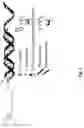
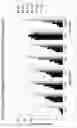
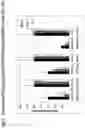
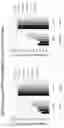
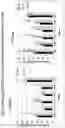
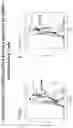
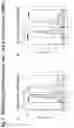
Sources:
- United States Patent and Trademark Office - verify current appl. status at the USPTO↗
Similar patent applications:
- » 20250018030
PHARMACEUTICAL COMPOSITION FOR PROMOTING CANCER IMMUNOTHERAPY AND METHOD FOR PROMOTING CANCER IMMUNOTHERAPY - » 20220162705
METHOD FOR PREDICTING THE RESPONSE TO CANCER IMMUNOTHERAPY IN CANCER PATIENTS - » 20230340099
COMPOSITION COMPRISING CHEMOKINE INHIBITOR, COLONY STIMULATING FACTOR INHIBITOR, AND CANCER IMMUNOTHERAPY AGENT FOR PREVENTION OR TREATMENT OF CANCER AND COMBINATION THERAPY - » 20060251627
Targeted vectors for cancer immunotherapy - » 20060153808
Cancer immunotherapy incorporating p53 - » 20060246095
Multiepitope polypeptides for cancer immunotherapy - » 20060211112
Growth of human dendritic cells for cancer immunotherapy in closed system using microcarrier beads - » 20060127408
Cancer immunotherapy - » 20060171949
Combination cancer immunotherapy with co-stimulatory molecules - » 20060073159
Human anti-cancer immunotherapy
Recent applications in this class:
- » 20250163436 2025-05-22
COMPOSITION FOR REGULATING PRODUCTION OF INTERFERING RIBONUCLEIC ACID - » 20250163435 2025-05-22
COMPOSITION FOR REGULATING PRODUCTION OF INTERFERING RIBONUCLEIC ACID - » 20250163434 2025-05-22
COMPOSITION FOR REGULATING PRODUCTION OF INTERFERING RIBONUCLEIC ACID - » 20250163433 2025-05-22
COMPOSITION FOR REGULATING PRODUCTION OF INTERFERING RIBONUCLEIC ACID - » 20250163432 2025-05-22
COMPOSITION FOR REGULATING PRODUCTION OF INTERFERING RIBONUCLEIC ACID - » 20250101438 2025-03-27
METHODS OF TREATING IMMUNE DYSFUNCTION IN LIVER CANCER WITH TOLL-LIKE RECEPTOR AGONISTS - » 20250075219 2025-03-06
Sequence Multiplicity within Spherical Nucleic Acids - » 20250027091 2025-01-23
LIPID-PEGYLATED COMPOUNDS, PREPARATIONS AND USES THEREOF - » 20250002922 2025-01-02
Compositions and Methods Using CPG Oligonucleotides - » 20250002921 2025-01-02
SPHERICAL NUCLEIC ACIDS FOR cGAS-STING AND STAT3 PATHWAY MODULATION FOR THE IMMUNOTHERAPEUTIC TREATMENT OF CANCER
Recent applications for this Assignee:
- » 20240301430 2024-09-12
CHEMICALLY MODIFIED OLIGONUCLEOTIDES - » 20230089478 2023-03-23
CHEMICALLY MODIFIED OLIGONUCLEOTIDES WITH IMPROVED SYSTEMIC DELIVERY - » 20230002766 2023-01-05
CHEMICALLY MODIFIED OLIGONUCLEOTIDES TARGETING BROMODOMAIN CONTAINING PROTEIN 4 (BRD4) FOR IMMUNOTHERAPY - » 20210348169 2021-11-11
Methods for treating aging and skin disorders using nucleic acids targeting TYR or MMP1 - » 20210261968 2021-08-26
RNA INTERFERENCE IN DERMAL AND FIBROTIC INDICATIONS - » 20210147849 2021-05-20
REDUCED SIZE SELF-DELIVERING RNAI COMPOUNDS - » 20210062195 2021-03-04
RNA interference in ocular indications - » 20200308578 2020-10-01
RNA duplexes with single stranded phosphorothioate nucleotide regions for additional functionality - » 20200215113 2020-07-09
CHEMICALLY MODIFIED OLIGONUCLEOTIDES - » 20200101028 2020-04-02
EFFECTIVE SENSITIZING DOSE OF A GELLED IMMUNOMODULATING TOPICAL COMPOSITION