Semiconductor package, semiconductor device using the same and manufacturing method thereof
US20170084541A1
2017-03-23
15/162,760
2016-05-24
✅ Patent granted
US 9,761,534 B2
2017-09-12
-
-
Sonya D McCall Shepard
McClure, Qualey & Rodack, LLP
2036-05-24
Abstract:
A semiconductor package includes a package substrate, a first electronic component and a second package body. The package substrate includes a first conductive layer, a first pillar layer, a first package body and a second conductive layer, wherein the first pillar layer is formed on the first conductive layer, the first package body encapsulates the first conductive layer and the first pillar layer, and the second conductive layer electrically connects to the first pillar layer. The first electronic component is disposed above the second conductive layer of the package substrate. The second package body encapsulates the first electronic component and the second conductive layer.
Inventors:
- Andrew C. CHANG 14 🇹🇼 Hsinchu City, Taiwan
- Wen-Sung HSU 36 🇹🇼 Zhubei City, Taiwan
- Shih-Chin LIN 11 🇹🇼 Taoyuan City, Taiwan
- Tao CHENG 7 🇹🇼 Zhubei City, Taiwan
- Andrew C. Chang 11 🇹🇼 Hsinchu, Taiwan
- Wen-Sung Hsu 34 🇹🇼 Zhubei, Taiwan
- Shih-Chin Lin 10 🇹🇼 Taoyuan, Taiwan
- Tao Cheng 7 🇹🇼 Zhubei, Taiwan
Assignee:
- MEDIATEK INC. 3,761 🇹🇼 Hsin-Chu, Taiwan
Applicant:
Interested in similar patents?
Get notified when new applications in this technology area are published.
Classification:
H01L23/5384 » CPC further
Details of semiconductor or other solid state devices; Arrangements for conducting electric current within the device in operation from one component to another, i.e. interconnections, e.g. wires, lead frames the interconnection structure between a plurality of semiconductor chips being formed on, or in, insulating substrates Conductive vias through the substrate with or without pins, e.g. buried coaxial conductors
H01L23/5386 » CPC further
Details of semiconductor or other solid state devices; Arrangements for conducting electric current within the device in operation from one component to another, i.e. interconnections, e.g. wires, lead frames the interconnection structure between a plurality of semiconductor chips being formed on, or in, insulating substrates Geometry or layout of the interconnection structure
H01L23/5389 » CPC main
Details of semiconductor or other solid state devices; Arrangements for conducting electric current within the device in operation from one component to another, i.e. interconnections, e.g. wires, lead frames the interconnection structure between a plurality of semiconductor chips being formed on, or in, insulating substrates the chips being integrally enclosed by the interconnect and support structures
H01L21/486 » CPC further
Processes or apparatus adapted for the manufacture or treatment of semiconductor or solid state devices or of parts thereof; Manufacture or treatment of semiconductor devices or of parts thereof the devices having at least one potential-jump barrier or surface barrier, e.g. PN junction, depletion layer or carrier concentration layer; Manufacture or treatment of parts, e.g. containers, prior to assembly of the devices, using processes not provided for in a single one of the subgroups -; Conductive parts; Leads on or in insulating or insulated substrates, e.g. metallisation Via connections through the substrate with or without pins
H01L21/4853 » CPC further
Processes or apparatus adapted for the manufacture or treatment of semiconductor or solid state devices or of parts thereof; Manufacture or treatment of semiconductor devices or of parts thereof the devices having at least one potential-jump barrier or surface barrier, e.g. PN junction, depletion layer or carrier concentration layer; Manufacture or treatment of parts, e.g. containers, prior to assembly of the devices, using processes not provided for in a single one of the subgroups -; Conductive parts; Leads on or in insulating or insulated substrates, e.g. metallisation Connection or disconnection of other leads to or from a metallisation, e.g. pins, wires, bumps
H01L21/565 » CPC further
Processes or apparatus adapted for the manufacture or treatment of semiconductor or solid state devices or of parts thereof; Manufacture or treatment of semiconductor devices or of parts thereof the devices having at least one potential-jump barrier or surface barrier, e.g. PN junction, depletion layer or carrier concentration layer; Assembly of semiconductor devices using processes or apparatus not provided for in a single one of the subgroups - , e.g. sealing of a cap to a base of a container; Encapsulations, e.g. encapsulation layers, coatings Moulds
H01L21/568 » CPC further
Processes or apparatus adapted for the manufacture or treatment of semiconductor or solid state devices or of parts thereof; Manufacture or treatment of semiconductor devices or of parts thereof the devices having at least one potential-jump barrier or surface barrier, e.g. PN junction, depletion layer or carrier concentration layer; Assembly of semiconductor devices using processes or apparatus not provided for in a single one of the subgroups - , e.g. sealing of a cap to a base of a container; Encapsulations, e.g. encapsulation layers, coatings Temporary substrate used as encapsulation process aid
H01L23/3114 » CPC further
Details of semiconductor or other solid state devices; Encapsulations, e.g. encapsulating layers, coatings, e.g. for protection characterised by the arrangement or shape the device being completely enclosed the device being a chip scale package, e.g. CSP
H01L25/00 IPC
Assemblies consisting of a plurality of individual semiconductor or other solid state devices ; Multistep manufacturing processes thereof
H01L25/50 » CPC further
Assemblies consisting of a plurality of individual semiconductor or other solid state devices ; Multistep manufacturing processes thereof Multistep manufacturing processes of assemblies consisting of devices, each device being of a type provided for in group or
H01L2225/1041 » CPC further
Details relating to assemblies covered by the group but not provided for in its subgroups; All the devices being of a type provided for in the same subgroup of groups - the devices having separate containers the devices being of a type provided for in group the containers being in a stacked arrangement Special adaptations for top connections of the lowermost container, e.g. redistribution layer, integral interposer
H01L2225/1058 » CPC further
Details relating to assemblies covered by the group but not provided for in its subgroups; All the devices being of a type provided for in the same subgroup of groups - the devices having separate containers the devices being of a type provided for in group the containers being in a stacked arrangement; Details of electrical connections between containers Bump or bump-like electrical connections, e.g. balls, pillars, posts
H01L23/538 IPC
Details of semiconductor or other solid state devices; Arrangements for conducting electric current within the device in operation from one component to another, i.e. interconnections, e.g. wires, lead frames the interconnection structure between a plurality of semiconductor chips being formed on, or in, insulating substrates
H01L23/31 IPC
Details of semiconductor or other solid state devices; Encapsulations, e.g. encapsulating layers, coatings, e.g. for protection characterised by the arrangement or shape
H01L25/10 » CPC further
Assemblies consisting of a plurality of individual semiconductor or other solid state devices ; Multistep manufacturing processes thereof all the devices being of a type provided for in the same subgroup of groups - , e.g. assemblies of rectifier diodes the devices having separate containers
H01L21/48 IPC
Processes or apparatus adapted for the manufacture or treatment of semiconductor or solid state devices or of parts thereof; Manufacture or treatment of semiconductor devices or of parts thereof the devices having at least one potential-jump barrier or surface barrier, e.g. PN junction, depletion layer or carrier concentration layer Manufacture or treatment of parts, e.g. containers, prior to assembly of the devices, using processes not provided for in a single one of the subgroups -
H01L21/56 IPC
Processes or apparatus adapted for the manufacture or treatment of semiconductor or solid state devices or of parts thereof; Manufacture or treatment of semiconductor devices or of parts thereof the devices having at least one potential-jump barrier or surface barrier, e.g. PN junction, depletion layer or carrier concentration layer; Assembly of semiconductor devices using processes or apparatus not provided for in a single one of the subgroups - , e.g. sealing of a cap to a base of a container Encapsulations, e.g. encapsulation layers, coatings
H01L25/162 » CPC further
Assemblies consisting of a plurality of individual semiconductor or other solid state devices ; Multistep manufacturing processes thereof the devices being of types provided for in two or more different main groups of - , e.g. forming hybrid circuits the devices being mounted on two or more different substrates
H01L25/0657 » CPC further
Assemblies consisting of a plurality of individual semiconductor or other solid state devices ; Multistep manufacturing processes thereof all the devices being of a type provided for in the same subgroup of groups - , e.g. assemblies of rectifier diodes the devices not having separate containers the devices being of a type provided for in group Stacked arrangements of devices
H01L21/4846 » CPC further
Processes or apparatus adapted for the manufacture or treatment of semiconductor or solid state devices or of parts thereof; Manufacture or treatment of semiconductor devices or of parts thereof the devices having at least one potential-jump barrier or surface barrier, e.g. PN junction, depletion layer or carrier concentration layer; Manufacture or treatment of parts, e.g. containers, prior to assembly of the devices, using processes not provided for in a single one of the subgroups -; Conductive parts Leads on or in insulating or insulated substrates, e.g. metallisation
H01L23/145 » CPC further
Details of semiconductor or other solid state devices; Mountings, e.g. non-detachable insulating substrates characterised by the material or its electrical properties Organic substrates, e.g. plastic
H01L23/00 IPC
Details of semiconductor or other solid state devices
H01L25/105 » CPC further
Assemblies consisting of a plurality of individual semiconductor or other solid state devices ; Multistep manufacturing processes thereof all the devices being of a type provided for in the same subgroup of groups - , e.g. assemblies of rectifier diodes the devices having separate containers the devices being of a type provided for in group
H01L25/165 » CPC further
Assemblies consisting of a plurality of individual semiconductor or other solid state devices ; Multistep manufacturing processes thereof the devices being of types provided for in two or more different main groups of - , e.g. forming hybrid circuits Containers
H01L23/3128 » CPC further
Details of semiconductor or other solid state devices; Encapsulations, e.g. encapsulating layers, coatings, e.g. for protection characterised by the arrangement or shape the device being completely enclosed a substrate forming part of the encapsulation the substrate having spherical bumps for external connection
H01L23/49816 » CPC further
Details of semiconductor or other solid state devices; Arrangements for conducting electric current to or from the solid state body in operation, e.g. leads, terminal arrangements ; Selection of materials therefor consisting of soldered constructions; Leads, on insulating substrates,; Additional leads joined to the metallisation on the insulating substrate, e.g. pins, bumps, wires, flat leads Spherical bumps on the substrate for external connection, e.g. ball grid arrays [BGA]
H01L24/13 » CPC further
Arrangements for connecting or disconnecting semiconductor or solid-state bodies; Methods or apparatus related thereto; Means for bonding being attached to, or being formed on, the surface to be connected, e.g. chip-to-package, die-attach, "first-level" interconnects; Manufacturing methods related thereto; Bump connectors ; Manufacturing methods related thereto; Structure, shape, material or disposition of the bump connectors prior to the connecting process of an individual bump connector
H01L24/16 » CPC further
Arrangements for connecting or disconnecting semiconductor or solid-state bodies; Methods or apparatus related thereto; Means for bonding being attached to, or being formed on, the surface to be connected, e.g. chip-to-package, die-attach, "first-level" interconnects; Manufacturing methods related thereto; Bump connectors ; Manufacturing methods related thereto; Structure, shape, material or disposition of the bump connectors after the connecting process of an individual bump connector
H01L24/48 » CPC further
Arrangements for connecting or disconnecting semiconductor or solid-state bodies; Methods or apparatus related thereto; Means for bonding being attached to, or being formed on, the surface to be connected, e.g. chip-to-package, die-attach, "first-level" interconnects; Manufacturing methods related thereto; Wire connectors; Manufacturing methods related thereto; Structure, shape, material or disposition of the wire connectors after the connecting process of an individual wire connector
H01L24/81 » CPC further
Arrangements for connecting or disconnecting semiconductor or solid-state bodies; Methods or apparatus related thereto; Methods for connecting semiconductor or other solid state bodies using means for bonding being attached to, or being formed on, the surface to be connected using a bump connector
H01L2224/81005 » CPC further
Indexing scheme for arrangements for connecting or disconnecting semiconductor or solid-state bodies and methods related thereto as covered by; Methods for connecting semiconductor or other solid state bodies using means for bonding being attached to, or being formed on, the surface to be connected using a bump connector involving a temporary auxiliary member not forming part of the bonding apparatus being a temporary or sacrificial substrate
H01L2225/1023 » CPC further
Details relating to assemblies covered by the group but not provided for in its subgroups; All the devices being of a type provided for in the same subgroup of groups - the devices having separate containers the devices being of a type provided for in group the containers being in a stacked arrangement the lowermost container comprising a device support the support being an insulating substrate
H01L2924/1533 » CPC further
Indexing scheme for arrangements or methods for connecting or disconnecting semiconductor or solid-state bodies as covered by; Details of package parts other than the semiconductor or other solid state devices to be connected; Die mounting substrate; Connection portion the connection portion being formed on the die mounting surface of the substrate the connection portion being formed both on the die mounting surface of the substrate and outside the die mounting surface of the substrate
H01L2924/1579 » CPC further
Indexing scheme for arrangements or methods for connecting or disconnecting semiconductor or solid-state bodies as covered by; Details of package parts other than the semiconductor or other solid state devices to be connected; Die mounting substrate; Material with a principal constituent of the material being a polymer, e.g. polyester, phenolic based polymer, epoxy
H01L2924/15311 » CPC further
Indexing scheme for arrangements or methods for connecting or disconnecting semiconductor or solid-state bodies as covered by; Details of package parts other than the semiconductor or other solid state devices to be connected; Die mounting substrate; Connection portion the connection portion being formed only on the surface of the substrate opposite to the die mounting surface being a ball array, e.g. BGA
H01L2924/19041 » CPC further
Indexing scheme for arrangements or methods for connecting or disconnecting semiconductor or solid-state bodies as covered by; Details of hybrid assemblies other than the semiconductor or other solid state devices to be connected; Structure; Component type being a capacitor
H01L2924/19042 » CPC further
Indexing scheme for arrangements or methods for connecting or disconnecting semiconductor or solid-state bodies as covered by; Details of hybrid assemblies other than the semiconductor or other solid state devices to be connected; Structure; Component type being an inductor
H01L2924/19043 » CPC further
Indexing scheme for arrangements or methods for connecting or disconnecting semiconductor or solid-state bodies as covered by; Details of hybrid assemblies other than the semiconductor or other solid state devices to be connected; Structure; Component type being a resistor
H01L2924/19106 » CPC further
Indexing scheme for arrangements or methods for connecting or disconnecting semiconductor or solid-state bodies as covered by; Details of hybrid assemblies other than the semiconductor or other solid state devices to be connected; Disposition of discrete passive components in a mirrored arrangement on two different side of a common die mounting substrate
H01L23/48 IPC
Details of semiconductor or other solid state devices Arrangements for conducting electric current to or from the solid state body in operation, e.g. leads, terminal arrangements ; Selection of materials therefor
H01L23/52 IPC
Details of semiconductor or other solid state devices Arrangements for conducting electric current within the device in operation from one component to another, i.e. interconnections, e.g. wires, lead frames
H01L29/40 IPC
Semiconductor devices adapted for rectifying, amplifying, oscillating or switching, or capacitors or resistors with at least one potential-jump barrier or surface barrier, e.g. PN junction depletion layer or carrier concentration layer; Details of semiconductor bodies or of electrodes thereof; Multistep manufacturing processes therefor Electrodes ; Multistep manufacturing processes therefor
H01L23/14 IPC
Details of semiconductor or other solid state devices; Mountings, e.g. non-detachable insulating substrates characterised by the material or its electrical properties
H01L25/065 IPC
Assemblies consisting of a plurality of individual semiconductor or other solid state devices ; Multistep manufacturing processes thereof all the devices being of a type provided for in the same subgroup of groups - , e.g. assemblies of rectifier diodes the devices not having separate containers the devices being of a type provided for in group
H01L23/498 IPC
Details of semiconductor or other solid state devices; Arrangements for conducting electric current to or from the solid state body in operation, e.g. leads, terminal arrangements ; Selection of materials therefor consisting of soldered constructions Leads, on insulating substrates,
H01L23/49827 » CPC further
Details of semiconductor or other solid state devices; Arrangements for conducting electric current to or from the solid state body in operation, e.g. leads, terminal arrangements ; Selection of materials therefor consisting of soldered constructions; Leads, on insulating substrates, Via connections through the substrates, e.g. pins going through the substrate, coaxial cables
H01L23/50 » CPC further
Details of semiconductor or other solid state devices; Arrangements for conducting electric current to or from the solid state body in operation, e.g. leads, terminal arrangements ; Selection of materials therefor for integrated circuit devices, e.g. power bus, number of leads
H01L25/16 » CPC further
Assemblies consisting of a plurality of individual semiconductor or other solid state devices ; Multistep manufacturing processes thereof the devices being of types provided for in two or more different main groups of - , e.g. forming hybrid circuits
Description
This application claims the benefit of U.S. Provisional application Ser. No. 62/221,262, filed Sep. 21, 2015, the disclosure of which is incorporated by reference herein in its entirety.
FIELD OF THE INVENTION
The invention relates to a semiconductor package, a semiconductor device using the same and a manufacturing method thereof, and more particularly to a thin semiconductor package, a semiconductor device using the same and a manufacturing method thereof.
BACKGROUND OF THE INVENTION
In the electronics industry, high integration and multiple functions with high performance become essential for new products. And meanwhile, high integration may cause higher manufacturing cost, since the manufacturing cost is in proportional to its size. Therefore, demanding on miniaturization of integrated circuit (IC) packages has become more and more critical.
Package-on-package (PoP) is now the fastest growing semiconductor package technology since it is a cost-effective solution to high-density system integration in a single package. In a PoP structure, various packages are integrated in a single semiconductor package to reduce the size. Accordingly, there exists a need to provide a semiconductor package to overcomes, or at least reduces the above-mentioned problems.
Therefore, it is important to increase the performance of the 3D graphic processing circuit while reducing the consumption of the electric power and extending the operating time of the mobile device.
SUMMARY OF THE INVENTION
In one embodiment of the invention, a semiconductor package is provided. The semiconductor package includes a package substrate, a first electronic component and a second package body. The package substrate includes a first conductive layer, a first pillar layer, a first package body and a second conductive layer, wherein the first pillar layer is formed on the first conductive layer, the first package body encapsulates the first conductive layer and the first pillar layer, and the second conductive layer electrically connects to the first pillar layer. The first electronic component is disposed above the second conductive layer of the package substrate. The second package body encapsulates the first electronic component and the second conductive layer.
In another embodiment of the invention, a semiconductor device is provided. The semiconductor device includes a semiconductor package, a second pillar layer and a third electronic component. The semiconductor package includes a package substrate, a first electronic component and a second package body. The package substrate includes a first conductive layer, a first pillar layer, a first package body and a second conductive layer, wherein the first pillar layer is formed on the first conductive layer, the first package body encapsulates the first conductive layer and the first pillar layer, and the second conductive layer electrically connects to the first pillar layer. The first electronic component is disposed above the second conductive layer of the package substrate. The second package body encapsulates the first electronic component and the second conductive layer. The second pillar layer is formed on the second conductive layer of the semiconductor package. The third electronic component is disposed above the second package body and electrically connects to the package substrate through the second pillar layer. The second package body further encapsulates the second pillar layer.
In another embodiment of the invention, a manufacturing method of a semiconductor package is provided. The manufacturing method includes the following steps. A carrier is provided; a package body is formed and includes the steps of forming a first conductive layer on the carrier, forming a first pillar layer on the first conductive layer, forming a first package body encapsulating the first conductive layer and the first pillar layer, and forming a second conductive layer on the first pillar layer; a first electronic component is disposed above the second conductive layer of the package substrate; a second package body encapsulating the first electronic component and the second conductive layer is formed, and the carrier is removed.
In another embodiment of the invention, a manufacturing method of a semiconductor device is provided. The manufacturing method includes the following steps. A carrier is provided; a package body is formed and includes the steps of forming a first conductive layer on the carrier, forming a first pillar layer on the first conductive layer, forming a first package body encapsulating the first conductive layer and the first pillar layer, and forming a second conductive layer on the first pillar layer; a first electronic component is disposed above the second conductive layer of the package substrate; a second package body encapsulating the first electronic component, the second conductive layer and the second pillar layer is formed, and the carrier is removed.
Numerous objects, features and advantages of the invention will be readily apparent upon a reading of the following detailed description of embodiments of the invention when taken in conjunction with the accompanying drawings. However, the drawings employed herein are for the purpose of descriptions and should not be regarded as limiting.
BRIEF DESCRIPTION OF THE DRAWINGS
The above objects and advantages of the invention will become more readily apparent to those ordinarily skilled in the art after reviewing the following detailed description and accompanying drawings, in which:
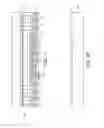
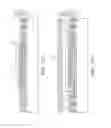
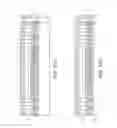
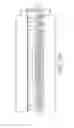
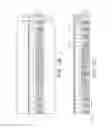
FIG. 1 illustrates a diagram of a semiconductor package according to an embodiment of the invention;
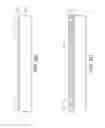
FIG. 2 illustrates a diagram of a semiconductor package according to another embodiment of the invention;
FIG. 3 illustrates a diagram of a semiconductor package according to another embodiment of the invention;
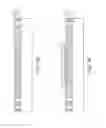
FIG. 4 illustrates a diagram of a semiconductor package according to another embodiment of the invention;
FIG. 5 illustrates a diagram of a semiconductor package according to another embodiment of the invention;
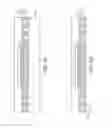
FIG. 6 illustrates a diagram of a semiconductor device according to one embodiment of the invention;
FIG. 7 illustrates a diagram of a semiconductor device according to another embodiment of the invention;
FIGS. 8A to 8H illustrate manufacturing processes of the semiconductor package of FIG. 1;
FIGS. 9A to 9B illustrate manufacturing processes of the semiconductor package of FIG. 2;
FIGS. 10A to 10C illustrate manufacturing processes of the semiconductor package of FIG. 3;
FIGS. 11A to 11H illustrate manufacturing processes of the semiconductor package of FIG. 4; and
FIGS. 12A to 12C illustrate manufacturing processes of the semiconductor package of FIG. 5.
DETAILED DESCRIPTION OF PREFERRED EMBODIMENTS
FIG. 1 illustrates a diagram of a semiconductor package 100 according to an embodiment of the invention. The semiconductor package 100 includes a package substrate 110, a first electronic component 120, a second package body 130, a second electronic component 140 and at least one conductive contact 150.
The package substrate 110 includes a first conductive layer 111, a first pillar layer 112, a first package body 113 and a second conductive layer 114.
The first conductive layer 111 includes a plurality of elements 1111, such as pads, traces or combination thereof. Each element 1111 has a first lower surface 1111b and a first lateral surface 1111s, and the first package body 113 has a second lower surface 113b. The first lower surface 1111b is exposed from the second lower surface 113b, and the first lower surface 1111b is aligned with the second lower surface 113b. Each element 1111 may be a multi-layered structure or single-layered structure. For example, each element 1111 includes nickel layer, gold layer, palladium layer, copper layer or combination thereof.
The first pillar layer 112 connects the first conductive layer 111 to the second conductive layer 114. In the present embodiment, the first pillar layer 112 includes a plurality of pillars 1121. The pillars 1121 are made of a material such as copper. Each pillar 1121 has a first upper surface 1121u, and the first package body 113 has a second upper surface 113u, wherein the first upper surface 1121u is exposed from the second upper surface 113u and aligned with the second upper surface 113u.
The first package body 113 encapsulates the first conductive layer 111 and the first pillar layer 112. For example, the first package body 113 encapsulates the first lateral surface 1111s of the first conductive layer 111 and the lateral surface of each pillar 1121.
The first package body 113 may be a molding compound which is made of a material including, for example, a Novolac-based resin, an epoxy-based resin, a silicone-based resin, or another suitable encapsulant. Suitable fillers also can be included, such as powdered SiO2.
Since the first package body 113 is the molding compound, the package substrate 110 has thin thickness t1. Compared to the silicon substrate, the thickness t1 of the package substrate 110 is much smaller. In general, the silicon substrate has a thickness larger than 100 micrometers. In the present embodiment, the thickness t1 of the package substrate 110 is smaller, and accordingly the thickness t2 of the semiconductor package 100 may be reduced.
The second conductive layer 114 includes a plurality of elements 1141, such as pads, traces or combination thereof. Each element 1141 may be a multi-layered structure or single-layered structure. For example, the element 1141 may be nickel layer, gold layer, copper layer, palladium layer or combination thereof.
In the present embodiment, the first electronic component 120 is coupled to the second conductive layer 114 of the package substrate 110 in a “face-down” orientation and electrically connected to the second conductive layer 114 via a plurality of conductive contacts 121. This configuration is sometimes referred to as “flip-chip”. The conductive contact 121 may be solder ball, conductive pillar, etc.
In other embodiments, the first electronic component 120 may be coupled to the package substrate 110 in a “face-up” orientation, and electrically connected to the package substrate 110 via a plurality of conductive bond wires (not shown). The first electronic component 120 may be an active chip or a passive component, such as a resistor, an inductor or a capacitor. In another embodiment, the number of the first electronic component 120 may be several. In addition, the first electronic component 120 may be, for example, a chip, a passive component, etc.
The second package body 130 formed on the second upper surface 113u of the package substrate 110 encapsulates the second conductive layer 114 and the first electronic component 120. The second package body 130 may be made of a material which is the same as that of the first package body 113.
The second electronic component 140 is disposed on the first lower surface 1111b of the first substrate 110 and electrically connects to the first conductive layer 111. In one embodiment, the second electronic component 140 is, for example, passive component, such as a resistor, an inductor or a capacitor.
The conductive contacts 150 are disposed on the first lower surface 1111b of the first substrate 110. The semiconductor package 100 is disposed on and electrically connected to an exterior circuit, such as a circuit board, through the conductive contacts 150. The conductive contacts 150 may be solder ball, conductive pillar, etc.
FIG. 2 illustrates a diagram of a semiconductor package 200 according to another embodiment of the invention. The semiconductor package 200 includes the package substrate 110, the first electronic component 120, the second package body 130, the second electronic component 140, at least one conductive contact 150, a second pillar layer 260 and an interposer 270.
The second package body 130 further encapsulates the second pillar layer 260. The second pillar layer 260 includes a plurality of pillars 261 connecting the second conductive layer 114 to the interposer 270.
The interposer 270 is disposed on the second package body 130 and electrically connects to the package substrate 110 through the second pillar layer 260 encapsulated within second package body 130. The interposer 270 may be electrically connected to the first electronic component 120 through the second pillar layer 260 and the package substrate 110.
Each pillar 261 has a third upper surface 261u, and the second package body 130 has a fourth upper surface 130u, wherein the third upper surface 261u is exposed from the fourth upper surface 130u and aligned with the fourth upper surface 130u.
FIG. 3 illustrates a diagram of a semiconductor package 300 according to another embodiment of the invention. The semiconductor package 300 includes the package substrate 110, the first electronic component 120, the second package body 130, the second electronic component 140, at least one conductive contact 150, the second pillar layer 260 and a fourth conductive layer 370.
The second package body 130 encapsulates the second conductive layer 114, the second pillar layer 260 and the fourth conductive layer 370.
The second pillar layer 260 electrically connects the second conductive layer 114 to the fourth conductive layer 370, such that the first electronic component 120 may electrically connect the fourth conductive layer 370 through the package substrate 110 and the second pillar layer 260.
The fourth conductive layer 370 includes a plurality of elements 371, such as pads, traces or combination thereof. Each element 371 has a fifth upper surface 371u, and the second package body 130 has the fourth upper surface 130u, wherein the fifth upper surface 371u is exposed from the fourth upper surface 130u and aligned with the fourth upper surface 130u.
Each element 371 may be a multi-layered structure or single-layered structure. For example, the each element 371 includes nickel layer, gold layer, palladium layer, copper layer or combination thereof.
The fourth conductive layer 370 is embedded in the second package body 130. For example, each element 371 (trace or pad) has a second lateral surface 371s which is encapsulated by the second package body 130. Since the fourth conductive layer 370 is embedded in the second package body 130, the second package body 130 has a thin thickness t3.
FIG. 4 illustrates a diagram of a semiconductor package 400 according to another embodiment of the invention. The semiconductor package 400 includes a package substrate 410, the first electronic component 120, the second package body 130, the second electronic component 140, at least one conductive contact 150, the second pillar layer 260 and the interposer 270.
In the present embodiment, the package substrate 410 is multi-layered package structure. For example, the package substrate 410 includes the first conductive layer 111, the first pillar layer 112, the first package body 113, the second conductive layer 114, a third conductive layer 411, a third pillar layer 412 and a third package body 413. The first conductive layer 111, the first pillar layer 112 and the first package body 113 together form a first single-layered package structure, and the third conductive layer 411, the third pillar layer 412 and the third package body 413 form a second single-layered package structure. In another embodiment, the number of the layers of the package substrate 410 may be more than two.
The third conductive layer 411 is formed on the second upper surface 113u of the first package body 113 and electrical connects to the first pillar layer 112. The third pillar layer 412 connects the third conductive layer 411 to the second conductive layer 114. The third package body 413 encapsulates the third pillar layer 412 and the third conductive layer 411. In the present embodiment, the second conductive layer 114 is formed on a sixth upper surface 413u of the third package body 413 and electrically connects to the first conductive layer 111 through the third conductive layer 411, the third pillar layer 412 and the first pillar layer 112.
In addition, the third package body 413 may be made of a material which is the same as that of the first package body 113.
Since the first package body 113 and the third package body 413 are the molding compounds, the package substrate 410 has thin thickness t1. Compared to the silicon substrate, the thickness t1 of the package substrate 410 is much smaller. In general, the silicon substrate has the thickness larger than 100 micrometers. In the present embodiment, the thickness t1 of the package substrate 410 is smaller, and accordingly the thickness t2 of the semiconductor package 100 may be reduced.
FIG. 5 illustrates a diagram of a semiconductor package 500 according to another embodiment of the invention. The semiconductor package 500 includes the package substrate 410, the first electronic component 120, the second package body 130, the second electronic component 140, at least one conductive contact 150, the second pillar layer 260 and the fourth conductive layer 370.
In the present embodiment, since the fourth conductive layer 370 is embedded in the second package body 130, the second package body 130 has the thin thickness t3. The second pillar layer 260 electrically connects the second conductive layer 114 to the fourth conductive layer 370, such that the first electronic component 120 may electrically connect the fourth conductive layer 370 through the package substrate 410 and the second pillar layer 260.
FIG. 6 illustrates a diagram of a semiconductor device 10 according to one embodiment of the invention. The semiconductor device 10 includes the semiconductor package 200 and a third electronic component 11. In another embodiment, the third electronic component 11 may be a semiconductor package including a plurality of dies, such as DRAMs stacked to each other.
The third electronic component 11 is disposed on the interposer 270 of the semiconductor package 200 in a “face-down” orientation and electrically connected to the interposer 270 via a plurality of conductive contacts 115. The conductive contacts 115 may be solder ball, conductive pillar, etc. In another embodiment, the third electronic component 11 is disposed on the interposer 270 in a “face-up” orientation and electrically connected to the interposer 270 via a plurality of conductive bond wires (not shown). The third electronic component 11 electrically connects to the first electronic component 120 through the interposer 270, the second pillar layer 260 and the package substrate 110. In addition, the third electronic component 11 electrically connects to the conductive contacts 150 through the interposer 270, the second pillar layer 260 and the package substrate 110.
FIG. 7 illustrates a diagram of a semiconductor device 20 according to another embodiment of the invention. The semiconductor device 20 includes the semiconductor package 300 and a third electronic component 11.
The third electronic component 11 is disposed on the fourth conductive layer 370 of the semiconductor package 300 in a “face-down” orientation or in a “face-up” orientation. The third electronic component 11 electrically connects to the first electronic component 120 through the fourth conductive layer 370, the second pillar layer 260 and the package substrate 110. In addition, the third electronic component 11 electrically connects to the conductive contacts 150 through the fourth conductive layer 370, the second pillar layer 260 and the package substrate 110.
In another embodiment, the third electronic component 11 may be disposed on the interposer 270 of the semiconductor package 400 of FIG. 4 to form another semiconductor device. In other embodiment, the third electronic component 11 may be disposed on the fourth conductive layer 370 of the semiconductor package 500 of FIG. 5 to form another semiconductor device.
FIGS. 8A to 8H illustrate manufacturing processes of the semiconductor package 100 of FIG. 1.
Referring to FIG. 8A, a carrier 180 is provided. The carrier 180 may be formed by a metal plate comprising of copper, iron or steel.
Referring to FIG. 8A, the first conductive layer 111 is formed on the carrier 180 using, for example, photolithography, electroless plating, electrolytic plating, printing, sputtering, vacuum deposition, etc.
Referring to FIG. 8B, the first pillar layer 112 is formed on the first conductive layer 111 using, for example, photolithography, electroless plating, electrolytic plating, printing, sputtering, vacuum deposition, etc.
Referring to FIG. 8C, the first package body 113 encapsulating the first conductive layer 111 and the first pillar layer 112 is formed on an upper surface 180u of the carrier 180. The first package body 113 may be formed by various packaging technologies, such as, for example, compression molding, injection molding, transfer molding or dispensing technology.
In the present embodiment, the first package body 113 may be grinded, such that the first upper surface 1121u of each pillar 1121 is exposed from the second upper surface 113u of the first package body 113, wherein the first upper surface 1121u is aligned with the second upper surface 113u.
Referring to FIG. 8D, the second conductive layer 114 is formed on the first pillar layer 112 using, for example, photolithography, electroless plating, electrolytic plating, printing, sputtering, vacuum deposition, etc. The first conductive layer 111, the first pillar layer 112, the first package body 113 and the second conductive layer 114 form the package substrate 110.
Referring to FIG. 8E, the first electronic component 120 is disposed on second conductive layer 114 of the package substrate 110 through the conductive contacts 121 using, for example, surface mount technology (SMT).
Referring to FIG. 8F, the second package body 130 encapsulating the first electronic component 120 and the second conductive layer 114 is formed on the package substrate 110. The second package body 130 may be formed by various packaging technologies, such as, for example, compression molding, injection molding, transfer molding or dispensing technology.
Referring to FIG. 8G, the carrier 180 is removed using, for example, etching, peeling, etc. After the carrier 180 is removed, the first lower surface 1111b of the first conductive layer 111 and the second lower surface 113b of the first package body 113 are exposed, wherein the first lower surface 1111b and the second lower surface 113b are aligned with each other. For example, the first lower surface 1111b and the second lower surface 113b are coplanar.
Referring to FIG. 8H, the conductive contacts 150 are formed on the first lower surface 1111b of the first conductive layer 111 using, for example, ball mounting technology. In addition, the second electronic component 140 is disposed on the first lower surface 1111b of the first conductive layer 111 using, for example, SMT.
FIGS. 9A to 9B illustrate manufacturing processes of the semiconductor package 200 of FIG. 2.
Referring to FIG. 9A, the interposer 270 connects to the package substrate 110 through the second pillar layer 260. The interposer 270 may electrically connect to the first electronic component 120 through the second pillar layer 260 and the package substrate 110.
Referring to FIG. 9B, the second package body 130 encapsulating the first electronic component 120, the second conductive layer 114 and second pillar layer 260 is formed between the package substrate 110 and the interposer 270. The second package body 130 may be formed by various packaging technologies, such as, for example, compression molding, injection molding, transfer molding or dispensing technology.
Then, referring to FIG. 9B, the carrier 180 is removed. After the carrier 180 is removed, the first lower surface 1111b of the first conductive layer 111 and the second lower surface 113b of the first package body 113 are exposed, wherein the first lower surface 1111b and the second lower surface 113b are aligned with each other. For example, the first lower surface 1111b and the second lower surface 113b are coplanar.
Then, the conductive contacts 150 and the second electronic component 140 are formed on the first lower surface 1111b of the first conductive layer 111 to form the semiconductor package 200 of FIG. 2.
In another embodiment, the third electronic component 11 of FIG. 6 may be disposed on the interposer 270 of FIG. 9B to form the semiconductor device 10 of FIG. 6.
FIGS. 10A to 10C illustrate manufacturing processes of the semiconductor package 300 of FIG. 3.
Referring to FIG. 10A, the fourth conductive layer 370 formed on a carrier 190 connects to the package substrate 110 through the second pillar layer 260. The fourth conductive layer 370 may electrically connect to the first electronic component 120 through the second pillar layer 260 and the package substrate 110.
Referring to FIG. 10B, the second package body 130 encapsulating the first electronic component 120, the second conductive layer 114, the second pillar layer 260 and the fourth conductive layer 370 is formed between the package substrate 110 and the carrier 190. The second package body 130 may be formed by various packaging technologies, such as, for example, compression molding, injection molding, transfer molding or dispensing technology.
Referring to FIG. 10C, the carrier 190 is removed to expose the fourth upper surface 130u of the second package body 130 and the fifth upper surface 371u of the fourth conductive layer 370, wherein the fourth upper surface 130u and the fifth upper surface 371u are aligned with each other.
Referring to FIG. 10C, the carrier 180 is removed. After the carrier 180 is removed, the first lower surface 1111b of the first conductive layer 111 and the second lower surface 113b of the first package body 113 are exposed, wherein the first lower surface 1111b and the second lower surface 113b are aligned with each other. For example, the first lower surface 1111b and the second lower surface 113b are coplanar.
Then, the conductive contacts 150 and the second electronic component 140 are formed on the first lower surface 1111b of the first conductive layer 111 to form the semiconductor package 300 of FIG. 3.
In another embodiment, the third electronic component 11 of FIG. 7 may be disposed on the fourth conductive layer 370 of FIG. 10C to form the semiconductor device 20 of FIG. 7.
FIGS. 11A to 11H illustrate manufacturing processes of the semiconductor package 400 of FIG. 4.
Referring to FIG. 11A, the carrier 180 is provided. The carrier 180 may be formed by a metal plate comprising of copper, iron or steel.
Referring to FIG. 11A, the first conductive layer 111, the first pillar layer 112, the first package body 113 are formed on the carrier 180 using the processes, as mentioned above.
Referring to FIG. 11B, the third pillar layer 411 is formed on the first pillar layer 112 using, for example, photolithography, electroless plating, electrolytic plating, printing, sputtering, vacuum deposition, etc.
Referring to FIG. 11B, the third pillar layer 412 is formed on the third pillar layer 411 using, for example, photolithography, electroless plating, electrolytic plating, printing, sputtering, vacuum deposition, etc.
Referring to FIG. 11C, the third package body 413 encapsulating the third conductive layer 411 and the third pillar layer 412 is formed on the second upper surface 113u of the first package body 113. The third package body 413 may be formed by various packaging technologies, such as, for example, compression molding, injection molding, transfer molding or dispensing technology.
In the present embodiment, the third package body 413 may be grinded, such that an upper surface 412u of the third pillar layer 412 is exposed from the sixth upper surface 413u of the third package body 413, wherein the upper surface 412u is aligned with the sixth upper surface 413u.
Referring to FIG. 11D, the second conductive layer 114 is formed on the third pillar layer 412 using, for example, photolithography, electroless plating, electrolytic plating, printing, sputtering, vacuum deposition, etc. The first conductive layer 111, the first pillar layer 112, the first package body 113, the second conductive layer 114, the third conductive layer 411, the third pillar layer 412 and the third package body 413 form the package substrate 410.
Referring to FIG. 11E, the first electronic component 120 is disposed on second conductive layer 114 of the package substrate 410 through the conductive contacts 121 using, for example, surface mount technology (SMT).
Referring to FIG. 11F, the interposer 270 connects to the package substrate 410 through the second pillar layer 260. The interposer 270 may electrically connect to the first electronic component 120 through the second pillar layer 260 and the package substrate 410.
Referring to FIG. 11G, the second package body 130 encapsulating the first electronic component 120, the second conductive layer 114 and second pillar layer 260 is formed between the package substrate 410 and the interposer 270. The second package body 130 may be formed by various packaging technologies, such as, for example, compression molding, injection molding, transfer molding or dispensing technology.
Referring to FIG. 11H, the carrier 180 is removed using, for example, etching, peeling, etc. After the carrier 180 is removed, the first lower surface 1111b of the first conductive layer 111 and the second lower surface 113b of the first package body 113 are exposed, wherein the first lower surface 1111b and the second lower surface 113b are aligned with each other. For example, the first lower surface 1111b and the second lower surface 113b are coplanar.
Then, the conductive contacts 150 and the second electronic component 140 are formed on the first lower surface 1111b of the first conductive layer 111 to form the semiconductor package 400 of FIG. 4.
In another embodiment, the third electronic component 11 of FIG. 6 may be disposed on the interposer 270 of FIG. 11H to form another semiconductor device.
FIGS. 12A to 12C illustrate manufacturing processes of the semiconductor package 500 of FIG. 5.
Referring to FIG. 12A, the fourth conductive layer 370 formed on the carrier 190 connects to the package substrate 410 through the second pillar layer 260. The fourth conductive layer 370 may electrically connect to the first electronic component 120 through the second pillar layer 260 and the package substrate 410.
Referring to FIG. 12B, the second package body 130 encapsulating the first electronic component 120, the second conductive layer 114, the second pillar layer 260 and the fourth conductive layer 370 is formed between the package substrate 410 and the carrier 190. The second package body 130 may be formed by various packaging technologies, such as, for example, compression molding, injection molding, transfer molding or dispensing technology.
Referring to FIG. 12C, the carrier 190 is removed to expose the fourth upper surface 130u of the second package body 130 and the fifth upper surface 371u of the fourth conductive layer 370, wherein the fourth upper surface 130u and the fifth upper surface 371u are aligned with each other.
Referring to FIG. 12C, the carrier 180 is removed. After the carrier 180 is removed, the first lower surface 1111b of the first conductive layer 111 and the second lower surface 113b of the first package body 113 are exposed, wherein the first lower surface 1111b and the second lower surface 113b are aligned with each other. For example, the first lower surface 1111b and the second lower surface 113b are coplanar.
Then, the conductive contacts 150 and the second electronic component 140 are formed on the first lower surface 1111b of the first conductive layer 111 to form the semiconductor package 500 of FIG. 5.
In another embodiment, the third electronic component 11 of FIG. 7 may be disposed on the fourth conductive layer 370 of FIG. 12C to form another semiconductor device.
While the invention has been described in terms of what is presently considered to be the most practical and preferred embodiments, it is to be understood that the invention needs not be limited to the disclosed embodiment. On the contrary, it is intended to cover various modifications and similar arrangements included within the spirit and scope of the appended claims which are to be accorded with the broadest interpretation so as to encompass all such modifications and similar structures.
Claims
What is claimed is:1. A semiconductor package, comprising:
a package substrate, comprises:
a first conductive layer;
a first pillar layer formed on the first conductive layer;
a first package body encapsulating the first conductive layer and the first pillar layer; and
a second conductive layer electrically connecting to the first pillar layer;
a first electronic component disposed above the second conductive layer of the package substrate; and
a second package body encapsulating the first electronic component and the second conductive layer.
2. The semiconductor package as claimed in claim 1, wherein the first package body is molding compound.
3. The semiconductor package as claimed in claim 1, further comprises:
a second pillar layer formed on the second conductive layer;
wherein the second package body further encapsulates the second pillar layer.
4. The semiconductor package as claimed in claim 1, wherein the package substrate further comprises:
a third conductive layer formed on the first package body;
a third pillar layer connecting the third conductive layer to the second conductive layer; and
a third package body encapsulating the third pillar layer and the third conductive layer;
wherein the second conductive layer is formed on the third package body.
5. The semiconductor package as claimed in claim 4, wherein the third package body is molding compound.
6. The semiconductor package as claimed in claim 1, wherein the first conductive layer has a first lower surface, the first package body has a second lower surface, the first lower surface is exposed form the second lower surface, and the semiconductor package further comprises:
a second electronic component disposed on the first lower surface of the first conductive layer.
7. The semiconductor package as claimed in claim 1, further comprises:
an interposer disposed on the second package body and electrically connecting to the package substrate.
8. The semiconductor package as claimed in claim 1, further comprises:
a fourth conductive layer; and
a second pillar layer connecting the fourth conductive layer to the second conductive layer;
wherein the second package body encapsulates the second pillar layer and the fourth conductive layer.
9. The semiconductor package as claimed in claim 1, wherein the first pillar layer has a first upper surface, the first package body has a second upper surface, and the first upper surface is aligned with the second upper surface.
10. The semiconductor package as claimed in claim 1, wherein the first conductive layer has a first lower surface, the first package body has a second lower surface, and the first lower surface is aligned with the second lower surface.
11. A semiconductor device, comprising:
a semiconductor package as claimed in claim 1;
a second pillar layer formed on the second conductive layer of the semiconductor package; and
a third electronic component disposed above the second package body and electrically connecting to the package substrate through the second pillar layer;
wherein the second package body further encapsulates the second pillar layer.
12. The semiconductor device as claimed in claim 11, wherein the package substrate further comprises:
a third conductive layer formed on the first package body;
a third pillar layer connecting the third conductive layer to the second conductive layer; and
a third package body encapsulating the third pillar layer and the third package body;
wherein the second conductive layer is formed on the third package body.
13. The semiconductor device as claimed in claim 11, wherein the third package body is molding compound.
14. The semiconductor device as claimed in claim 11, wherein the first conductive layer has a first lower surface, the first package body has a second lower surface, the first lower surface is exposed form the second lower surface, and the semiconductor package further comprises:
a second electronic component disposed on the first lower surface of the first conductive layer.
15. The semiconductor device as claimed in claim 11, further comprises:
an interposer disposed on the second package body and electrically connecting to the package substrate through the second pillar layer.
16. The semiconductor device as claimed in claim 11, further comprises:
a fourth conductive layer;
wherein the second pillar layer connects the fourth conductive layer to the second conductive layer, and the second package body encapsulates the second pillar layer and the fourth conductive layer.
17. The semiconductor device as claimed in claim 11, wherein the first package body is molding compound.
18. The semiconductor device as claimed in claim 11, wherein the first pillar layer has a first upper surface, the first package body has a second upper surface, and the first upper surface is aligned with the second upper surface.
19. The semiconductor device as claimed in claim 11, wherein the first conductive layer has a first lower surface, the first package body has a second lower surface, and the first lower surface is aligned with the second lower surface.
20. The semiconductor device as claimed in claim 11, further comprises:
an interposer disposed on the second package body and electrically connecting to the package substrate through the second pillar layer;
wherein the third electronic component is disposed on and electrically to the interposer.
21. The semiconductor device as claimed in claim 11, further comprises:
a fourth conductive layer;
wherein the second pillar layer connects the fourth conductive layer to the second conductive layer, the second package body encapsulates the second pillar layer and the fourth conductive layer, and the third electronic component is disposed on and electrically to the fourth conductive layer.
22. A manufacturing method of a semiconductor package, comprising:
providing a carrier;
forming a package body, comprising:
forming a first conductive layer on the carrier;
forming a first pillar layer on the first conductive layer;
forming a first package body encapsulating the first conductive layer and the first pillar layer; and
forming a second conductive layer on the first pillar layer;
disposing a first electronic component above the second conductive layer of the package substrate;
forming a second package body encapsulating the first electronic component and the second conductive layer; and
removing the carrier.
23. A manufacturing method of a semiconductor device, comprising:
providing a carrier;
forming a package body, comprising:
forming a first conductive layer on the carrier;
forming a first pillar layer on the first conductive layer;
forming a first package body encapsulating the first conductive layer and the first pillar layer; and
forming a second conductive layer on the first pillar layer;
disposing a first electronic component above the second conductive layer of the package substrate;
connecting a second pillar layer to the package substrate;
forming a second package body encapsulating the first electronic component, the second conductive layer and the second pillar layer;
removing the carrier;
disposing a third electronic component above the second package body, wherein the third electronic component electrically connects to the package substrate through the second pillar layer.
Images & Drawings included:

Sources:
- United States Patent and Trademark Office - verify current appl. status at the USPTO↗
Similar patent applications:
- » 20170194227
Semiconductor package, semiconductor device using the same and manufacturing method thereof - » 20070045859
Semiconductor device, semiconductor package for use therein, and manufacturing method thereof - » 20080230924
Semiconductor device, semiconductor package for use therein, and manufacturing method thereof - » 20100140787
Semiconductor device, semiconductor package for use therein, and manufacturing method thereof - » 20150221843
Semiconductor light emitting device, manufacturing method thereof, and semiconductor light emitting device package using the same - » 10690627
Semiconductor device, semiconductor package for use therein, and manufacturing method thereof - » 20170040292
Semiconductor package, semiconductor device using the same and manufacturing method thereof - » 20240118491
PHOTONIC SEMICONDUCTOR DEVICE, PHOTONIC SEMICONDUCTOR PACKAGE USING THE SAME AND MANUFACTURING METHOD THEREOF - » 20170136582
Composite solder ball, semiconductor package using the same, semiconductor device using the same and manufacturing method thereof - » 20160263709
Composite solder ball, semiconductor package using the same, semiconductor device using the same and manufacturing method thereof
Recent applications in this class:
- » 20250293174 2025-09-18
SEMICONDUCTOR DEVICE AND METHOD OF MANUFACTURE - » 20250293173 2025-09-18
CHIP PACKAGE AND METHOD OF FORMING THE SAME - » 20250293172 2025-09-18
SEMICONDUCTOR PACKAGE WITH BRIDGE DIE OVER EMBEDDED INTERPOSER - » 20250285986 2025-09-11
SCALABLE ELECTRONICS MANUFACTURING WITH RIGID TILE PANEL EMBEDDING - » 20250273586 2025-08-28
PACKAGE COMPRISING A BASE PORTION AND INTEGRATED DEVICES - » 20250273585 2025-08-28
PACKAGE COMPRISING SUBSTRATES AND INTEGRATED DEVICES - » 20250266367 2025-08-21
CHIP PACKAGE AND MANUFACTURING METHOD THEREOF - » 20250266366 2025-08-21
PACKAGING STRUCTURE, METHOD FOR PREPARING PACKAGING STRUCTURE, AND ELECTRONIC DEVICE - » 20250253261 2025-08-07
ELECTRONIC PACKAGE AND MANUFACTURING METHOD THEREOF - » 20250253260 2025-08-07
CHIP PACKAGE AND METHOD OF FORMING THE SAME
Recent applications for this Assignee:
- » 20250274873 2025-08-28
METHOD AND APPARATUS OF PERFORMING POWER CONTROL ON WIRELESS COMMUNICATION DEVICE WITH POWER ESTIMATION CALIBRATION AND RELATED WIRELESS COMMUNICATION DEVICE - » 20250274501 2025-08-28
VIDEO TRANSMISSION METHOD THROUGH DYNAMIC DISPATCHING MPDUS AMONG MULTI-LINKS - » 20250266617 2025-08-21
ANTENNA INCLUDING CONDUCTIVE PLATES AND CONDUCTIVE LOOPS AND CAPABLE OF REDUCING SPURIOUS EMISSIONS - » 20250247505 2025-07-31
IMAGE PROCESSING SYSTEM AND IMAGE PROCESSING METHOD - » 20250233905 2025-07-17
Multimedia System with Dynamic Adaptation - » 20250233593 2025-07-17
Counter System and Method of Driving the Counter System with Zero Accumulated Error - » 20250227077 2025-07-10
Router-Bridge Capable of Fast Exchanging Network Packets - » 20250225301 2025-07-10
METHOD FOR PERFORMING BLOCK LEVEL EXPLORATION OF INTEGRATED CIRCUIT DESIGN, ASSOCIATED ELECTRONIC DEVICE AND ASSOCIATED COMPUTER-READABLE MEDIUM - » 20250224888 2025-07-10
APPARATUS AND METHOD FOR HANDLING SUDDEN POWER LOSS OF STORAGE DEVICE - » 20250224442 2025-07-10
Dynamic Voltage Stress Condition Optimization Method and Dynamic Voltage Stress Condition Optimization System Capable of Performing Block-based Dynamic Voltage Stress Wafer Testing Process