Multi-die package with bridge layer and method for making the same
US20160093597A1
2016-03-31
14/588,715
2015-01-02
✅ Patent granted
US 9,640,521 B2
2017-05-02
-
-
Kimberly Rizkallah | Dilinh Nguyen
Slater Matsil, LLP
2035-02-09
Abstract:
A package structure includes a substrate having a first bond pad layer. A silicon bridge layer having one or more redistribution layers therein. The silicon bridge layer has a second bond pad, and the silicon bridge layer is attached to the substrate by an adhesive layer. A first die is coupled to the substrate and the silicon bridge layer. A second die is coupled to the silicon bridge layer, wherein the first die and the second die communicate with one another by way of the one or more redistribution layers. Power and/or ground connectors are coupled to the first bond pad and the second bond pad for enabling grounding and/or transferring power from the semiconductor substrate to the second die.
Inventors:
- Chen-Shien Chen 319 🇹🇼 Zhubei City, Taiwan
- Mirng-Ji Lii 177 🇹🇼 Sinpu Township, Taiwan
- Yu-Feng Chen 45 🇹🇼 Hsin-Chu, Taiwan
- Wei Sen Chang 34 🇹🇼 Jinsha Township, Taiwan
- Chen-Shien Chen 311 🇹🇼 Zhubei, Taiwan
Assignee:
- TAIWAN SEMICONDUCTOR MANUFACTURING COMPANY, LTD. 8,890 🇹🇼 Hsin-Chu, Taiwan
Applicant:
Interested in similar patents?
Get notified when new applications in this technology area are published.
Classification:
H01L24/17 » CPC further
Arrangements for connecting or disconnecting semiconductor or solid-state bodies; Methods or apparatus related thereto; Means for bonding being attached to, or being formed on, the surface to be connected, e.g. chip-to-package, die-attach, "first-level" interconnects; Manufacturing methods related thereto; Bump connectors ; Manufacturing methods related thereto; Structure, shape, material or disposition of the bump connectors after the connecting process of a plurality of bump connectors
H01L23/3142 » CPC further
Details of semiconductor or other solid state devices; Encapsulations, e.g. encapsulating layers, coatings, e.g. for protection characterised by the arrangement or shape the device being completely enclosed Sealing arrangements between parts, e.g. adhesion promotors
H01L23/3135 » CPC further
Details of semiconductor or other solid state devices; Encapsulations, e.g. encapsulating layers, coatings, e.g. for protection characterised by the arrangement or shape the device being completely enclosed Double encapsulation or coating and encapsulation
H01L23/293 » CPC further
Details of semiconductor or other solid state devices; Encapsulations, e.g. encapsulating layers, coatings, e.g. for protection characterised by the material, e.g. carbon Organic, e.g. plastic
H01L2924/01014 » CPC further
Indexing scheme for arrangements or methods for connecting or disconnecting semiconductor or solid-state bodies as covered by; Chemical elements Silicon [Si]
H01L23/31 IPC
Details of semiconductor or other solid state devices; Encapsulations, e.g. encapsulating layers, coatings, e.g. for protection characterised by the arrangement or shape
H01L23/29 IPC
Details of semiconductor or other solid state devices; Encapsulations, e.g. encapsulating layers, coatings, e.g. for protection characterised by the material, e.g. carbon
H01L25/00 IPC
Assemblies consisting of a plurality of individual semiconductor or other solid state devices ; Multistep manufacturing processes thereof
H01L23/498 IPC
Details of semiconductor or other solid state devices; Arrangements for conducting electric current to or from the solid state body in operation, e.g. leads, terminal arrangements ; Selection of materials therefor consisting of soldered constructions Leads, on insulating substrates,
H01L23/49838 » CPC further
Details of semiconductor or other solid state devices; Arrangements for conducting electric current to or from the solid state body in operation, e.g. leads, terminal arrangements ; Selection of materials therefor consisting of soldered constructions; Leads, on insulating substrates, Geometry or layout
H01L23/5381 » CPC further
Details of semiconductor or other solid state devices; Arrangements for conducting electric current within the device in operation from one component to another, i.e. interconnections, e.g. wires, lead frames the interconnection structure between a plurality of semiconductor chips being formed on, or in, insulating substrates Crossover interconnections, e.g. bridge stepovers
H01L24/85 » CPC further
Arrangements for connecting or disconnecting semiconductor or solid-state bodies; Methods or apparatus related thereto; Methods for connecting semiconductor or other solid state bodies using means for bonding being attached to, or being formed on, the surface to be connected using a wire connector
H01L25/50 » CPC further
Assemblies consisting of a plurality of individual semiconductor or other solid state devices ; Multistep manufacturing processes thereof Multistep manufacturing processes of assemblies consisting of devices, each device being of a type provided for in group or
H01L21/563 » CPC further
Processes or apparatus adapted for the manufacture or treatment of semiconductor or solid state devices or of parts thereof; Manufacture or treatment of semiconductor devices or of parts thereof the devices having at least one potential-jump barrier or surface barrier, e.g. PN junction, depletion layer or carrier concentration layer; Assembly of semiconductor devices using processes or apparatus not provided for in a single one of the subgroups - , e.g. sealing of a cap to a base of a container; Encapsulations, e.g. encapsulation layers, coatings Encapsulation of active face of flip-chip device, e.g. underfilling or underencapsulation of flip-chip, encapsulation preform on chip or mounting substrate
H01L22/14 » CPC further
Testing or measuring during manufacture or treatment; Reliability measurements, i.e. testing of parts without further processing to modify the parts as such; Structural arrangements therefor; Measuring as part of the manufacturing process for electrical parameters, e.g. resistance, deep-levels, CV, diffusions by electrical means
H01L24/81 » CPC further
Arrangements for connecting or disconnecting semiconductor or solid-state bodies; Methods or apparatus related thereto; Methods for connecting semiconductor or other solid state bodies using means for bonding being attached to, or being formed on, the surface to be connected using a bump connector
H01L2224/81815 » CPC further
Indexing scheme for arrangements for connecting or disconnecting semiconductor or solid-state bodies and methods related thereto as covered by; Methods for connecting semiconductor or other solid state bodies using means for bonding being attached to, or being formed on, the surface to be connected using a bump connector; Bonding techniques; Soldering or alloying Reflow soldering
H01L2924/1431 » CPC further
Indexing scheme for arrangements or methods for connecting or disconnecting semiconductor or solid-state bodies as covered by; Details of semiconductor or other solid state devices to be connected; Device type; Integrated circuits; Digital devices Logic devices
H01L2924/1434 » CPC further
Indexing scheme for arrangements or methods for connecting or disconnecting semiconductor or solid-state bodies as covered by; Details of semiconductor or other solid state devices to be connected; Device type; Integrated circuits; Digital devices Memory
H01L25/18 » CPC main
Assemblies consisting of a plurality of individual semiconductor or other solid state devices ; Multistep manufacturing processes thereof the devices being of types provided for in two or more different subgroups of the same main group of groups -
H01L23/49811 » CPC further
Details of semiconductor or other solid state devices; Arrangements for conducting electric current to or from the solid state body in operation, e.g. leads, terminal arrangements ; Selection of materials therefor consisting of soldered constructions; Leads, on insulating substrates, Additional leads joined to the metallisation on the insulating substrate, e.g. pins, bumps, wires, flat leads
H01L23/00 IPC
Details of semiconductor or other solid state devices
H01L21/56 IPC
Processes or apparatus adapted for the manufacture or treatment of semiconductor or solid state devices or of parts thereof; Manufacture or treatment of semiconductor devices or of parts thereof the devices having at least one potential-jump barrier or surface barrier, e.g. PN junction, depletion layer or carrier concentration layer; Assembly of semiconductor devices using processes or apparatus not provided for in a single one of the subgroups - , e.g. sealing of a cap to a base of a container Encapsulations, e.g. encapsulation layers, coatings
H01L24/02 » CPC further
Arrangements for connecting or disconnecting semiconductor or solid-state bodies; Methods or apparatus related thereto; Means for bonding being attached to, or being formed on, the surface to be connected, e.g. chip-to-package, die-attach, "first-level" interconnects; Manufacturing methods related thereto Bonding areas ; Manufacturing methods related thereto
H01L24/14 » CPC further
Arrangements for connecting or disconnecting semiconductor or solid-state bodies; Methods or apparatus related thereto; Means for bonding being attached to, or being formed on, the surface to be connected, e.g. chip-to-package, die-attach, "first-level" interconnects; Manufacturing methods related thereto; Bump connectors ; Manufacturing methods related thereto; Structure, shape, material or disposition of the bump connectors prior to the connecting process of a plurality of bump connectors
H01L24/24 » CPC further
Arrangements for connecting or disconnecting semiconductor or solid-state bodies; Methods or apparatus related thereto; Means for bonding being attached to, or being formed on, the surface to be connected, e.g. chip-to-package, die-attach, "first-level" interconnects; Manufacturing methods related thereto; High density interconnect [HDI] connectors; Manufacturing methods related thereto; Structure, shape, material or disposition of the high density interconnect connectors after the connecting process of an individual high density interconnect connector
H01L24/32 » CPC further
Arrangements for connecting or disconnecting semiconductor or solid-state bodies; Methods or apparatus related thereto; Means for bonding being attached to, or being formed on, the surface to be connected, e.g. chip-to-package, die-attach, "first-level" interconnects; Manufacturing methods related thereto; Layer connectors, e.g. plate connectors, solder or adhesive layers; Manufacturing methods related thereto; Structure, shape, material or disposition of the layer connectors after the connecting process of an individual layer connector
H01L24/73 » CPC further
Arrangements for connecting or disconnecting semiconductor or solid-state bodies; Methods or apparatus related thereto Means for bonding being of different types provided for in two or more of groups , , , , , , ,
H01L24/92 » CPC further
Arrangements for connecting or disconnecting semiconductor or solid-state bodies; Methods or apparatus related thereto; Methods for connecting semiconductor or solid state bodies including different methods provided for in two or more of groups - Specific sequence of method steps
H01L25/0652 » CPC further
Assemblies consisting of a plurality of individual semiconductor or other solid state devices ; Multistep manufacturing processes thereof all the devices being of a type provided for in the same subgroup of groups - , e.g. assemblies of rectifier diodes the devices not having separate containers the devices being of a type provided for in group the devices being arranged next and on each other, i.e. mixed assemblies
H01L25/0655 » CPC further
Assemblies consisting of a plurality of individual semiconductor or other solid state devices ; Multistep manufacturing processes thereof all the devices being of a type provided for in the same subgroup of groups - , e.g. assemblies of rectifier diodes the devices not having separate containers the devices being of a type provided for in group the devices being arranged next to each other
H01L24/03 » CPC further
Arrangements for connecting or disconnecting semiconductor or solid-state bodies; Methods or apparatus related thereto; Means for bonding being attached to, or being formed on, the surface to be connected, e.g. chip-to-package, die-attach, "first-level" interconnects; Manufacturing methods related thereto; Bonding areas ; Manufacturing methods related thereto Manufacturing methods
H01L24/05 » CPC further
Arrangements for connecting or disconnecting semiconductor or solid-state bodies; Methods or apparatus related thereto; Means for bonding being attached to, or being formed on, the surface to be connected, e.g. chip-to-package, die-attach, "first-level" interconnects; Manufacturing methods related thereto; Bonding areas ; Manufacturing methods related thereto; Structure, shape, material or disposition of the bonding areas prior to the connecting process of an individual bonding area
H01L24/06 » CPC further
Arrangements for connecting or disconnecting semiconductor or solid-state bodies; Methods or apparatus related thereto; Means for bonding being attached to, or being formed on, the surface to be connected, e.g. chip-to-package, die-attach, "first-level" interconnects; Manufacturing methods related thereto; Bonding areas ; Manufacturing methods related thereto; Structure, shape, material or disposition of the bonding areas prior to the connecting process of a plurality of bonding areas
H01L24/11 » CPC further
Arrangements for connecting or disconnecting semiconductor or solid-state bodies; Methods or apparatus related thereto; Means for bonding being attached to, or being formed on, the surface to be connected, e.g. chip-to-package, die-attach, "first-level" interconnects; Manufacturing methods related thereto; Bump connectors ; Manufacturing methods related thereto Manufacturing methods
H01L24/13 » CPC further
Arrangements for connecting or disconnecting semiconductor or solid-state bodies; Methods or apparatus related thereto; Means for bonding being attached to, or being formed on, the surface to be connected, e.g. chip-to-package, die-attach, "first-level" interconnects; Manufacturing methods related thereto; Bump connectors ; Manufacturing methods related thereto; Structure, shape, material or disposition of the bump connectors prior to the connecting process of an individual bump connector
H01L24/29 » CPC further
Arrangements for connecting or disconnecting semiconductor or solid-state bodies; Methods or apparatus related thereto; Means for bonding being attached to, or being formed on, the surface to be connected, e.g. chip-to-package, die-attach, "first-level" interconnects; Manufacturing methods related thereto; Layer connectors, e.g. plate connectors, solder or adhesive layers; Manufacturing methods related thereto; Structure, shape, material or disposition of the layer connectors prior to the connecting process of an individual layer connector
H01L24/33 » CPC further
Arrangements for connecting or disconnecting semiconductor or solid-state bodies; Methods or apparatus related thereto; Means for bonding being attached to, or being formed on, the surface to be connected, e.g. chip-to-package, die-attach, "first-level" interconnects; Manufacturing methods related thereto; Layer connectors, e.g. plate connectors, solder or adhesive layers; Manufacturing methods related thereto; Structure, shape, material or disposition of the layer connectors after the connecting process of a plurality of layer connectors
H01L24/48 » CPC further
Arrangements for connecting or disconnecting semiconductor or solid-state bodies; Methods or apparatus related thereto; Means for bonding being attached to, or being formed on, the surface to be connected, e.g. chip-to-package, die-attach, "first-level" interconnects; Manufacturing methods related thereto; Wire connectors; Manufacturing methods related thereto; Structure, shape, material or disposition of the wire connectors after the connecting process of an individual wire connector
H01L24/83 » CPC further
Arrangements for connecting or disconnecting semiconductor or solid-state bodies; Methods or apparatus related thereto; Methods for connecting semiconductor or other solid state bodies using means for bonding being attached to, or being formed on, the surface to be connected using a layer connector
H01L2224/023 » CPC further
Indexing scheme for arrangements for connecting or disconnecting semiconductor or solid-state bodies and methods related thereto as covered by; Means for bonding being attached to, or being formed on, the surface to be connected, e.g. chip-to-package, die-attach, "first-level" interconnects; Manufacturing methods related thereto; Bonding areas; Manufacturing methods related thereto Redistribution layers [RDL] for bonding areas
H01L2224/0239 » CPC further
Indexing scheme for arrangements for connecting or disconnecting semiconductor or solid-state bodies and methods related thereto as covered by; Means for bonding being attached to, or being formed on, the surface to be connected, e.g. chip-to-package, die-attach, "first-level" interconnects; Manufacturing methods related thereto; Bonding areas; Manufacturing methods related thereto; Redistribution layers [RDL] for bonding areas Material of the redistribution layers
H01L2224/02331 » CPC further
Indexing scheme for arrangements for connecting or disconnecting semiconductor or solid-state bodies and methods related thereto as covered by; Means for bonding being attached to, or being formed on, the surface to be connected, e.g. chip-to-package, die-attach, "first-level" interconnects; Manufacturing methods related thereto; Bonding areas; Manufacturing methods related thereto; Redistribution layers [RDL] for bonding areas; Structure of the redistribution layers Multilayer structure
H01L2224/03464 » CPC further
Indexing scheme for arrangements for connecting or disconnecting semiconductor or solid-state bodies and methods related thereto as covered by; Means for bonding being attached to, or being formed on, the surface to be connected, e.g. chip-to-package, die-attach, "first-level" interconnects; Manufacturing methods related thereto; Bonding areas; Manufacturing methods related thereto; Manufacturing methods by blanket deposition of the material of the bonding area; Plating Electroless plating
H01L2224/0401 » CPC further
Indexing scheme for arrangements for connecting or disconnecting semiconductor or solid-state bodies and methods related thereto as covered by; Means for bonding being attached to, or being formed on, the surface to be connected, e.g. chip-to-package, die-attach, "first-level" interconnects; Manufacturing methods related thereto; Bonding areas; Manufacturing methods related thereto; Structure, shape, material or disposition of the bonding areas prior to the connecting process Bonding areas specifically adapted for bump connectors, e.g. under bump metallisation [UBM]
H01L2224/04042 » CPC further
Indexing scheme for arrangements for connecting or disconnecting semiconductor or solid-state bodies and methods related thereto as covered by; Means for bonding being attached to, or being formed on, the surface to be connected, e.g. chip-to-package, die-attach, "first-level" interconnects; Manufacturing methods related thereto; Bonding areas; Manufacturing methods related thereto; Structure, shape, material or disposition of the bonding areas prior to the connecting process Bonding areas specifically adapted for wire connectors, e.g. wirebond pads
H01L2224/06051 » CPC further
Indexing scheme for arrangements for connecting or disconnecting semiconductor or solid-state bodies and methods related thereto as covered by; Means for bonding being attached to, or being formed on, the surface to be connected, e.g. chip-to-package, die-attach, "first-level" interconnects; Manufacturing methods related thereto; Bonding areas; Manufacturing methods related thereto; Structure, shape, material or disposition of the bonding areas prior to the connecting process of a plurality of bonding areas; Shape Bonding areas having different shapes
H01L2224/1132 » CPC further
Indexing scheme for arrangements for connecting or disconnecting semiconductor or solid-state bodies and methods related thereto as covered by; Means for bonding being attached to, or being formed on, the surface to be connected, e.g. chip-to-package, die-attach, "first-level" interconnects; Manufacturing methods related thereto; Bump connectors; Manufacturing methods related thereto; Manufacturing methods by local deposition of the material of the bump connector in liquid form Screen printing, i.e. using a stencil
H01L2224/1141 » CPC further
Indexing scheme for arrangements for connecting or disconnecting semiconductor or solid-state bodies and methods related thereto as covered by; Means for bonding being attached to, or being formed on, the surface to be connected, e.g. chip-to-package, die-attach, "first-level" interconnects; Manufacturing methods related thereto; Bump connectors; Manufacturing methods related thereto; Manufacturing methods by blanket deposition of the material of the bump connector in liquid form
H01L2224/1145 » CPC further
Indexing scheme for arrangements for connecting or disconnecting semiconductor or solid-state bodies and methods related thereto as covered by; Means for bonding being attached to, or being formed on, the surface to be connected, e.g. chip-to-package, die-attach, "first-level" interconnects; Manufacturing methods related thereto; Bump connectors; Manufacturing methods related thereto; Manufacturing methods by blanket deposition of the material of the bump connector in gaseous form Physical vapour deposition [PVD], e.g. evaporation, or sputtering
H01L2224/11334 » CPC further
Indexing scheme for arrangements for connecting or disconnecting semiconductor or solid-state bodies and methods related thereto as covered by; Means for bonding being attached to, or being formed on, the surface to be connected, e.g. chip-to-package, die-attach, "first-level" interconnects; Manufacturing methods related thereto; Bump connectors; Manufacturing methods related thereto; Manufacturing methods by local deposition of the material of the bump connector in solid form using preformed bumps
H01L2224/11444 » CPC further
Indexing scheme for arrangements for connecting or disconnecting semiconductor or solid-state bodies and methods related thereto as covered by; Means for bonding being attached to, or being formed on, the surface to be connected, e.g. chip-to-package, die-attach, "first-level" interconnects; Manufacturing methods related thereto; Bump connectors; Manufacturing methods related thereto; Manufacturing methods by blanket deposition of the material of the bump connector in gaseous form
H01L2224/11462 » CPC further
Indexing scheme for arrangements for connecting or disconnecting semiconductor or solid-state bodies and methods related thereto as covered by; Means for bonding being attached to, or being formed on, the surface to be connected, e.g. chip-to-package, die-attach, "first-level" interconnects; Manufacturing methods related thereto; Bump connectors; Manufacturing methods related thereto; Manufacturing methods by blanket deposition of the material of the bump connector; Plating Electroplating
H01L2224/1403 » CPC further
Indexing scheme for arrangements for connecting or disconnecting semiconductor or solid-state bodies and methods related thereto as covered by; Means for bonding being attached to, or being formed on, the surface to be connected, e.g. chip-to-package, die-attach, "first-level" interconnects; Manufacturing methods related thereto; Bump connectors; Manufacturing methods related thereto; Structure, shape, material or disposition of the bump connectors prior to the connecting process of a plurality of bump connectors; Structure Bump connectors having different sizes, e.g. different diameters, heights or widths
H01L2224/245 » CPC further
Indexing scheme for arrangements for connecting or disconnecting semiconductor or solid-state bodies and methods related thereto as covered by; Means for bonding being attached to, or being formed on, the surface to be connected, e.g. chip-to-package, die-attach, "first-level" interconnects; Manufacturing methods related thereto; High density interconnect [HDI] connectors; Manufacturing methods related thereto; Structure, shape, material or disposition of the high density interconnect connectors after the connecting process of an individual high density interconnect connector Material
H01L2224/24105 » CPC further
Indexing scheme for arrangements for connecting or disconnecting semiconductor or solid-state bodies and methods related thereto as covered by; Means for bonding being attached to, or being formed on, the surface to be connected, e.g. chip-to-package, die-attach, "first-level" interconnects; Manufacturing methods related thereto; High density interconnect [HDI] connectors; Manufacturing methods related thereto; Structure, shape, material or disposition of the high density interconnect connectors after the connecting process of an individual high density interconnect connector; Disposition Connecting bonding areas at different heights
H01L2224/73204 » CPC further
Indexing scheme for arrangements for connecting or disconnecting semiconductor or solid-state bodies and methods related thereto as covered by; Means for bonding being of different types provided for in two or more of groups; Location after the connecting process on the same surface; Bump and layer connectors the bump connector being embedded into the layer connector
H01L2224/73207 » CPC further
Indexing scheme for arrangements for connecting or disconnecting semiconductor or solid-state bodies and methods related thereto as covered by; Means for bonding being of different types provided for in two or more of groups; Location after the connecting process on the same surface Bump and wire connectors
H01L2224/73209 » CPC further
Indexing scheme for arrangements for connecting or disconnecting semiconductor or solid-state bodies and methods related thereto as covered by; Means for bonding being of different types provided for in two or more of groups; Location after the connecting process on the same surface Bump and HDI connectors
H01L2224/73217 » CPC further
Indexing scheme for arrangements for connecting or disconnecting semiconductor or solid-state bodies and methods related thereto as covered by; Means for bonding being of different types provided for in two or more of groups; Location after the connecting process on the same surface Layer and HDI connectors
H01L2224/73253 » CPC further
Indexing scheme for arrangements for connecting or disconnecting semiconductor or solid-state bodies and methods related thereto as covered by; Means for bonding being of different types provided for in two or more of groups; Location after the connecting process on different surfaces Bump and layer connectors
H01L2224/73265 » CPC further
Indexing scheme for arrangements for connecting or disconnecting semiconductor or solid-state bodies and methods related thereto as covered by; Means for bonding being of different types provided for in two or more of groups; Location after the connecting process on different surfaces Layer and wire connectors
H01L2224/73267 » CPC further
Indexing scheme for arrangements for connecting or disconnecting semiconductor or solid-state bodies and methods related thereto as covered by; Means for bonding being of different types provided for in two or more of groups; Location after the connecting process on different surfaces Layer and HDI connectors
H01L2224/814 » CPC further
Indexing scheme for arrangements for connecting or disconnecting semiconductor or solid-state bodies and methods related thereto as covered by; Methods for connecting semiconductor or other solid state bodies using means for bonding being attached to, or being formed on, the surface to be connected using a bump connector; Bonding interfaces outside the semiconductor or solid-state body; Material with a principal constituent of the material being a metal or a metalloid, e.g. boron [B], silicon [Si], germanium [Ge], arsenic [As], antimony [Sb], tellurium [Te] and polonium [Po], and alloys thereof
H01L2224/81191 » CPC further
Indexing scheme for arrangements for connecting or disconnecting semiconductor or solid-state bodies and methods related thereto as covered by; Methods for connecting semiconductor or other solid state bodies using means for bonding being attached to, or being formed on, the surface to be connected using a bump connector; Arrangement of the bump connectors prior to mounting wherein the bump connectors are disposed only on the semiconductor or solid-state body
H01L2224/82815 » CPC further
Indexing scheme for arrangements for connecting or disconnecting semiconductor or solid-state bodies and methods related thereto as covered by; Methods for connecting semiconductor or other solid state bodies using means for bonding being attached to, or being formed on, the surface to be connected by forming build-up interconnects at chip-level, e.g. for high density interconnects [HDI]; Bonding techniques; Soldering or alloying Reflow soldering
H01L2224/83101 » CPC further
Indexing scheme for arrangements for connecting or disconnecting semiconductor or solid-state bodies and methods related thereto as covered by; Methods for connecting semiconductor or other solid state bodies using means for bonding being attached to, or being formed on, the surface to be connected using a layer connector the layer connector being supplied to the parts to be connected in the bonding apparatus as prepeg comprising a layer connector, e.g. provided in an insulating plate member
H01L2224/83104 » CPC further
Indexing scheme for arrangements for connecting or disconnecting semiconductor or solid-state bodies and methods related thereto as covered by; Methods for connecting semiconductor or other solid state bodies using means for bonding being attached to, or being formed on, the surface to be connected using a layer connector the layer connector being supplied to the parts to be connected in the bonding apparatus by applying pressure, e.g. by injection
H01L2224/83862 » CPC further
Indexing scheme for arrangements for connecting or disconnecting semiconductor or solid-state bodies and methods related thereto as covered by; Methods for connecting semiconductor or other solid state bodies using means for bonding being attached to, or being formed on, the surface to be connected using a layer connector; Bonding techniques using a polymer adhesive, e.g. an adhesive based on silicone, epoxy, polyimide, polyester; Hardening the adhesive by curing, i.e. thermosetting Heat curing
H01L2224/83874 » CPC further
Indexing scheme for arrangements for connecting or disconnecting semiconductor or solid-state bodies and methods related thereto as covered by; Methods for connecting semiconductor or other solid state bodies using means for bonding being attached to, or being formed on, the surface to be connected using a layer connector; Bonding techniques using a polymer adhesive, e.g. an adhesive based on silicone, epoxy, polyimide, polyester; Hardening the adhesive by curing, i.e. thermosetting Ultraviolet [UV] curing
H01L2224/8592 » CPC further
Indexing scheme for arrangements for connecting or disconnecting semiconductor or solid-state bodies and methods related thereto as covered by; Methods for connecting semiconductor or other solid state bodies using means for bonding being attached to, or being formed on, the surface to be connected using a wire connector; Post-treatment of the connector or wire bonding area Applying permanent coating, e.g. protective coating
H01L2224/92 » CPC further
Indexing scheme for arrangements for connecting or disconnecting semiconductor or solid-state bodies and methods related thereto as covered by; Methods for connecting semiconductor or solid state bodies including different methods provided for in two or more of groups - Specific sequence of method steps
H01L2224/9202 » CPC further
Indexing scheme for arrangements for connecting or disconnecting semiconductor or solid-state bodies and methods related thereto as covered by; Methods for connecting semiconductor or solid state bodies including different methods provided for in two or more of groups - ; Specific sequence of method steps Forming additional connectors after the connecting process
H01L2224/92125 » CPC further
Indexing scheme for arrangements for connecting or disconnecting semiconductor or solid-state bodies and methods related thereto as covered by; Methods for connecting semiconductor or solid state bodies including different methods provided for in two or more of groups - ; Specific sequence of method steps; Connecting a surface with connectors of different types; Sequential connecting processes the first connecting process involving a bump connector the second connecting process involving a layer connector
H01L2224/92133 » CPC further
Indexing scheme for arrangements for connecting or disconnecting semiconductor or solid-state bodies and methods related thereto as covered by; Methods for connecting semiconductor or solid state bodies including different methods provided for in two or more of groups - ; Specific sequence of method steps; Connecting a surface with connectors of different types; Sequential connecting processes the first connecting process involving a build-up interconnect the second connecting process involving a bump connector
H01L2224/92144 » CPC further
Indexing scheme for arrangements for connecting or disconnecting semiconductor or solid-state bodies and methods related thereto as covered by; Methods for connecting semiconductor or solid state bodies including different methods provided for in two or more of groups - ; Specific sequence of method steps; Connecting a surface with connectors of different types; Sequential connecting processes the first connecting process involving a layer connector the second connecting process involving a build-up interconnect
H01L2224/92147 » CPC further
Indexing scheme for arrangements for connecting or disconnecting semiconductor or solid-state bodies and methods related thereto as covered by; Methods for connecting semiconductor or solid state bodies including different methods provided for in two or more of groups - ; Specific sequence of method steps; Connecting a surface with connectors of different types; Sequential connecting processes the first connecting process involving a layer connector the second connecting process involving a wire connector
H01L2224/92163 » CPC further
Indexing scheme for arrangements for connecting or disconnecting semiconductor or solid-state bodies and methods related thereto as covered by; Methods for connecting semiconductor or solid state bodies including different methods provided for in two or more of groups - ; Specific sequence of method steps; Connecting a surface with connectors of different types; Sequential connecting processes the first connecting process involving a wire connector the second connecting process involving a bump connector
H01L2224/92244 » CPC further
Indexing scheme for arrangements for connecting or disconnecting semiconductor or solid-state bodies and methods related thereto as covered by; Methods for connecting semiconductor or solid state bodies including different methods provided for in two or more of groups - ; Specific sequence of method steps; Connecting different surfaces of the semiconductor or solid-state body with connectors of different types; Sequential connecting processes the first connecting process involving a layer connector the second connecting process involving a build-up interconnect
H01L2224/92247 » CPC further
Indexing scheme for arrangements for connecting or disconnecting semiconductor or solid-state bodies and methods related thereto as covered by; Methods for connecting semiconductor or solid state bodies including different methods provided for in two or more of groups - ; Specific sequence of method steps; Connecting different surfaces of the semiconductor or solid-state body with connectors of different types; Sequential connecting processes the first connecting process involving a layer connector the second connecting process involving a wire connector
H01L2224/94 » CPC further
Indexing scheme for arrangements for connecting or disconnecting semiconductor or solid-state bodies and methods related thereto as covered by; Batch processes at wafer-level, i.e. with connecting carried out on a wafer comprising a plurality of undiced individual devices
H01L2225/06517 » CPC further
Details relating to assemblies covered by the group but not provided for in its subgroups; All the devices being of a type provided for in the same subgroup of groups - the devices not having separate containers the devices being of a type provided for in group; Stacked arrangements of devices Bump or bump-like direct electrical connections from device to substrate
H01L2225/06562 » CPC further
Details relating to assemblies covered by the group but not provided for in its subgroups; All the devices being of a type provided for in the same subgroup of groups - the devices not having separate containers the devices being of a type provided for in group; Stacked arrangements of devices; Geometry of the stack, e.g. form of the devices, geometry to facilitate stacking at least one device in the stack being rotated or offset
H01L2924/00014 » CPC further
Indexing scheme for arrangements or methods for connecting or disconnecting semiconductor or solid-state bodies as covered by; Technical content checked by a classifier the subject-matter covered by the group, the symbol of which is combined with the symbol of this group, being disclosed without further technical details
H01L2924/10156 » CPC further
Indexing scheme for arrangements or methods for connecting or disconnecting semiconductor or solid-state bodies as covered by; Details of semiconductor or other solid state devices to be connected; Shape being other than a cuboid at the periphery
H01L2924/15153 » CPC further
Indexing scheme for arrangements or methods for connecting or disconnecting semiconductor or solid-state bodies as covered by; Details of package parts other than the semiconductor or other solid state devices to be connected; Die mounting substrate; Shape the die mounting substrate comprising a recess for hosting the device
H01L2924/19107 » CPC further
Indexing scheme for arrangements or methods for connecting or disconnecting semiconductor or solid-state bodies as covered by; Details of hybrid assemblies other than the semiconductor or other solid state devices to be connected; Disposition of discrete passive components off-chip wires
H01L23/02 IPC
Details of semiconductor or other solid state devices Containers; Seals
H01L23/34 IPC
Details of semiconductor or other solid state devices Arrangements for cooling, heating, ventilating or temperature compensation ; Temperature sensing arrangements
H01L23/12 IPC
Details of semiconductor or other solid state devices Mountings, e.g. non-detachable insulating substrates
H01L25/065 IPC
Assemblies consisting of a plurality of individual semiconductor or other solid state devices ; Multistep manufacturing processes thereof all the devices being of a type provided for in the same subgroup of groups - , e.g. assemblies of rectifier diodes the devices not having separate containers the devices being of a type provided for in group
H01L24/82 » CPC further
Arrangements for connecting or disconnecting semiconductor or solid-state bodies; Methods or apparatus related thereto; Methods for connecting semiconductor or other solid state bodies using means for bonding being attached to, or being formed on, the surface to be connected by forming build-up interconnects at chip-level, e.g. for high density interconnects [HDI]
H01L2224/0237 » CPC further
Indexing scheme for arrangements for connecting or disconnecting semiconductor or solid-state bodies and methods related thereto as covered by; Means for bonding being attached to, or being formed on, the surface to be connected, e.g. chip-to-package, die-attach, "first-level" interconnects; Manufacturing methods related thereto; Bonding areas; Manufacturing methods related thereto; Redistribution layers [RDL] for bonding areas Disposition of the redistribution layers
H01L2224/11849 » CPC further
Indexing scheme for arrangements for connecting or disconnecting semiconductor or solid-state bodies and methods related thereto as covered by; Means for bonding being attached to, or being formed on, the surface to be connected, e.g. chip-to-package, die-attach, "first-level" interconnects; Manufacturing methods related thereto; Bump connectors; Manufacturing methods related thereto; Manufacturing methods; Post-treatment of the bump connector; Thermal treatments, e.g. annealing, controlled cooling Reflowing
H01L2224/2405 » CPC further
Indexing scheme for arrangements for connecting or disconnecting semiconductor or solid-state bodies and methods related thereto as covered by; Means for bonding being attached to, or being formed on, the surface to be connected, e.g. chip-to-package, die-attach, "first-level" interconnects; Manufacturing methods related thereto; High density interconnect [HDI] connectors; Manufacturing methods related thereto; Structure, shape, material or disposition of the high density interconnect connectors after the connecting process of an individual high density interconnect connector Shape
H01L2224/82105 » CPC further
Indexing scheme for arrangements for connecting or disconnecting semiconductor or solid-state bodies and methods related thereto as covered by; Methods for connecting semiconductor or other solid state bodies using means for bonding being attached to, or being formed on, the surface to be connected by forming build-up interconnects at chip-level, e.g. for high density interconnects [HDI]; Forming a build-up interconnect by additive methods, e.g. direct writing by using a preform
H01L23/5385 » CPC further
Details of semiconductor or other solid state devices; Arrangements for conducting electric current within the device in operation from one component to another, i.e. interconnections, e.g. wires, lead frames the interconnection structure between a plurality of semiconductor chips being formed on, or in, insulating substrates Assembly of a plurality of insulating substrates
H01L24/16 » CPC further
Arrangements for connecting or disconnecting semiconductor or solid-state bodies; Methods or apparatus related thereto; Means for bonding being attached to, or being formed on, the surface to be connected, e.g. chip-to-package, die-attach, "first-level" interconnects; Manufacturing methods related thereto; Bump connectors ; Manufacturing methods related thereto; Structure, shape, material or disposition of the bump connectors after the connecting process of an individual bump connector
H01L22/20 » CPC further
Testing or measuring during manufacture or treatment; Reliability measurements, i.e. testing of parts without further processing to modify the parts as such; Structural arrangements therefor Sequence of activities consisting of a plurality of measurements, corrections, marking or sorting steps
H01L2224/02375 » CPC further
Indexing scheme for arrangements for connecting or disconnecting semiconductor or solid-state bodies and methods related thereto as covered by; Means for bonding being attached to, or being formed on, the surface to be connected, e.g. chip-to-package, die-attach, "first-level" interconnects; Manufacturing methods related thereto; Bonding areas; Manufacturing methods related thereto; Redistribution layers [RDL] for bonding areas; Disposition of the redistribution layers Top view
H01L2224/92242 » CPC further
Indexing scheme for arrangements for connecting or disconnecting semiconductor or solid-state bodies and methods related thereto as covered by; Methods for connecting semiconductor or solid state bodies including different methods provided for in two or more of groups - ; Specific sequence of method steps; Connecting different surfaces of the semiconductor or solid-state body with connectors of different types; Sequential connecting processes the first connecting process involving a layer connector
H01L2225/06513 » CPC further
Details relating to assemblies covered by the group but not provided for in its subgroups; All the devices being of a type provided for in the same subgroup of groups - the devices not having separate containers the devices being of a type provided for in group; Stacked arrangements of devices Bump or bump-like direct electrical connections between devices, e.g. flip-chip connection, solder bumps
H01L2924/10155 » CPC further
Indexing scheme for arrangements or methods for connecting or disconnecting semiconductor or solid-state bodies as covered by; Details of semiconductor or other solid state devices to be connected; Shape being other than a cuboid
H01L23/538 IPC
Details of semiconductor or other solid state devices; Arrangements for conducting electric current within the device in operation from one component to another, i.e. interconnections, e.g. wires, lead frames the interconnection structure between a plurality of semiconductor chips being formed on, or in, insulating substrates
Description
PRIORITY CLAIM AND CROSS-REFERENCE
This application claims the benefit of U.S. Patent Provisional Application Ser. No. 62/057,812, filed on Sep. 30, 2014, entitled “Package and Method for Making the Same,” which application is hereby incorporated herein by reference.
BACKGROUND
The semiconductor industry has experienced rapid growth due to continuous improvements in the integration density of a variety of electronic components (e.g., transistors, diodes, resistors, capacitors, etc.). For the most part, this improvement in integration density has come from repeated reductions in minimum feature size (e.g., shrinking the semiconductor process node towards the sub-20 nm node), which allows more components to be integrated into a given area. As the demand for miniaturization, higher speed and greater bandwidth, as well as lower power consumption and latency has grown recently, there has grown a need for smaller and more creative packaging techniques of semiconductor dies.
These integration improvements are essentially two-dimensional (2D) in nature, in that the volume occupied by the integrated components is essentially on the surface of the semiconductor wafer. Although dramatic improvement in lithography has resulted in considerable improvement in 2D IC formation, there are physical limits to the density that can be achieved in two dimensions. One of these limits is the minimum size needed to make these components. Also, when more devices are put into one chip, more complex designs are required.
In an attempt to further increase circuit density, three-dimensional (3D) ICs have been used. In a typical formation process of a 3D IC, two or more dies are bonded together and electrical connections are formed between each die and contact pads on a substrate. Another 3D package utilizes interposer techniques for bonding dies to an interposer to reduce form factor. 3D packages utilizing interposers, however, generally have higher costs. Additionally, these packages may not support certain die to die functionality, such as logic to memory die, for example.
BRIEF DESCRIPTION OF THE DRAWINGS
Embodiments of the present disclosure are best understood from the following detailed description when read with the accompanying figures. It is emphasized that, in accordance with the standard practice in the industry, various features are not drawn to scale and are used for illustration purposes only. In fact, the dimensions of the various features may be arbitrarily increased or reduced for clarity of discussion.
FIG. 1 is a flowchart of a method of fabricating a semiconductor device/package, according to one or more embodiments of the present disclosure.
FIGS. 2, 4-8, and 11-15 are cross-sectional views of a portion of a semiconductor package at various stages of fabrication, according to one or more embodiments of the present disclosure.
FIGS. 3a-3d are sequential views of a bridge layer at various stages of fabrication, according to one or more embodiments of the present disclosure.
FIG. 9 is a top view of a portion of the package shown in FIG. 8, according to one or more embodiments of the present disclosure.
FIG. 10 is a top down view of the package shown in FIG. 8, according to one or more embodiments of the present disclosure.
FIG. 16 is a top view of a portion of the package shown in FIG. 15, according to one or more embodiments of the present disclosure.
DETAILED DESCRIPTION
The following disclosure provides many different embodiments, or examples, for implementing different features of the provided subject matter. Specific examples of components and stacks are described below to simplify the present disclosure. These are, of course, merely examples and are not intended to be limiting. For example, the formation of a first feature over or on a second feature in the description that follows may include embodiments in which the first and second features are formed in direct contact, and may also include embodiments in which additional features may be formed between the first and second features, such that the first and second features may not be in direct contact. In addition, the present disclosure may repeat reference numerals and/or letters in the various examples. This repetition is for the purpose of simplicity and clarity and does not in itself dictate a relationship between the various embodiments and/or configurations discussed. Further, spatially relative terms, such as “beneath,” “below,” “lower,” “above,” “upper” and the like, may be used herein for ease of description to describe one element or feature's relationship to another element(s) or feature(s) as illustrated in the figures. The spatially relative terms are intended to encompass different orientations of the device in use or operation in addition to the orientation depicted in the figures. The apparatus may be otherwise oriented (rotated 90 degrees or at other orientations) and the spatially relative descriptors used herein may likewise be interpreted accordingly.
A package and a method of forming the same are provided in accordance with various exemplary embodiments. The intermediate stages of forming the package are illustrated. The variations of the embodiments are discussed.
FIG. 1 is a flowchart of a method 100 of fabricating a semiconductor package according to various aspects of the present disclosure. Referring to FIG. 1, the method 100 includes block 102, in which a semiconductor substrate having a first bond pad is provided. The method 100 includes block 104, in which a silicon bridge layer is attached to the semiconductor substrate. The silicon bridge layer has one or more redistribution layers (RDLs) therein and a second bond pad. The method 100 includes block 106, in which a first die is coupled to the semiconductor substrate and the silicon bridge layer. The method 100 includes block 108, in which an electrical test is performed on the first die for functional defects and to determine if the first die is a known good die (KGD). The method 100 includes block 110, in which a second die is coupled to the silicon bridge layer. The one or more redistribution layers provide electrical communication between the first die and the second die. The method 100 includes block 112, in which power and/or ground connectors are attached between the first and second bond pads for enabling grounding and/or transferring power from the semiconductor substrate to the second die.
In some embodiments, additional processes are performed before, during, and/or after the blocks 102-112 shown in FIG. 1 to complete the fabrication of the semiconductor package, but these additional processes are not discussed herein in detail for the sake of brevity.
FIGS. 2, 4-8, and 11-15 are cross-sectional views of a semiconductor package at various fabrication stages according to one or more embodiments of the present disclosure. FIGS. 2-16 have been simplified for a better illustration of the concepts of the present disclosure. It should be appreciated that the materials, geometries, dimensions, structures, and process parameters described herein are only illustrative, and are not intended to be, and should not be construed to be, limiting to the present disclosure. Many alternatives and modifications will be apparent to those skilled in the art, once informed by the present disclosure.
FIG. 2 is a view of a package 200 showing a cross-sectional view of a portion of a substrate 202. In some embodiments, substrate 202 is a semiconductor substrate, which may further be a crystalline silicon substrate, although it may be formed of other semiconductor materials such as silicon germanium, silicon carbon, a III-V compound semiconductor, or the like. In alternative embodiments, substrate 202 is a dielectric substrate comprising, for example, silicon oxide. In other embodiments, substrate 202 is an organic substrate, a ceramic substrate, a silicon, a high density interconnect, a packaging substrate, or the like. In some embodiments, the substrate 202 may include electrical elements, such as capacitors, resistors, signal distribution circuitry, and/or the like. In some embodiments, these electrical elements may be active, passive, or a combination of active and passive elements. All such combinations are fully intended to be included within the scope of the embodiments.
In some embodiments, substrate 202 includes through vias (TVs) (not shown) that are used to provide electrical connections between various device components thereon. In some embodiments, substrate 202 includes redistribution lines (RDLs) (not shown) within and/or on one or both surfaces of the substrate 202 to allow for communication between various device components of package 200, and to allow for a variety of pin configurations as well as larger electrical connections.
FIG. 2 also shows connectors 204 formed on substrate 202 to provide electrical connectivity to various device components of package 200, according to one or more embodiments. In other embodiments, the connectors 204 are formed in or recessed in the substrate 202. Connectors 204 may be contact pads, and hence are alternatively referred to as contact pads 204 hereinafter. Contact pads 204 may comprise aluminum, copper, nickel, or combinations thereof. In other embodiments, connectors 204 may include under-bump metallurgies (UBMs) or the like.
With reference now to FIG. 4, a bridge layer 206 is shown attached on substrate 202 by way of an adhesive layer 216, according to one or more embodiments. In some embodiments, according to some design requirements the substrate 202 can have a recessed portion to house the adhesive layer 216 and the bridge layer 206 therein. Adhesive layer 216 may comprise a die attachment film (DAF), an epoxy, a glue, or the like. In some embodiments, the bridge layer 206 functions to provide electrical communication between two or more dies bonded thereon. In some embodiments, the bridge layer 206 is a silicon bridge, and hence is alternatively referred to as silicon bridge 206 hereinafter. In some embodiments, the silicon bridge 206 includes one or more redistribution layers (RDLs) (not shown) and a plurality of connectors 210 connected to the one or more RDLs. The RDLs provide electrical communication between the first die 220 and the second die 226 and provide contacts and fan-out regions. The redistribution layers may include metal lines formed of a metal such as copper, aluminum, tungsten, or titanium distributed in a plurality of layers, and vias interconnecting the metal lines of different layers. The one or more redistribution layers may be formed using common methods for forming interconnect lines in integrated circuits.
The silicon bridge 206 may be free from active devices (such as transistors) and passive devices (such as inductors, resistors, and capacitors) in accordance with some embodiments. In alternative embodiments, silicon bridge 206 includes passive devices, but does not include active devices. In yet alternative embodiments, silicon bridge 206 includes both active devices and passive devices therein. Silicon bridge 206 does not include through substrate vias (TSVs) or through silicon vias therein, in some embodiments.
FIGS. 3a-3d show the silicon bridge 206 at various stages of fabrication according to one or more embodiments of the present disclosure. Shown in FIG. 3a, one or more contact pads 208 and one or more connectors 210 are formed on silicon bridge 206. Contact pads 208 are formed over conductive vias (not shown) in the silicon bridge 206 to establish connection with the RDLs in the silicon bridge 206, according to some embodiments. In some embodiments, the contact pads 208 are directly connected to the RDLs in the silicon bridge 206. In later fabrication steps, power and/or ground connectors (e.g., solder balls, bond wires) are coupled to the contact pads 208 for transferring power and/or for enabling grounding from the substrate 202 to second die 226 (see FIG. 8 or 15). Connectors 210 provide the connection points for coupling one or more dies to the silicon bridge 206. Contact pads 208 may comprise copper, aluminum, nickel, nickel, or combinations thereof. Connectors 210 are contact pads, in one embodiment. In other embodiments, connectors 210 are external contacts, such as a copper layer, a nickel layer, a lead free (LF) layer, an electroless nickel electroless palladium immersion gold (ENEPIG) layer, a Cu/LF layer, a Sn/Ag layer, a Sn/Pb layer, combinations of these, or the like, and these may alternatively be utilized. Any suitable external connector, and any suitable process for forming the external connectors, may be utilized for connectors 210, and all such external connectors are fully intended to be included within the scope of the embodiments.
With reference still to FIG. 3a, one or more trenches 212 are formed in silicon bridge 206. In some embodiments, trenches 212 are formed prior to the formation of an isolation layer above the silicon bridge 206. The isolation layer insulates or encapsulates the silicon bridge 206 to avoid shorts or solder bridging that can occur when power and/or ground connectors (e.g., solder balls) are attached at a side or at a corner of the silicon bridge 206 (see FIGS. 5-8). Trenches 212 are formed in silicon bridge 206 by patterning the silicon bridge 206, in accordance with one or more embodiments of the present disclosure. The trenches 212 may be formed through, for example, laser grooving, etching, or the like.
With reference now to FIG. 3b, an isolation layer 214 is deposited on a surface of the silicon bridge 206. The isolation layer 214 covers the one or more connectors 210, the one or more contact pads 208, and fills the trenches 212. The isolation layer electrically isolates the silicon bridge 206 and may comprise a polyimide, molding compound, epoxy, MUF material, or the like and may be formed by a spin coating process, for example. Any suitable isolation material and any suitable process for forming the isolation layer 214 are fully intended to be included within the scope of the embodiments. As shown in FIG. 3c, the silicon bridge 206 goes through a lithography process to open connectors 210 and contact pads 208. Portions 206a of silicon bridge 206 are thereafter removed to expose the sides of the silicon bridge 206 covered by isolation layer 214. The isolation layer 214 covers the sides and portions of a surface of the silicon bridge 206 to prevent short circuitry that may occur when a power and/or ground connector, such as a solder ball is connected between a contact pad on substrate 202 and a contact pad on the silicon bridge 206. In some embodiments, silicon bridge 206 undergoes a thinning process, such as by chemical mechanical planarization (CMP). In some embodiments, as shown in FIG. 3d portions of the isolation layer 214 remaining on a surface of the silicon bridge 206 are removed by suitable etching processes known in the art. It should be understood that the ordering of the various steps discussed above are provided for illustrative purposes, and as such, other embodiments may utilize different sequences. These various ordering of steps are to be included within the scope of embodiments.
FIG. 5 illustrates the formation of connectors 218a electrically connected between a contact pad 204 on substrate 202 and a contact pad 208 on silicon bridge 206, according to one or more embodiments. Connectors 218a provide power, ground, and/or signal connectivity between the substrate 202 and the silicon bridge 206 for transferring power from the substrate 202 to a second die 226 and/or for enabling grounding (see FIG. 8).
Connector 218a may include a conductive material such as a solder bump, solder ball, a conductive bump, a conductive paste, or the like and may be formed by lead free solder, eutectic lead, or the like. According to an exemplary embodiment, the connector 218a is a solder bump that is formed by placing a preformed solder sphere onto the contact pad 204 and then reflowing the solder sphere. The solder bump may include a lead free pre-solder layer, SnAg, or a solder material including alloys of tin, lead, silver, copper, nickel, bismuth, or combinations thereof. By exposing the package 200 to a temperature sufficiently high to reflow the solder sphere, the solder sphere melts allowing it to wet and adhere to the contact pad 204 and forming a desired bump configuration, as shown in FIG. 6. Upon reflow, the solder sphere forms into connector 218b (e.g., a solder bump). The particular reflow temperatures will depend largely on the particular alloy composition of the solder spheres. Reflow processes for solder spheres of various alloy compositions are well-known in the art and need not be described here. As seen from FIGS. 5 and 6, although the connector 218a (providing power and/or ground connectivity) contacts silicon bridge 206 at a side or a corner thereof, short circuitry of package 200 is avoided because of the isolation layer 214. The isolation layer 214 insulates or encapsulates the silicon bridge 206 to avoid shorts that may otherwise occur when the connector 218a makes contact with a conductive layer or conductive component in the silicon bridge 206.
With reference now to FIG. 7, there is illustrated a first die 220 attached to the substrate 202 and the silicon bridge 206, according to one or more embodiments. First die 220 may be a logic die in some embodiments, although first die 220 may also be a memory die. In some embodiments, first die 220 is a Dynamic Random Access Memory (DRAM) die, Static Random Access Memory (SRAM) die, hybrid memory (HBM) cube die, combinations of these, or the like. First die 220 is electrically coupled to the substrate 202 by a plurality of electrical connectors 222a and to the silicon bridge 206 by a plurality of electrical connectors 222b, according to one or more embodiments. Electrical connectors 222a provide power, ground, and/or signals from substrate 202 to first die 202. Electrical connectors 222a may be metal pillars that are electrically coupled to the contact pads 204 on substrate 202, in some embodiments. These metal pillars may comprise copper, and hence are alternatively referred to as copper pillars. Other conductive materials such as nickel and/or aluminum may also be used in the metal pillars. However, as one of ordinary skill in the art will understand, while the electrical connectors 222a have been described above as metal or copper pillars, these are merely intended to be illustrative and are not intended to limit the embodiments. Rather, any suitable type of connectors, such as controlled collapse chip connection (C4) bumps, copper layers, nickel layers, lead free (LF) layers, copper posts, solder caps, electroless nickel electroless palladium immersion gold (ENEPIG) layers, Cu/LF layers, Sn/Ag layers, Sn/Pb layers, combinations of these, or the like, may alternatively be utilized. Any suitable electrical connector, and any suitable process for forming the connectors, may be utilized, and all such connectors are fully intended to be included within the scope of the embodiments.
In an embodiment, electrical connectors 222b are micro-bumps such as copper pillars or copper posts for fine pitch connection and may comprise a material such as copper or other suitable materials. In some embodiments, the copper pillars for fine pitch connection has a pitch of 40 μm. In other embodiments, the electrical connectors 222b are tin solder bumps and may be formed by initially forming a layer of tin through any suitable method such as evaporation, electroplating, printing, solder transfer, ball placement, or the like. Once a layer of tin has been formed on the silicon bridge 206, a reflow is performed in order to shape the material into the desired solder bump shape with a diameter of about, e.g., 20 μm, although any suitable size may alternatively be utilized.
Though the electrical connectors 222b have been described above as micro-bumps including copper pillars and copper posts, one of ordinary skill in the art will recognize that these are merely intended to be illustrative and are not intended to limit the embodiments. Rather, any suitable type of connectors, such as solder caps, solder balls, combinations of these, or the like, may alternatively be utilized.
As discussed above, through vias (TVs)(not shown), which are conductive vias, are formed in substrate 202 and are electrically coupled to electrical connectors 222a and 222b through metal pads 204 and connectors 210, respectively.
Still referring to FIG. 7, a first underfill 224a may be injected or otherwise formed in the space between the first die 220, the silicon bridge 206, and the substrate 202, according to one or more embodiments. The first underfill 224a may, for example, comprise a liquid epoxy that is dispensed between the first die 220, the silicon bridge 206, and the substrate 202, and then cured to harden. The curing may be a thermal curing, a Ultra-Violet (UV) curing, or the like. The underfill is used, among other things, to reduce cracking in bonding structures such as for example, the solder layer between connectors, wherein cracks are typically caused by thermal stress and/or differences in the coefficient of thermal expansion (CTE) of the various components in the package 200.
Alternatively, either a deformable gel or silicon rubber could be formed between the first die 220, the silicon bridge 206, and the substrate 202 in order to help prevent cracks from occurring within the electrical connectors 222a and 222b. This gel or silicon rubber may be formed by injecting or otherwise placing the gel or rubber between the first die 220, the silicon bridge 206, and the substrate 202. The deformable gel or silicon rubber may also provide stress relief during subsequent processing. After the underfill is formed, in some embodiments, the first die 220 is subject to an electrical test to determine whether the die is a known good die (KGD) before a second die is attached onto the package 200. In some embodiments, the first die 220 is hooked up to a testing equipment such as a wafer prober and tested for functional defects by applying test patterns to the die. When all test patterns pass for first die 220, then the die is a known good die and additional dies may then be attached to the substrate 202.
With reference now to FIG. 8, there is illustrated a second die 226 attached to the silicon bridge 206, according to one or more embodiments. Second die 226 may be a memory die in some embodiments, although second die 226 may also be a logic die. In some embodiments, second die 226 is a hybrid memory (HBM) cube die, Dynamic Random Access Memory (DRAM) die, Static Random Access Memory (SRAM) die, combinations of these, or the like. Additionally, while first die 220 and second die 226 may be different types of dies (e.g., the first die 220 may be a logic die and the second die 226 may be a DRAM die), they may alternatively be the same type of dies (e.g., both be DRAM dies). The first die 220 and the second die 226 may also comprise a stack of multiple dies in some embodiments. Any suitable combination of semiconductor dies, and any number of semiconductor dies, may alternatively be utilized, and all such numbers, combinations, and functionalities are fully intended to be included within the scope of the embodiments.
Second die 226 is electrically coupled to the connectors 210 on the silicon bridge 206 by a plurality of electrical connectors 222b, in some embodiments. In an embodiment, electrical connectors 222b are micro-bumps such as copper pillars or copper posts for fine pitch connection and may comprise a material such as copper or other suitable materials. In some embodiments, the copper pillars for fine pitch connection has a pitch of 40 μm. Though the electrical connectors 222b have been described above as copper pillars or copper posts, one of ordinary skill in the art will recognize that these are merely intended to be illustrative and are not intended to limit the embodiments. Rather, any suitable type of connectors, such as solder caps, solder balls, combinations of these, or the like, may alternatively be utilized.
In the embodiment where the second die 226 is a memory die, power and/or ground is transferred to second die 226 from substrate 202 by way of connector 218b (e.g., solder bump).
Still referring to FIG. 8, according to some embodiments a second underfill 224b is injected or otherwise formed in the space between the second die 226 and the silicon bridge 206. The second underfill 224b may, for example, comprise a liquid epoxy, deformable gel, silicon rubber, or the like, that is dispensed between the second die 226 and the silicon bridge 206, and then cured to harden. The curing may be a thermal curing, a Ultra-Violet (UV) curing, or the like. The underfill is used, among other things, to reduce cracking in bonding structures such as for example, the solder layer between connectors, wherein cracks are typically caused by thermal stress and/or differences in the coefficient of thermal expansion (CTE) of the various components in the package 200.
FIG. 9 is a top view of a portion of the package shown in FIG. 8, according to one or more embodiments of the present disclosure. FIG. 9 illustrates connectors 218b making contact between a contact pad 204 on substrate 202 and a contact pad 208 on silicon bridge 206. Connector 218b (in dashed lines) clearly shows connector 218b contacting contact pad 204 (in dashed lines) on substrate 202 and contact pad 208 (in dashed lines) on silicon bridge 206. Also, the semi-circular edge profile 223 of the bridge layer 206 accommodates insertion of a solder ball or connector 218b to the bridge layer.
FIG. 10 is a top down view of the package shown in FIG. 8, according to one or more embodiments of the present disclosure. Note that connectors 218b provide power, ground, and/or signal connectivity between the substrate 202 and the silicon bridge 206 for transferring power from the substrate to the second die 226. The redistribution layers (RDLs) provide signal connectivity between first die 220 and second die 226. Note also that in the embodiment depicted in FIG. 10, second die 226 is a memory die, such as a hybrid memory (HBM) cube die having a plurality of blocks 227, wherein each of the blocks 227 contains a plurality of micro-bumps for signal connectivity between the memory die and first die 220. In some embodiments, each of blocks 227 contains 6×73 micro-bumps, at 40 μm pitch.
The package 200 shown in FIGS. 2 and 4-8 are only for illustrative purpose and are not limiting. Additional steps may be performed such as forming a printed circuit board (PCB) below substrate 202. Also, it should be understood that the ordering of the various steps discussed above with reference to FIGS. 2 and 4-8 are provided for illustrative purposes, and as such, other embodiments may utilize different sequences. For example, the underfill material may be formed in the package 200 after both first and second dies 220 and 226 have been bonded to silicon bridge 206 and/or substrate 202. These various ordering of steps are to be included within the scope of embodiments. Additional embodiments can also be conceived.
FIGS. 11 through 15 illustrate cross-sectional views of intermediate stages in the formation of a package in accordance with alternative embodiments of the present disclosure. Unless specified otherwise, the materials and the formation methods of the components in these embodiments are essentially the same as the like components, which are denoted by like reference numerals with respect to the embodiments shown in FIGS. 2 through 8. The details regarding the formation process and the materials of the components shown in FIGS. 11 through 15 may thus be found in the discussion of the embodiments shown in FIGS. 2 through 8.
FIG. 11 is a view of a package 200 showing a cross-sectional view of a portion of a substrate 202 having connectors 204 formed thereon. Substrate 202 is essentially the same as shown in FIG. 2, and hence the details of substrate 202 are not repeated herein. Next, referring to FIG. 12, a silicon bridge 206 is shown attached to substrate 202 by way of an adhesive layer 216, such as, for example a die attachment film (DAF), according to one embodiment. Silicon bridge 206 is essentially the same as shown in FIG. 4, and hence the details of silicon bridge 206 are not repeated herein. However, in these embodiments an isolation layer is not formed over the silicon bridge 206. As the power and/or ground connectors implement bond wires (see FIG. 13) instead of some other connectors, such as solder balls or solder bumps, the silicon bridge 206 need not be encapsulated with an isolation layer in order to avoid shorts or solder bridging that can occur.
FIG. 13 illustrates connectors 300 electrically connected between a contact pad 204 on substrate 202 and a contact pad 208 on silicon bridge 206. In these embodiments, the connectors 300 are bond wires, and hence are alternatively referred to as bond wires 300 hereinafter. Bond wires 300 provide power and/or ground connectivity between the substrate 202 and the silicon bridge 206 for transferring power from the substrate 202 to a second die 226, such as memory die (see FIG. 15), according to one or more embodiments. As discussed above, an isolation layer is not needed to isolate silicon bridge 206 as bond wires 300 do not make physical contact with silicon bridge 206 at a side or corner thereof.
With reference now to FIG. 14, there is illustrated a first die 220 attached to the substrate 202 and the silicon bridge 206, according to one or more embodiments. First die 202 may be a logic die in some embodiments, although in other embodiments first die 202 may be a memory die. Again, first die 220 is electrically coupled to the substrate 202 by a plurality of electrical connectors 222a and to the silicon bridge 206 by a plurality of electrical connectors 222b, according to some embodiments. Electrical connectors 222a provide power and/or ground signals from substrate 202 to first die 202. Electrical connectors 222a may be metal pillars, copper pillars, solder bumps, or collapse chip connection (C4) bumps in some embodiments. Any suitable electrical connector, and any suitable process for forming the connectors, may be utilized, and all such connectors are fully intended to be included within the scope of the embodiments.
In some embodiments, electrical connectors 222b are contact bumps such as micro-bumps for fine pitch connection. Again, a first underfill 224 may be injected or otherwise formed in the space between the first die 220, the silicon bridge 206, and the substrate 202. The underfill may comprise a liquid epoxy, deformable gel, silicon rubber, or the like. In some embodiments the package 200 may thereafter undergo an electrical testing step to verify the functionality of some components of package 200 such as, for example the first die 220.
In FIG. 15, there is illustrated a second die 226 attached to the silicon bridge 206, in some embodiments. Second die may be a memory die in some embodiments, although second die 226 may also be a logic die. While first die 220 and second die 226 may be different types of dies (e.g., first die 220 is a logic die and second die 226 is a memory die), they may alternatively be the same type of dies (e.g., both be DRAM dies or both be logic dies). The first die 220 and the second die 226 may also comprise a stack of multiple dies in some embodiments. Any suitable combination of semiconductor dies, and any number of semiconductor dies, may alternatively be utilized, and all such numbers, combinations, and functionalities are fully intended to be included within the scope of the embodiments.
Again, second die 226 is electrically coupled to the silicon bridge 206 by a plurality of electrical connectors 222b (e.g., micro-bumps), in some embodiments. In some embodiments, a second underfill 224b is injected or otherwise formed in the space between the second die 226 and the silicon bridge 206 and may comprise a liquid epoxy, a deformable gel, a silicon rubber, or the like. FIG. 16 is a top view of a portion of the package 200 shown in FIG. 15, according to one or more embodiments of the present disclosure.
The package 200 shown in FIGS. 11-16 are only for illustrative purpose and are not limiting. Additional steps may be performed such as forming a printed circuit board (PCB) below substrate 202. Also, it should be understood that the ordering of the various steps discussed above with reference to FIGS. 11-16 are provided for illustrative purposes, and as such, other embodiments may utilize different sequences. For example, the underfill material may be formed in the package 200 after both first and second dies 220 and 226 have been bonded to silicon bridge 206 and/or substrate 202. These various ordering of steps are to be included within the scope of embodiments. Additional embodiments can also be conceived.
It should be understood that the above disclosure provides a general description of embodiments and that embodiments may include numerous other features. For example, embodiments of the package 200 may include under bump metallization layers, passivation layers, molding compounds, additional dies and/or substrates, and the like. Additionally, the structure, placement and positioning of the first die 220, the second die 226, and the silicon bridge 206 are provided for illustrative purposes, and accordingly, other embodiments can be conceived and may utilize different structures, placements, materials, and positions.
One or more embodiments of the package structure of the present disclosure may include one or more of the following advantages over other 3D IC packages. Unlike other package structures that may support logic to logic die communication but not logic to memory die communication, one or more embodiments of the present disclosure supports logic to memory die communication. Also, one or more embodiments of the present disclosure have lower costs associated with their manufacture. Interposers used in 3D packages are generally more complicated in their layout and composition and so have higher manufacturing costs than the simpler redistribution layers (RDLs) found in silicon bridges. Additionally, one or more embodiments of the package structure saves manufacturing costs and time by first making sure a first die is a known good die (KGD) when it passes an electrical test for functional defects before a second die is attached onto a package substrate.
Various aspects of the present disclosure have been described. According to one aspect of this description, a package includes a substrate having a first bond pad layer. A silicon bridge layer having one or more redistribution layers therein. The silicon bridge layer has a second bond pad, and the silicon bridge layer is attached to the substrate by an adhesive layer. A first die is coupled to the substrate and the silicon bridge layer. A second die is coupled to the silicon bridge layer, wherein the first die and the second die communicate with one another by way of the one or more redistribution layers. Power and/or ground connectors are coupled to the first bond pad and the second bond pad for enabling grounding and/or transferring power from the semiconductor substrate to the second die.
According to another aspect of this description, a package includes a substrate having at least one first bond pad thereon. A silicon bridge layer having one or more redistribution layers disposed therein and the silicon bridge layer is attached to the substrate. The silicon bridge layer has at least one second bond pad thereon and a layer of protective coating on a surface thereof but exposing the at least one second bond pad. A first chip is coupled to the semiconductor substrate by a plurality of conductive pillars and to the bridge layer by a first plurality of conductive bumps. A second chip is coupled to the silicon bridge layer by a second plurality of conductive bumps, the second chip communicating with the first chip by way of the one or more redistribution layers. Power and/or ground connectors are connected between the at least one first bond pad and the at least one second bond pad for enabling grounding and/or transferring power from the semiconductor substrate to the second chip. A first underfill is disposed between the first chip and a portion of the semiconductor substrate and between the first chip and a first portion of the silicon bridge layer, and a second underfill disposed between the second chip and a second portion of the silicon bridge layer, opposite the first portion of the silicon bridge layer.
According to yet another aspect of this description, a method for forming a package structure includes providing a semiconductor substrate having a first bond pad. A silicon bridge layer is attached to the semiconductor substrate, the silicon bridge layer having one or more redistribution layers (RDLs) therein and a second bond pad. A first die is coupled to the substrate and the silicon bridge layer. An electrical test is performed on the first die for functional defects and to determine if the first die is a known good die (KGD). A second die is coupled to the silicon bridge layer, the one or more redistribution layers providing electrical communication between the first die and the second die. Power and/or ground connectors are attached between the first and second bond pads for enabling grounding and/or transferring power from the semiconductor substrate to the second die.
In the preceding detailed description, various embodiments have been described. It will, however, be apparent to a person of ordinary skill in the art that various modifications, structures, processes, and changes may be made thereto without departing from the broader spirit and scope of the present disclosure. The specification and drawings are, accordingly, to be regarded as illustrative and not restrictive. It is understood that embodiments of the present disclosure are capable of using various other combinations and environments and are capable of changes or modifications within the scope of the claims and their range of equivalents.
Claims
1. A package comprising:
a semiconductor substrate having a first bond pad;
a silicon bridge layer having one or more redistribution layers therein, the silicon bridge layer having a second bond pad, the silicon bridge layer being attached to the semiconductor substrate by an adhesive layer;
a first die coupled to the semiconductor substrate and the silicon bridge layer, the first die overlying a sidewall of the silicon bridge layer;
a second die coupled to the silicon bridge layer, wherein the first die and the second die communicate with one another by way of the one or more redistribution layers; and
power and/or ground connectors coupled to the first bond pad and the second bond pad for enabling grounding and/or transferring power from the semiconductor substrate to the second die.
2. The package of claim 1, wherein the adhesive layer comprises a die attachment film (DAF), an epoxy, or a glue.
3. The package of claim 1, further comprising an isolation layer on sides and a portion of a top surface of the silicon bridge layer to electrically isolate the silicon bridge layer from the power and/or ground connectors, and wherein the isolation layer comprises a polyimide, molding compound, epoxy, MUF material, or combinations thereof.
4. The package of claim 1, wherein the first die comprises a logic die and the second die comprises a memory die, and further wherein the memory die comprises a Dynamic Random Access Memory (DRAM) die, Static Random Access Memory (SRAM) die, hybrid memory (HBM) cube die, or combinations thereof.
5. The package of claim 1, wherein the power and/or ground connectors comprise bond wires.
6. The package of claim 1, wherein the power and/or ground connectors comprise solder bumps or solder balls.
7. The package of claim 1, wherein the first die is electrically coupled to the semiconductor substrate and the silicon bridge layer by a plurality of copper pillars or copper posts.
8. The package of claim 1, wherein the second die is electrically coupled to the silicon bridge layer by a plurality of copper pillars or copper posts.
9. The package of claim 1, wherein a first underfill is disposed between the first die and a portion of the semiconductor substrate and between the first die and a first portion of the silicon bridge layer and a second underfill between the second die and a second portion of the silicon bridge layer, opposite the first portion of the silicon bridge layer.
10. A package structure comprising:
a semiconductor substrate having at least one first bond pad thereon;
a silicon bridge layer having one or more redistribution layers disposed therein, the silicon bridge layer attached to the semiconductor substrate, the silicon bridge layer having at least one second bond pad thereon, and further the silicon bridge layer having a layer of protective coating on a surface thereof but exposing the at least one second bond pad;
a first chip coupled to the semiconductor substrate by a plurality of conductive pillars and to the silicon bridge layer by a first plurality of conductive bumps;
a second chip coupled to the silicon bridge layer by a second plurality of conductive bumps, the second chip communicating with the first chip by way of the one or more redistribution layers;
power and/or ground connectors connected between the at least one first bond pad and the at least one second bond pad for enabling grounding and/or transferring power from the semiconductor substrate to the second chip, the power and/or ground connectors being external to the silicon bridge layer; and
a first underfill disposed between the first chip and a portion of the semiconductor substrate and between the first chip and a first portion of the silicon bridge layer, and a second underfill disposed between the second chip and a second portion of the silicon bridge layer, opposite the first portion of the silicon bridge layer.
11. The package structure of claim 10, wherein the layer of protective coating comprises a polyimide, molding compound, epoxy, MUF material, or combinations thereof.
12. The package structure of claim 10, wherein the first chip comprises a logic chip and the second chip comprises a memory chip and further wherein the second chip comprises a Dynamic Random Access Memory (DRAM) die, Static Random Access Memory (SRAM) die, hybrid memory (HBM) cube die, or combinations thereof.
13. The package structure of claim 10, wherein the power and/or ground connectors comprise bond wires.
14. The package structure of claim 10, wherein the power and/or ground connectors comprise solder bumps or solder balls.
15-20. (canceled)
21. A package comprising:
a plurality of first connectors on a top surface of a substrate;
a bridge layer attached to the substrate, the bridge layer having one or more redistribution layers therein;
a plurality of second connectors on a top surface of the bridge layer, the plurality of second connectors connected to the one or more redistribution layers;
a first die coupled to the substrate and the bridge layer, a first section of the first die overlying the bridge layer and a second section of the first die not overlying the bridge layer;
a second die coupled to the bridge layer, the one or more redistribution layers communicatively coupling the first die and the second die; and
at least one third connector coupled to at least one of the plurality of first connectors and at least one of the plurality of second connectors, the at least one third connector for enabling transferring of power from the substrate to the second die and/or grounding.
22. The package of claim 21, wherein the bridge layer is attached to the substrate by an adhesive layer.
23. The package of claim 21, wherein the first die is coupled to the substrate by at least one fourth connector in contact with at least one of the plurality of first connectors, and wherein the first die is coupled to the bridge layer by at least one fifth connector in contact with at least one of the plurality of second connectors.
24. The package of claim 21, wherein the second die is coupled to the bridge layer by at least one sixth connector in contact with at least one of the plurality of second connectors.
25. The package of claim 21, wherein the at least one third connector comprises a solder bump, a solder ball, a conductive bump, or a conductive paste.
26. The package of claim 21, further comprising an isolation layer on at least one surface of the bridge layer.
Images & Drawings included:

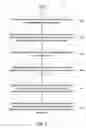
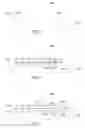

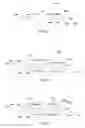


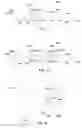
Sources:
- United States Patent and Trademark Office - verify current appl. status at the USPTO↗
Similar patent applications:
Recent applications in this class:
- » 20250293226 2025-09-18
LOGIC RECON TO SUPPORT SMALLER LOGIC DIES WITH MEMORY STACKS, AND ASSOCIATED SYSTEMS AND METHODS - » 20250293225 2025-09-18
LOGIC DRIVE BASED ON STANDARDIZED COMMODITY PROGRAMMABLE LOGIC SEMICONDUCTOR IC CHIPS - » 20250293224 2025-09-18
ELECTRONIC PACKAGE AND MANUFACTURING METHOD THEREOF - » 20250286036 2025-09-11
SEMICONDUCTOR PACKAGE HAVING STACKED SEMICONDUCTOR CHIPS - » 20250279404 2025-09-04
SEMICONDUCTOR PACKAGE - » 20250273646 2025-08-28
DUAL COOL POWER MODULE WITH STRESS BUFFER LAYER - » 20250273645 2025-08-28
LOGIC DRIVE BASED ON STANDARDIZED COMMODITY PROGRAMMABLE LOGIC SEMICONDUCTOR IC CHIPS - » 20250273644 2025-08-28
SEMICONDUCTOR PACKAGE AND METHOD OF MANUFACTURING THE SEMICONDUCTOR PACKAGE - » 20250266415 2025-08-21
SEMICONDUCTOR PACKAGE - » 20250266414 2025-08-21
Discrete Three-Dimensional Processor
Recent applications for this Assignee:
- » 20240266341 2024-08-08
HYBRID BONDING WITH UNIFORM PATTERN DENSITY - » 20240224489 2024-07-04
SEMICONDUCTOR DEVICE - » 20240170063 2024-05-23
CONTENT ADDRESSABLE MEMORY ARRAY DEVICE STRUCTURE - » 20240161819 2024-05-16
MEMORY DEVICE AND MANUFACTURING THEREOF - » 20240153896 2024-05-09
SEMICONDUCTOR PACKAGE SYSTEM AND METHOD - » 20240120409 2024-04-11
Method for non-resist nanolithography - » 20240113080 2024-04-04
Semiconductor Device with Discrete Blocks - » 20240105632 2024-03-28
Method for forming a semiconductor device including forming a first interconnect structure on one side of a substrate having first metal feature closer the substrate than second metal feature and forming first and second tsv on other side of substrate connecting to the metal features - » 20240096816 2024-03-21
Method of manufacture overlay mark using laser marking process for semiconductor device - » 20240096383 2024-03-21
MEMORY DEVICE